






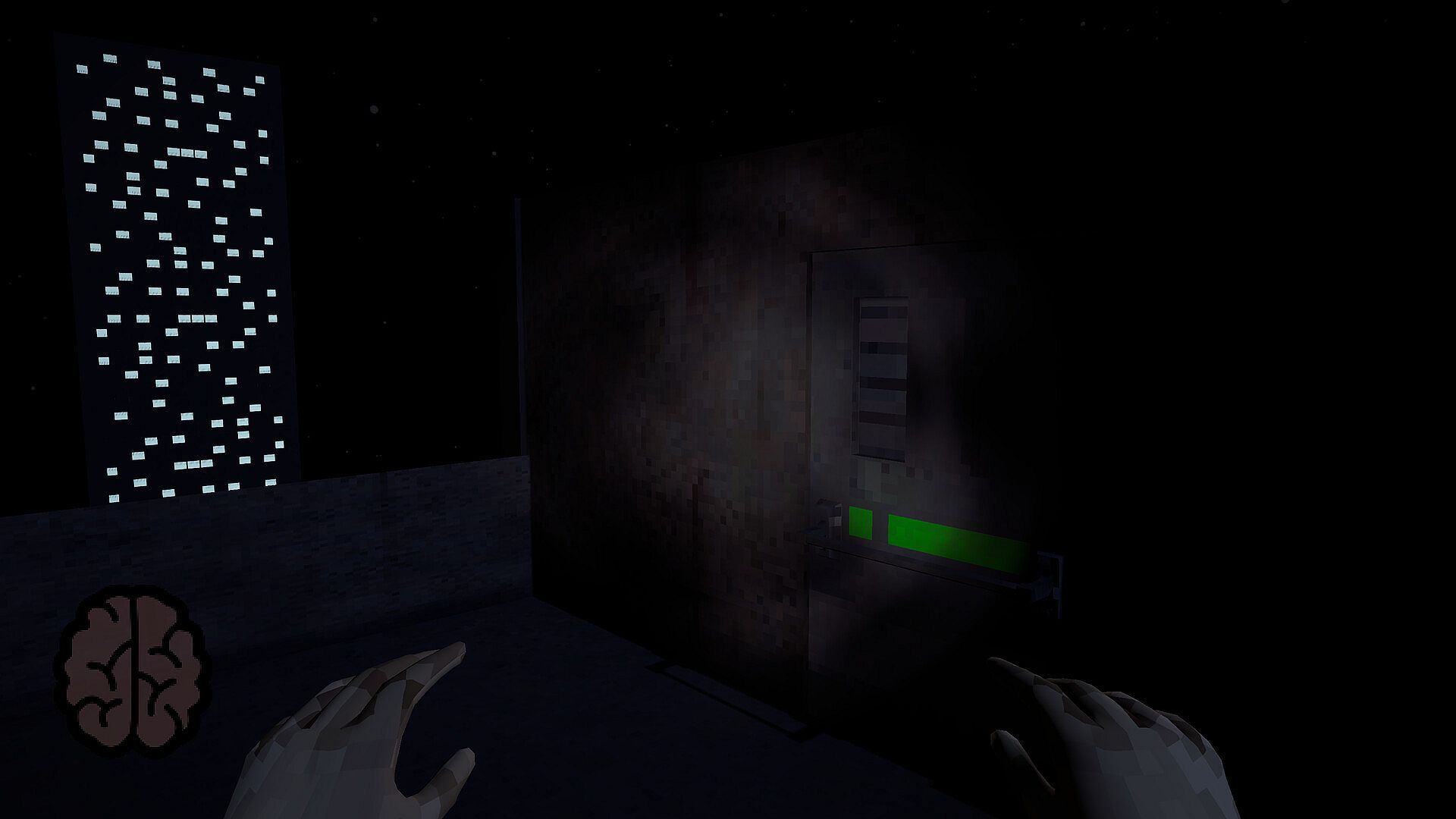
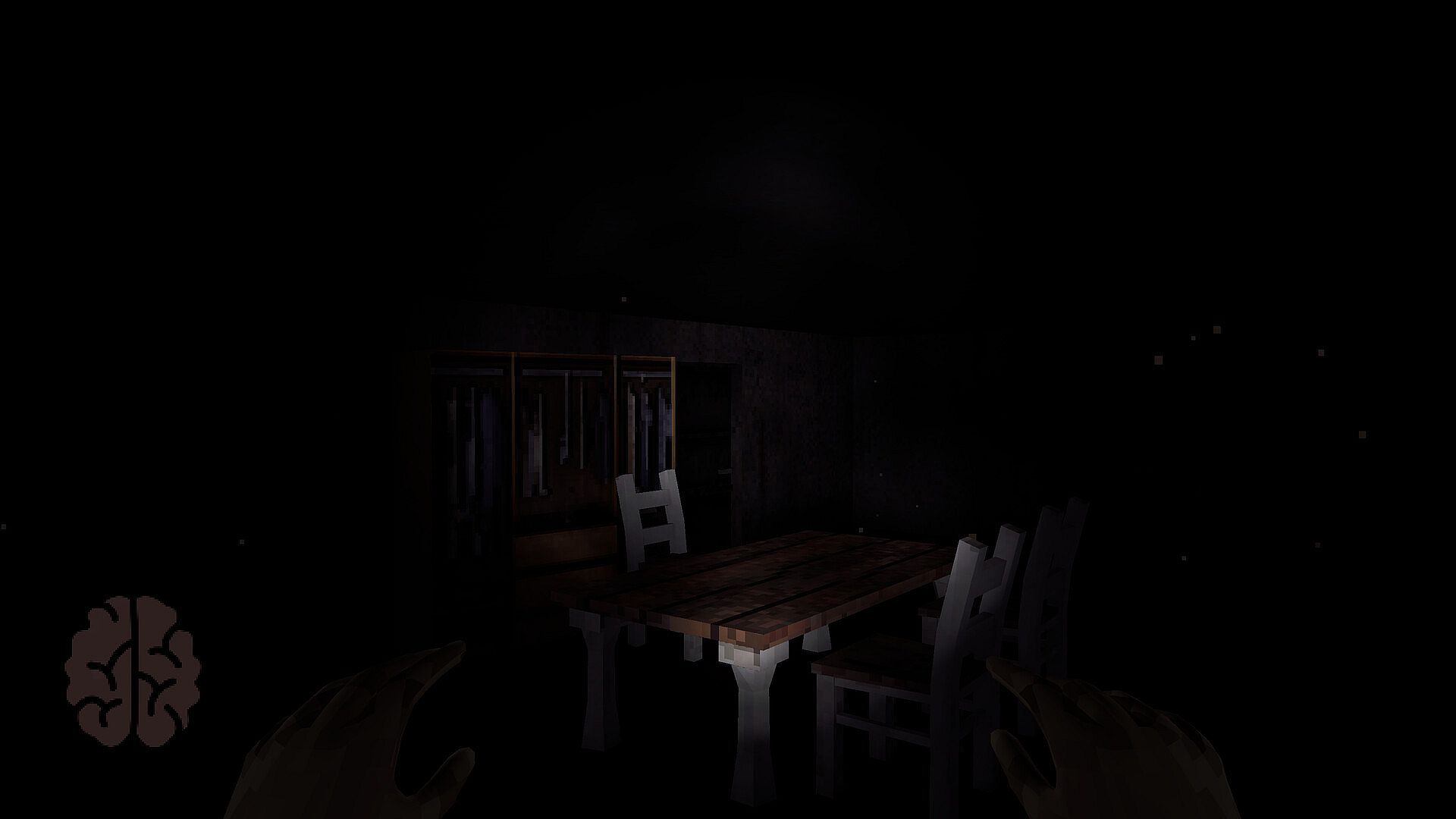
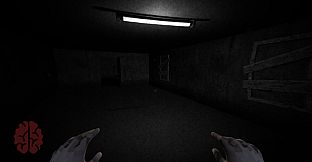
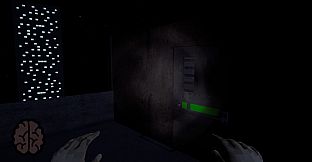
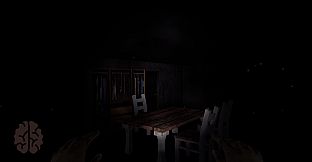
Montone is a first-person psychological horror game that blends action and adventure elements into a compact single-player experience. Players navigate an ever-shifting high-rise building filled with liminal spaces, where survival depends on stealth, quick thinking, and managing limited resources while evading a persistent threat.
Gameplay
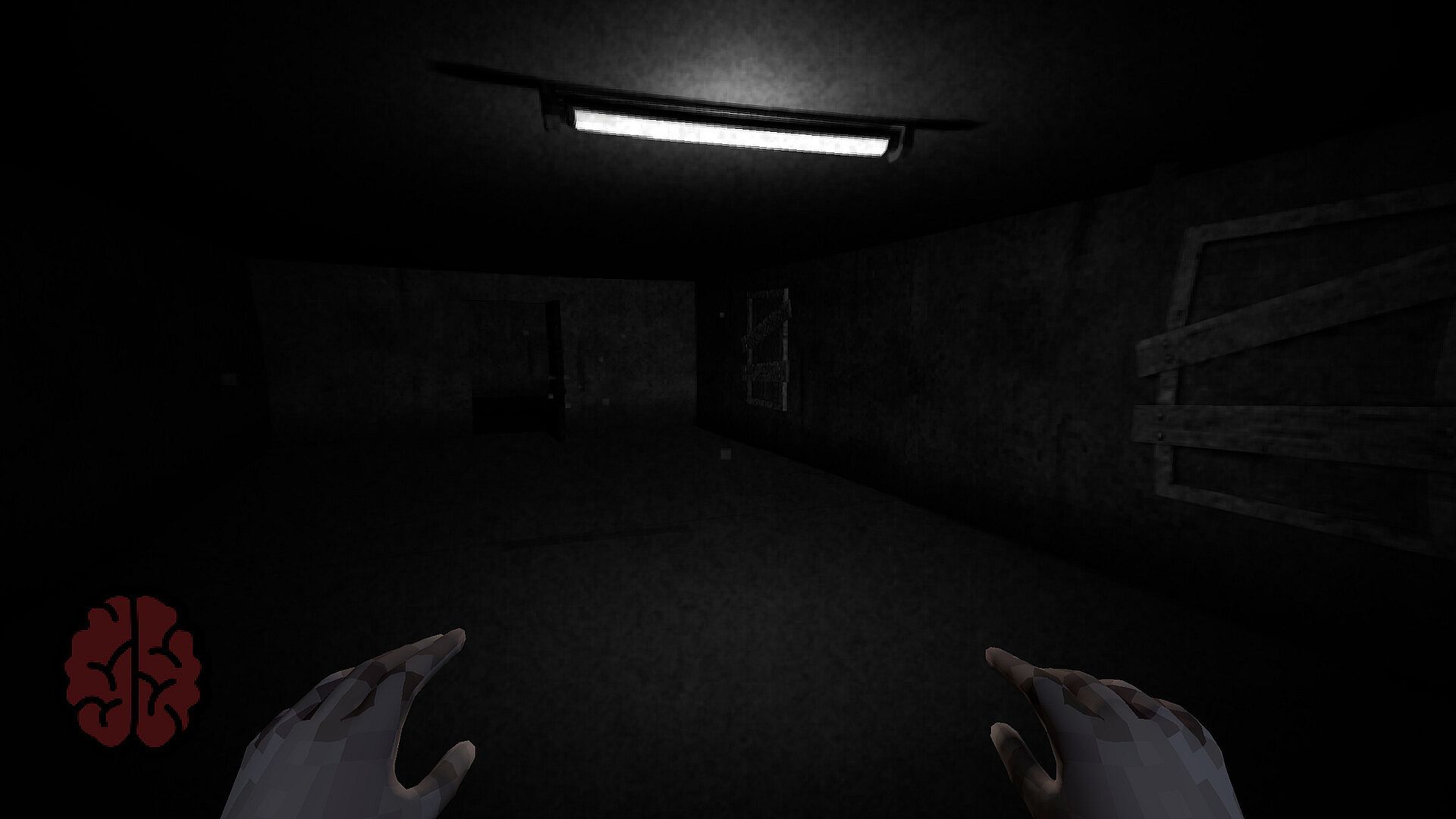
The core loop centers on exploration and evasion within procedurally generated layouts of rooms and corridors. Each run presents a fresh arrangement of spaces, encouraging repeated attempts to uncover the short storyline. Movement feels deliberate as players sneak through darkness, listen for audio cues, and choose paths that minimize exposure to danger. Medicine scattered throughout the environment provides temporary benefits like clearer senses and better navigation, but it introduces a risk-versus-dependency tension that ties directly into the narrative themes of addiction.
Notes and messages found along the way reveal disturbing clues that question the reliability of those same resources. This creates layers of uncertainty, where players must weigh immediate relief against potential long-term consequences. The relentless monster forces constant awareness, turning simple traversal into a tense exercise in hiding spots, timing, and avoidance rather than direct confrontation.
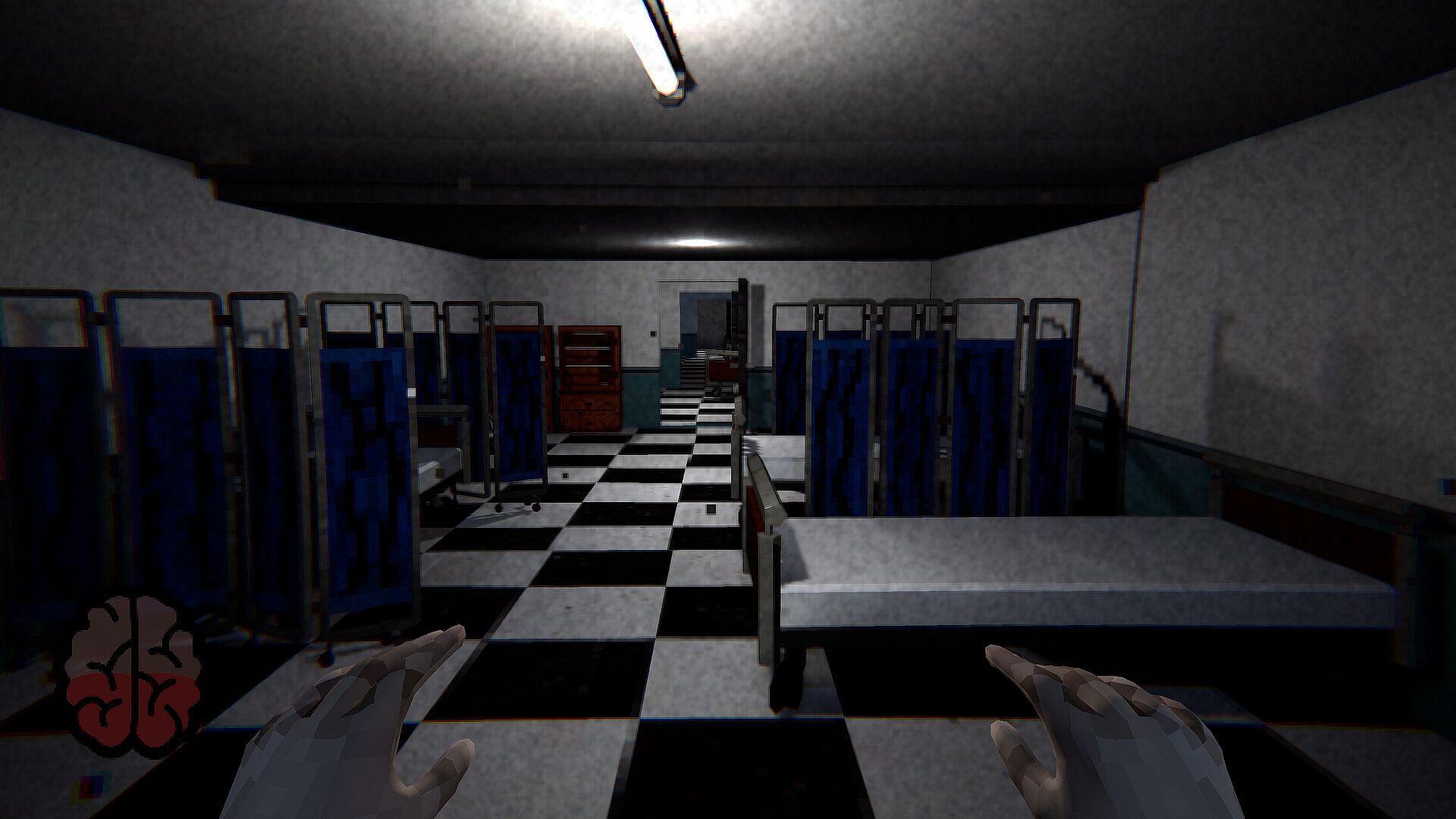
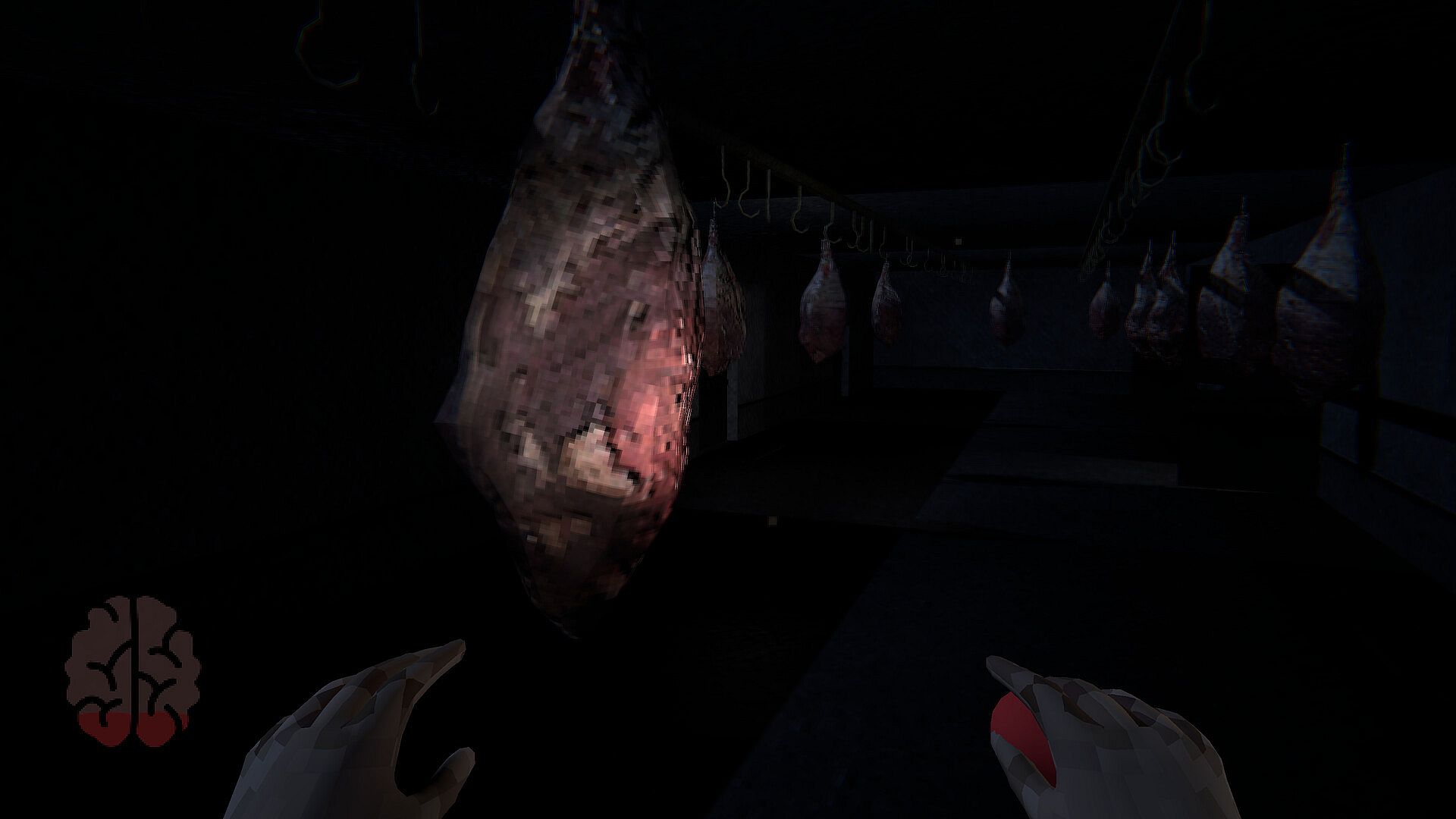
Atmosphere builds through varied room types that shift from sterile offices to industrial zones, each with its own oppressive tone. The entire experience lasts roughly two hours, focusing on a contained narrative arc rather than extended campaigns or side content.
Game Modes
Montone operates exclusively as a single-player title with no multiplayer options or separate game modes. The primary structure revolves around completing the short storyline in one continuous session, supported by procedural generation that alters level layouts on each playthrough. This design emphasizes replayability through changing environments and the need to piece together the full picture across attempts, without branching campaigns or competitive elements.
Progression remains linear in story terms, guiding players deeper into the building while the mechanics of stealth and resource management adapt to the randomized spaces. No additional modes like endless survival or challenge variants appear in the available details.
Narrative and Themes
The story unfolds through environmental storytelling and scattered documents that explore themes of addiction, dependency, and psychological unraveling. Players awaken in an endless high-rise where floors and rooms rearrange themselves, mirroring the protagonist's deteriorating mental state. Clues suggest that the medicine aiding survival may also contribute to the growing sense of pursuit and disorientation.
Disturbing messages and shifting realities encourage players to question what is real versus what stems from reliance on the found items. The monster stalking the building serves as both a mechanical threat and a manifestation of these internal struggles, heightening the horror without relying on traditional jump scares alone.
Is It Worth Playing?
Montone targets players who enjoy short, focused psychological horror experiences centered on stealth and tension rather than combat or lengthy campaigns. Its procedural levels and resource management create meaningful replay value within the two-hour runtime, appealing to those interested in narratives about addiction and mental fragility.
With a planned release in November 2026 and no reviews available yet, the game stands as an independent indie title from developer Ochsii. It suits fans of first-person horror who prefer atmospheric exploration and decision-making under pressure over action-heavy sequences. Those seeking a concise, unsettling journey through liminal spaces will find the core systems align closely with that preference.











