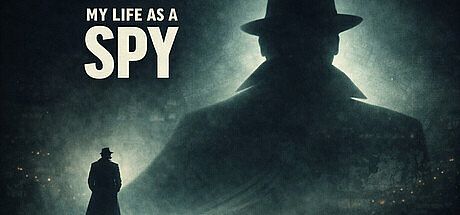


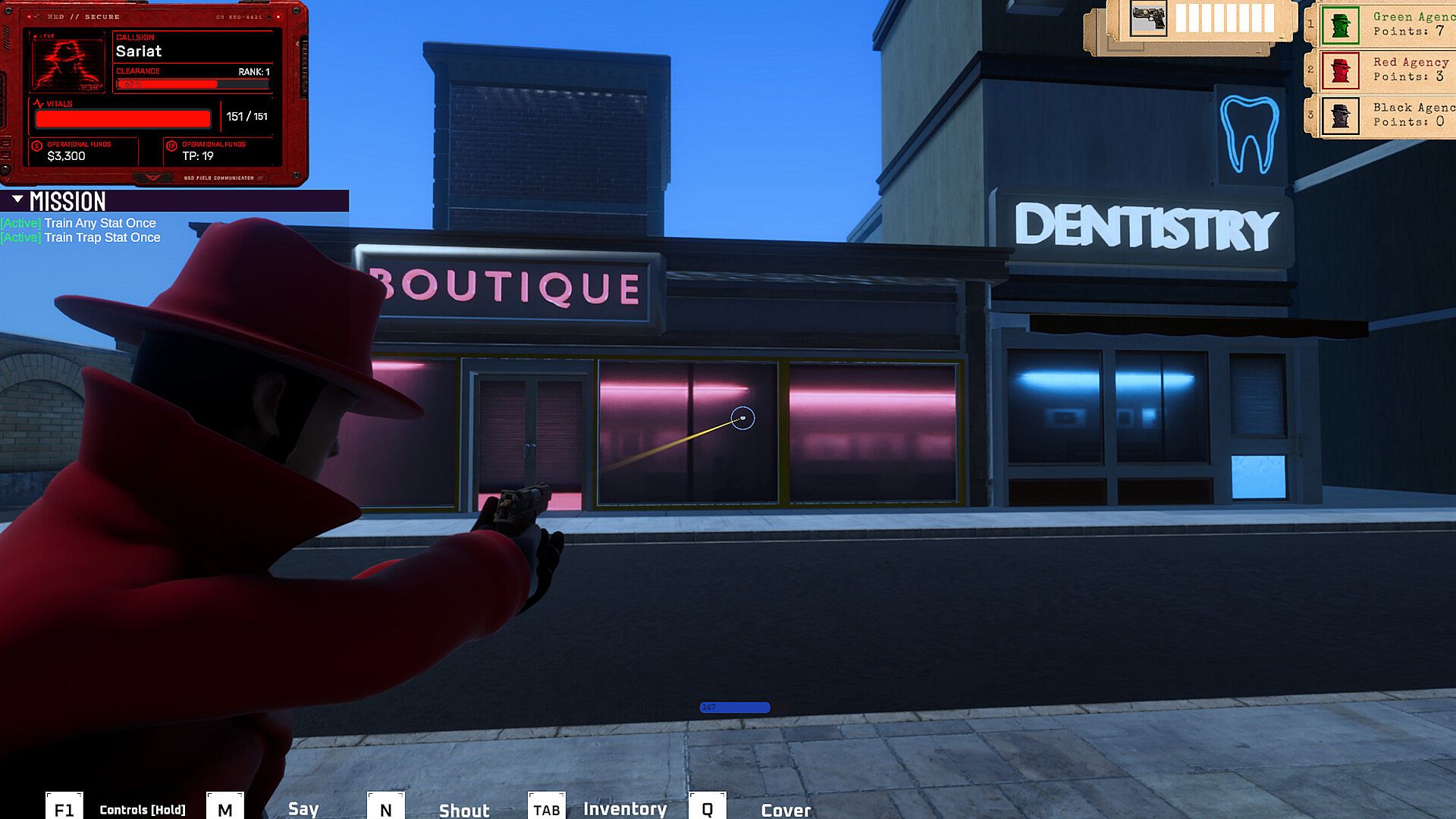
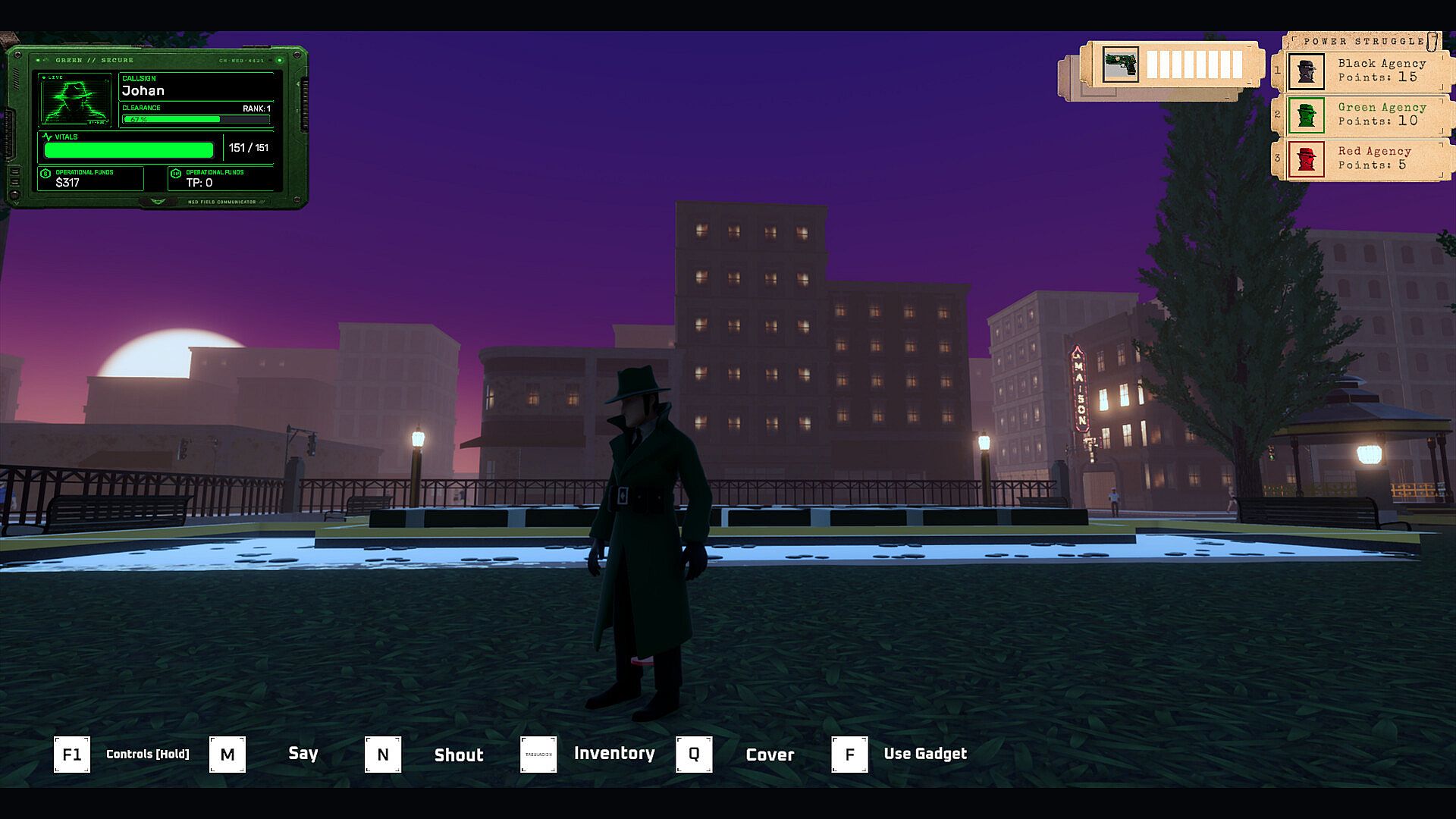
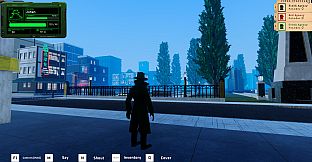
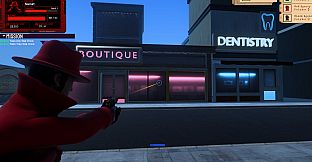
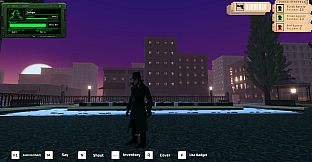
My Life as a Spy est un RPG d'espionnage multijoueur en ligne persistant disponible sur PC. Les joueurs incarnent des agents dans une version alternative de 1987 où les services de renseignement rivaux s'affrontent dans une guerre secrète faite d'infiltrations, de contrôle de l'information et d'affrontements directs, entre rues éclairées au néon et architecture Déco-Modern. L'expérience mêle action, stratégie, sensibilité indie, progression RPG et éléments d'aventure au sein d'un monde partagé où chaque décision laisse des traces durables.
Gameplay
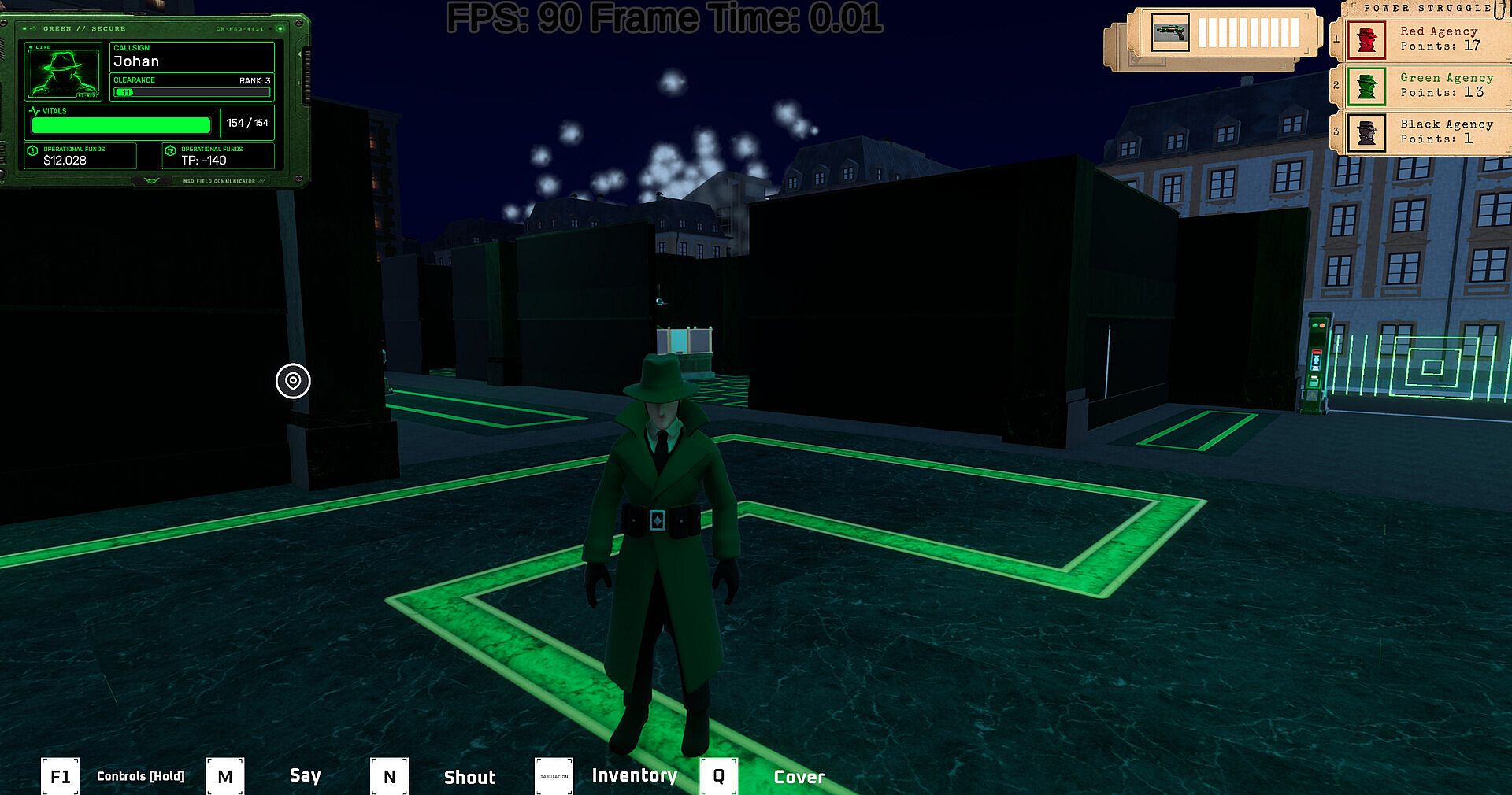
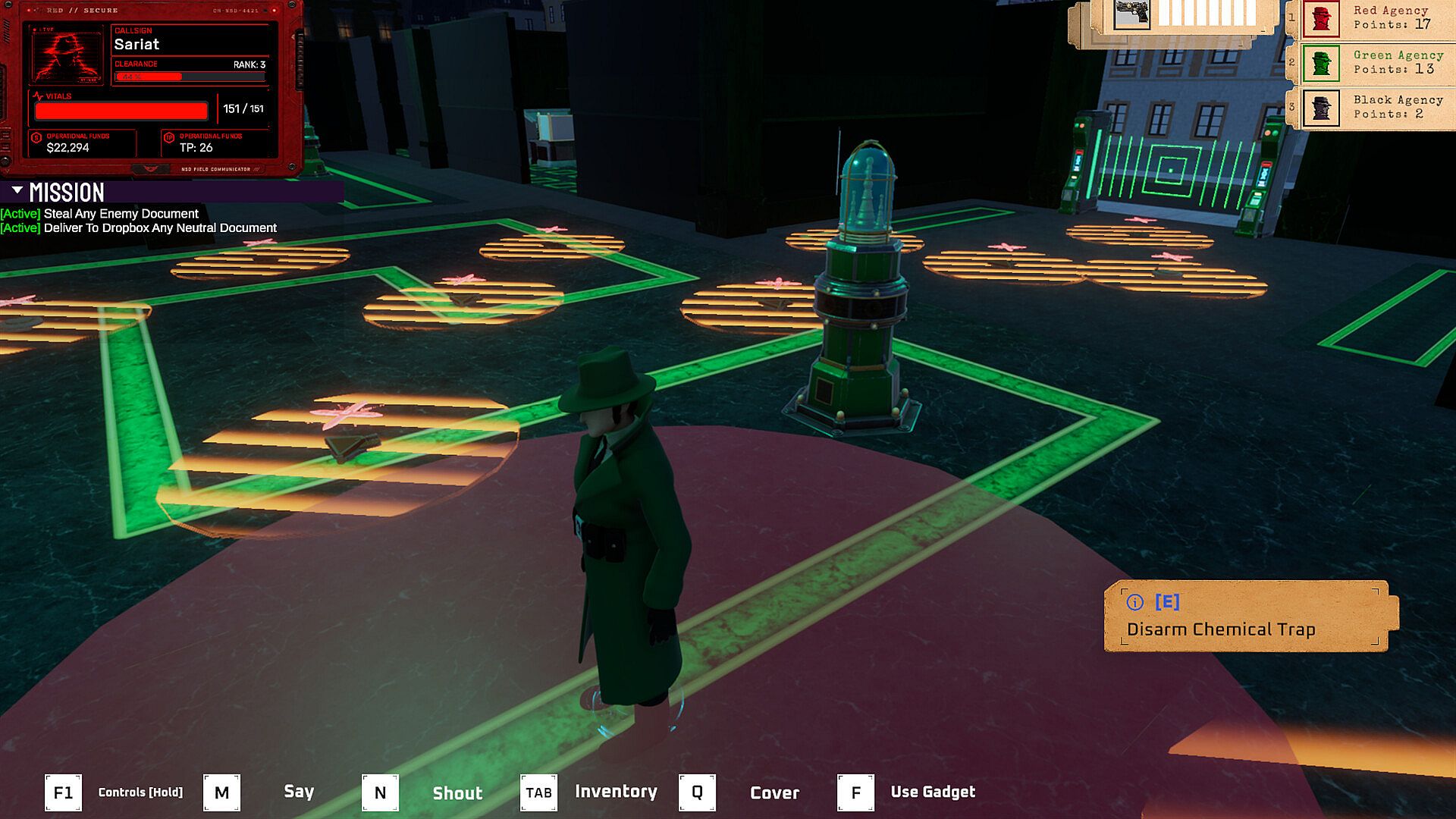
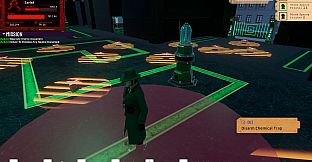
Le cœur du jeu repose sur des missions d'espionnage qui récompensent la préparation et l'adaptabilité. Les agents infiltrent des sites sécurisés, piratent des terminaux rétro-futuristes, posent des pièges et utilisent des déguisements pour passer inaperçus ou tromper leurs adversaires. La discrétion reste la méthode privilégiée tant que la situation ne bascule pas vers des affrontements PvP. Un système de « heat » mesure la visibilité et les conséquences des actions, tandis que les témoins et informateurs NPC ajoutent du risque à chaque opération. Les statistiques d'entraînement améliorent les capacités des agents au fil du temps, et les vendeurs proposent des gadgets utiles pour transporter des documents ou utiliser des scanners. La mort entraîne des pénalités concrètes, soulignant l'importance d'une planification rigoureuse dans cette économie fondée sur l'information.
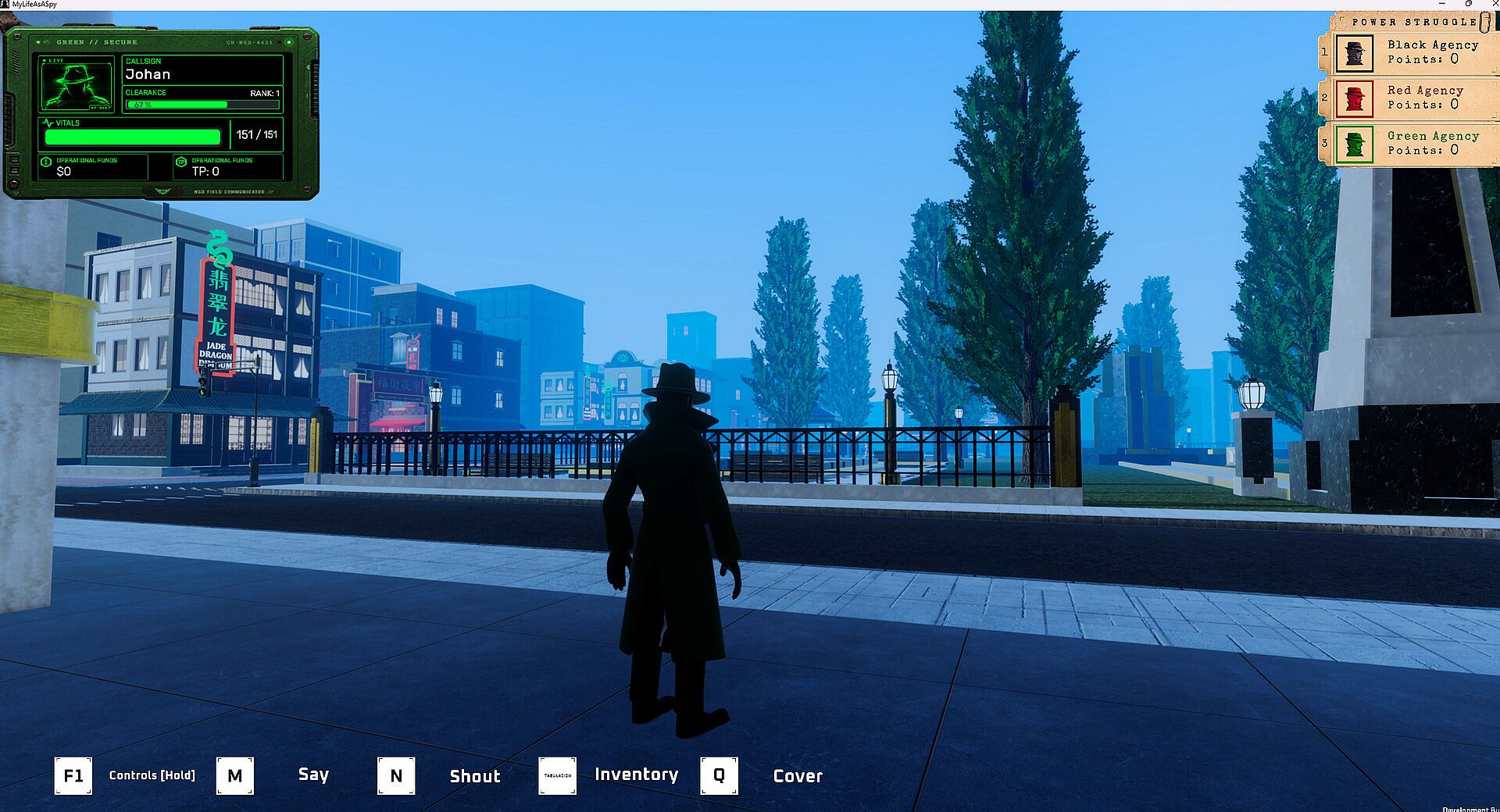
Cinq agences rivales se disputent la domination. Les joueurs rejoignent l'une des factions colorées ou secrètes. Les interactions en temps réel entre agences créent une tension permanente sur la carte de la ville. Le clavier et la souris gèrent les déplacements, le déploiement des outils et le combat, permettant une précision essentielle lors des hacks ou des embuscades. Le style visuel Noir-Pop met en valeur le décor avec un fort contraste et des détails inspirés de l'époque, distinguant les lieux sans chercher le réalisme moderne.
Game Modes
Les missions fonctionnent comme des concours ouverts d'information, de timing et de sang-froid plutôt que comme des listes structurées. Les joueurs choisissent ou reçoivent des tâches consistant à sécuriser des documents, perturber les opérations adverses ou prendre l'avantage grâce à des pièges et à la tromperie. Le monde persistant fait que les actions d'un groupe influencent les autres, transformant des infiltrations ordinaires en événements impliquant plusieurs agences. Les rencontres PvP surgissent naturellement lorsque les trajectoires se croisent, faisant passer l'accent de la pure discrétion à des engagements mixtes. Il n'existe pas de files de matchmaking séparées : un seul environnement partagé gère toutes les activités via les rivalités entre agences et les choix individuels des agents.
Setting and Atmosphere
Le décor alternatif de 1987 mêle enseignes néon et détails architecturaux qui évoquent un thriller d'espionnage rétro-futuriste. Chaque lieu propose plusieurs approches, des toits aux accès souterrains. La direction artistique privilégie les couleurs vives et les formes stylisées pour souligner la tension entre glamour et secret. Le son et l'interface renforcent l'ambiance d'époque tout en offrant un retour clair pendant les hacks ou les changements de déguisement.
Development and Current State
Le projet est né d'un concept 2D antérieur, reconstruit dans Unity sous la forme d'un titre 3D en ligne persistant. Les mises à jour du développeur montrent un travail continu sur les gadgets, les conflits entre agences et les mécaniques de conséquences. Les systèmes de progression via l'entraînement et les économies des vendeurs continuent de s'étoffer, avec l'accent mis sur des choix significatifs plutôt que sur des missions linéaires. Le jeu reste en développement actif ; les avancées sont partagées publiquement via des vidéos qui illustrent les boucles de jeu dans leur état jouable.
Is It Worth Playing?
Les joueurs attirés par un multijoueur d'espionnage centré sur la discrétion, la tromperie et le PvP émergent trouveront des systèmes qui correspondent à leurs attentes. La nature persistante du monde et les rivalités entre agences incitent à des sessions répétées axées sur la guerre de l'information et la préparation tactique. Comme le titre est encore en développement, sa disponibilité dépendra du calendrier de sortie et d'éventuelles options d'accès anticipé. Ceux qui apprécient les RPG indie récompensant l'observation patiente et la stratégie adaptative plutôt que l'action frénétique devraient trouver leur compte dans la direction actuelle des builds. Les amateurs d'expériences multijoueurs plus lentes et délibérées, centrées sur l'immersion du rôle plutôt que sur le combat constant, pourront suivre les prochaines mises à jour pour confirmer les plans de sortie.