




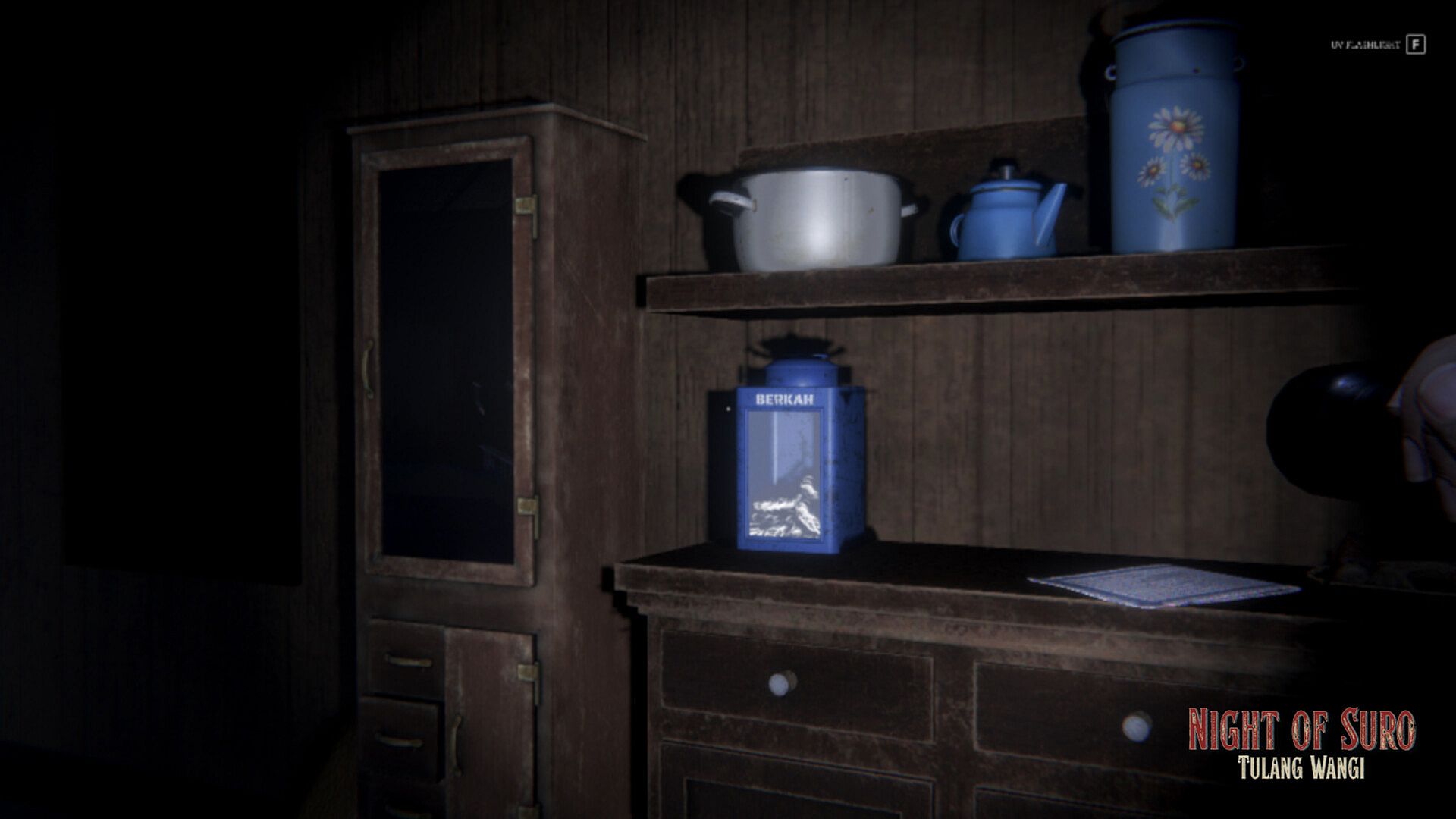
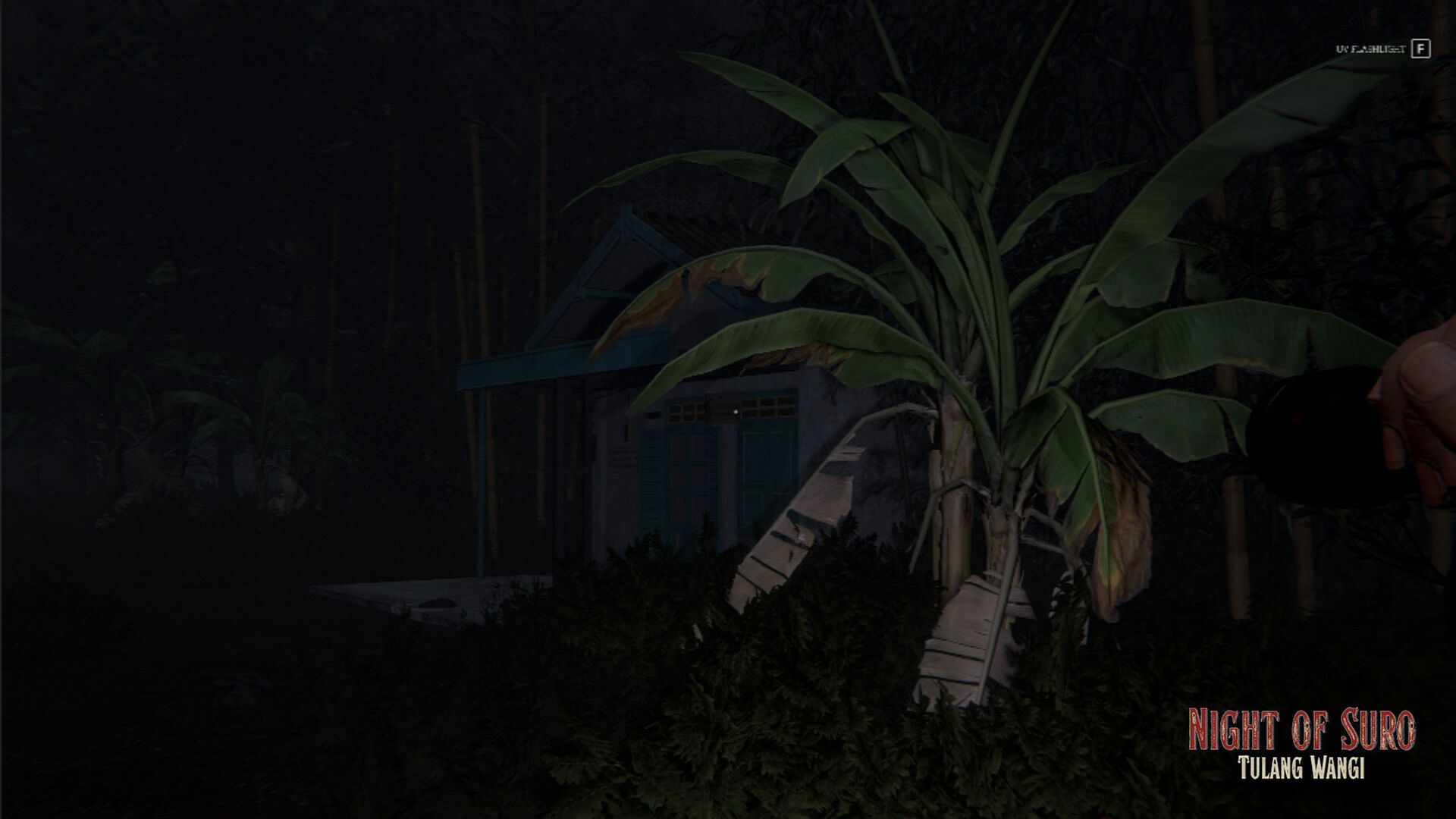


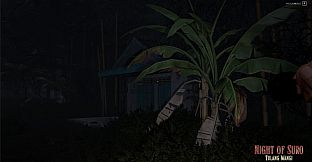
Night of Suro: Tulang Wangi is a single-player indie simulation adventure game that blends Javanese folk horror with survival elements. Set in rural Central Java in 1982, the story follows Kusumo, a young man born under the forbidden Weton Tulang Wangi. On Malam Satu Suro, the Javanese New Year when spirits walk freely, he must venture out to complete an ancestral ritual with the family heirloom Keris Tirta Wangi or lose his mother to the same curse that claimed his father.
Gameplay
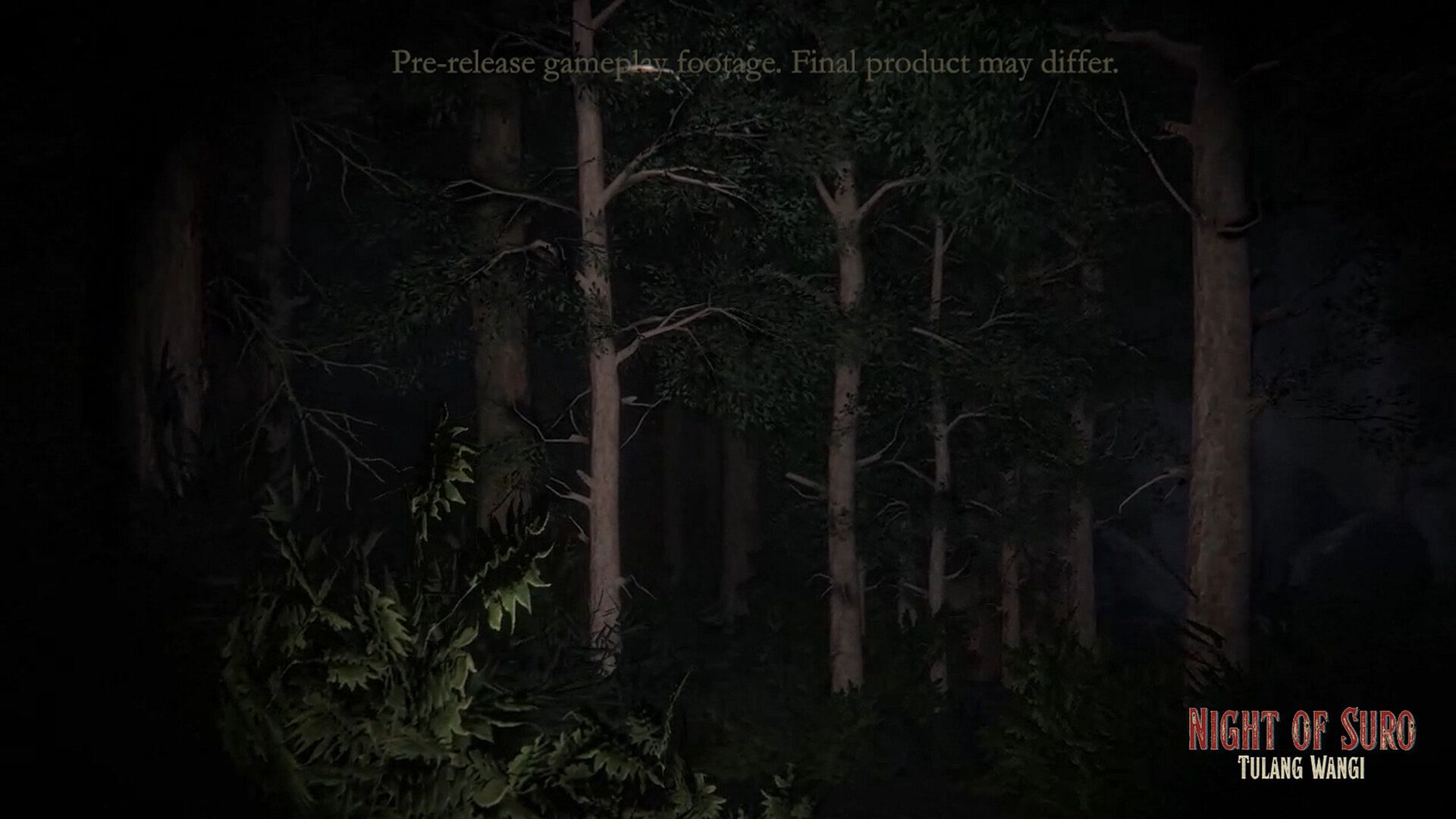
The core loop centers on survival against a ticking clock tied directly to the protagonist's birth timing. Every minute spent outside on the night of Satu Suro accelerates the approach of death, forcing careful resource management and route planning through the village and surrounding areas. Players navigate eerie rural settings including abandoned houses and forested mountain paths while avoiding detection by unseen forces.
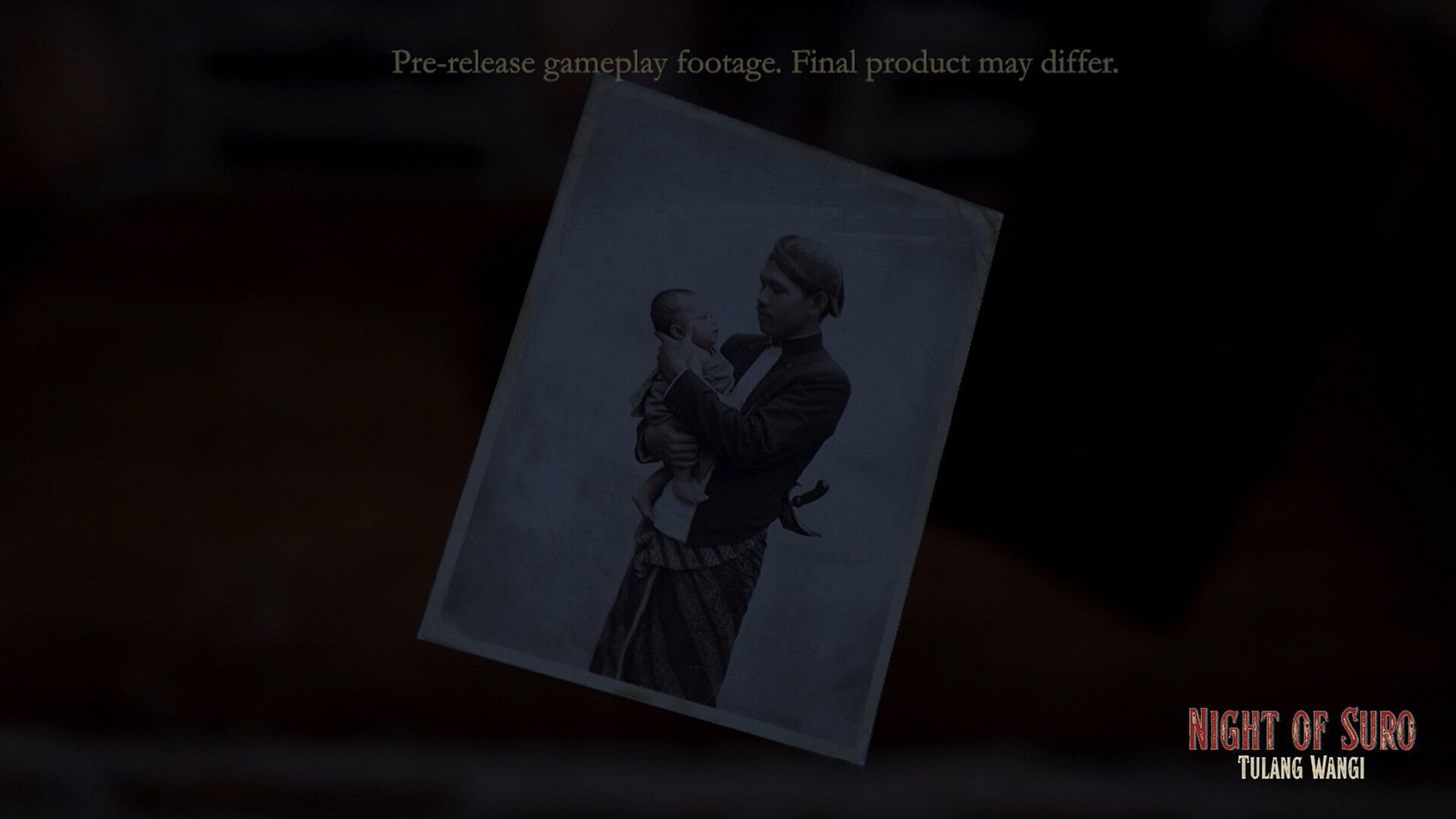
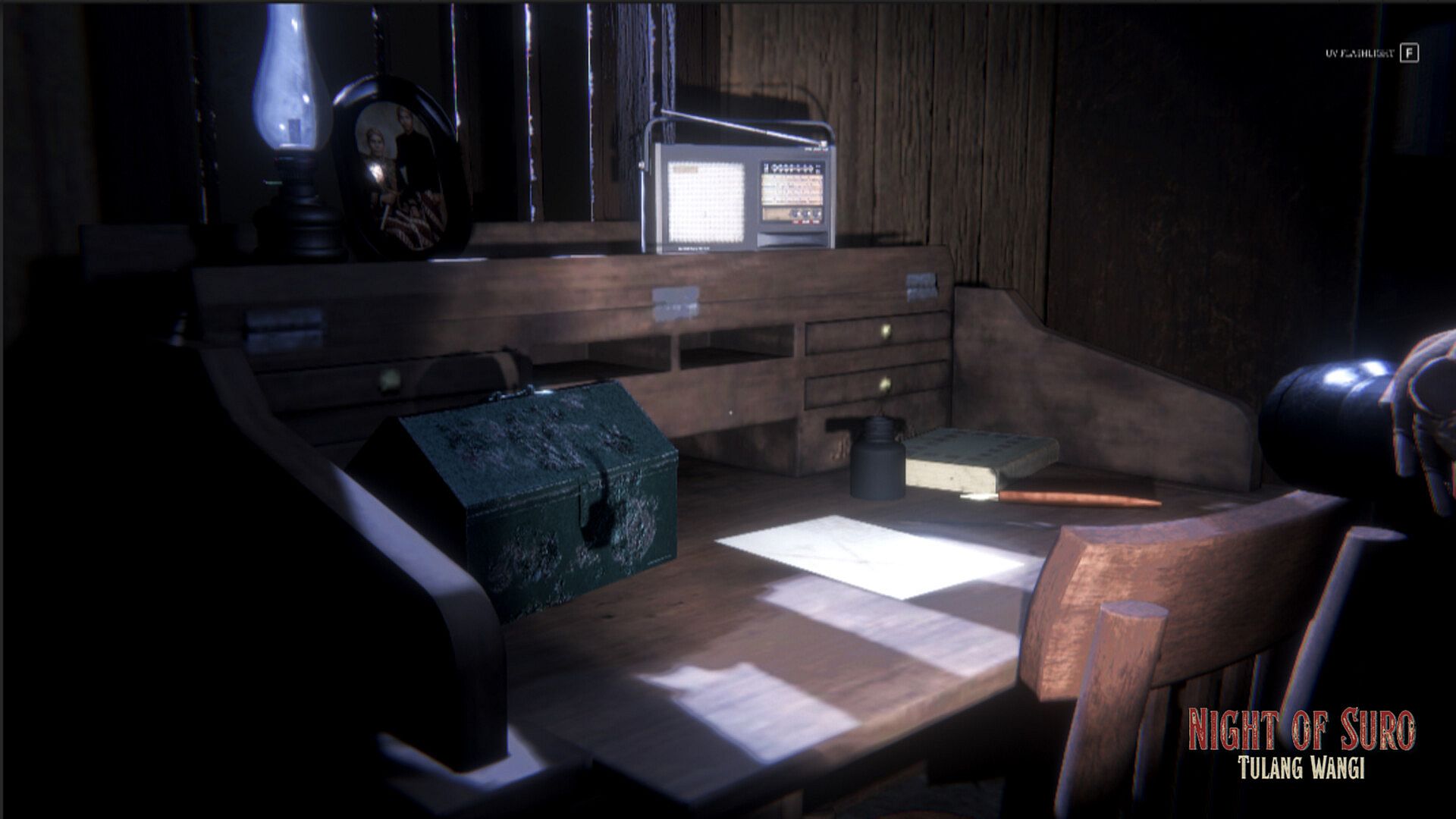
Puzzle solving forms a major part of progression. Cryptic clues, environmental details, and diary fragments reveal fragments of family history and ritual requirements. Each discovery often requires a personal cost, reinforcing the theme of inherited burdens. Exploration rewards attention to cultural details drawn from authentic Javanese traditions, with the soundtrack layering traditional gamelan instrumentation over unsettling modern horror design to heighten tension without relying on sudden shocks.
Atmosphere drives the experience. The game emphasizes staying silent and unseen as core survival principles, with the lush yet ominous Java landscape serving as both setting and threat. Limited time outside means every decision about movement, investigation, and ritual preparation carries weight.
Game Modes
The game offers a single-player experience only. There are no multiplayer options or separate modes listed. The entire title functions as one continuous narrative-driven survival adventure centered on completing the ritual before dawn. Players progress through the night by managing the weton curse, solving puzzles, and uncovering the curse's origins in a linear yet exploratory structure.
Story and Setting
The narrative unfolds through environmental storytelling and personal artifacts rather than direct exposition. Kusumo's journey reveals layers of family tragedy connected to the sacred keris and the demands of ancestral duty. The setting draws deeply from Javanese beliefs about the thin veil between worlds on Satu Suro, presenting rituals and taboos with cultural specificity. This creates a focused tale about breaking or perpetuating cycles of sacrifice.
Visual and audio design reinforce the period and location. Villages and forests reflect real Central Java geography and architecture, while the score integrates gamelan elements to evoke both heritage and dread. The experience stays grounded in the one-night timeframe, building dread through isolation and the constant pressure of the countdown.
Is It Worth Playing?
Night of Suro: Tulang Wangi targets players interested in culturally rooted horror that prioritizes atmosphere, puzzle-solving, and narrative over combat or action. Its single-player survival structure with a unique weton-based timer offers a distinct loop for those who enjoy methodical exploration and story discovery in short, intense sessions. The game remains in development with a coming-soon release, so current details reflect the developer's stated vision of authentic folklore presented without graphic excess. Those drawn to indie titles emphasizing Javanese traditions and psychological tension may find the focused scope rewarding once available, while fans of broader action horror or multiplayer experiences should look elsewhere. The emphasis on resource conservation and ritual completion aligns well with simulation and adventure preferences.












