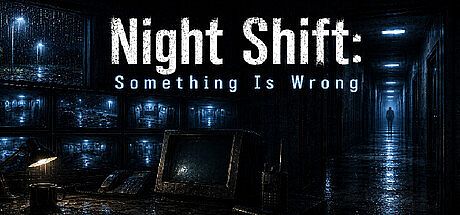


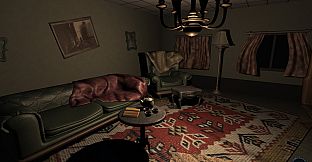
Night Shift: Something Is Wrong is a first-person indie simulation and adventure game built around careful observation and anomaly detection in a single-player office environment. Players take on a night security role, learning the building's normal patterns before subtle changes begin to appear across successive shifts.
Gameplay
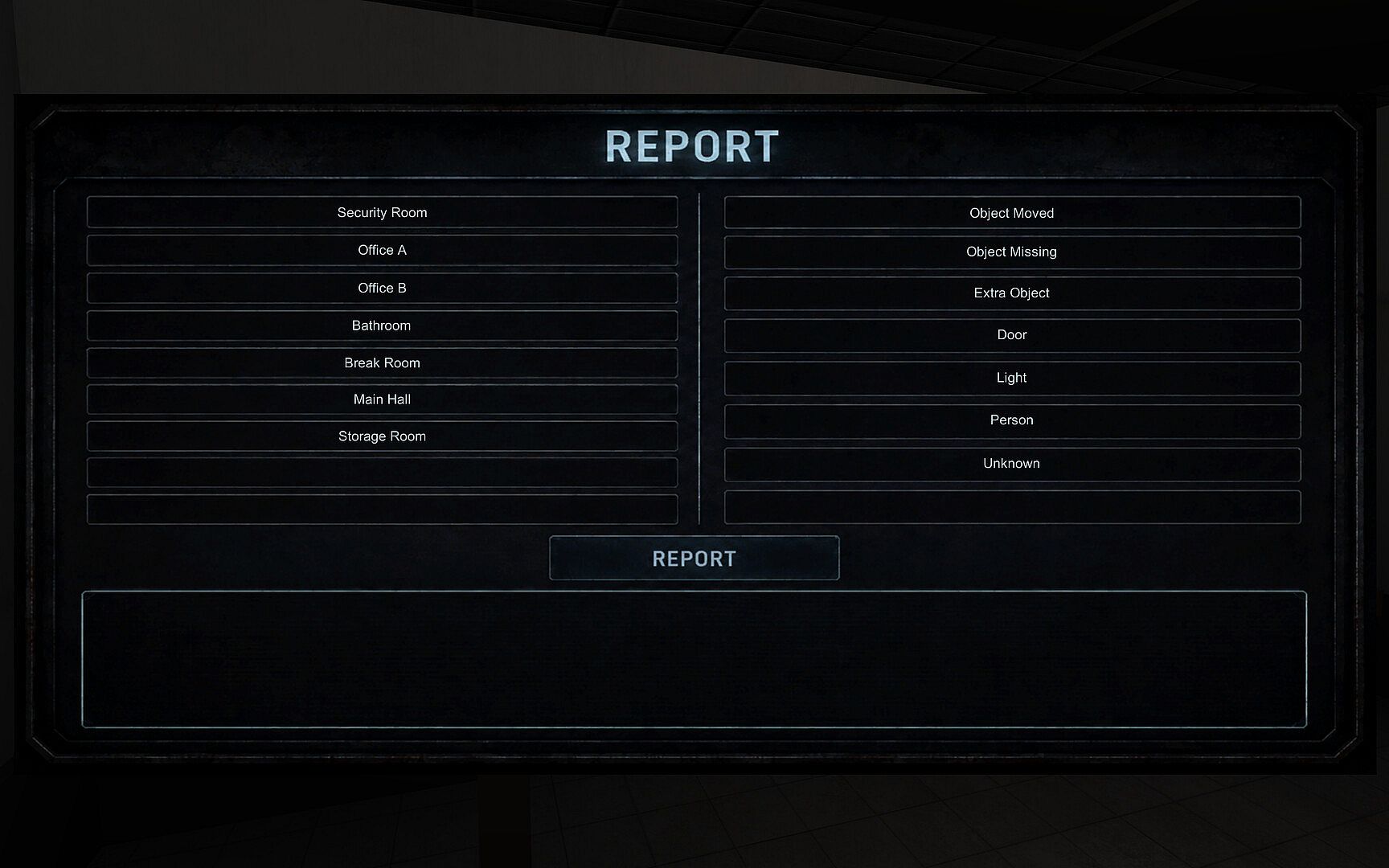
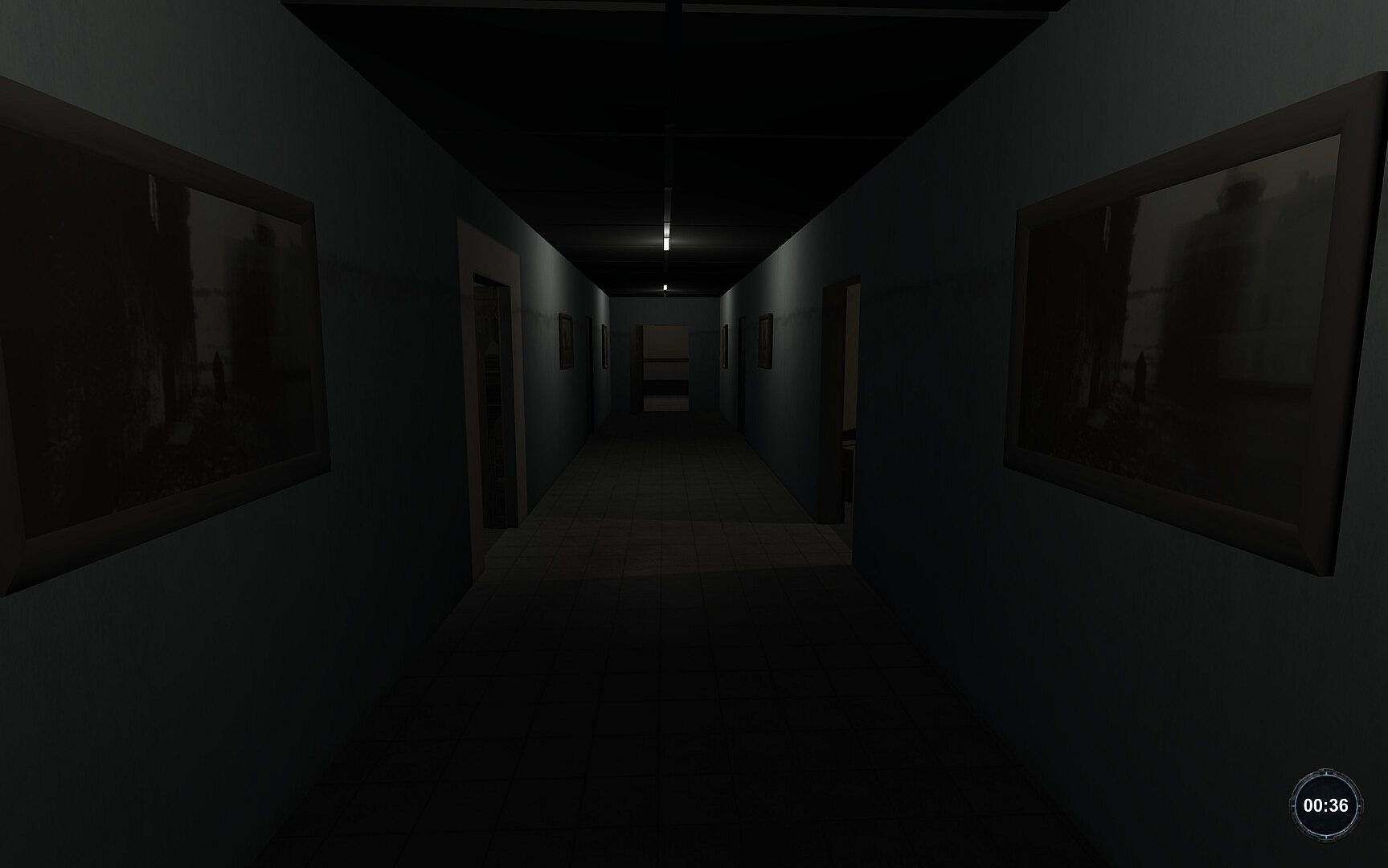
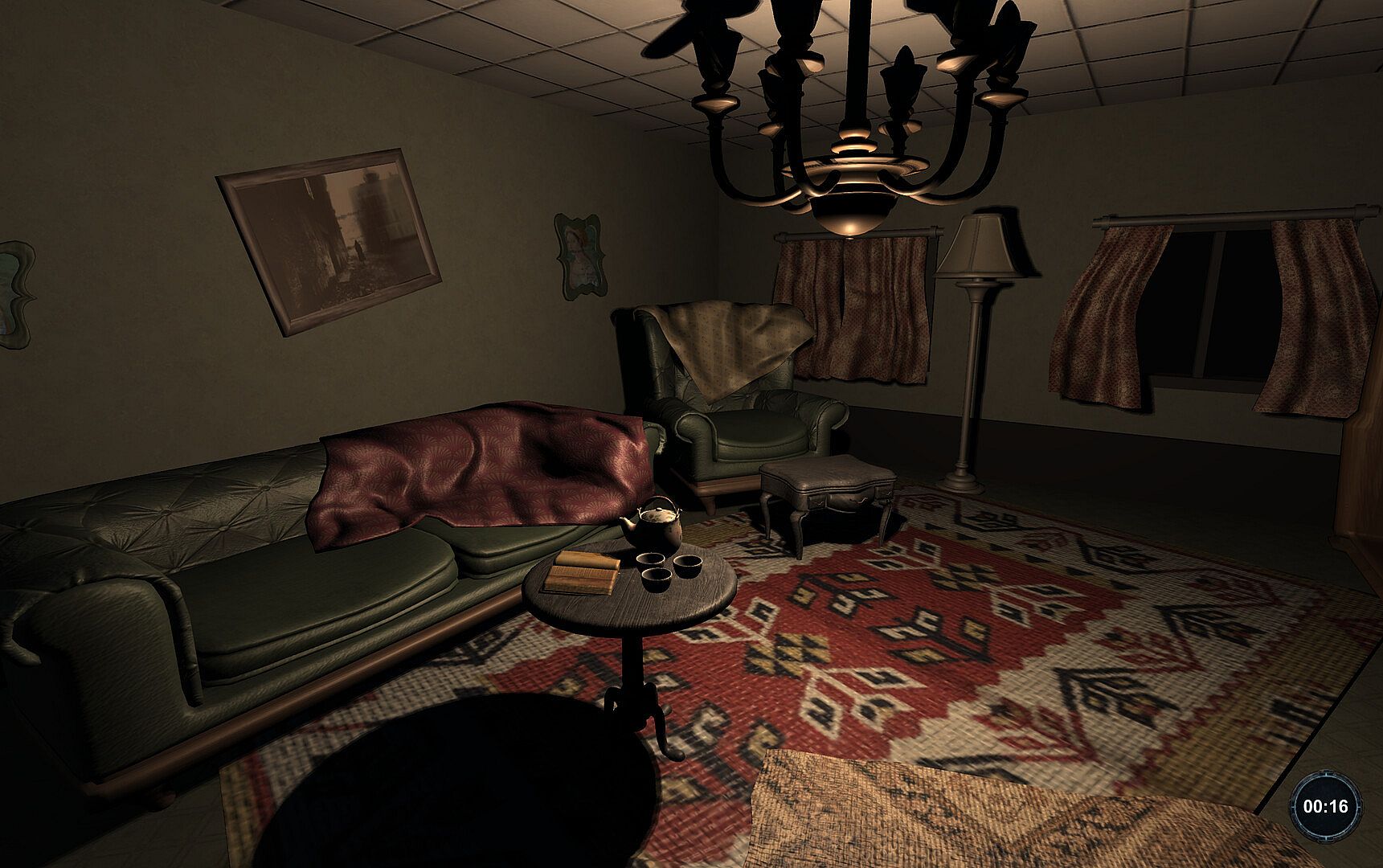
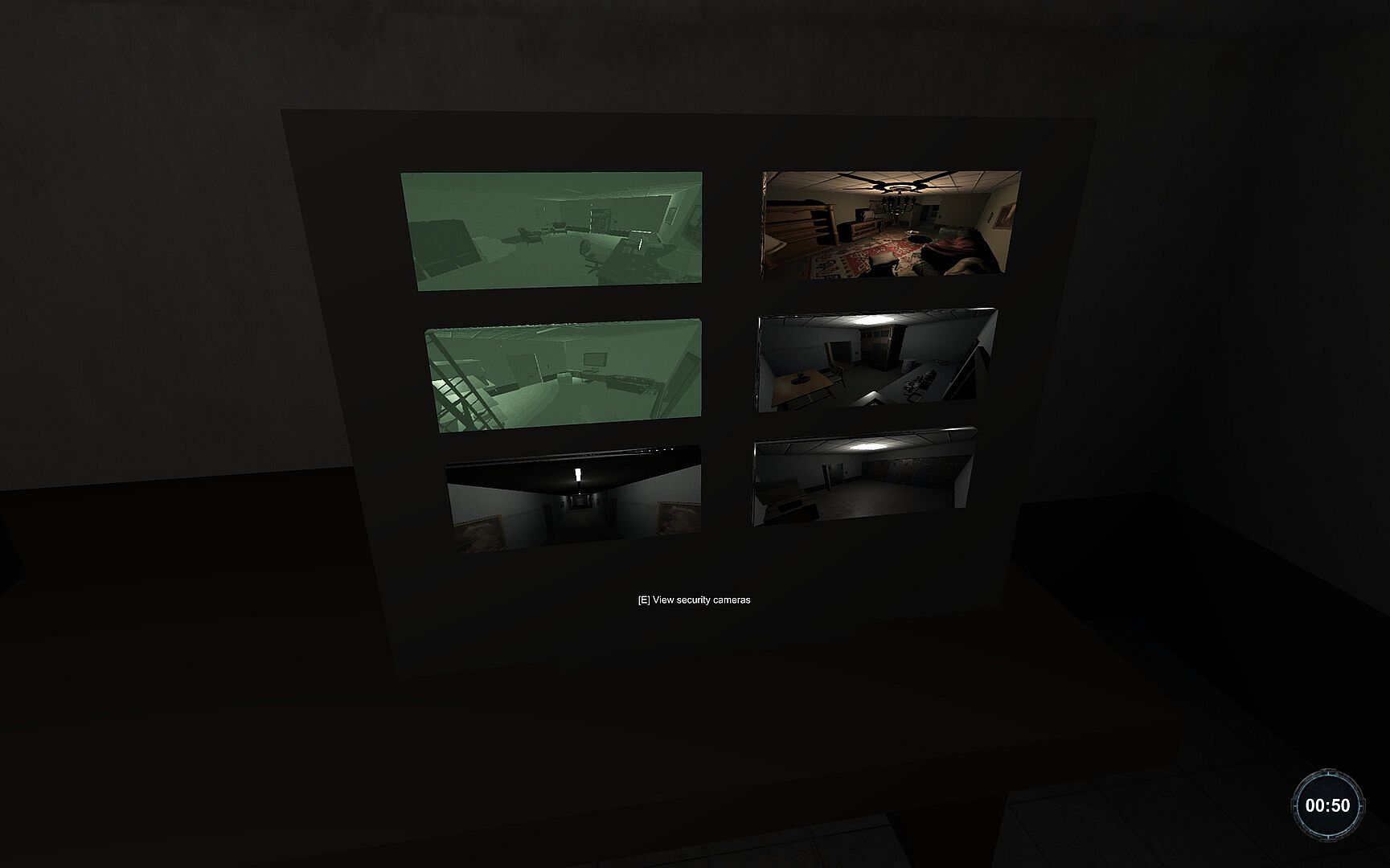
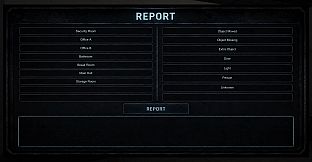
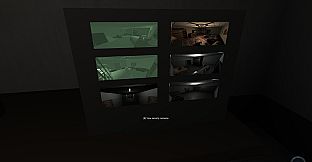
The core loop centers on monitoring security cameras from a central station while conducting physical patrols through the office spaces. Players must memorize standard object placements, lighting conditions, door states, and equipment behavior. Anomalies range from missing or relocated items to unusual light and door activity, with some only visible on CCTV feeds and others requiring direct inspection. A report terminal allows entries based on location and anomaly type, but accuracy matters because not every oddity qualifies as something to flag. The experience unfolds without combat, relying instead on verification steps that combine remote viewing with on-foot checks to distinguish real irregularities from expected variations.
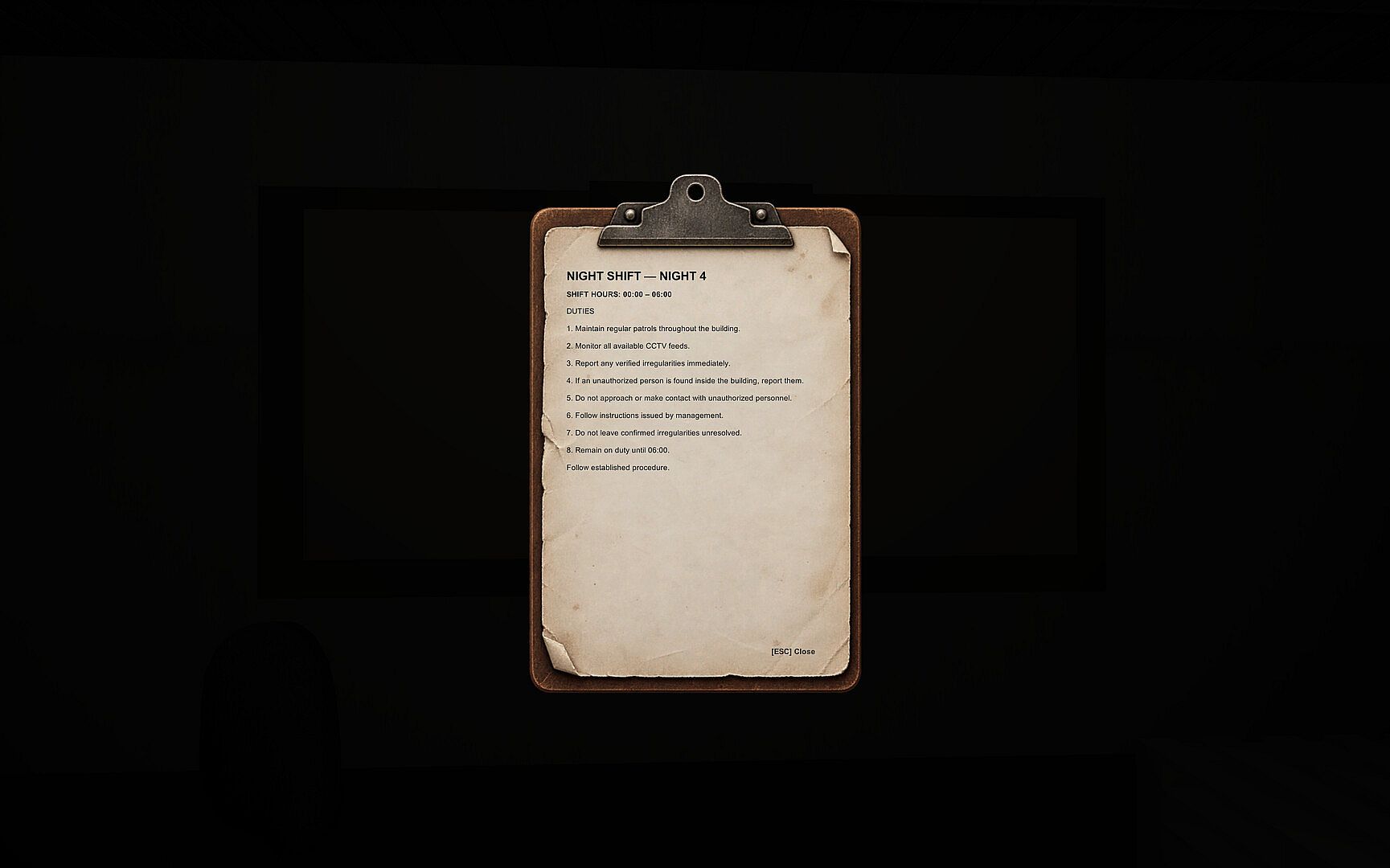
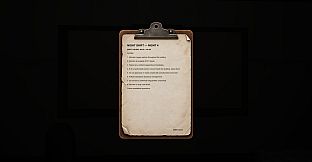
Over the course of seven night shifts the building layout expands gradually, introducing new areas alongside documents and communications from supervisor Jack. Instructions from the supervisor occasionally diverge from direct observations, creating tension around which details to trust. Player decisions on what to report and how to behave accumulate across shifts, shaping the narrative direction and leading to different conclusions.
Game Modes
The game operates as a single continuous campaign structured around the seven progressively altered night shifts. There are no separate multiplayer or competitive modes; the focus remains on the solitary routine of observation, verification, and reporting. Each shift builds on the previous one by revealing additional sections of the building and layering new anomalies that test pattern recognition and decision-making under uncertainty.
Story and Atmosphere
Atmospheric tension grows through environmental storytelling rather than overt threats. Documents scattered throughout the office and occasional phone calls provide context that may conflict with what the player sees firsthand. The first-person perspective keeps attention on subtle environmental details, from shifting object positions to irregular equipment behavior, while the absence of combat emphasizes quiet exploration and careful judgment. The design rewards repeated playthroughs by highlighting how reporting choices and overall conduct influence the available endings.
Is It Worth Playing?
This title suits players who enjoy deliberate, observation-driven experiences that reward attention to detail and careful decision-making. The seven-shift structure provides a contained campaign with branching outcomes based on accuracy and behavior, making it appealing for those interested in atmospheric single-player adventures without action elements. The combination of CCTV monitoring and physical patrols creates a consistent gameplay rhythm that evolves naturally across nights, supported by the anomaly reporting system and narrative layers. Availability on PC makes it accessible for anyone drawn to indie simulation titles centered on routine tasks that gradually reveal inconsistencies.