

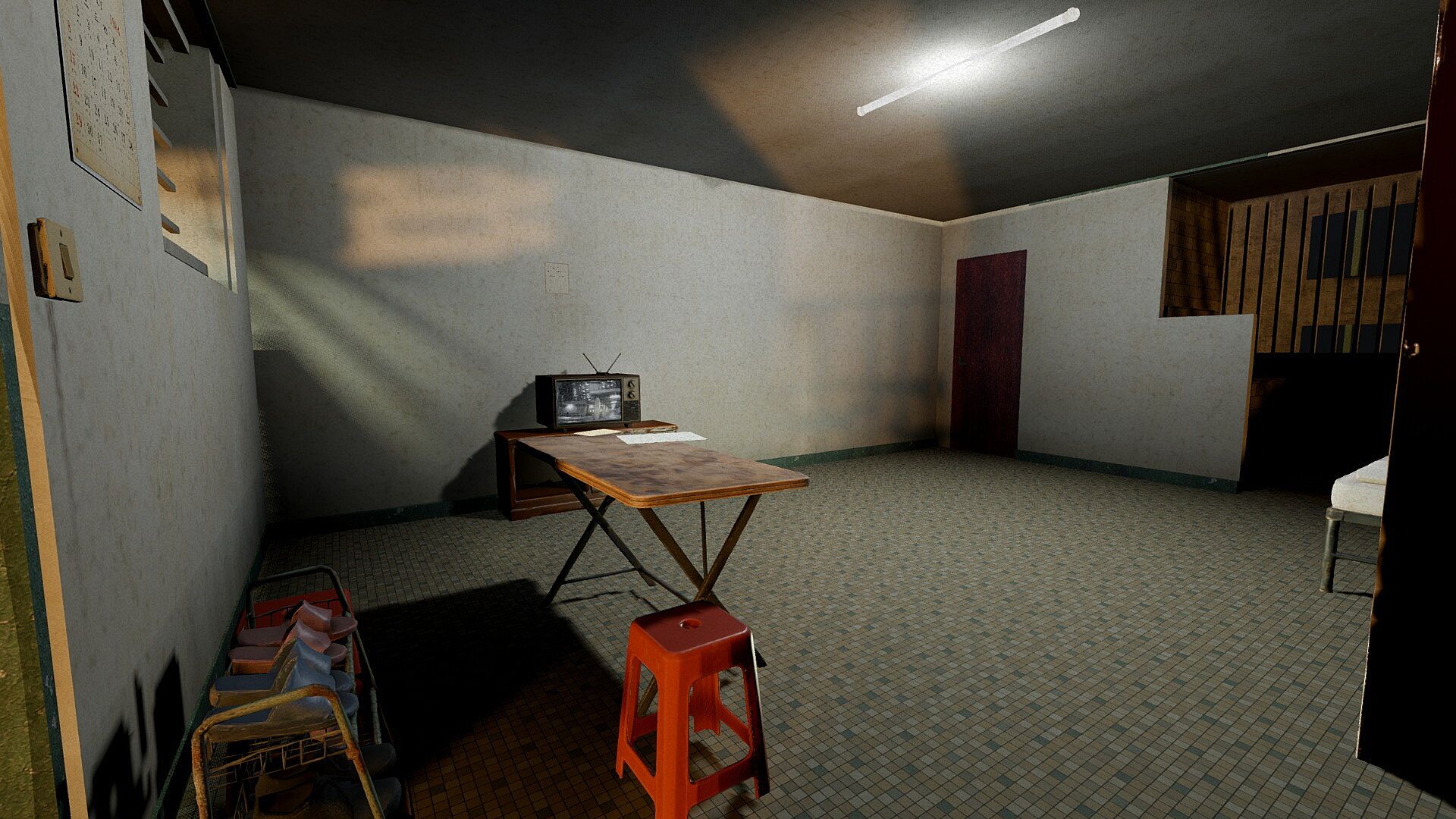

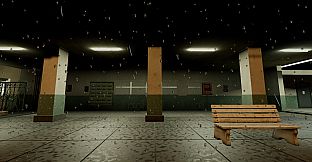
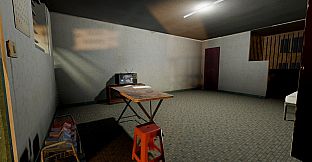
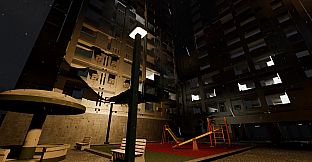
Notary Block is a multiplayer party game that blends action, adventure, and indie sensibilities into a tense social experience set inside a recreated Hong Kong public-housing estate. Players take on asymmetric roles in short rounds that emphasize survival, deception, and environmental interaction rather than traditional combat or exploration loops. The core appeal lies in its focus on 4 to 8 participants who must navigate a shared space using real physics for grabbing and throwing objects while managing limited information and time pressure.
Gameplay
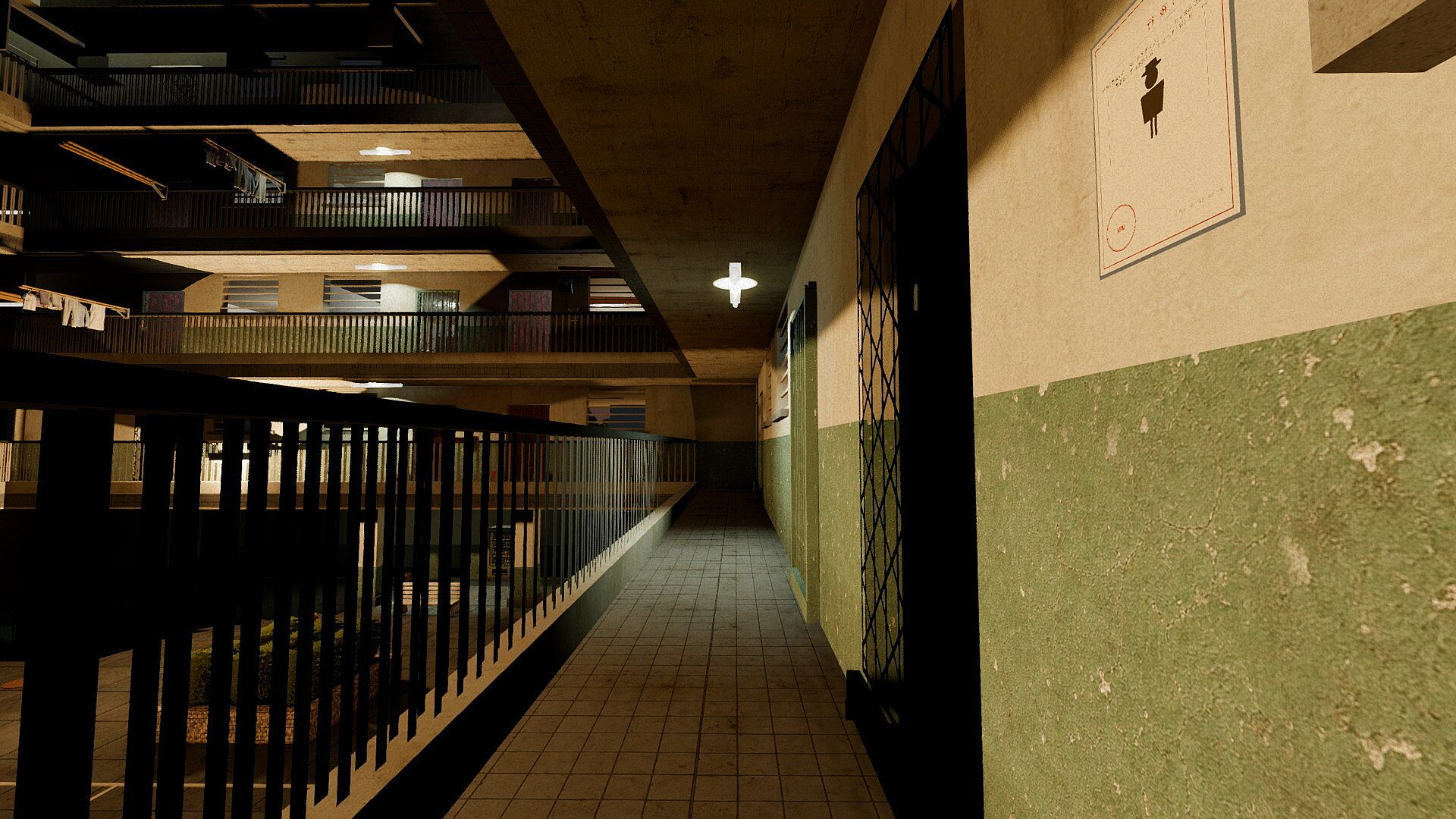
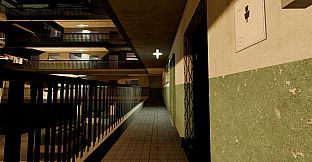
The central loop revolves around residents attempting to escape a confined estate while one player acts as the killer. Residents move through corridors, light wells, and gated areas to locate clues such as bodies or planted items. They gather for brief meetings to discuss findings before casting votes. A correct vote removes the threat and unlocks the exit gate, though success requires personal escape rather than collective victory. The watchman's keys provide an alternative path to opening the gate without a vote.
The killer operates with restrictions on strikes and must conceal evidence, sabotage power to create blackouts, and position to block the exit. Environmental tools become weapons through physics-based interactions: objects can be thrown to distract or obstruct, and bodies can be hidden in specific locations. Eyewitness accounts and deliberate misdirection add layers of uncertainty during discussions. Rounds typically last 15 to 25 minutes and conclude with a personal report for each participant detailing whether they escaped, were eliminated, or failed to exit before the timer.
Game Modes
The experience centers on a single core format that pits residents against the killer in the estate environment. No separate named modes exist beyond this asymmetric setup. Residents focus on information gathering, short voting phases, and individual escapes, while the killer emphasizes body disposal, item placement, power disruptions, and gate camping. The first successful escape or accurate vote triggers a brief final phase before results are tallied individually. This structure repeats across rounds, with the estate layout serving as the primary variable through its corridors, light wells, and interactive elements.
Setting and Mechanics
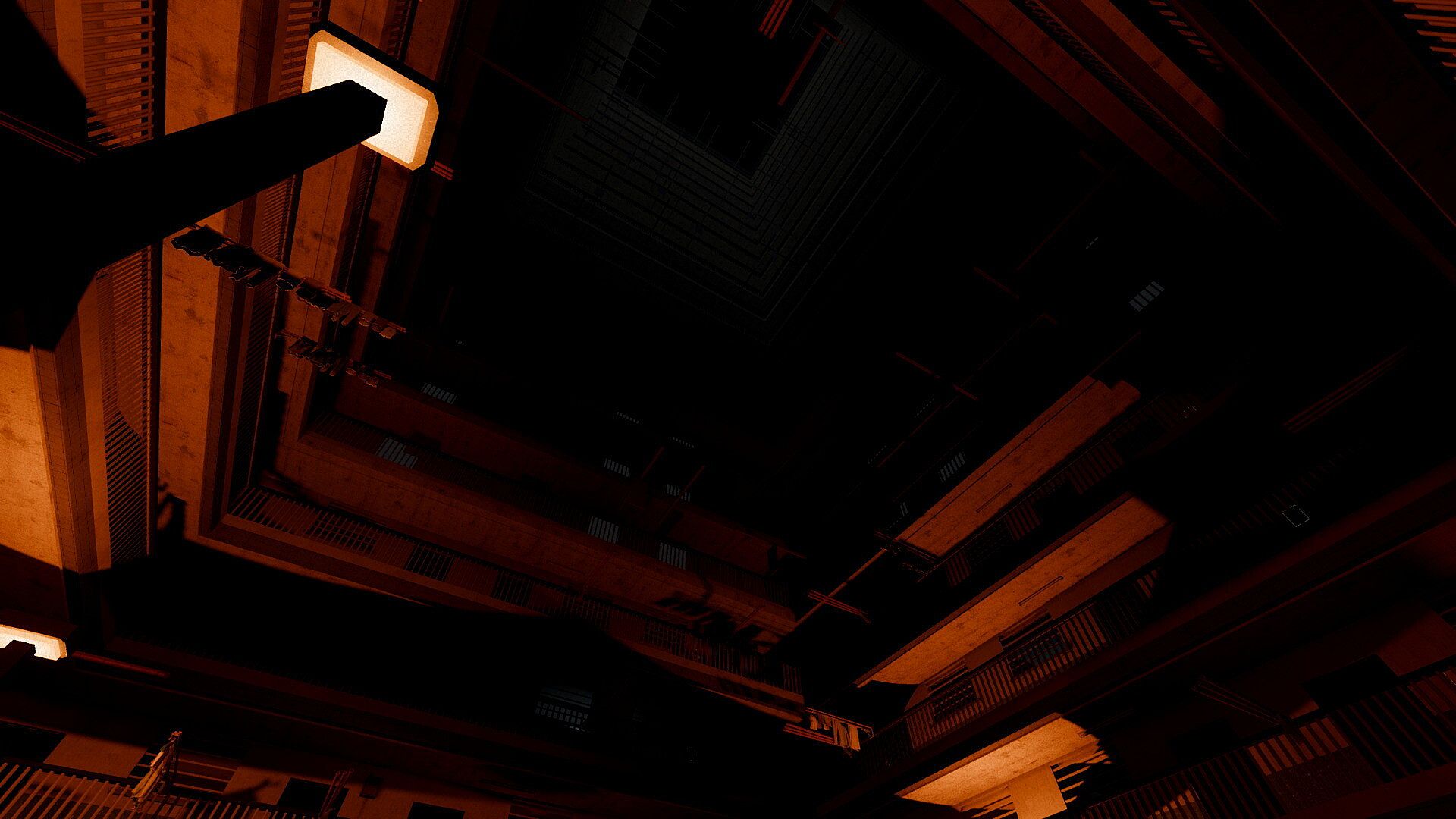
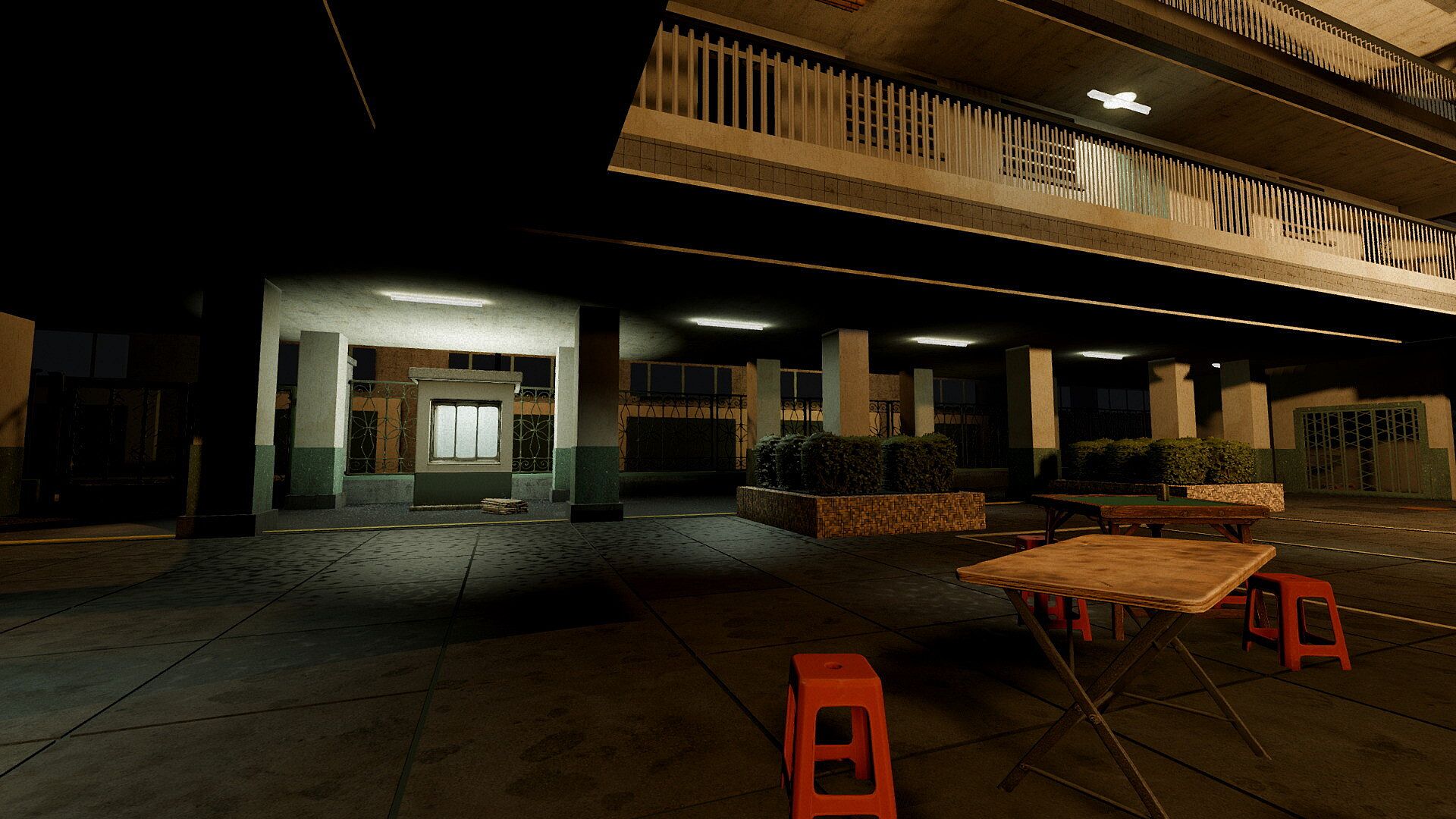
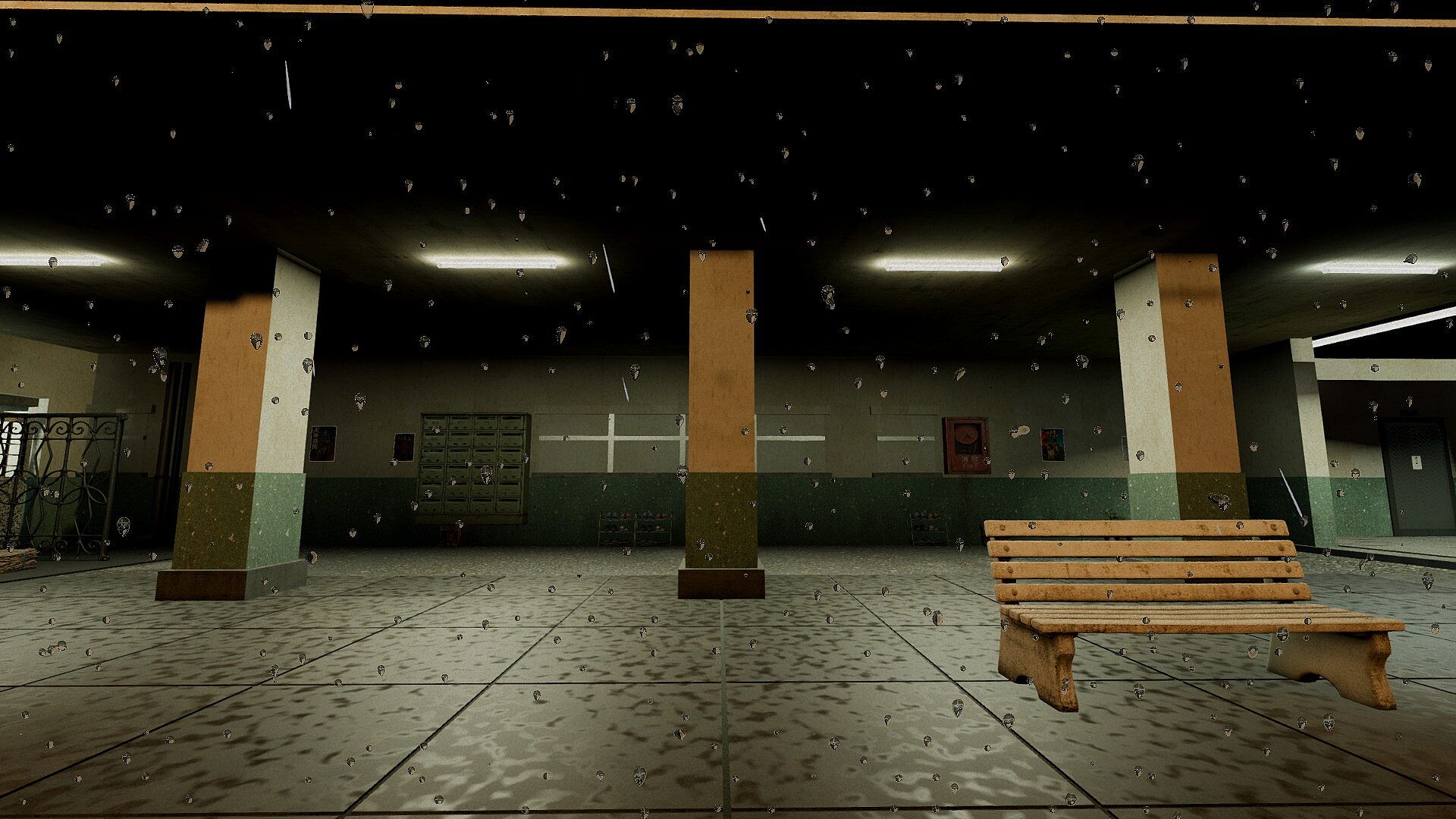
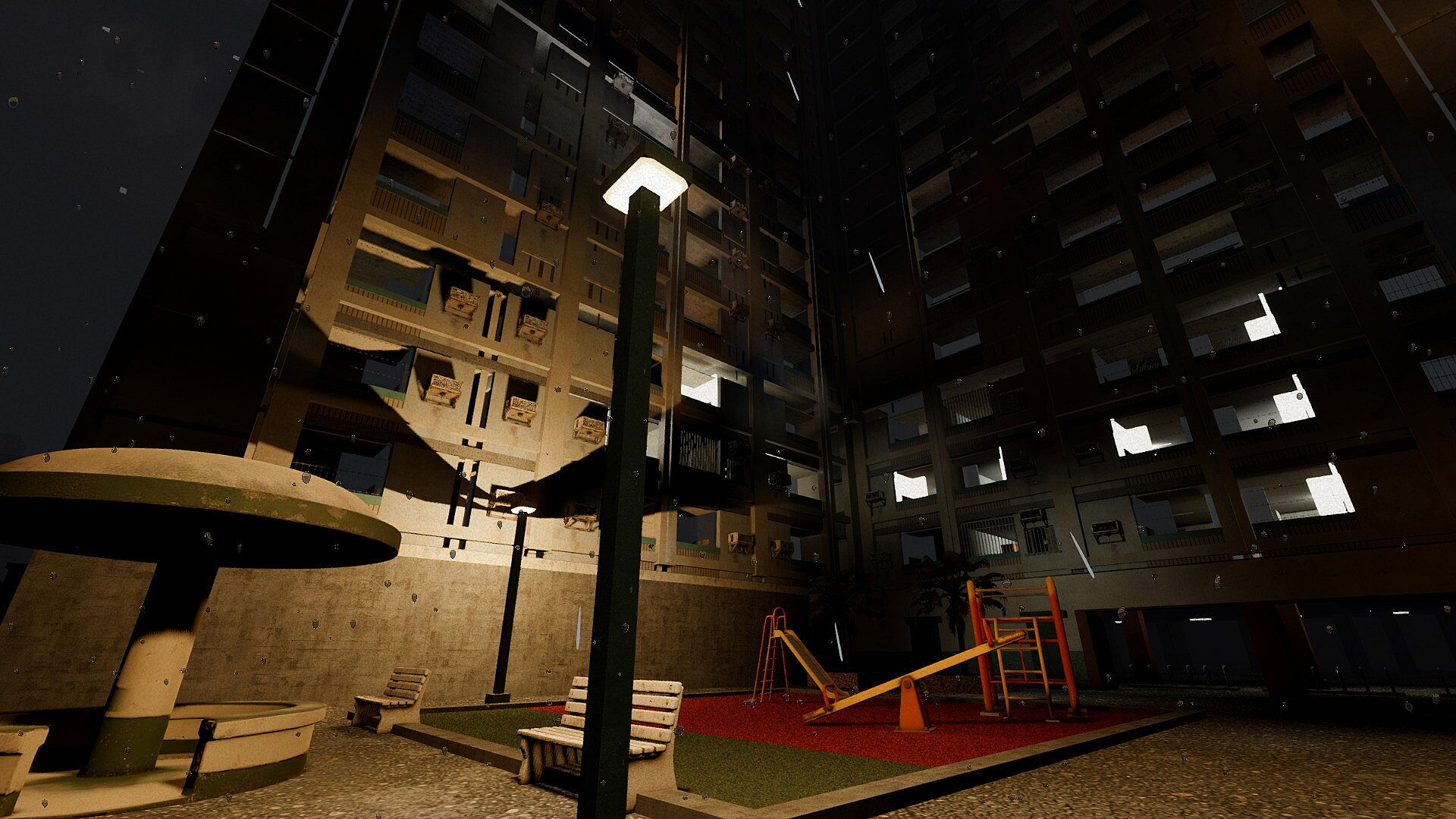
The twin-tower estate draws from real Hong Kong public-housing architecture, featuring narrow passages, shared courtyards, and gated sections that influence movement and line of sight. Physics simulation allows players to manipulate objects directly, turning everyday items into tools for hiding evidence or creating obstacles. Blackouts from cut power alter visibility and force reliance on sound cues or memory of the layout. These systems encourage creative use of the environment instead of static positioning during critical moments.
Who It's For
The game targets groups of 4 to 8 friends who prefer voice communication during play. Sessions emphasize quick rounds and repeated attempts rather than long campaigns or solo progression. It suits players comfortable with deduction, limited information, and asymmetric objectives where individual outcomes matter more than team scores. The Chinese and Cantonese language support reflects its cultural roots in the Hong Kong setting.
Is It Worth Playing?
Notary Block remains in a pre-release state with no user reviews or completed seasons available. Its appeal rests on the verified mechanics of physics-driven interactions, role asymmetry, and personal escape conditions within a compact round structure. Groups that enjoy social deduction combined with environmental strategy and short play sessions will find the described systems align closely with that preference. Those seeking polished single-player content or extensive post-launch updates should monitor its status after launch, as current details focus entirely on the multiplayer party format. The requirement for voice chat and friend groups makes it a targeted choice rather than a broad recommendation.