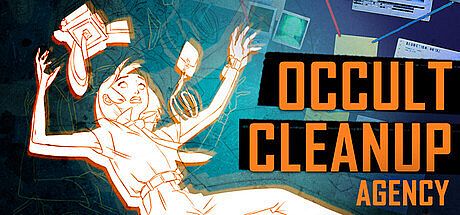


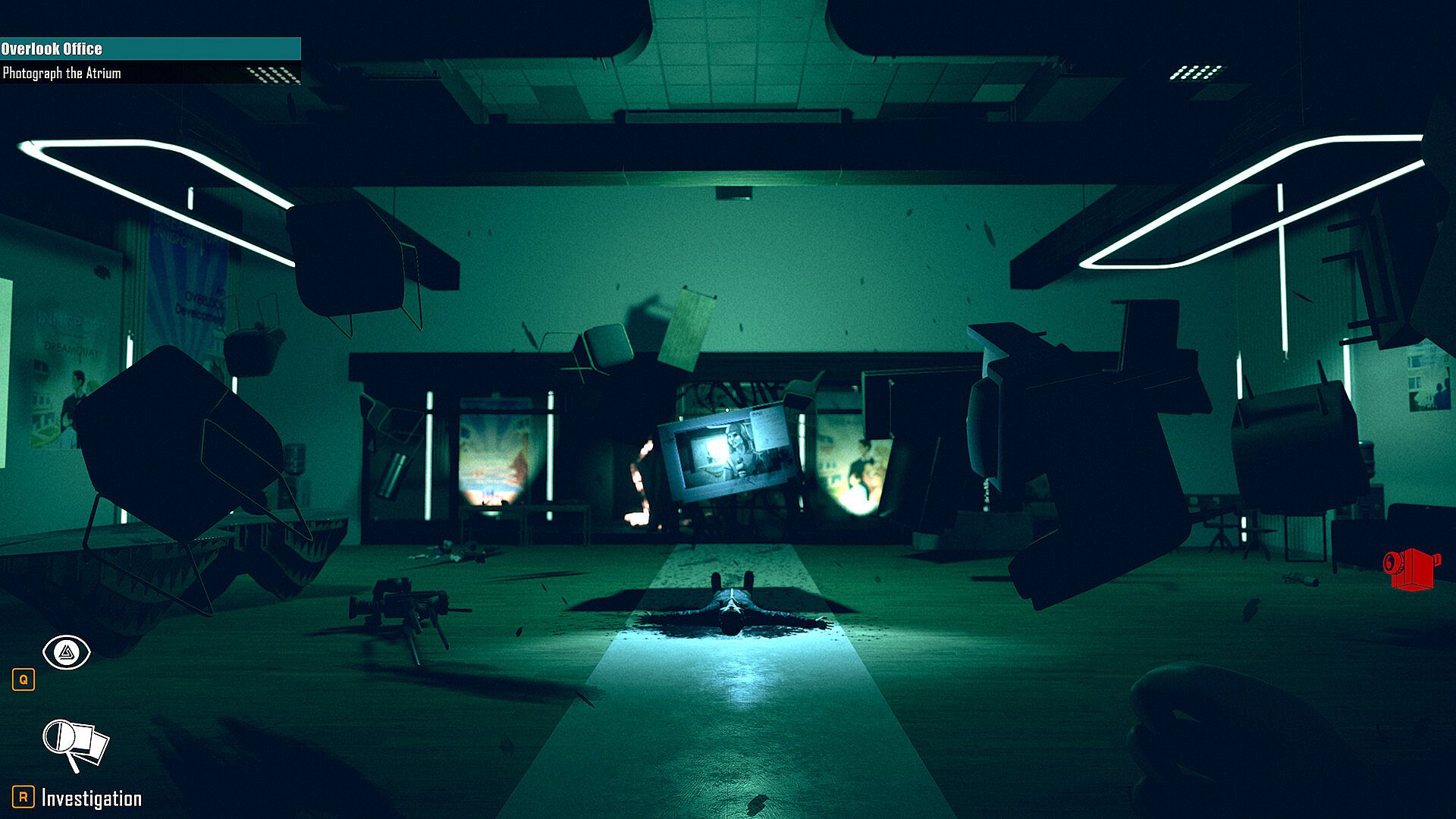
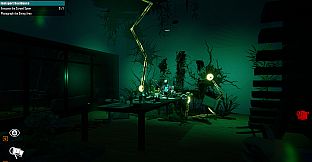
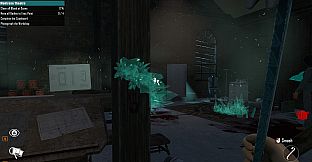
Occult Cleanup Agency is a single-player simulation game that blends deductive investigation with the meticulous work of covering up paranormal incidents. Players take on the role of a Maintenance Agent employed by a secretive organization tasked with handling the aftermath of supernatural events. The experience unfolds through exploration of unsettling locations, evidence analysis, and thorough cleaning to restore normalcy, all set against a backdrop of workplace intrigue and pre-millennial unease.
Gameplay
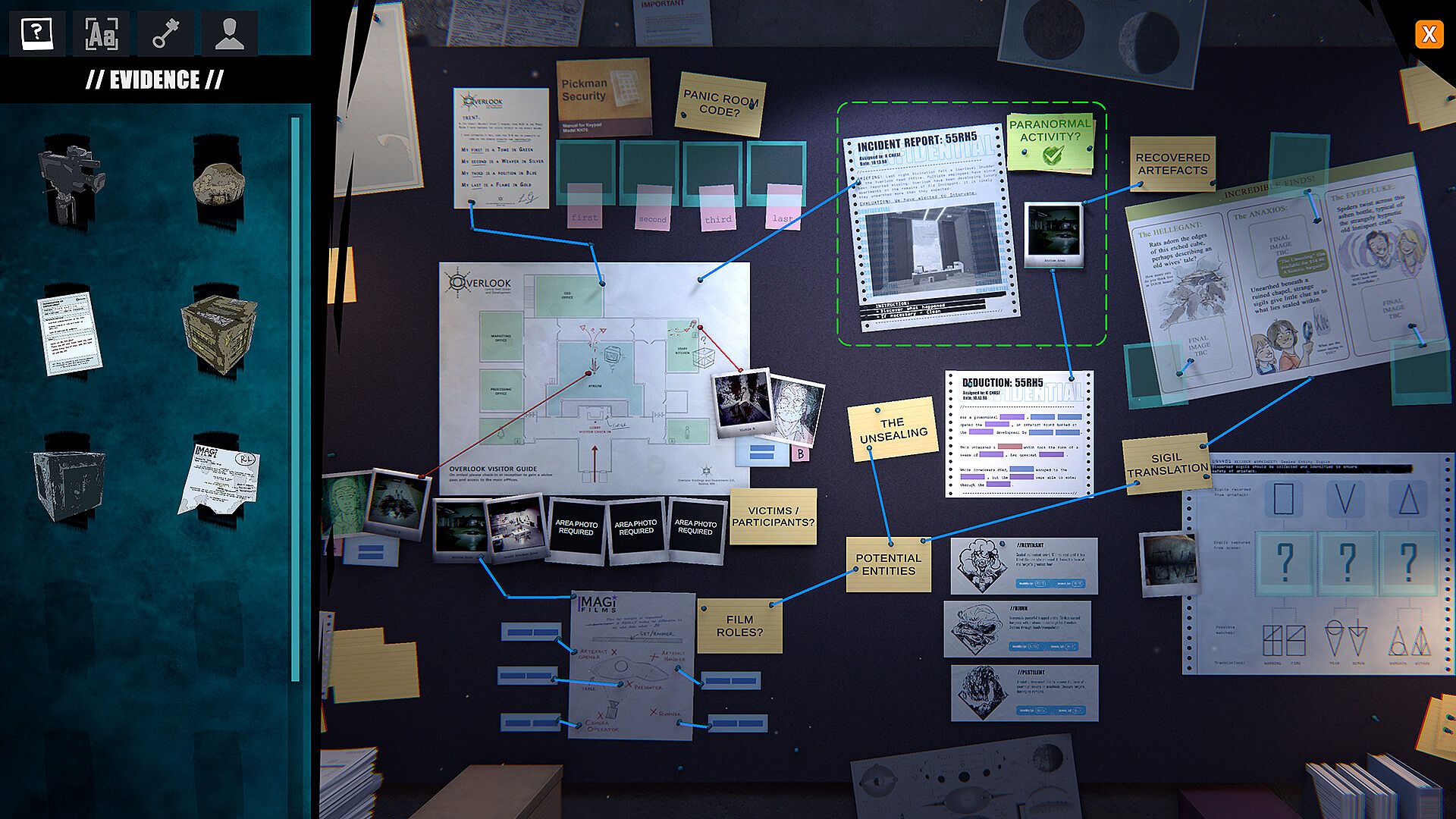
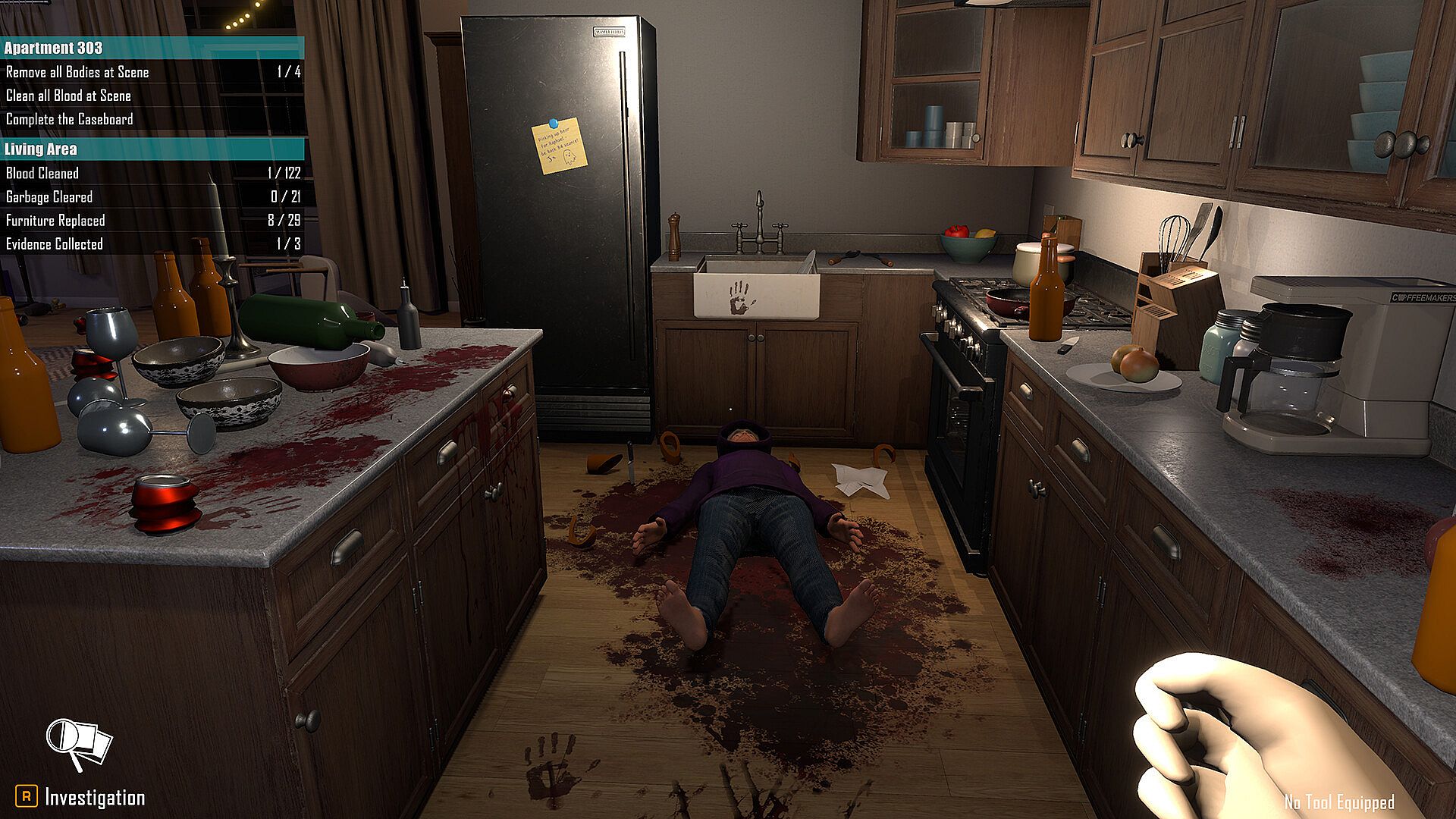
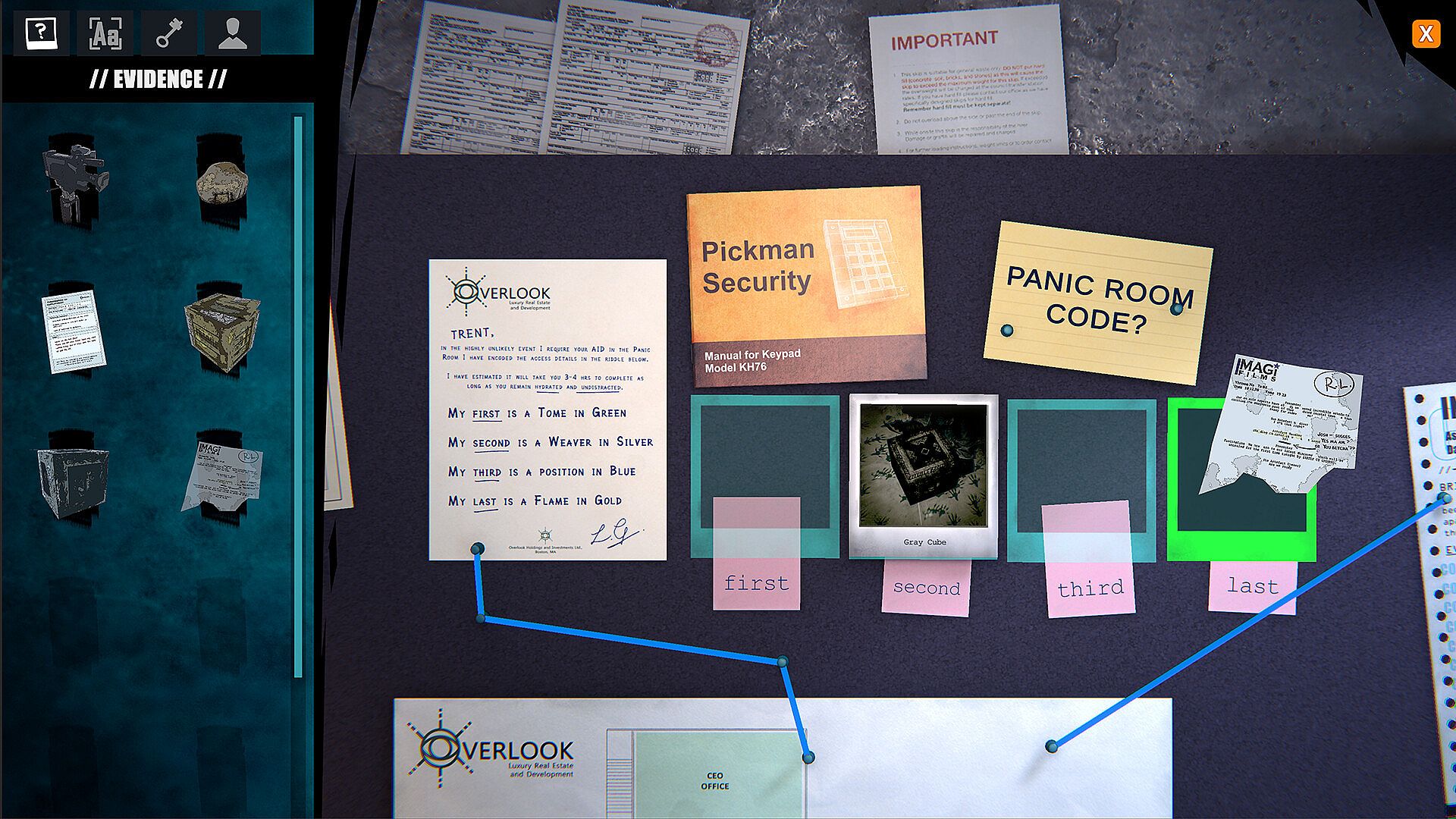
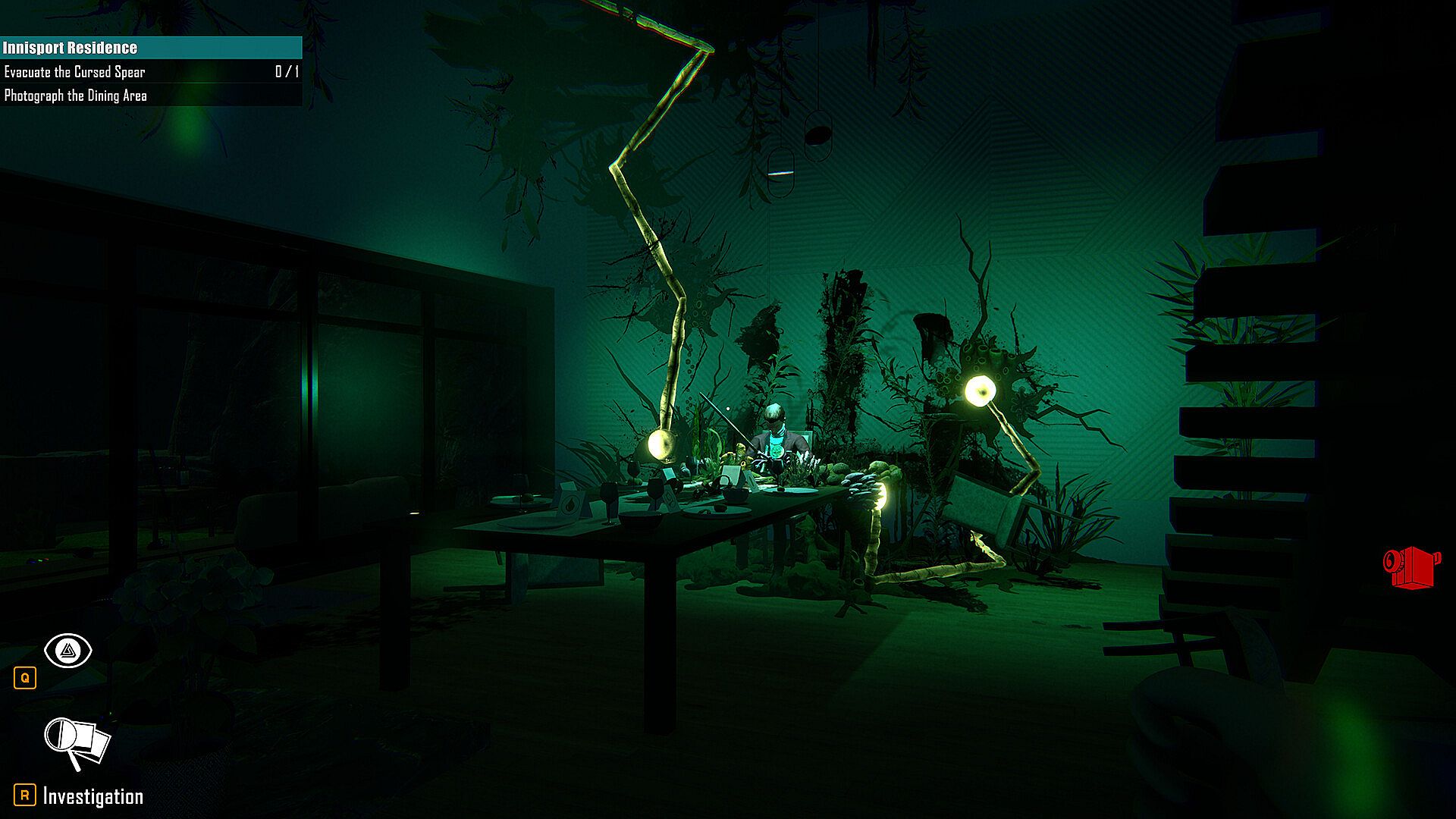
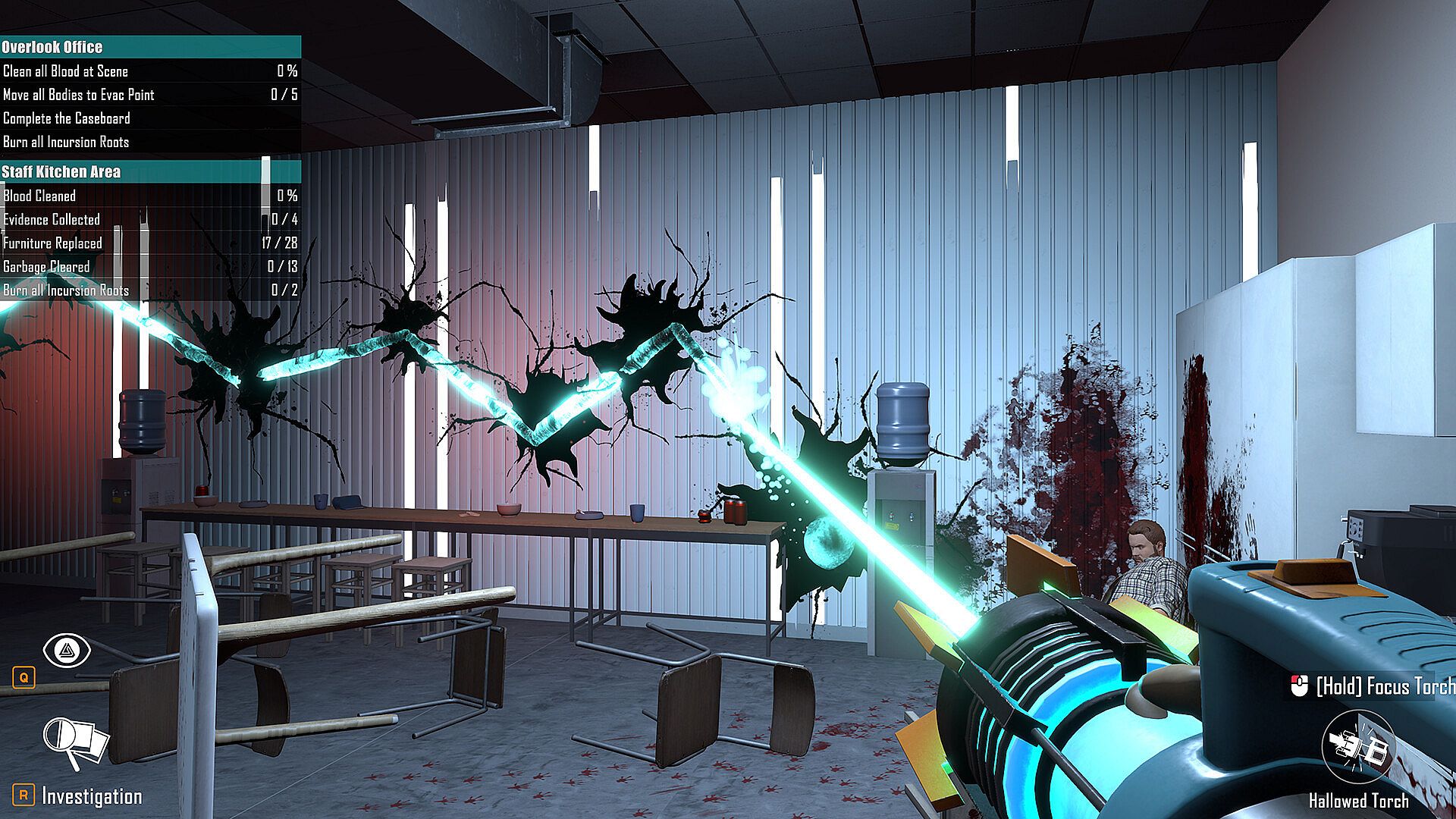
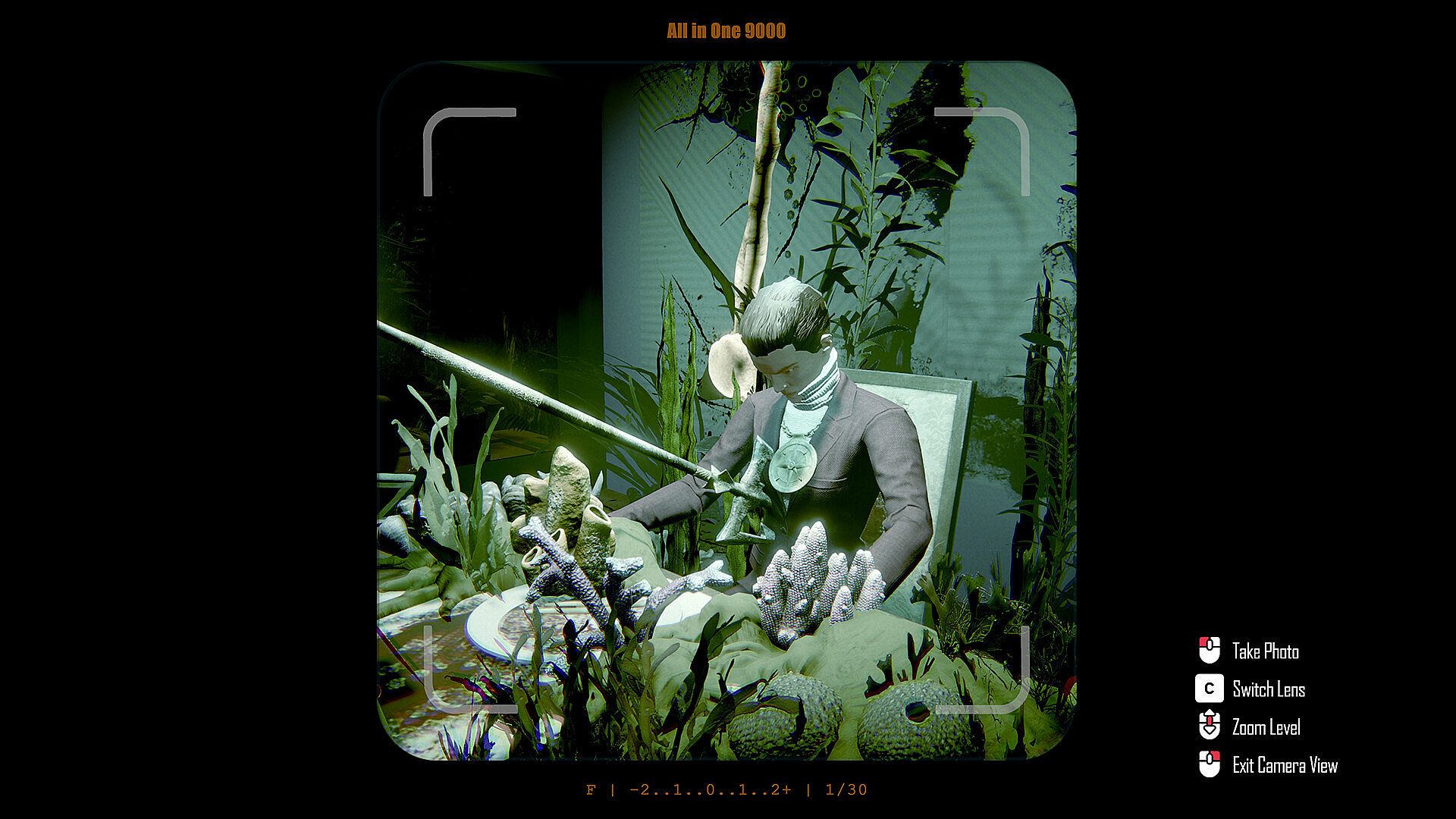
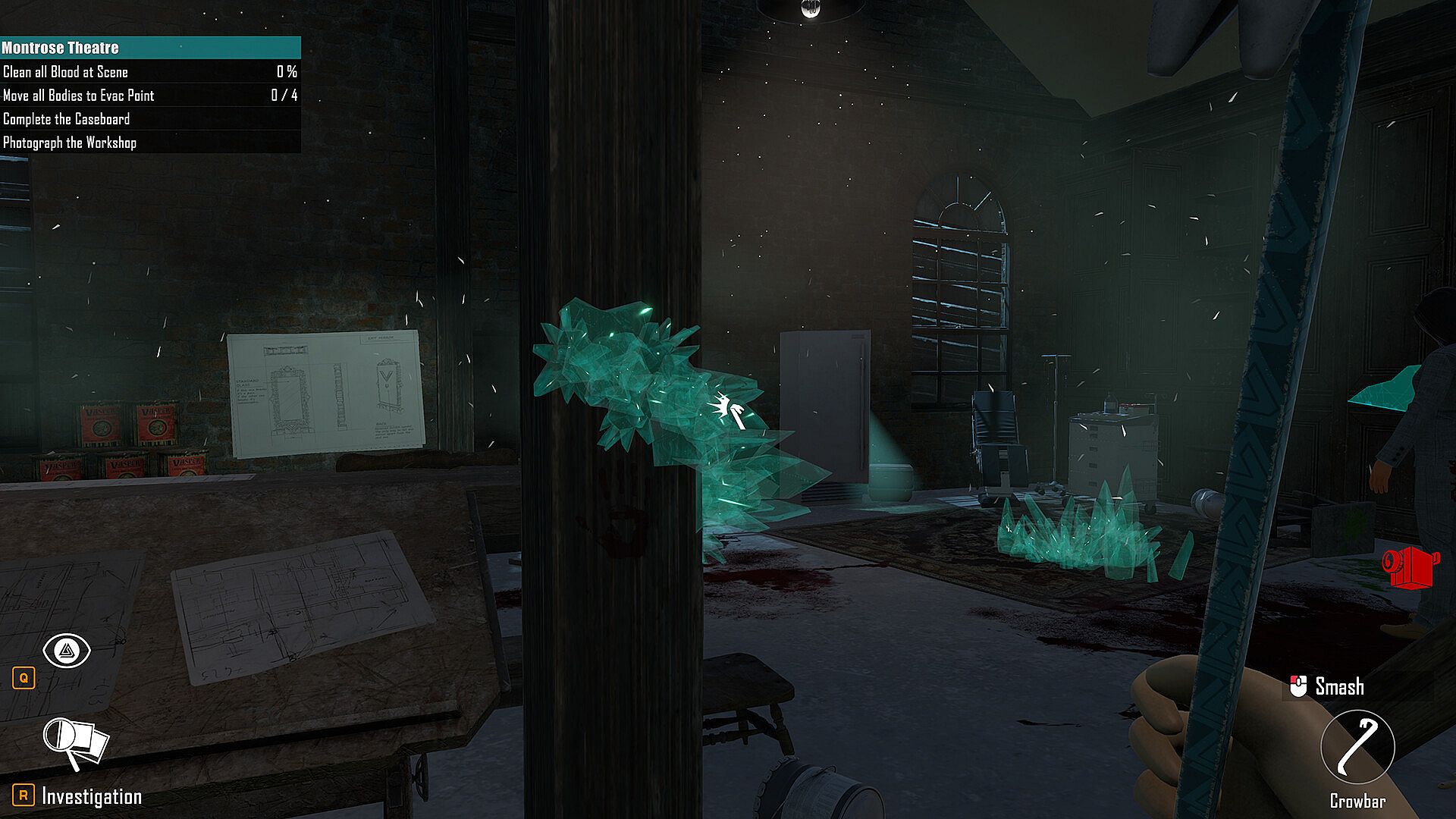
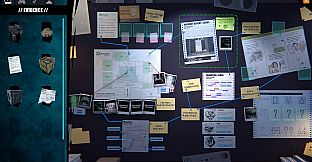
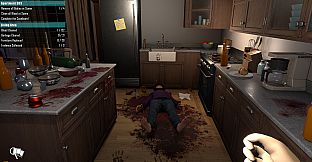
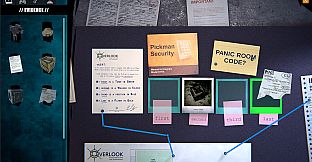
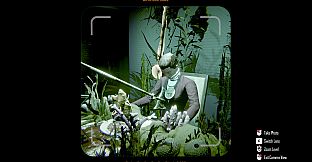
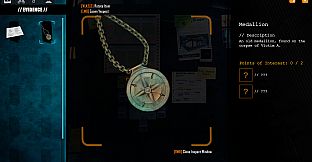
The core loop centers on visiting Incident Sites where paranormal activity has left behind disturbing scenes. Agents use a camera to capture images of victims, evidence, and anomalies. These photographs feed into an expanding caseboard where collected insights and key casewords help reconstruct the sequence of events and uncover hidden truths. Once the investigation yields sufficient understanding, the focus shifts to cleanup duties that involve removing traces of blood, relocating bodies, and restoring the environment to its prior state.
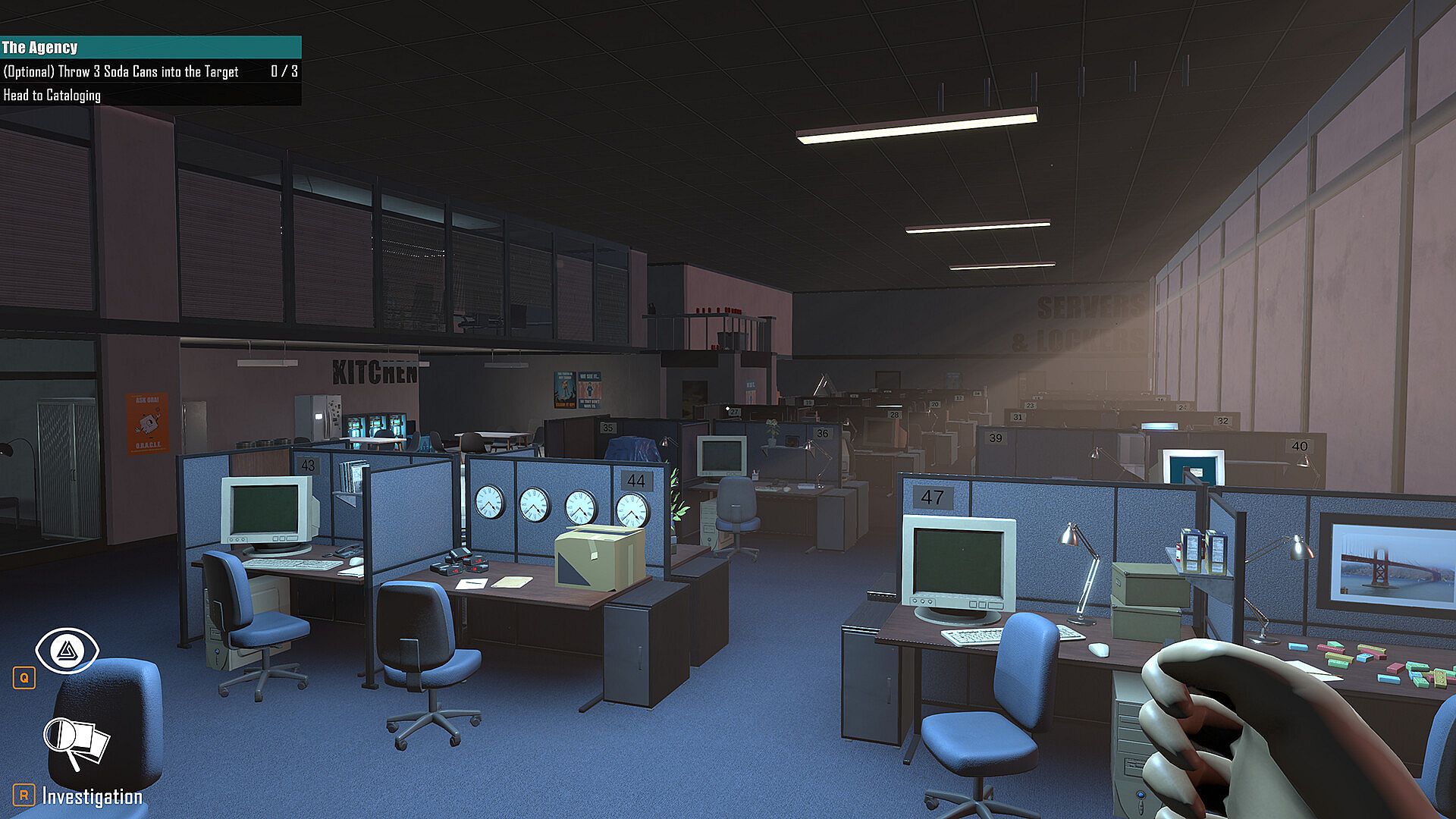
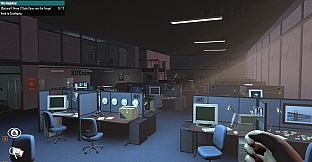
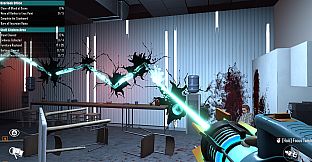
Paranormal elements require specialized approaches. Roots intruding from other realms can be burned away with appropriate tools, while cursed objects respond to salt-ritual sprays. An aberration lens on the camera captures forbidden sigils, and heightened senses assist in navigating the chaotic remnants of each site. Downtime between shifts allows exploration of the agency itself, revealing details about internal structures such as the role of covens, the placement of Banishment relative to HR, and the purpose of procedures like ESP surveys conducted behind one-way mirrors.
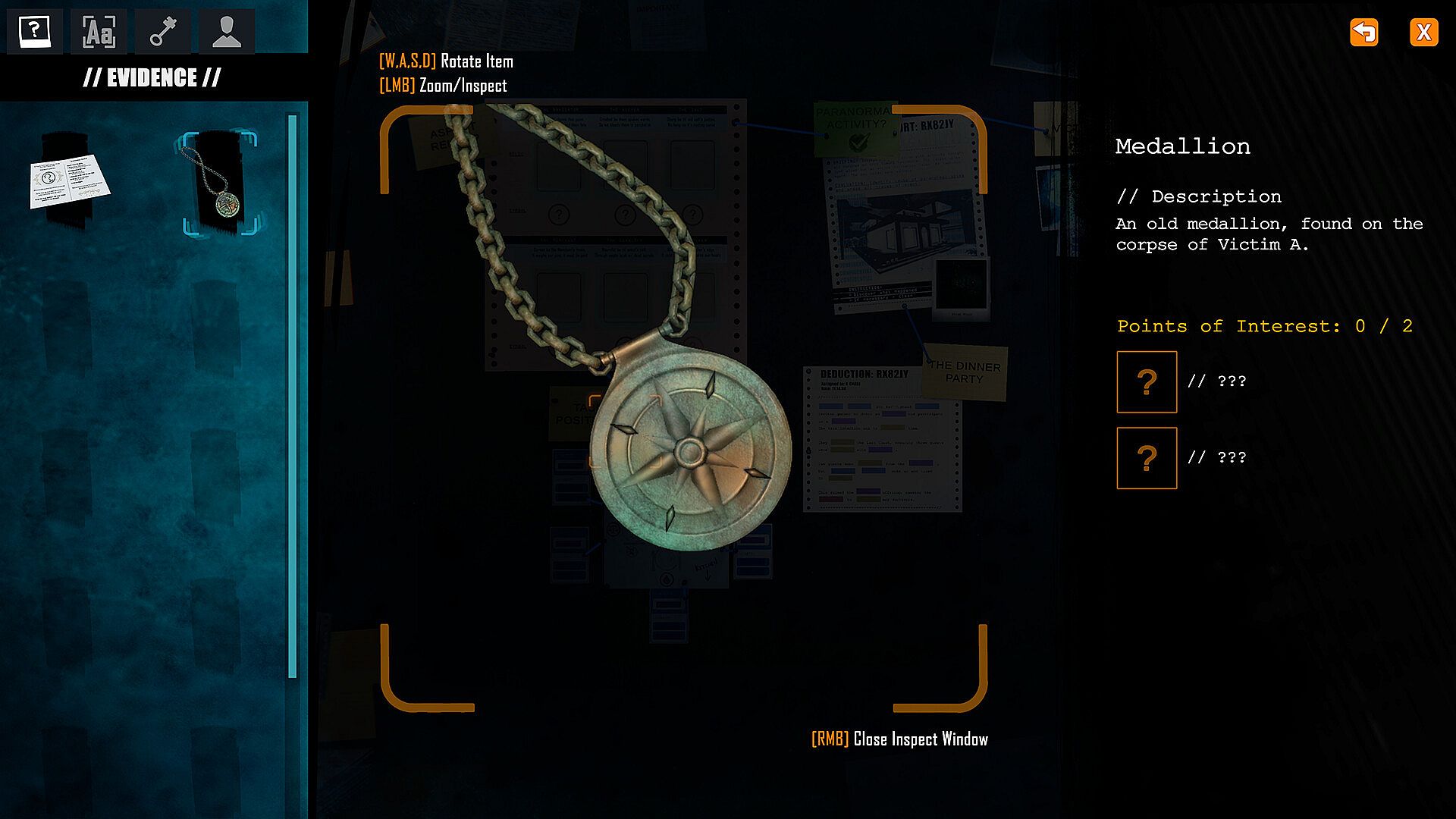
Mechanics emphasize careful observation and methodical execution. Evidence must be examined closely to reveal unique details that advance the caseboard. Cleaning requires precision to avoid leaving any sign of what occurred, reinforcing the agency's directive to conceal these events from the public.
Game Modes
Occult Cleanup Agency operates as a single-player experience without additional modes or multiplayer components. The structure revolves around sequential shifts at various Incident Sites, each presenting new opportunities for deduction and restoration. Progression occurs through repeated engagement with the caseboard system and the accumulation of workplace knowledge during off-duty periods.
Players advance by completing investigations and cleanups across multiple locations, gradually piecing together larger patterns within the agency's operations. No separate competitive, cooperative, or survival variants exist; the focus remains on the solitary process of learning truths and erasing evidence.
Investigation and Deduction Systems
Central to the simulation is the caseboard mechanic, which serves as the primary tool for organizing findings. Photographs taken on-site provide raw material that, when scrutinized, yields insights and terminology essential for connecting disparate clues. This system encourages thorough exploration rather than rushed actions, as incomplete evidence leaves gaps in understanding what transpired.
Paranormal tools integrate directly into both investigation and cleanup phases. The camera's capabilities extend beyond documentation to include specialized lenses for detecting otherwise invisible elements. Senses attuned to the supernatural help identify priorities amid the disorder, while ritualistic items like salt sprays address specific threats or residues that standard cleaning cannot resolve.
Workplace Atmosphere and Narrative Layers
Between incidents, the agency environment offers opportunities to observe bureaucratic and occult elements intertwined in daily operations. Questions arise naturally about holidays such as Divination Appreciation Day, the significance of forms like YX5667, and unexplained absences. These details build a sense of mystery around employment protocols and the true nature of the organization's mandate.
The simulation maintains a tone of quiet paranoia, where routine tasks intersect with larger unknowns. Agents operate under strict guidelines against unauthorized inquiries, adding tension to the otherwise procedural work of evidence handling and site restoration.
Is It Worth Playing?
Occult Cleanup Agency delivers a focused single-player simulation that combines puzzle-like deduction with satisfying cleaning sequences. The promised length exceeds 15 hours, providing ample time to engage with the caseboard system, master unconventional tools, and explore the agency's internal dynamics. Those drawn to methodical gameplay, evidence analysis, and atmospheric workplace mysteries will find a consistent loop that rewards attention to detail without relying on combat or high-stakes action.
The experience suits players comfortable with slower pacing and narrative discovery through environmental clues and procedural tasks. Its emphasis on concealment and routine maintenance sets it apart from typical horror or action titles, offering a distinctive take on paranormal themes grounded in everyday agency drudgery. If the blend of investigation, restoration, and subtle horror appeals, the game presents a self-contained journey worth considering for its unique mechanics and sustained engagement.