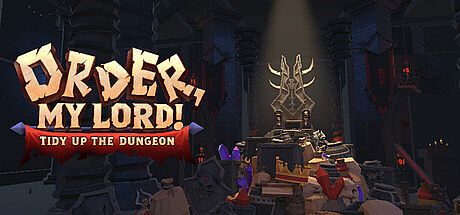


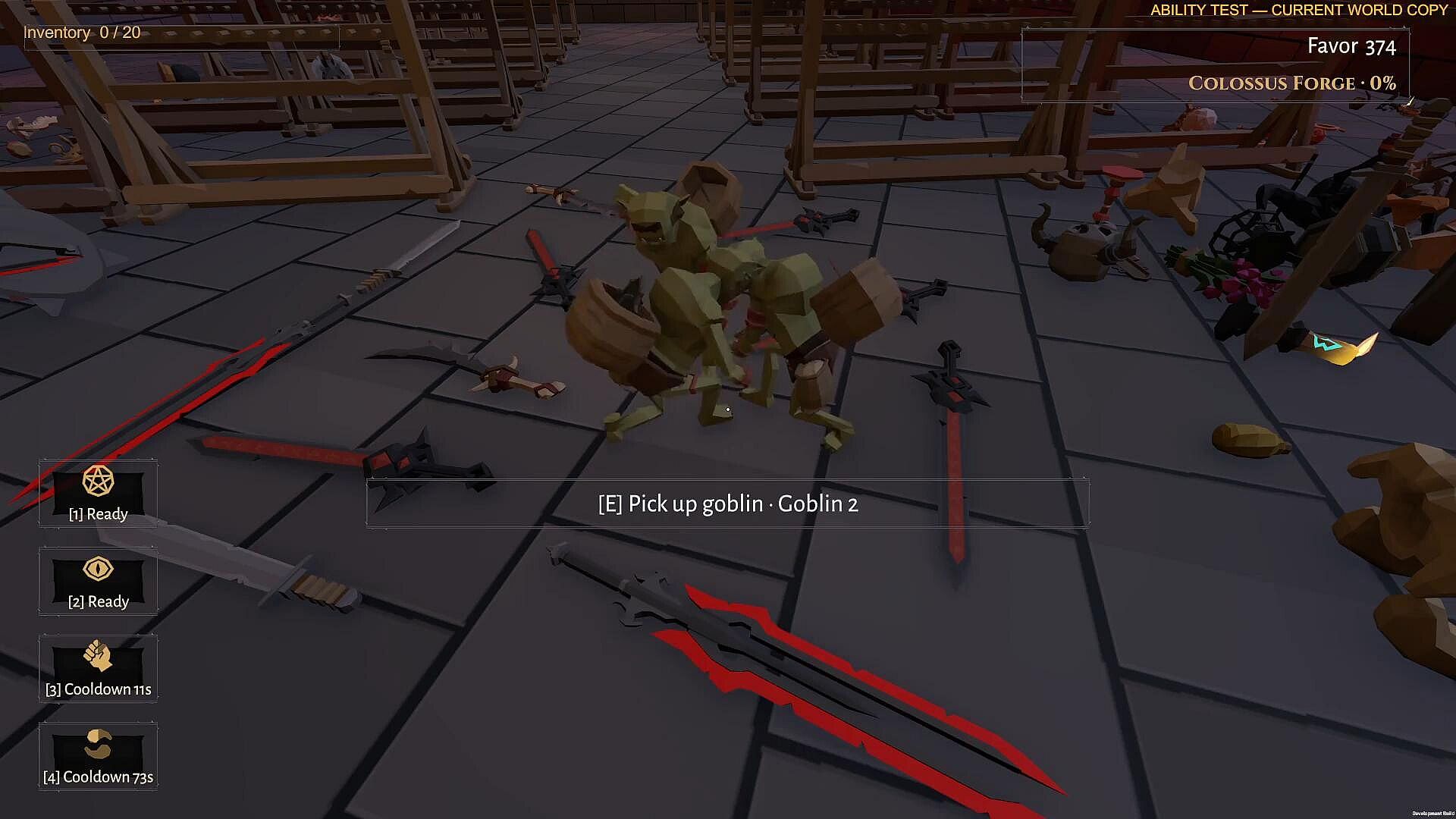
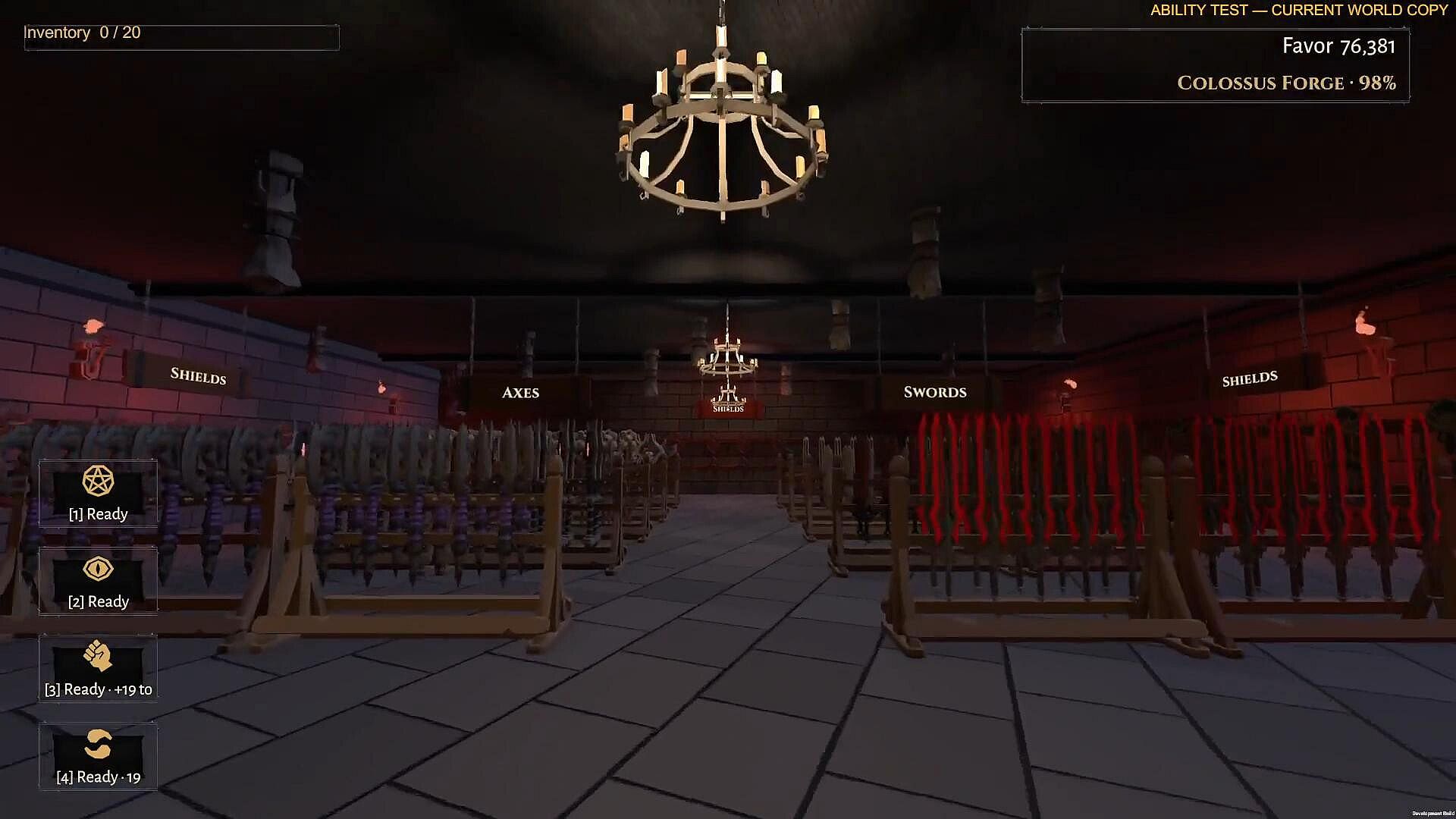
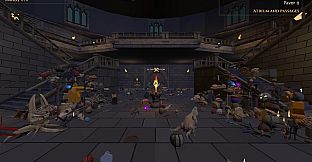
Order, My Lord! Tidy Up the Dungeon is a casual simulation game for PC in which players take on the role of a returning Dark Lord tasked with restoring order to a chaotic dungeon. The premise centers on a living dungeon that blocks access to the throne room until every misplaced item finds its proper place. With thousands of objects scattered across themed rooms, the experience blends collection, sorting, and placement mechanics in a relaxed yet methodical loop.
Gameplay
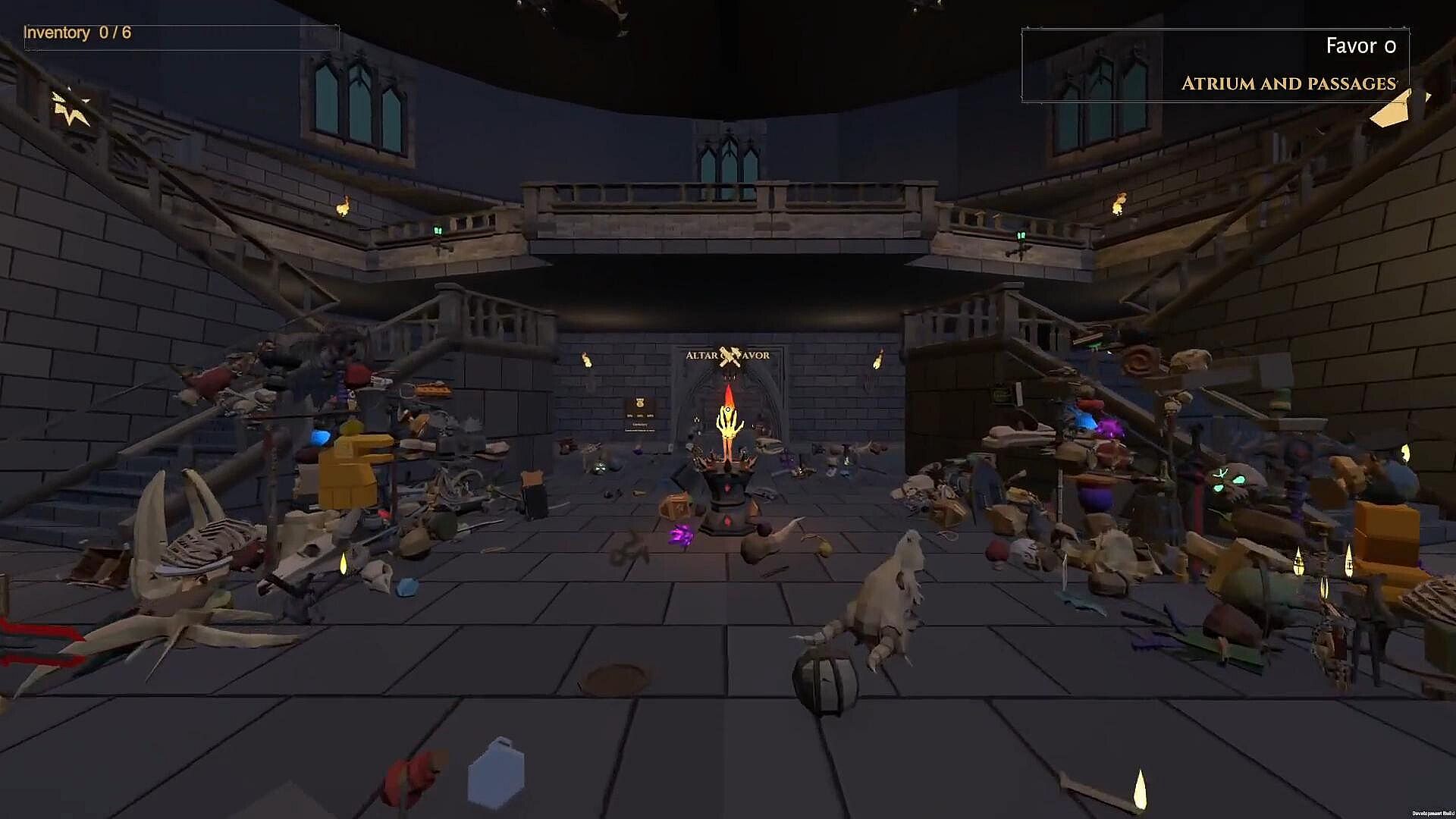
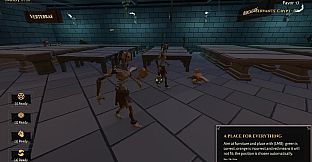
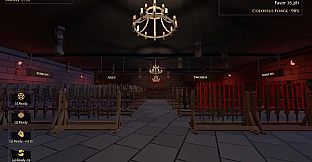
The core loop involves exploring ten rooms filled with weapons, potions, treasures, books, bones, crystals, and other monstrous items. Players pick up objects, group matching ones in an inventory, and determine their correct locations through observation and trial. Rooms open immediately, allowing free choice on the order of cleanup. Correct placements earn Favor points that unlock upgrades such as faster movement, greater carrying capacity, and stronger throwing power.
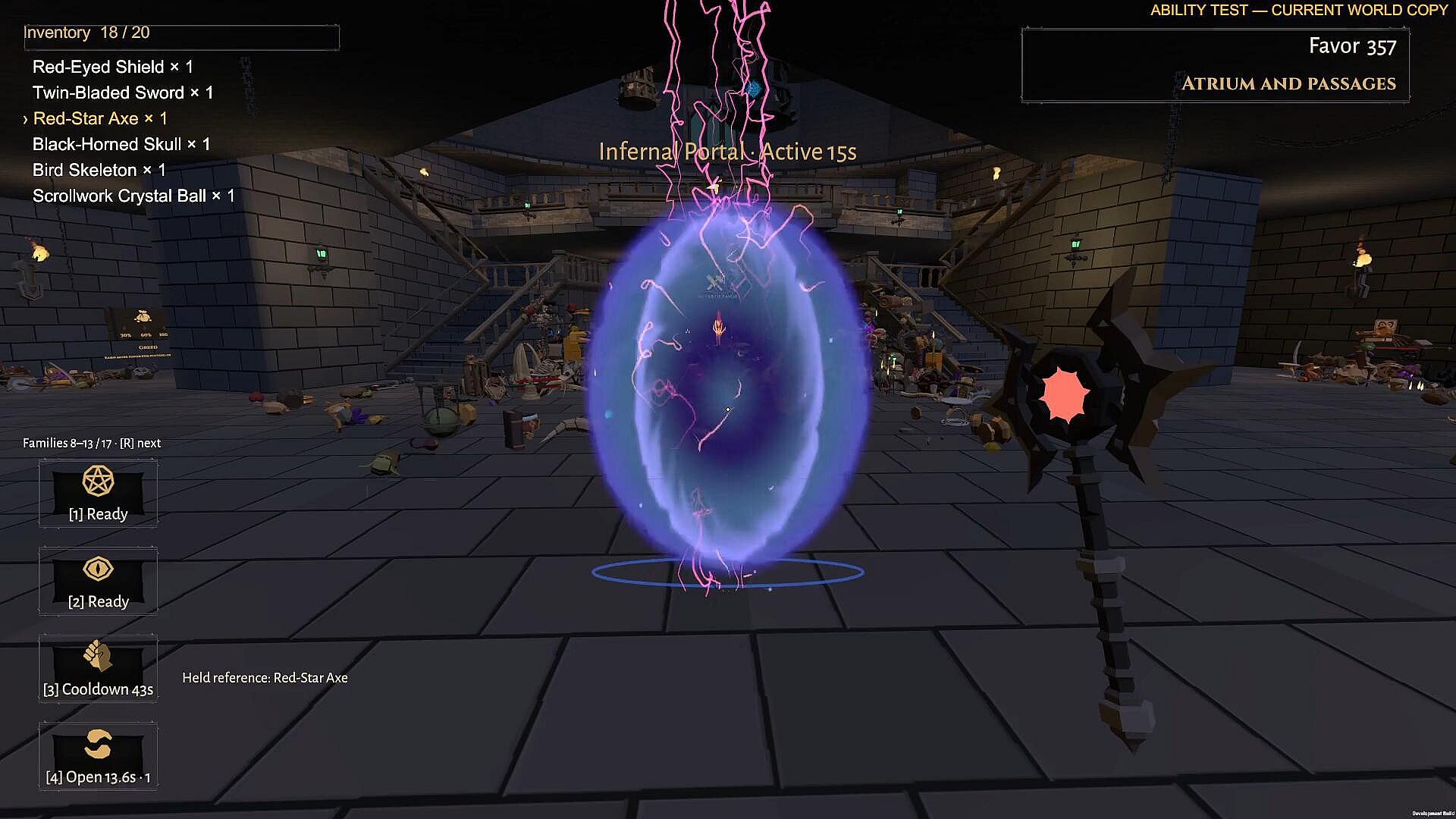
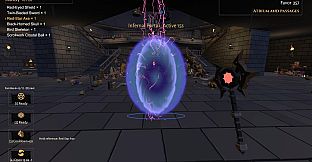
Ten abilities become available as progress continues. Resonance highlights matching objects through walls. Destiny Vision reveals the exact room, furniture, and spot for a given item. Infernal Hand pulls identical objects from anywhere in the dungeon into the inventory. Infernal Portal sends items directly to their assigned rooms. These tools reduce repetition and let players focus on larger collections rather than individual pieces.
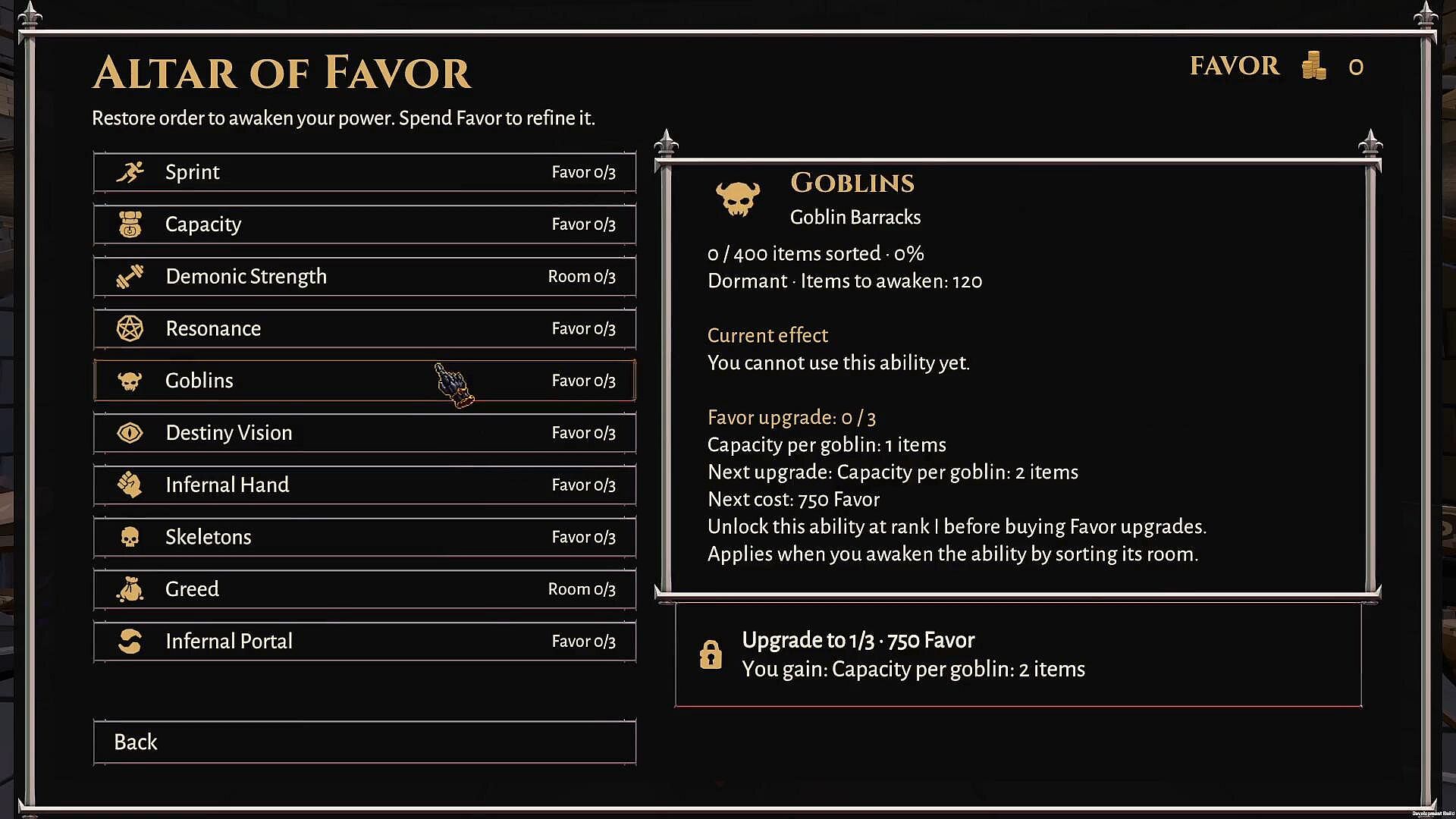
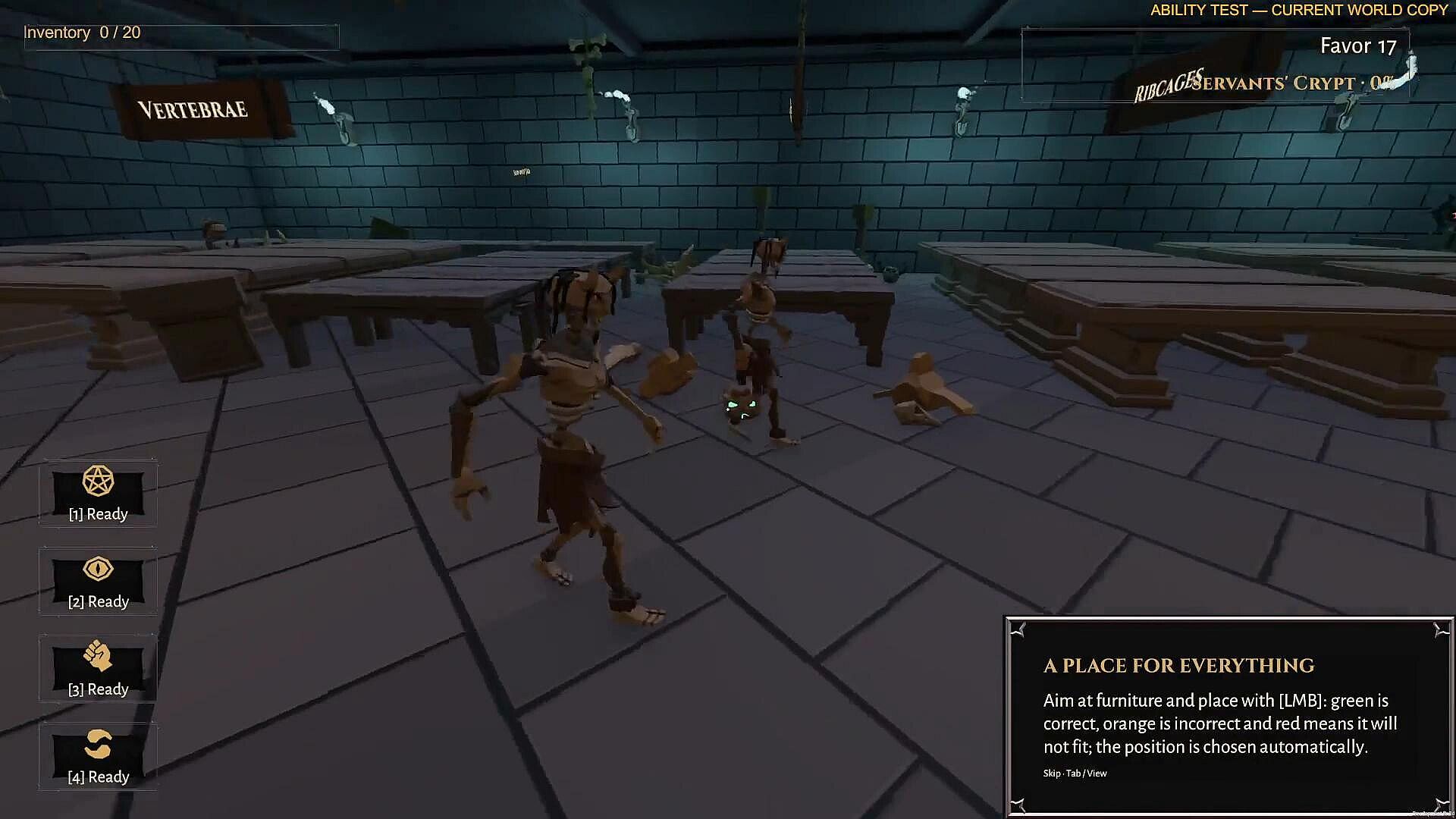
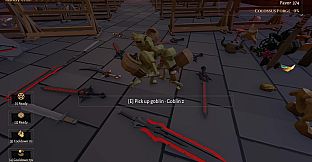
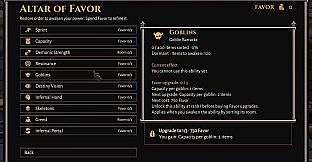
Helpers add another layer. Up to three goblins and three skeletons can be recruited and assigned specific tasks. Goblins move items that belong in different rooms. Skeletons complete partially filled collections by placing the remaining pieces. Their abilities improve with investment, but the player remains responsible for overall direction and final decisions.
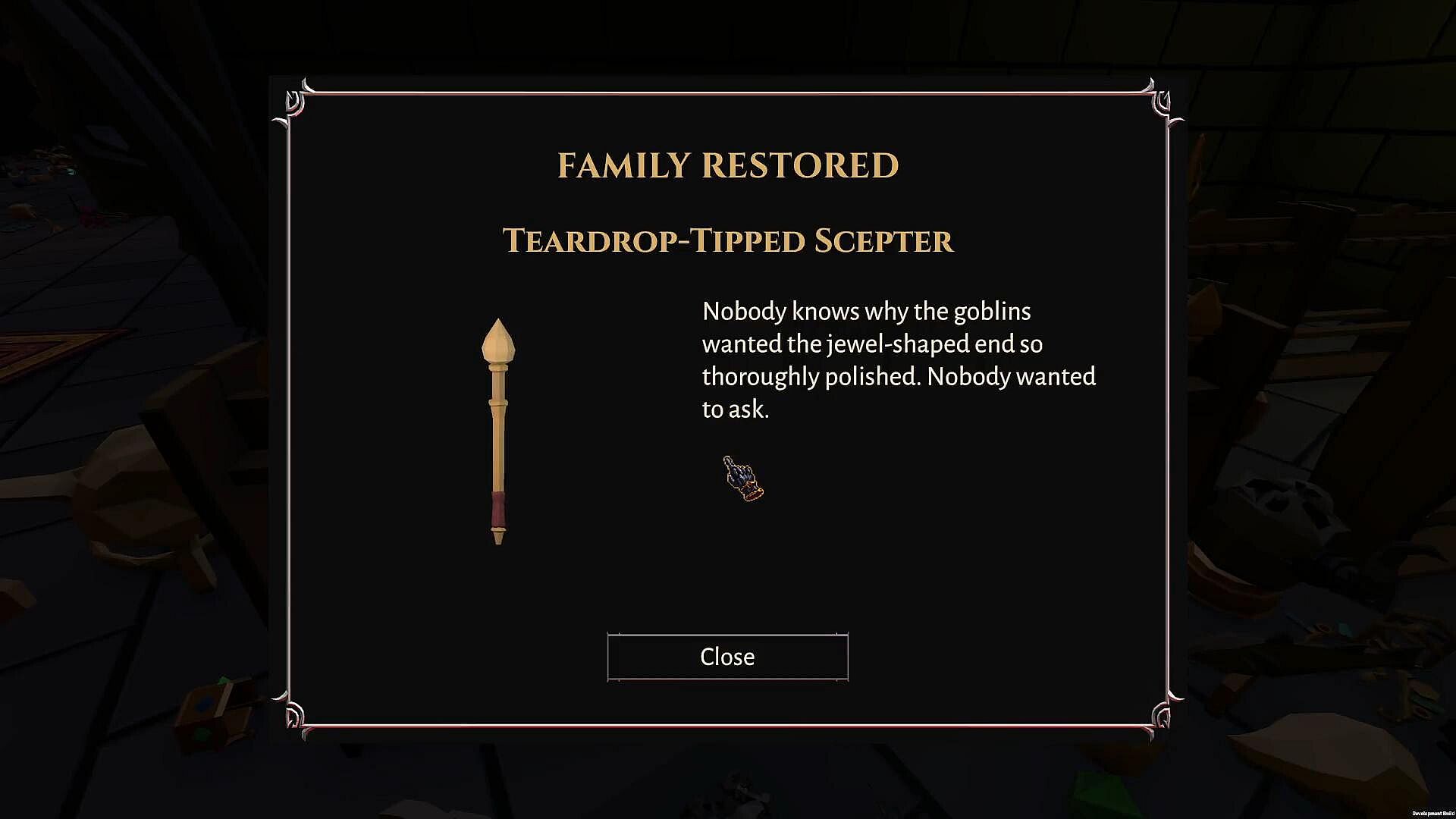
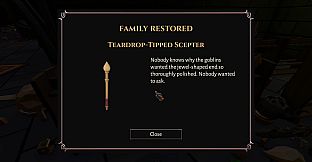
Completing object families unlocks descriptive entries that reveal details about the dungeon inhabitants. The process turns routine sorting into a gradual reveal of the setting while empty shelves fill into neat displays.
Game Modes
The game offers a single continuous experience without separate named modes. Players decide their own approach by selecting which room to tackle first and how to combine personal effort with helper assignments. Upgrades and abilities alter the pace and scale of organization as the dungeon fills out. The structure encourages repeated visits to refine placements or pursue remaining collections at a chosen speed.
Progression and Upgrades
Favor earned from placements funds improvements that directly affect efficiency. Early upgrades focus on basic speed and capacity, while later ones introduce the magical abilities listed above. Helper recruitment and skill development create parallel progression paths. The system rewards steady work by gradually shifting the workload from manual collection to assisted restoration.
Every room starts available, so progression feels non-linear. Players can switch between areas as new tools become useful for specific challenges, such as locating hidden matches or transporting bulk items.
Is It Worth Playing?
This title suits players who enjoy methodical organization tasks in a fantasy setting. The combination of inventory management, placement puzzles, and light progression through abilities and helpers creates a satisfying loop for those who appreciate seeing spaces transform from disorder to order. The dark lord theme adds flavor without complicating the central activity. Availability on PC makes it accessible for short or extended sessions depending on how many rooms a player wants to complete in one sitting. Those drawn to casual simulation games centered on sorting and restoration will find a focused experience built around the provided mechanics.