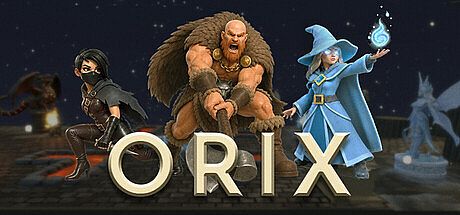



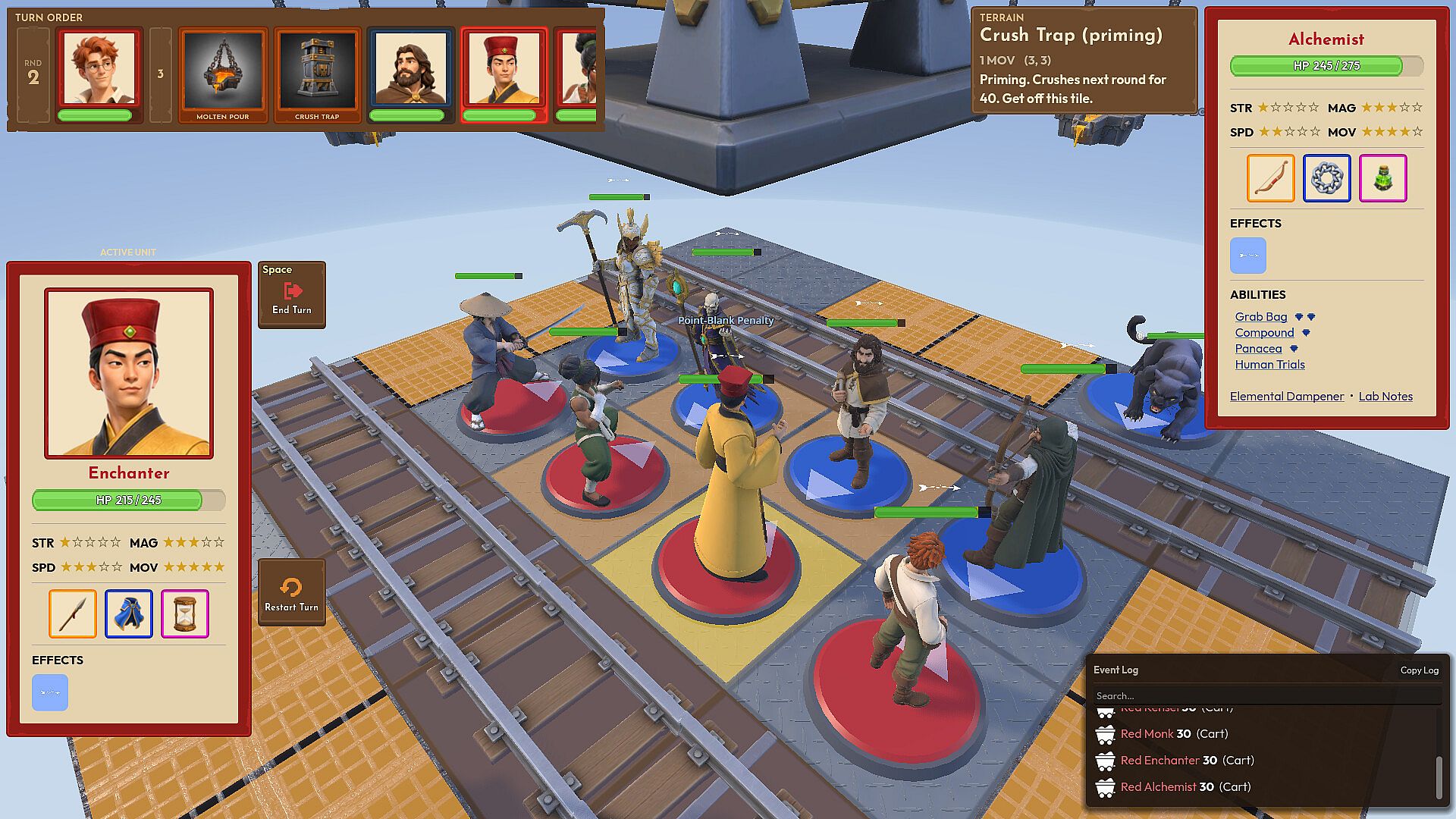
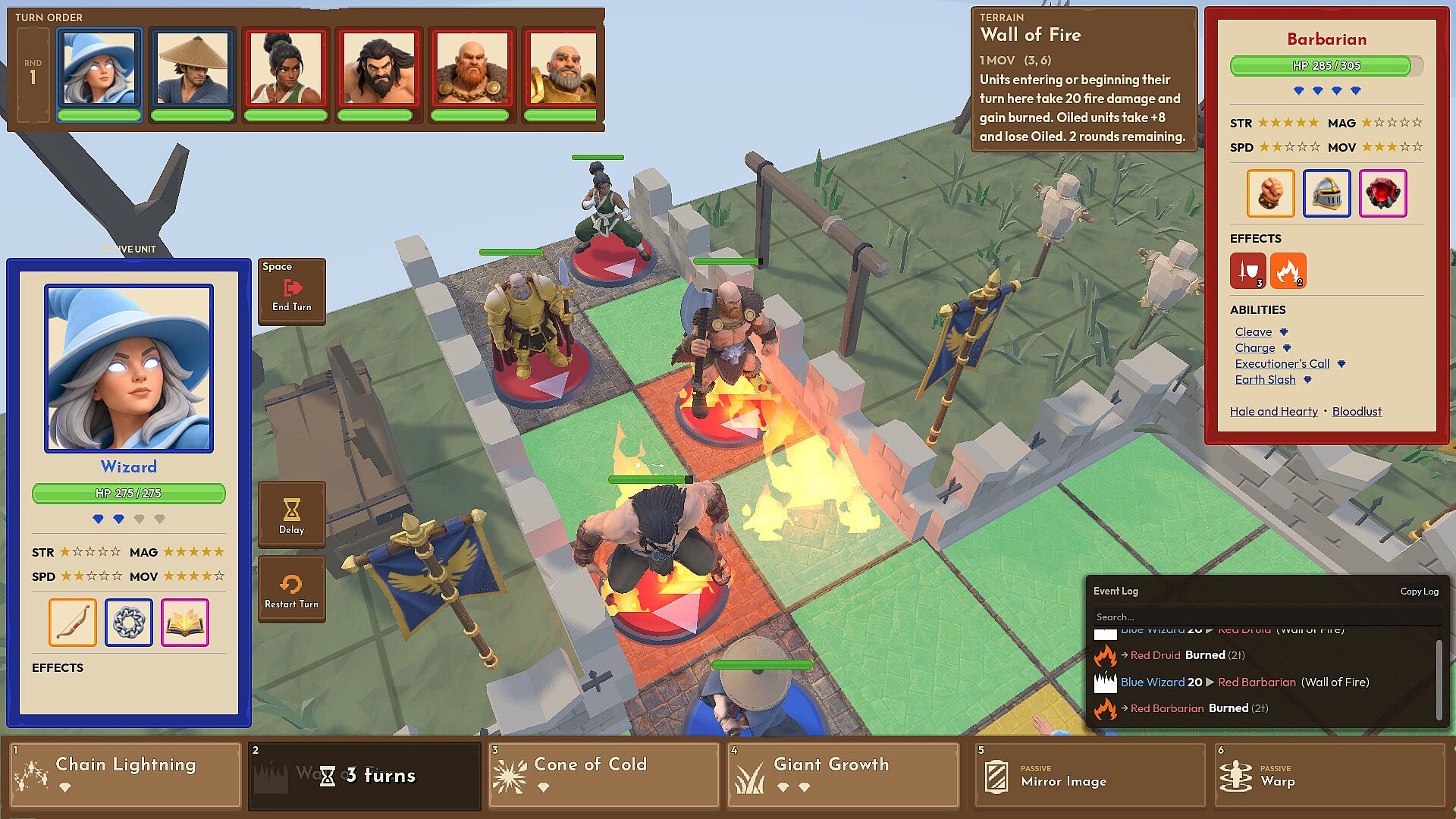
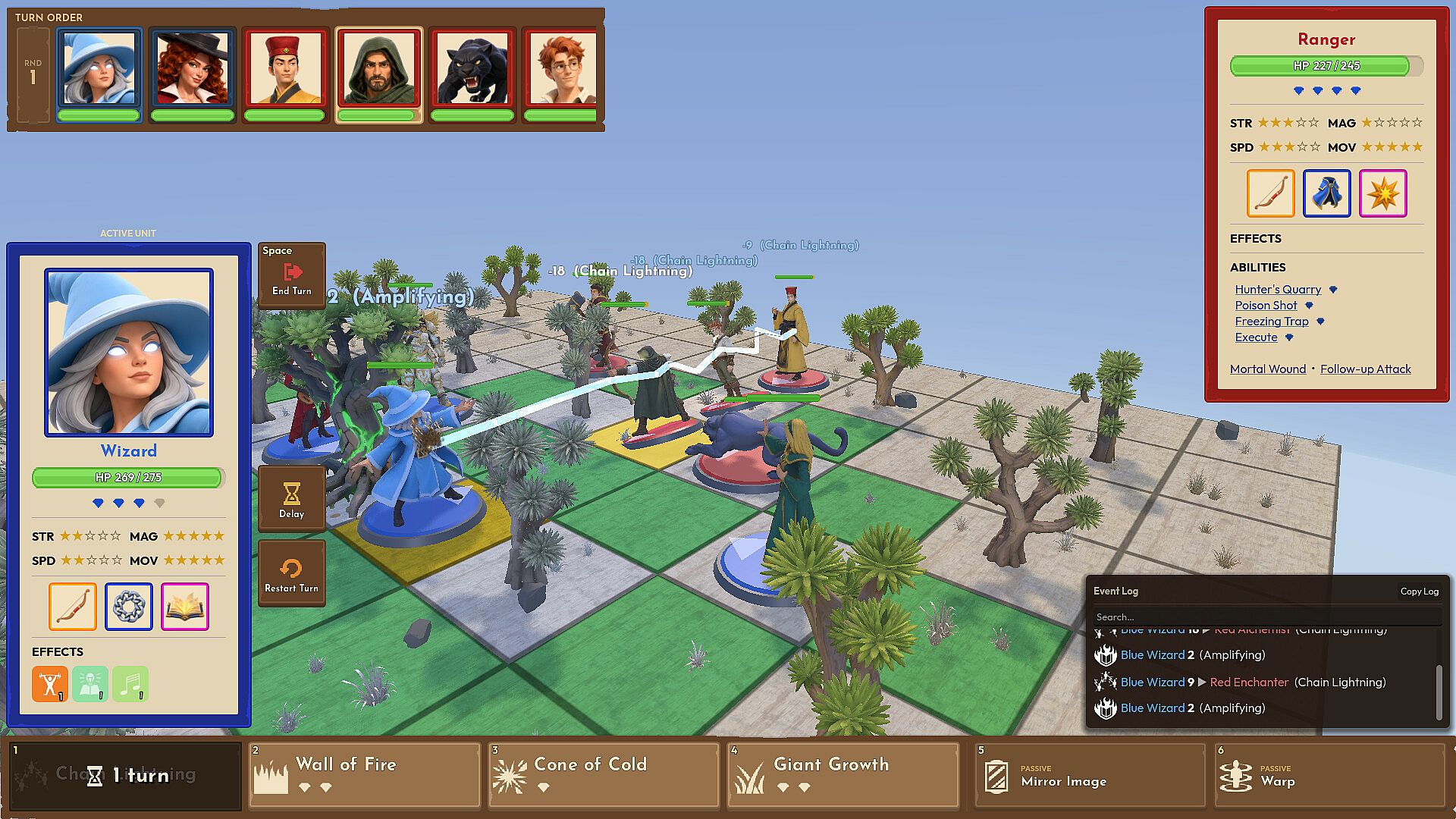
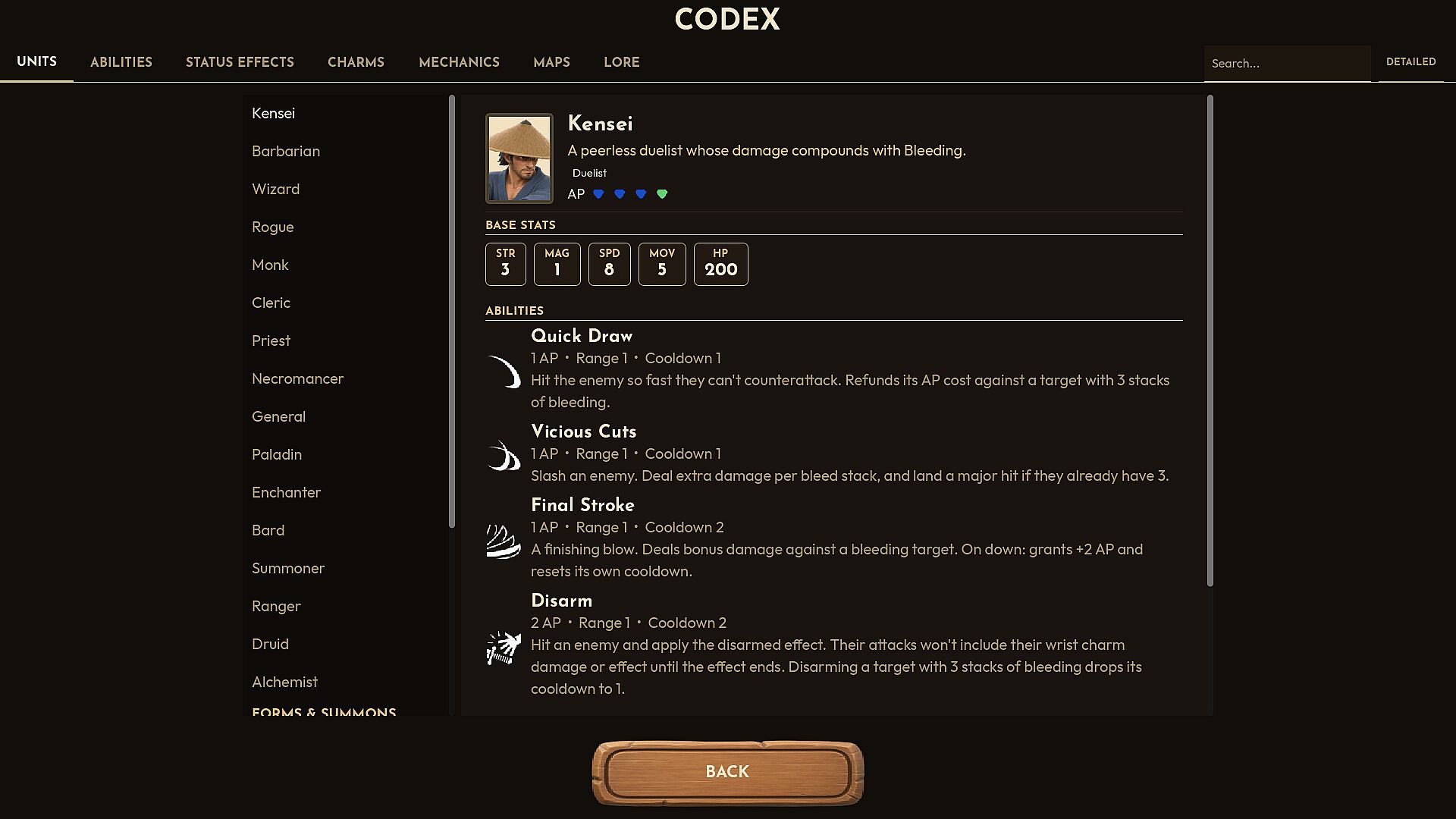
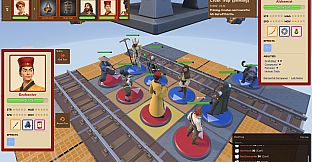
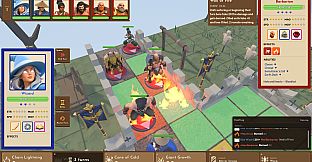
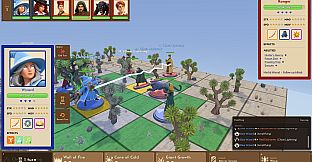
Orix est un RPG tactique au tour par tour disponible sur PC en accès anticipé. Les joueurs s'affrontent en duels 4v4 en ligne, rapides et sans pitié, où la stratégie et le positionnement priment sur le hasard ou la progression. Le jeu repose sur la constitution d'une équipe de héros, l'équipement de charmes et des affrontements en arènes interactives où l'environnement devient un élément tactique à part entière.
Gameplay
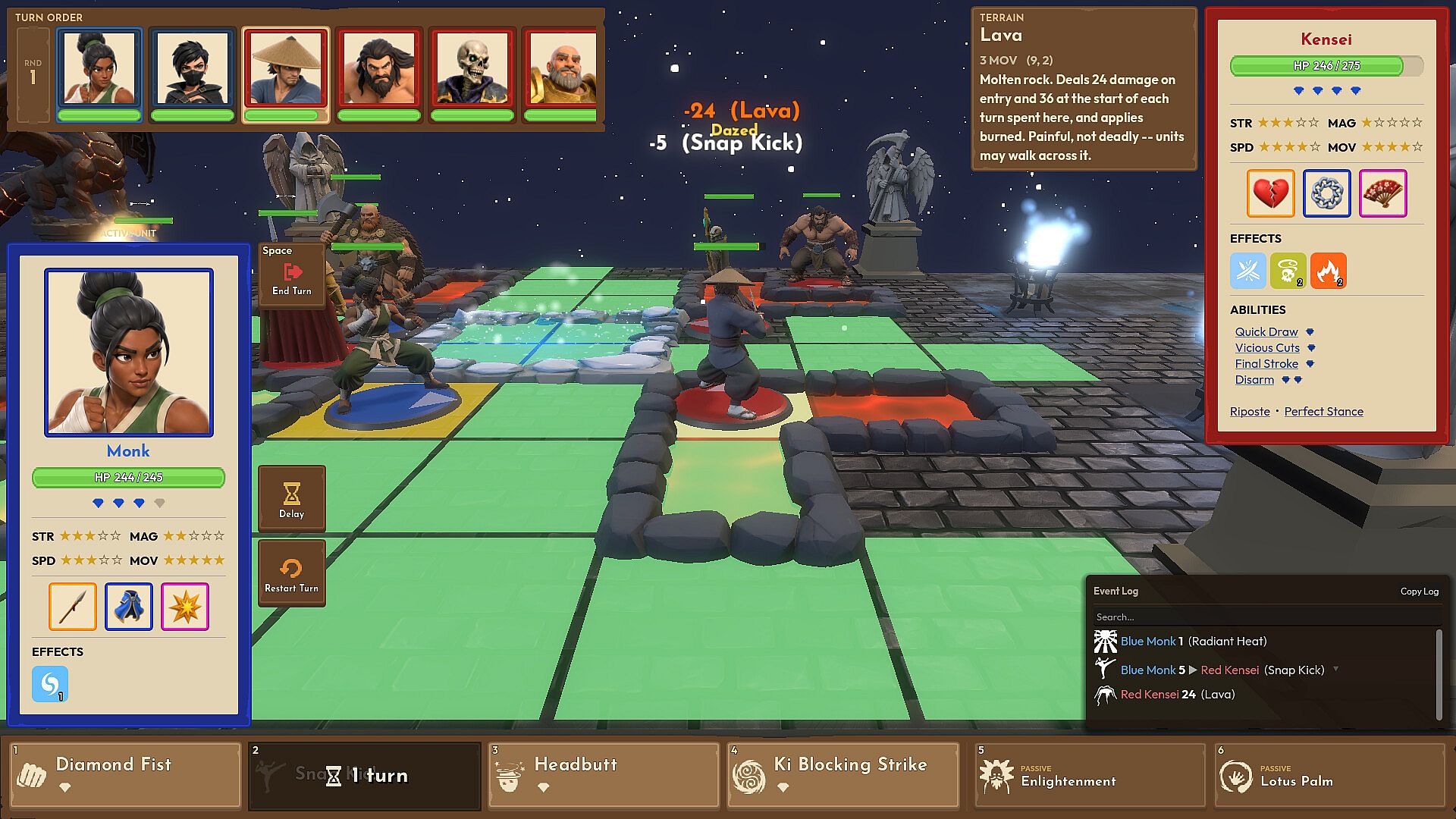
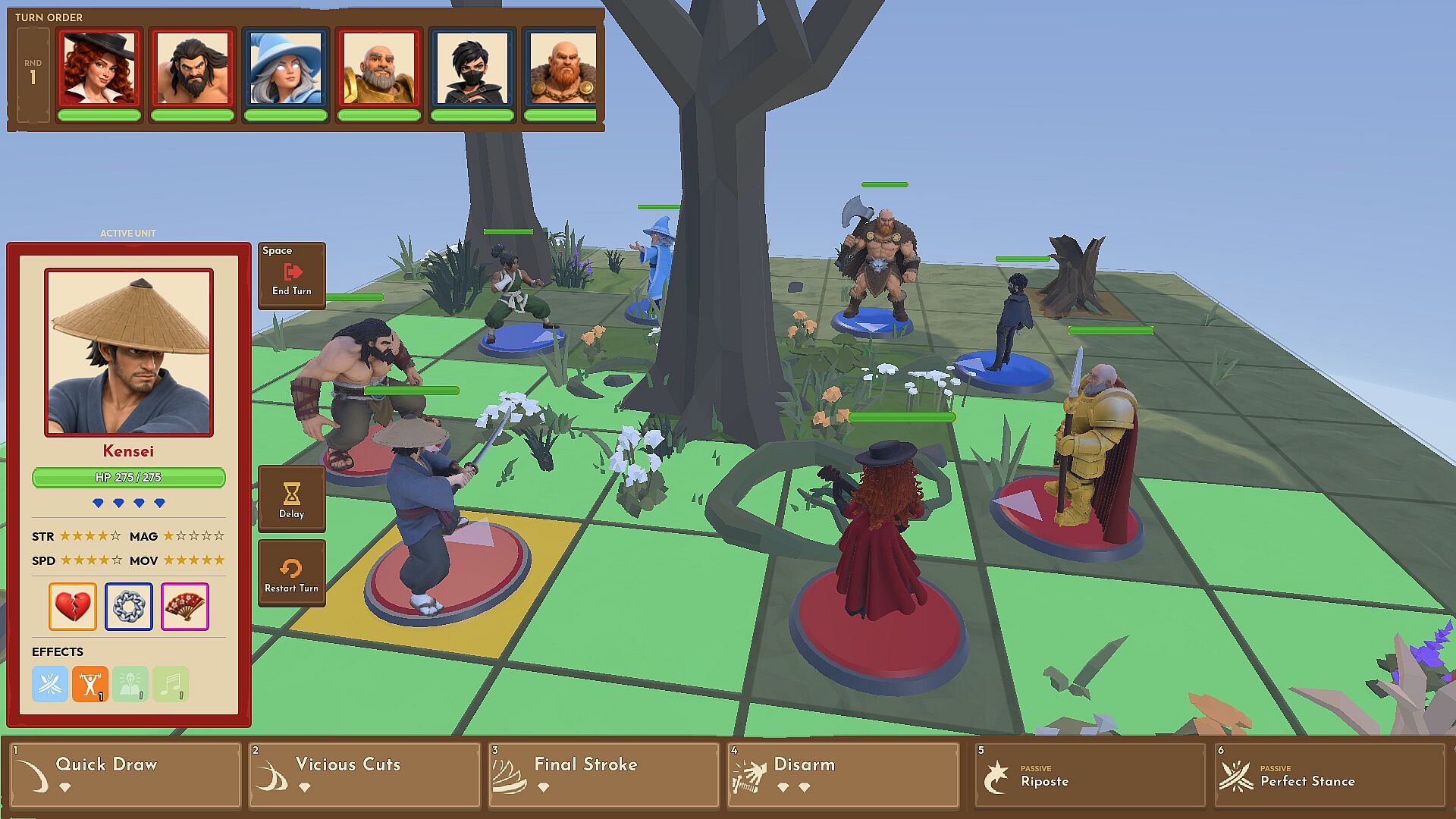
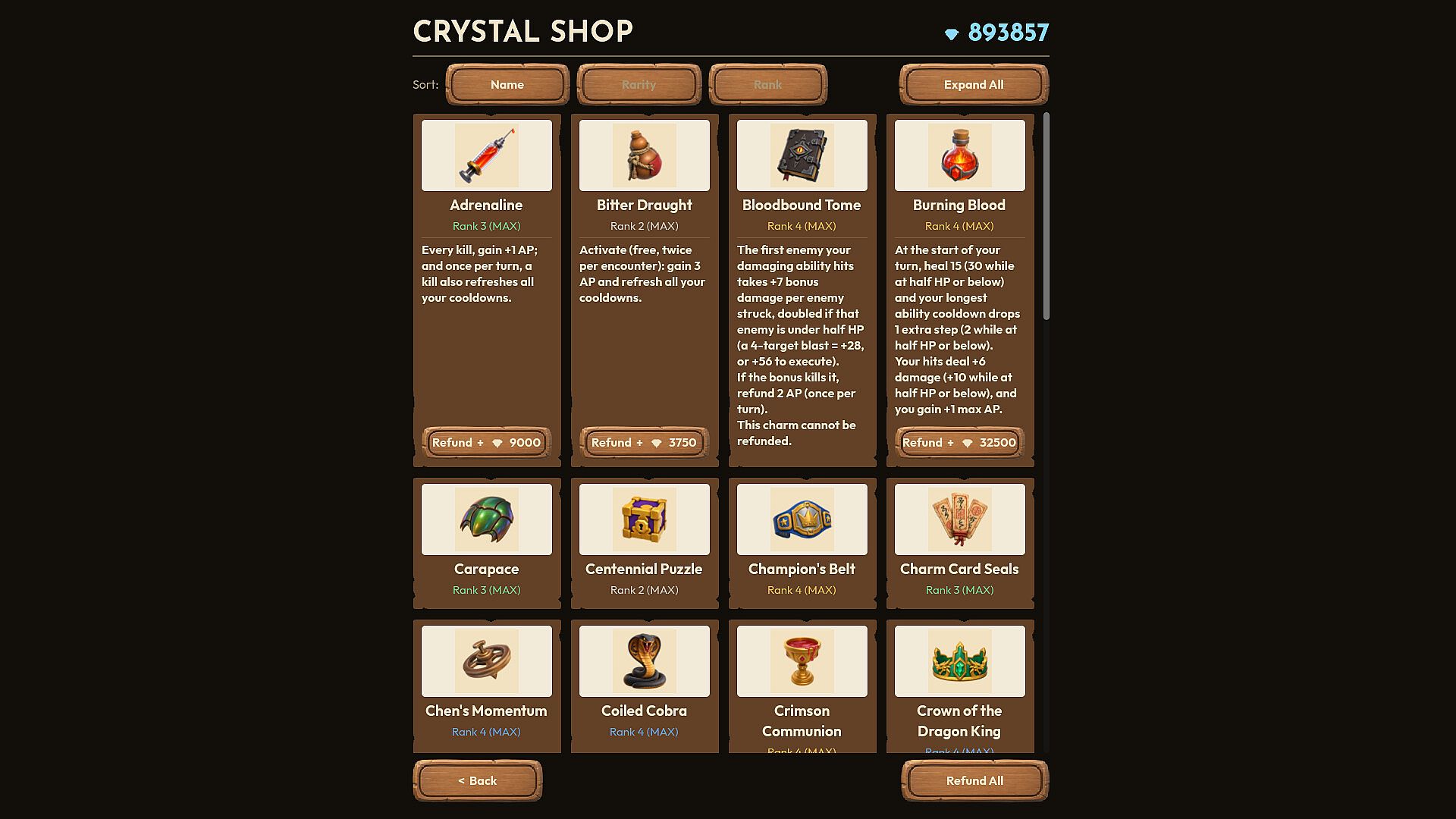
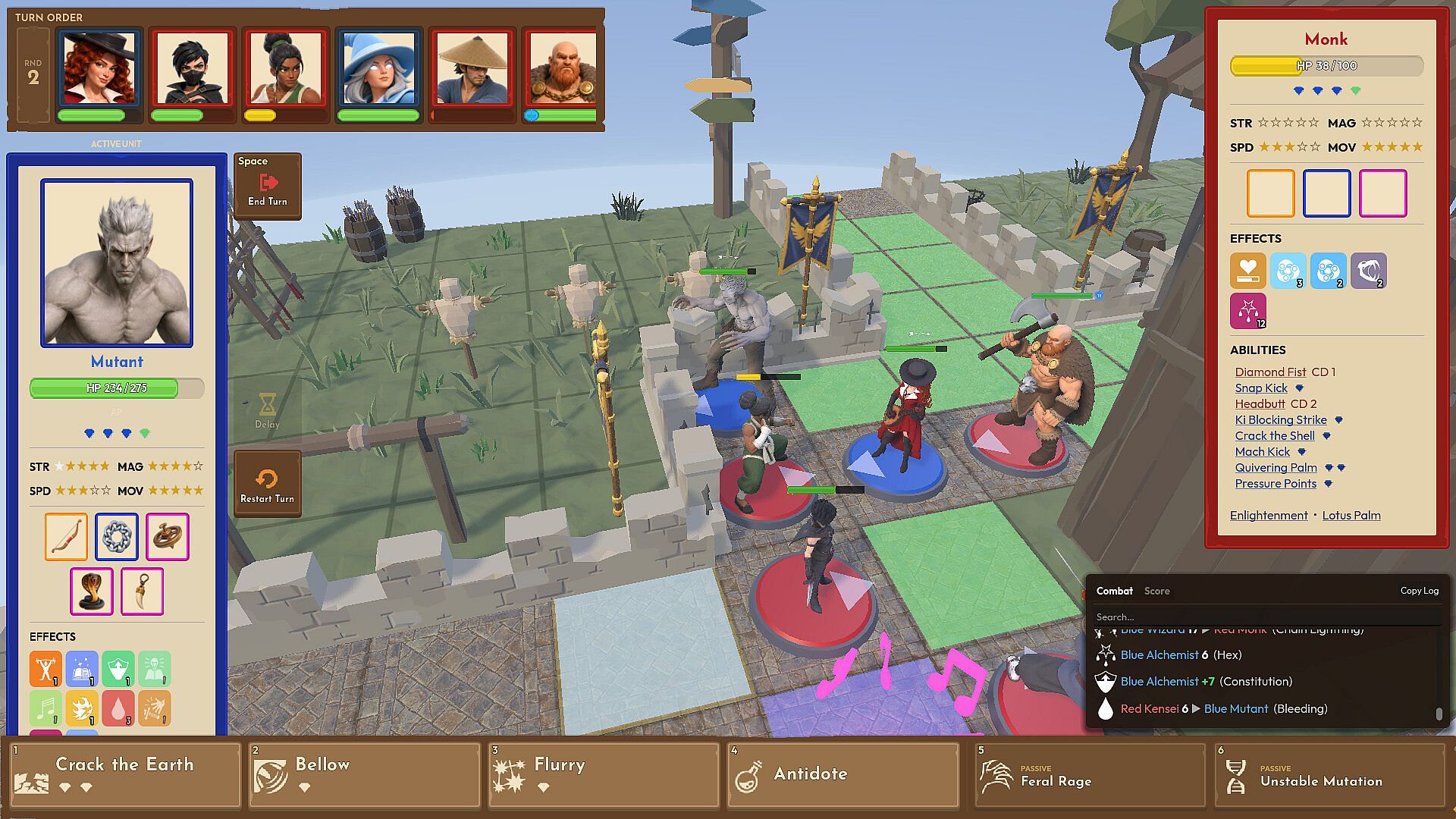
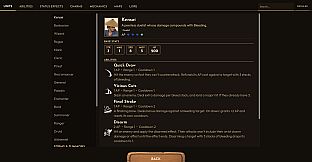
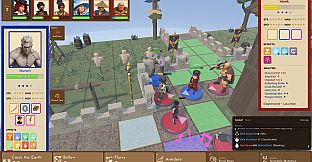
Le cœur du jeu réside dans des matchs en ligne synchrones qui mettent l'accent sur la confrontation directe. Chaque participant choisit quatre héros, leur attribue des charmes, puis affronte un adversaire en temps réel. Tous les déplacements s'affichent sur le plateau commun, obligeant les joueurs à prendre en compte le positionnement, l'orientation, la portée et les effets de statut. Chaque héros dispose de capacités signatures, de passifs et de contres qui récompensent la précision plutôt que la puissance brute. Les charmes modifient le rôle des unités, permettant à un même héros d'occuper des fonctions différentes selon l'équipement choisi. Aucun élément aléatoire n'influence les résultats, les issues dépendent uniquement des décisions tactiques prises à chaque tour.
Le terrain influence activement chaque affrontement. Les flaques de lave infligent des dégâts aux unités qui s'y attardent, tandis que les geysers entrent en éruption selon des cycles prévisibles et repoussent les pièces sur le plateau. Des pièges se déclenchent pour écraser ce qui se trouve en dessous, et les zones endommagées forment des goulets d'étranglement qui limitent les déplacements. Les joueurs expérimentés exploitent ces éléments en poussant leurs adversaires dans les dangers, en synchronisant leurs actions avec les cycles d'éruption, ou en érigeant des barrières comme des murs de feu pour restreindre les mouvements ennemis et contrôler l'espace.
Game Modes
Le mode compétitif constitue le cœur de l'expérience à travers des duels 4v4 en ligne. Les joueurs peuvent créer des parties via des codes de lobby ou inviter des amis pour des confrontations directes. Tous les héros et charmes sont accessibles dès le premier match, garantissant un point de départ équitable où la victoire repose sur la maîtrise des systèmes plutôt que sur le déblocage de contenus. Les affrontements restent décisifs, les dégâts étant élevés et les options défensives limitées, récompensant les ouvertures précises et les adaptations rapides.
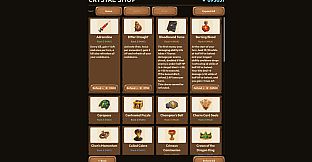
Des modes solo offrent un complément d'entraînement et de progression lorsque les adversaires en ligne ne sont pas disponibles. Le mode Survie propose des vagues infinies d'ennemis de plus en plus difficiles sur des plateaux influencés par des éléments procéduraux, avec des mutateurs qui modifient les conditions à chaque partie. Le mode Gauntlet suit une structure roguelike de combats enchaînés où les unités survivantes conservent les dégâts subis, des chemins divergents permettent des itinéraires variés, et des récompenses cumulées s'accumulent au fil de la partie. Ces deux modes octroient une monnaie dédiée, utilisable uniquement pour des charmes joueur contre environnement qui enrichissent l'expérience solo sans affecter l'équilibre compétitif.
Progression and Accessibility
Le jeu inclut des tutoriels intégrés et des défis d'entraînement qui expliquent les règles de mouvement, les principes de positionnement, le système de charmes et les capacités de chaque héros. Ces outils permettent aux nouveaux joueurs d'aborder les matchs avec une compréhension claire des options disponibles. La profondeur se révèle au fil des parties, au fur et à mesure que les joueurs découvrent les synergies et les contre-stratégies au sein du roster complet. L'absence d'éléments pay-to-win en mode compétitif assure que tous les participants disposent des mêmes seize héros et de l'ensemble des charmes associés.
Des packs de personnages optionnels introduisent de nouveaux héros soumis aux mêmes standards d'équilibrage que le roster de base. Les ajustements de balance sont gratuits, et les propriétaires des packs partagent l'accès pendant les matchs, permettant aux deux camps de choisir parmi les mêmes options. Cette structure maintient un environnement compétitif équitable, indépendamment des dépenses.
Is It Worth Playing?
Orix s'adresse aux joueurs qui apprécient le combat tactique au tour par tour et la stratégie en duel direct, sans dépendre de systèmes de progression ou de résultats aléatoires. Le modèle free-to-play offre un accès immédiat à l'ensemble des héros et charmes compétitifs, permettant des parties illimitées centrées uniquement sur le développement des compétences. Les modes solo prolongent l'expérience avec des défis autonomes qui récompensent l'expérimentation via une piste de déverrouillage distincte. Ceux qui recherchent des affrontements rapides et décisifs, où le terrain et le positionnement comptent autant que le choix des unités, trouveront une profondeur constante, en ligne comme hors ligne. Le statut d'accès anticipé signale des ajustements en cours, mais les systèmes principaux offrent déjà un terrain de jeu équilibré centré sur l'exécution tactique.