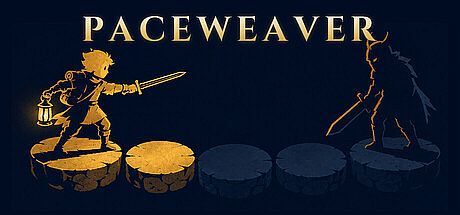



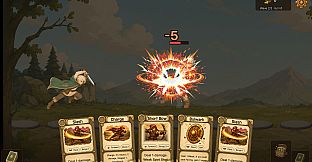
Paceweaver is a single-player turn-based deckbuilding roguelike that combines strategy and RPG elements on PC. Set on a single-lane battlefield, the game emphasizes positioning, facing direction, and precise timing over raw power. Every action, from attacks to movement, consumes a turn, and enemies display their upcoming moves in advance. Players build decks around 31 cards that include not only strikes but also retreats, rotations, swaps, and positional tools to outmaneuver foes.
Gameplay
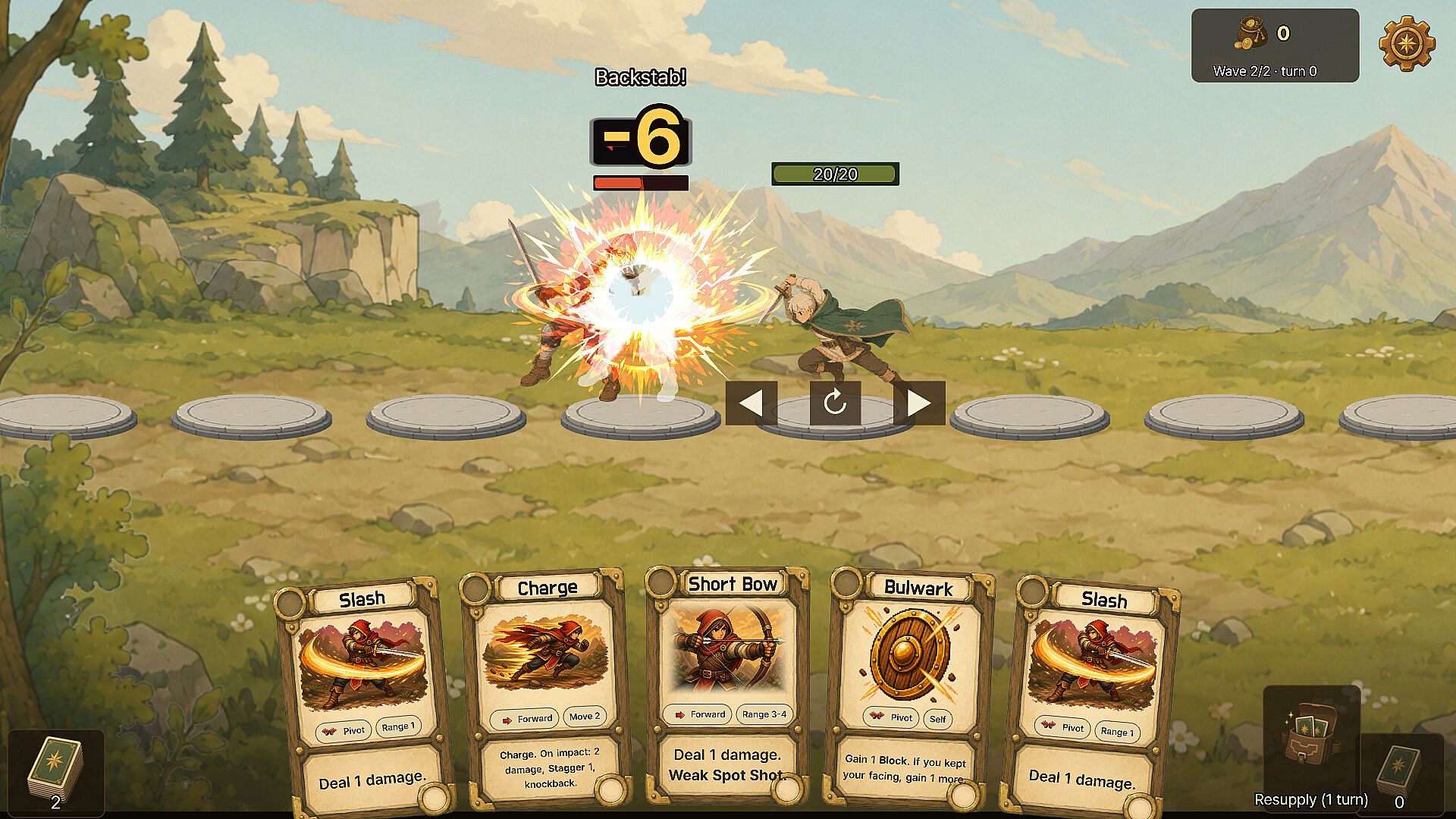
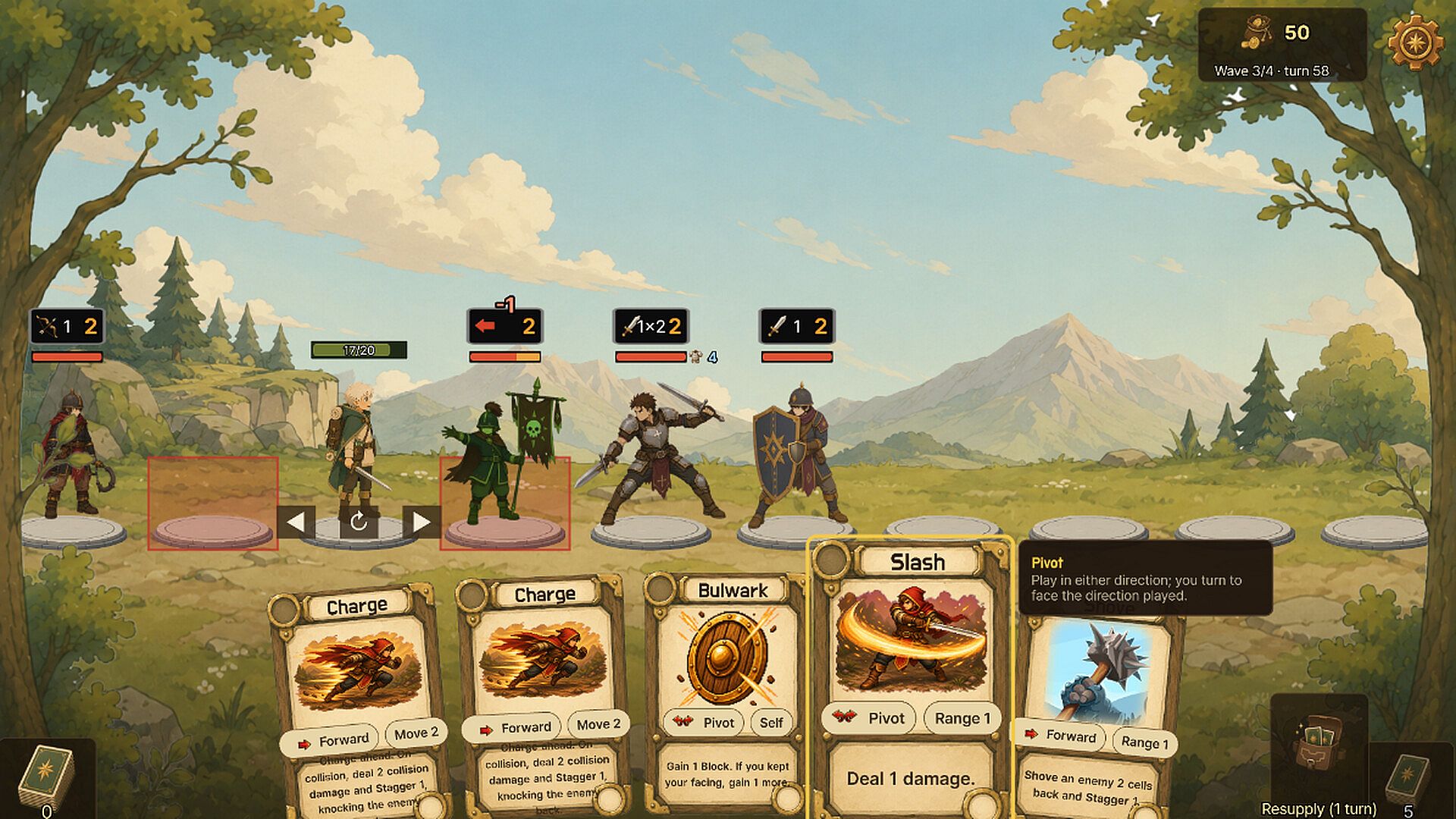
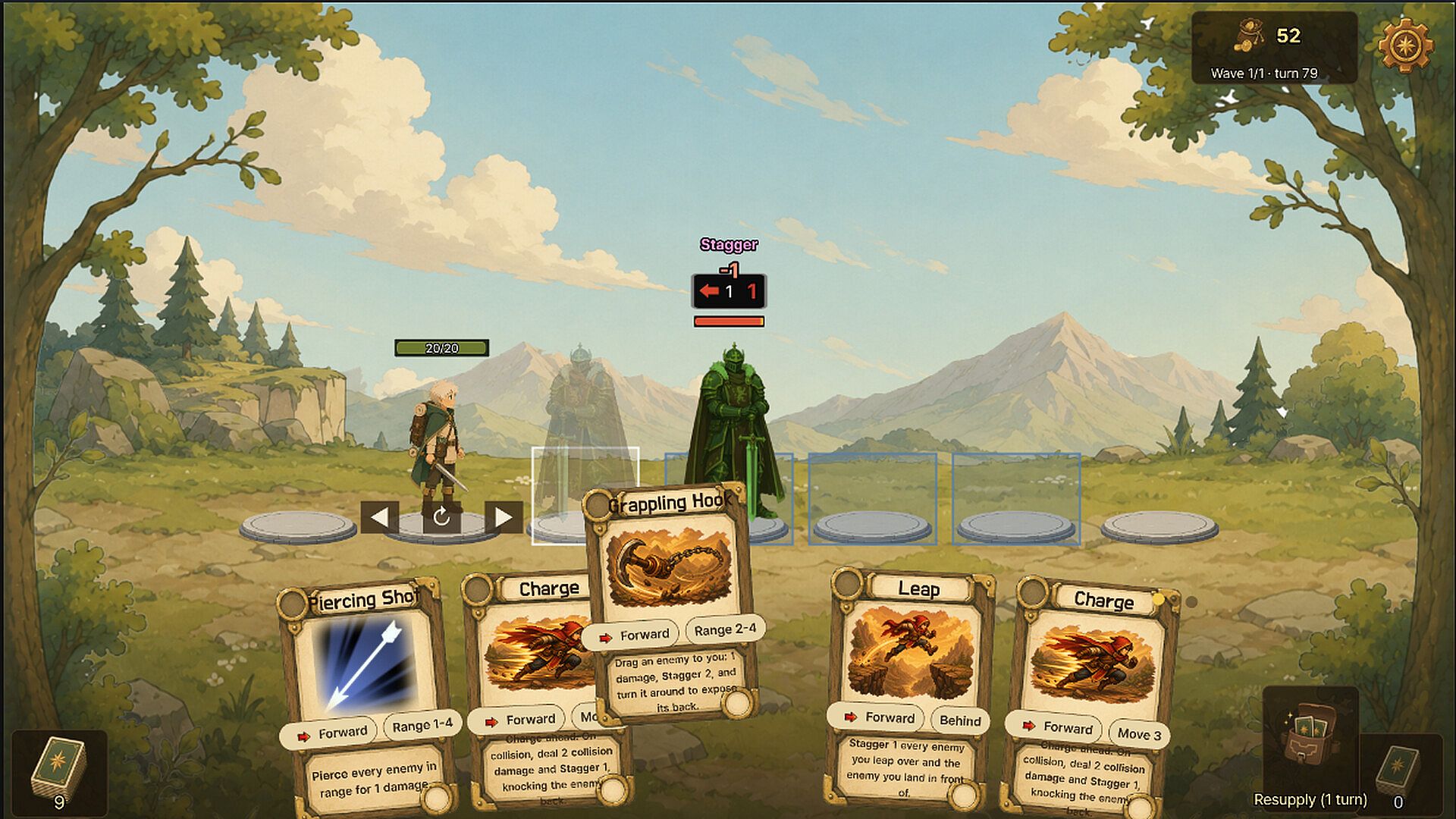
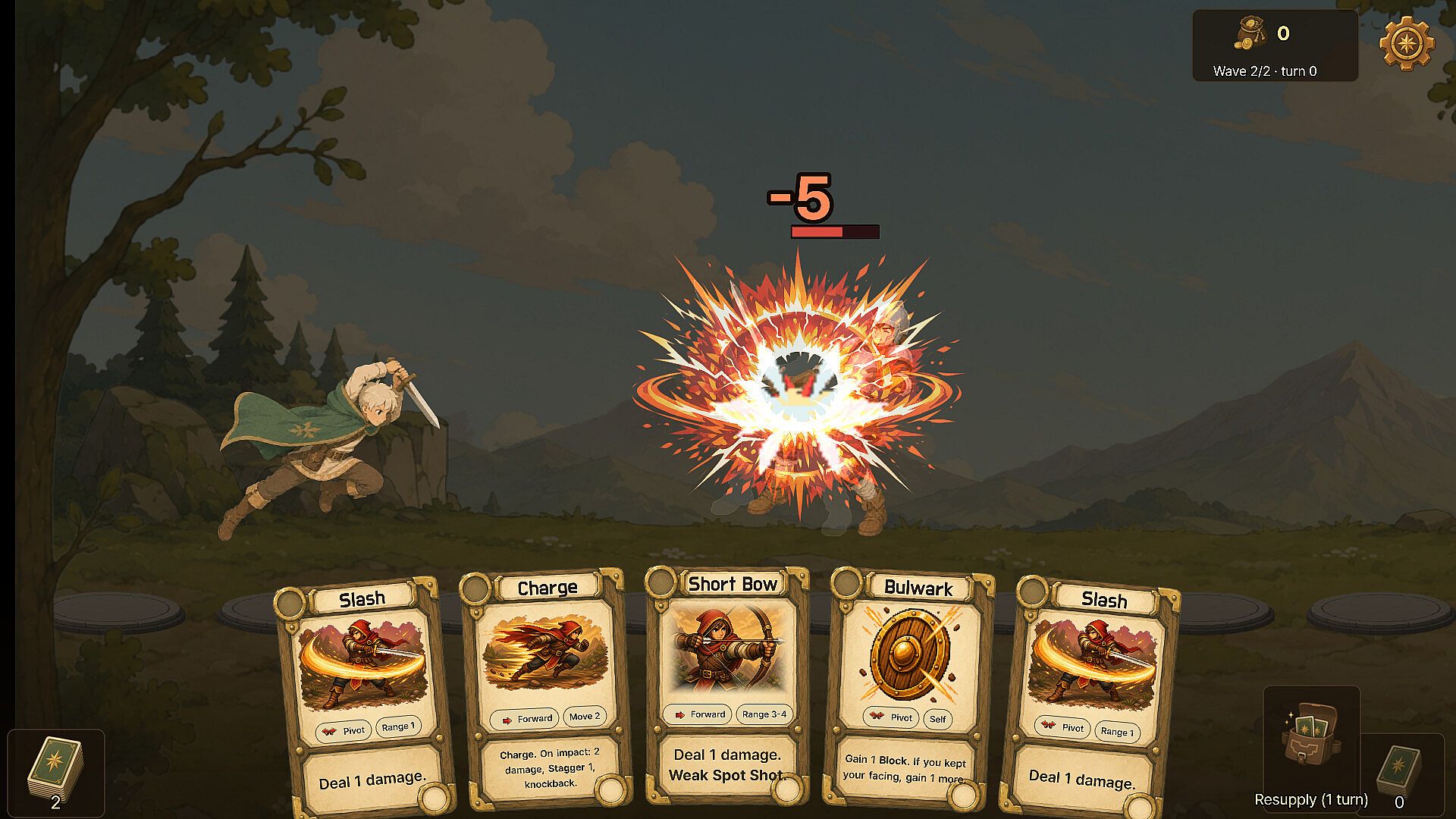
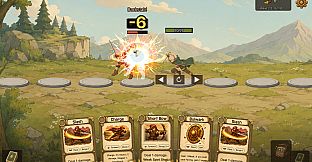
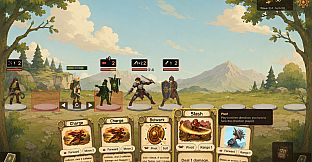
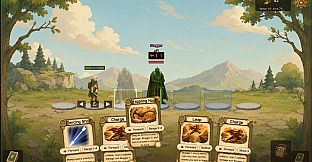
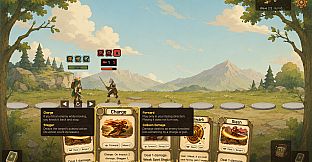
Combat unfolds on a linear lane where tile distance determines whether an attack lands or misses. Cards carry specific ranges, so players must adjust their stance by falling back or advancing to create openings. Facing adds another layer, as every unit orients in a direction. Striking from behind doubles damage, which encourages maneuvers that spin enemies around or slip past their guard while protecting one's own vulnerable side.
Threats appear with clear warnings showing the exact action and the number of turns until execution. This setup turns each encounter into a timing puzzle. A player might absorb an incoming hit to set up a counter or use a turn to interrupt before the enemy acts. Movement, rotation, and position swaps function as playable cards, allowing decks to focus on control rather than direct damage. Knockback, pulls, charges, and collisions with walls further weaponize the environment itself.
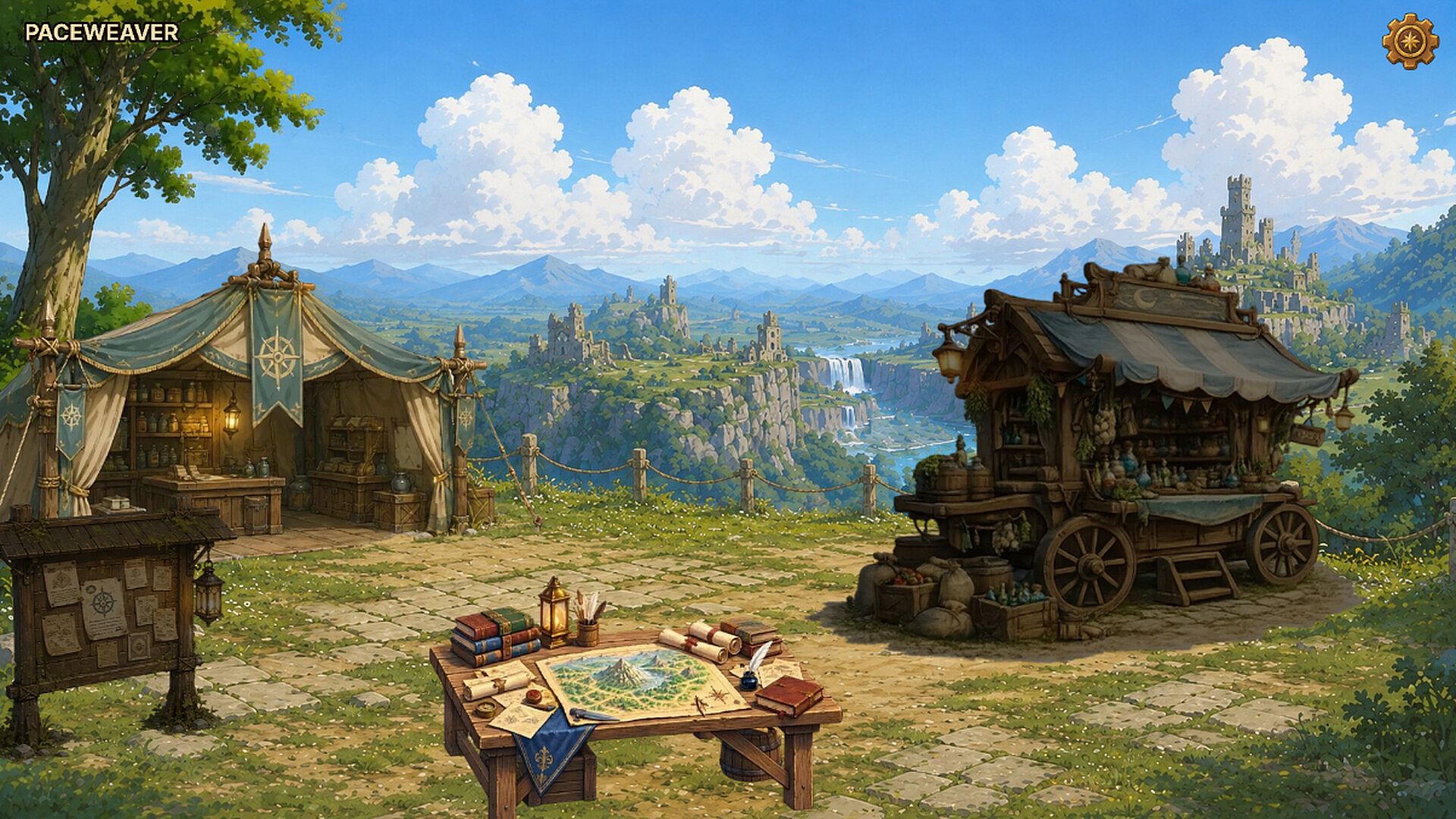
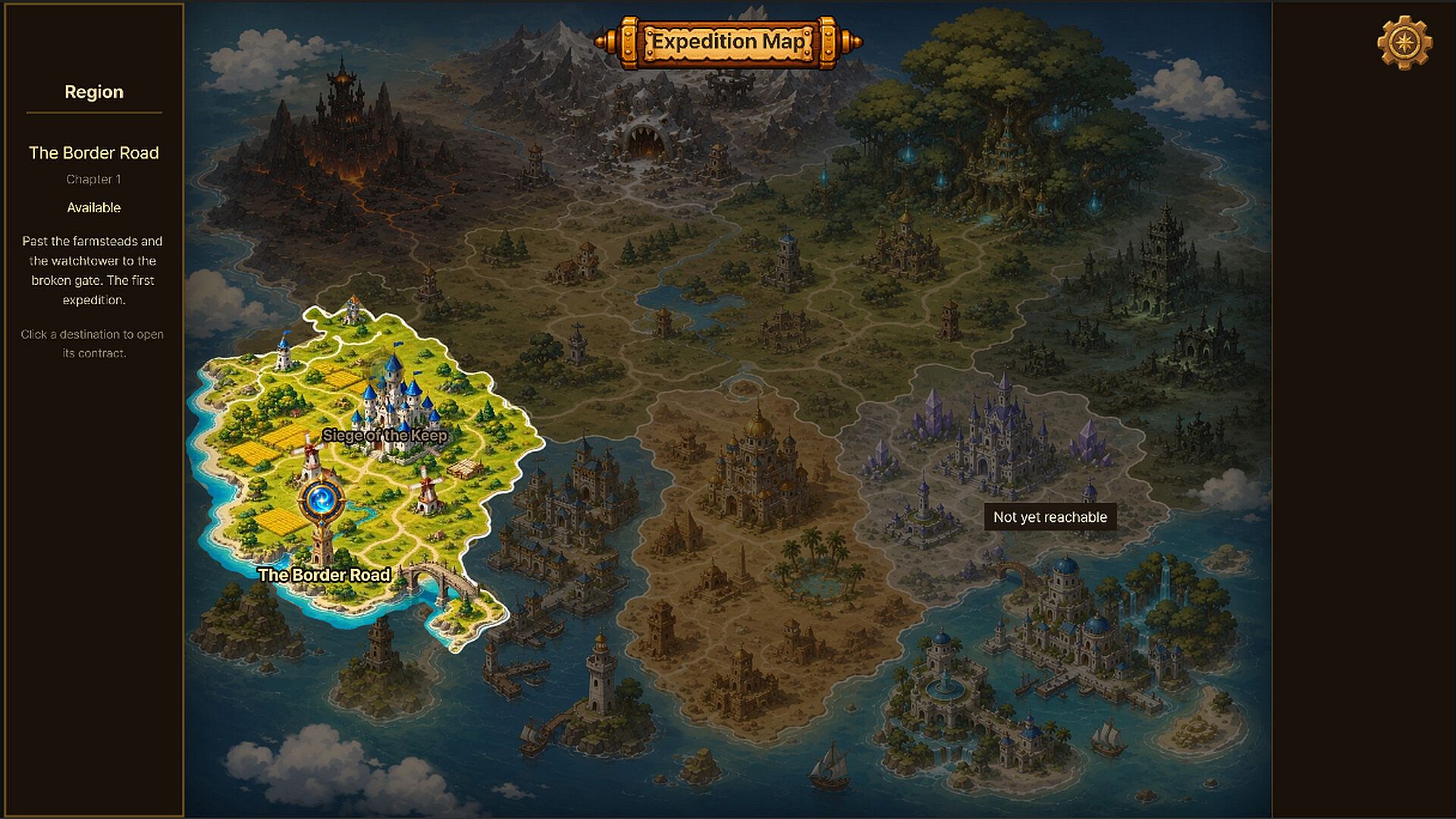
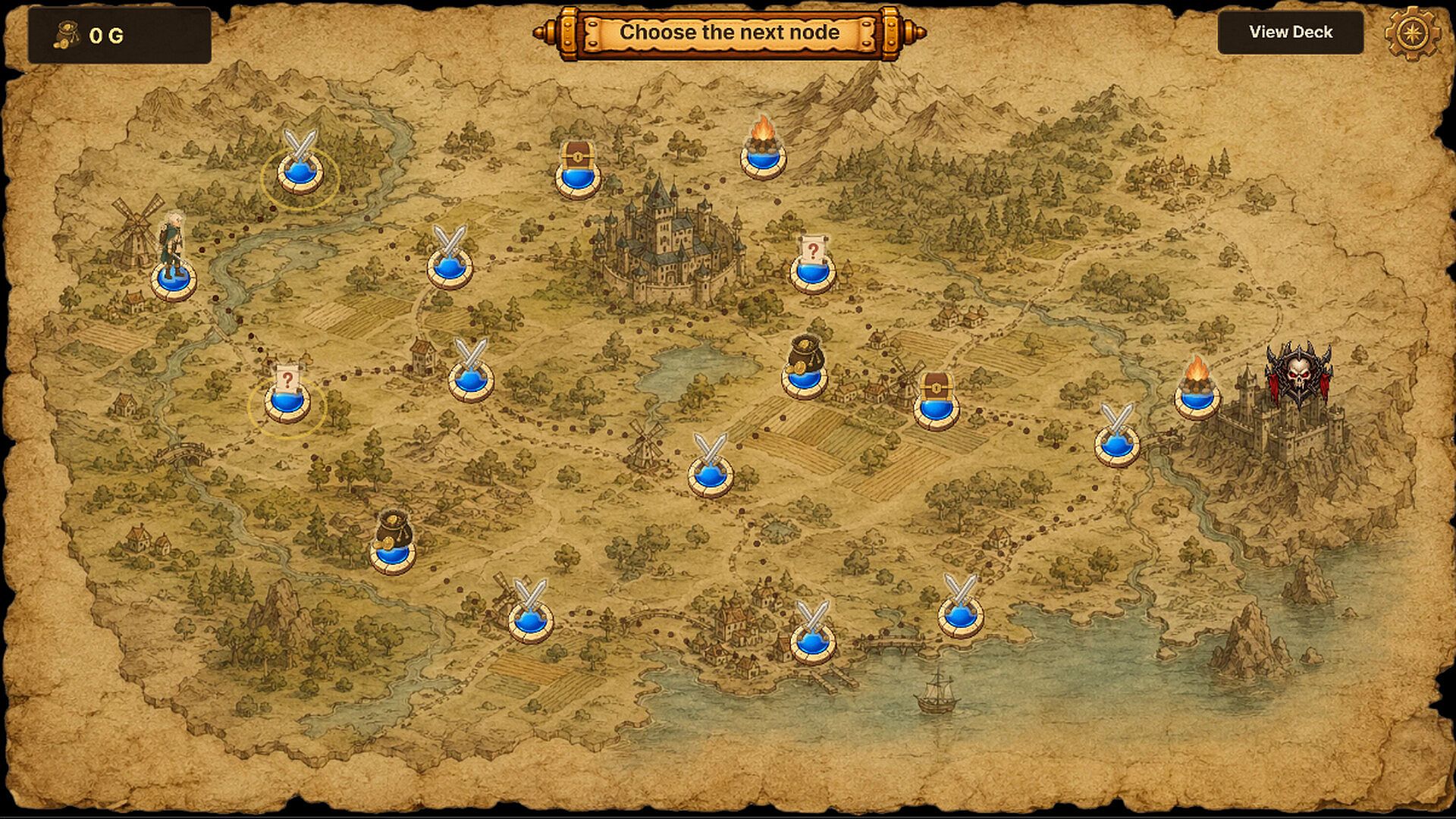
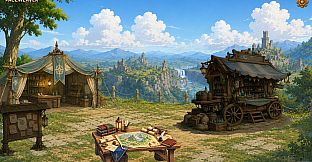
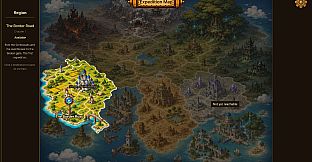
Progression follows an expedition structure with branching choices. Between fights, players visit shops, rest sites, events, treasure caches, and a forge to refine their collection. Decks, health, and gold carry forward across two chapters. Clearing regions grants permanent unlocks that persist across runs, rewarding repeated exploration without resetting all progress.
Game Modes
The core experience centers on a single-player roguelike campaign. Players accept contracts from an adventurers' guild and navigate the lane-based encounters toward a final boss. Runs emphasize deck construction as the primary means of adapting to threats, with no separate multiplayer or versus options confirmed at this stage. The structure supports repeated attempts through roguelike restarts while preserving certain unlocks from cleared regions.
Key Mechanics and Systems
Deck building revolves around 31 cards that define combat style. Rather than stacking generic damage, players assemble combinations of attacks, mobility, and control tools. Range and facing interact constantly, so a deck heavy on backstabs requires supporting cards for repositioning. Environmental interactions like knockback into walls create additional damage opportunities without extra card investment.
The telegraph system removes guesswork from enemy behavior. Knowing the exact sequence of upcoming actions lets players plan multi-turn sequences in advance. This predictability rewards careful positioning over reaction speed. Permanent region unlocks encourage thorough exploration, as each cleared area expands future run options without altering the core single-lane focus.
Is It Worth Playing?
Paceweaver targets players who enjoy tactical decision-making in turn-based formats. Its emphasis on distance, facing, and telegraphed timing creates a distinct puzzle-like combat loop within the deckbuilding roguelike genre. The single-player expedition structure provides clear progression through carried resources and permanent unlocks, while the limited card pool keeps focus on creative combinations rather than endless collection.
With a planned release in Q4 2026 and no user reviews available yet, reception remains to be seen. Those drawn to games where positioning and timing outweigh direct power will find the mechanics align closely with that preference. The absence of confirmed additional modes keeps the experience streamlined around its core lane-based encounters.