

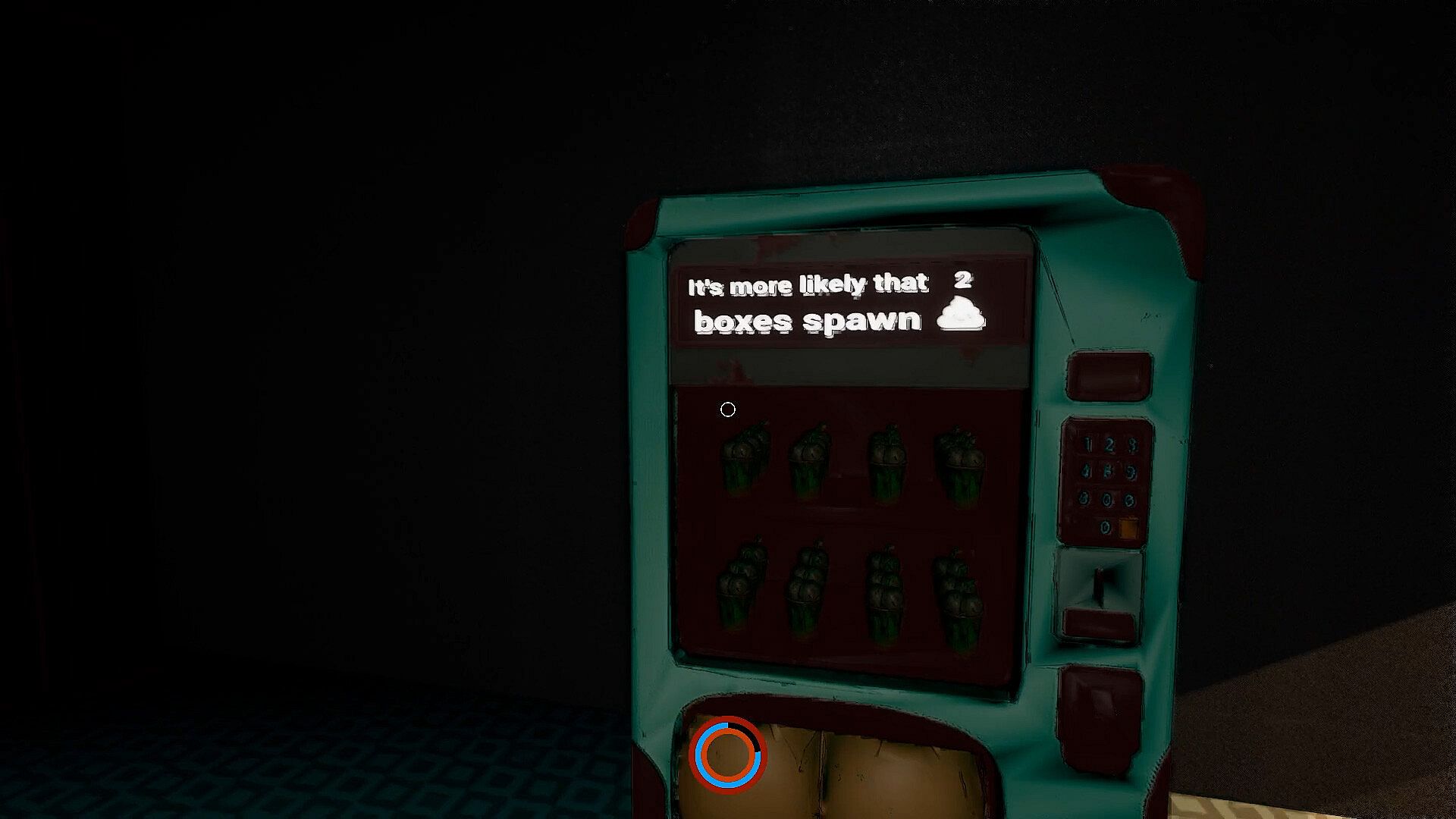
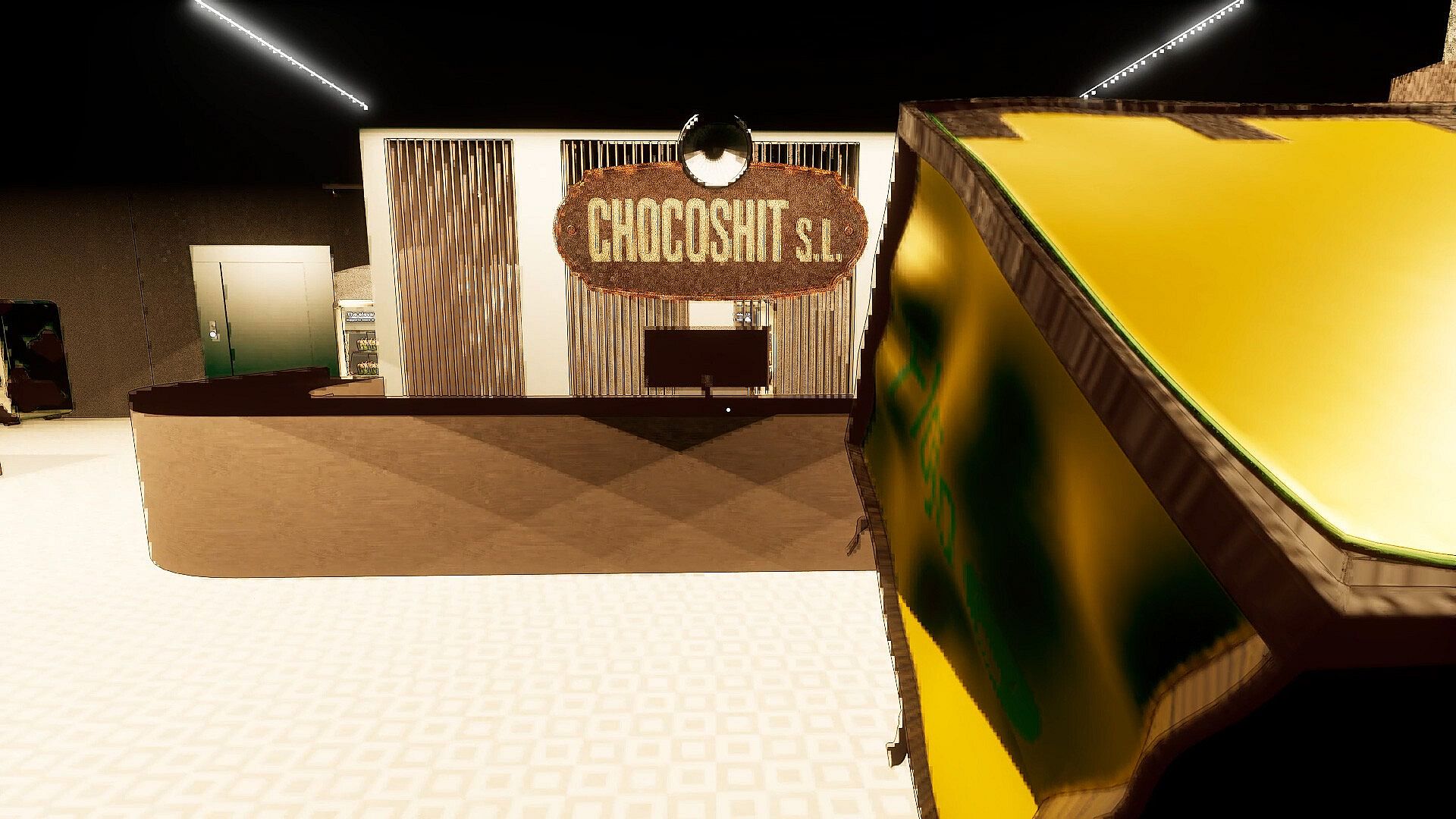
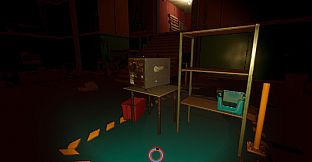
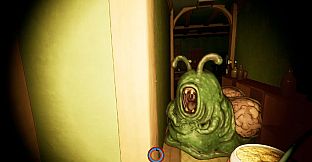
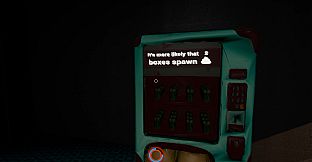
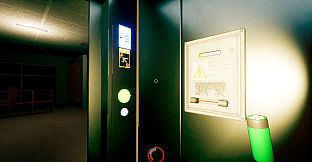
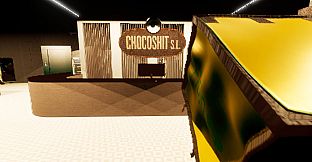
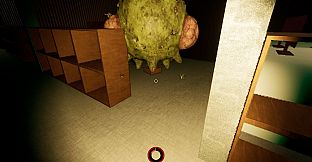
Panchito Delivery: Project Elevator is a first-person psychological horror game with roguelite elements, developed for PC as an indie title in the casual and adventure genres. Players take on the role of a delivery worker whose simple task of dropping off a package escalates into a fight for survival inside a hostile building. The core loop centers on operating an elevator across multiple floors while managing limited resources and evading threats that appear in the shadows.
Gameplay
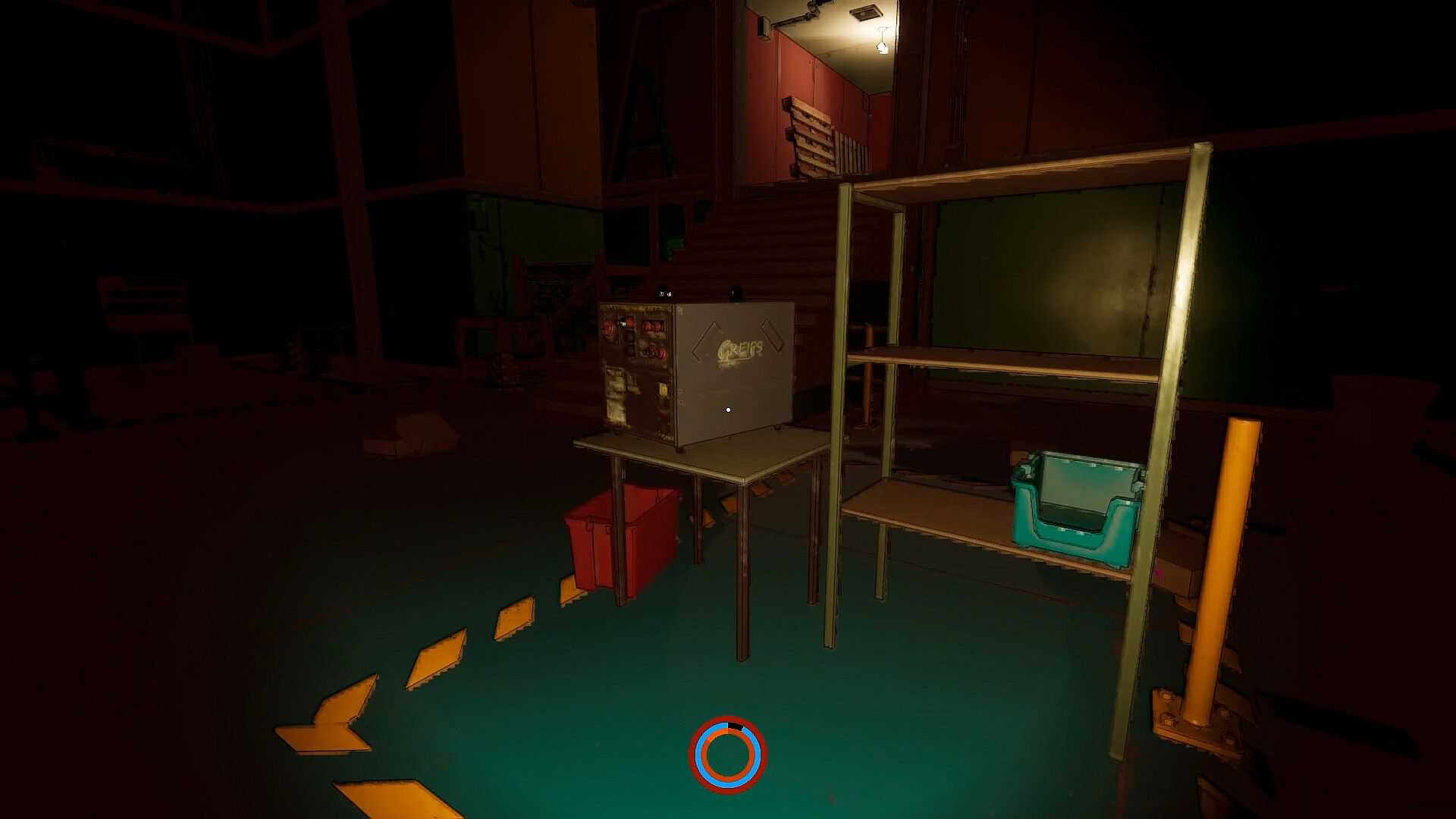
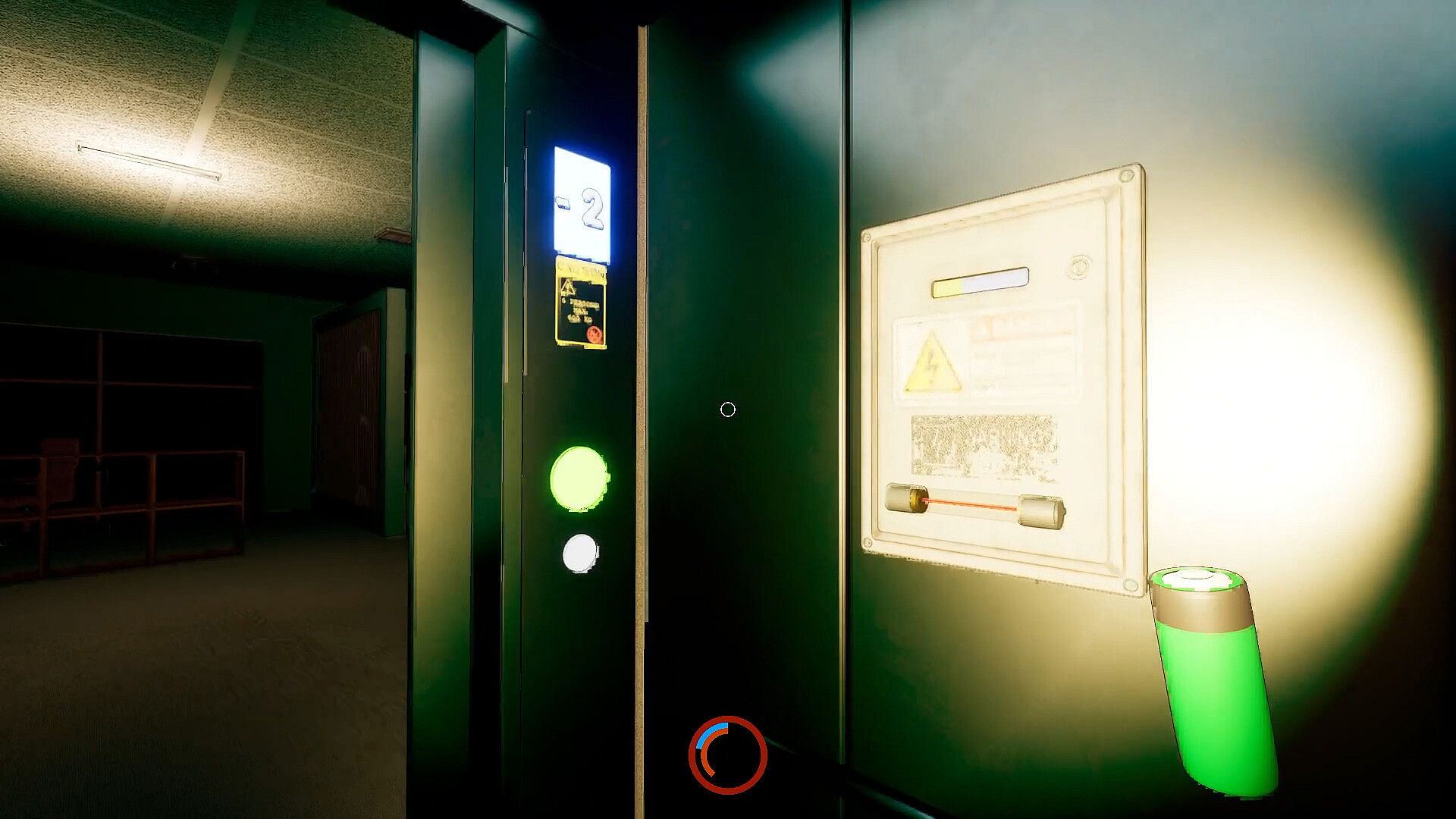
The experience unfolds in a first-person perspective where the player must keep an elevator functional during ascents through an unpredictable structure. Each floor presents new corridors and rooms filled with essential supplies such as fuel and batteries. These items power the elevator and provide light, forcing careful decisions about when to explore dark areas or conserve energy to avoid attracting attention.
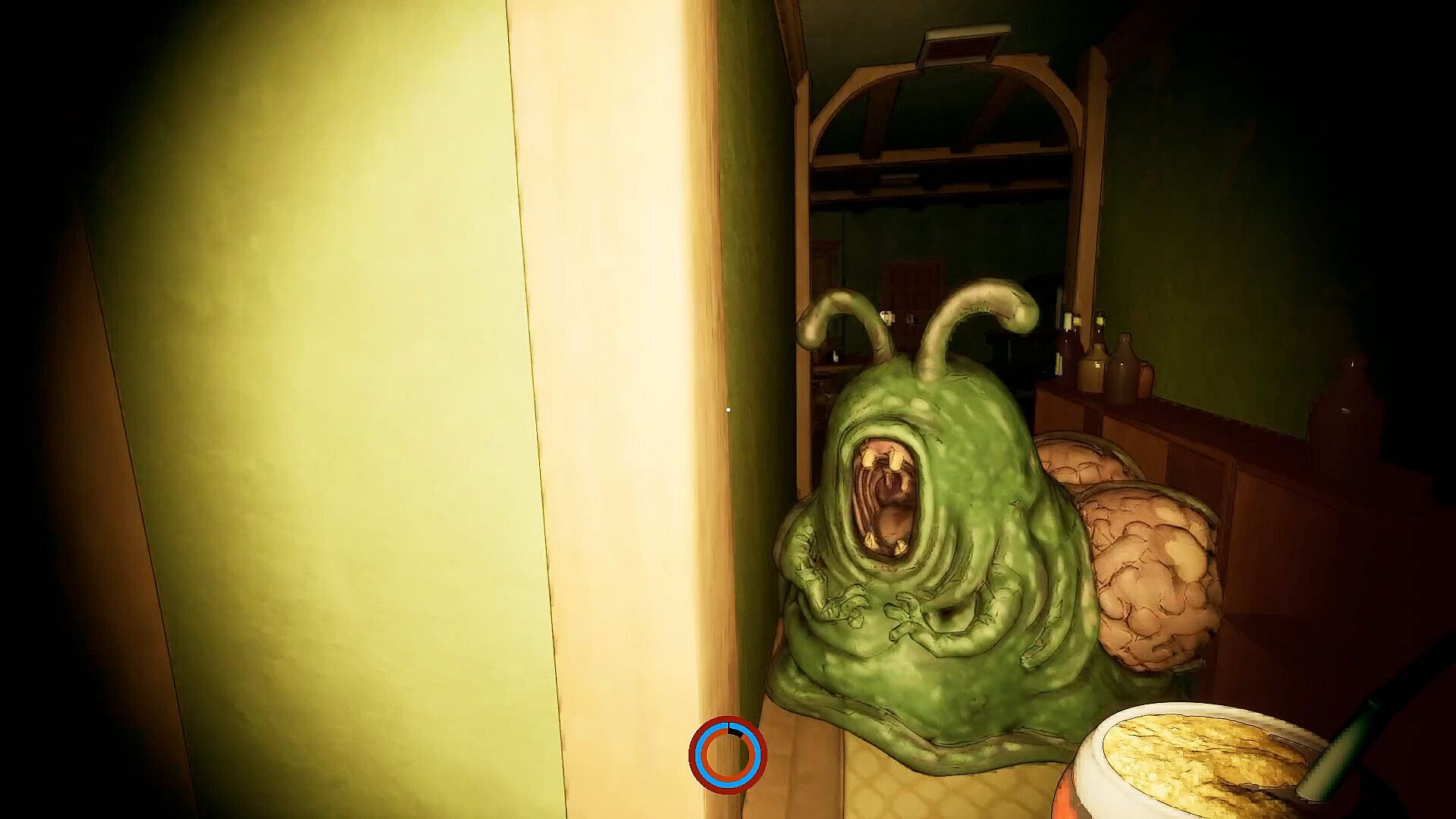
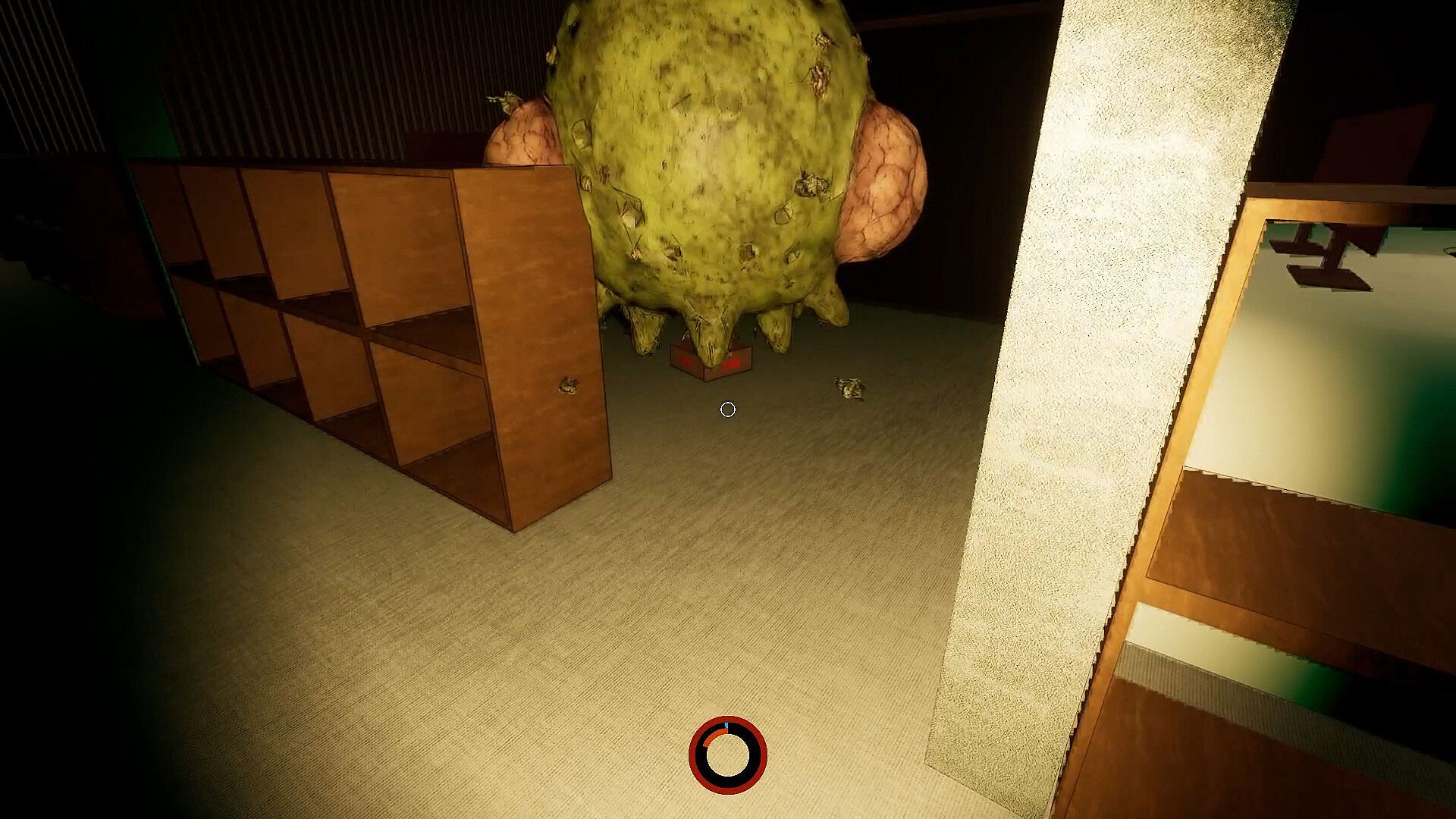
Resource management forms the backbone of progression. Running out of power leaves the elevator vulnerable, allowing entities to close in. Players navigate tight spaces, listen for audio cues through binaural sound design, and use dynamic lighting to spot dangers before they strike. The roguelite structure means each attempt builds on the last through persistent unlocks that improve chances on subsequent runs.
Death returns the player to the starting lobby, where collected resources can be spent on perks and upgrades. This loop encourages repeated attempts as the building changes with every visit, presenting fresh layouts and threats that prevent repetition from becoming predictable.
Game Modes
The game operates entirely in single-player. There are no multiplayer options or separate competitive modes. Instead, the roguelite framework serves as the primary structure, with each run consisting of elevator ascents through procedurally varied floors. Players focus on survival and resource gathering in a linear yet replayable format that emphasizes personal improvement over time.
Progression ties directly to the roguelite mechanics, where failures contribute to long-term advancement rather than resetting all progress. This single-player focus keeps attention on individual decision-making and adaptation to the building's shifting dangers.
Atmosphere and Immersion
Sound and lighting play central roles in building tension. Binaural audio directs attention to unseen movements, while shifting lights create moments of uncertainty about what lies ahead. The setting remains consistent as an endlessly hostile high-rise where no two floors feel identical, supporting the sense of isolation and dread throughout each attempt.
Exploration rewards careful play with the materials needed to sustain the elevator. Rushing through rooms risks missing critical items, while hesitation can allow threats to close the distance. These elements combine to create a deliberate pace that suits players who enjoy methodical survival challenges.
Is It Worth Playing?
The game targets fans of psychological horror blended with roguelite systems who appreciate single-player experiences built around resource tension and repeated runs. Its focus on audio cues, lighting management, and elevator upkeep offers a distinct loop within the indie horror space. As the title remains in development with no released version or player reviews available, interest depends on how well the described mechanics align with personal preferences for atmospheric tension over action. Those drawn to roguelite progression in horror settings may find the structure engaging once it launches.