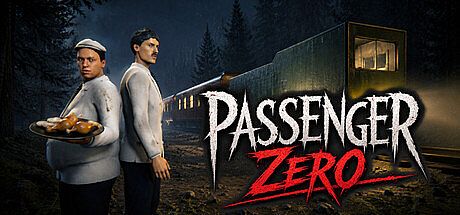


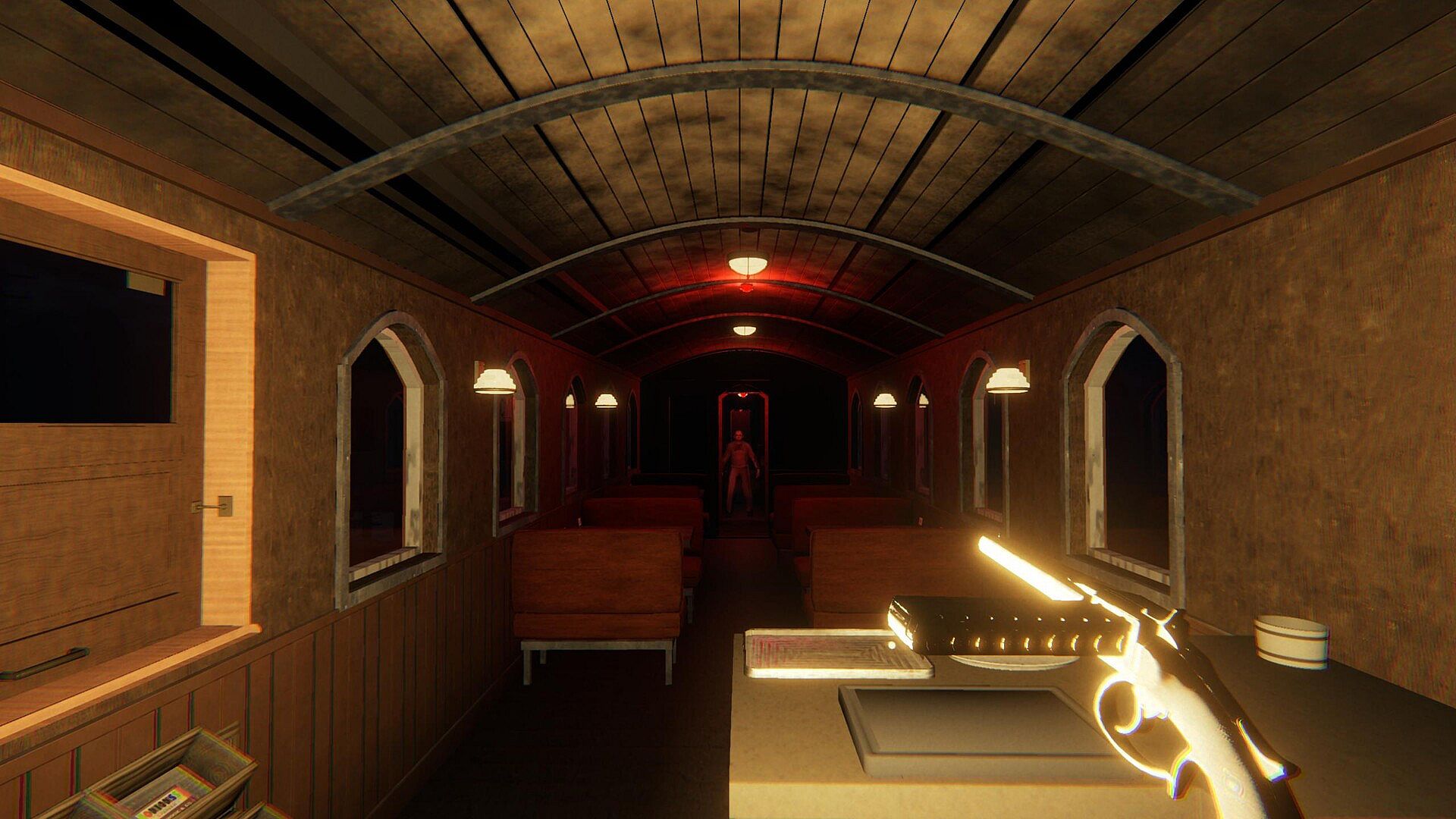
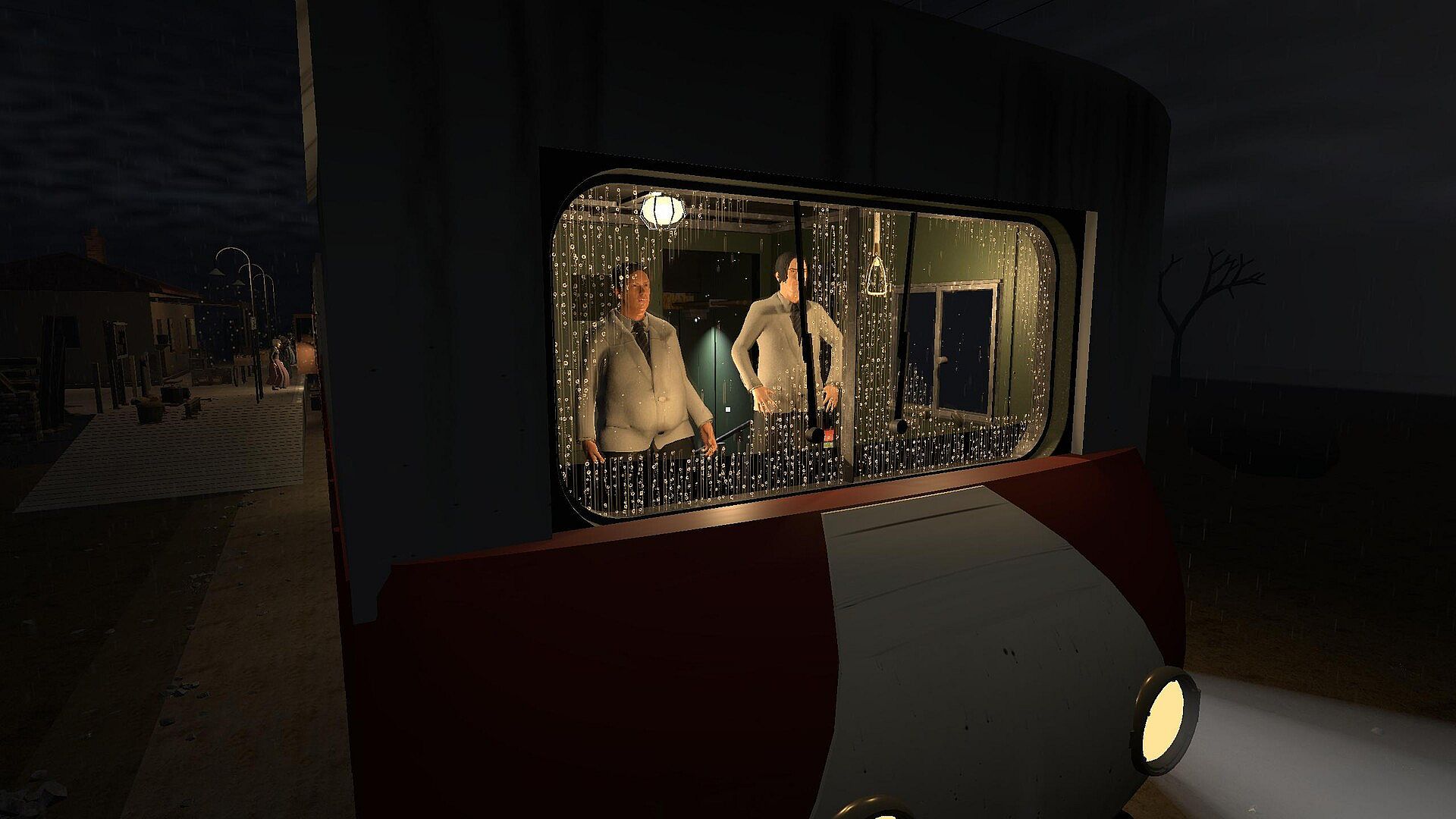
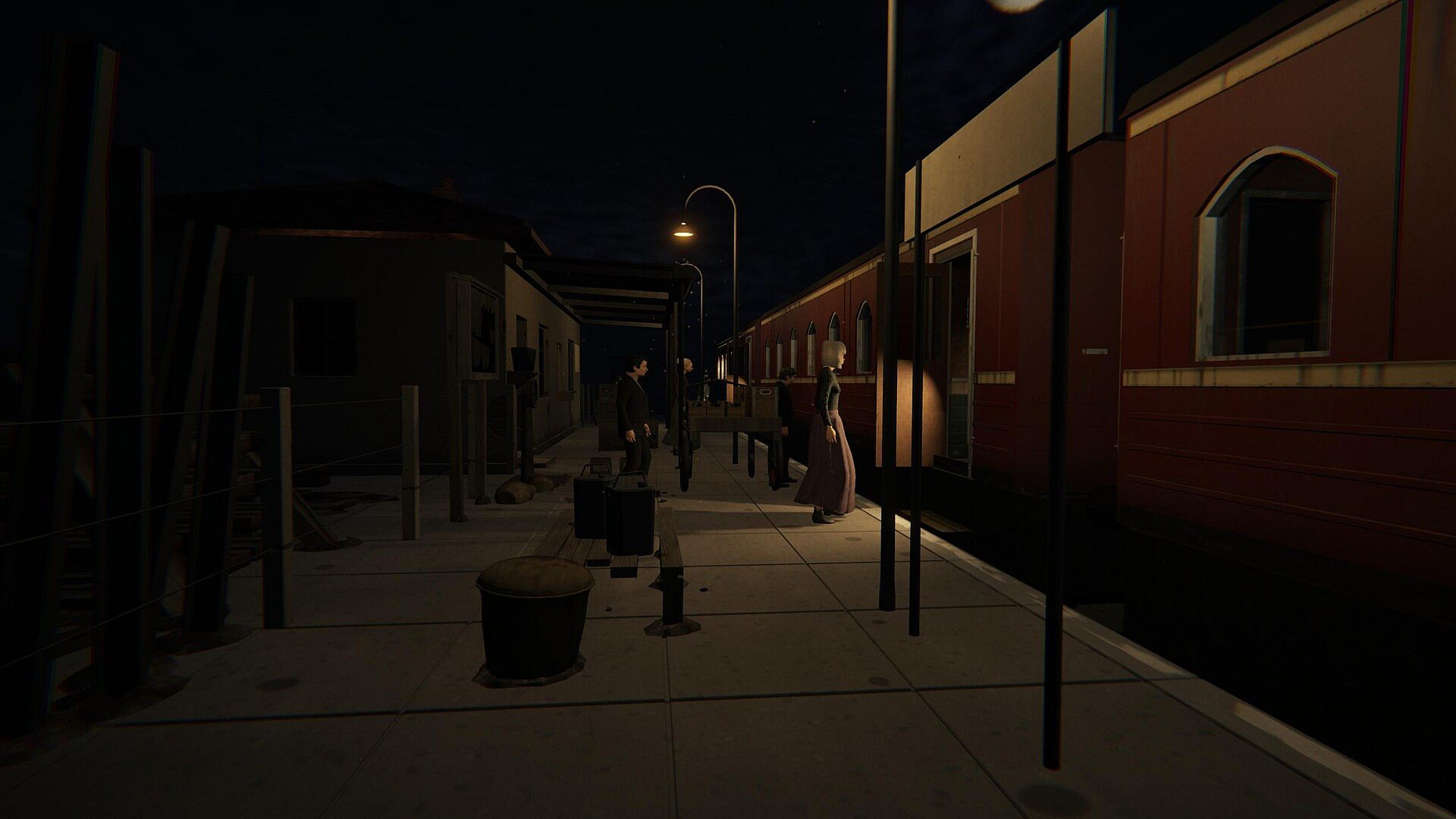
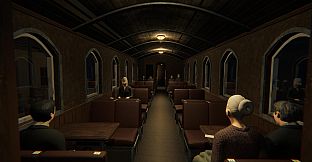
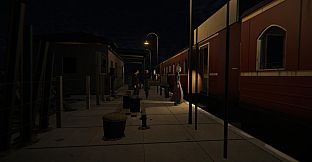
Passenger Zero is an indie action simulation adventure game set aboard a passenger train traveling the quarantine line at night. Players work together in a co-op experience to identify and remove infected passengers while managing the train itself. The core loop revolves around preparing and serving meals as a diagnostic tool, cross-referencing multiple sources of information, and making decisions about who stays and who leaves at each stop.
Gameplay
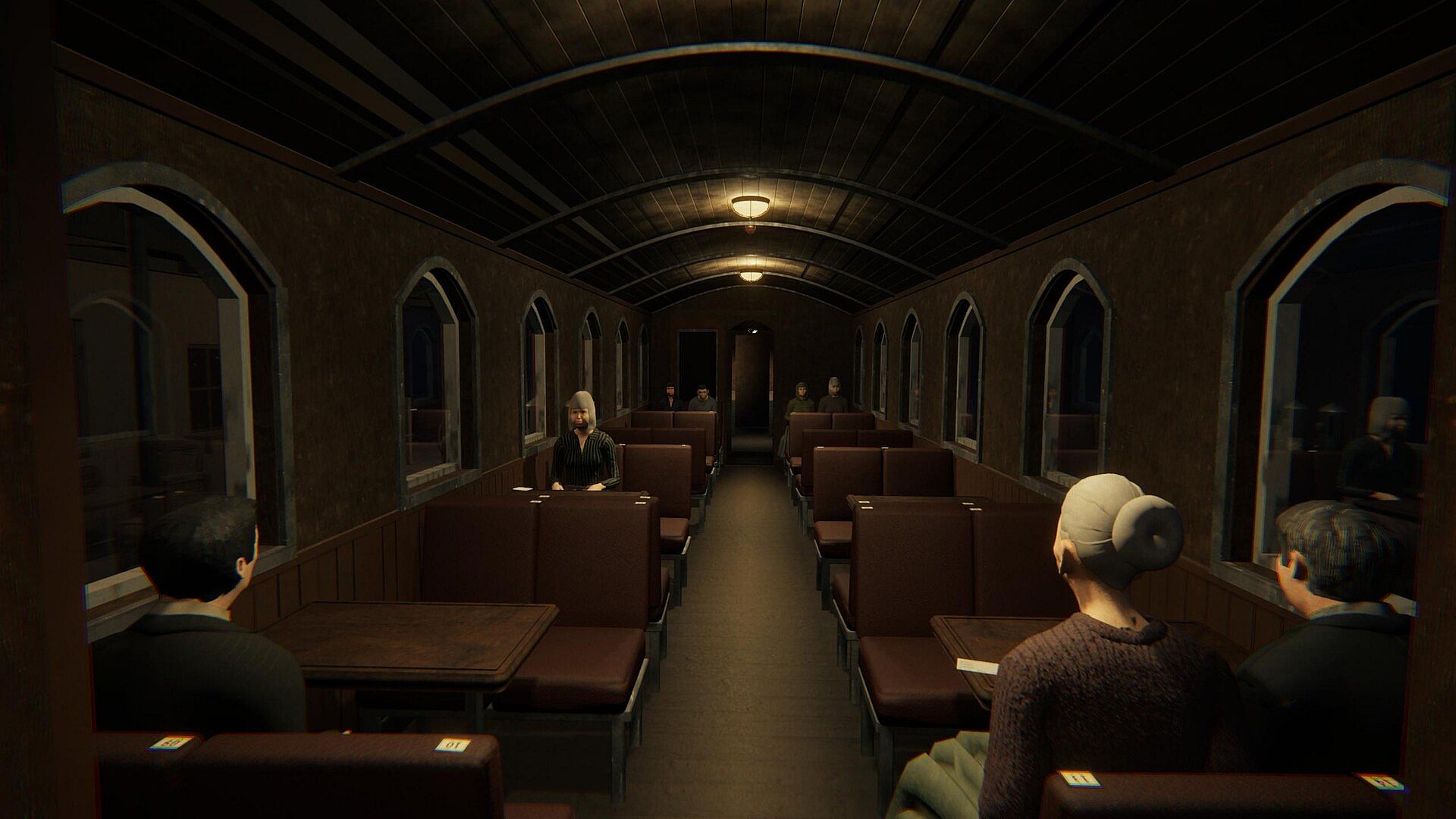
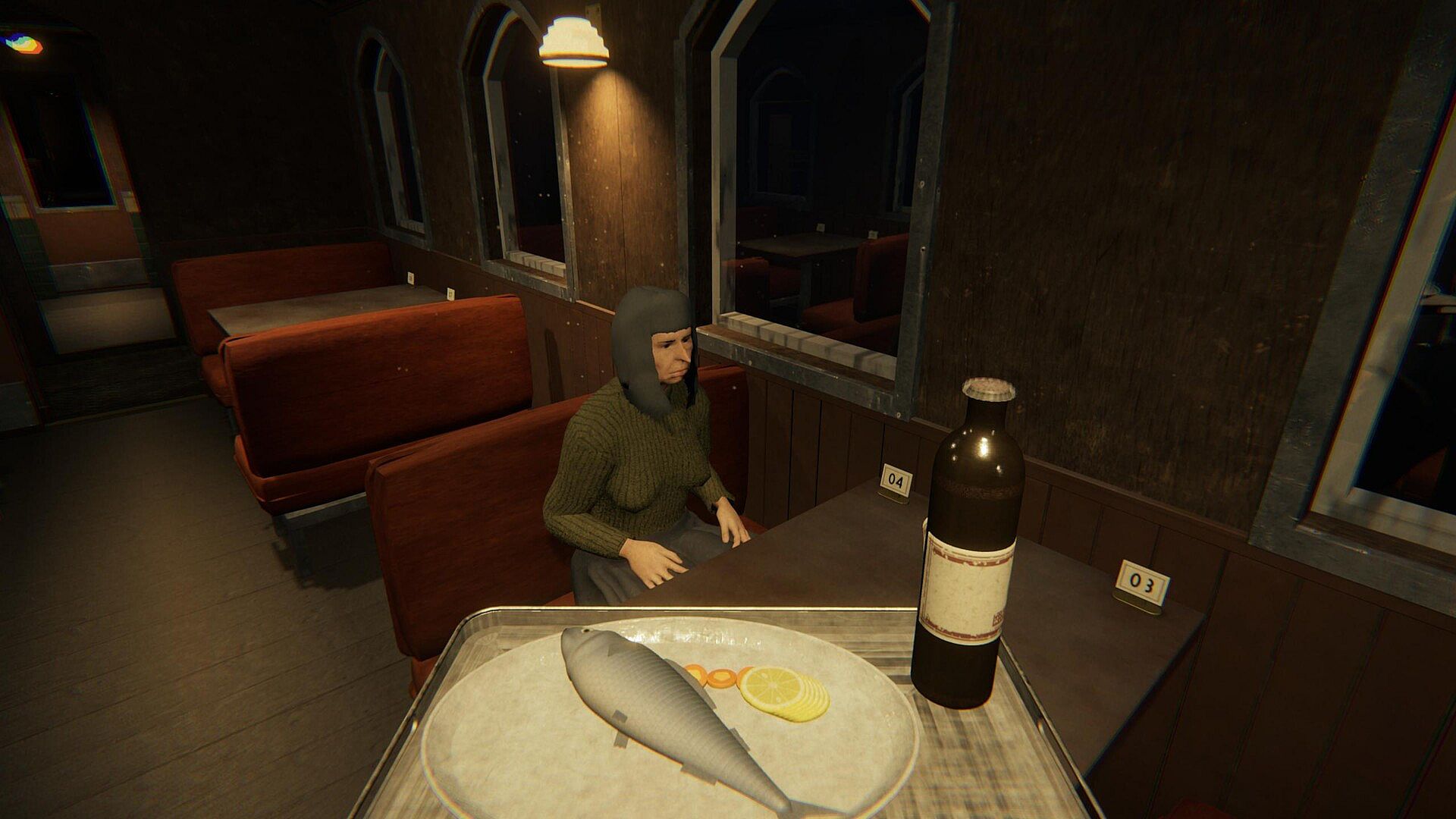
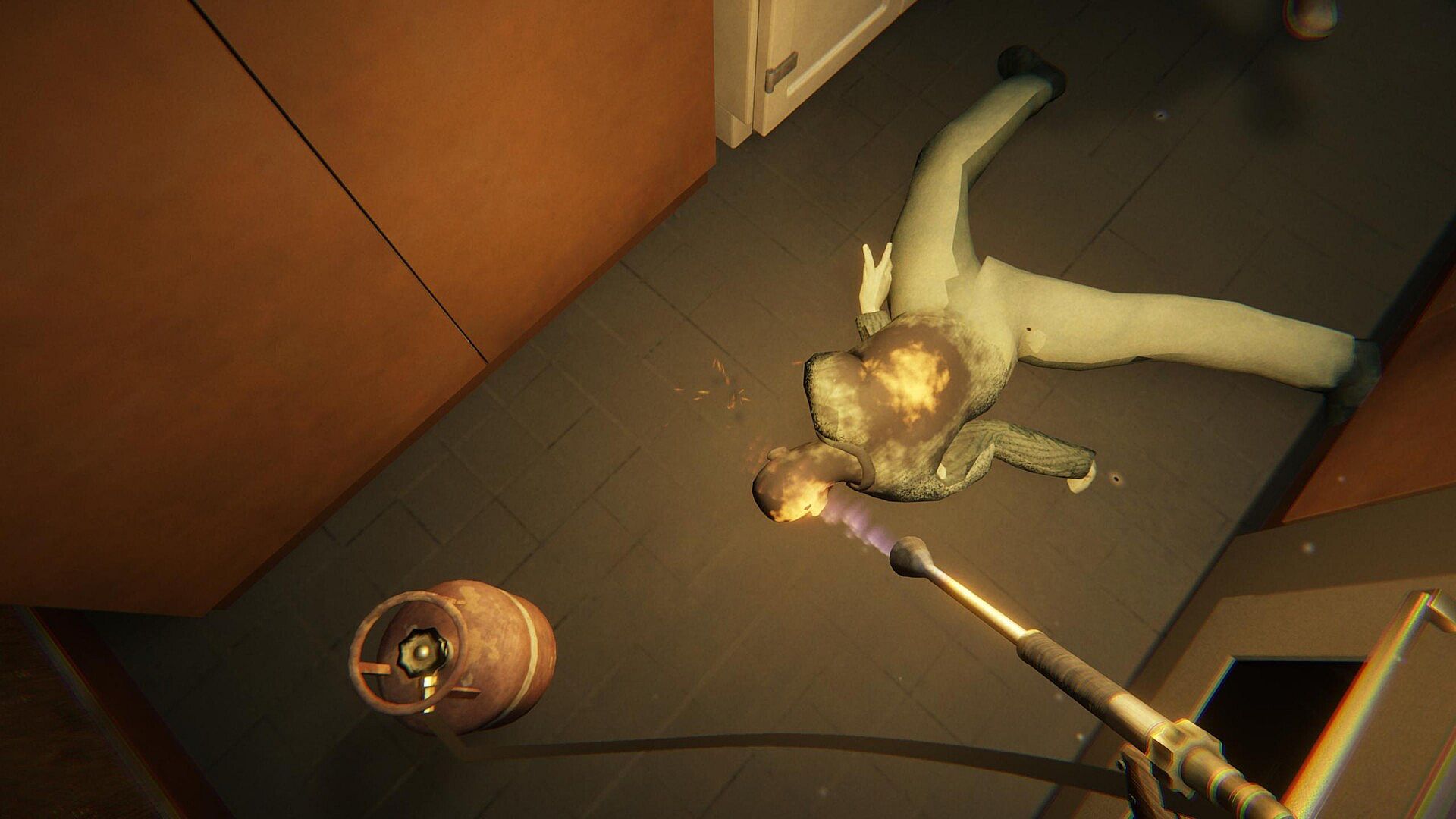
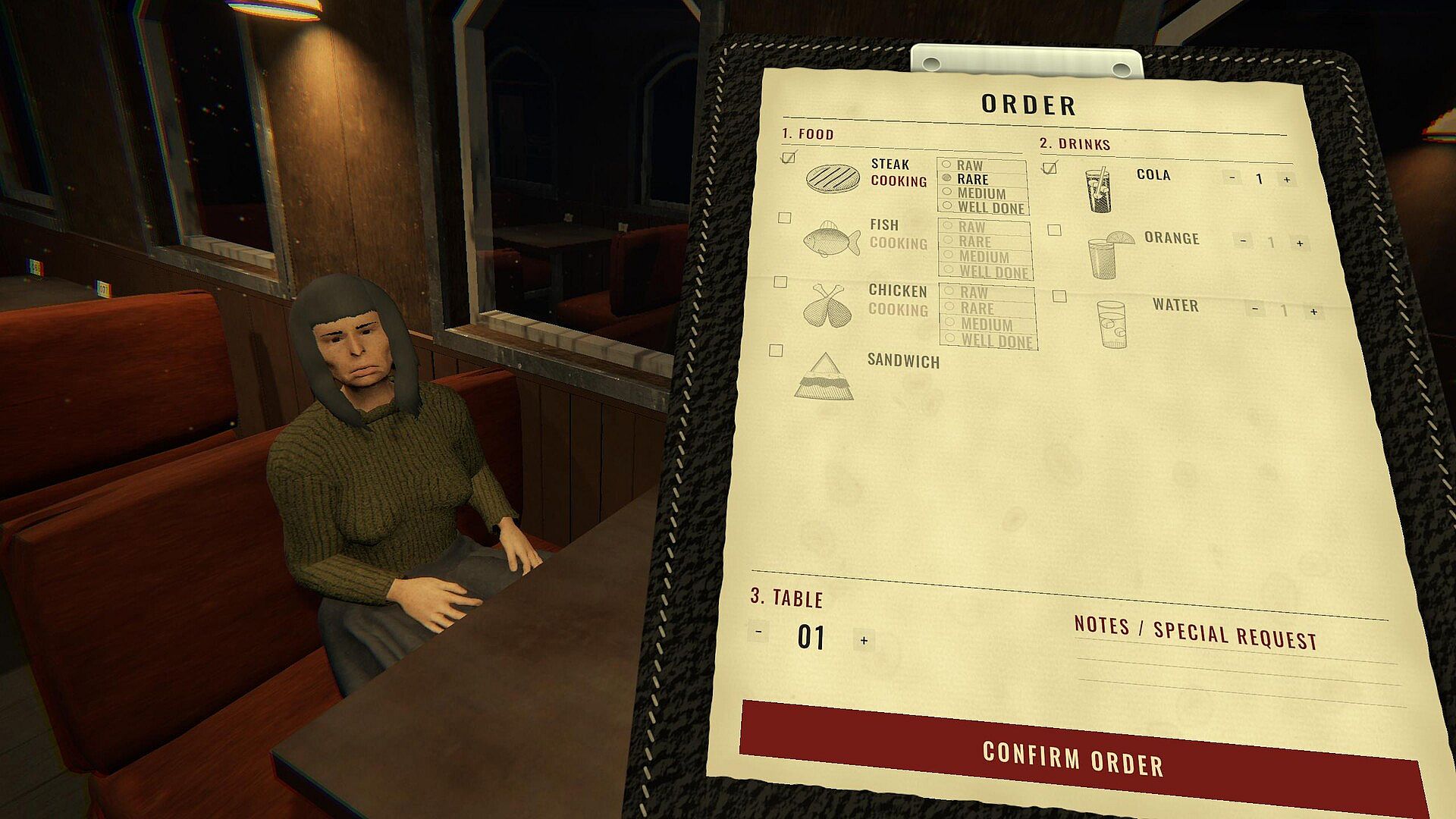
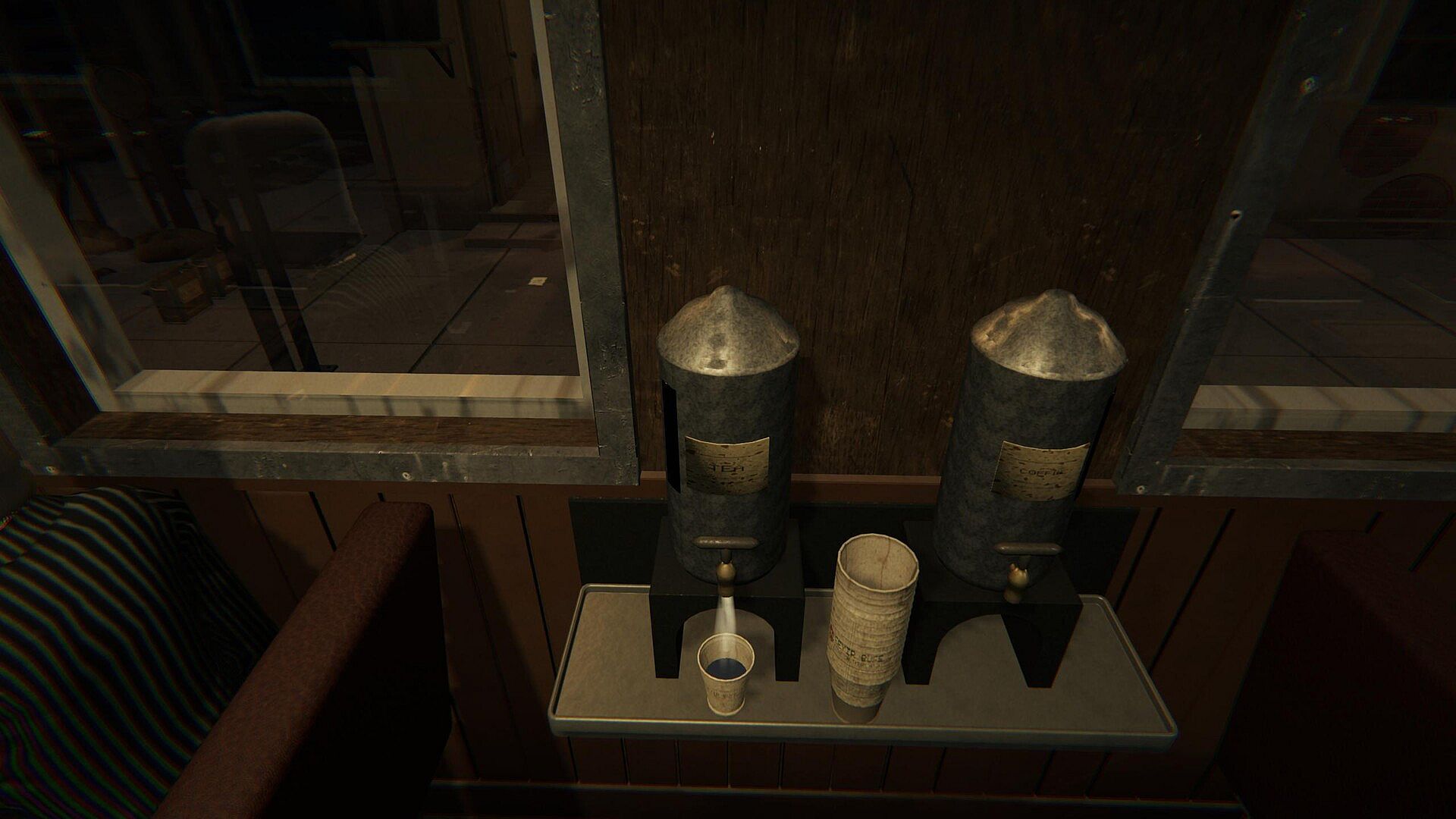
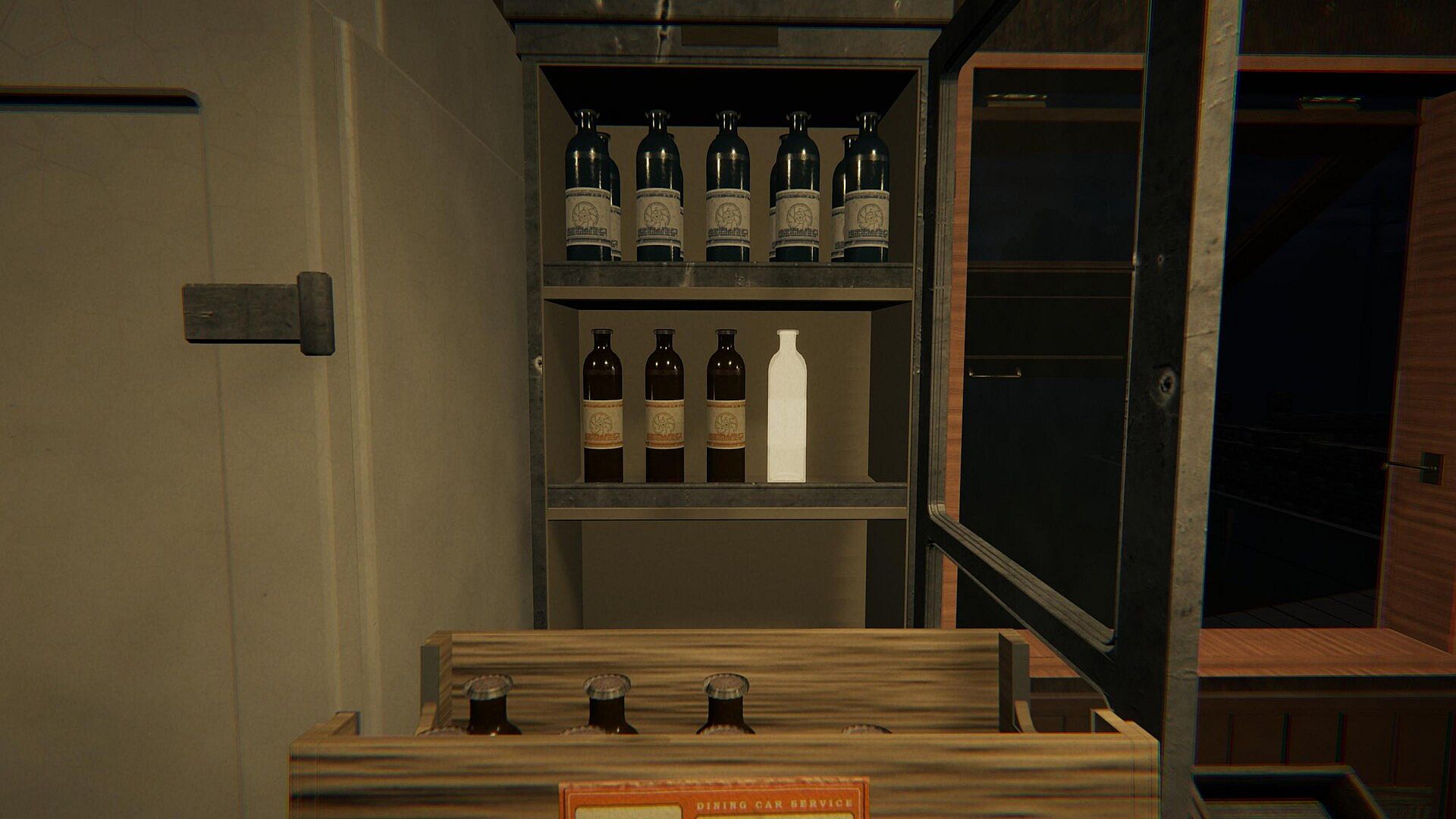
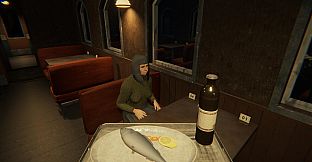
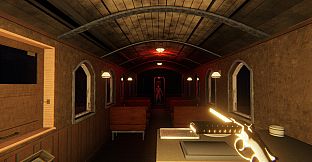
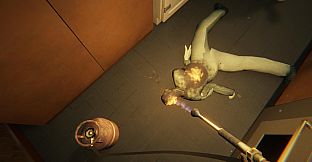
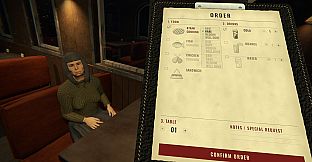
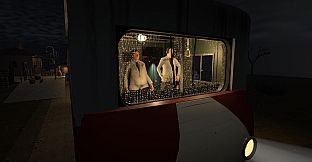
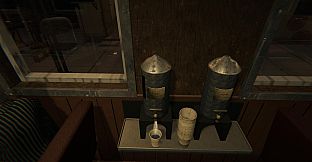
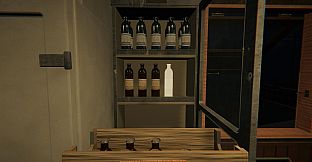
The game places participants in a fully walkable train consisting of four connected zones: the locomotive, kitchen, passenger car, and sleeper car. Movement between these areas requires physical traversal, with no shared inventory or markers to relay findings. Information comes through six distinct channels including meal orders and returned plates, ticket paperwork, items left in the lavatory or sleeper car, and reflections visible only from specific angles in the night window. Cooking follows realistic steps such as pan-frying steak with garlic, oven-baking fish with lemon or chicken with onion, and assembling a ham and cheese sandwich as a neutral control. Players observe whether passengers request raw meat, avoid certain sides, or leave plates untouched, then compare those details against other clues because any single observation admits an innocent explanation like allergies or personal preference.
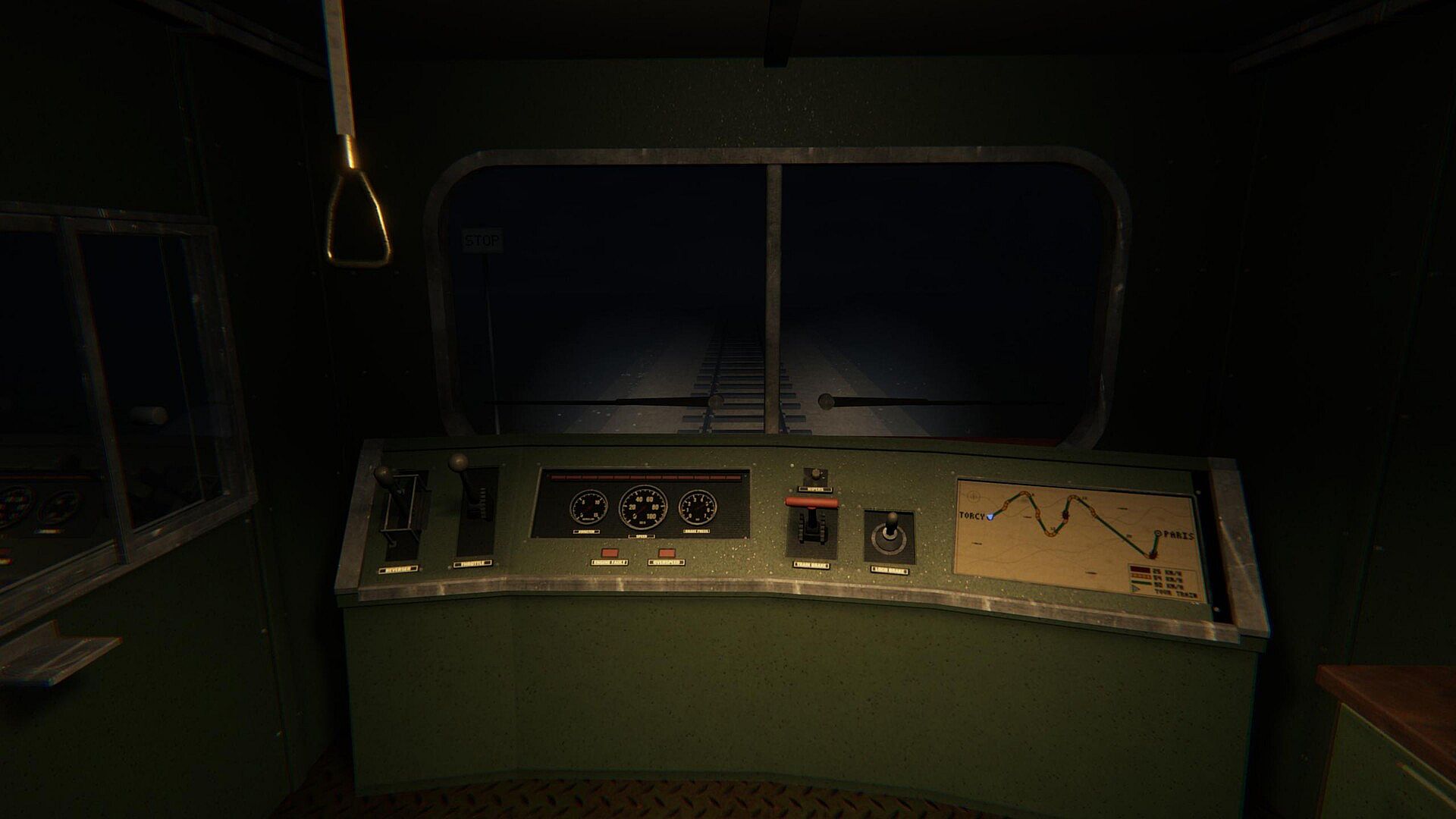
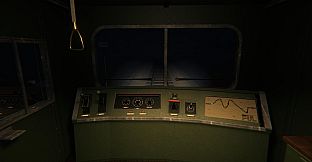
Driving the locomotive adds another layer, as throttle, brake, and route decisions affect stopping speed and door access. The player in the cab also receives radio updates from Control about quarantined cities and required passenger counts upon arrival. Everyone shares responsibilities without role locks, so any participant can cook, serve trays, or operate the train controls. Proximity voice chat encourages direct communication across the length of the train, and the whistle serves as an additional signaling method when shouting is impractical.
Game Modes
Passenger Zero supports single-player and online co-op for up to four participants. Each run features between zero and two infected passengers, with zero always remaining a possibility to keep uncertainty high. The session unfolds across seven stops during a single night, after which daytime never arrives. No separate competitive or versus modes exist; the focus stays on cooperative deduction and train management under time pressure from the schedule and Control directives.
Core Mechanics and Systems
Real kitchen simulation requires hands-on preparation and delivery rather than automated processes. Clues must be combined in pairs or more before action is taken, because isolated evidence never confirms infection. The absence of interfaces means all details appear printed on physical objects at readable sizes within the environment. Train operation ties directly into the social deduction loop, since speed controls when doors can open and the locomotive player holds exclusive access to certain broadcasts. These interconnected systems create tension through incomplete information and the need to coordinate across physical distance.
Is It Worth Playing?
Passenger Zero targets players who enjoy cooperative deduction games with simulation elements and light horror tension. The emphasis on observation, cross-referencing clues, and shared responsibility without role restrictions suits groups that value communication and careful decision-making over fast-paced action. Since the title remains in development with a coming soon release date and no user reviews available yet, potential buyers should monitor official updates for launch timing and any post-release patches. Those drawn to the described train-based co-op loop and realistic cooking mechanics will find the systems align closely with the provided features.