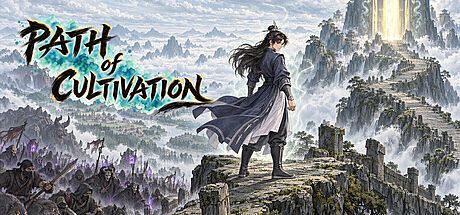


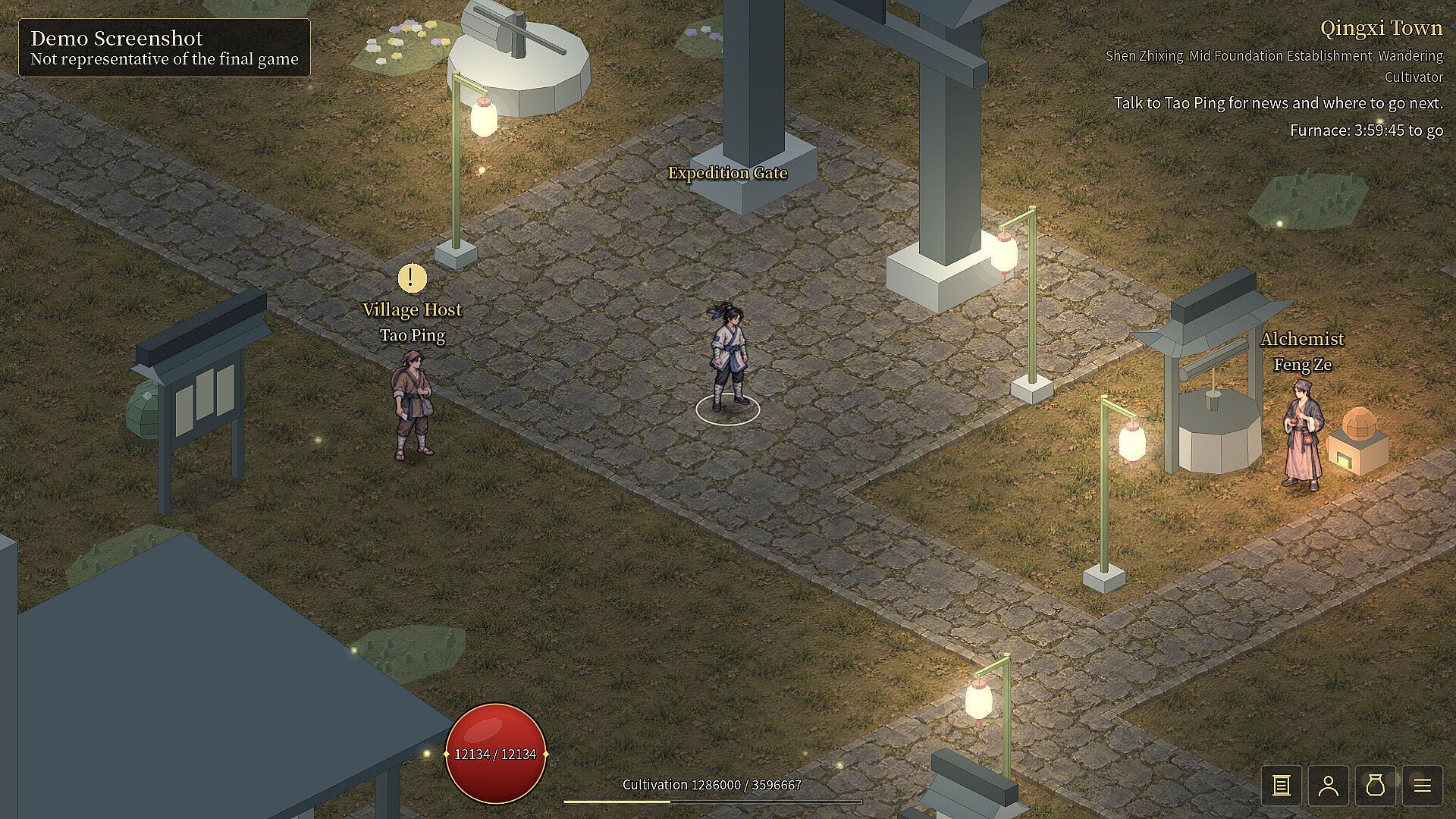
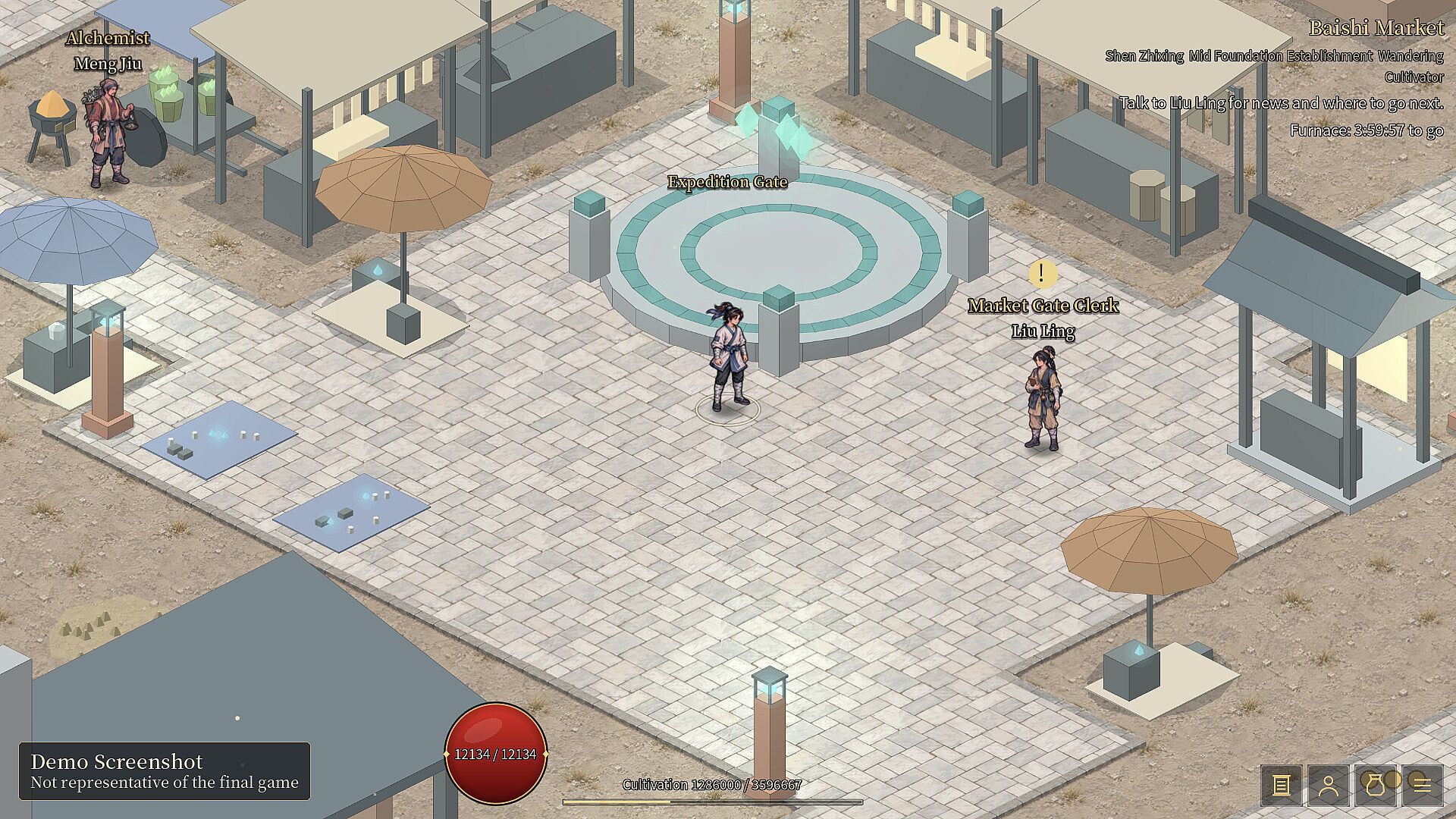


Path of Cultivation is an action RPG and indie title for PC that blends xianxia themes with roguelite mechanics. Players follow a single mortal's journey from a small town martial hall toward immortality across the Mortal Realm.
Gameplay
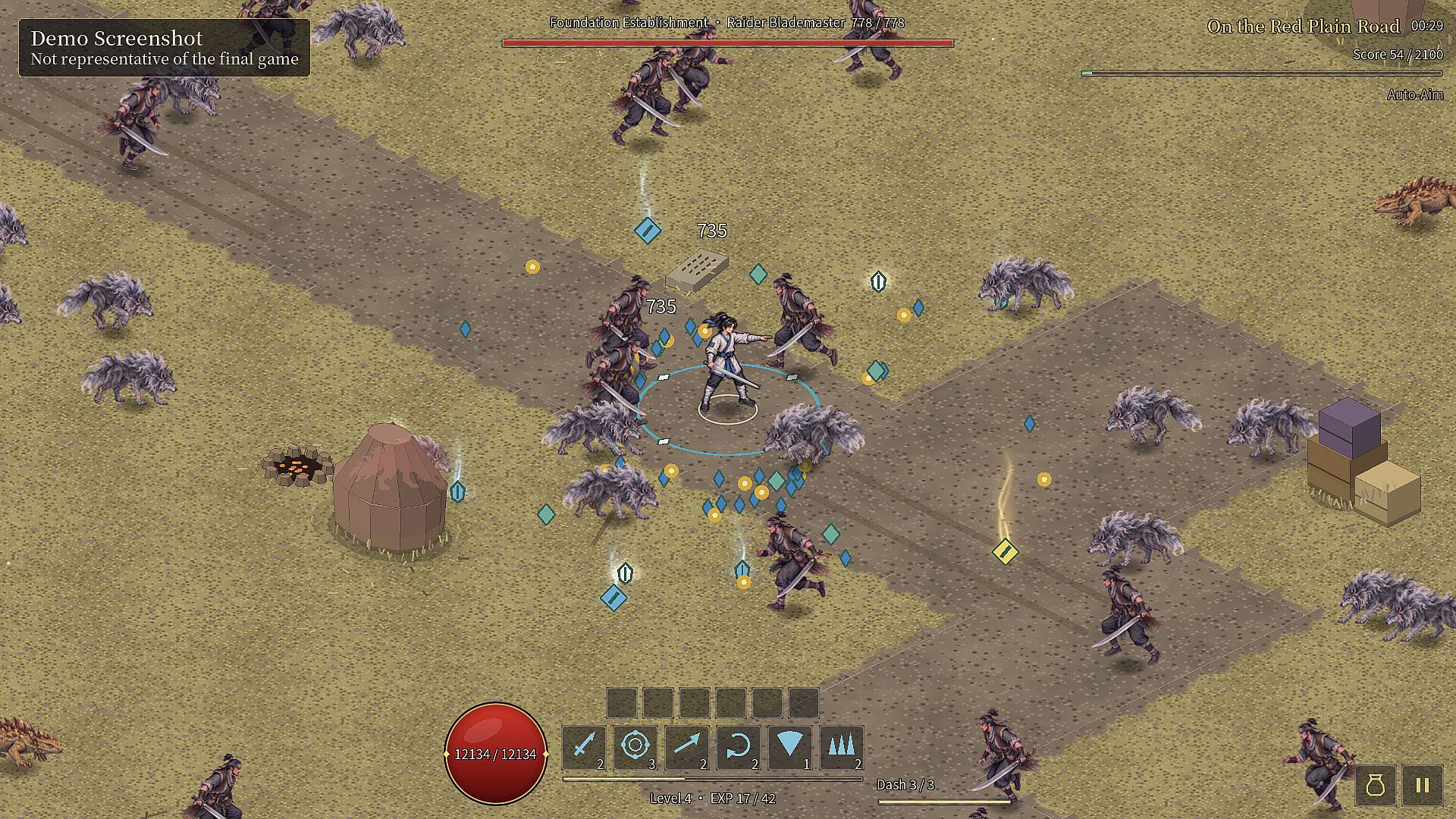
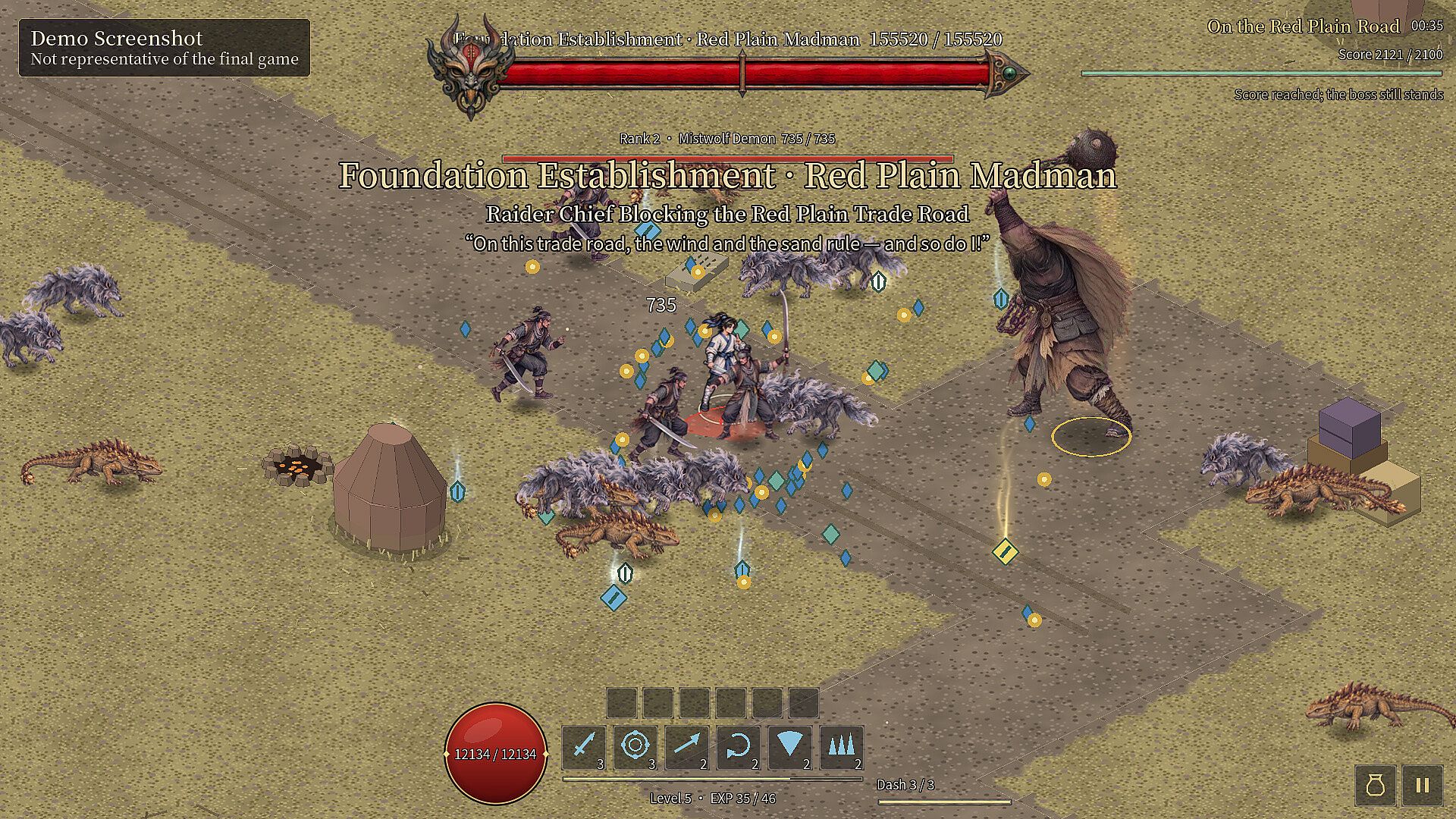
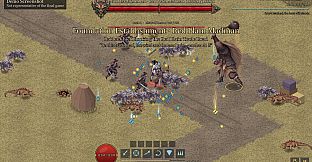
The core loop centers on expeditions that function as self-contained roguelite runs. Each run takes place on one map where enemies spawn continuously from multiple directions. Movement and dashing keep the player mobile while attacks and techniques activate automatically once selected. Aiming defaults to the nearest target but supports manual control with mouse or controller right stick. Clearing enough enemies raises a score until the stage boss appears. Defeating the boss ends the run and allows a short window to collect dropped loot before returning to camp.
Progress carries over between runs through persistent systems. Cultivation points, Spirit Stones, gear, technique books, and spirit herbs remain with the player even after a failed expedition, though some items may be lost depending on how far the run advanced. Between runs, players visit camp to manage growth. The Realm Steward handles realm breakthroughs from Mortal through Qi Refining, Foundation Establishment, Core Formation, Nascent Soul, and Spirit Transformation. Minor realm steps succeed automatically while major breakthroughs require materials that improve success odds. Higher realms grant permanent increases to attack, health, and armor while unlocking additional options for gear and techniques.
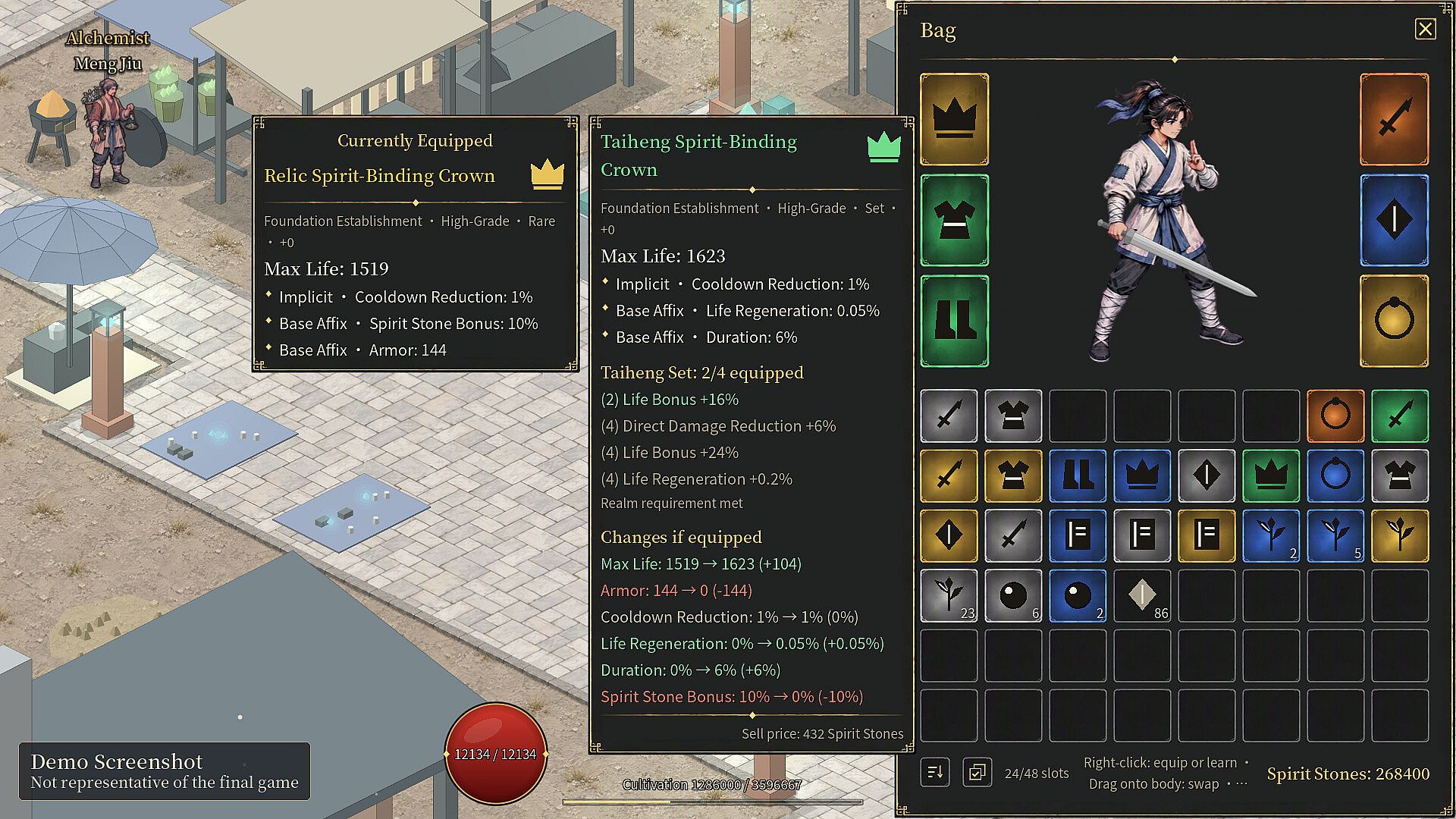
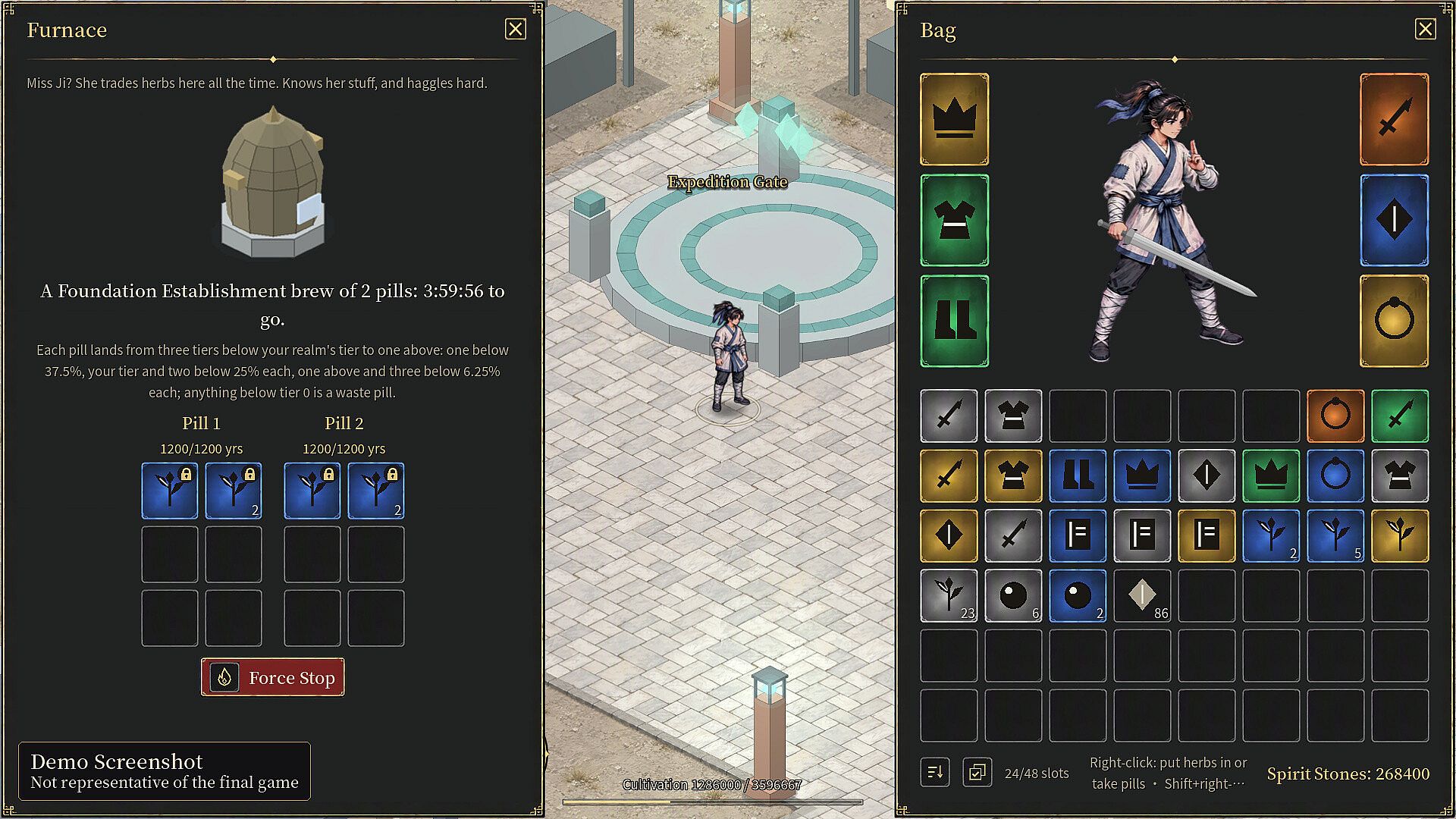
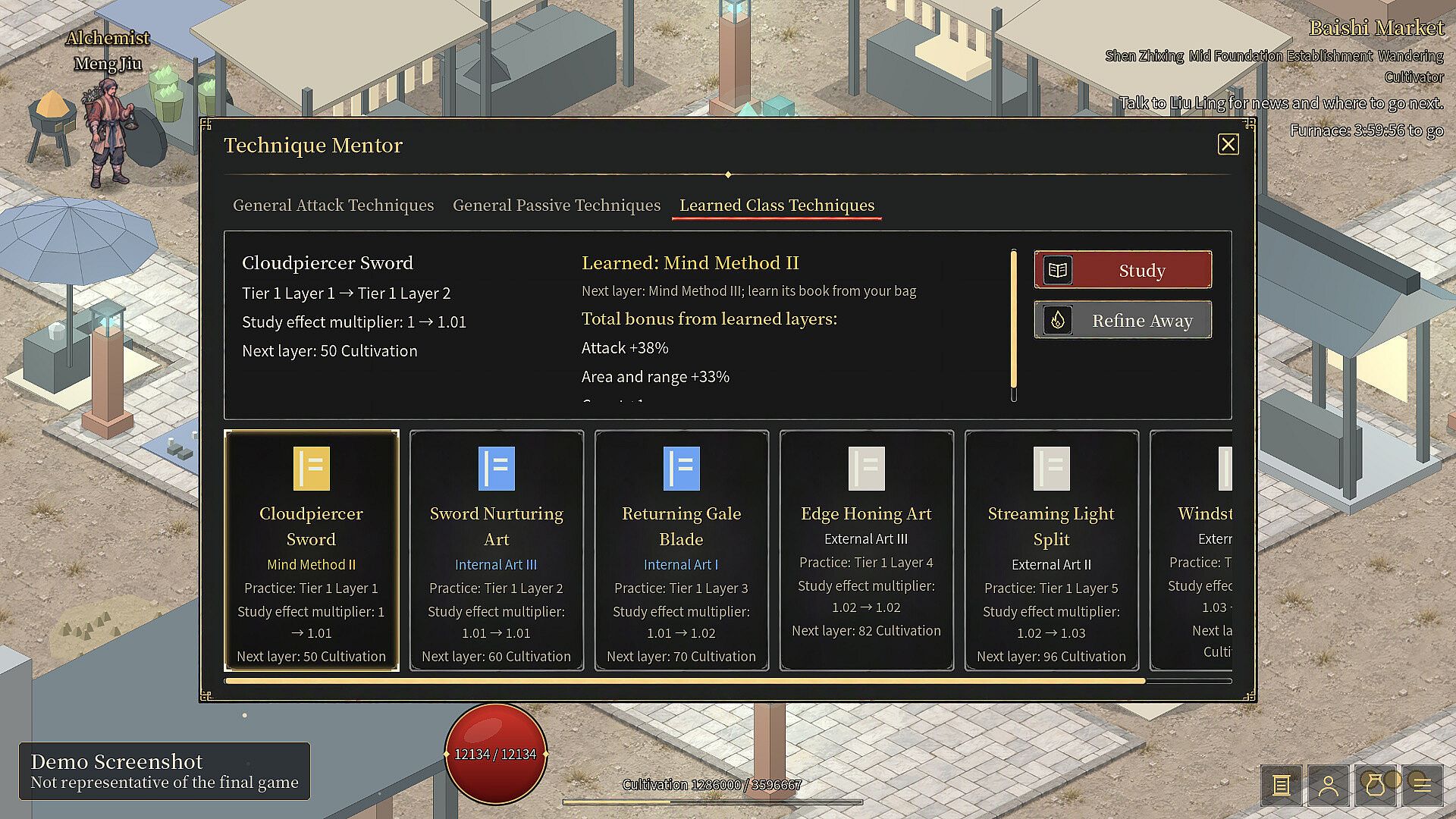
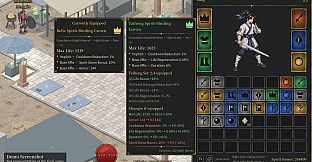
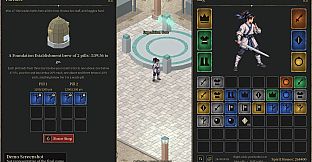
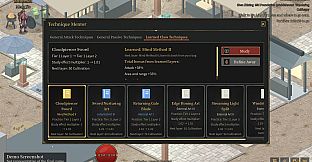
Techniques and gear deepen customization. The Technique Mentor lets players spend Cultivation to permanently improve base effects of learned abilities. Class techniques arrive as books that drop in stages, with deeper layers found later. Gear occupies six slots and features multiple rarities, grades, and random affixes. Unique items carry exclusive effects that alter technique behavior, and set bonuses activate at two, four, or six pieces. The Artificer refines gear up to +10, reforges affixes, or dismantles unwanted pieces. Alchemy uses real-time furnace brewing of spirit herbs gathered during runs. Pills provide Cultivation or Spirit Stones, and the furnace continues working even when the game is closed.
Game Modes
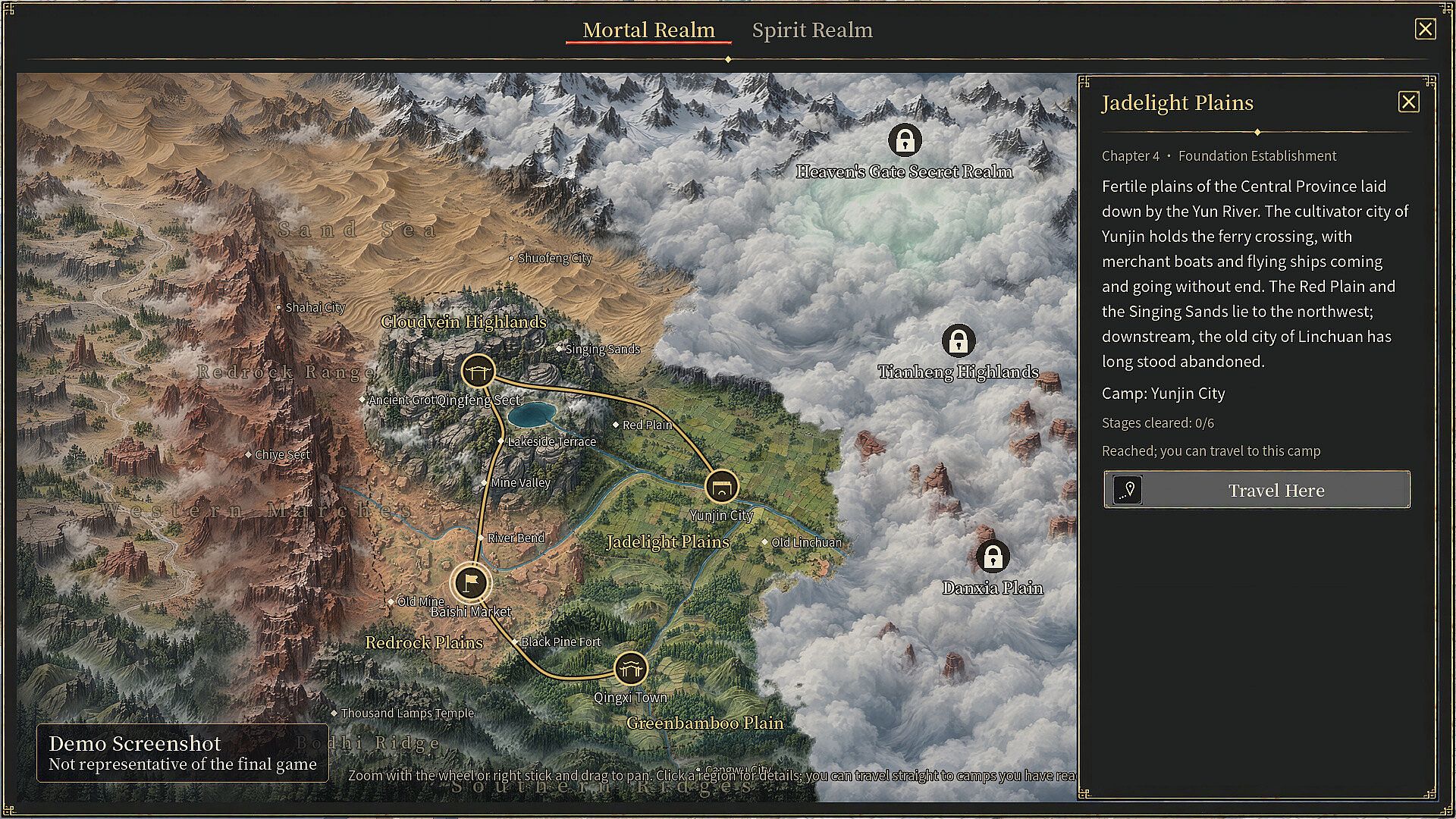
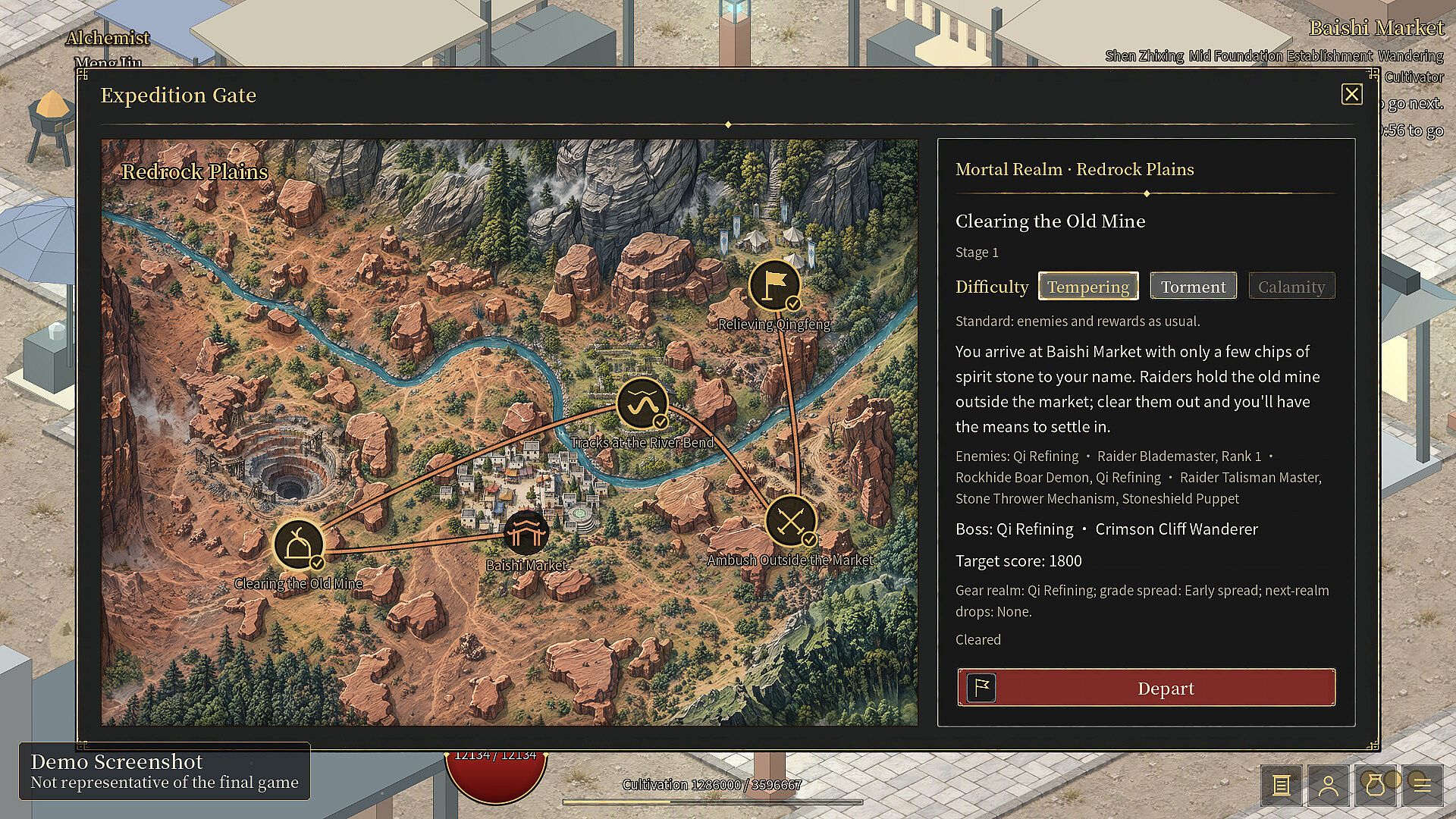
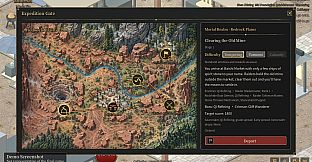
Expeditions form the primary activity. Each of the forty stages offers a distinct battlefield with region-specific enemies and a unique boss. First clears advance the story and unlock higher difficulties called Torment and then Calamity on that stage. Stronger enemies on these modes yield greater rewards. The Primordial Trial at the Primordial Array Dais provides repeatable endgame content available after reaching Spirit Transformation, featuring exclusive enemies and bosses.
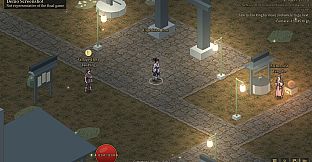
Difficulty scales with player choice rather than separate modes. Clearing stages on higher difficulties increases enemy strength but also Cultivation, Spirit Stones, and loot quality. The world map and camps operate on a shared day-night cycle that advances with real play time, affecting visuals such as lantern lighting at night. Three separate save slots support multiple playthroughs with automatic saving throughout.
Progression and Builds
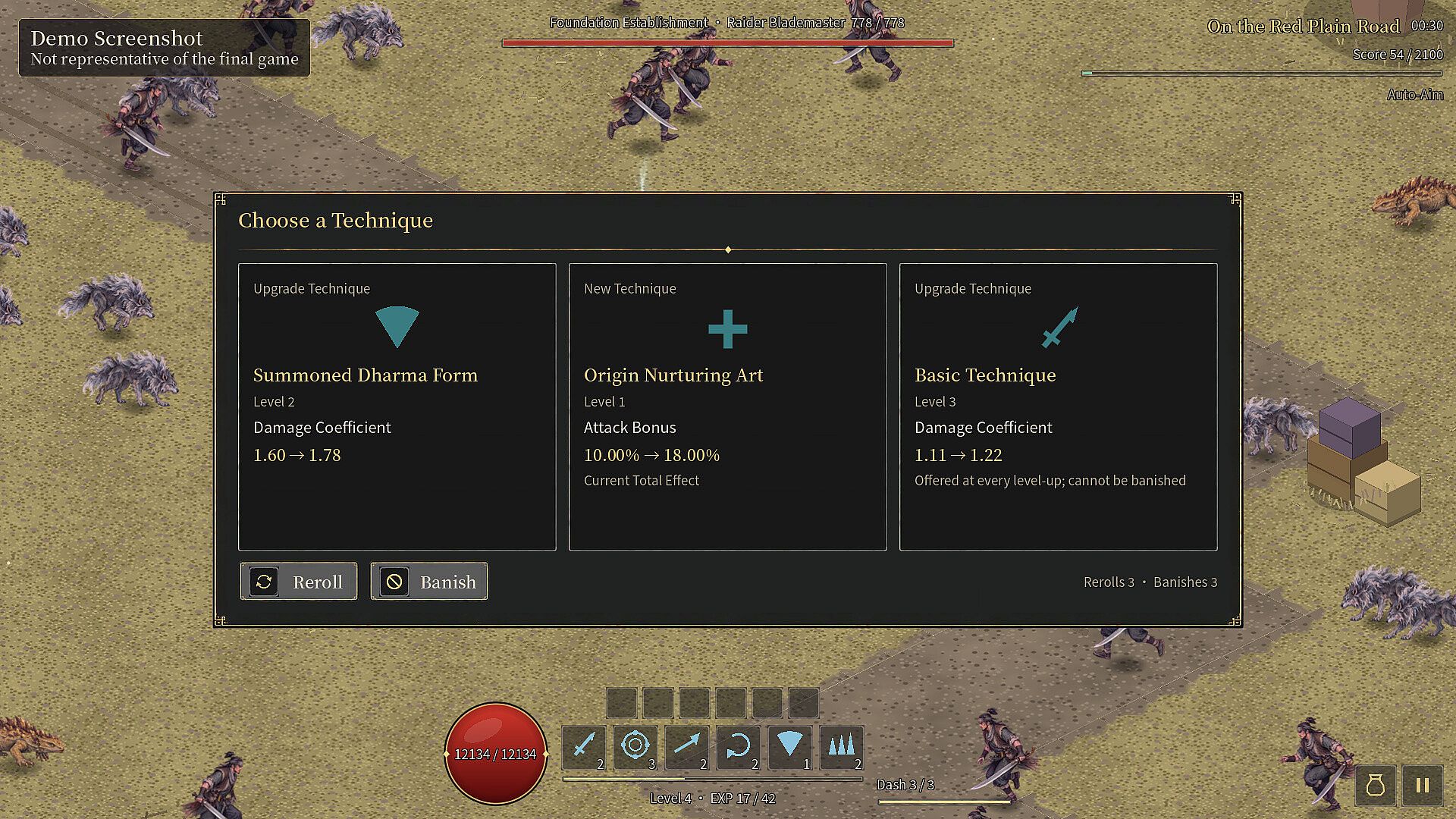
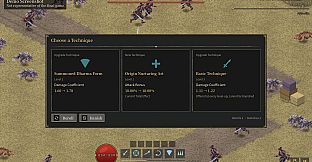
Leveling occurs only during runs through collected experience. Each level presents three technique choices that can introduce new abilities or upgrade existing ones. Up to six attack techniques and six passive techniques can be equipped at once, drawn from general pools and class-specific options. Rerolls and banishes allow limited adjustments to offers, and battlefield chests provide extra selections. Talents open in rows tied to major realms through the Enlightenment Mentor. Points come from realm advances and select first clears, forcing choices among options that affect attack, health, critical hits, cooldowns, area, range, speed, pickup radius, and treasure find. Talents can be previewed and reset freely while in camp.
Boss encounters emphasize pattern recognition. Each of the forty bosses features two to five moves and one to three phases. Heavy attacks display ground warnings in advance, and the health bar tracks phase transitions. New phases introduce additional moves that require adjusted positioning and timing.
Is It Worth Playing?
Path of Cultivation remains in active development with placeholder art and effects in current builds. The final release will replace these with hand-painted visuals matching the key art style. The Sword Cultivator class is playable now, and the game supports both keyboard and mouse or controller input. No user reviews or aggregate ratings exist yet because the title has not launched. Players interested in single-player xianxia action roguelites with persistent cultivation progression, auto-combat elements, and deep buildcrafting around techniques and gear may find the systems compelling once complete. Those seeking immediate release or polished final visuals should monitor development updates before committing.