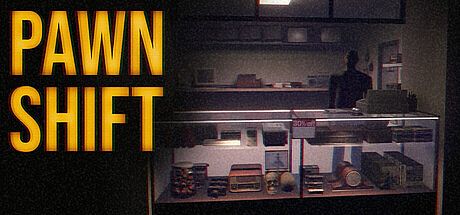


Pawn Shift is an indie simulation adventure game for PC that places players in the role of a night shift worker at a remote pawn shop. The experience centers on managing transactions, examining goods, and navigating the quiet but unsettling environment over the course of one complete shift. With its focus on dialogue-driven interactions and careful observation rather than action or combat, the title appeals to those who enjoy deliberate pacing and atmospheric tension in a single-player format.
Gameplay
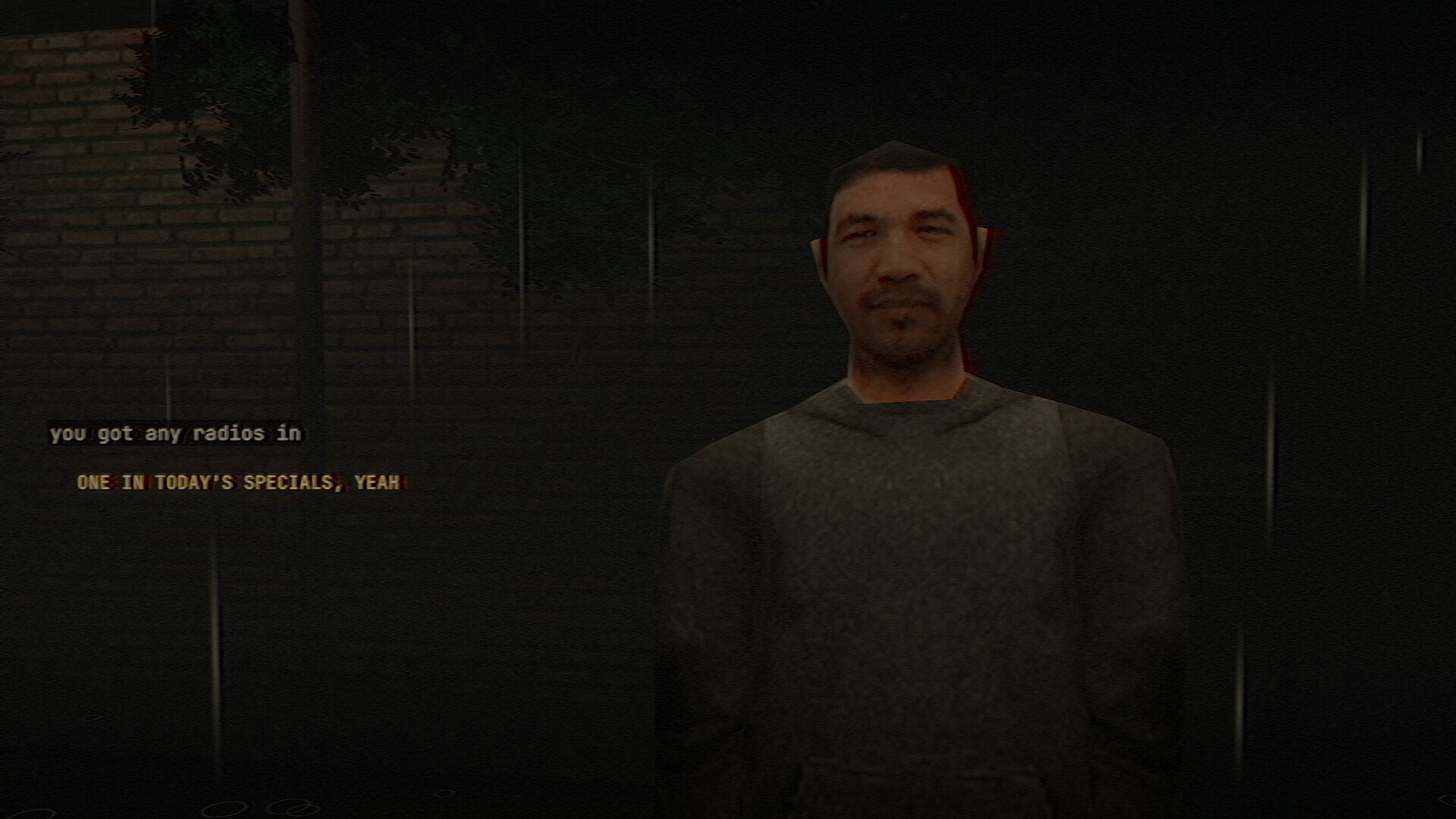
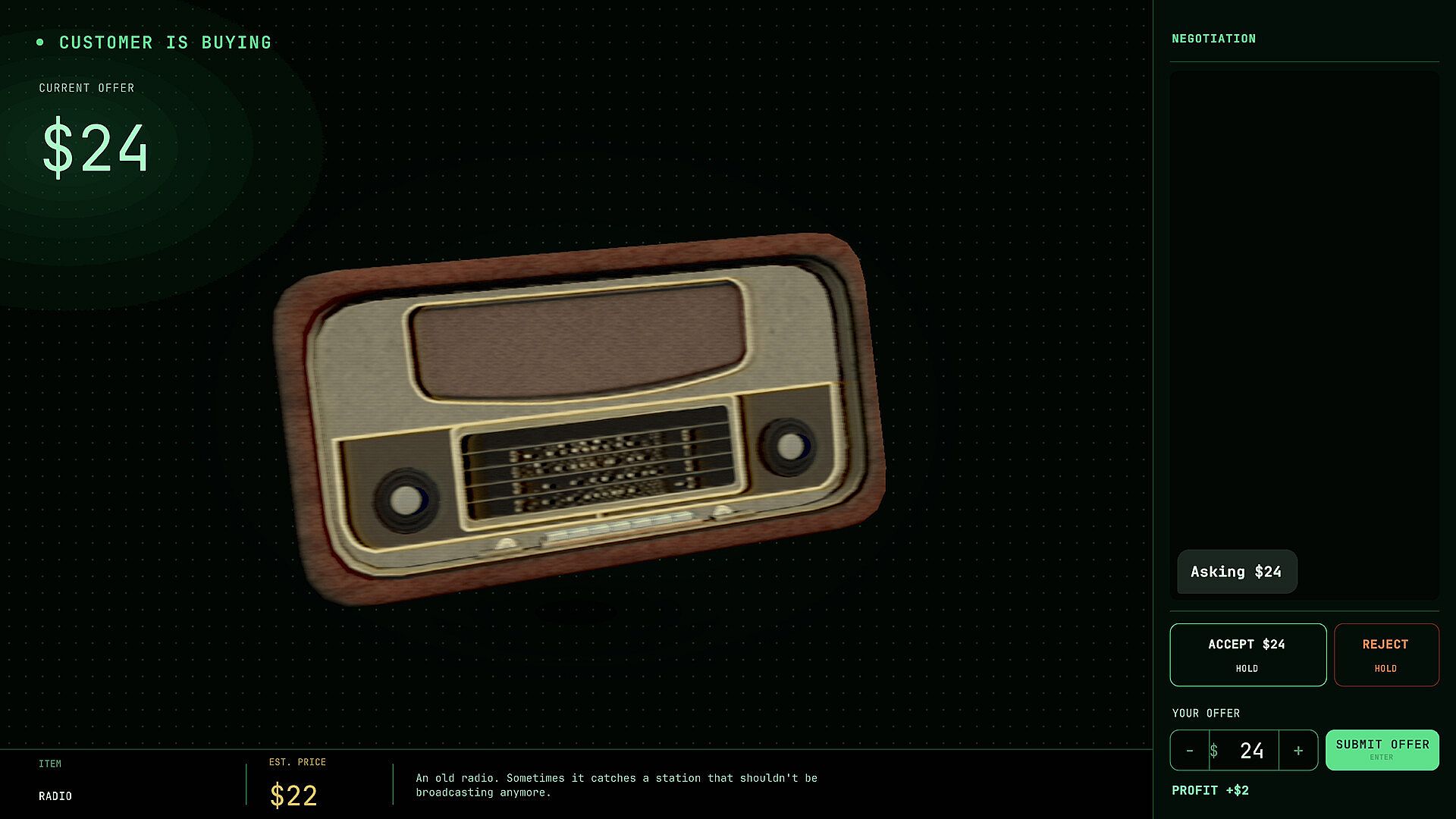
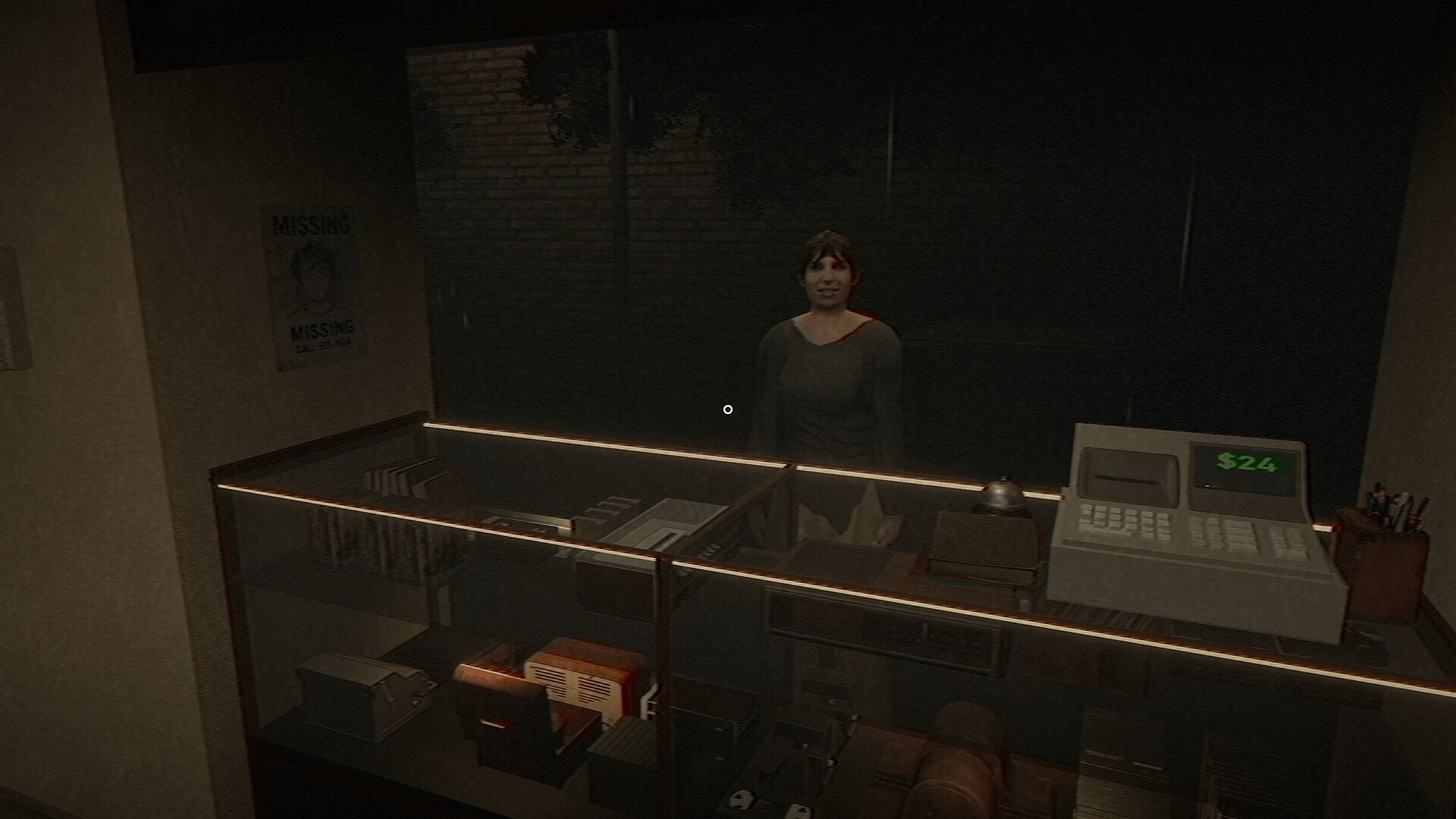
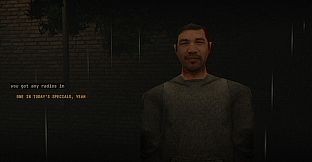
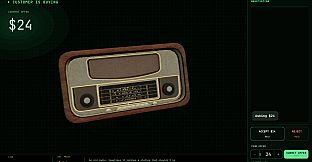
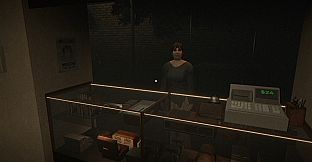
The core loop revolves around customer negotiations at the counter. Each visitor offers an item for sale, naming a price that the player can accept, counter, or reject outright. Decisions affect the shop's limited budget and what ends up stocked on the shelves behind the register. Before finalizing any purchase, items can be picked up and rotated for close inspection, revealing details such as mismatched engravings or unusual construction that might influence the offer.
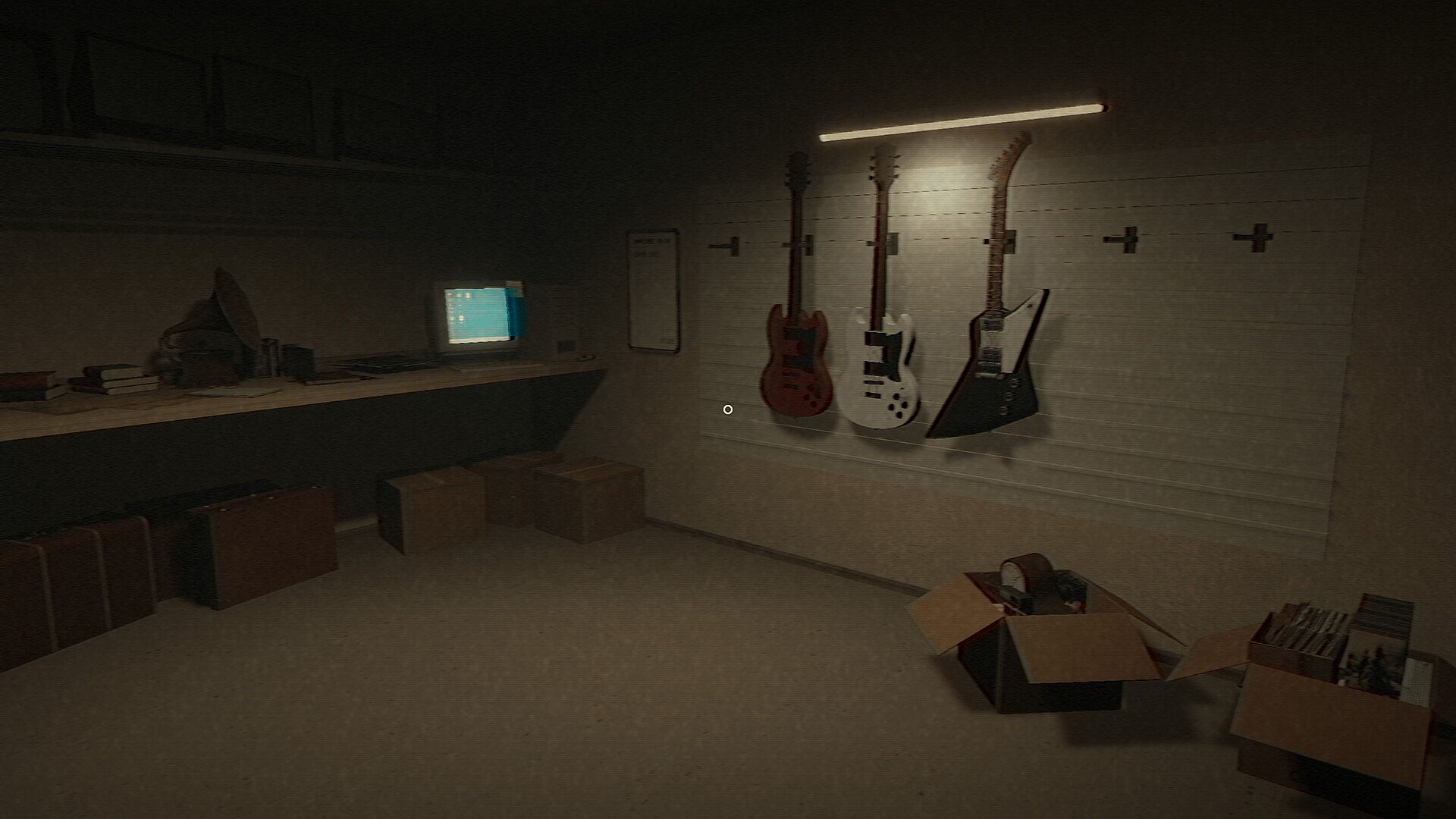
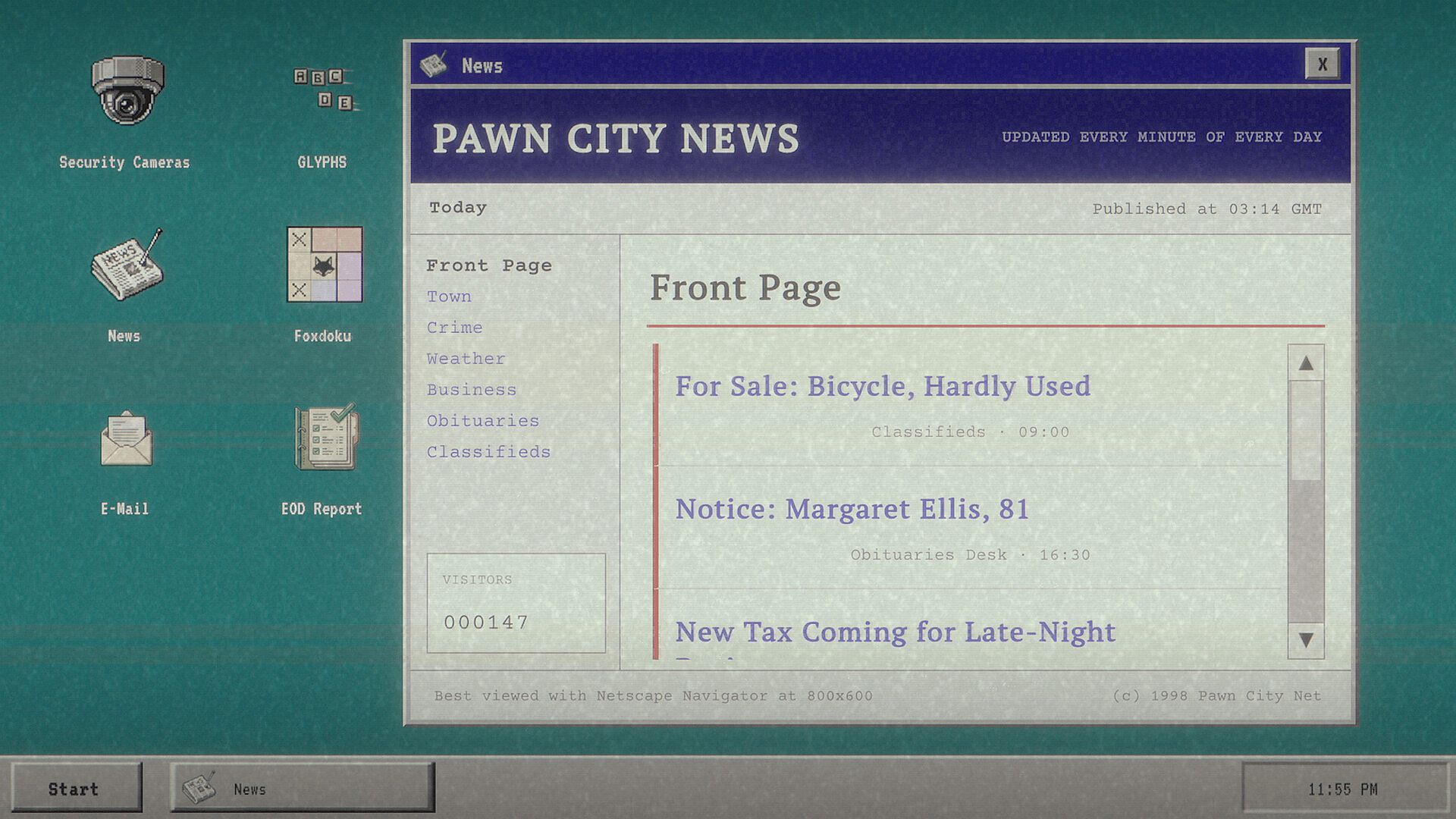
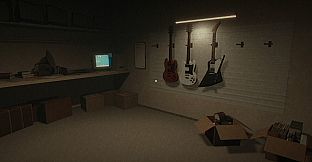
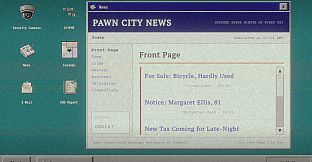
A dated computer terminal behind the counter provides access to pricing references and local news reports, allowing the player to research items while the customer waits. Time spent away from the front desk carries risks, as tasks like taking out trash, resetting tripped breakers, or checking the storage room leave the entrance unattended. These interruptions integrate directly into the shift, forcing choices about when to leave the counter and how thoroughly to investigate odd occurrences around the shop.
Visual presentation uses low-poly models reminiscent of late 1990s console hardware, combined with film grain effects that reinforce the period setting. Controls emphasize physical interaction with the environment, including operating the register and handling objects directly.
Game Modes
Pawn Shift offers a single continuous night shift experience designed to be completed in one sitting, typically lasting between thirty and sixty minutes. There are no separate modes or selectable campaigns; the entire session unfolds as one cohesive sequence of customer encounters, maintenance tasks, and environmental events. Player choices during negotiations and exploration influence the conclusion, leading to variations in how events resolve and a brief epilogue that reflects the outcome.
The structure remains consistent across playthroughs, with the same core mechanics and locations available each time. Differences arise organically from how thoroughly the player inspects items, manages the budget, and responds to interruptions rather than from any branching mode selection.
Story and Atmosphere
The narrative unfolds through customer conversations, phone calls from the boss, and the gradual revelation of strange happenings inside the shop. Events that initially suggest something otherworldly always trace back to human causes, rewarding close attention to details such as timestamps on objects or inconsistencies in stories told by visitors. The previous employee's absence hangs over the proceedings, adding layers of unease without relying on overt threats.
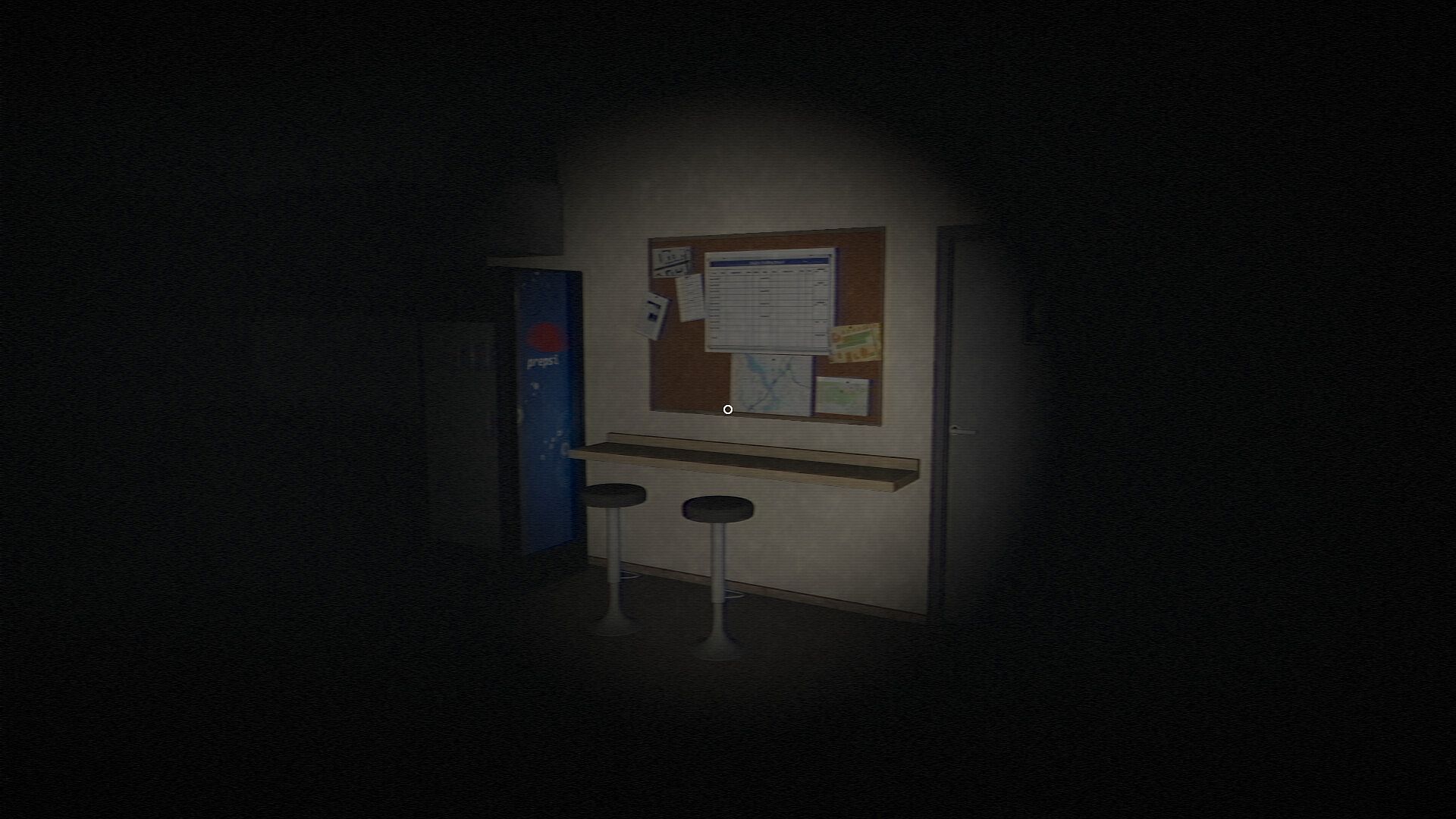
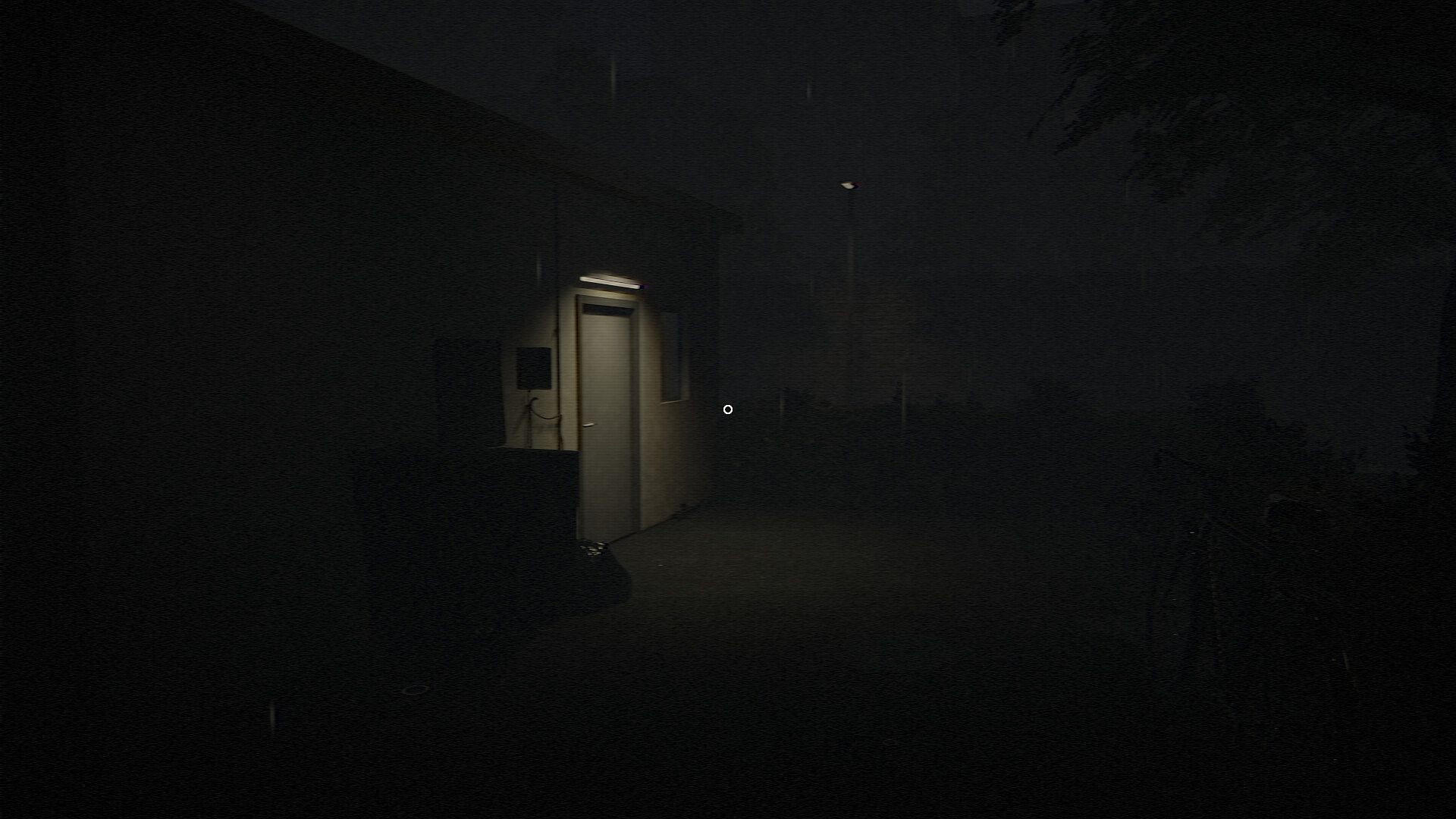
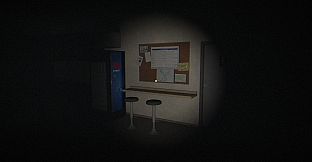
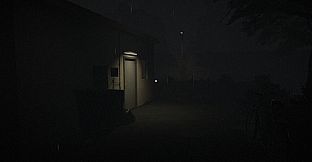
Sound design and lighting play key roles in building tension during extended low-light periods. Sudden audio cues punctuate otherwise quiet moments, while the physical layout of the shop encourages repeated movement between the counter, back rooms, and exterior areas. Themes of missing persons and implied violence appear through context and implication rather than direct depiction.
Is It Worth Playing?
Pawn Shift suits players who prefer short, focused single-player experiences built around conversation and observation over combat or resource management systems with meters or failure states. The negotiation mechanics provide consistent engagement, and the emphasis on noticing small details creates replay value for those interested in different endings.
Reception on available platforms highlights the effective use of psychological tension and the novelty of the pawn shop setting. Comments frequently note the satisfying progression of events and the impact of player decisions on the final outcome. The game remains a compact title with no ongoing seasons or additional content updates required for a complete playthrough.
Those drawn to indie simulation titles that blend everyday work tasks with subtle horror elements will find the mechanics and pacing align closely with the described experience. Availability on PC makes it accessible for anyone seeking a deliberate, one-session narrative without multiplayer components or extended campaigns.