

Pawville is a strategy indie RPG that blends casual simulation elements into a single-player experience centered on village building and companion management on PC. Players take on the role of a resident who develops a cozy settlement alongside a growing roster of animal companions, focusing on resource gathering, facility construction, and efficient production systems.
Gameplay
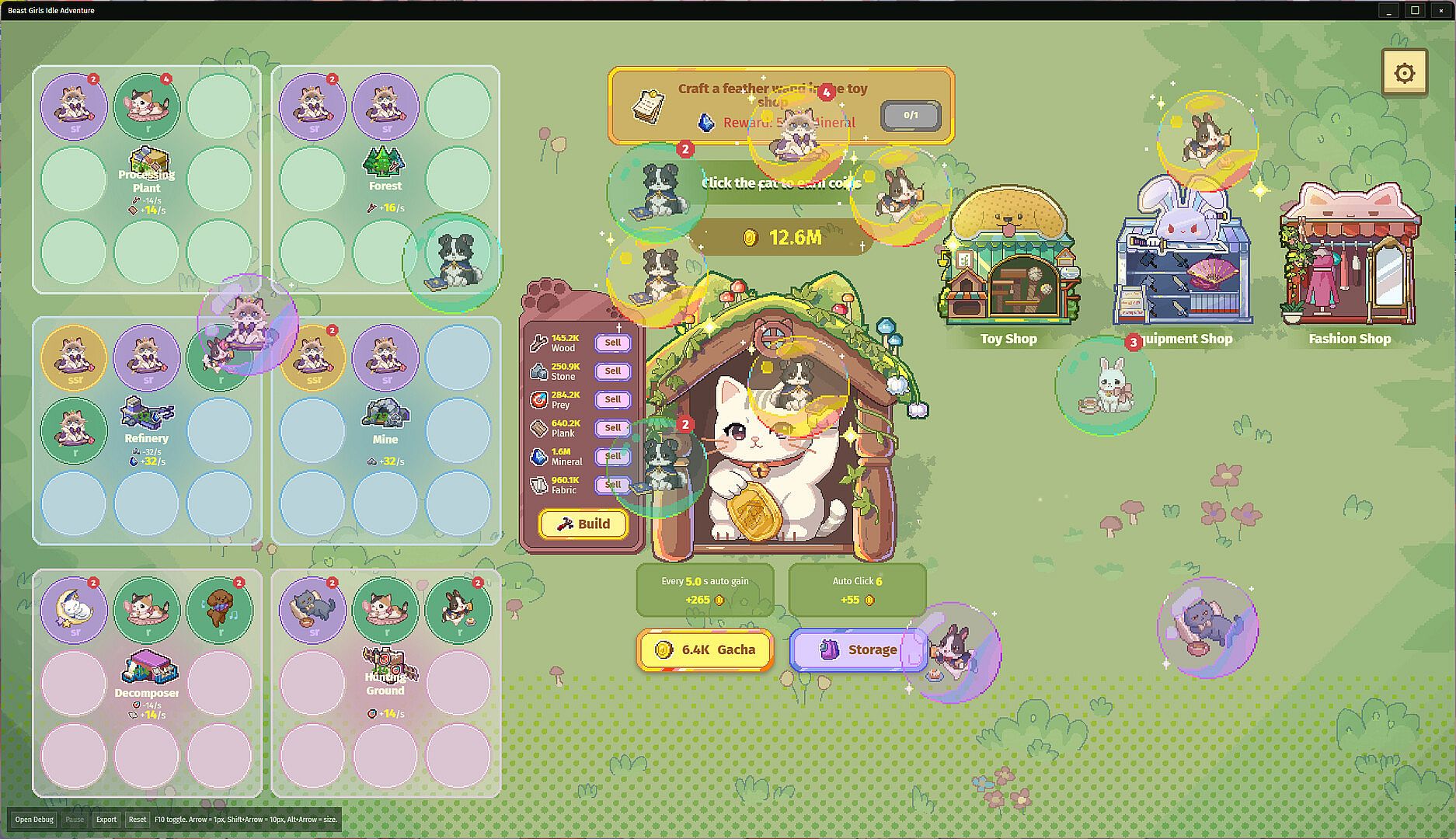
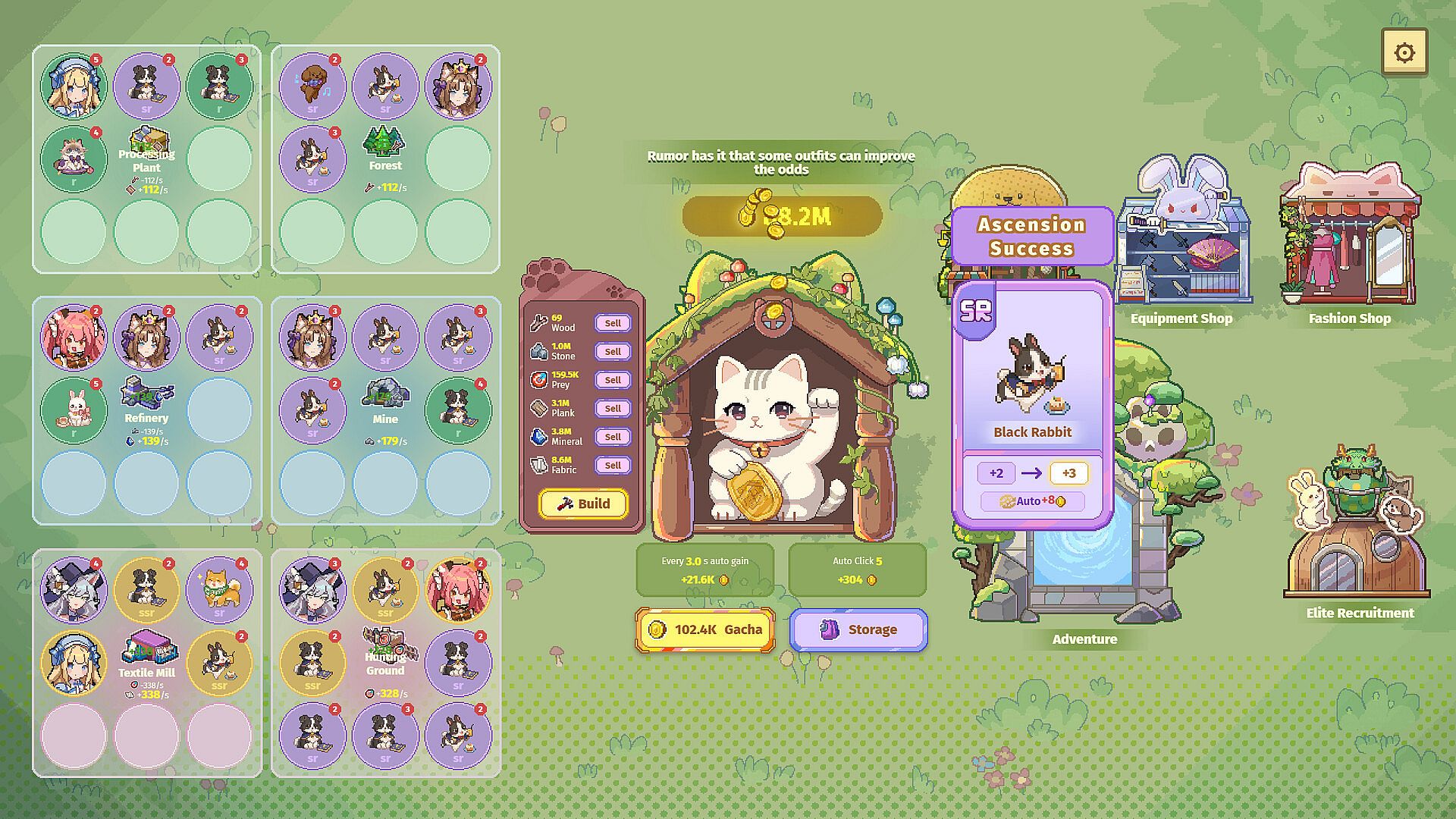
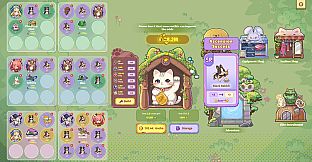
The core loop revolves around expanding a home base into a thriving village through careful assignment of animal companions to various roles. Each companion brings unique talents that influence how production chains operate, allowing players to experiment with different combinations to optimize output. Resources are gathered from the environment and processed through crafted facilities, with upgrades and new equipment opening fresh strategic options as the settlement scales.
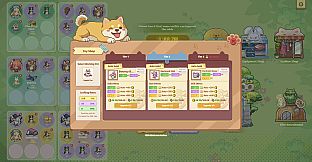
Companions serve as the heart of progression. Assigning them to jobs shapes the village's development trajectory, and discovering new ones introduces variables that can reshape existing workflows. Players balance multiple resource types while upgrading structures and refining workforce allocation to boost overall efficiency. This system rewards thoughtful planning, as small adjustments in companion placement or facility layout can lead to significant improvements in output and sustainability.
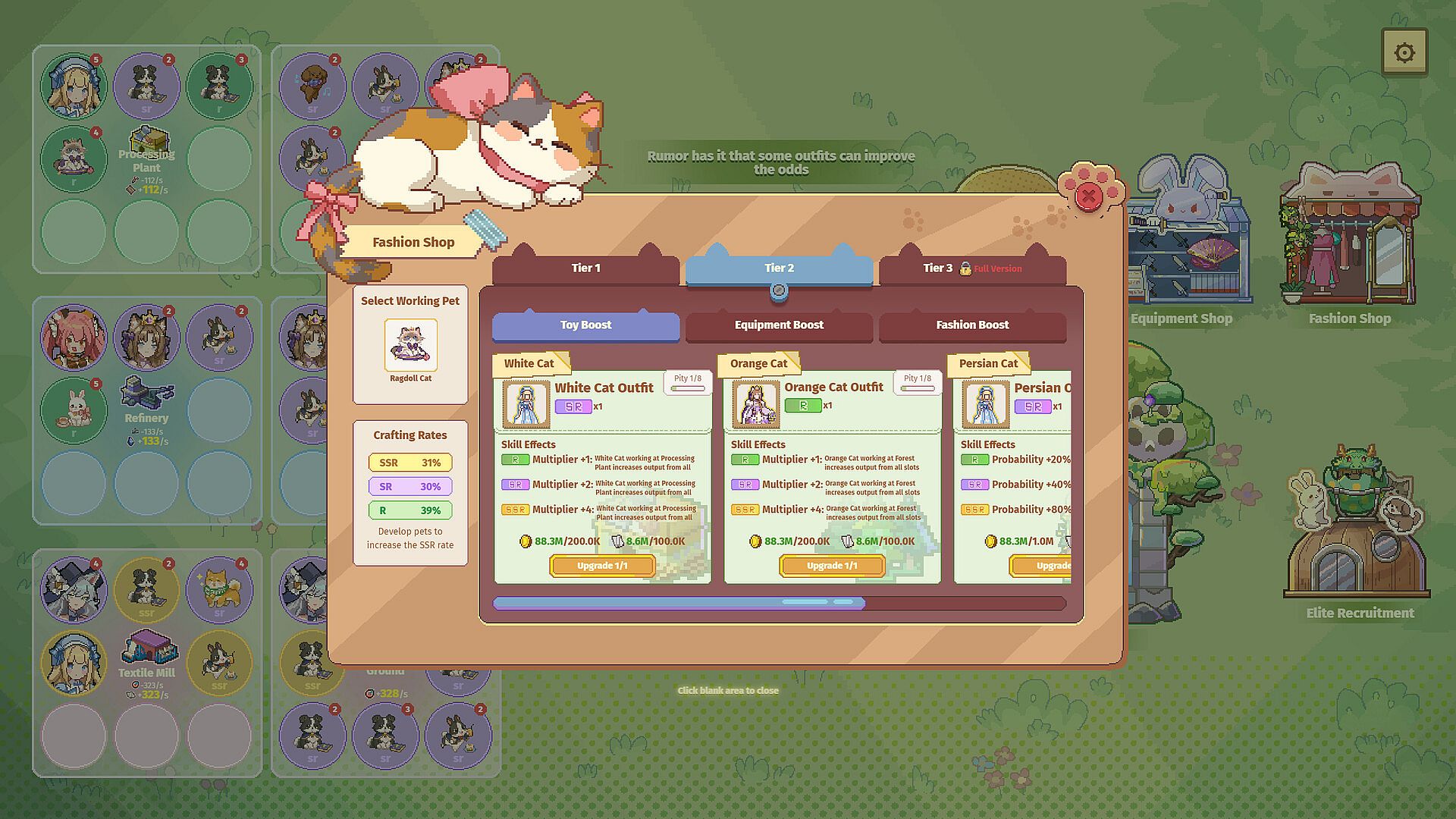
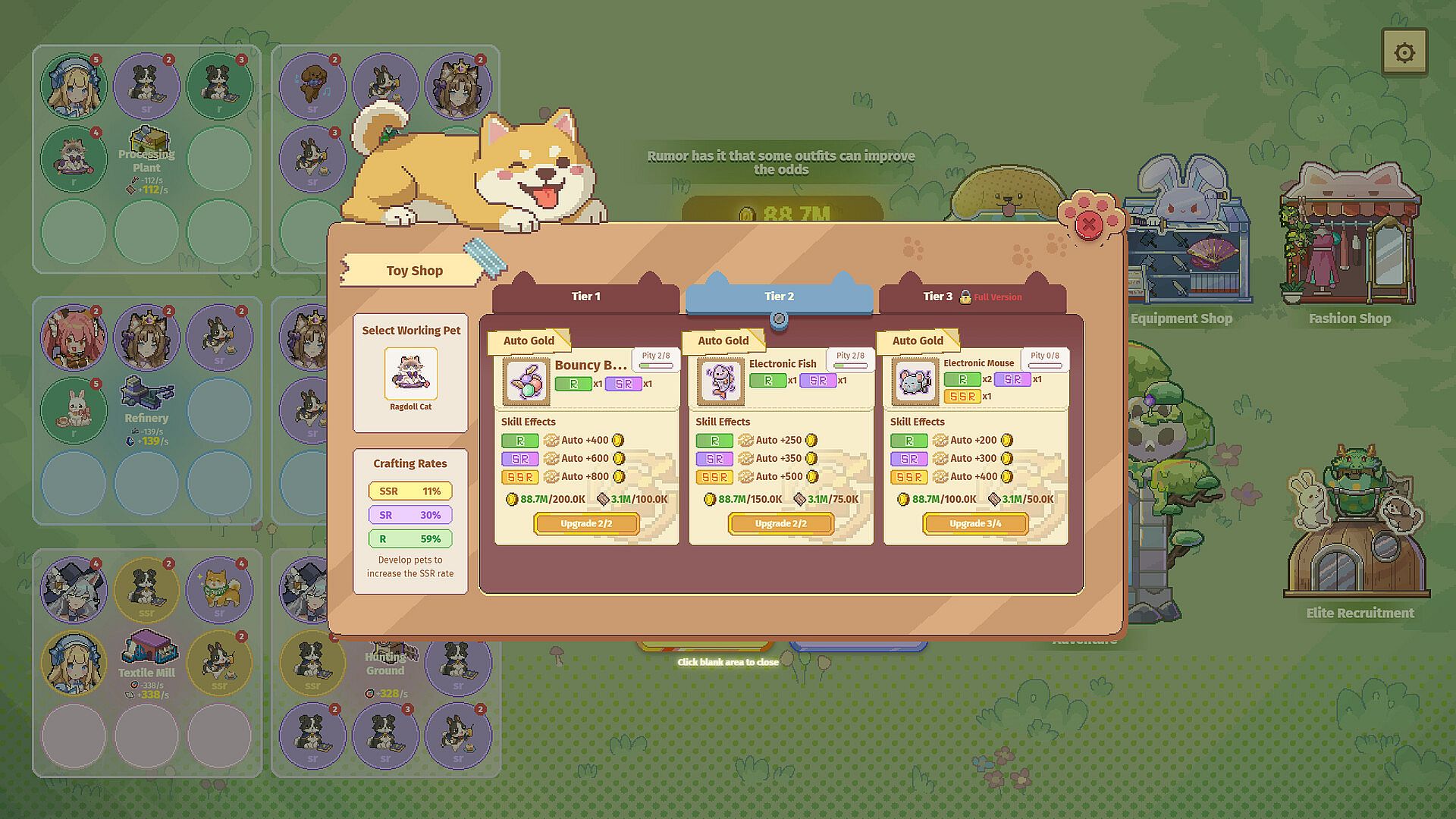
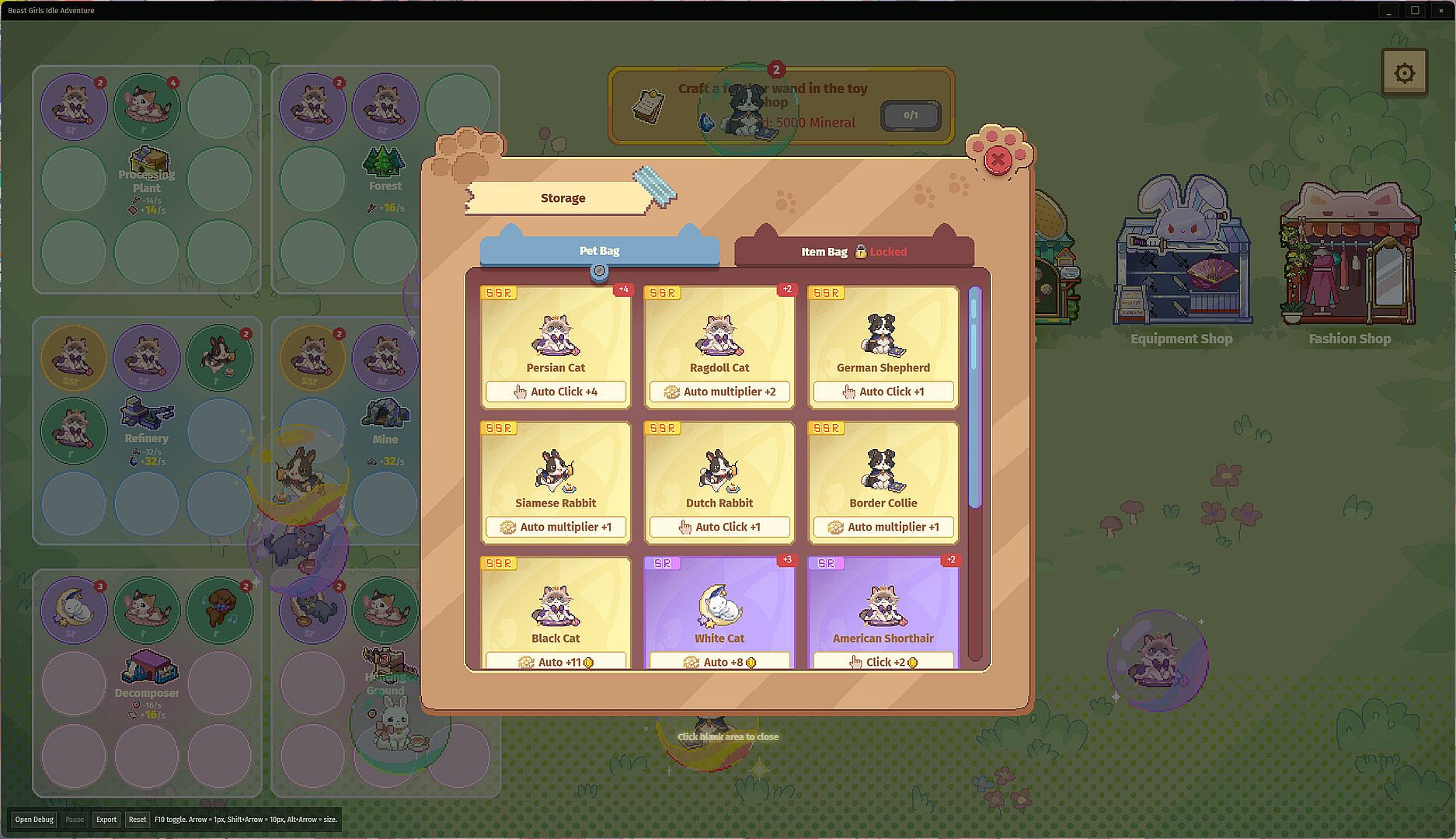
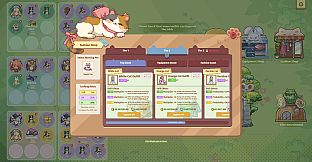
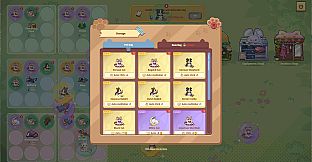
Collection and customization add depth to the companion system. Over 35 unique pets become available in the full release, each offering distinct abilities that players enhance over time. Special outfits provide additional bonuses, encouraging ongoing investment in individual companions as the village matures. The result is a personalized community where growth feels organic and tied directly to player decisions.
Game Modes
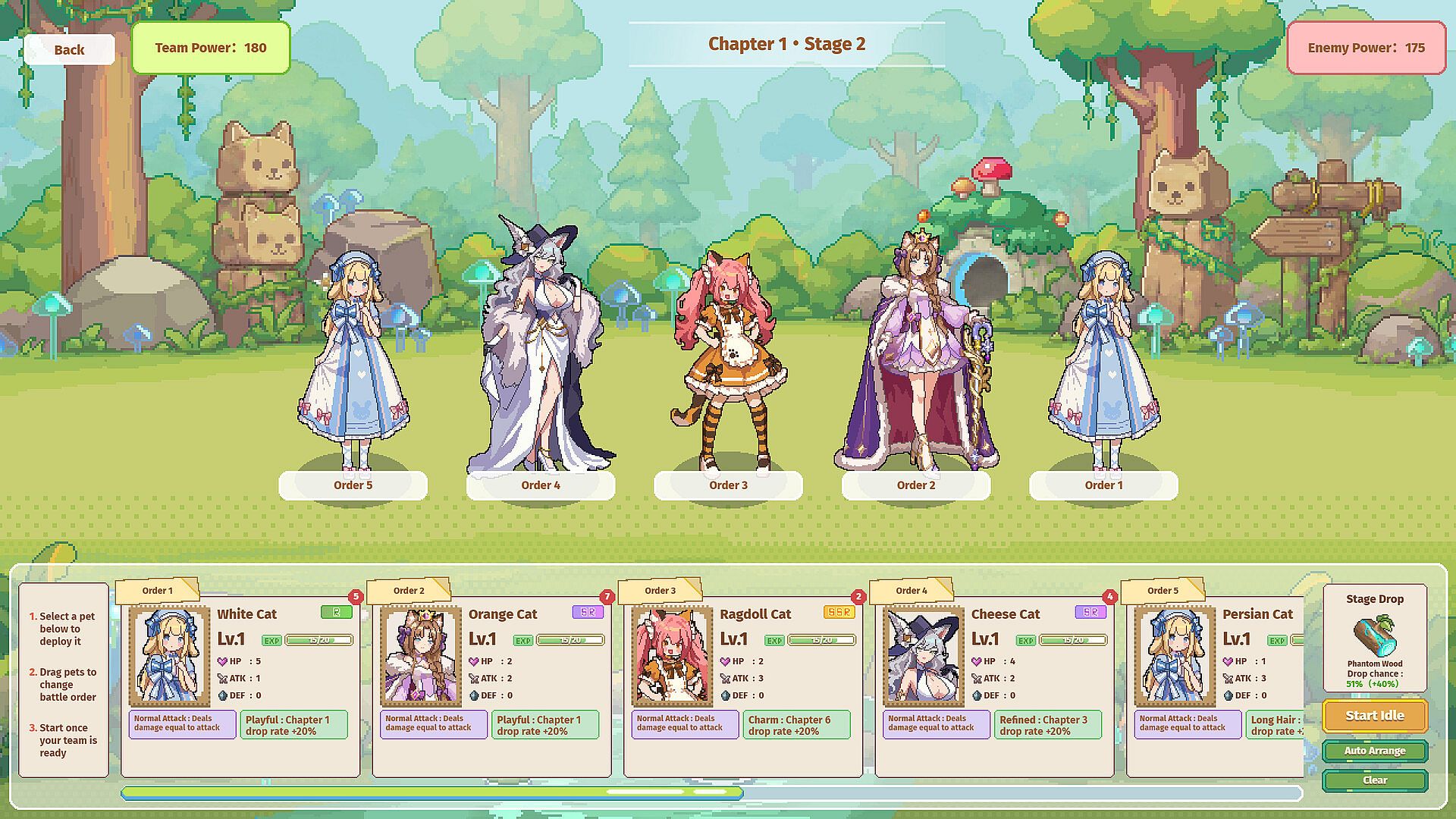
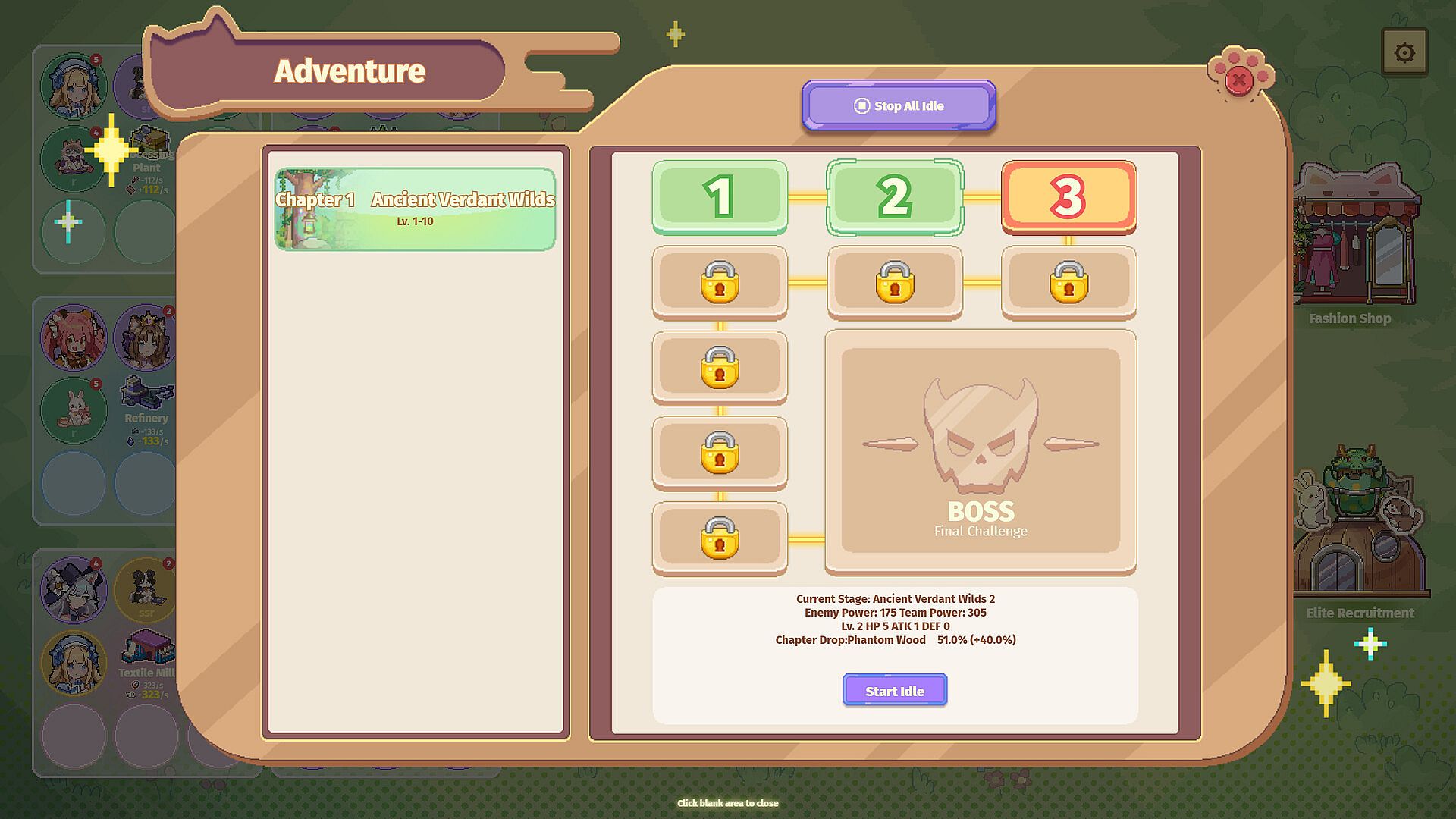
Pawville emphasizes a cohesive single-player experience built around village development and companion oversight. The primary focus remains on constructing and refining production networks, where every choice in resource allocation and facility expansion carries consequences for long-term village health. Strategic battles integrate as a later-stage activity once the settlement reaches a certain level of readiness.
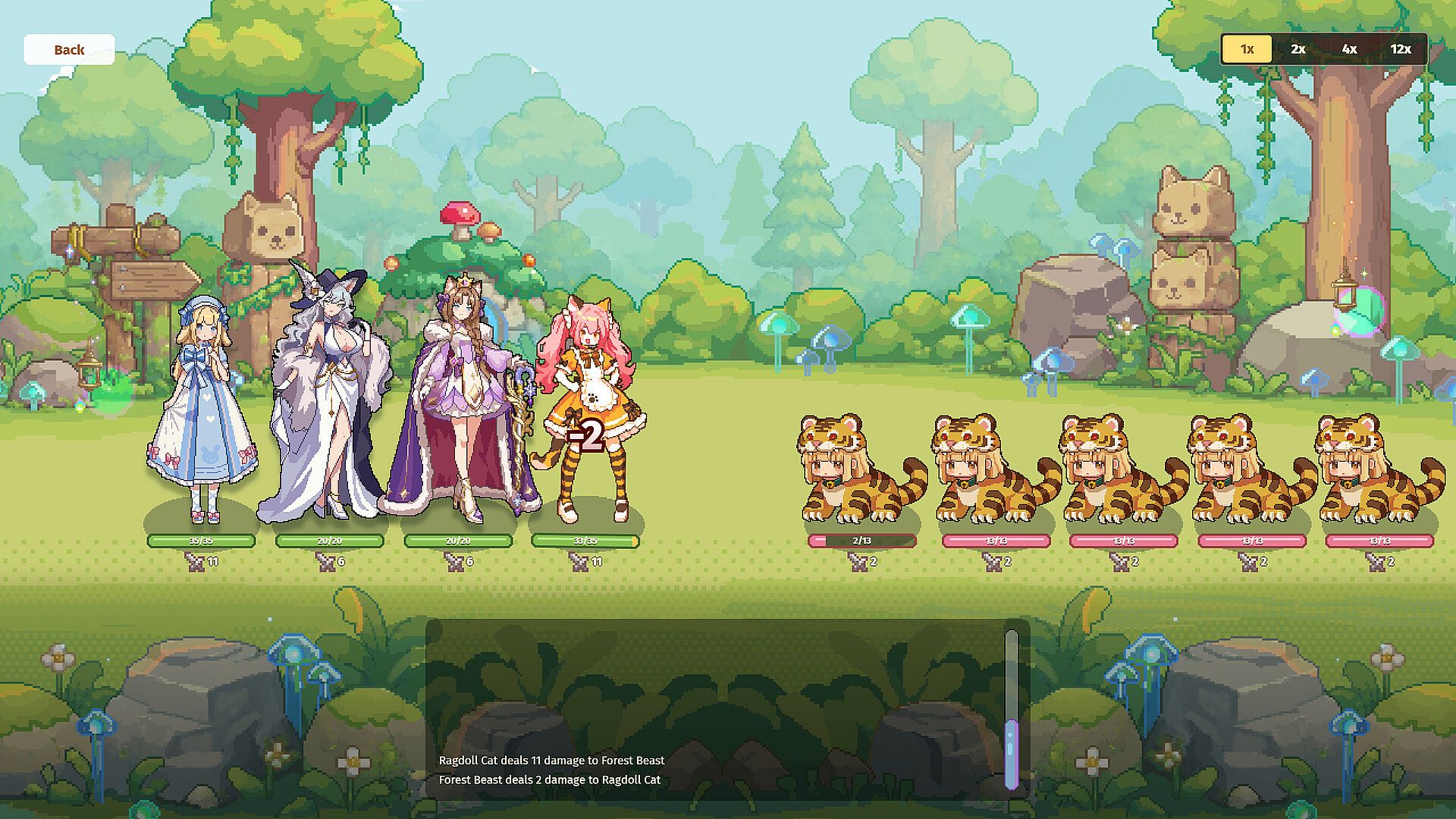
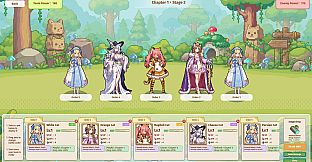
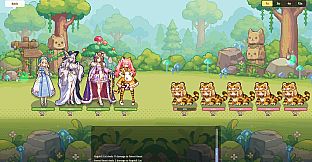
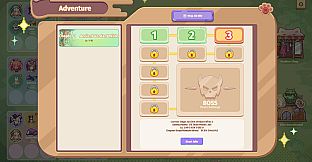
In these battles, players assemble teams of companions and leverage their combined abilities to tackle challenges. Different groupings and ability synergies create varied approaches to overcoming obstacles, encouraging experimentation beyond pure management tasks. This layer adds tactical variety without shifting the game away from its simulation roots.
Building and Production Systems
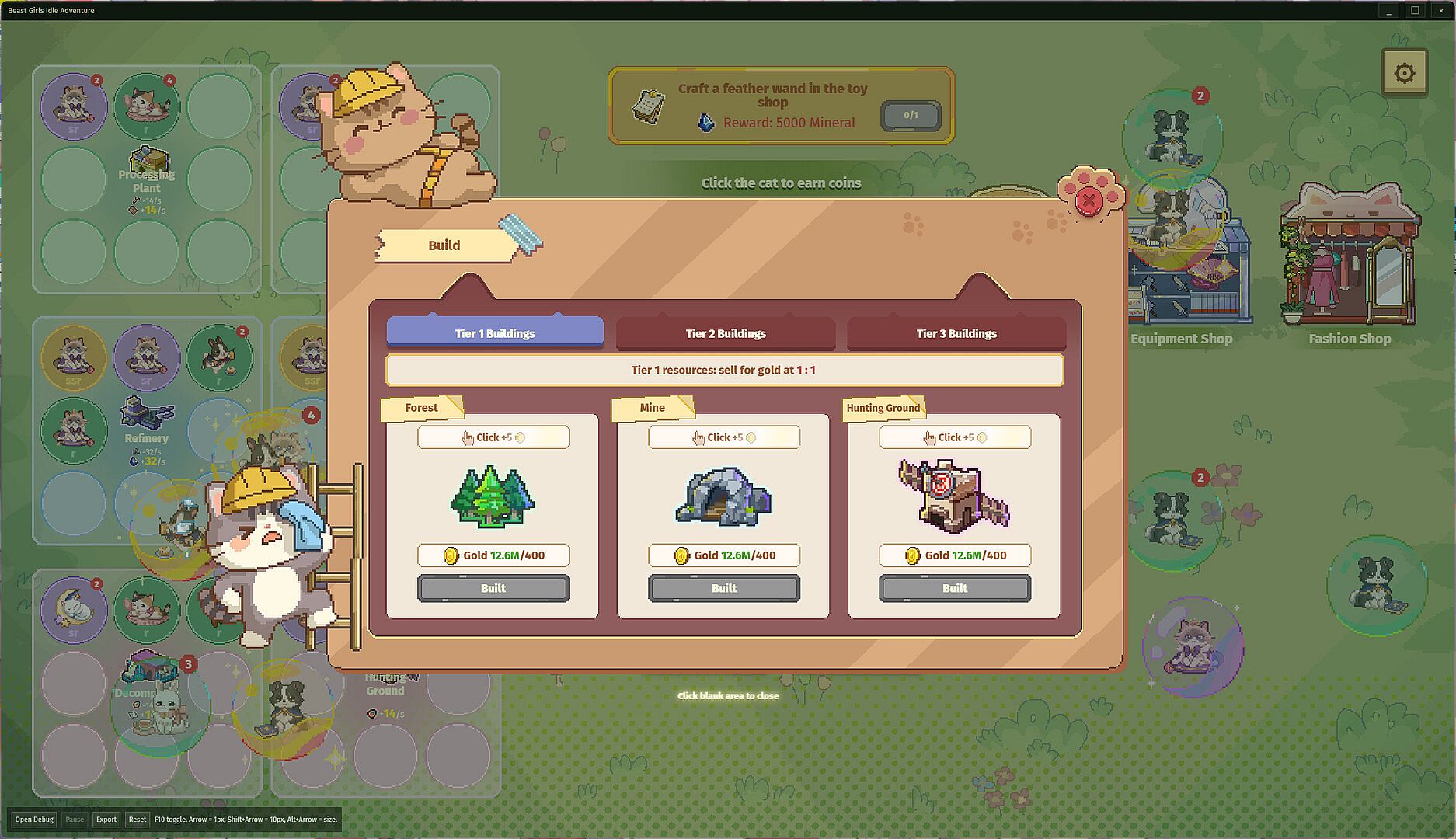
Facility expansion forms a key pillar of progression. Players start with basic structures and gradually add specialized buildings that support resource processing and item crafting. The production chain operates dynamically, requiring constant monitoring of supply levels and workforce distribution to maintain momentum. New companions and upgrades frequently alter optimal strategies, keeping the management loop engaging across extended play sessions.
Resource balance plays a central role. Different materials flow through interconnected systems, and inefficient setups quickly become bottlenecks. Players learn to adapt by reallocating companions, installing upgrades, or introducing equipment that streamlines specific processes. This creates a satisfying cycle of observation, adjustment, and incremental advancement as the village expands outward.
Is It Worth Playing?
Pawville suits players who enjoy methodical village-building simulations paired with light RPG progression through companion collection and customization. The emphasis on production optimization and strategic team composition in battles provides depth for those who appreciate systems-driven gameplay over fast-paced action. Its casual tone and cozy setting make it accessible for shorter sessions, while the layered management mechanics support longer-term engagement.
The game remains in development toward full release, with the companion roster and associated features expanding over time. Those drawn to indie strategy titles that reward careful planning and creative problem-solving in a relaxed environment will likely find its mechanics rewarding. The blend of simulation, collection, and occasional tactical combat creates a distinctive loop that stands apart from more combat-heavy RPGs or purely decorative building games.