

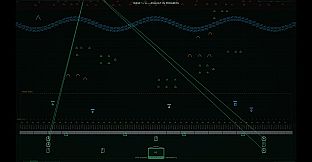
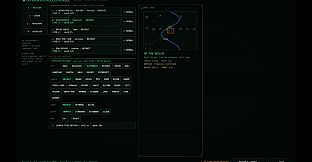
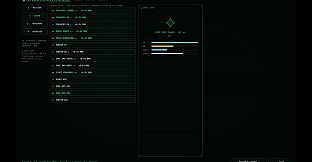
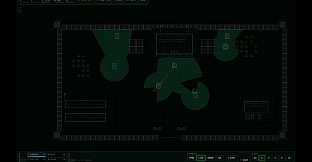
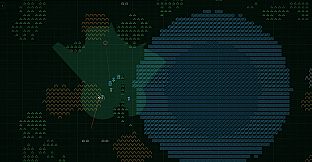
Phosphor Command is a single-player action strategy indie game set on PC in which players manage a mercenary company amid endless conflict. The core experience blends real-time tactical operations with forward operating base construction and management, all while contending with an encroaching enemy front line that advances on fixed cycles regardless of player progress.
Gameplay
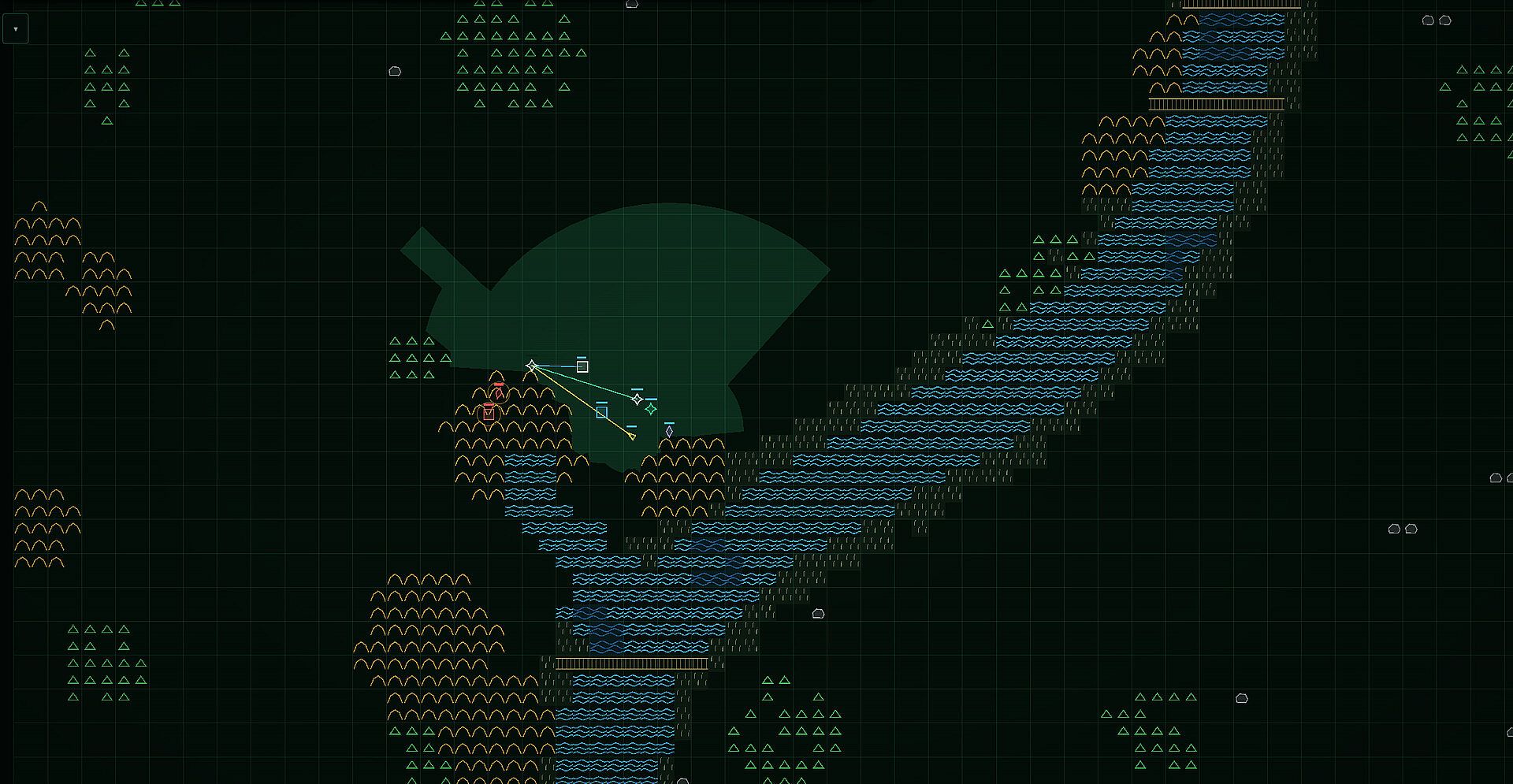
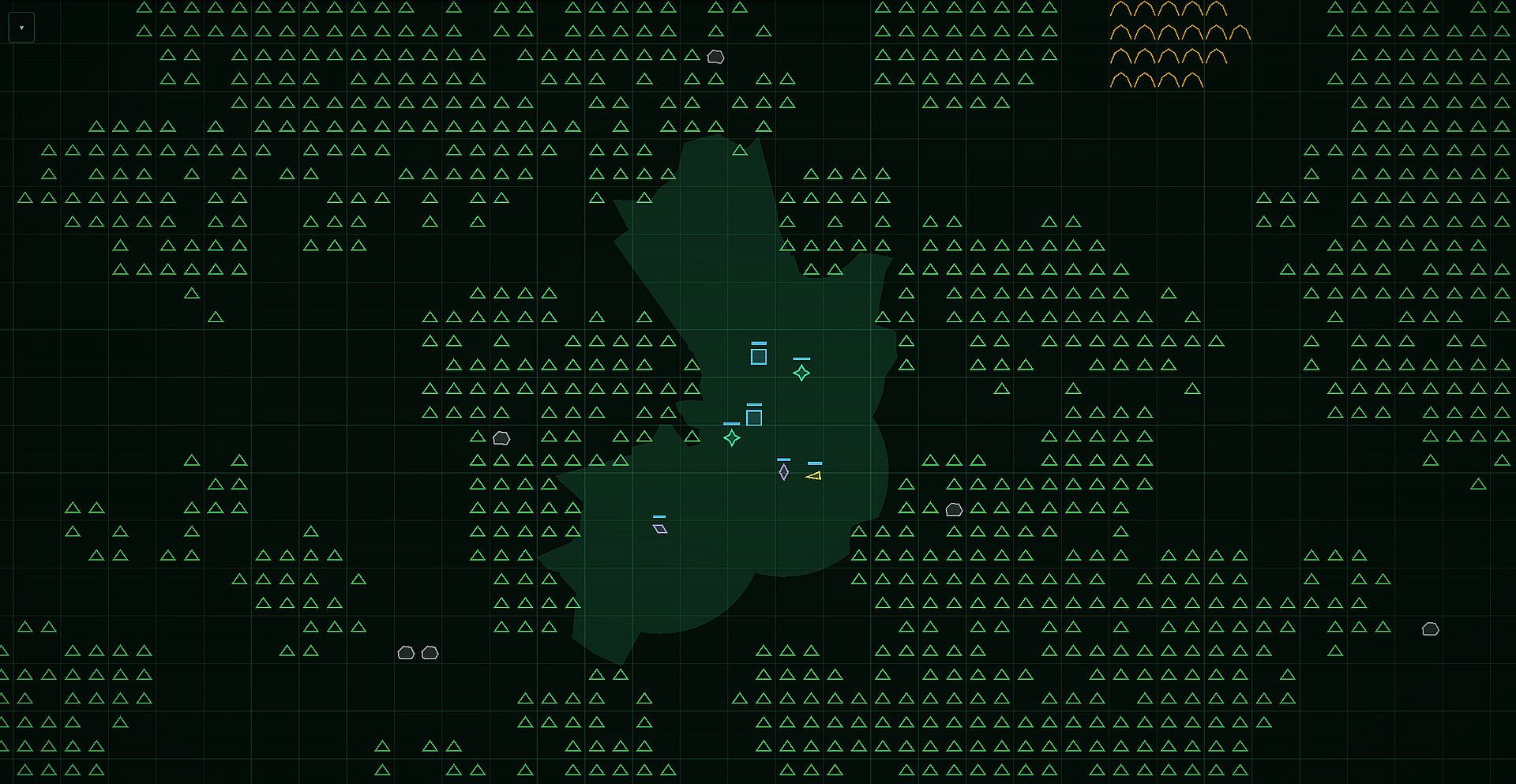
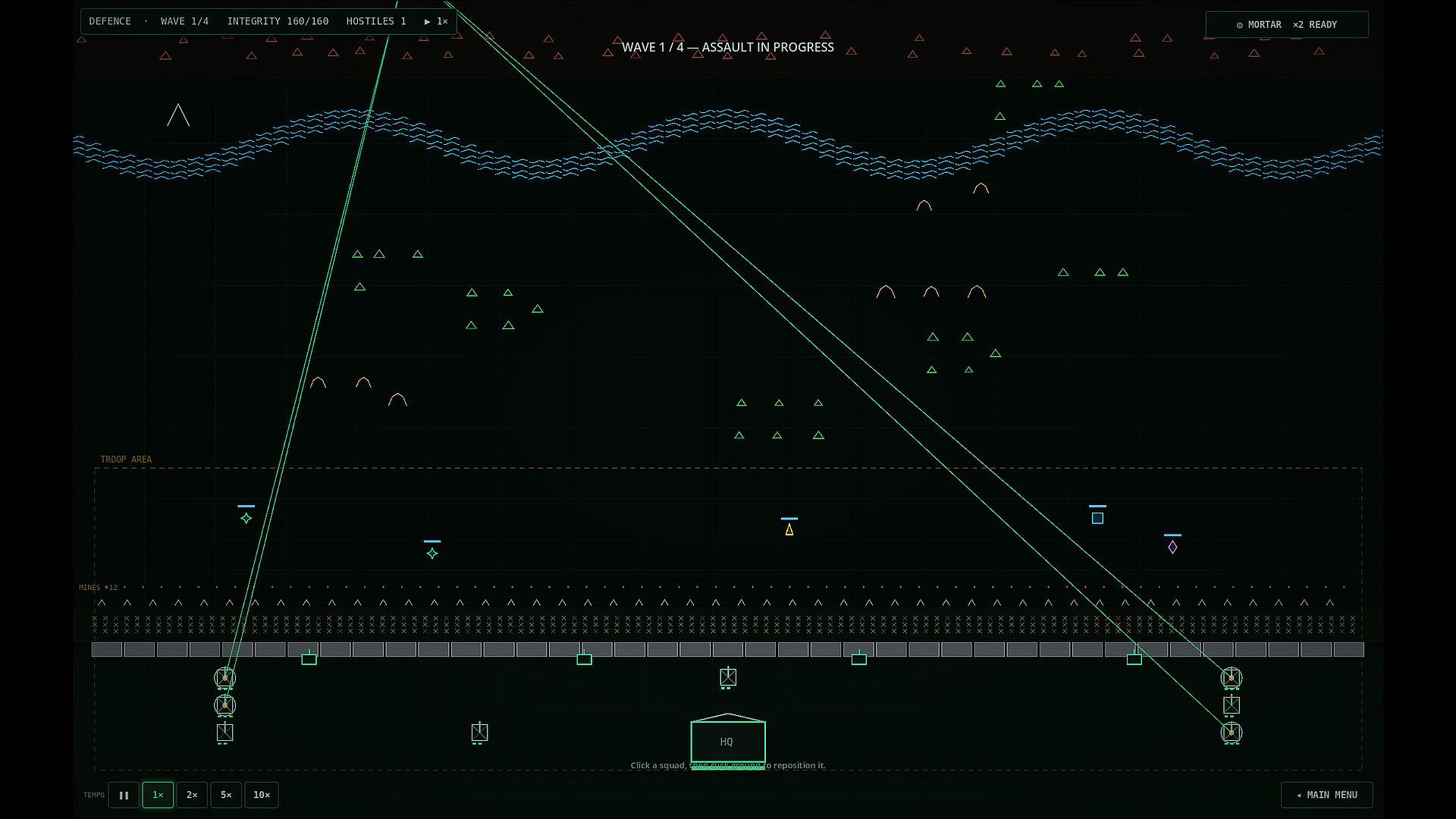
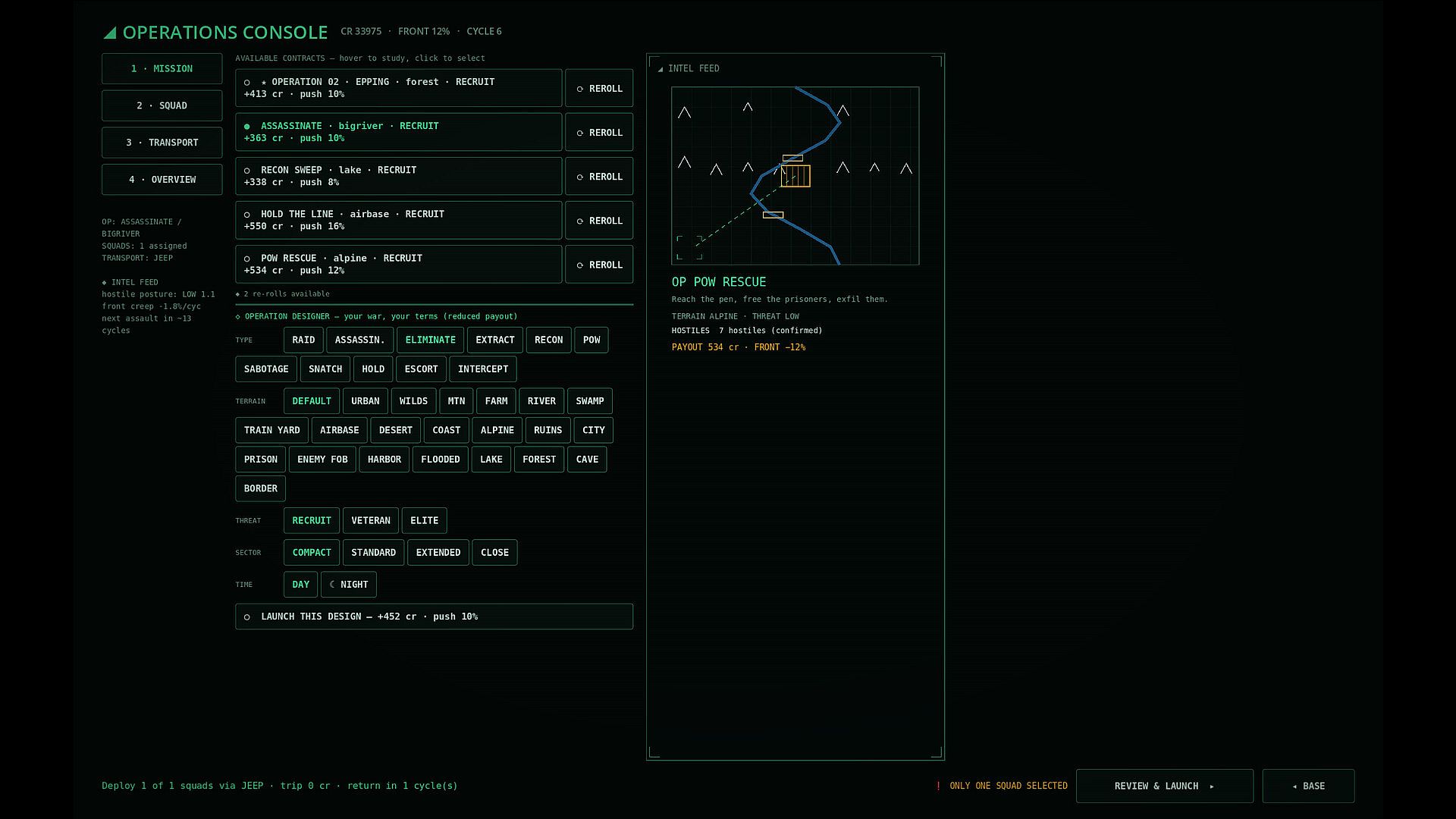
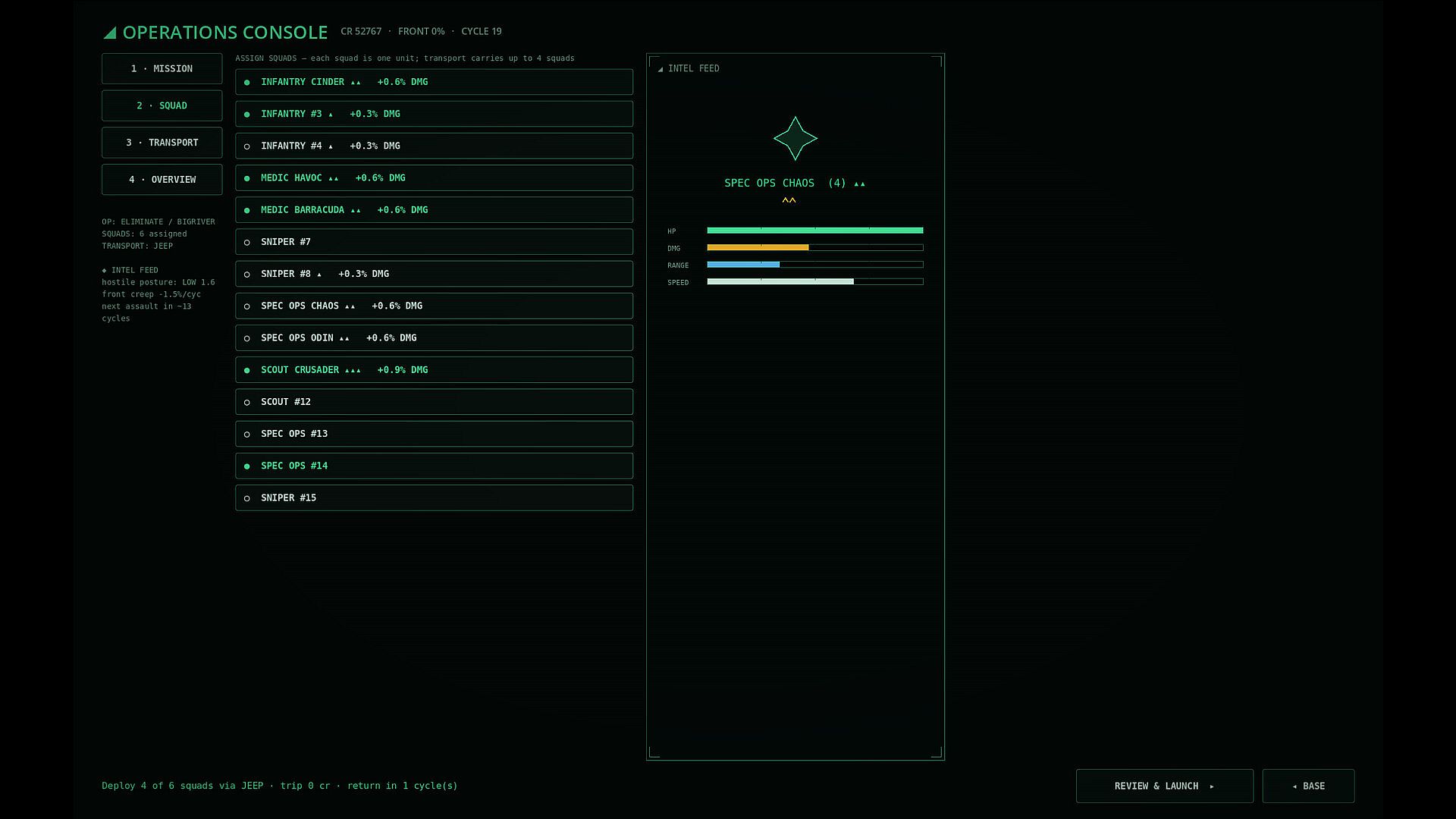
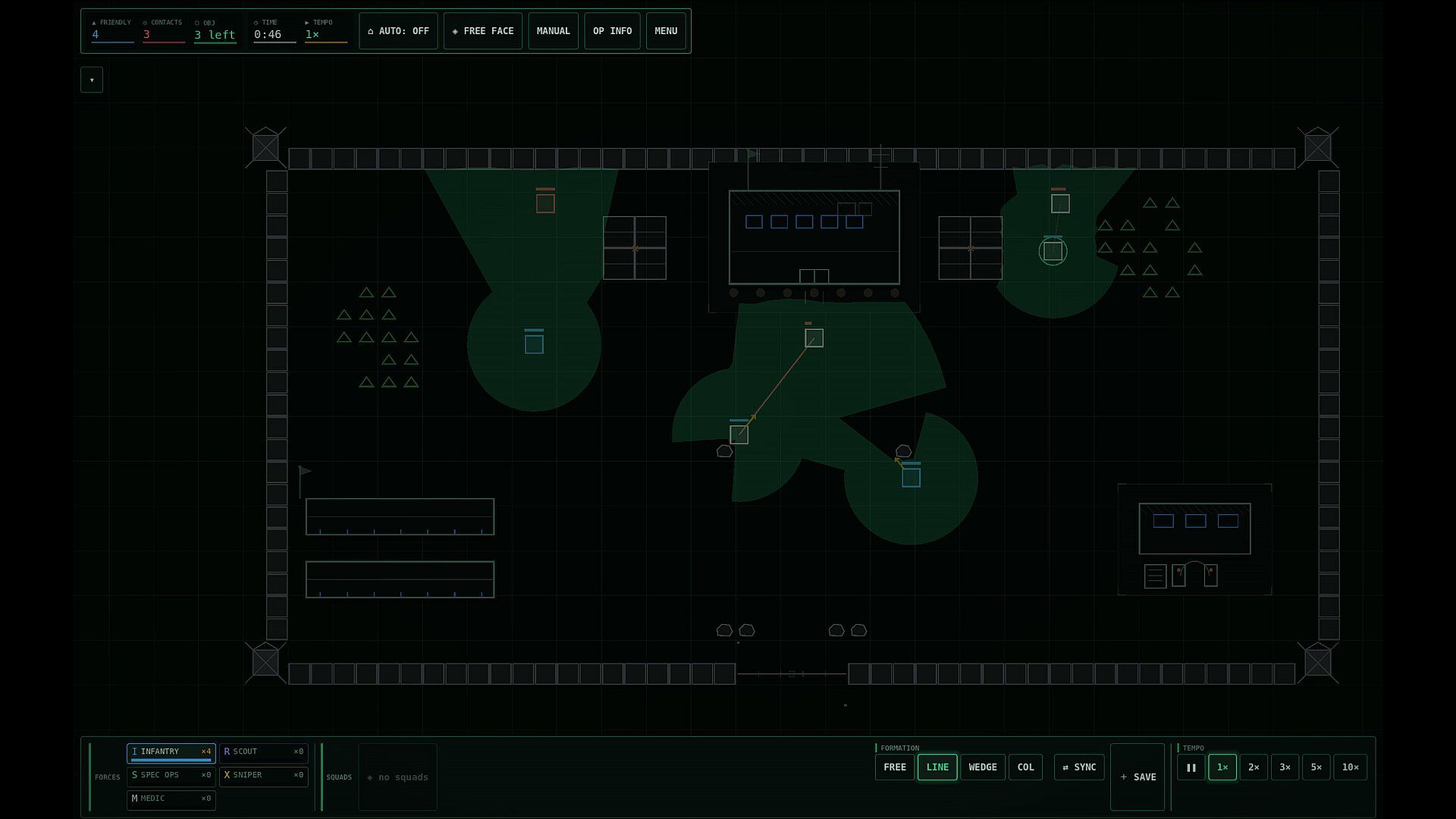
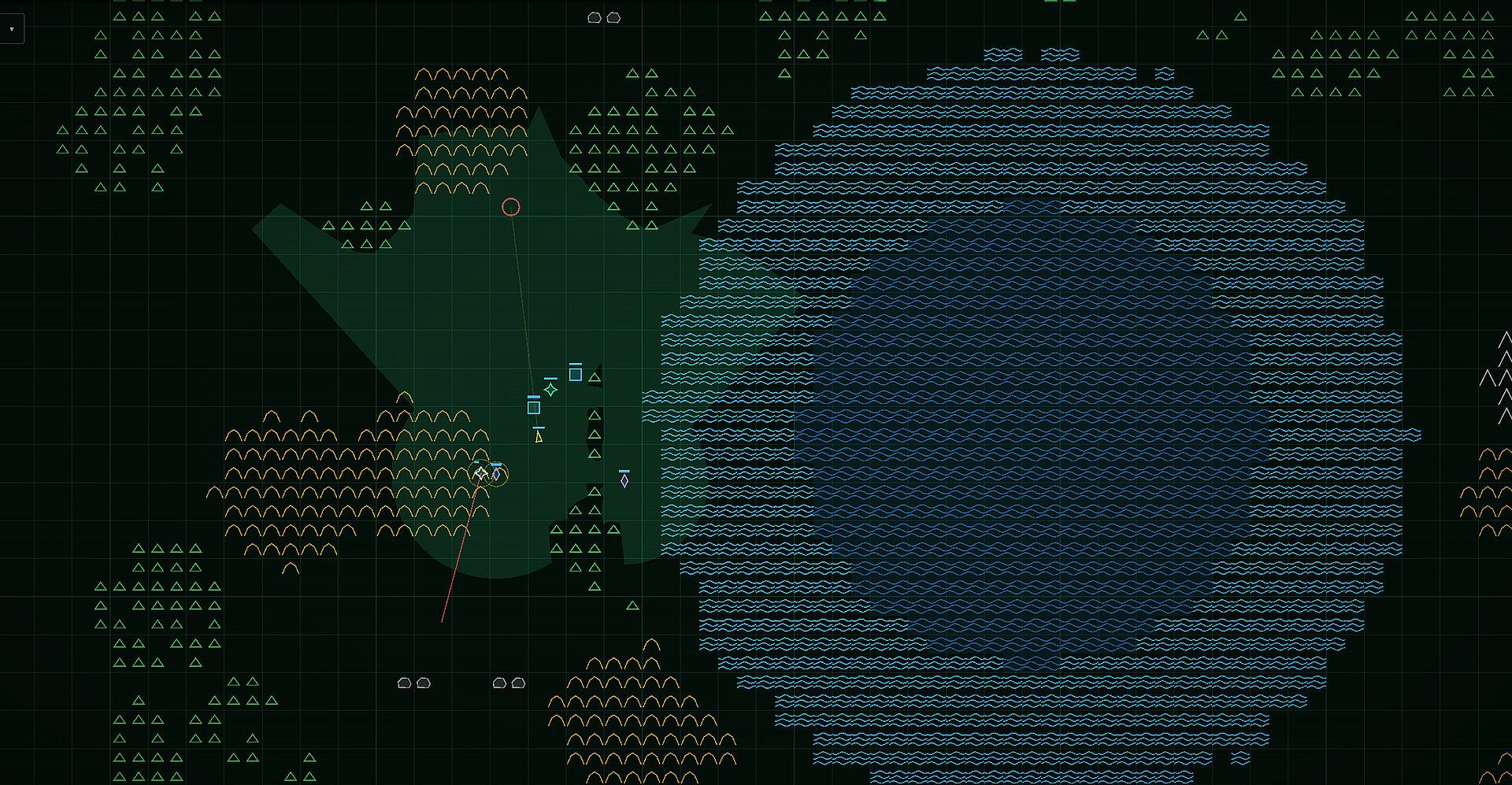
The central loop requires balancing contract-driven missions with base development and defensive preparations. Players accept contracts to generate income, then select squads and vehicles for deployment. Operations unfold in real-time top-down perspective across varied terrain, where command involves directing units to complete objectives such as raids or extractions while adapting to responsive enemy behavior.
Five distinct unit types offer role specialization in the field, and squads accumulate experience to become named veterans. Losses prove permanent, with no option for revival or save reloading, which heightens the stakes of each engagement. Vehicle choice further shapes each outing by determining squad capacity, transit duration, and insertion method into the combat zone.
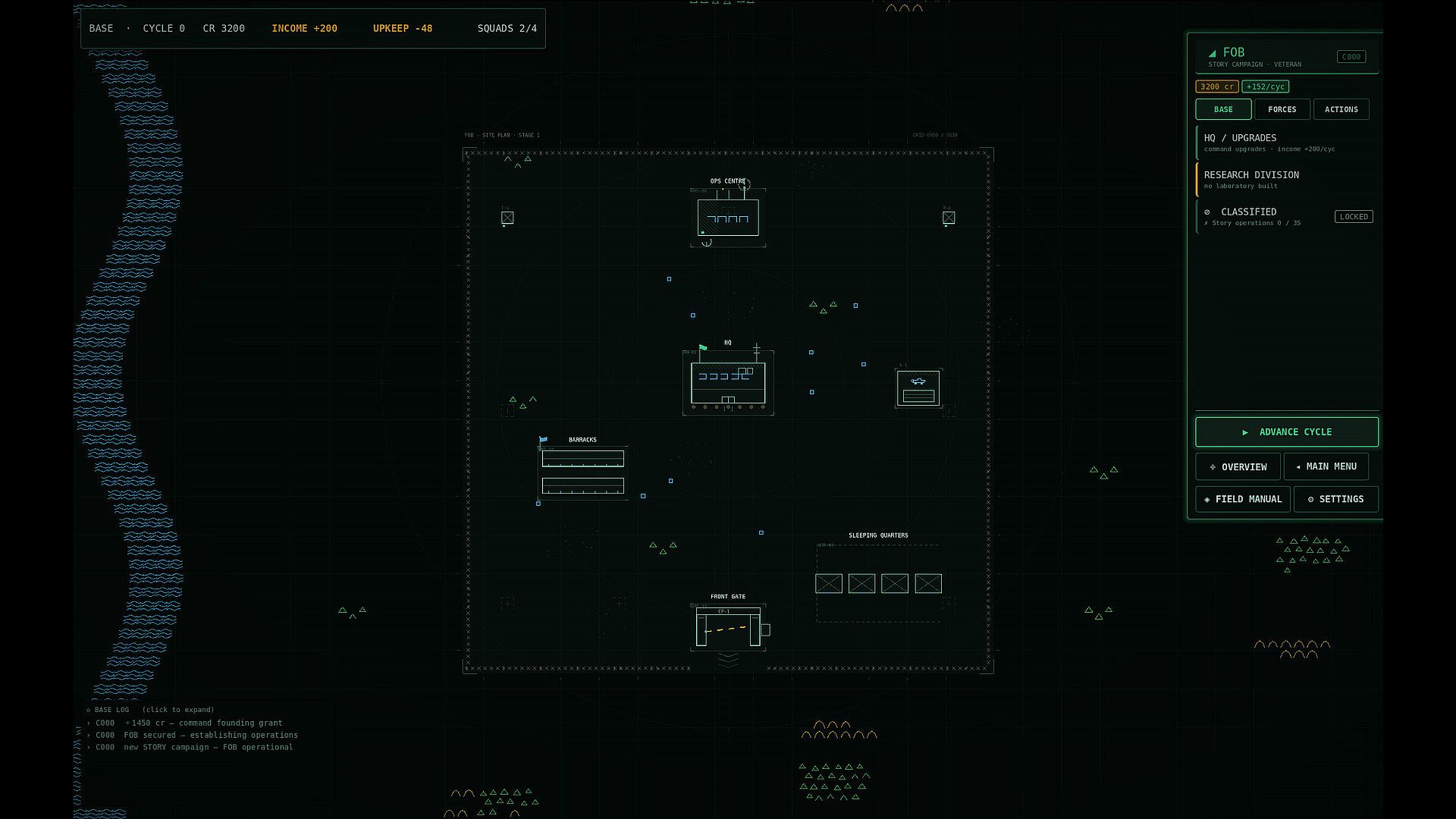
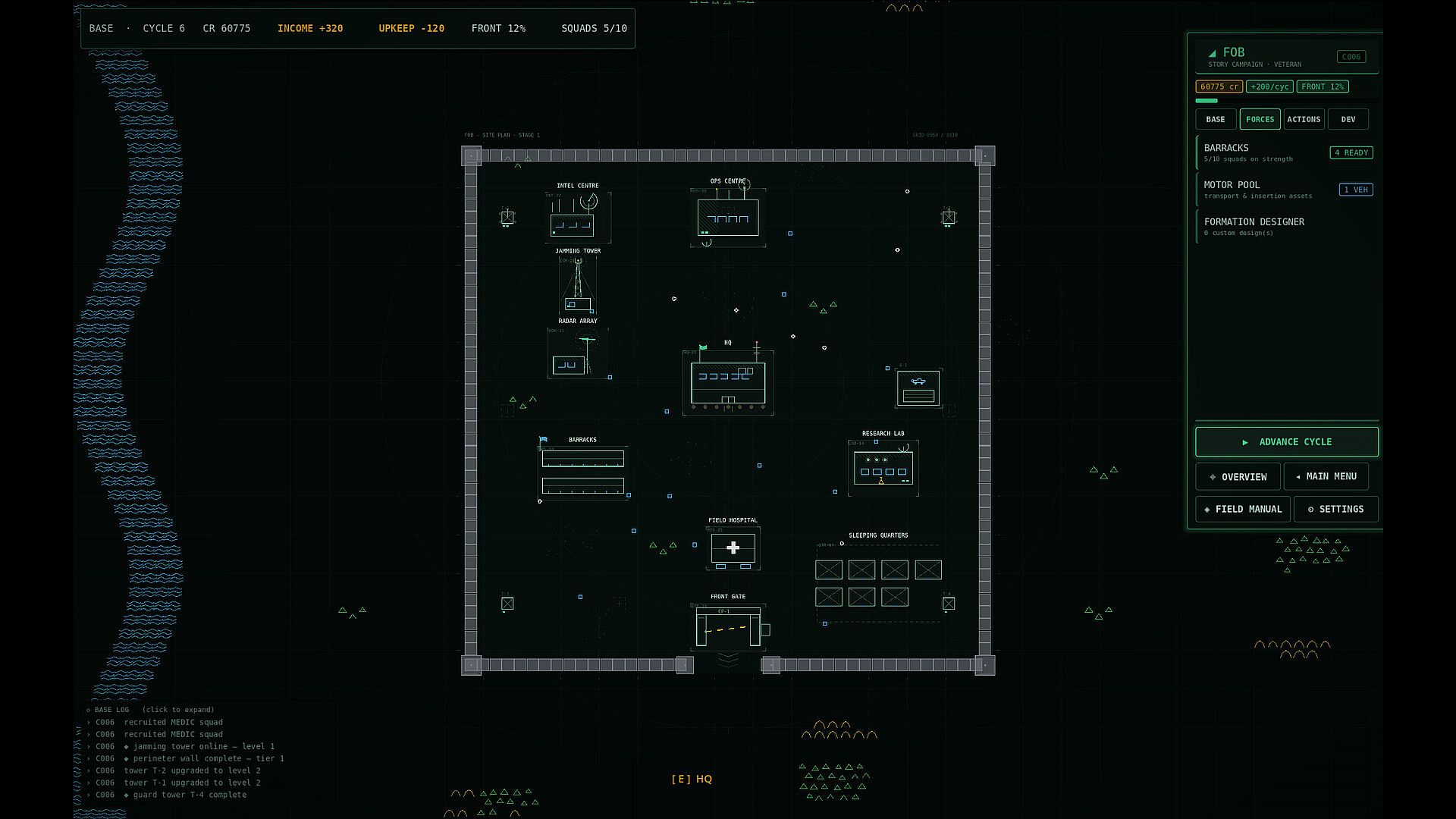
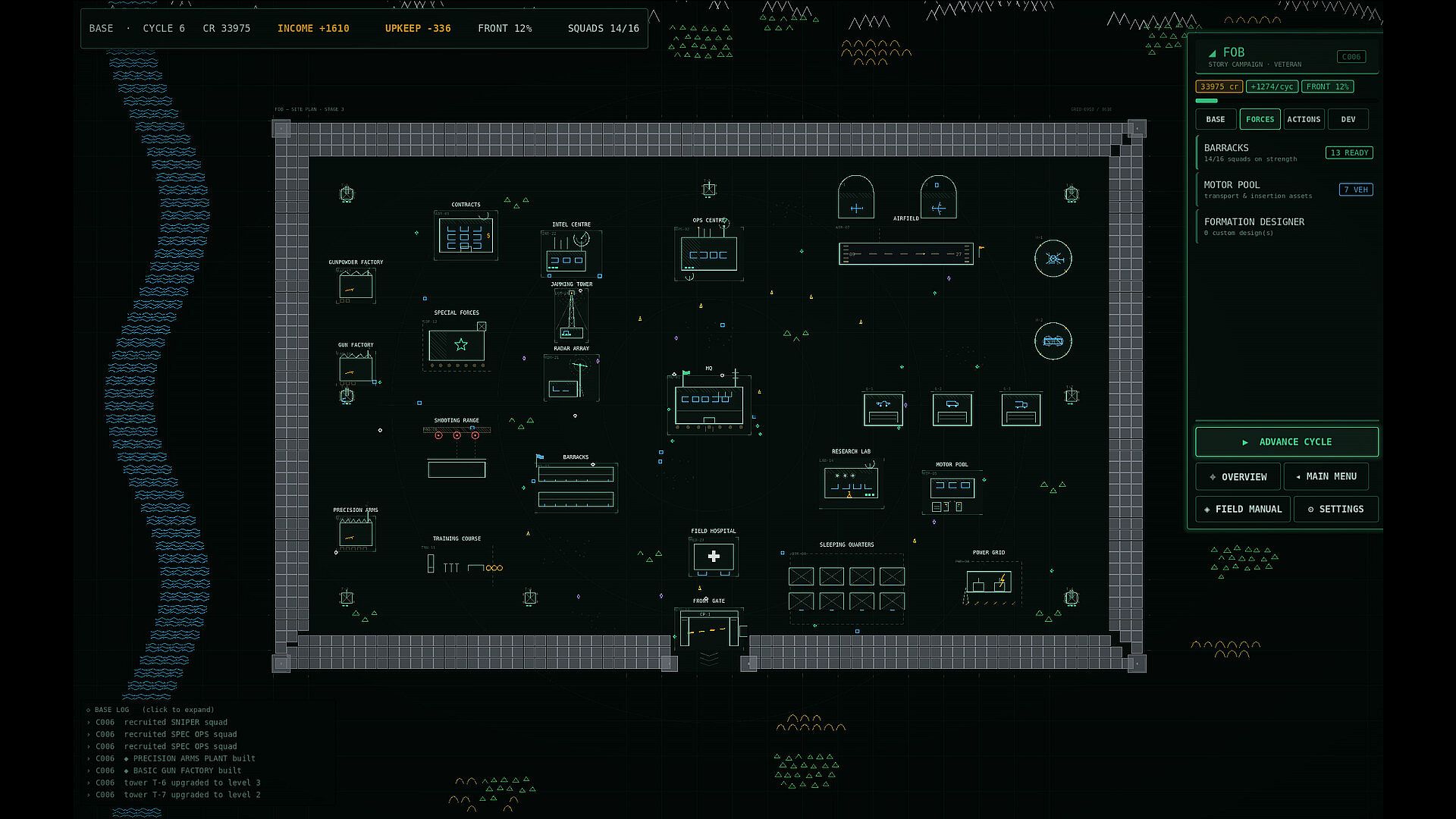
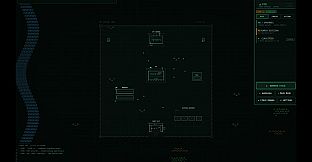
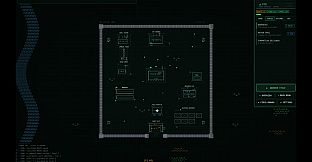
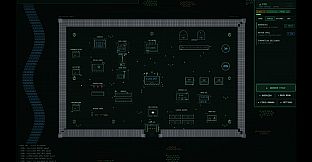
Back at the forward operating base, growth occurs through physical construction of facilities including barracks, research labs, and defensive positions. Players can navigate the base on foot alongside troops for direct oversight or switch to an overview interface for broader management. A research tree provides upgrades to equipment and facilities that alter operational approaches over time.
Enemy forces operate under an alert system that shifts patrols into active defense upon detection, with guards converging on contact and high-value targets relocating for better cover. This behavior intensifies across a campaign as the overall threat level rises.
Game Modes
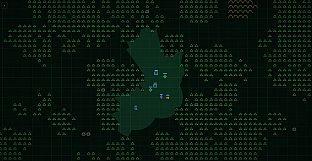
Phosphor Command supports both structured campaign play and flexible skirmish options. The campaign integrates the advancing front mechanic as persistent pressure, requiring ongoing decisions about fortification, direct defense, or offensive operations to push the line back. Time advances in cycles, and ignoring the front risks its arrival at the base itself.
Skirmish mode allows independent configuration of mission parameters such as size and scope, providing an alternative to the campaign's directed progression. Difficulty settings and playstyle customizations apply across both, supporting aggressive pushes, defensive turtling, or balanced economic focus.
Additional depth comes from eleven operation types and twenty-two environments that range from forests to airbases and mountains, encouraging repeated playthroughs with different unit compositions and vehicle selections.
Base Building and Progression
Base expansion begins from a minimal compound and expands visibly through added structures that enhance squad capacity, research options, and frontline defenses. Upgrades manifest physically in the environment, creating a tangible sense of development that directly influences mission effectiveness and survival odds.
Economy management remains fragile, with income tied to successful contracts yet vulnerable to setbacks that can cascade into operational limitations. Research decisions further branch capabilities, unlocking new tools that reshape how squads approach objectives in the field.
Is It Worth Playing?
Phosphor Command targets players who enjoy integrated base-building and real-time tactics without separation between the two systems. The permanent squad losses and advancing front create ongoing tension that rewards careful planning and adaptation rather than rote repetition.
Customization of difficulty and access to skirmish mode broaden appeal for those seeking either guided campaigns or self-directed missions. As a single-player title with a level editor included, it suits solo strategists interested in long-term management of resources, personnel, and territory under constant external threat.
The game remains in a pre-release state with no user reviews available yet, so prospective players should monitor updates from the developer for final balance and feature completion before purchase. Those drawn to persistent world pressure combined with tactical decision-making will likely find the mechanics align closely with the described systems.