


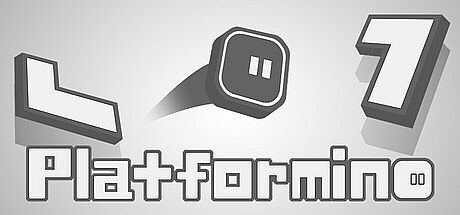



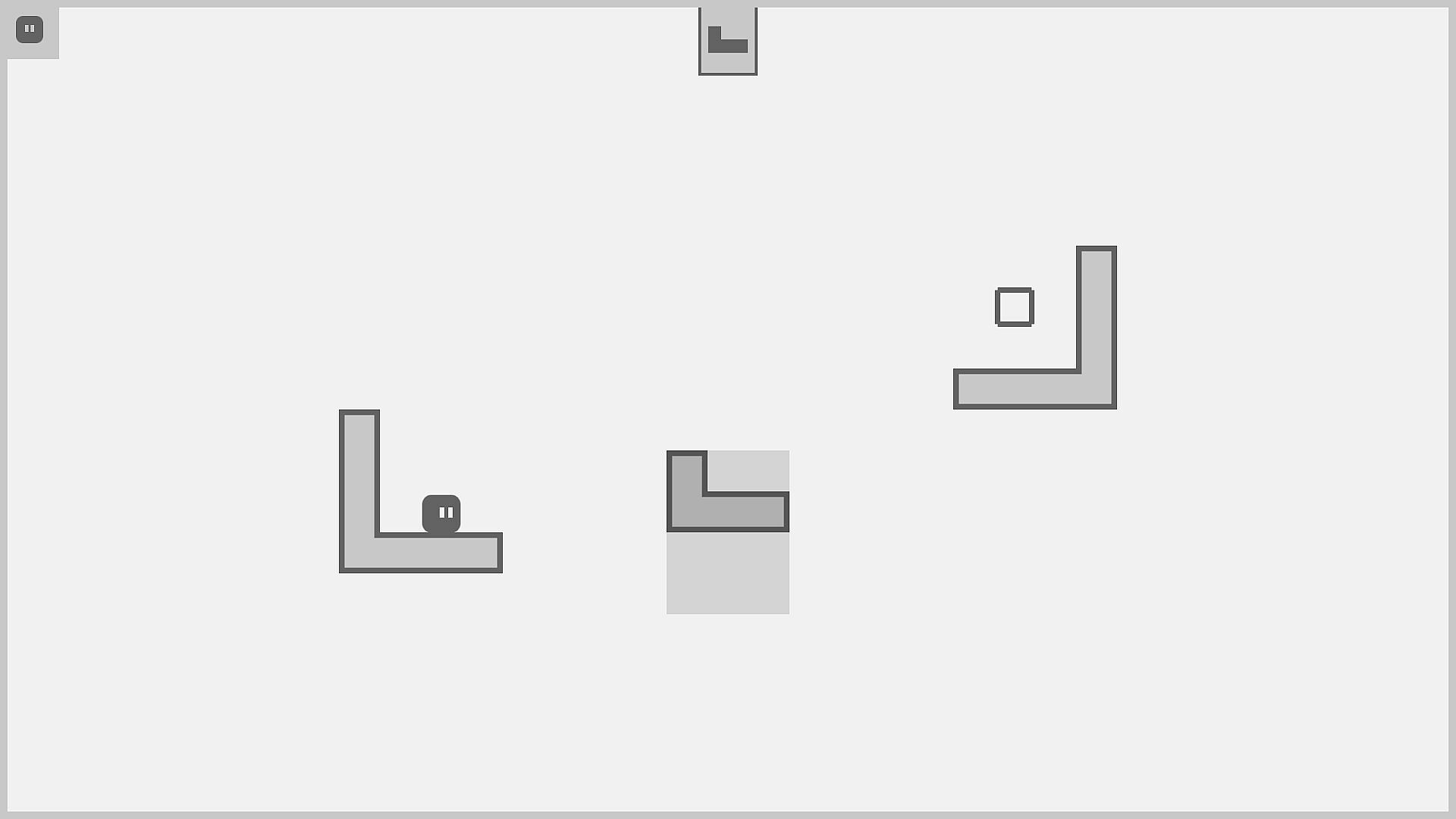
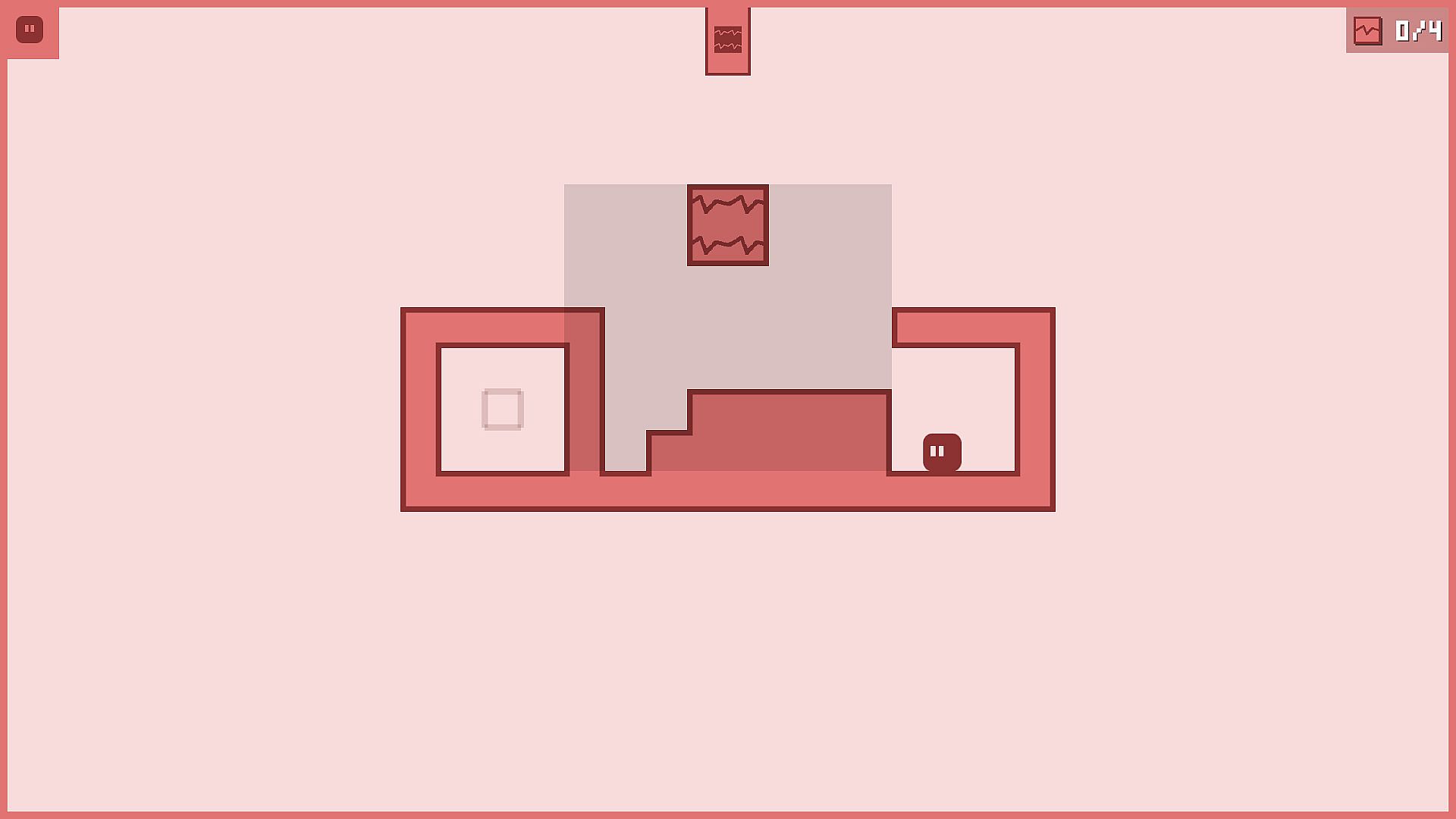
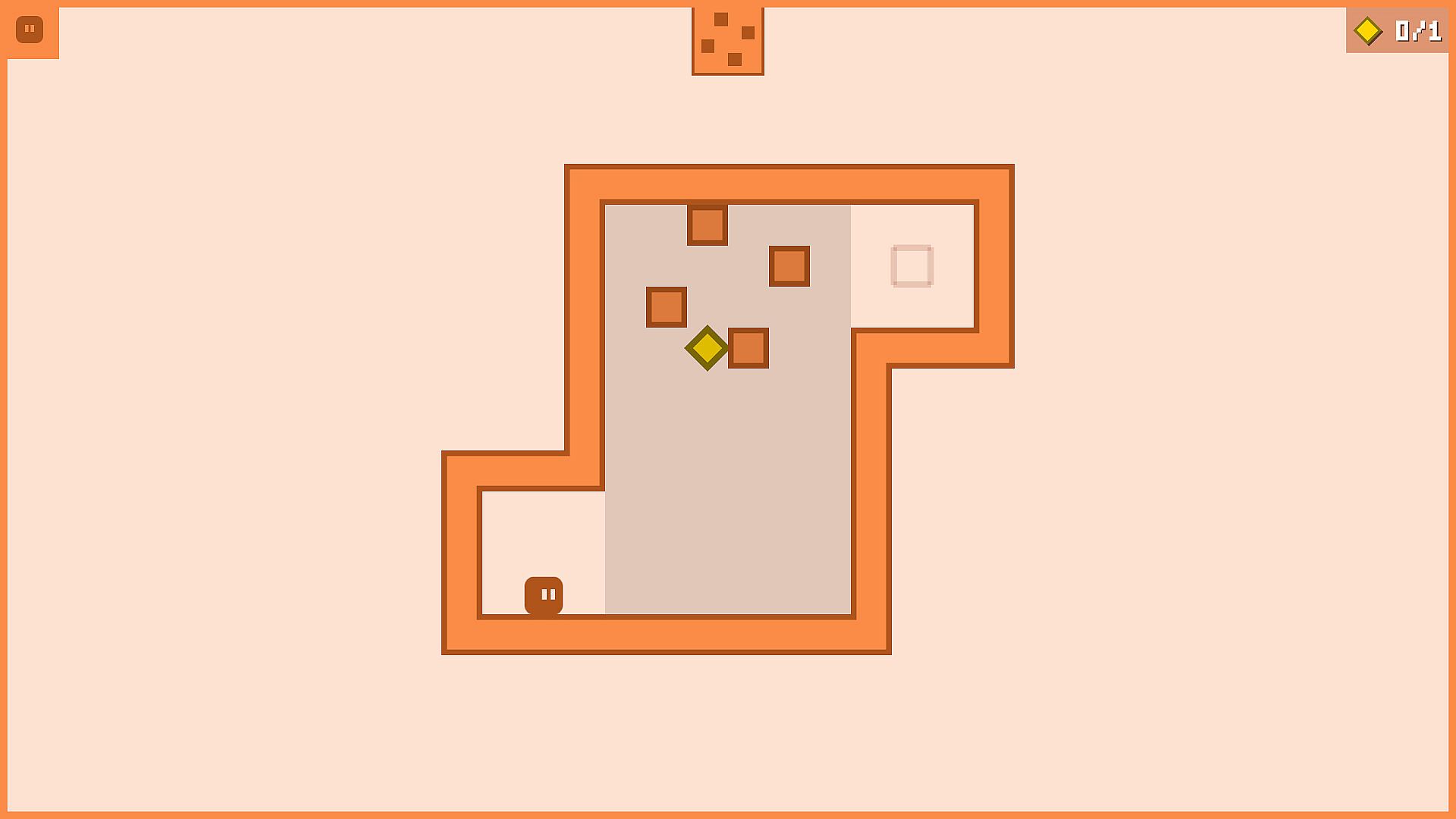
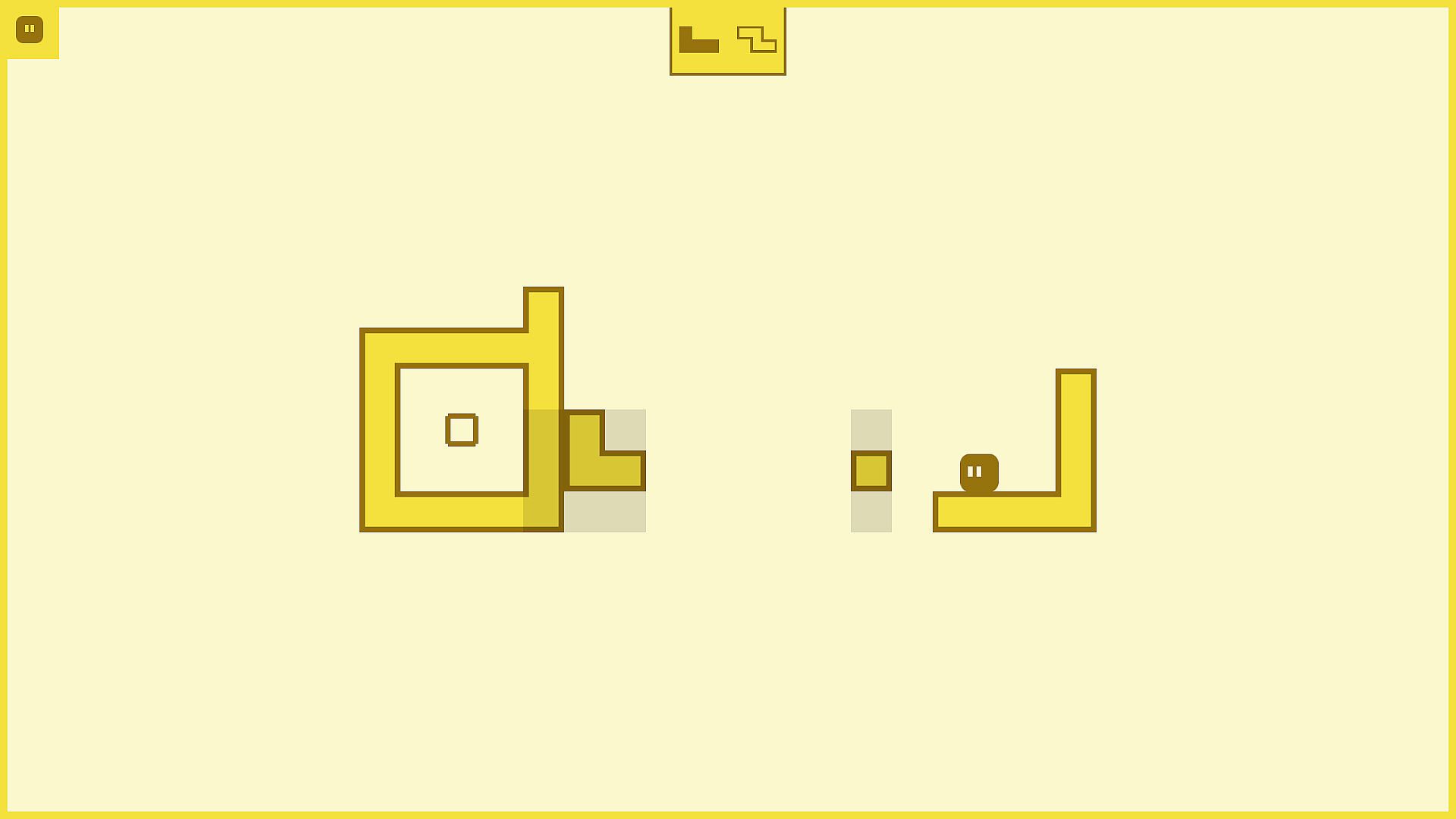
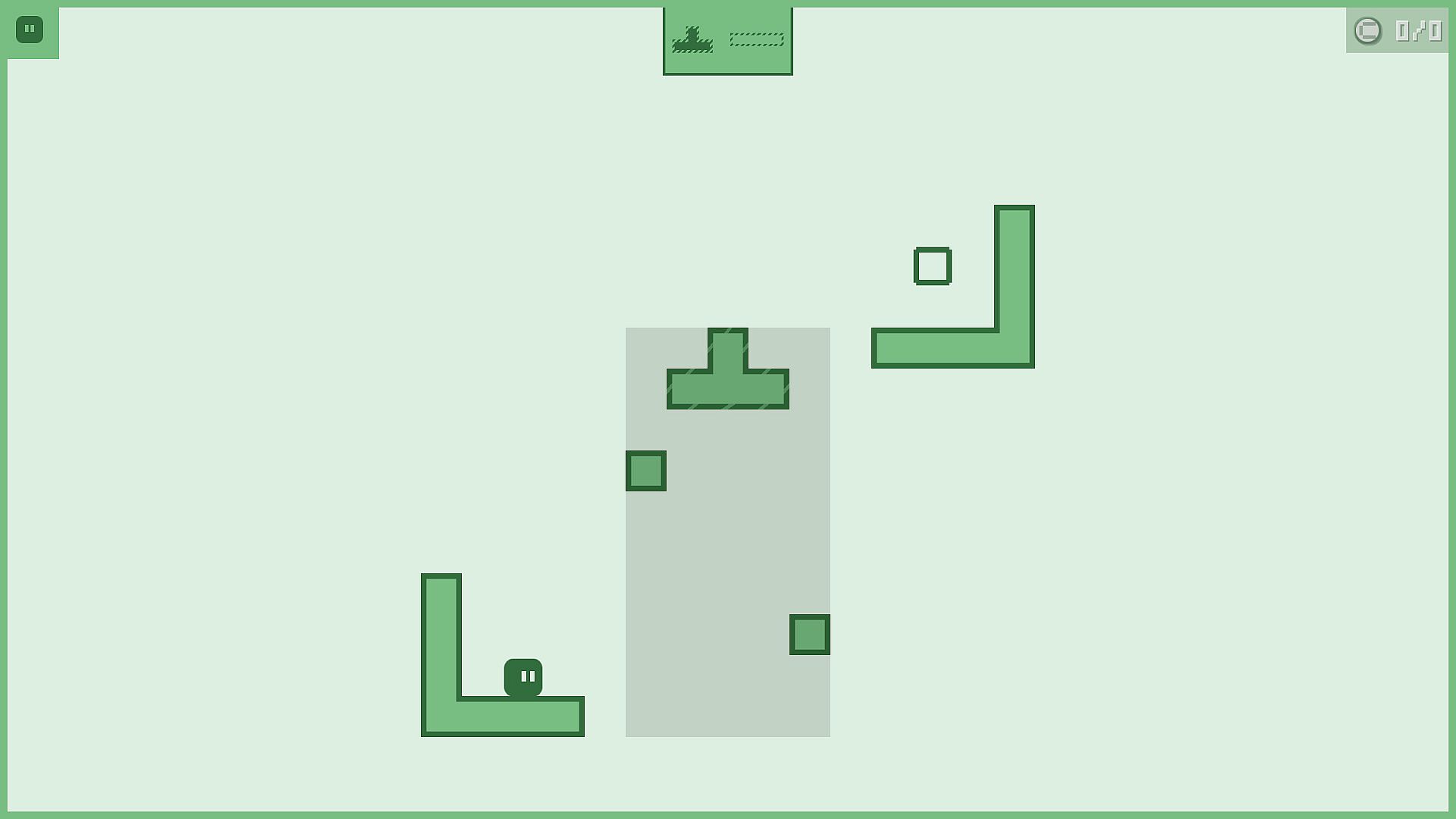
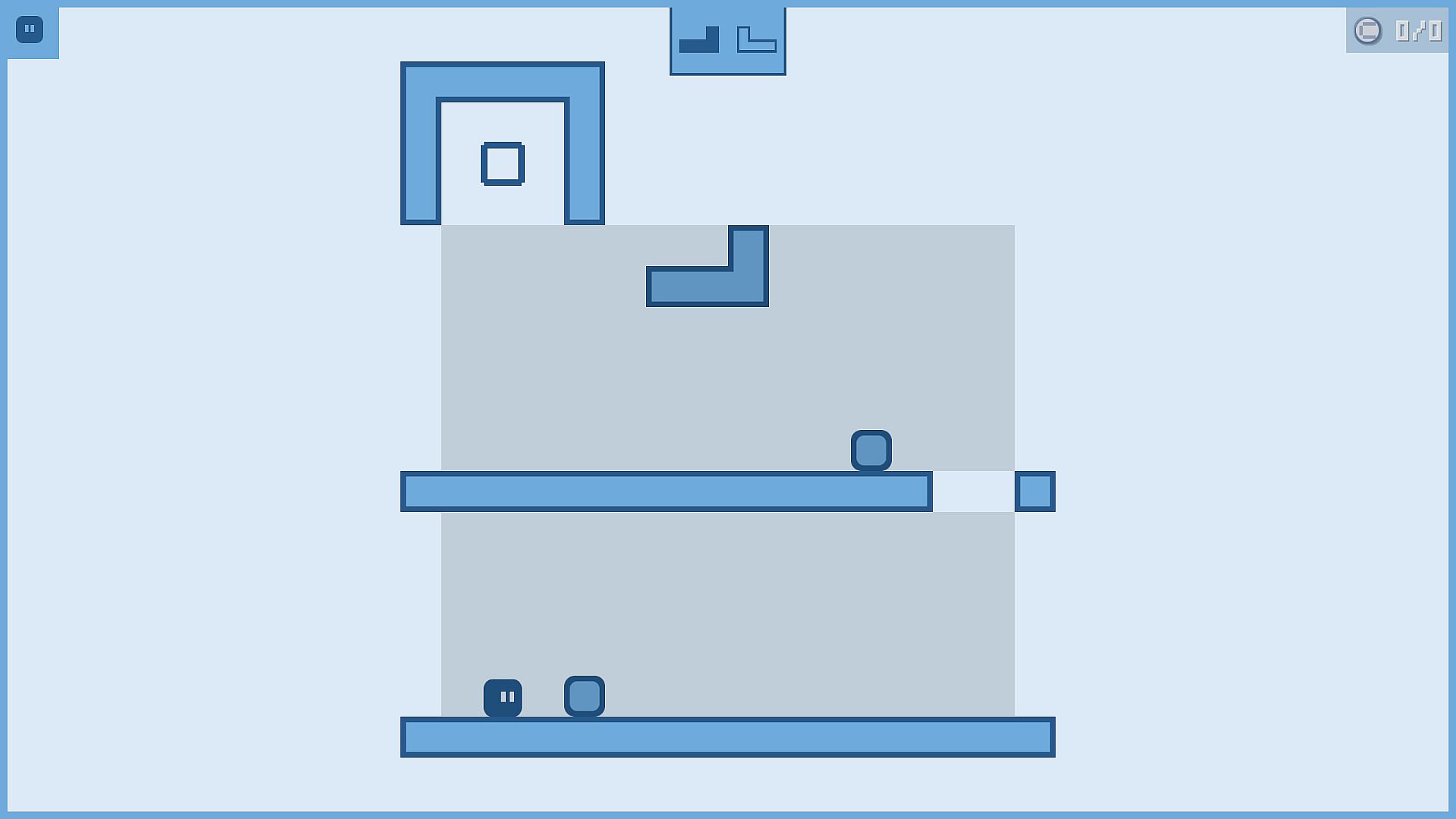
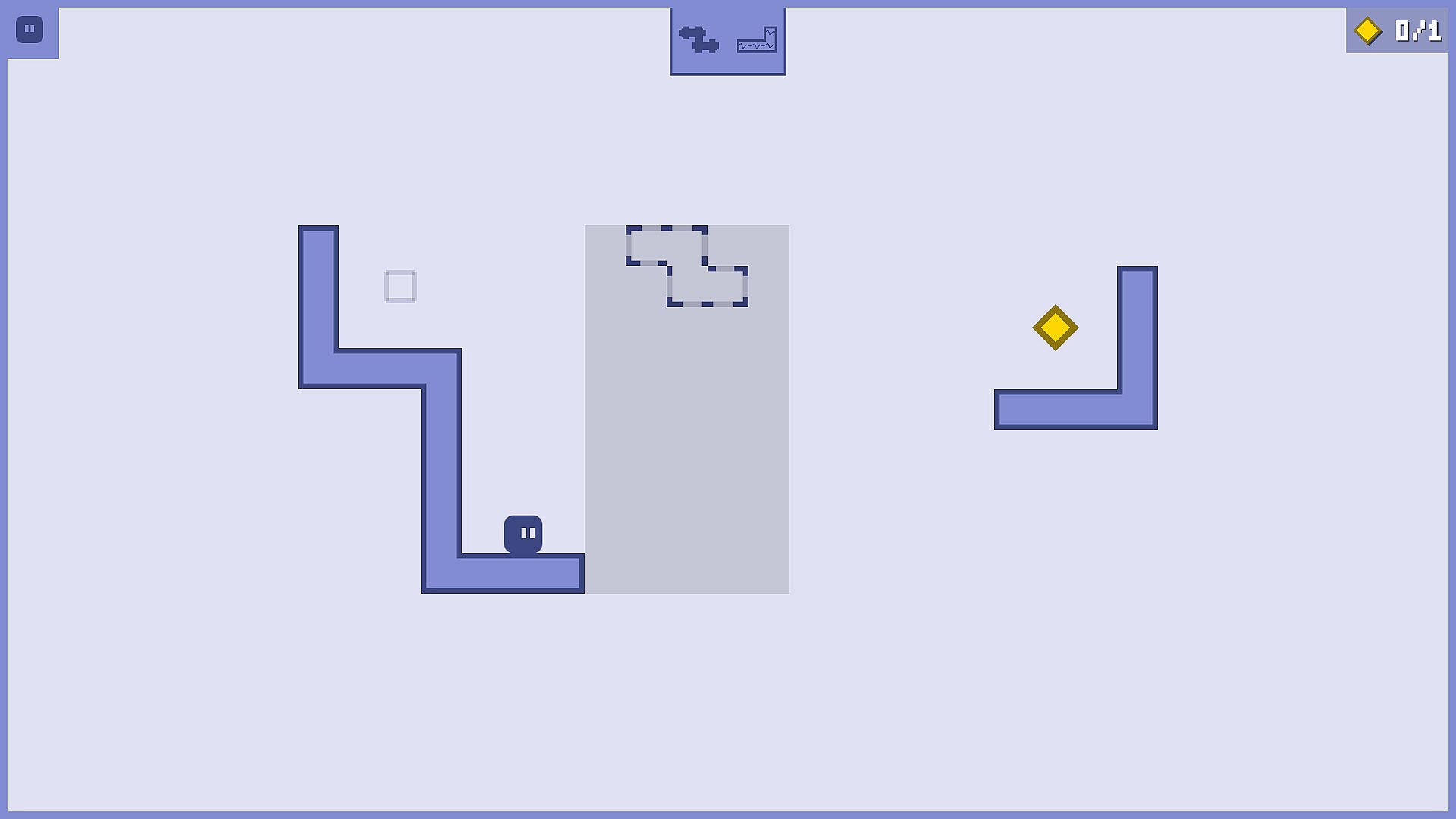
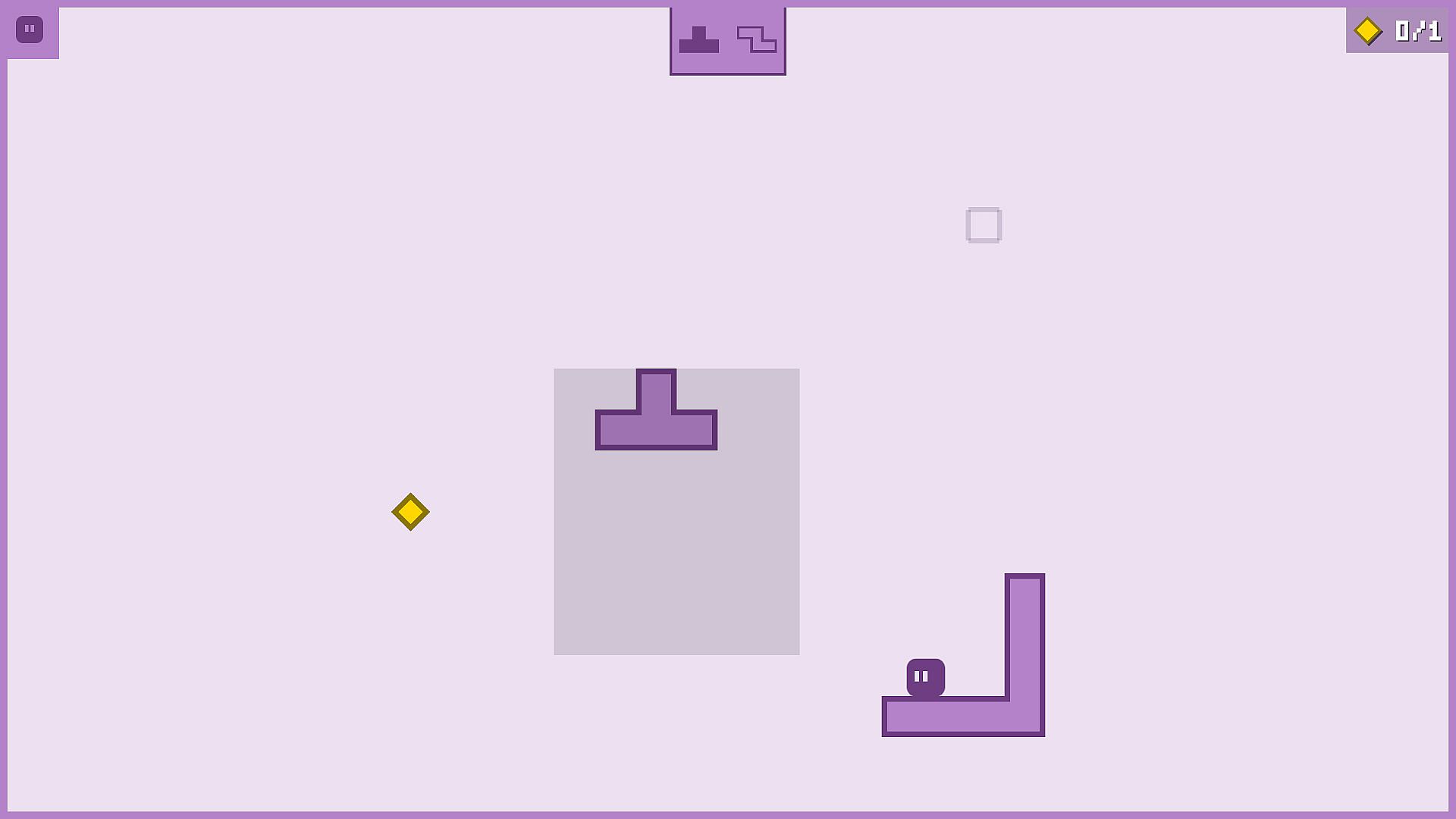
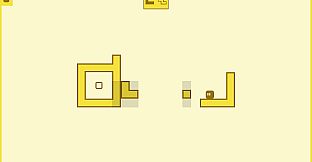
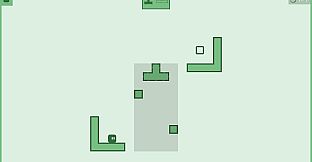
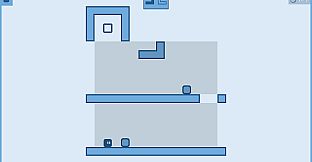
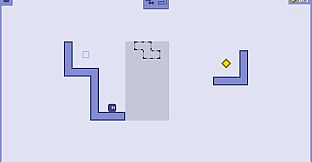
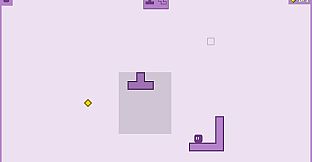
Platformino is an action, indie, and casual game for PC that blends precise platforming with puzzle mechanics built around dropping and arranging blocks. Players guide a character through enclosed zones by placing blocks to form paths, stepping on them to reach higher ground or bypass obstacles, and ultimately reaching a portal to complete each stage. The core loop rewards careful planning as blocks can be dropped within a defined area, allowing the character to climb or cross gaps that would otherwise block progress.
Gameplay
The central mechanic involves dropping blocks to construct routes through each zone. Once placed, these blocks become solid surfaces the character can stand on or jump across. As stages advance, walls and other barriers appear more frequently, forcing players to think several moves ahead. Completing a full line within a zone removes those blocks and causes the remaining ones in that area to shift downward, which can open new routes or clear the way past tall obstacles. This line-clearing system adds a layer of strategy similar to arranging pieces to create openings rather than simply stacking them indefinitely.
Each of the 133 stages builds on previous concepts with gradually increasing difficulty. Early levels focus on basic path creation and simple line completions, while later ones introduce tighter spaces, more complex barrier layouts, and timing considerations for block drops. Players are encouraged to pause and observe the layout before committing to placements, since a single misplaced block can trap the character or force a restart. The design emphasizes thoughtful progression over speed, suiting those who enjoy methodical puzzle solving within a platforming framework.
Game Modes
The primary experience unfolds across the full set of 133 stages in standard play. Progression moves chapter by chapter, with new mechanics and block types introduced regularly to keep the challenges fresh. These gimmicks vary by section and require players to adapt their block-dropping and line-clearing tactics accordingly.
Zero Gravity Mode serves as an alternative option for those new to platformers or facing particularly tough puzzles. In this mode, blocks remain suspended after being dropped instead of falling automatically under gravity. This change reduces some of the physical simulation pressure and lets players focus purely on positioning and path building. Note that enabling Zero Gravity Mode disables achievements, making it a practice or accessibility tool rather than a replacement for the main challenge.
Stages and Progression
With 133 stages total, Platformino offers substantial content that scales in complexity. The gradual difficulty curve means players can spend time experimenting on each level without feeling rushed. When stuck, the game supports a deliberate pace where observation and trial placements help uncover solutions unique to each layout. New block types and environmental interactions appear across chapters, expanding the toolkit available for path creation and line management.
Success depends on understanding how line completions interact with the surrounding geometry. Clearing a line not only removes blocks but shifts everything downward, potentially connecting previously separate areas or lowering barriers. This interplay between placement, stepping, and clearing forms the heart of the experience and encourages multiple attempts to refine approaches.
Is It Worth Playing?
Platformino appeals most to players who enjoy single-player puzzle platformers that reward spatial reasoning and patience. The combination of block dropping, line clearing, and portal-reaching goals creates a focused loop that grows more intricate over its 133 stages. Those comfortable with indie casual titles that mix light platforming with puzzle elements will find the mechanics engaging, especially as chapters introduce fresh gimmicks.
The inclusion of Zero Gravity Mode broadens accessibility for newcomers or anyone preferring reduced gravity simulation. Overall, the game suits individuals seeking a thoughtful, self-paced challenge on PC rather than fast-paced action or competitive elements. Its structure supports repeated playthroughs to master stage solutions or experiment with different block arrangements.













