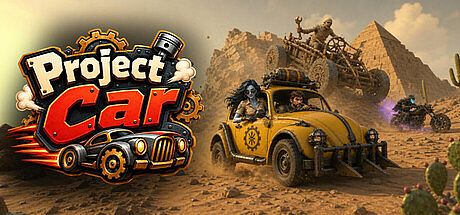



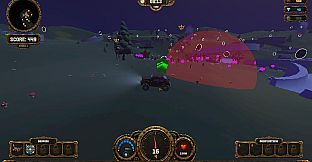


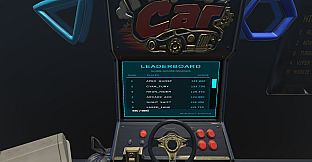
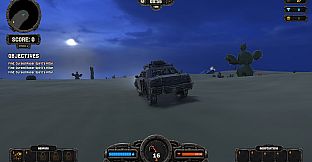
Project Car is a single-player 3D survivor-like game that combines arcade vehicle handling with the build-crafting systems common in modern action and simulation titles. Players control a customizable vehicle across runs where driving mechanics directly influence combat effectiveness against waves of enemies. The experience emphasizes momentum, precise maneuvering, and loadout experimentation on PC.
Gameplay
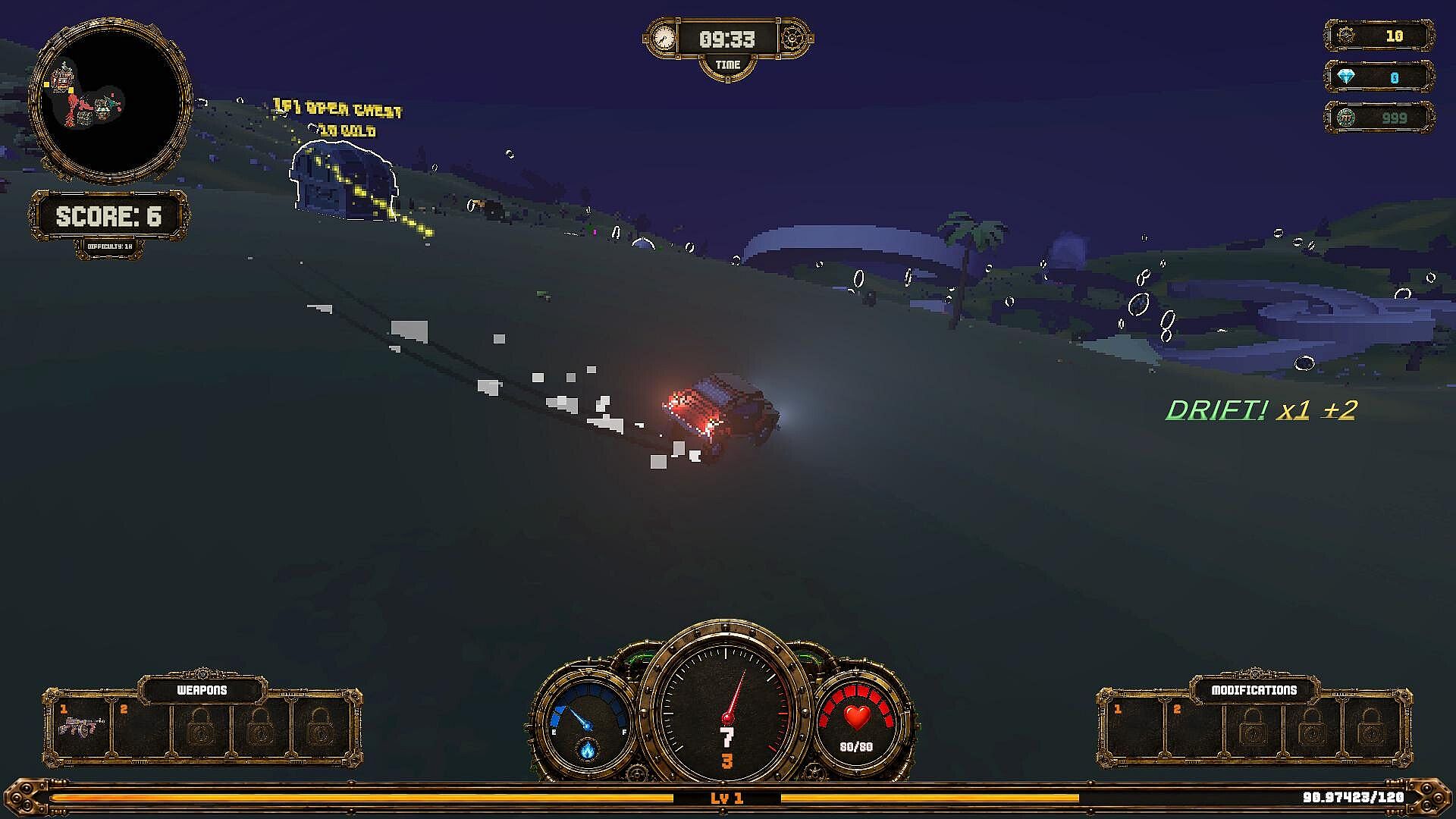
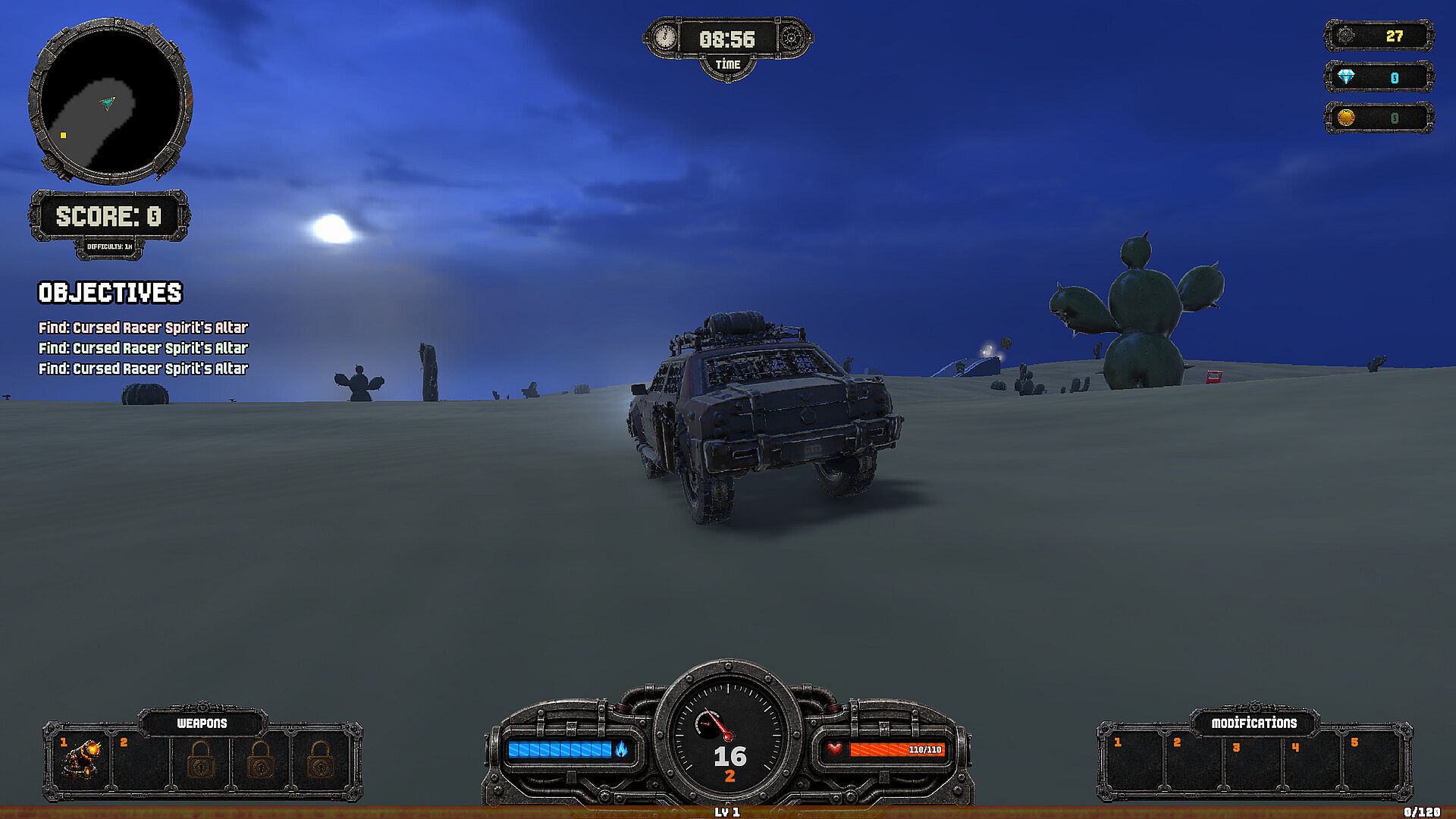
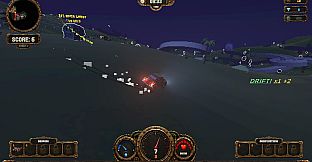
Core movement relies on physics-based driving that includes custom suspension, steering adjustments, handbrake drifts, nitro boosts, dashes, flips, and air control. These systems turn the vehicle into both transportation and a weapon. Maintaining speed allows players to slip through enemy groups, reposition quickly, or deliver impact damage with the chassis itself.
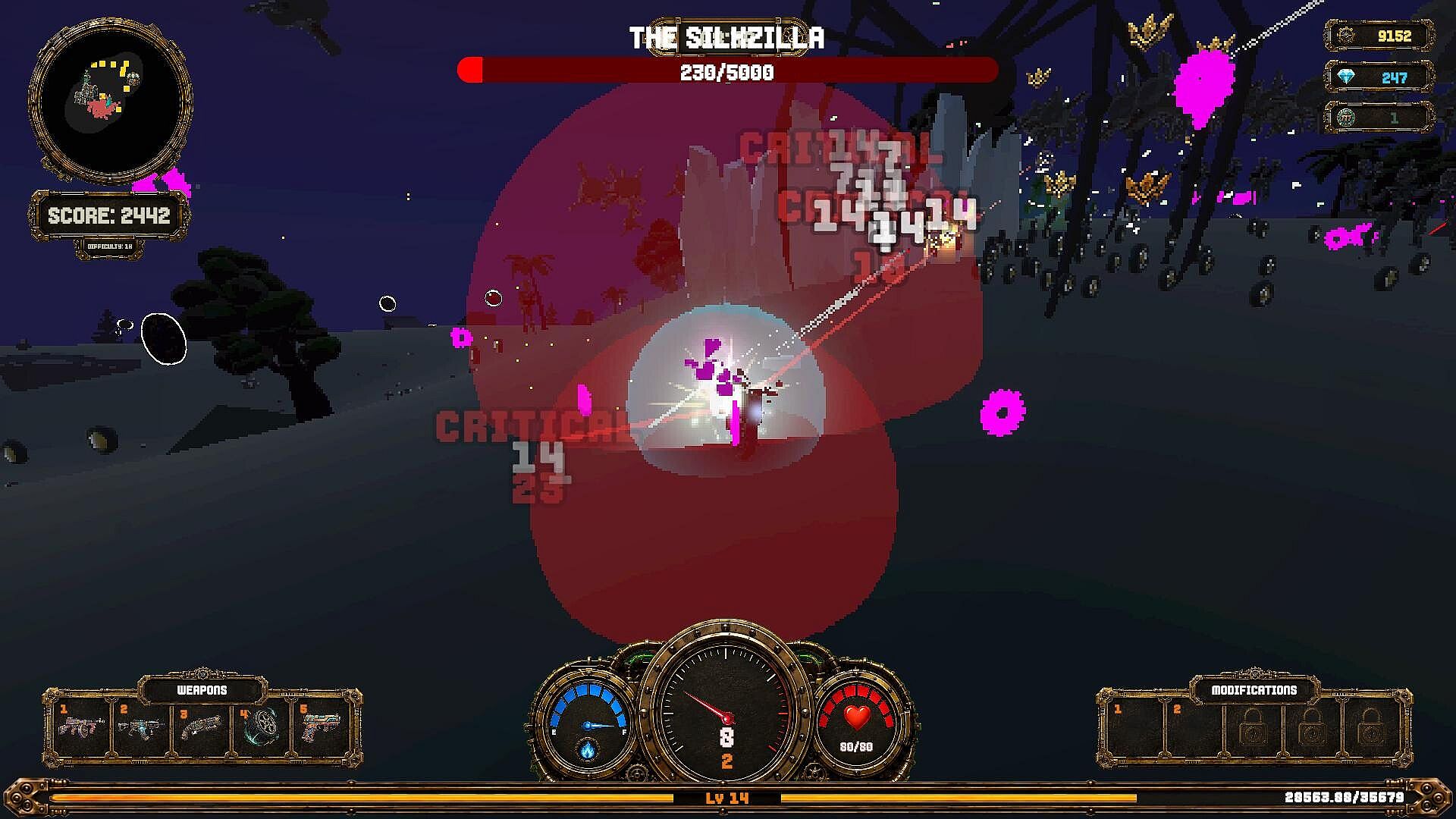
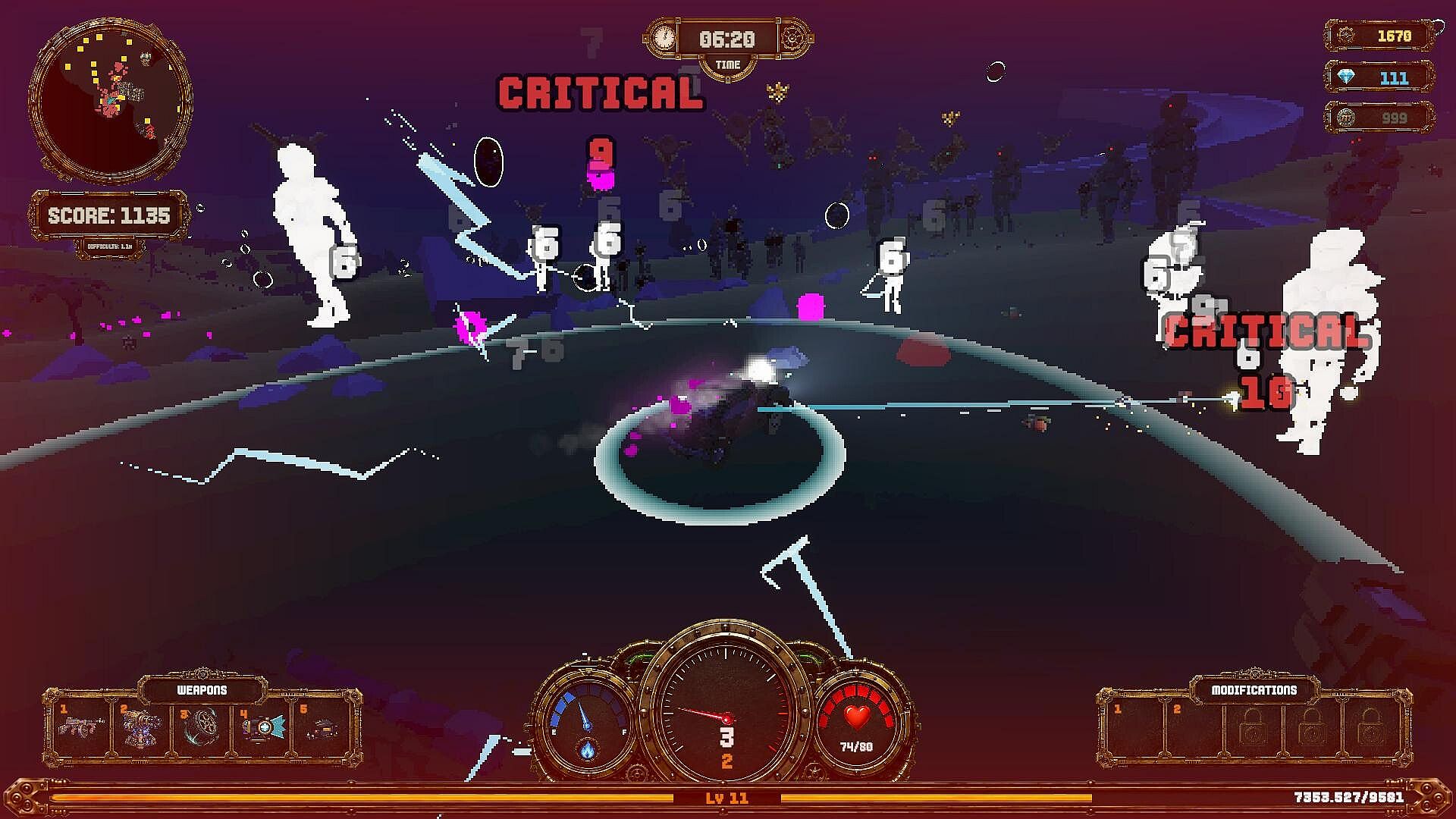
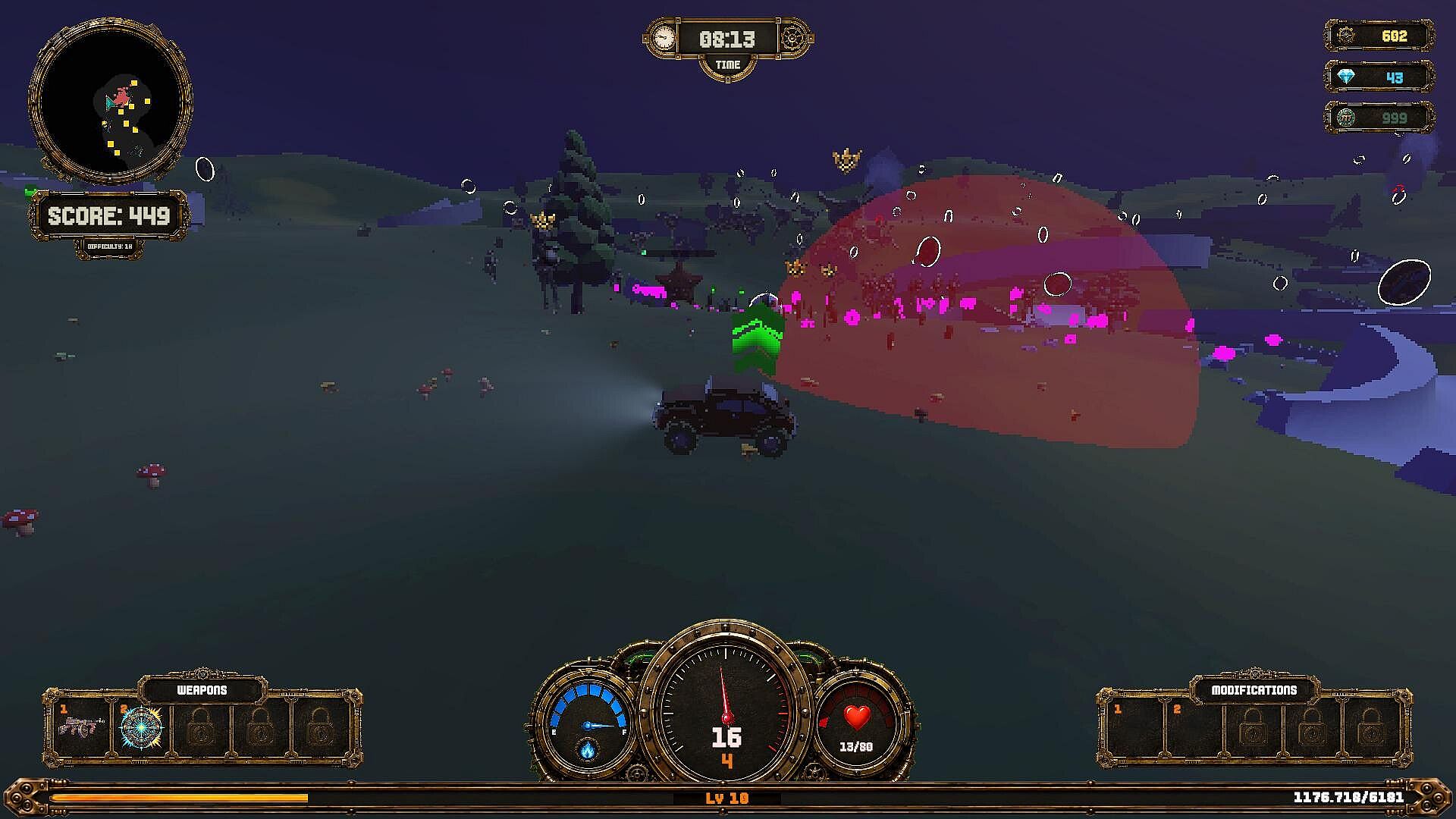
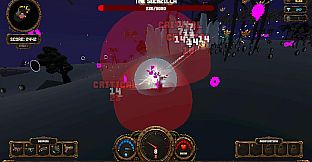
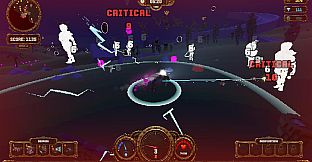
Combat integrates directly with driving. Players collect upgrades during runs that modify ranged weapons, area magic effects, trail-based attacks, melee tools like bumper blades, summons, turrets, repair drones, shields, and vehicle stat improvements such as handling or durability. Oil slicks and spike strips add environmental hazards that the car can deploy or exploit. Every decision around speed, drift timing, airtime, and positioning affects survival as enemy pressure escalates through waves, elites, and bosses.
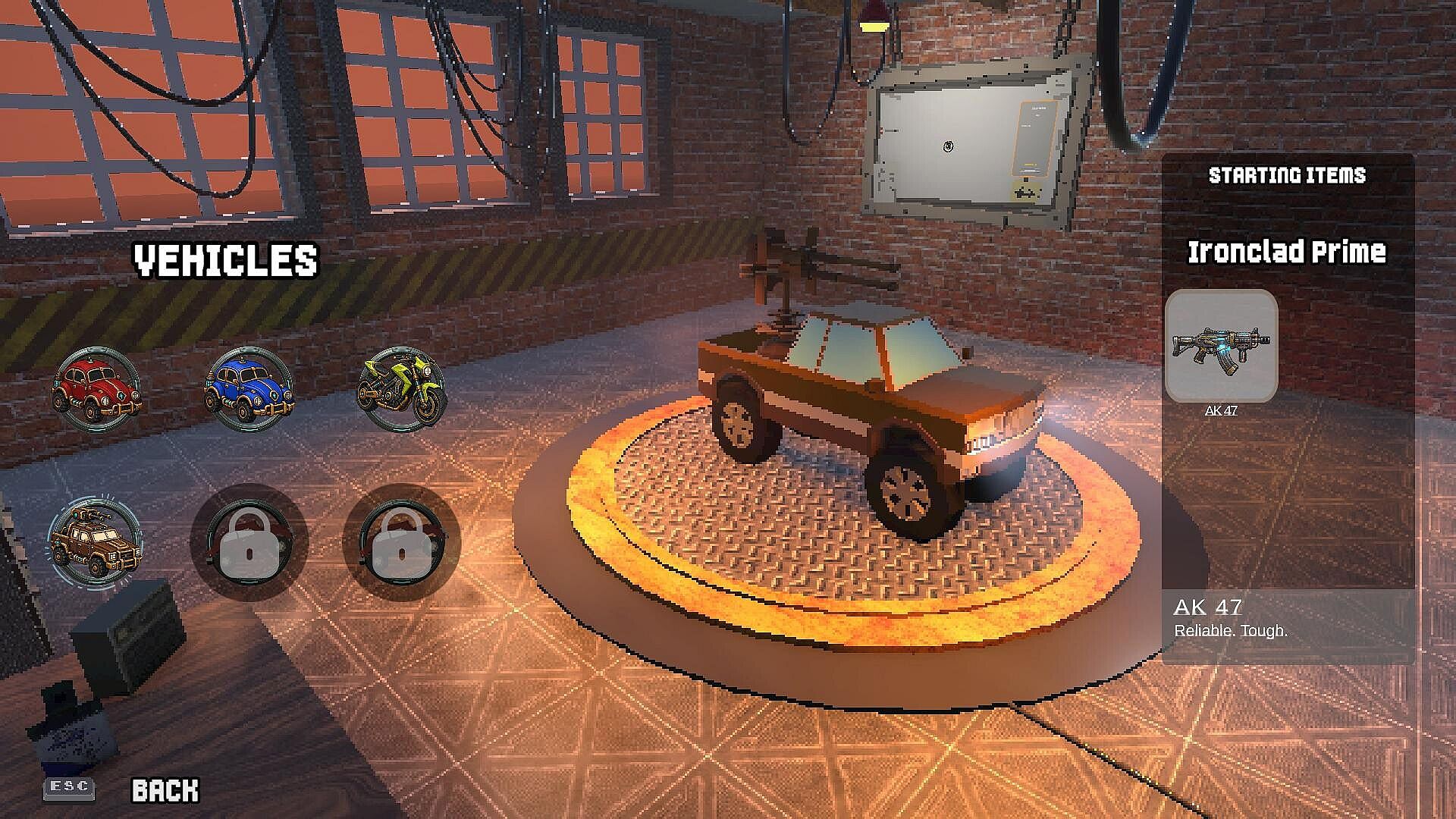
Pickup items and chests provide immediate power spikes, while the overall loop rewards aggressive yet controlled movement. The game supports multiple vehicle archetypes including cars, trucks, and motorbikes, each with distinct handling profiles that alter how builds perform.
Game Modes
The primary experience consists of survivor-style runs. These sessions feature escalating enemy waves, elite encounters, boss fights, resource pickups, and chests. Runs end when the vehicle is destroyed, after which collected rewards feed into meta progression.
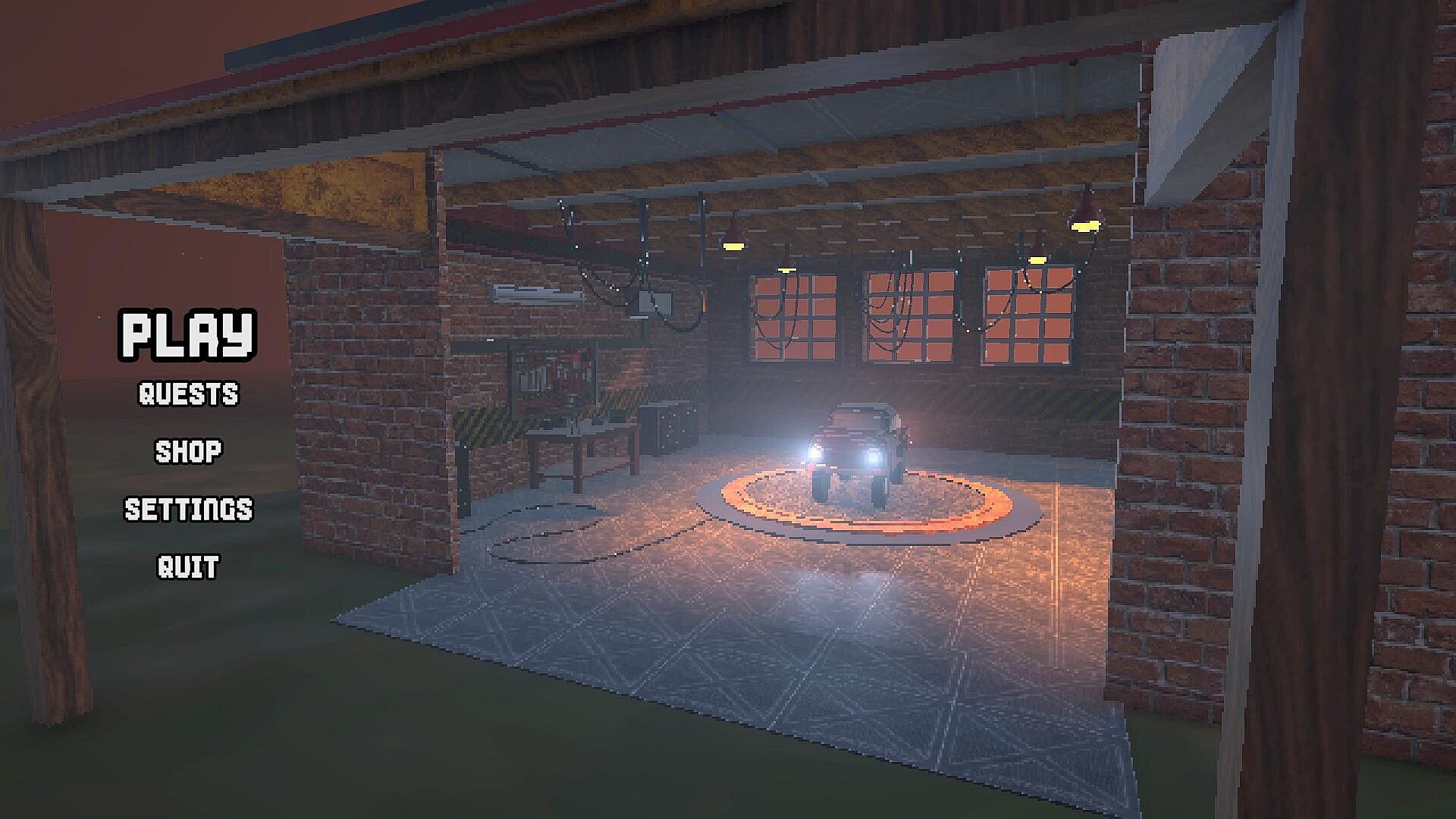
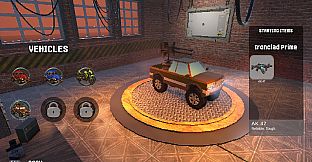
Meta progression occurs outside individual runs through quests, diamond currency, unlocks, and permanent garage upgrades purchased from the main menu. This system lets players refine their starting options and vehicle capabilities across multiple attempts without altering the core run structure.
Build Crafting and Vehicle Variety
Loadouts form around distinct paths that blend offensive tools with defensive and utility options. Ranged bullets pair with magic area effects, while trail weapons and melee impacts encourage close-quarters driving. Summons and turrets provide automated support, and repair drones plus shields extend run length. Vehicle upgrades further customize suspension, boost efficiency, or overall stats to match preferred playstyles.
Archetype differences matter during runs. Cars offer balanced handling, trucks provide durability at the cost of agility, and motorbikes emphasize speed and quick turns. Players experiment with combinations to discover synergies between weapons, summons, and the car's physical capabilities.
Progression and Replayability
Each completed run yields resources that unlock new starting options and permanent improvements. Quests guide players toward specific goals, while diamonds serve as currency for targeted upgrades. The garage acts as the hub where players assemble and refine loadouts before launching the next attempt.
Replay value stems from the variety of build paths and vehicle choices. Different combinations of weapons, summons, and handling upgrades create distinct run experiences, encouraging repeated attempts to test new synergies against the same escalating threats.
Is It Worth Playing?
Project Car targets players who enjoy survivor games with an added emphasis on vehicle physics and momentum-based combat. The single-player focus and meta progression system provide a clear loop of experimentation, survival, and incremental improvement. Those drawn to arcade-style driving combined with build crafting will find the core mechanics align closely with the described systems. As the game remains in development with no released version yet available, interested players can monitor for launch to experience the full integration of driving skill and upgrade paths.