




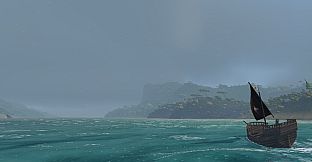
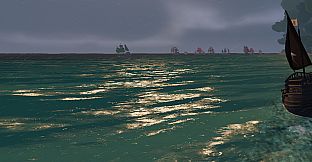
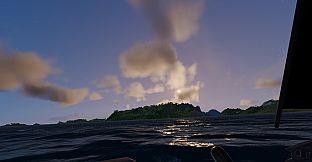
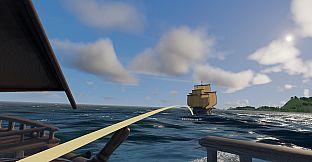
Project Seaborne is an RPG simulation adventure game centered on commanding a ship in an age-of-sail setting. Players start with a basic hull and limited funds on a fully circumnavigable globe that reacts to real wind patterns, wave physics, and changing weather systems over hours of play.
Gameplay
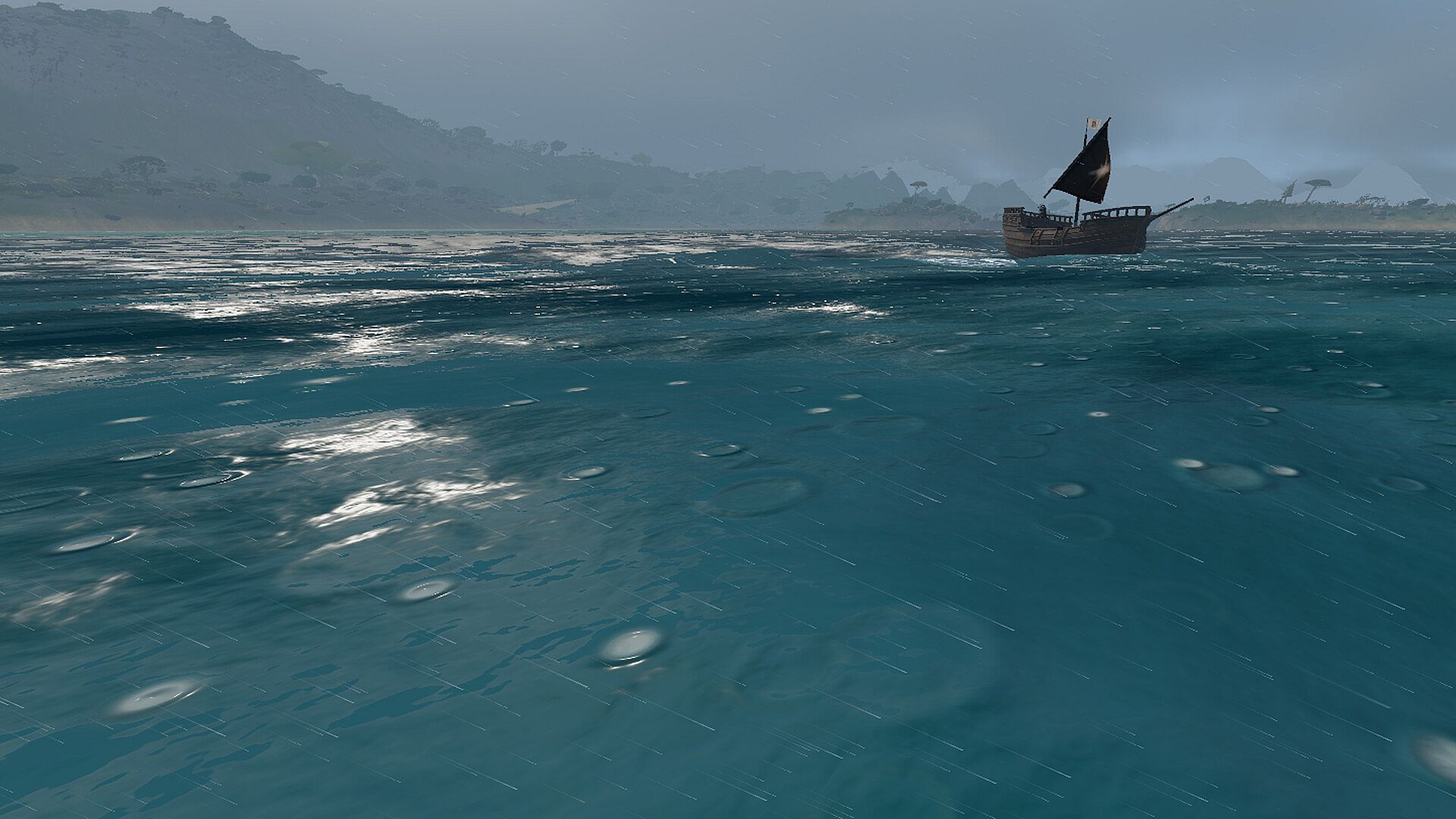
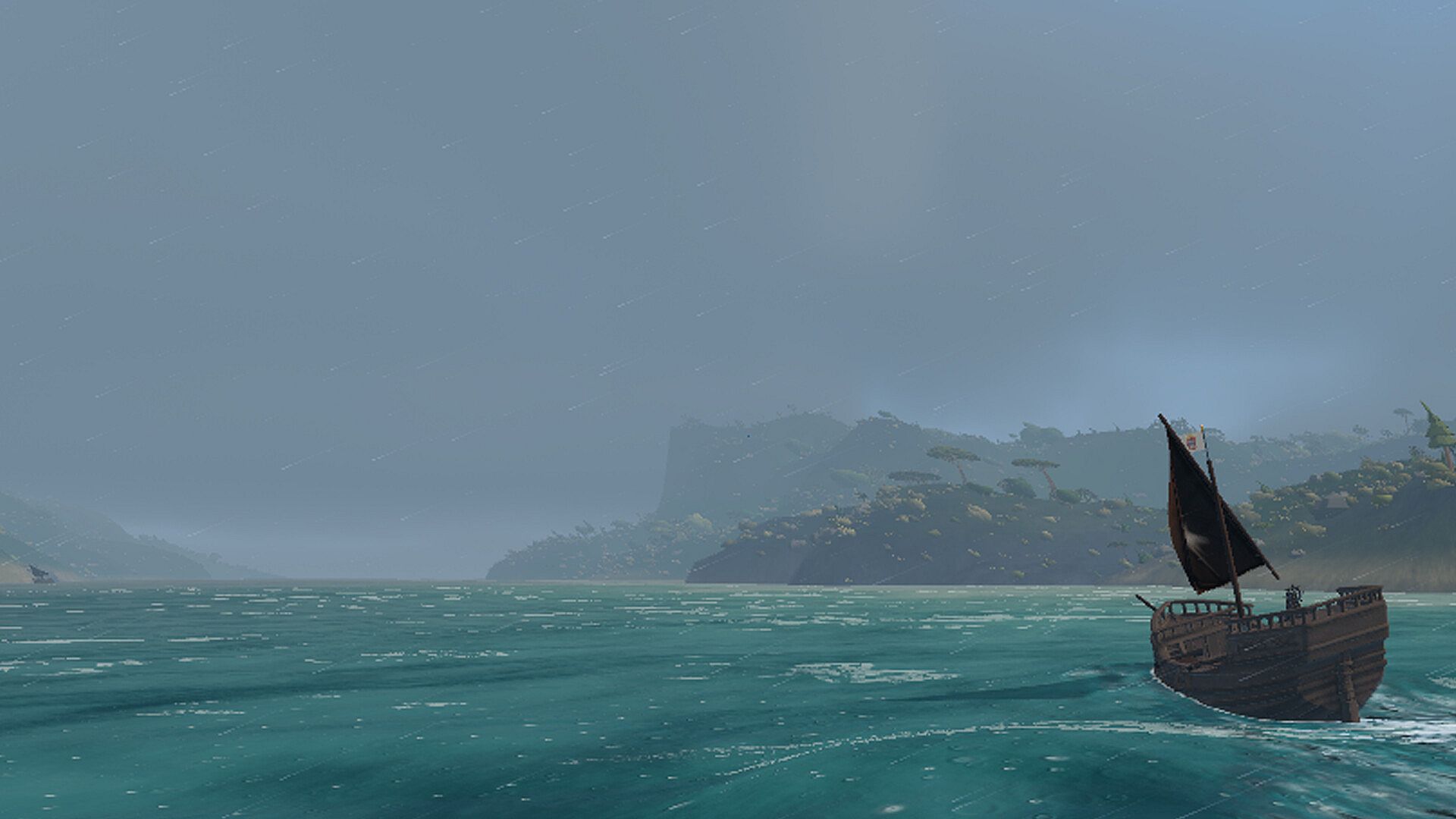
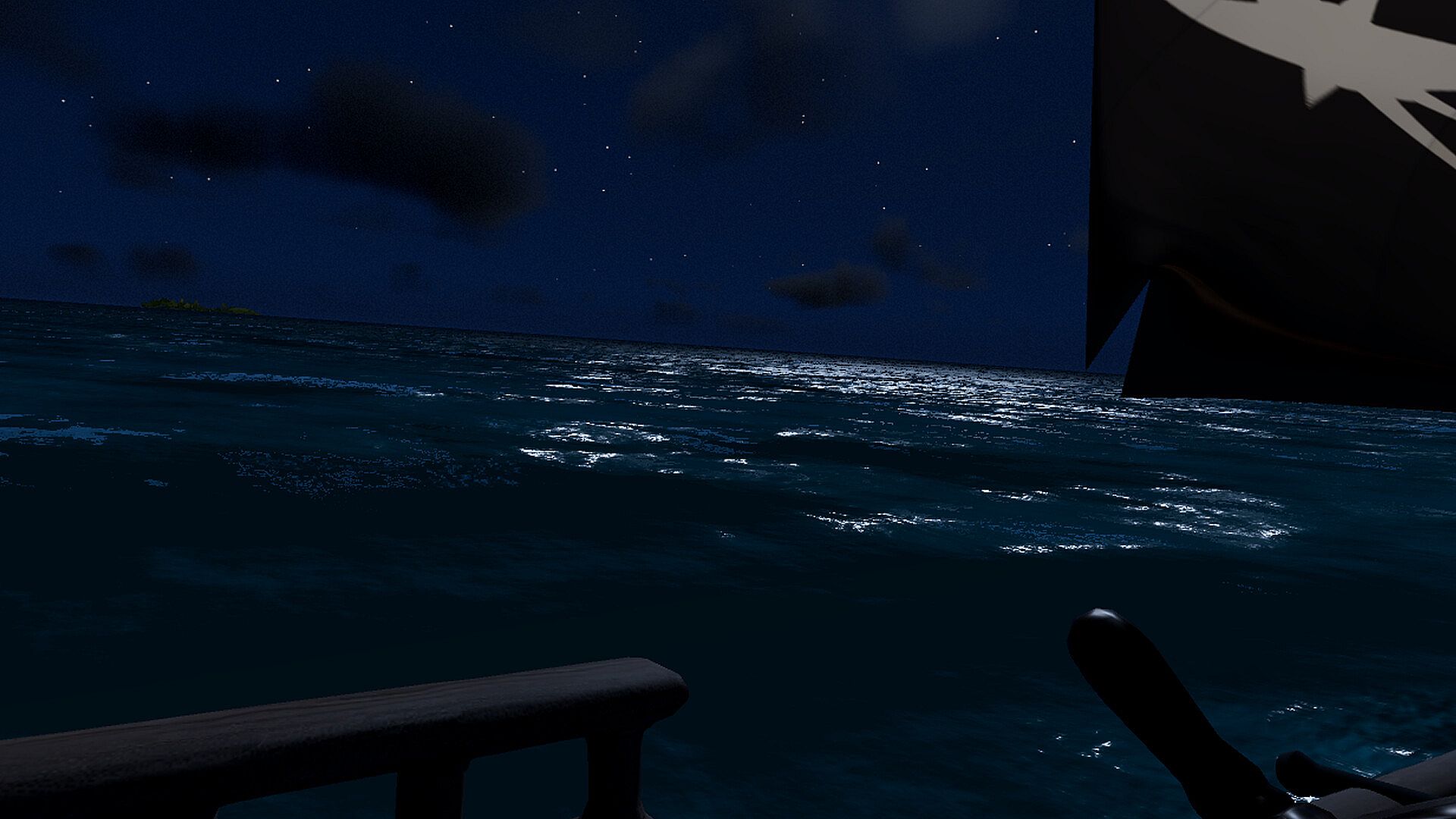
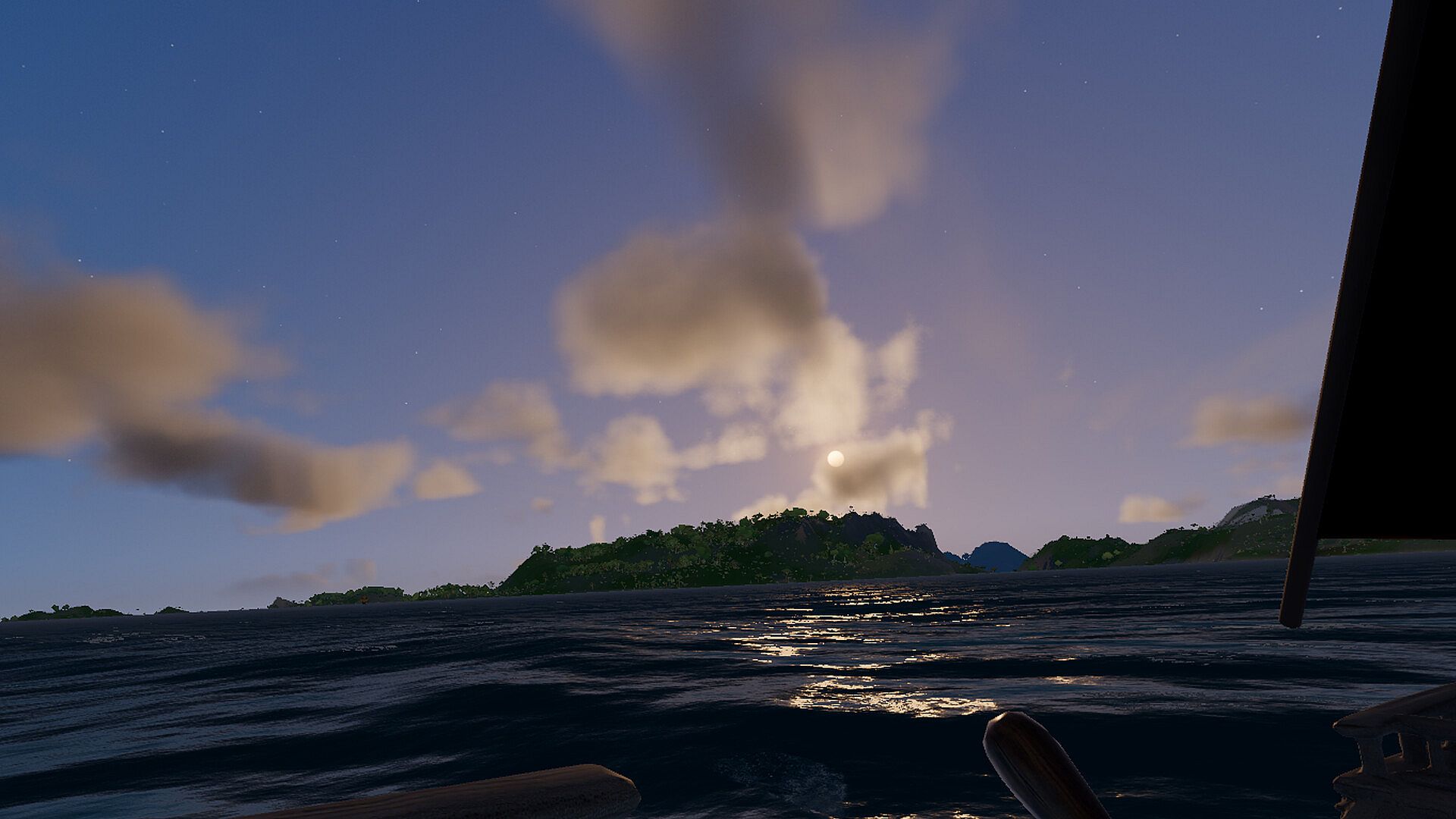
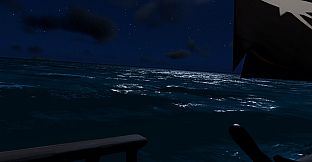
The core loop revolves around sailing, trading, combat, and crew management across a simulated ocean. Waves form based on wind strength, and a hull rides differently depending on whether it meets swells bow-on or beam-on. Every vessel leaves a wake that affects nearby ships. Navigation requires proper sail handling and tacking into the wind rather than direct routes. Weather shifts gradually, turning calm conditions into gales that demand quick decisions on canvas management. Night passages add risk based on visibility and captain choices.
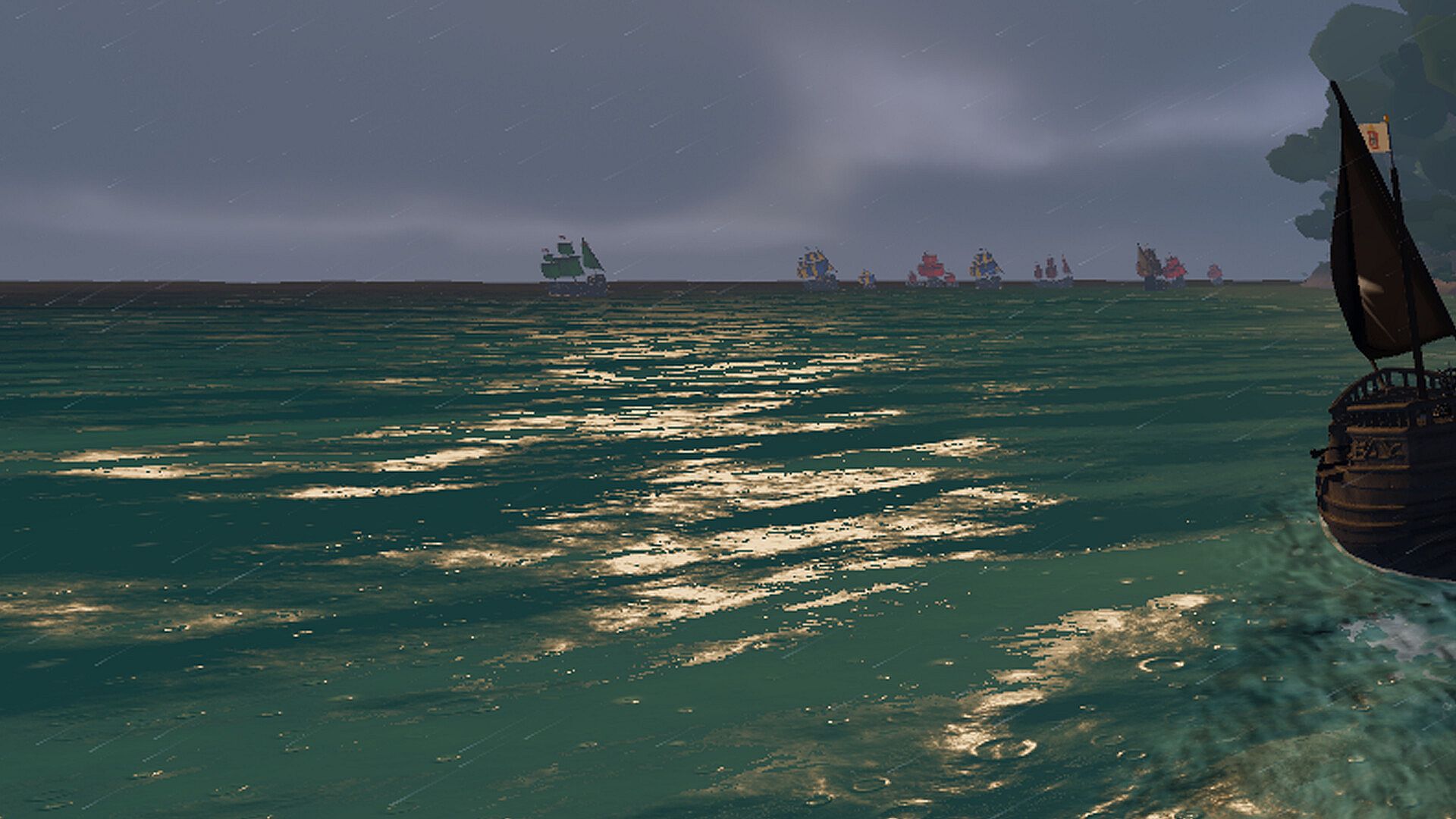
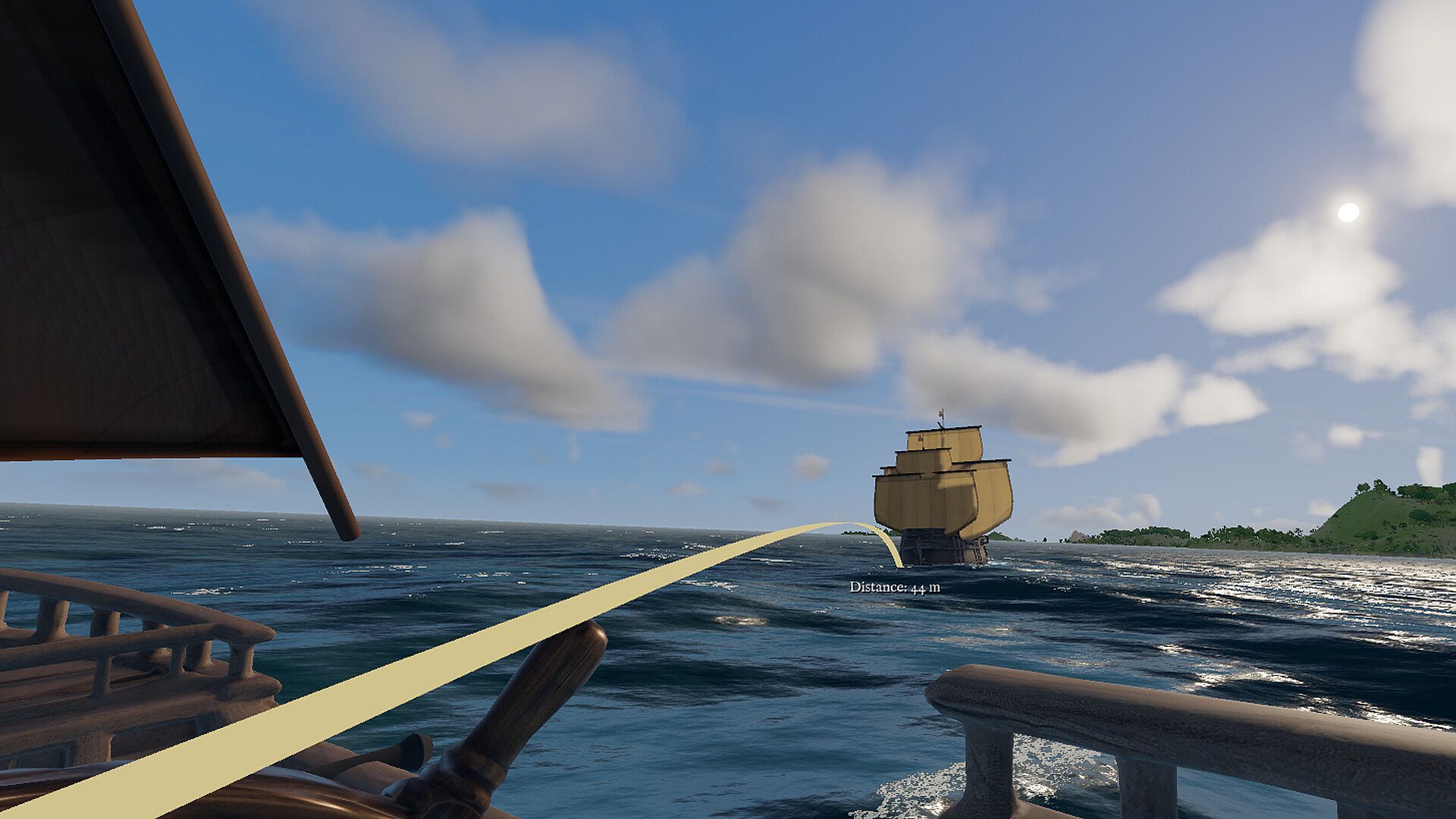
Combat places the player at the helm with control over gun elevation and shot type. Round shot targets hulls, chain shot damages rigging, and grape shot clears decks. Damage persists with flooding from below-waterline hits, reduced speed from torn sails, and crew losses that impair operations. Enemy squadrons coordinate attacks instead of lining up individually, and defeated ships can be boarded for prizes, plundered, or sunk. The world tracks aggressive actions.
Crew members require food and water, with morale declining from poor pay, harsh conditions, or extended voyages. Officers function as distinct individuals with skills and opinions that influence events. Inland rivers allow shallow-draft vessels to reach trade points inaccessible to larger ships. Marine life appears naturally, from dolphins in the bow wave to whales and orcas in colder waters.
Game Modes
Project Seaborne supports solo play or multiplayer sessions hosted through Steam where friends join a single shared world. One economy means sales by one player affect prices for others. The same merchant vessels and enemy squadrons appear across the group. Broadside exchanges register for every participant, and ship conditions display accurately on each screen. Friendly vessels cannot be targeted. In port, players can gather for games of Liar's Dice using in-game currency.
World and Progression
The setting includes seventeen distinct hull types ranging from sloops and pinnaces to galleons, East Indiamen, and a junk. Ships can be captured, purchased second-hand, or constructed at a yard with custom fittings, canvas colors, and pixel-painted house flags. A drafting table allows players to design hull lines and apply period paints. Trade follows supply chains where raw materials move to manufacturing sites and finished goods reach markets, enabling informed long-haul routes and warehouse storage for price shifts. A second ship can be placed under an officer's command for independent trading.
Seven callings-Trade, Battle, Carpentry, Discipline, Survivalism, Exploration, and Infamy-each offer skill trees with three branches. Choices lock in a captain's specialization without respec options. Reputation builds through actions, opening or closing opportunities at ports. Each port features unique harbor views and interior locations including trade houses, shipyards, and inns. Treasure maps use riddle clues without waypoints, curiosities gain value through distance, and estates can be developed plot by plot. Eventually a marriage and children who serve as officers lead to an heir inheriting earned stats.
Is It Worth Playing?
Project Seaborne remains in active development with no release date confirmed. The described systems emphasize realistic sailing physics, persistent damage, coordinated naval combat, and a living economy that responds to player and NPC actions alike. Those drawn to detailed age-of-sail simulation, open-ended captain careers, and optional co-operative voyages in one persistent world will find the core concepts align closely with that interest. Players seeking quick sessions or heavily scripted stories may prefer titles with established release schedules and review data. Wishlisting allows following further updates as development continues.












