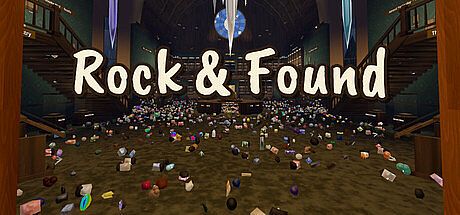


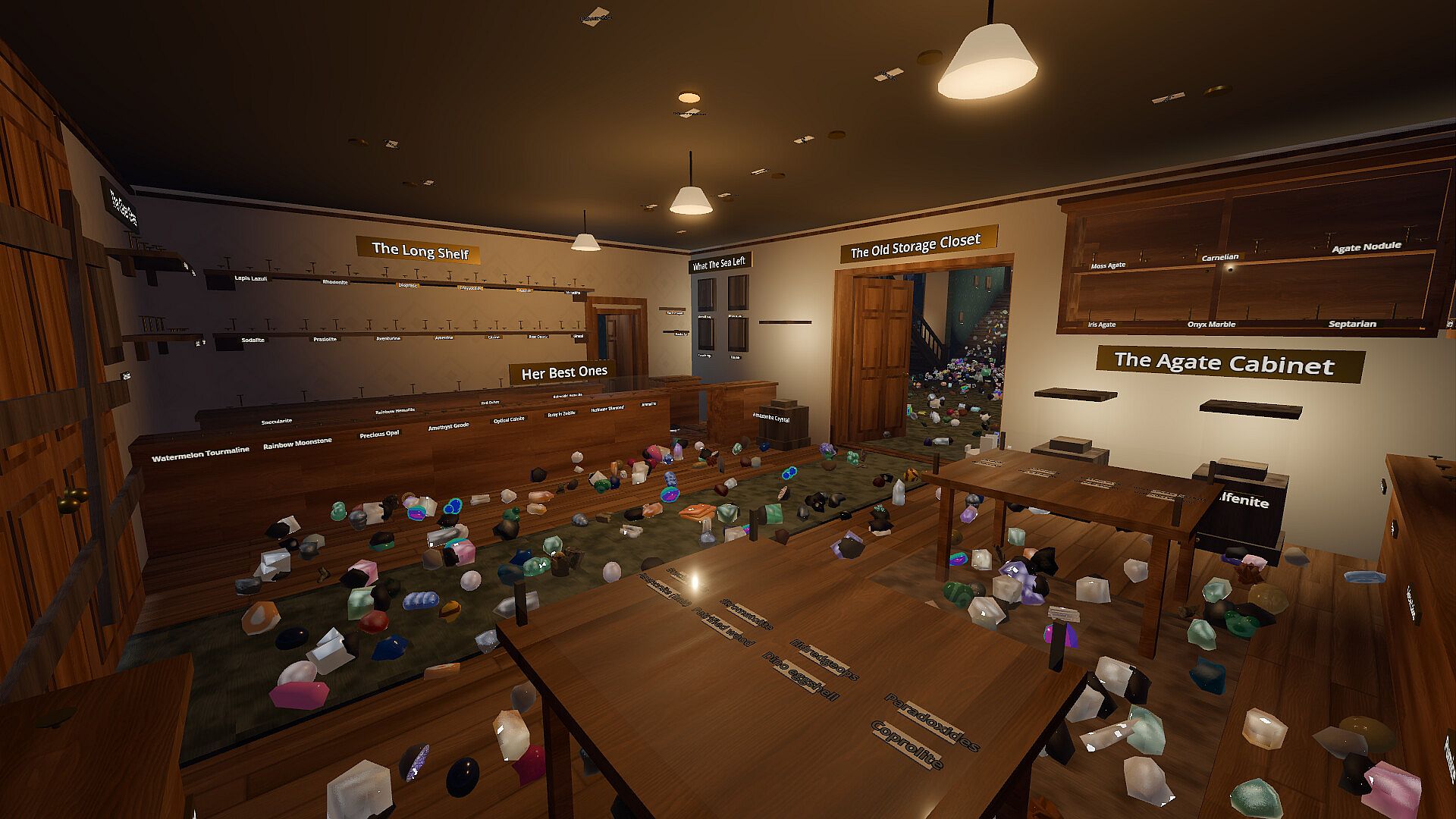
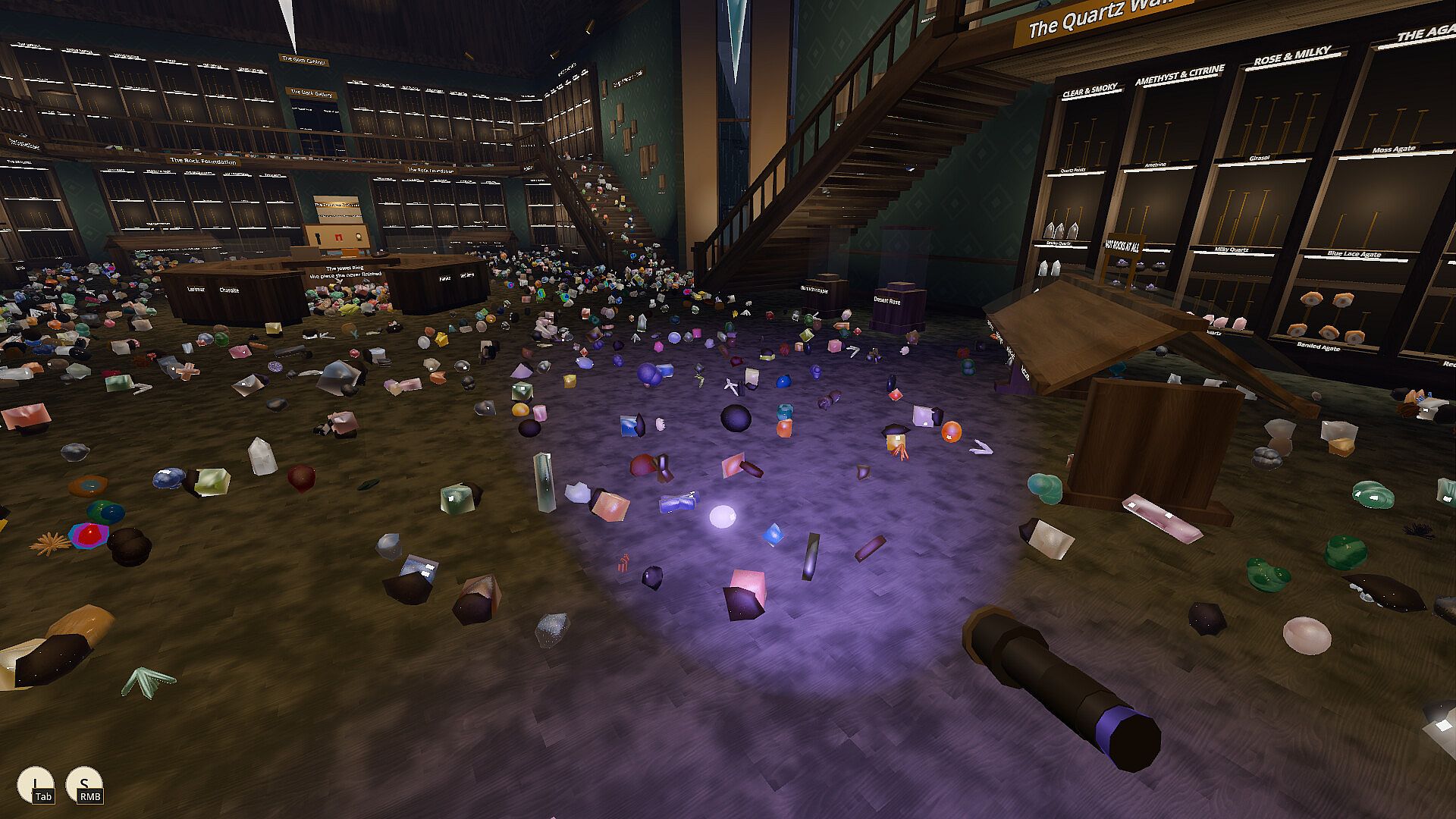
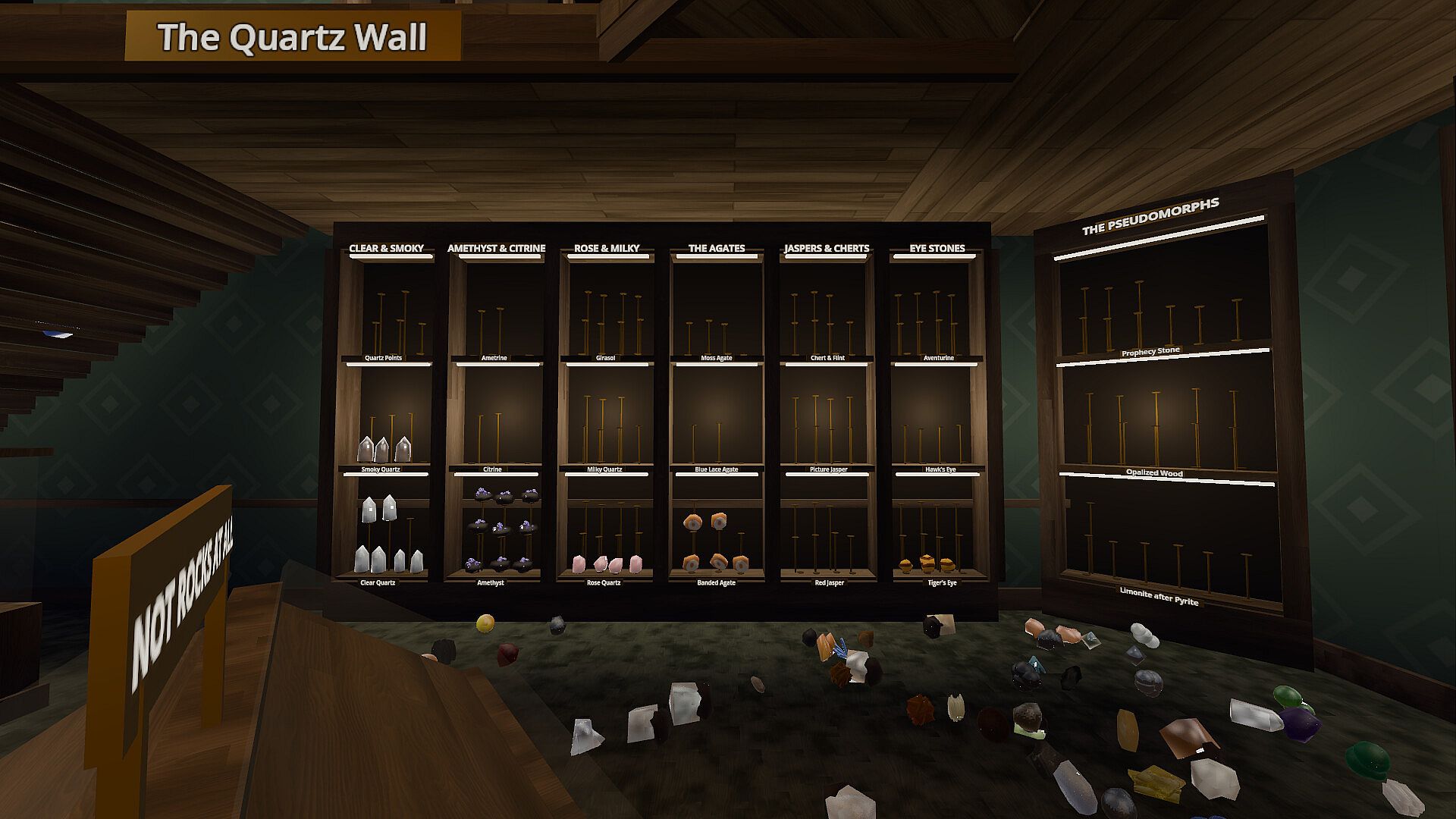
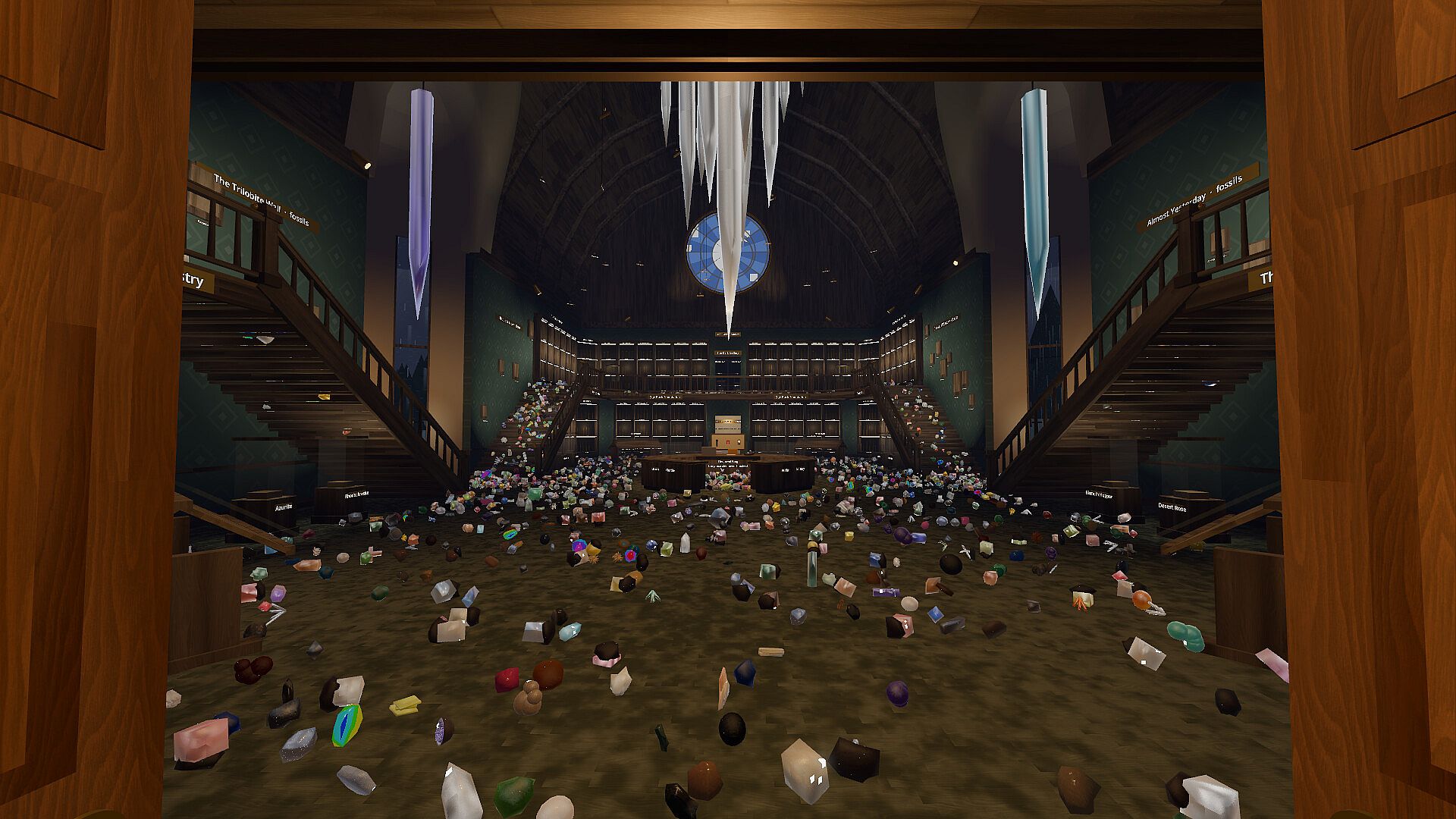
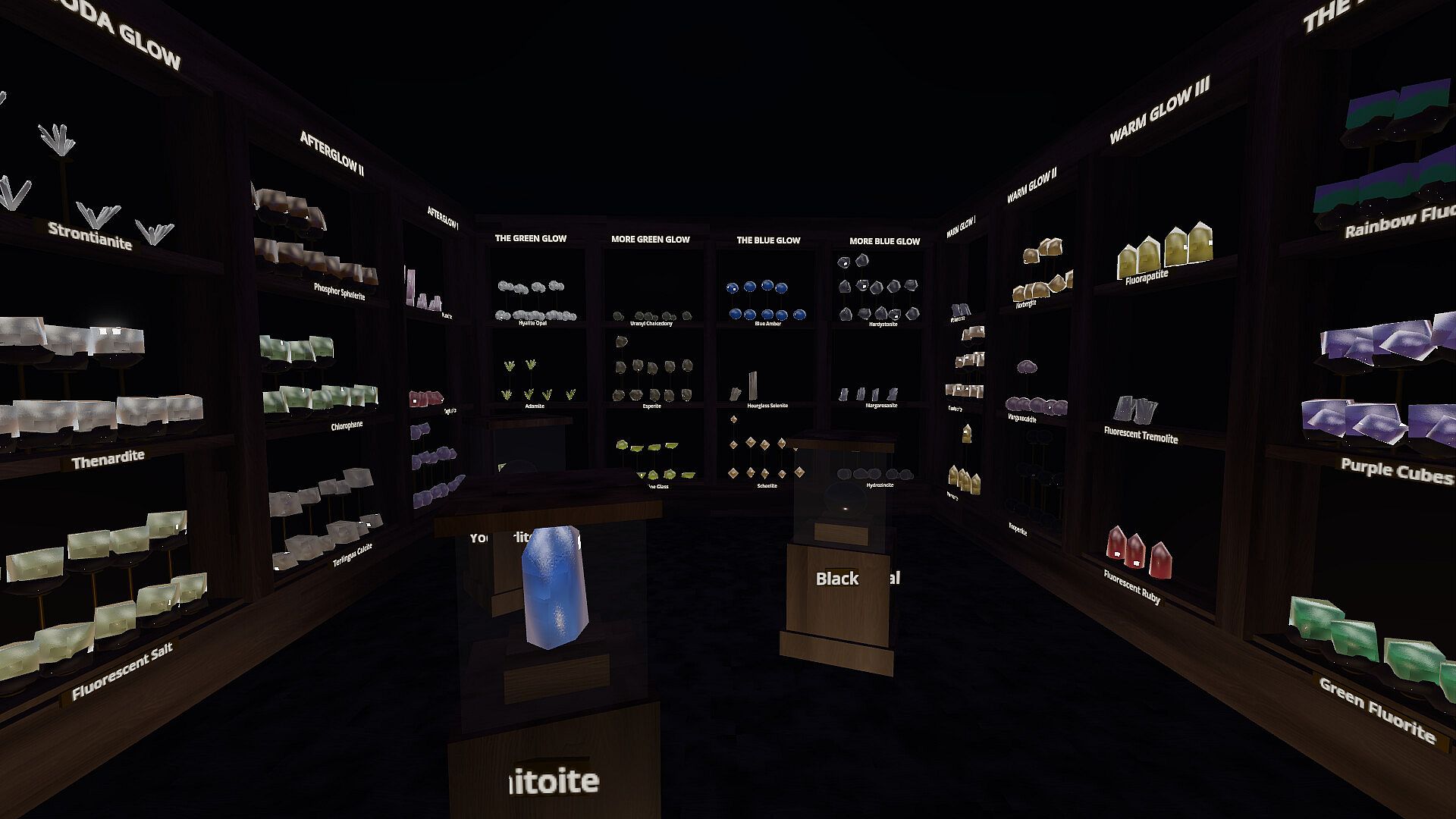
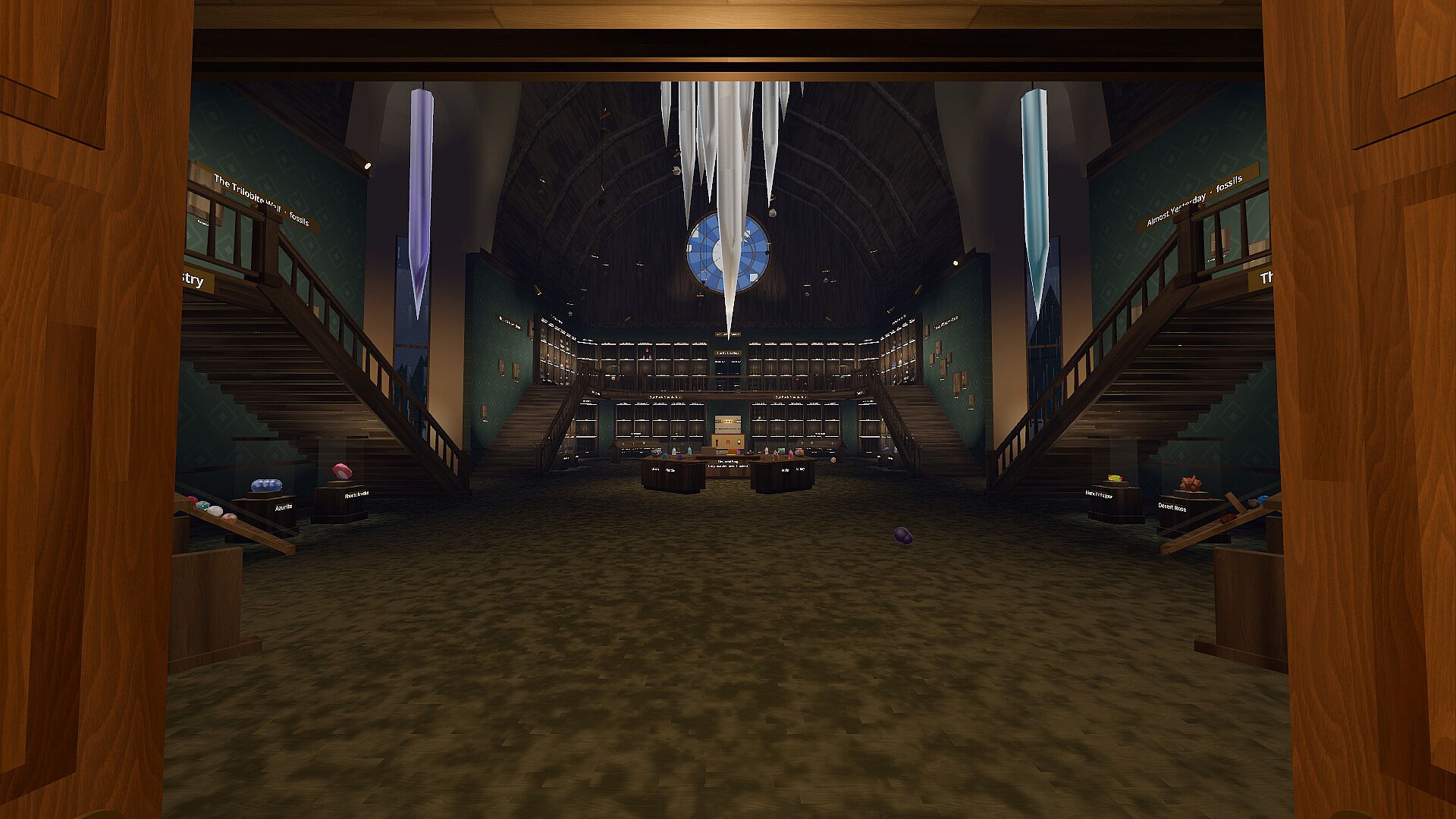
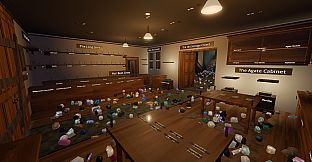
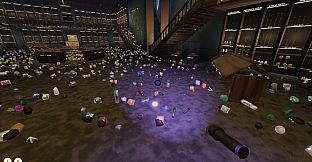
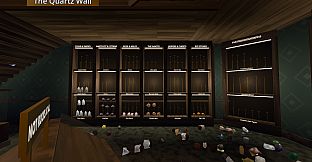
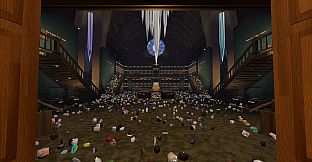
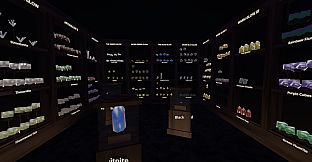
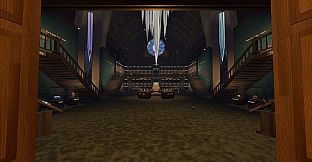
Rock and Found is a cozy first-person adventure game set on PC where players sort and identify rocks, minerals, and fossils as part of a personal inheritance story. The experience centers on cleaning up a large collection left by a family member, using real mineralogy techniques to determine each specimen and place it correctly on its shelf.
Gameplay
The core loop involves selecting a rock from a disorganized pile, examining it closely, and applying identification methods drawn from actual geological practices. Players test hardness by scratching the sample against fingernails, steel, glass, or quartz. They observe streak color on a porcelain plate, check reactivity through acid application, and inspect fluorescence under a UV lamp. Additional tools and observations help narrow down the exact type among hundreds of unique specimens.
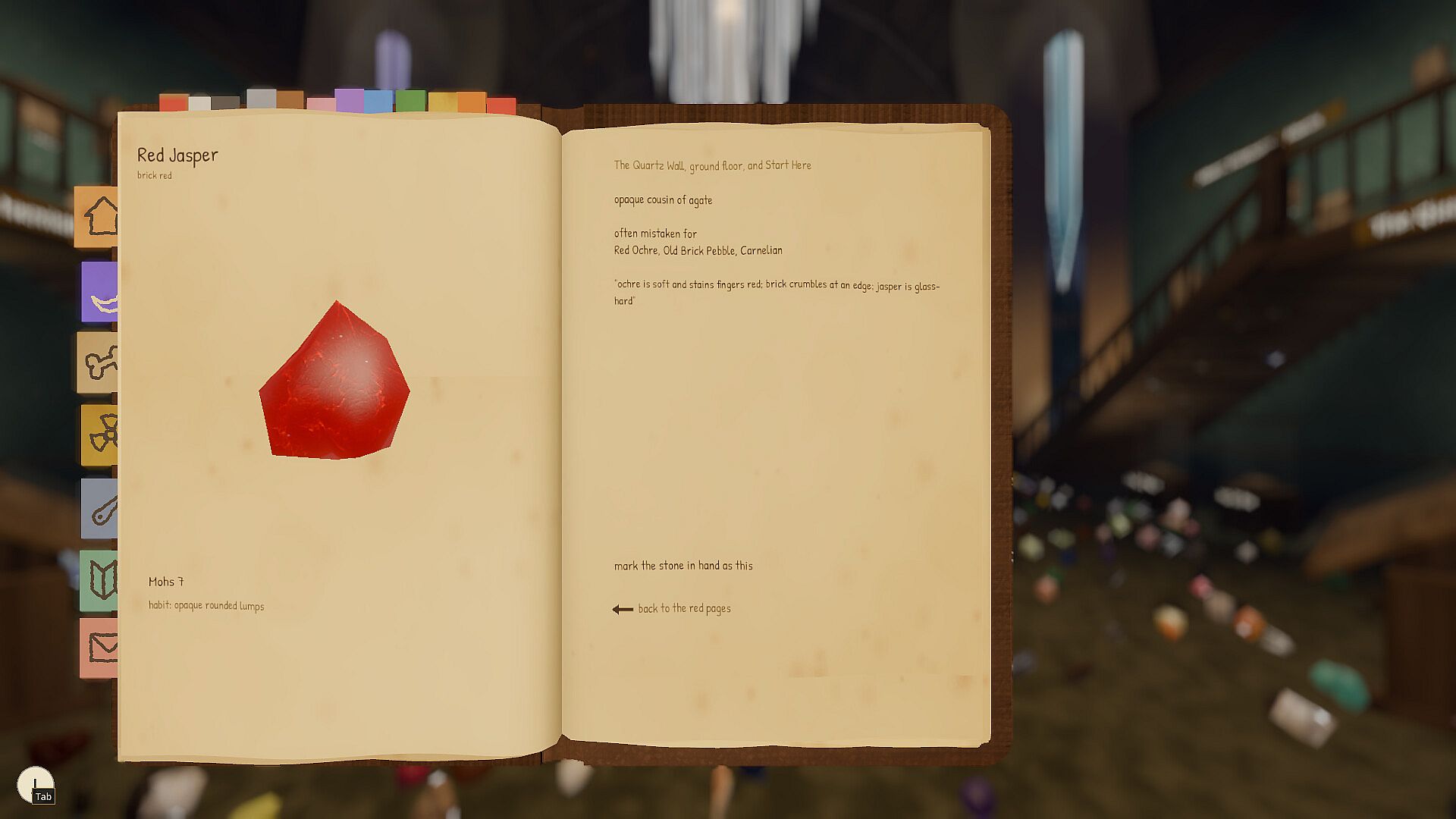
Progression ties directly to discovery. As more rocks are sorted and shelves fill, new journal entries and notes from Grandma Rose become available. These provide both practical identification guidance and background on the collection itself. The process emphasizes careful observation and deduction rather than speed or combat, creating a steady rhythm of examination, testing, and placement.
Controls remain straightforward throughout, allowing focus on the identification work. Every rock, mineral, and fossil in the collection receives individual handmade treatment with no AI assistance in assets or text. The setting unfolds in a single location centered on the inherited collection, with the narrative exploring themes of loss and family history.
Game Modes
Rock and Found offers a single-player experience built around its sorting and identification mechanics. There are no separate competitive or cooperative modes. The entire session follows one continuous progression through the collection, with the journal serving as the primary source of new information and structure. Players advance by uncovering and correctly placing specimens, gradually revealing more of the story and expanding their identification knowledge.
The design supports relaxed, uninterrupted play sessions. Sorting continues across multiple sittings without branching paths or alternate rulesets. All content remains accessible within this unified single-player framework, centered on completing the collection and learning its details.
Learning and Discovery
Identification skills build organically through repeated use of the provided tools and reference materials. Early specimens introduce basic visual cues, while later ones require combining multiple tests for accurate classification. The journal expands alongside the collection, offering targeted lessons on specific properties and historical context for certain rocks.
Fossils appear alongside minerals and standard rocks, broadening the range of identification challenges. Each successful placement reinforces the connection between observation, testing, and correct categorization. The handmade nature of every specimen ensures consistent detail and variety across the full set.
Is It Worth Playing?
Rock and Found suits players seeking a calm, methodical adventure with educational elements. The focus on real mineralogy tools and gradual learning through Grandma's notes creates an engaging loop for those interested in geology or cozy sorting games. The 10-plus hours of content provide substantial time for exploration without pressure.
The single-player structure and emphasis on careful deduction appeal to anyone who enjoys puzzle-like identification work paired with a personal story. Content warnings note themes of bereavement and family loss, which frame the collection's significance. With its handmade assets and straightforward controls, the game delivers a focused experience for those drawn to relaxing, detail-oriented gameplay on PC.