


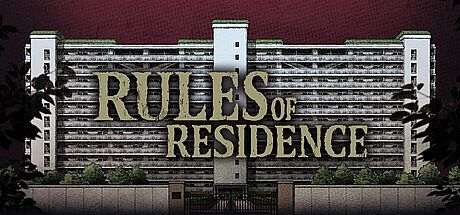






Rules of Residence is a simulation adventure game set in a single apartment block where players step into the shoes of a new mother elected to the residents committee. The title places heavy emphasis on weekly decision making inside a politically charged environment controlled by an authoritarian chairman. Every choice influences the daily lives of residents while balancing personal mental strain and long term block stability.
Gameplay
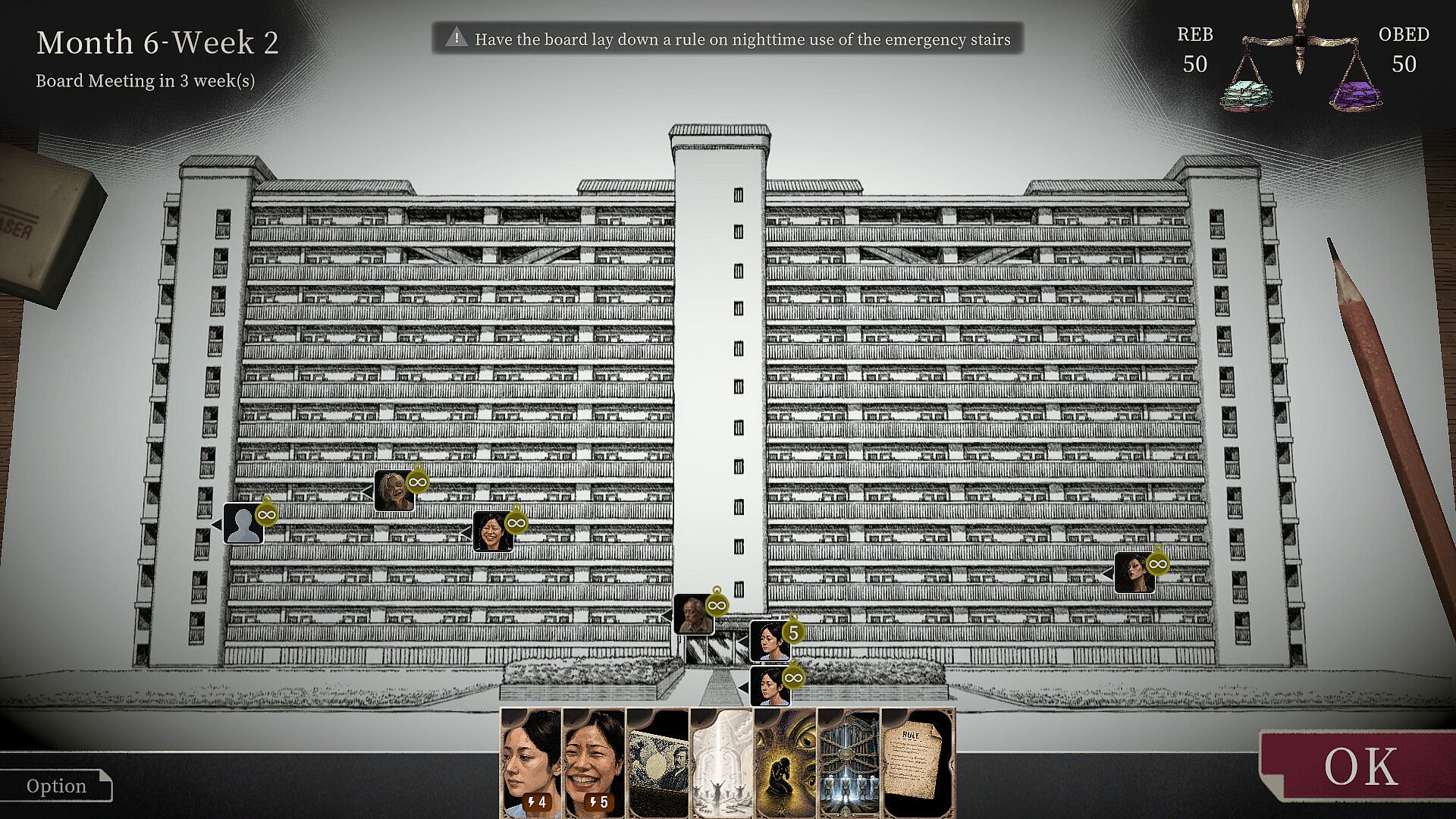
Core play unfolds across weekly turns in which the player makes exactly one decision. These turns cover the ongoing lives of residents and surface a steady stream of problems that exceed what any single person can address alone. Resources such as resident cooperation, information, and funds must be allocated strategically to resolve issues before they escalate. At the end of each month a board meeting occurs, forcing players to prioritize actions across the preceding weeks.
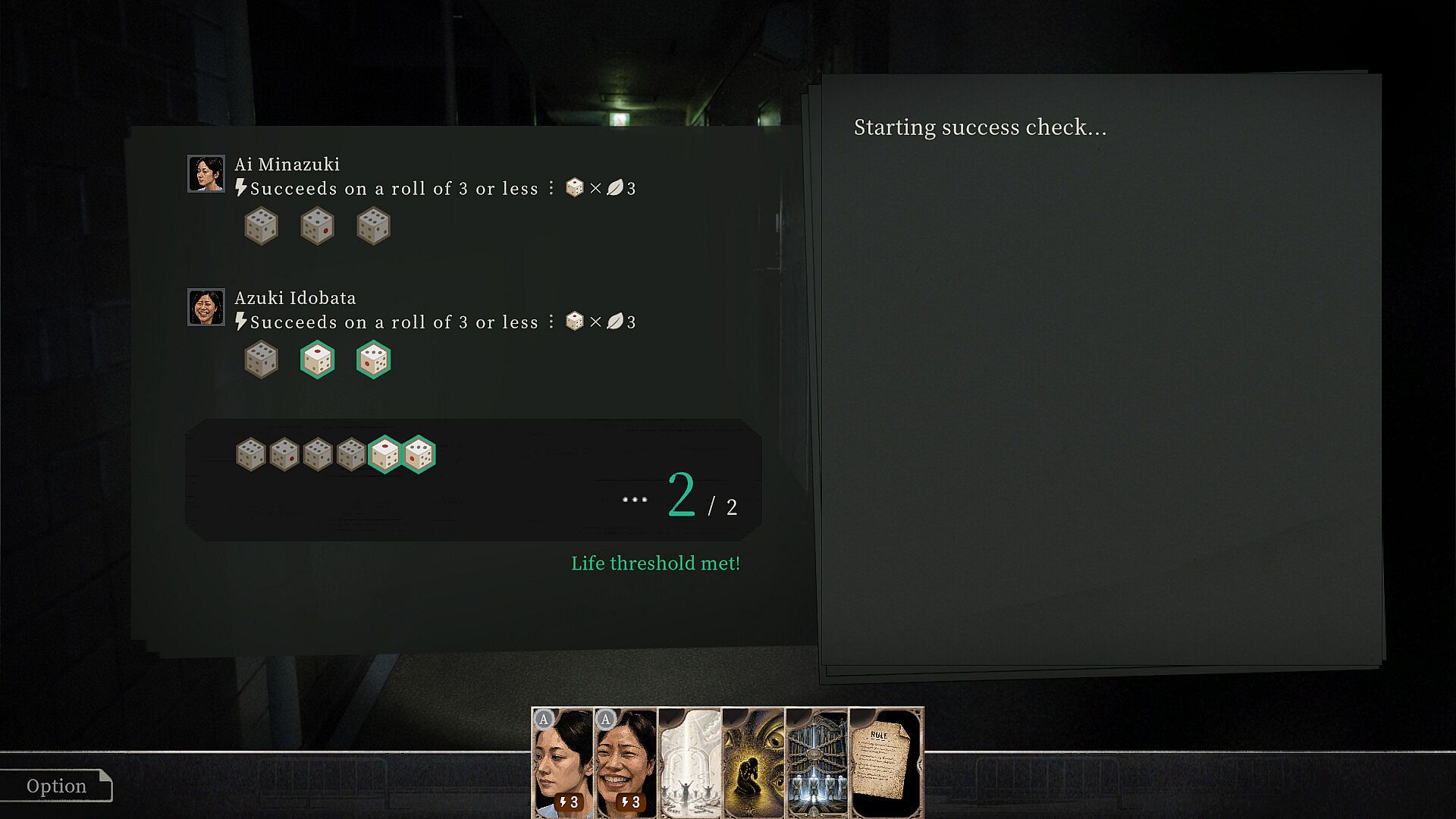
Events incorporate dice rolls whose outcomes depend on the assigned resident abilities and motivation levels. Successful resolutions improve living conditions or advance reforms, while failures compound existing tensions. The player character maintains a spirit meter that declines under sustained pressure; reaching its limit triggers a breakdown and ends the run. Connections formed with residents can mitigate this strain and open alternative approaches to problems.
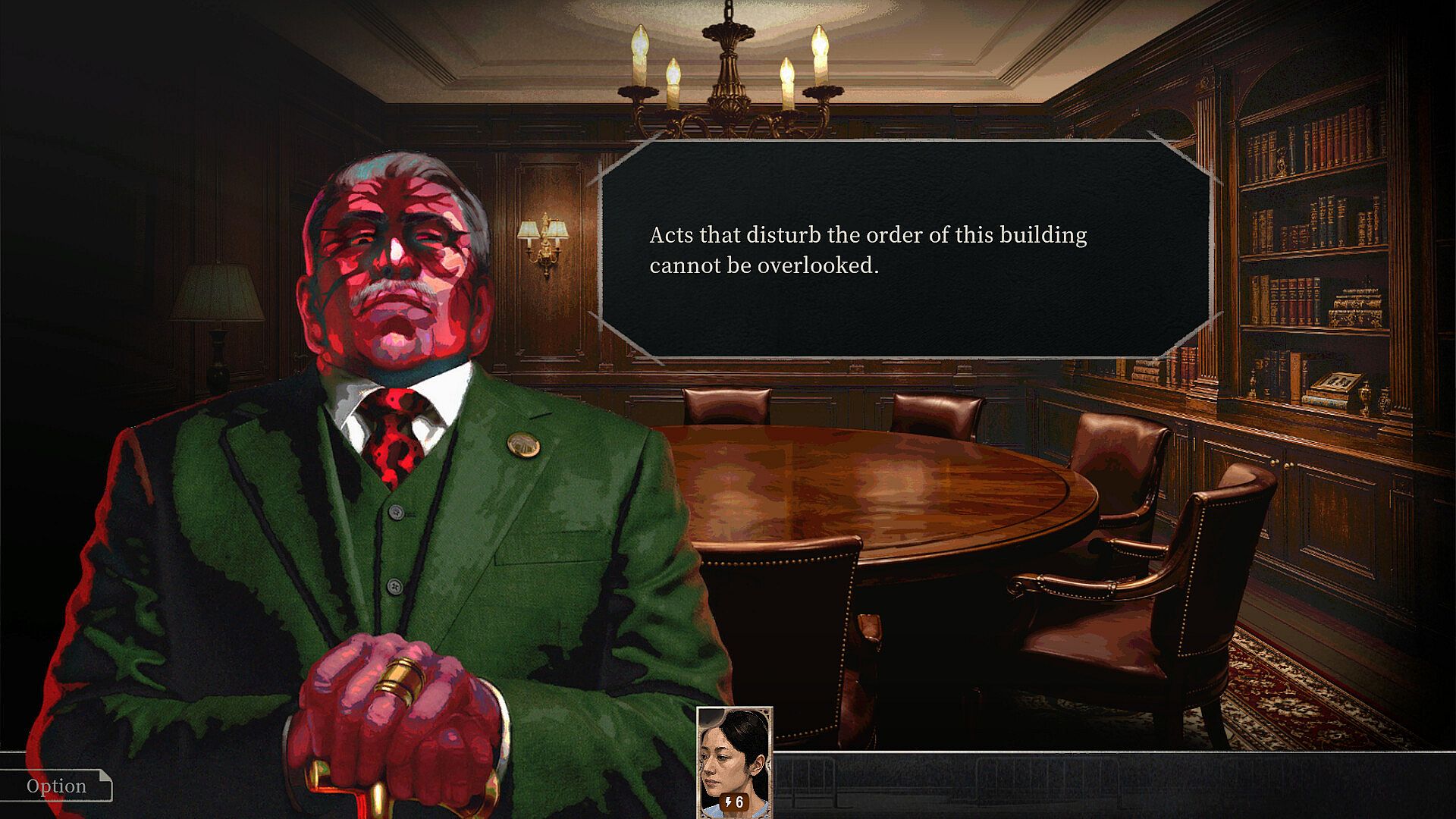
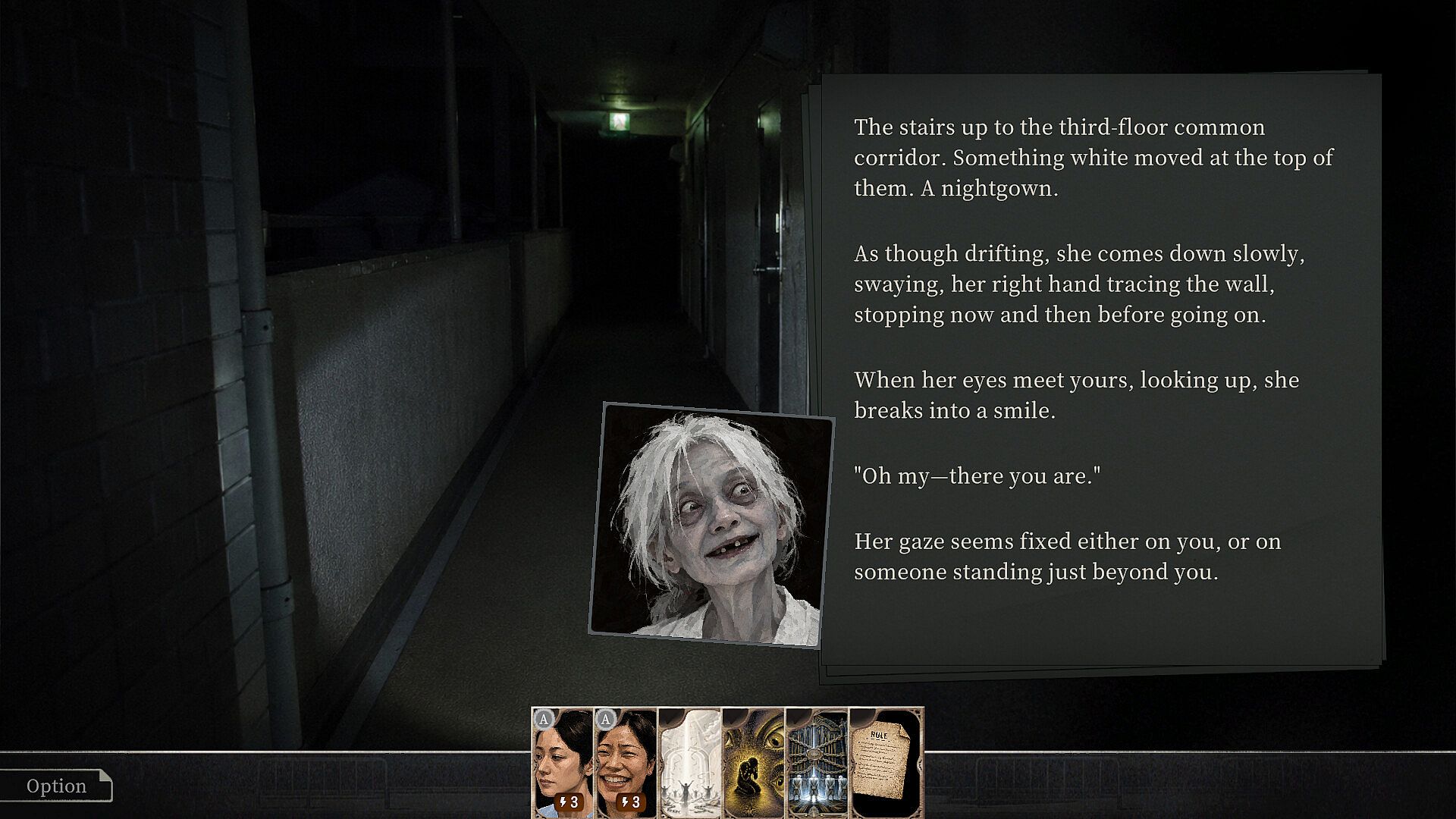
Authority mechanics allow direct enforcement of rules against disliked residents or extraction of resources for personal benefit. Reform paths instead emphasize gradual rule changes developed alongside resident input. Both routes generate ripple effects that alter relationships, block atmosphere, and available options in subsequent weeks. Unique artwork and text passages reinforce an unsettling tone filled with mysteries that surface through resident interactions.
Game Modes
The experience centers on a single player campaign built around the weekly decision loop and monthly board meetings. Branching narrative paths emerge from cumulative choices rather than separate selectable modes. Players may pursue an iron fisted approach that leverages absolute committee authority or a cooperative reform route that builds resident alliances over time. Multiple endings result from the specific combination of decisions made across the run, with no predetermined correct path.
Resource allocation and dice based events remain consistent throughout, creating a unified loop that rewards careful planning of limited weekly actions. The absence of additional modes keeps focus on the core tension between personal survival, resident cooperation, and block governance.
Story and Setting
The narrative follows a family of three that has taken on a thirty five year mortgage for their new home only to discover it operates under dictatorial rule. As the newly elected committee member the player navigates the gap between official authority and resident expectations. Every action contributes to shifting power dynamics inside the block while personal psychological limits test resolve.
Resident demands range from reasonable requests to outright unreasonable ones, and the game tracks accumulating discontent that can damage reputation if left unchecked. The setting incorporates an atmosphere of unease and hidden elements revealed gradually through text and visual presentation.
Is It Worth Playing?
Rules of Residence targets players who enjoy narrative simulation games centered on resource management, moral ambiguity, and branching consequences. The weekly one decision limit creates deliberate pacing that rewards thoughtful prioritization over rapid action. Those drawn to political or social management titles with psychological depth and multiple endings will find the described systems align closely with that preference.
Because the game remains in development with a planned 2027 release, current interest centers on the confirmed mechanics of turn based allocation, dice events tied to resident stats, and dual authority versus reform paths. A playable version is scheduled for Tokyo Game Show 2026, offering an early look at how these elements combine in practice. The single player focus and emphasis on consequence driven storytelling position it for audiences seeking thoughtful, replayable simulation experiences rather than fast paced action or multiplayer competition.












