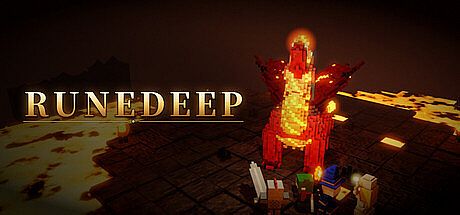


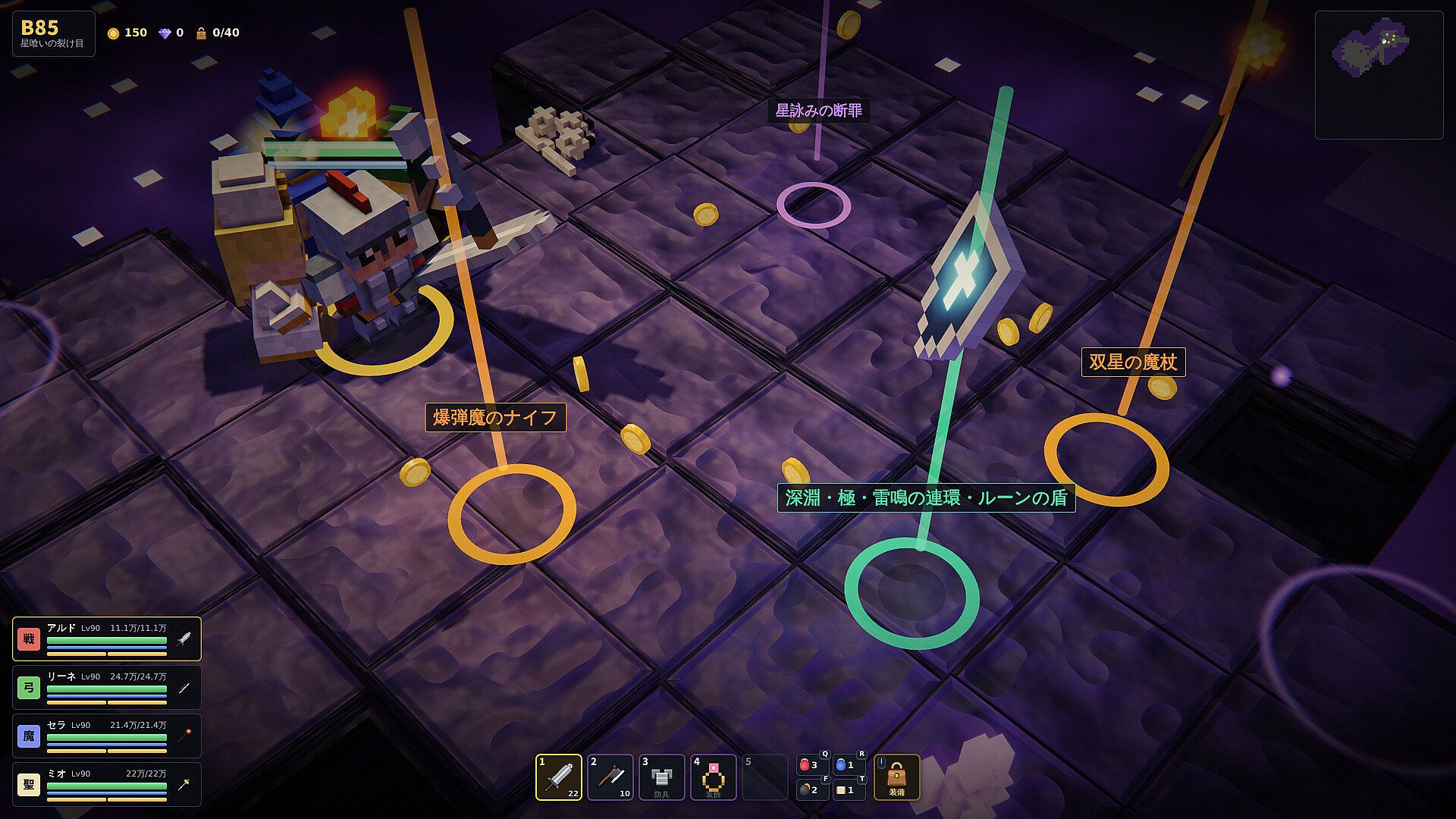
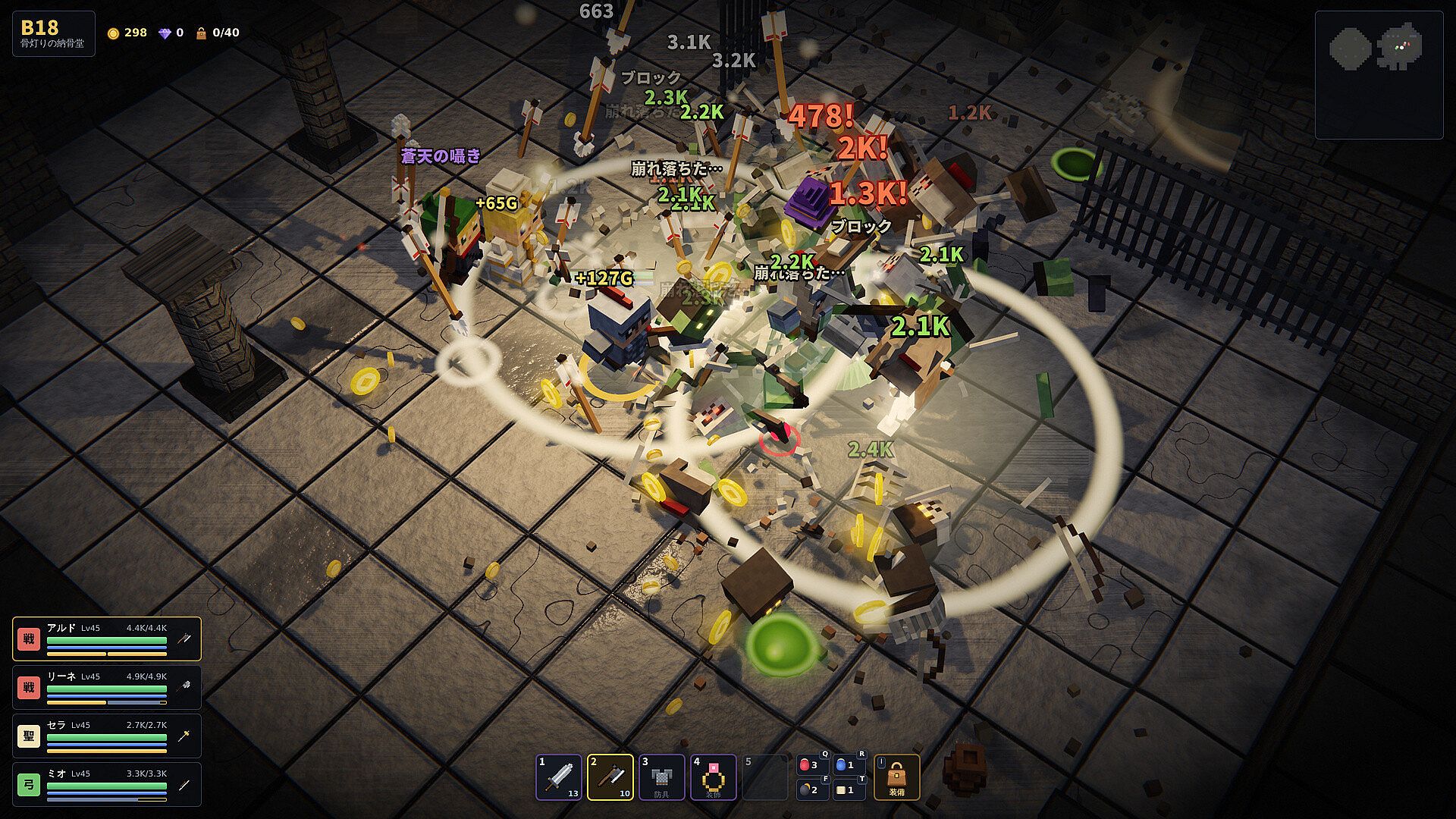
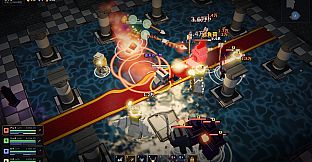
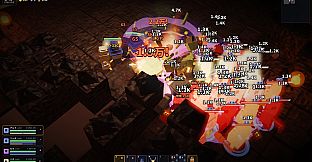
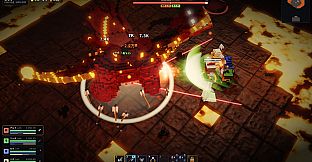
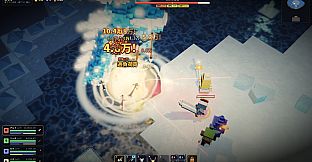
Rune Deep is an action indie RPG for PC that places players in the role of an explorer leading a party through a massive underground dungeon. A prosperous town built on ancient relics sits above a hundred-floor dungeon that no one has reached the bottom of. The core experience revolves around descending through monster-filled floors, gathering equipment, and managing a team to push further down while uncovering the history connecting the ruins below to the settlement above.
Gameplay
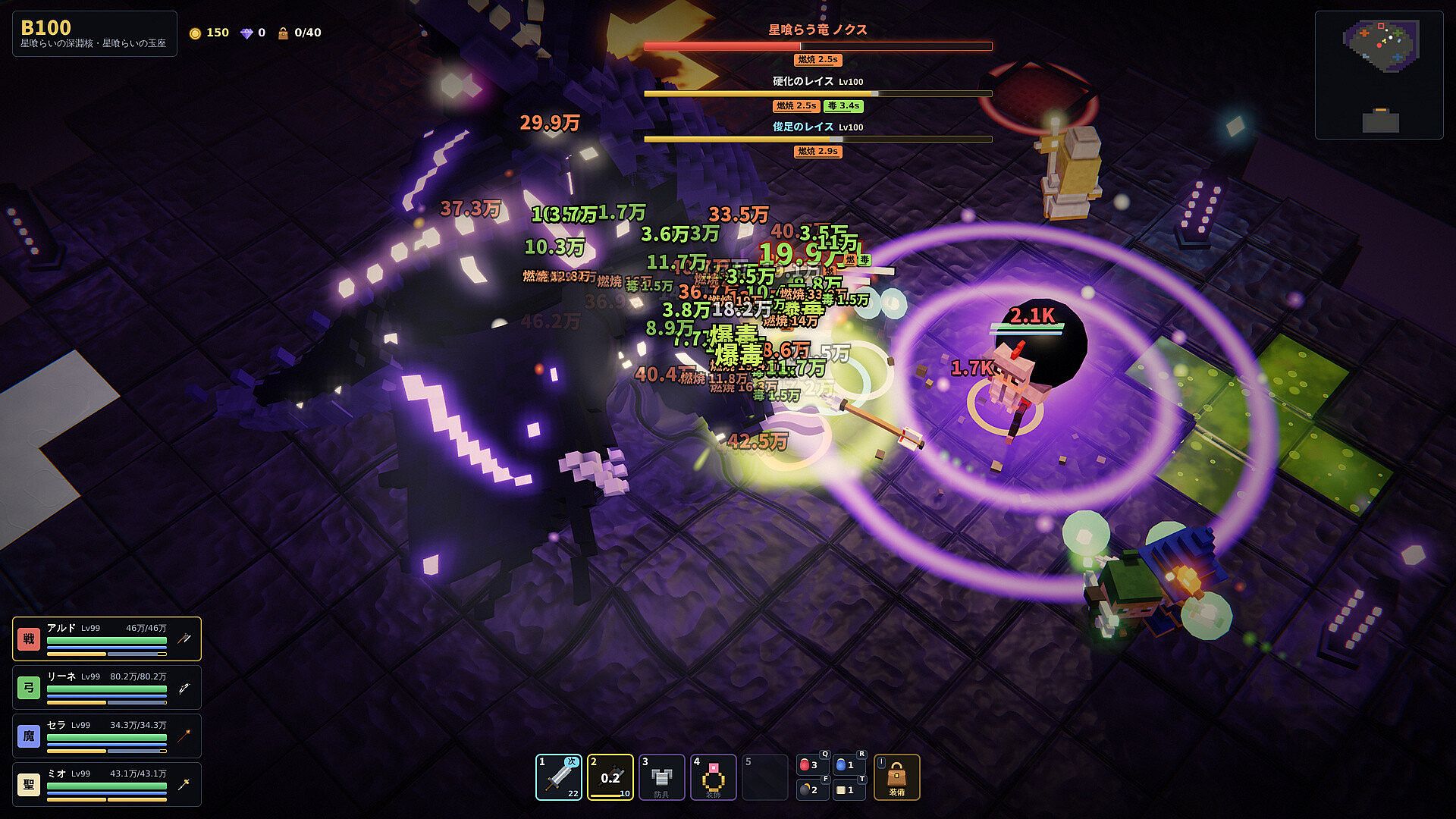
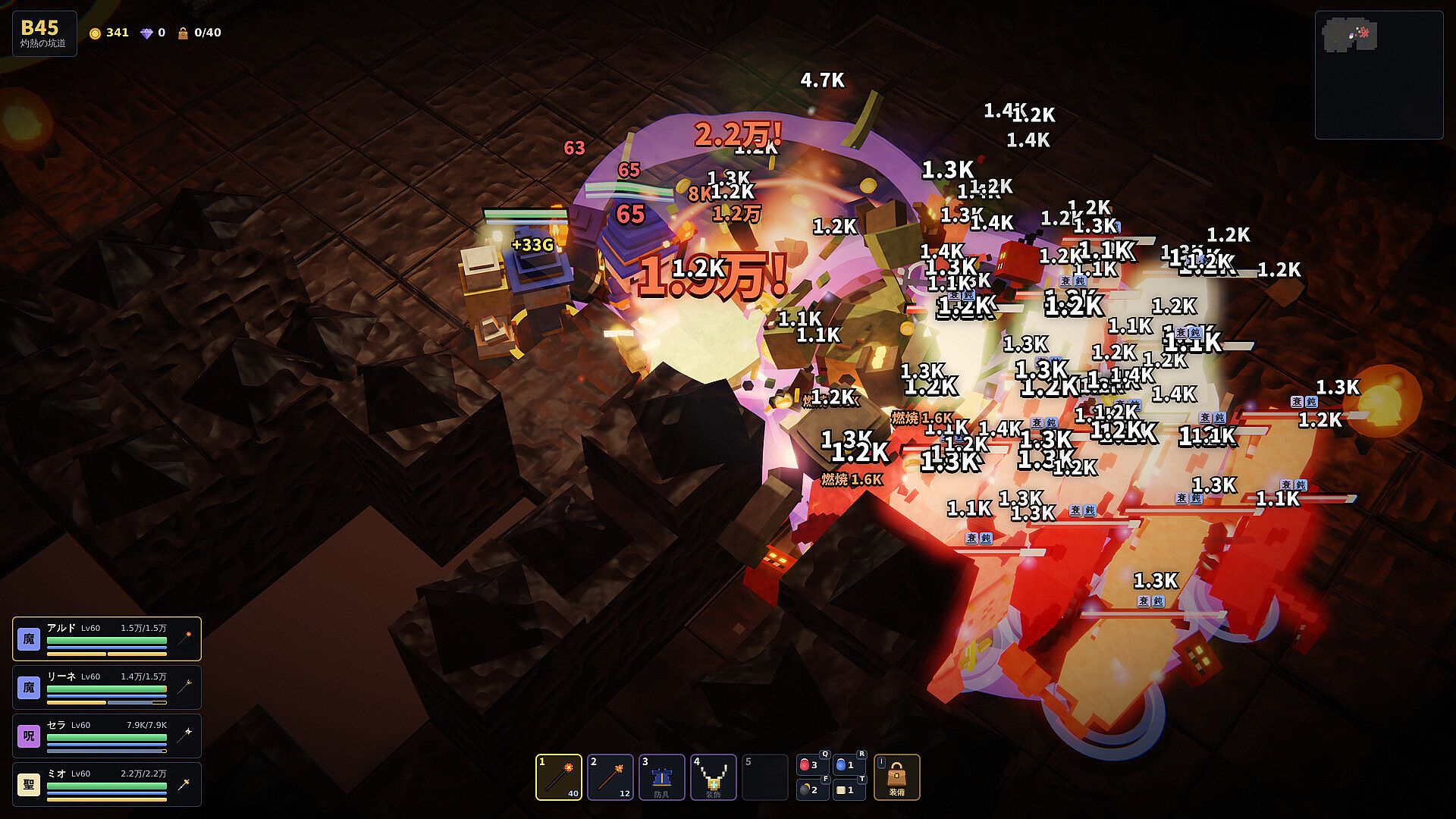
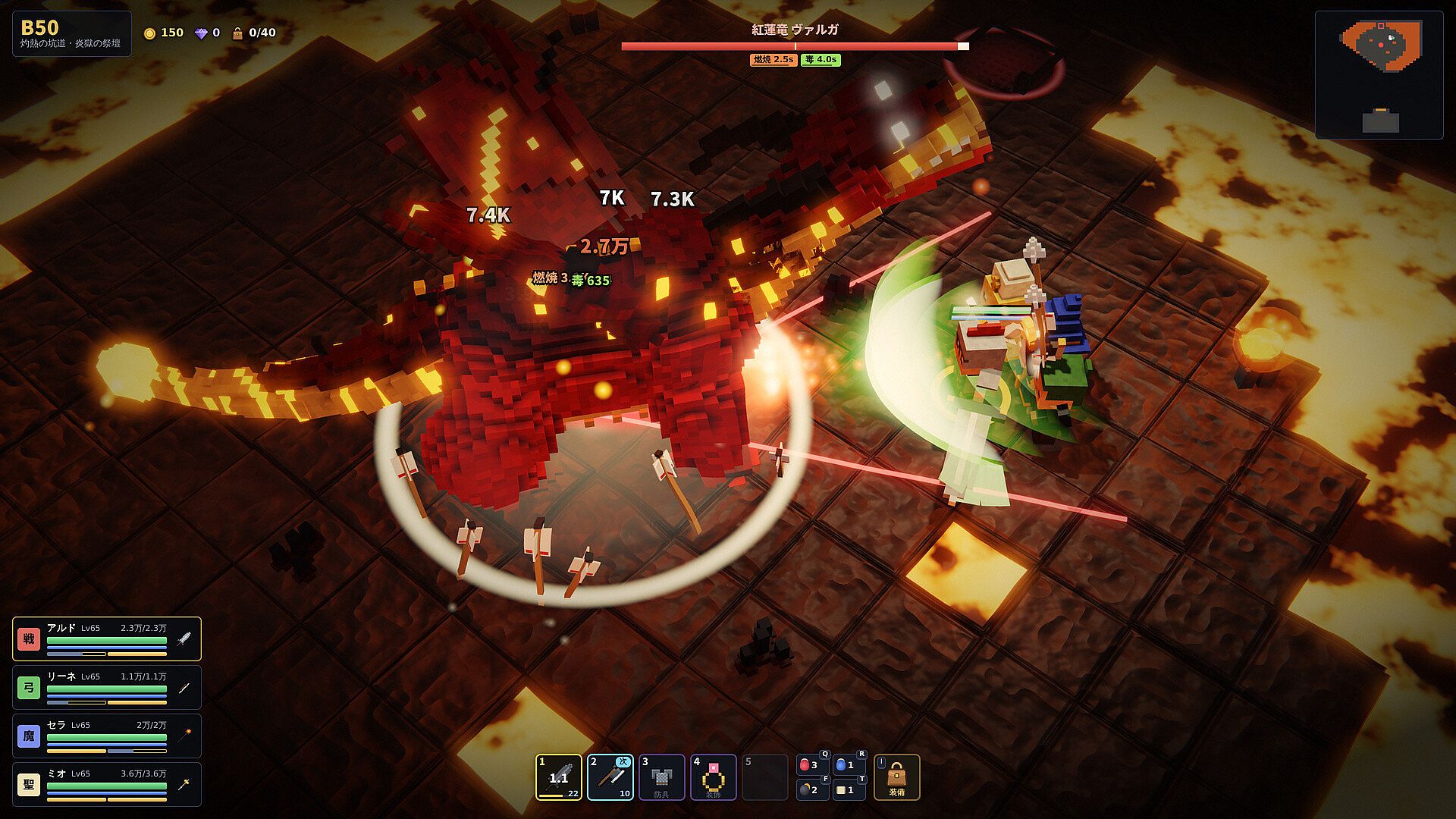
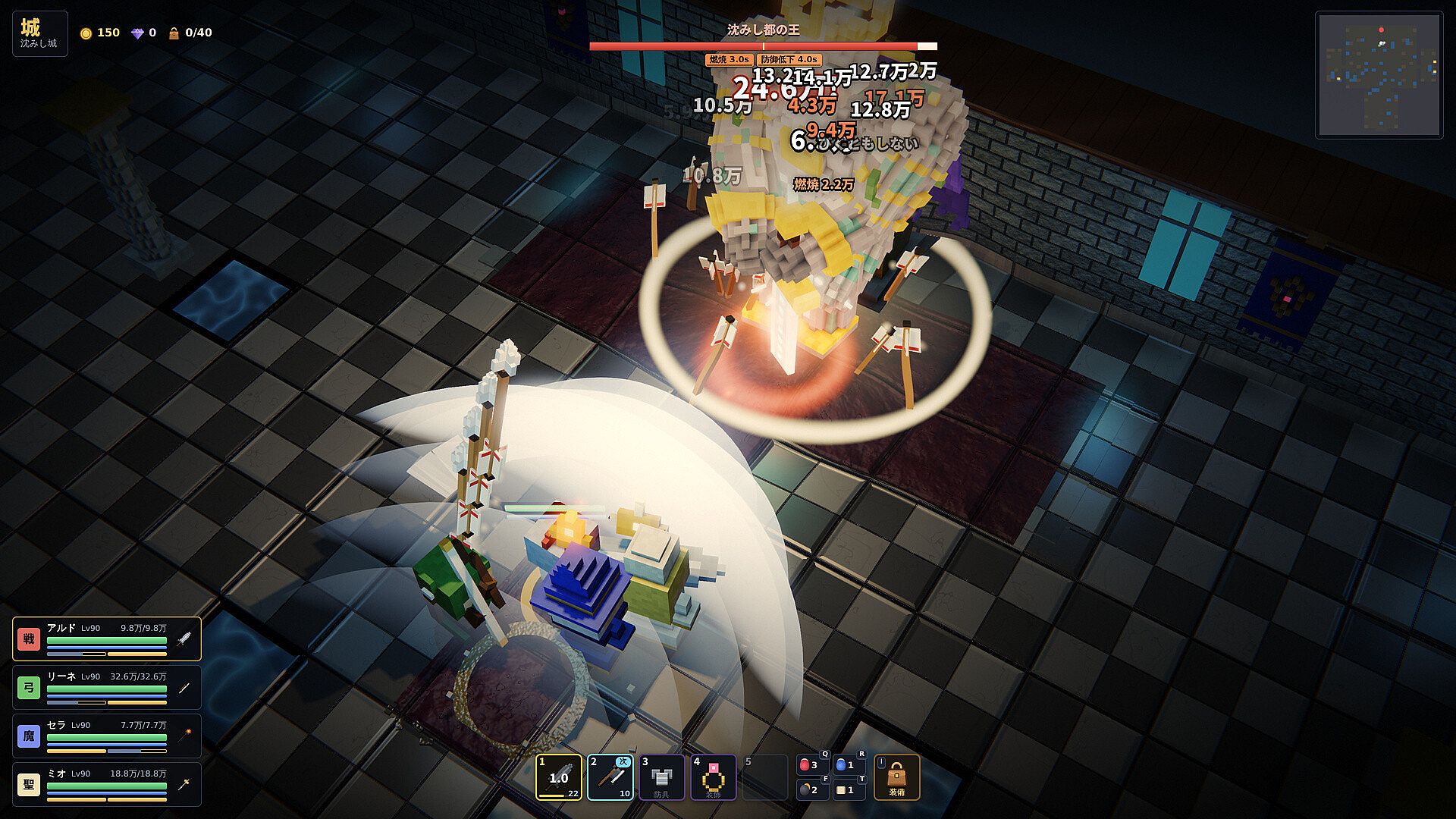
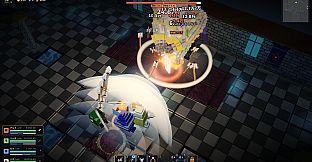
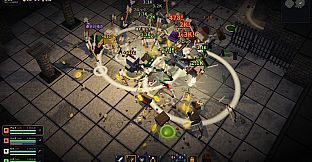
Combat emphasizes skill timing over manual basic attacks, which occur automatically. Each of the ten weapon families carries distinct skills that charge simultaneously across carried weapons, allowing seamless swaps to chain abilities. Swords, axes, daggers, bows, rods, staves, clubs, hex tools, grimoires, and summoning bells each offer unique options for carving through enemy groups.
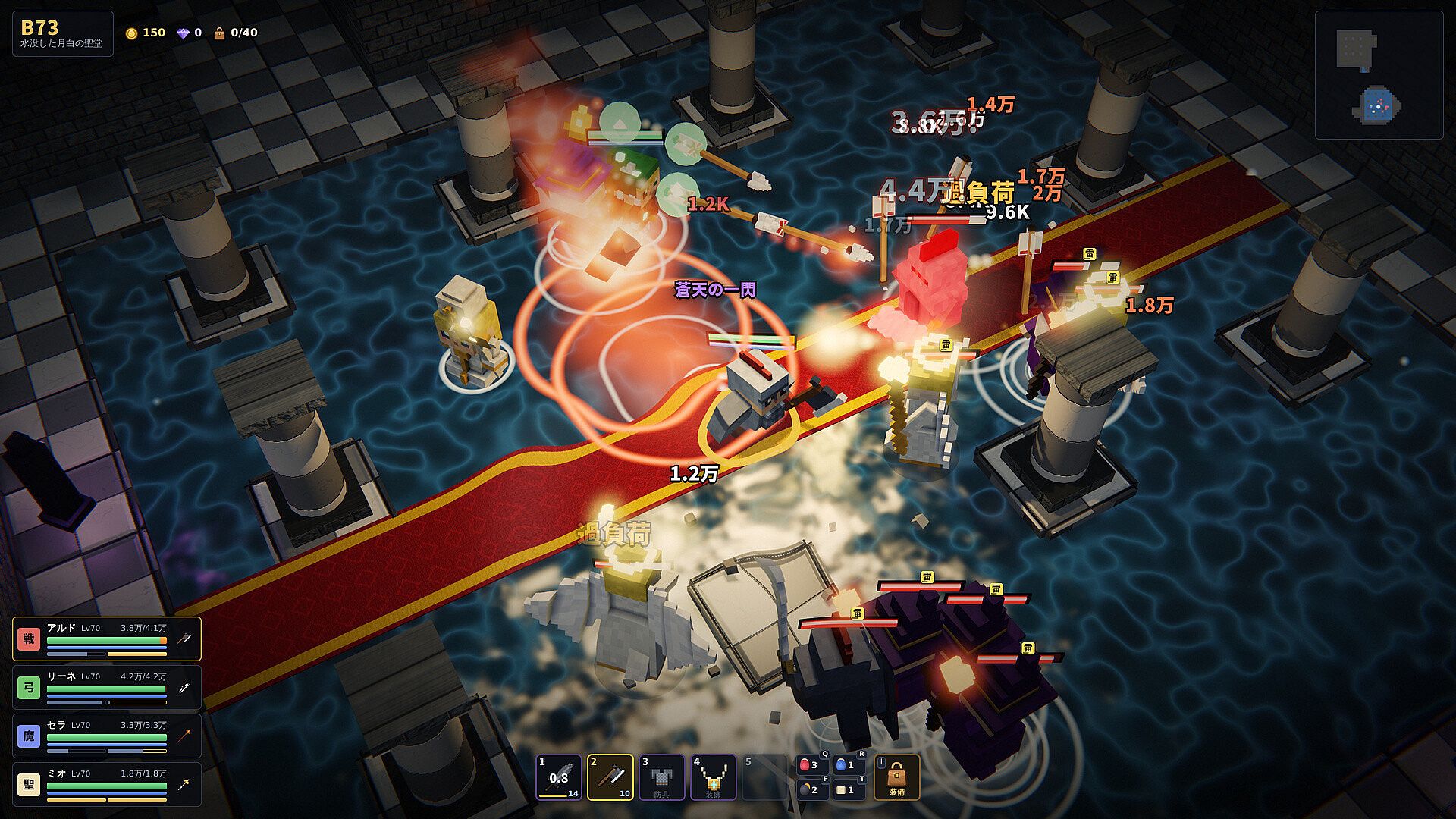
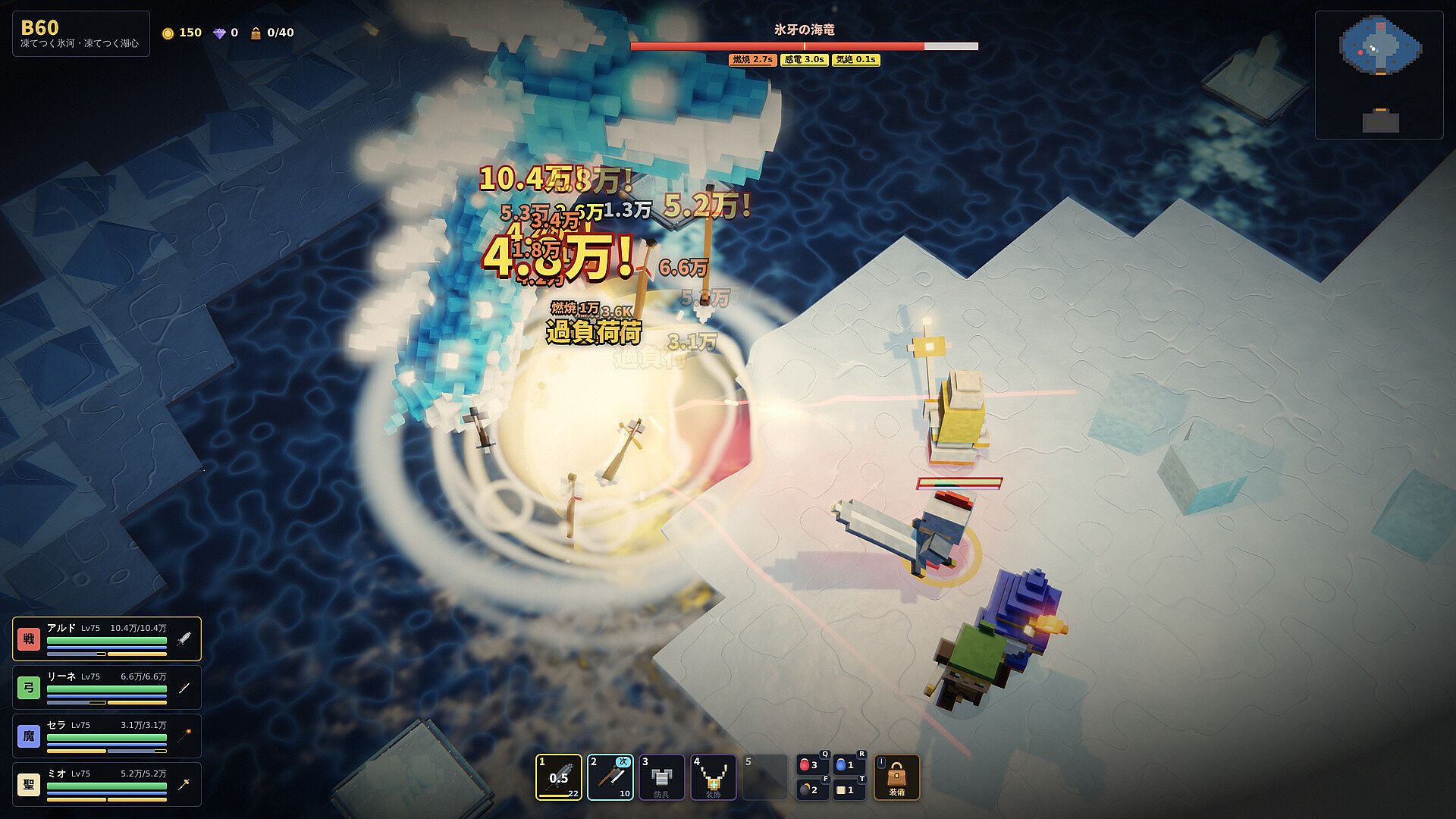
Elemental interactions add layers of strategy. Freezing a burning foe triggers a melt reaction, while fire and lightning combine for overload damage. Shattering frozen enemies deals extra harm. Environmental factors amplify these effects, such as lightning conducting through water or fire igniting poison swamps. Traps, crumbling walls, and explosive barrels scattered throughout the dungeon serve as additional tools for turning the environment against foes.
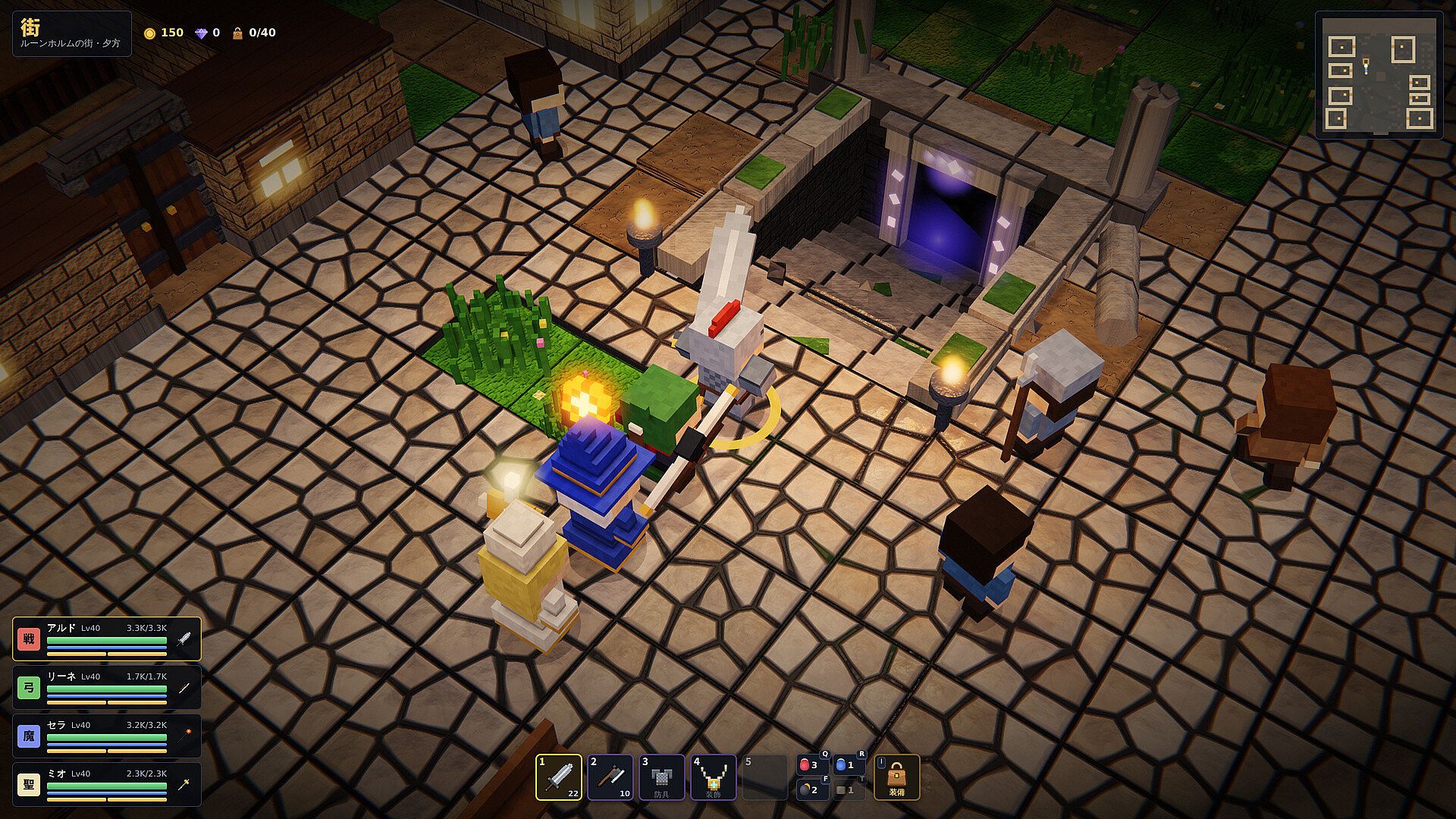
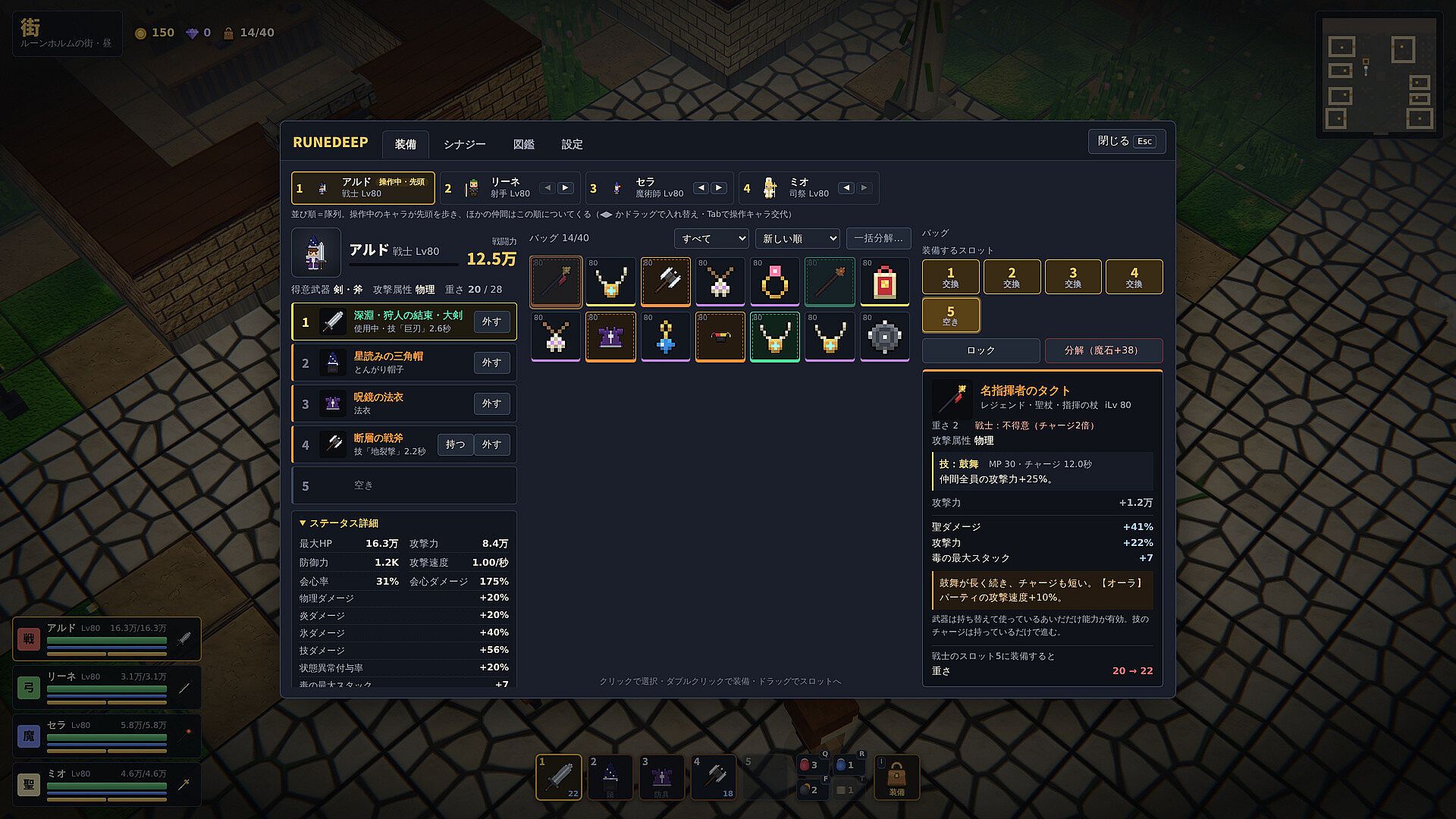
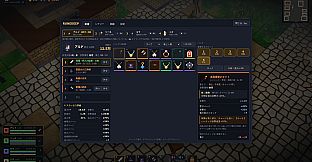
Party management centers on six classes: Warrior, Ranger, Mage, Cleric, Hexer, and Summoner. Players control only the current leader while companions act independently, with the ability to switch leaders instantly during exploration or combat. Starting as a lone warrior, players rescue captives to expand the roster and experiment with class combinations that strengthen the overall group. Equipment spans five slots with weight considerations, encouraging varied loadouts from the abundant loot that includes common to legendary rarities.
Game Modes
The primary activity consists of repeated dungeon dives across twelve distinct strata, each featuring unique environments and culminating in a confrontation with a stratum lord. Players prepare in town by forging gear, identifying relics, completing guild requests, and receiving blessings before descending. A scroll of return allows extraction at any point, and stored items remain safe even after a party wipe.
Progression builds through floor-by-floor advancement, with each stratum introducing new monsters and scenery. The deeper levels reveal ruins that mirror the town above, hinting at past events. Loot variety supports extensive customization, including cursed items that trade drawbacks for power and rare abyssal relics found only on the lowest floors. Every item of the same name can roll different attributes, promoting unique builds across multiple runs.
Exploration and Progression
The dungeon spans one hundred floors divided into twelve strata, each with its own visual theme and monster types. Strata range from mossy cellars and rusted prisons to scorching mines, frozen glaciers, and a sunken moonlit cathedral. Boss encounters mark the end of each stratum, testing the party's accumulated strength and equipment synergies.
Town serves as the hub for long-term advancement. Blacksmithing improves gear, appraisers reveal item properties, and guild tasks provide focused objectives. Church blessings offer temporary advantages. Cloud saves through the platform ensure progress carries across sessions without risk of permanent loss from failed runs.
Is It Worth Playing?
Rune Deep suits players who enjoy methodical party-based dungeon crawling with deep customization and reactive combat systems. The combination of automatic attacks, charged weapon skills, and elemental reactions creates engaging encounters that reward planning and adaptation. Class switching and rescue mechanics add replayability as different team compositions open new strategies for tackling the strata.
The game remains available only in Japanese at present, which may limit accessibility for some. Its focus on single-player exploration, loot-driven builds, and environmental tactics appeals to those seeking a self-contained experience without multiplayer elements. The structure of town preparation followed by challenging delves provides a clear loop for players interested in incremental progress through a large, layered dungeon.