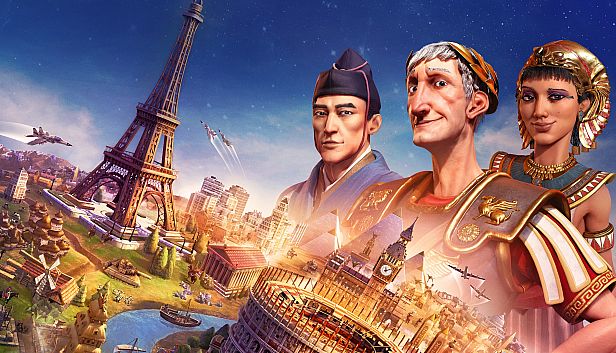



Sid Meier's Civilization VI is a turn-based strategy game where players guide a civilization from its earliest days through centuries of development toward global dominance. On PlayStation 4 the experience centers on careful planning across multiple systems that reward long-term decisions over quick actions. The core loop involves managing resources, expanding territory on a hex-based map, advancing through technology and civic trees, and interacting with rival leaders through diplomacy or conflict.
Gameplay
Each turn players allocate production in cities to construct buildings, units, or districts that provide specialized bonuses. Districts form the backbone of city development and must be placed thoughtfully on the map to maximize adjacency effects. Builders improve tiles with farms, mines, and other permanent enhancements that boost yields over time. Military units move across the map to secure borders or launch offensives, while religious units spread beliefs and cultural output influences other civilizations through tourism and great works. Research progresses along two parallel tracks that unlock new options and victory paths. Diplomacy allows trade deals, alliances, and grievances that shape relations with AI opponents.
Game Modes
Standard play includes single-player matches against artificial intelligence opponents of varying difficulty. Multiplayer supports up to four participants online through PlayStation Plus, with options for local play as well. Scenario modes present structured challenges with predefined starting conditions and objectives that differ from the open-ended campaign. Optional rule sets can introduce twists such as altered age progression or additional unit types when selected at the start of a game.
Victory Conditions and Progression
Success comes through one of several distinct paths. Domination requires capturing enemy capitals. Science victory involves completing a sequence of late-game projects. Culture victory relies on generating high tourism to attract visitors from other civilizations. Religious victory spreads a chosen faith to a majority of cities worldwide. Additional routes emphasize diplomatic leadership in the World Congress or economic control through monopolies in certain configurations. Progression spans eras from ancient times onward, with each era bringing new units, buildings, and strategic considerations.
Is It Worth Playing?
The game delivers substantial depth for players who enjoy methodical empire building and long sessions of optimization. Its systems interconnect in ways that reward repeated playthroughs with different civilizations and strategies. Console controls adapt the interface for controller use while preserving the full range of options found in other versions. Regular updates have maintained balance and added content over the years, keeping the title active for strategy enthusiasts. Those seeking a complex, turn-based experience focused on planning and adaptation will find lasting engagement here, particularly if they appreciate managing multiple overlapping systems rather than fast-paced action.