

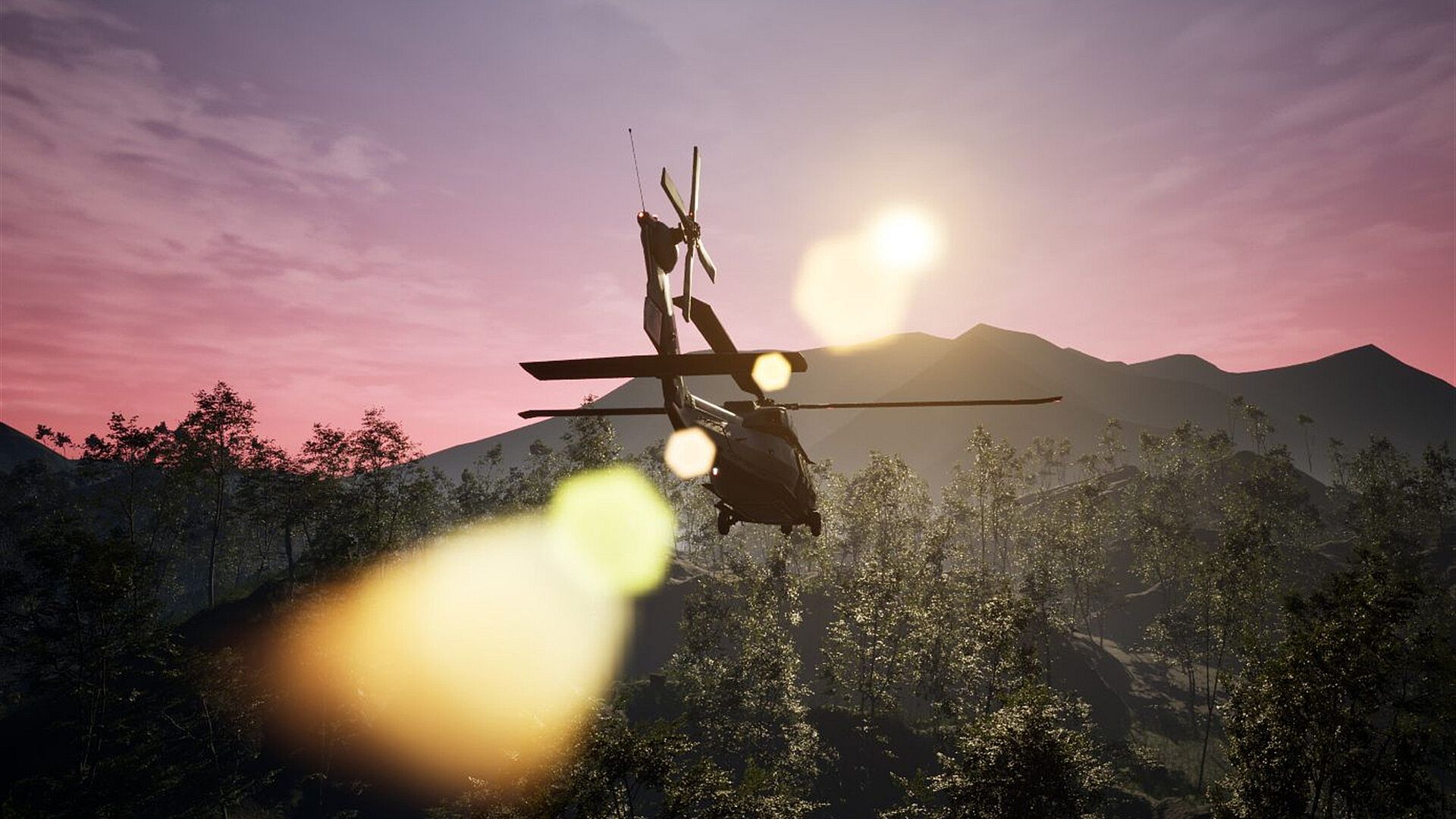
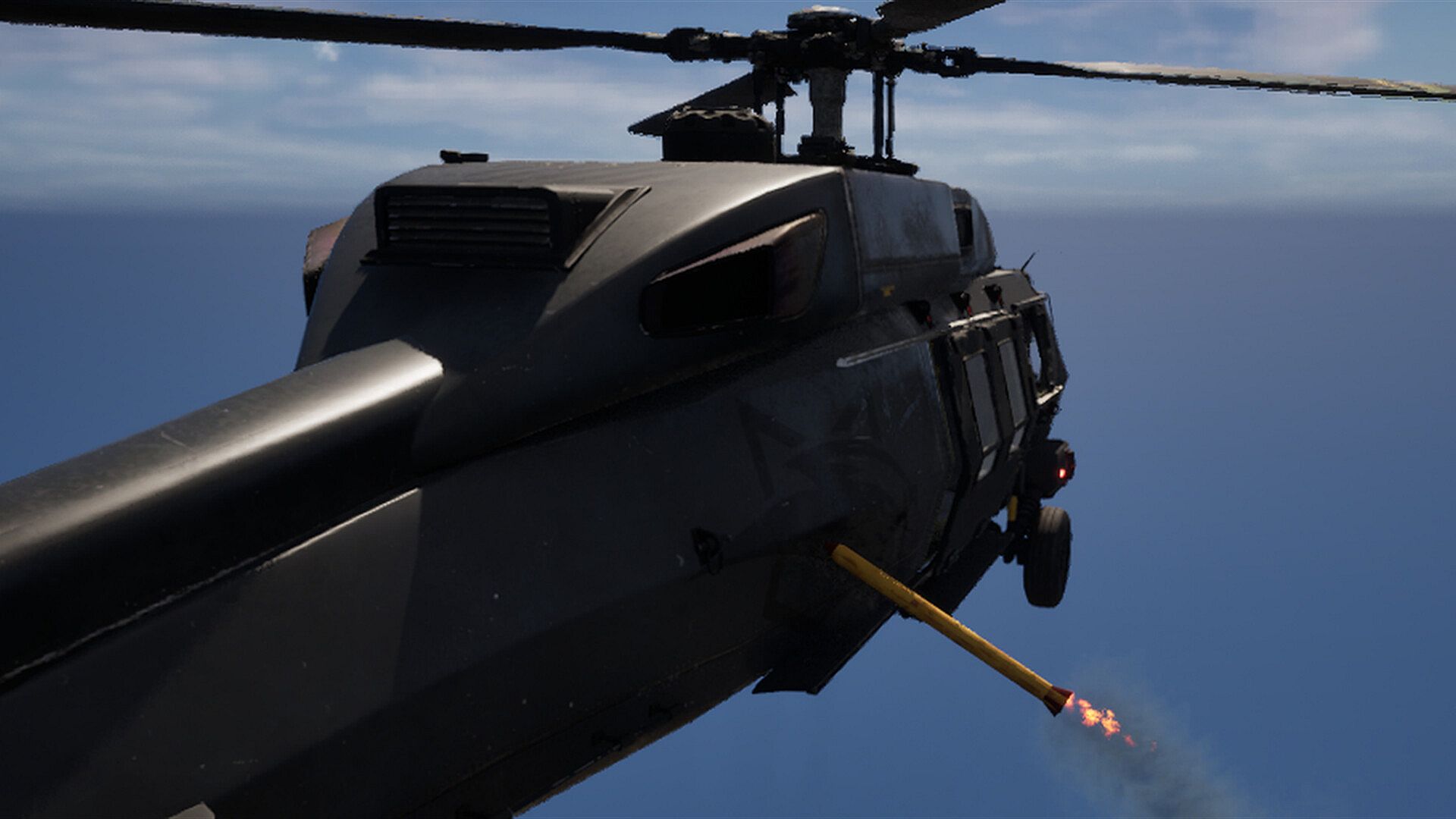
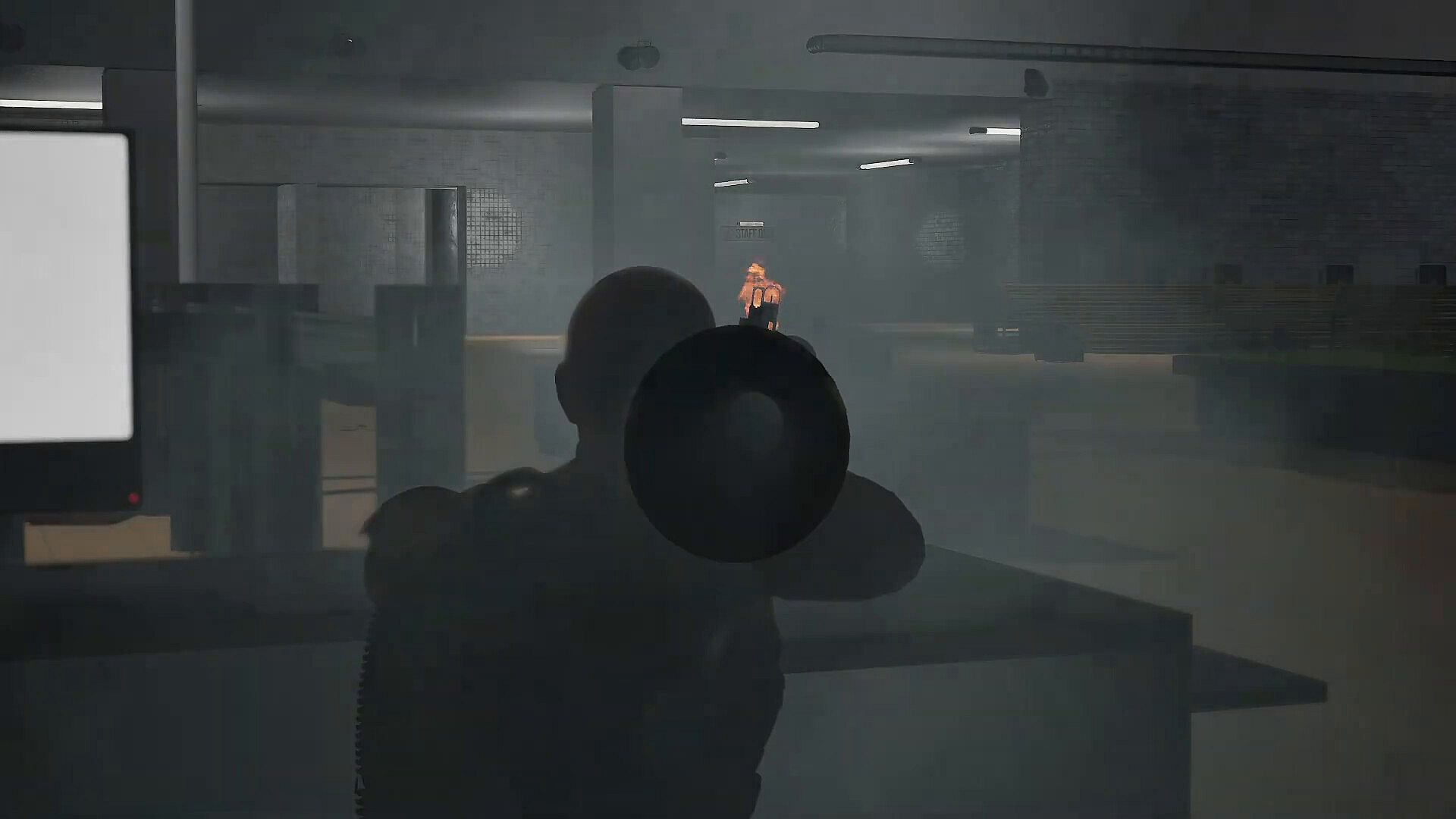
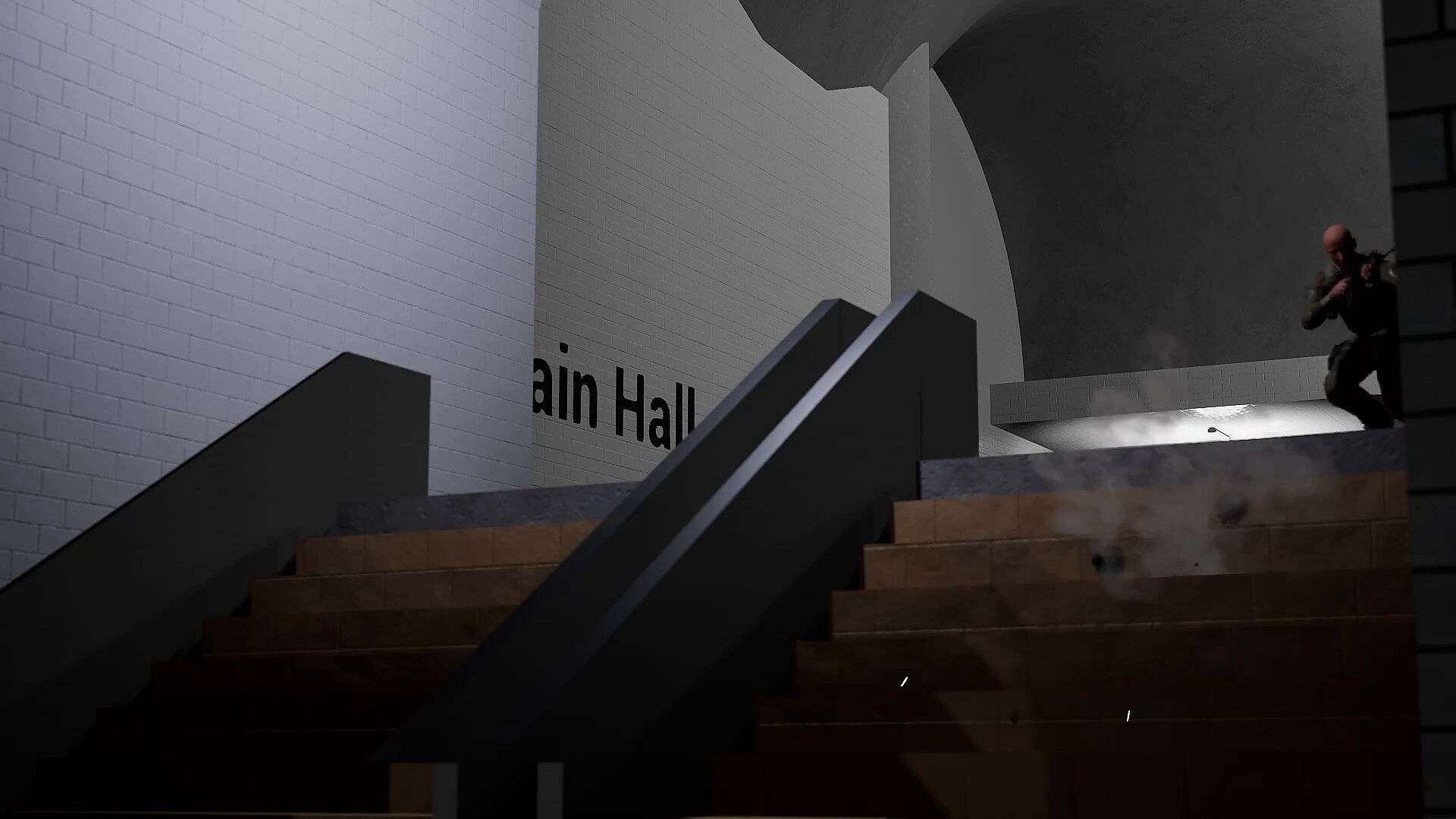
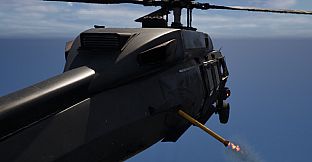

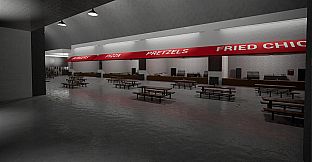


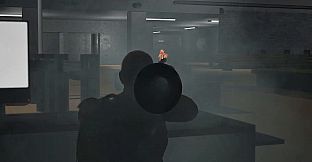

Sins of the Broken is a first-person shooter that places its emphasis on squad coordination and the immediate consequences of injury during firefights. Developed as an indie title for PC and built in Unreal Engine 5, the game centers on small-team player-versus-player encounters where keeping teammates alive matters as much as eliminating opponents. The core loop revolves around managing limited resources, making split-second choices under pressure, and adapting to a battlefield that literally changes shape.
Gameplay
Combat prioritizes realistic trauma response over standard health systems. When a teammate falls, the injury is specific rather than a simple damage value. Players must assess the wound, which takes valuable seconds that could otherwise be spent returning fire or repositioning. Treatment options include applying pressure to stop bleeding or performing more involved procedures, but these actions leave the medic exposed. Dragging an injured squad member to cover sacrifices ground and exposes the rescuer, while attempting care in the open risks further casualties.
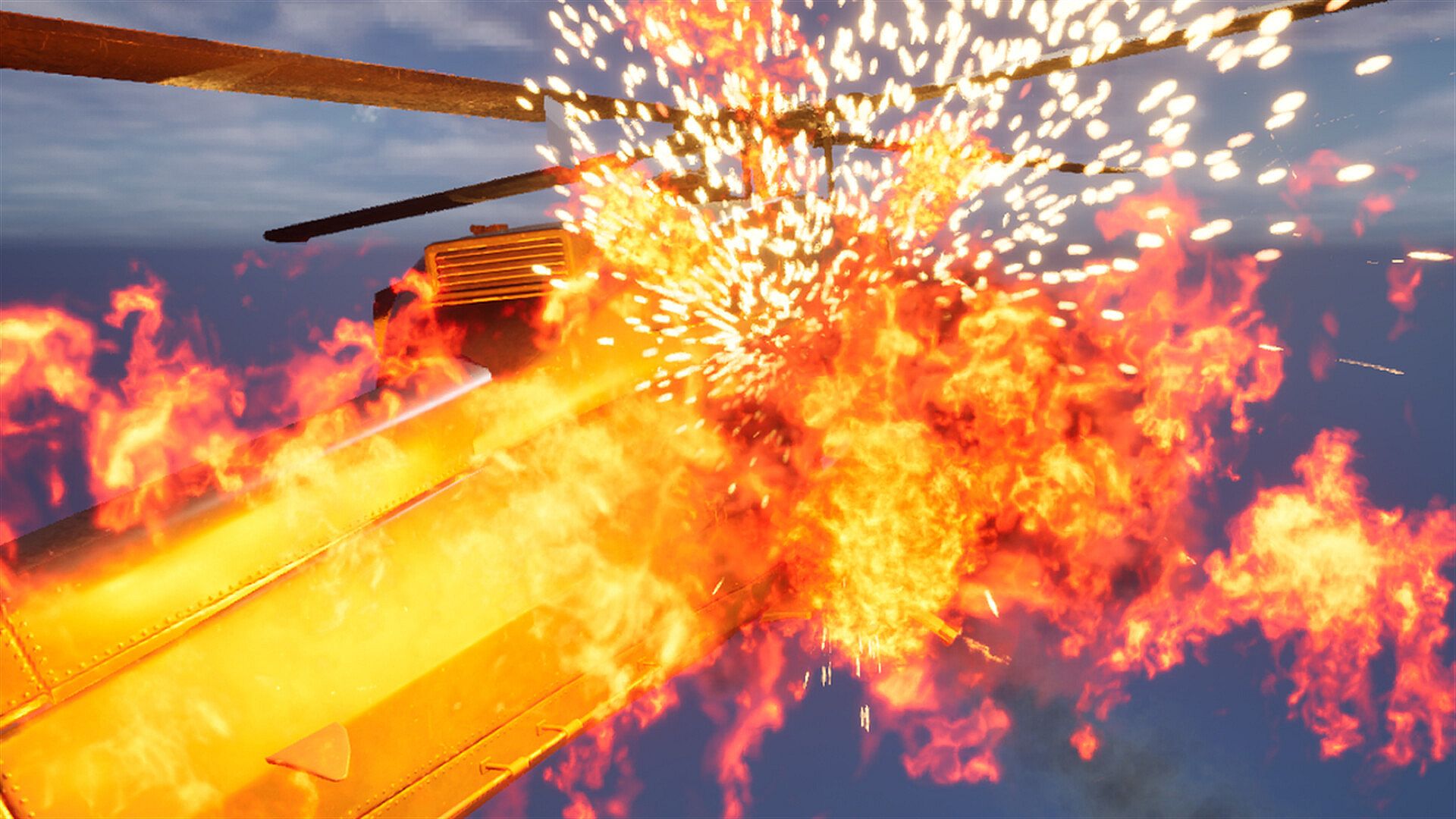
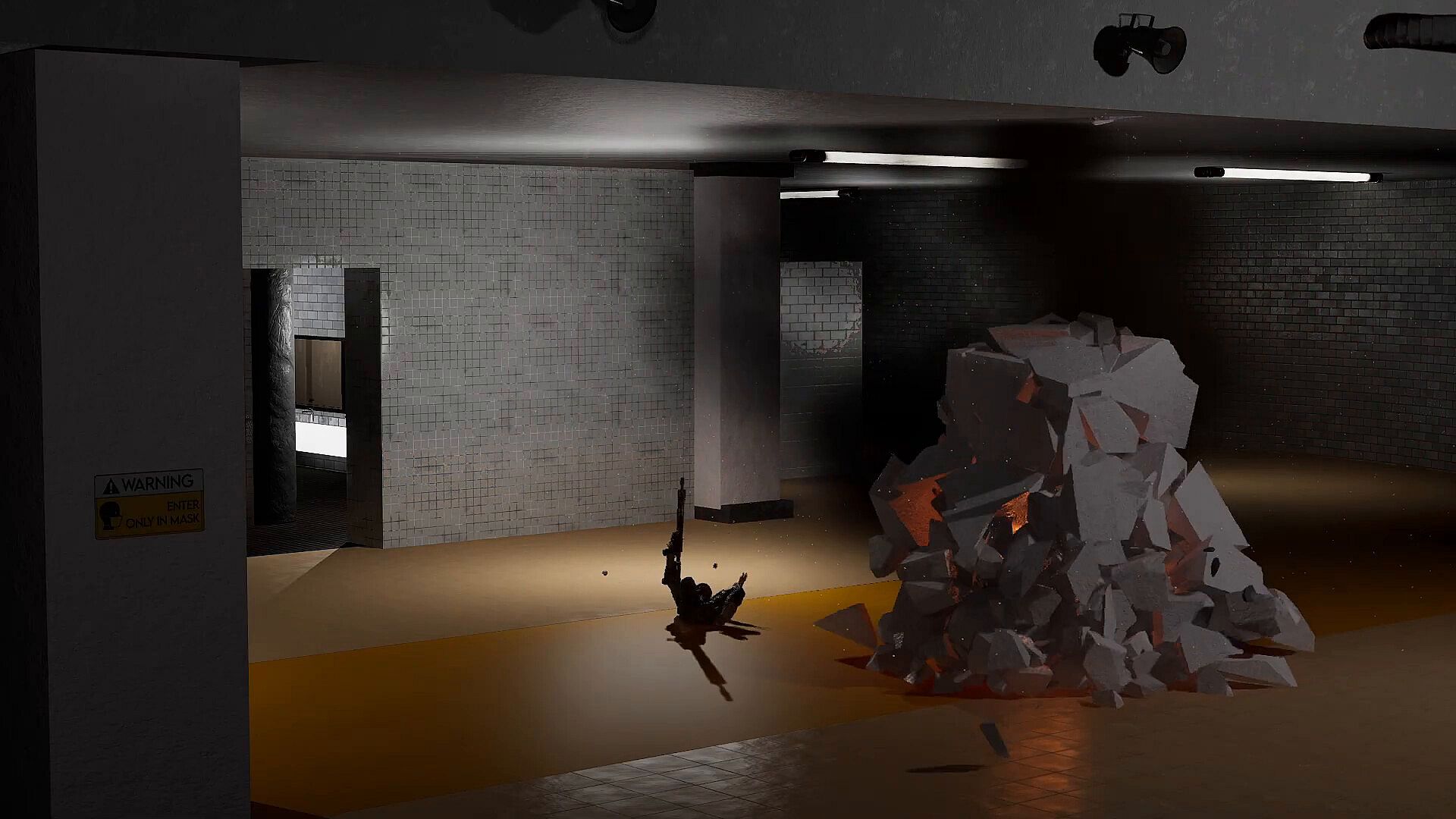
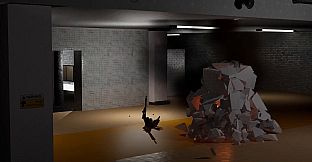
Environmental destruction adds another layer. Walls and structures degrade based on structural integrity instead of fixed break points. Repeated fire can collapse a defensive position that previously offered safety, opening new sightlines or denying cover to both sides. This forces constant reevaluation of the map as rounds progress, with ammunition expenditure directly influencing available protection.
The medic role integrates directly into the squad dynamic rather than serving as an afterthought. Effective teams coordinate to balance offensive pressure with casualty management, and success often hinges on communication about who is handling which task during an engagement. The system draws from actual trauma care priorities, such as addressing life-threatening bleeds first while under active threat.
Game Modes
Matches revolve around small-team player-versus-player scenarios that reward sustained squad cohesion. Rounds test the ability to maintain fighting strength across multiple engagements rather than relying on quick respawns or individual skill alone. The emphasis stays on tactical decision-making: whether to push forward, hold ground, or extract a downed teammate shapes the outcome more than raw accuracy in many situations.
Because the environment evolves through structural damage, no two rounds play identically even on the same map. Teams that adapt their positioning and care protocols gain an edge against opponents who focus solely on firepower. The design supports repeated play by making survival and recovery central to victory conditions.
Core Mechanics and Squad Focus
Everything ties back to the tension between aggression and preservation. Moving to assist a fallen player can cede advantageous angles, while ignoring the casualty reduces squad numbers for the remainder of the round. Cover that appears solid can fail after sustained fire, turning previously secure spots into liabilities. These interconnected systems create a gameplay loop where planning and communication carry more weight than mechanical aiming alone.
The Unreal Engine 5 foundation supports detailed physics for both character movement and environmental interactions. Structural collapse feels consistent with the amount of damage applied, and injury treatment animations reflect the time and vulnerability involved. Small-team scale keeps the focus tight, allowing individual contributions in care and positioning to stand out during matches.
Is It Worth Playing?
Sins of the Broken appeals most to players who enjoy deliberate, communication-heavy multiplayer shooters. Its systems reward squads that practice coordinated responses to injuries and adapt to changing cover rather than those seeking fast-paced run-and-gun action. The emphasis on specific injury management and destructible environments sets it apart from titles that treat downed players as temporary inconveniences.
With a release window in the third quarter of 2026, the game remains in active development. Those drawn to tactical indie experiences built around realistic decision-making under fire will find the described mechanics worth following. Availability is limited to PC at launch, and the small-team focus suggests it suits groups that already play together regularly. If the core loop of casualty care and evolving battlefields aligns with your preferences, it offers a distinct alternative to more conventional shooters.