


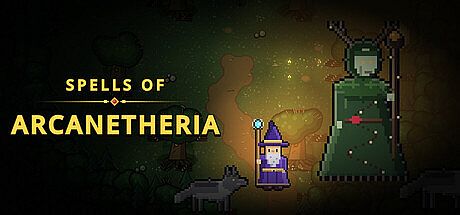


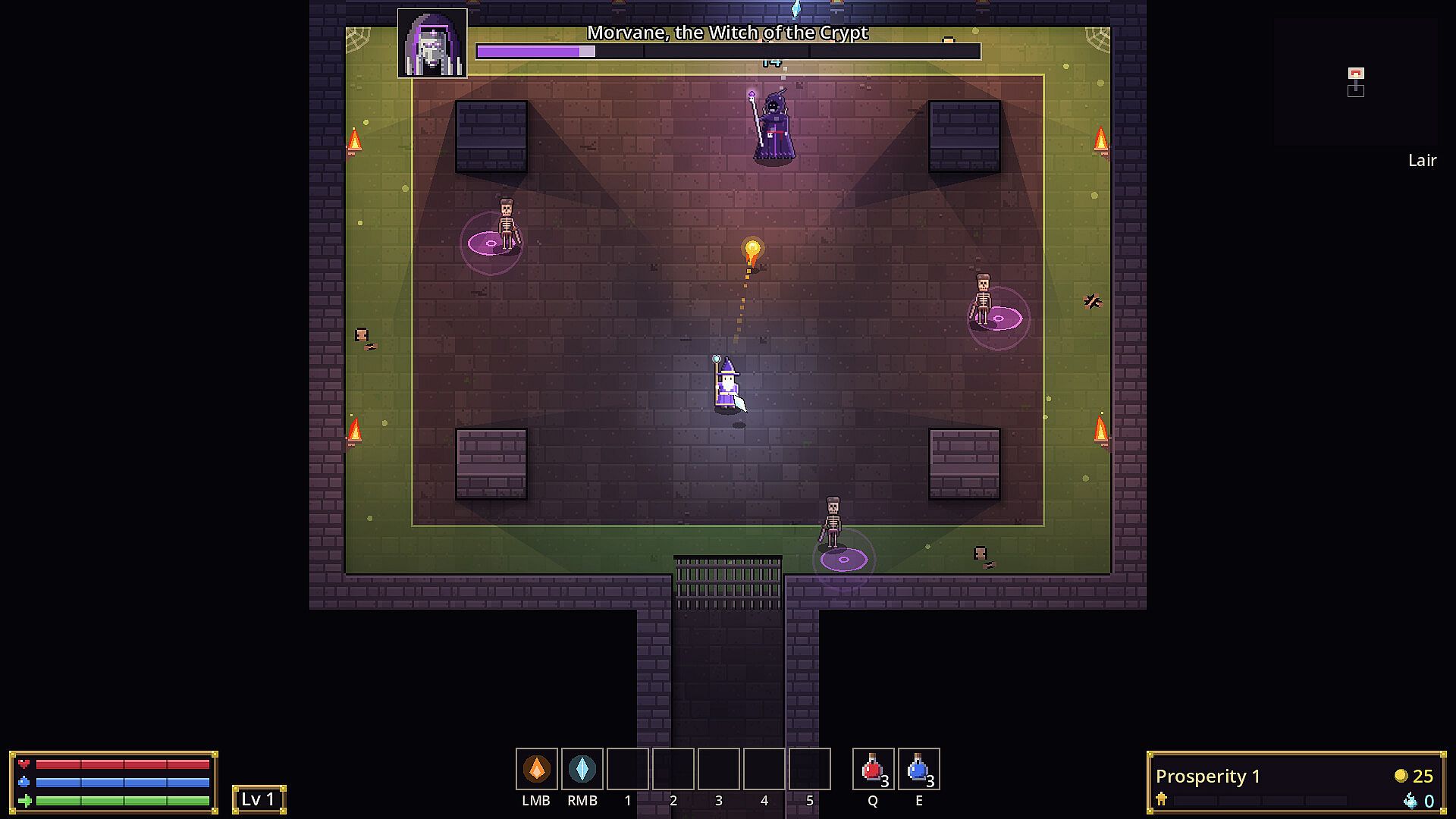
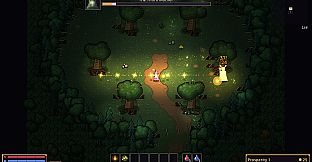


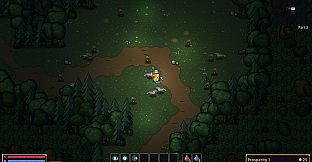
Spells of Arcanetheria is a top-down roguelite action RPG set in a persistent world where magic serves as the sole means of survival. Players take on the role of a mage exploring dangerous regions while building knowledge and equipment across multiple attempts. The game emphasizes careful resource management, spell customization, and long-term village development that carries forward even after individual heroes fall.
Gameplay
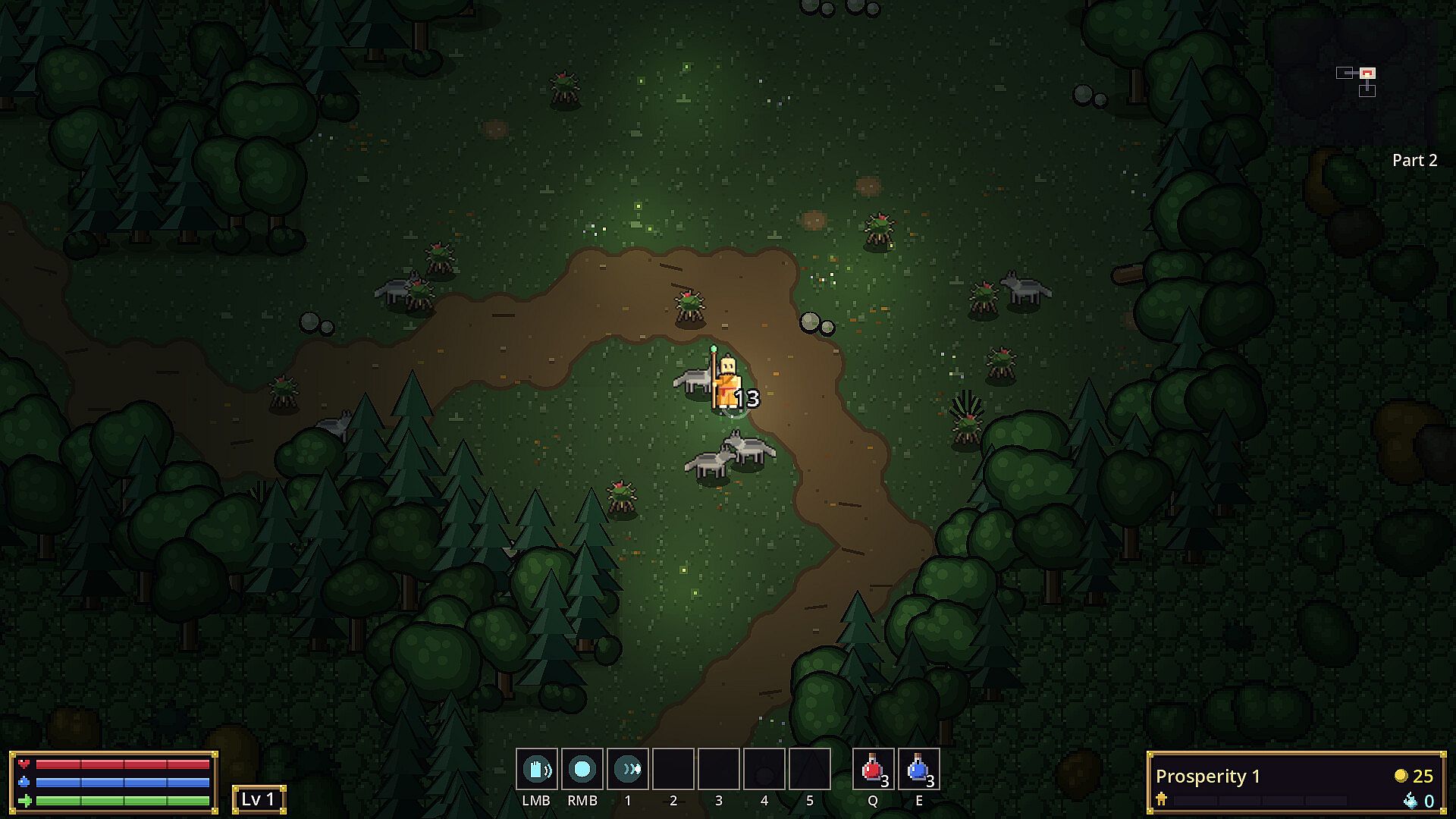
The core loop revolves around expeditions into hostile areas using a staff and a growing arsenal of spells. Combat relies entirely on magic, though the staff provides a basic melee option when mana runs low. Players recover scattered fragments of arcane knowledge that unlock or upgrade spells, with mastery progressing up to rank 100. At higher ranks, spells evolve significantly beyond their initial forms through additional skill points and found knowledge.
Five callings define starting options: the Wizard, the Sorceress, the Priest, the Monk, and the Arcaneborn. Six attributes influence exploration and combat effectiveness, unlocking new capabilities at thresholds of 15, 25, and 40. Feats appear every five levels and present meaningful choices, including straightforward boosts or trade-offs such as Glass Cannon or Blood Pact. Gear improves with depth, featuring numerous affixes alongside 18 unique items that grant unusual abilities.
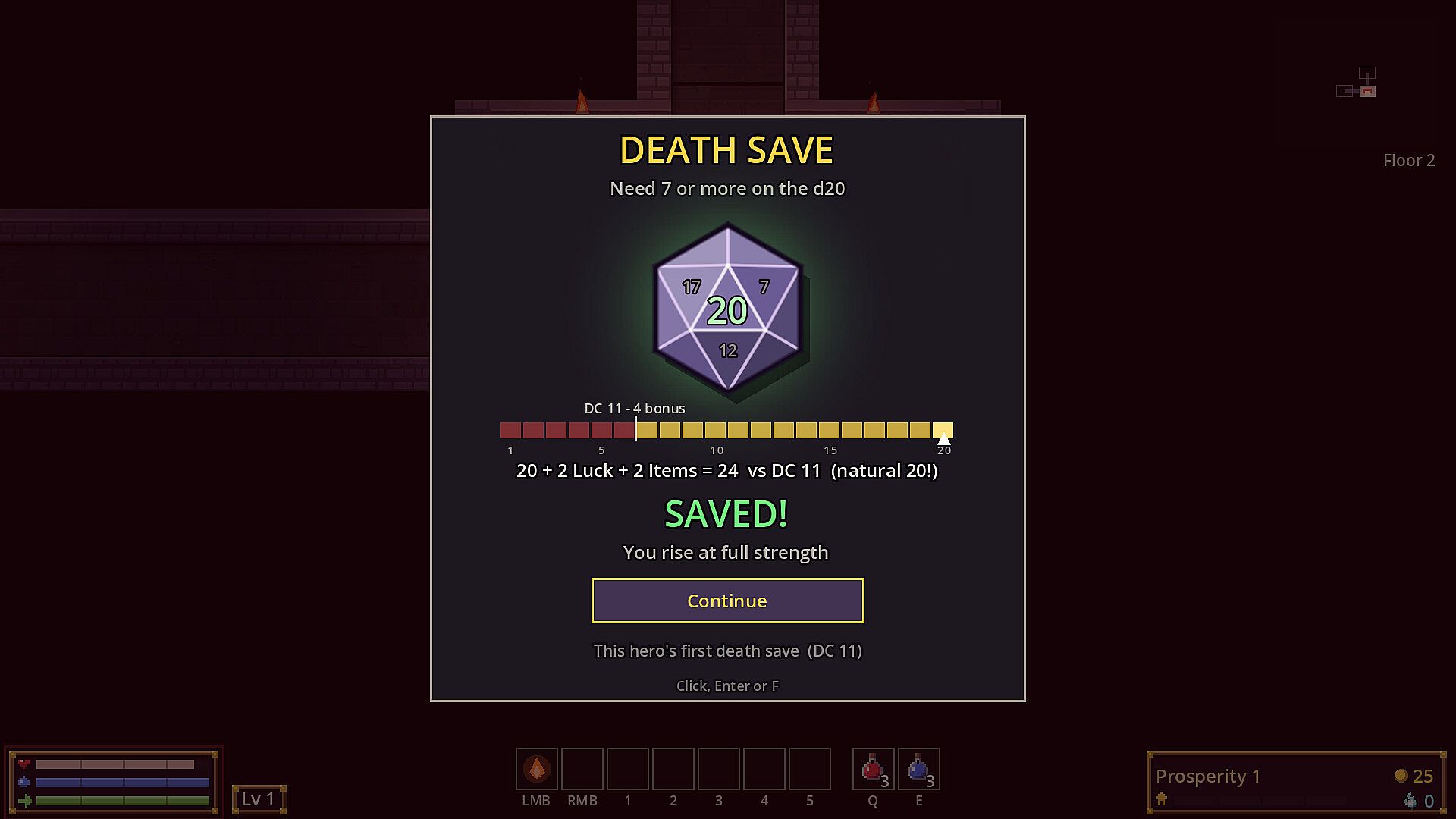
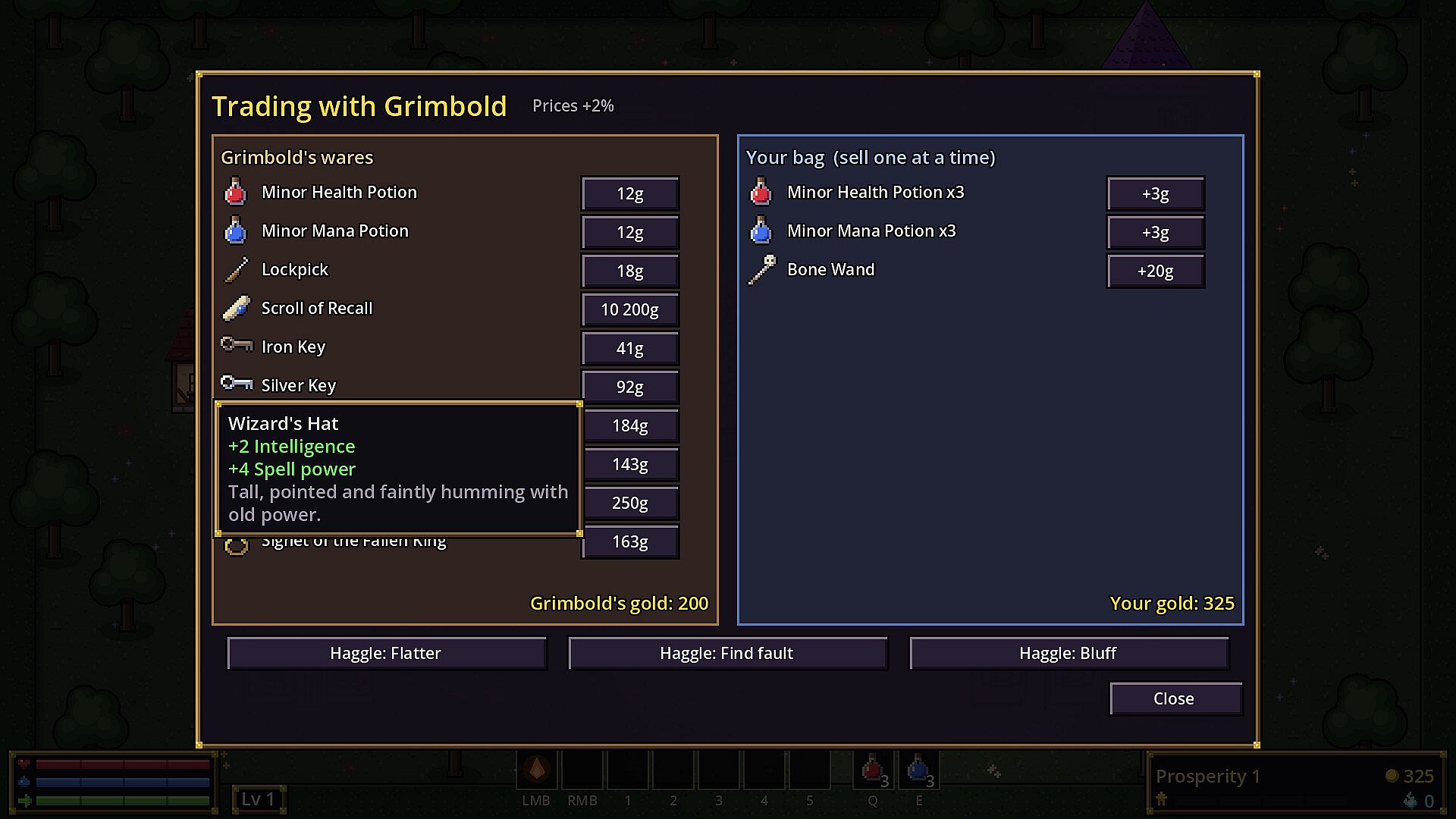
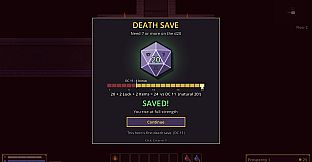
Passive spells allow up to five mastered abilities to activate automatically. Seals modify active spells for effects like increased speed, wider area, piercing, lingering duration, or reduced cost. The d20 death save determines outcomes when health reaches zero, with success potentially leaving scars while a natural 20 restores full strength and repels nearby foes. Choices on the road, including merchant haggling, involve rolls that can produce permanent consequences.
Game Modes
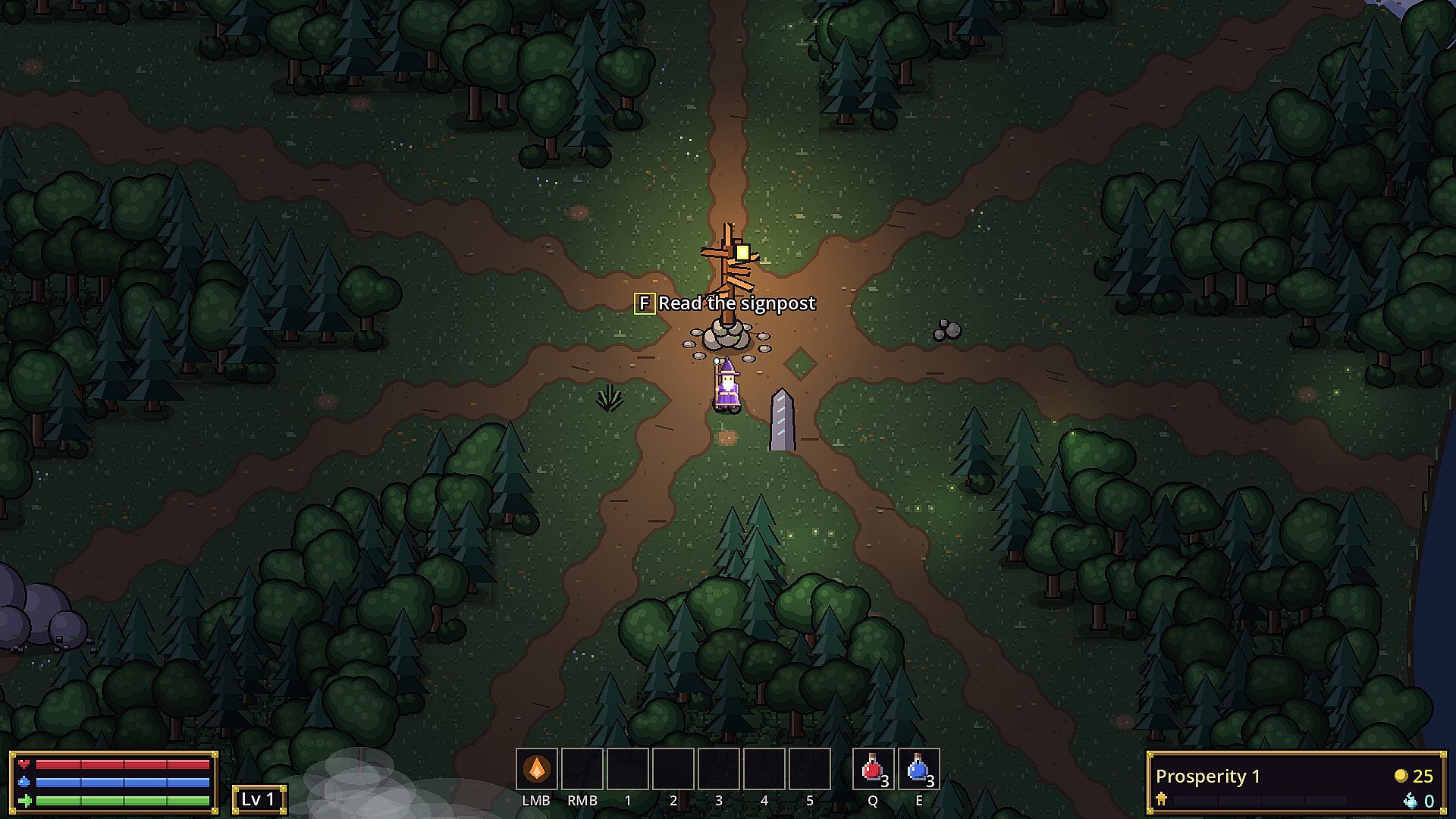
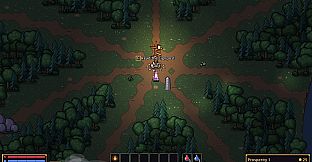
Spells of Arcanetheria operates as a single-player experience centered on roguelite runs. There are no separate multiplayer or competitive modes confirmed. The structure focuses on repeated expeditions through connected regions, with failure advancing the village rather than ending progress entirely. Exploration follows paths through the Forgotten Crypt, seven-way Crossroads, Thornwood, and Mountain, each presenting distinct threats and opportunities for knowledge recovery.
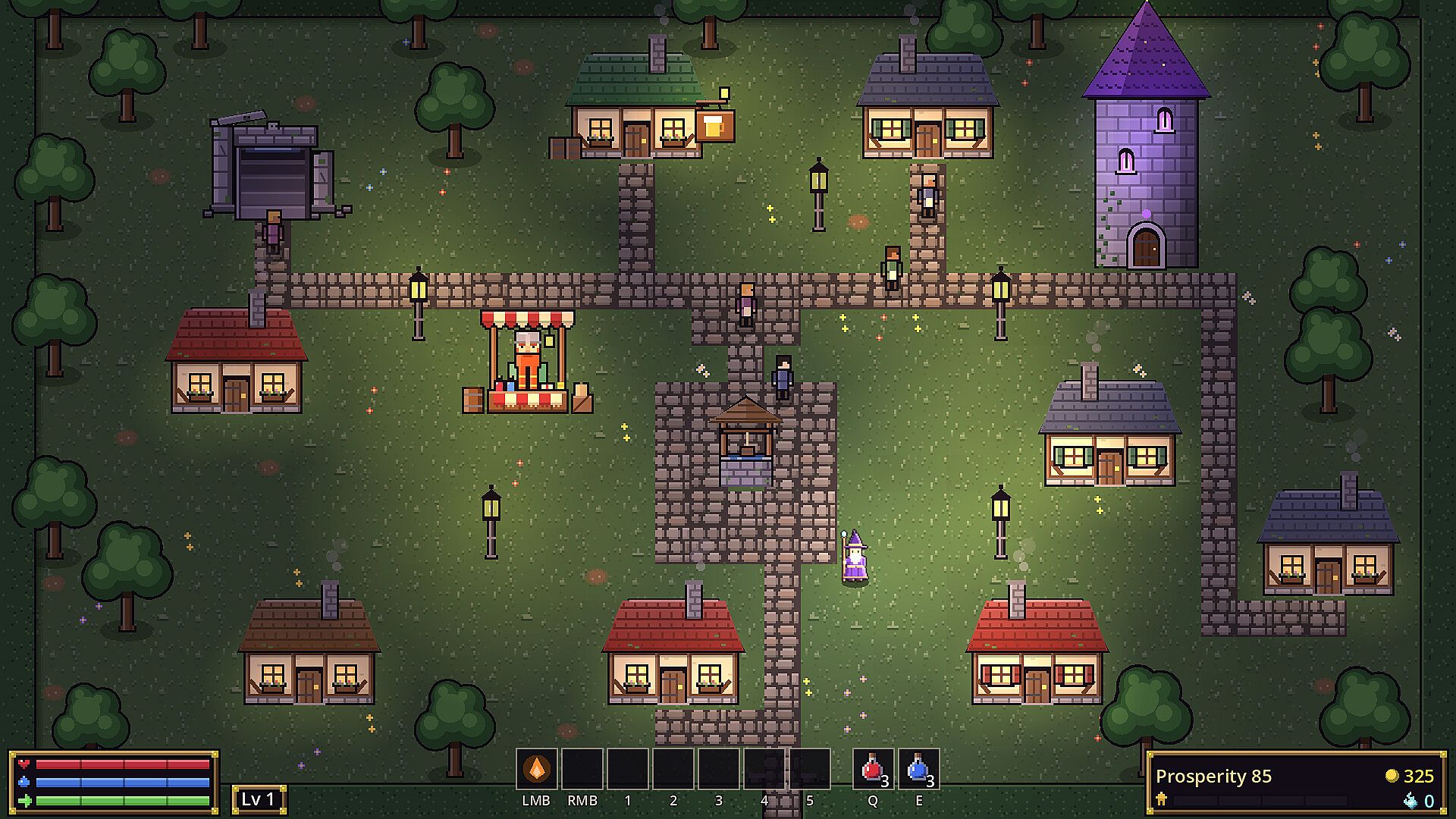
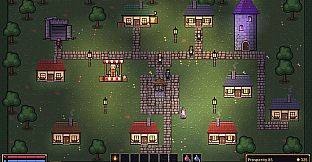
Progression ties directly to village Prosperity, which increases with every expedition and every fifth level reached by a hero. This system unlocks buildings, better starting equipment for subsequent characters, and other lasting benefits. Curses from poor choices can negatively affect the village until resolved at a shrine, adding risk to decisions made outside combat.
Exploration and Progression Systems
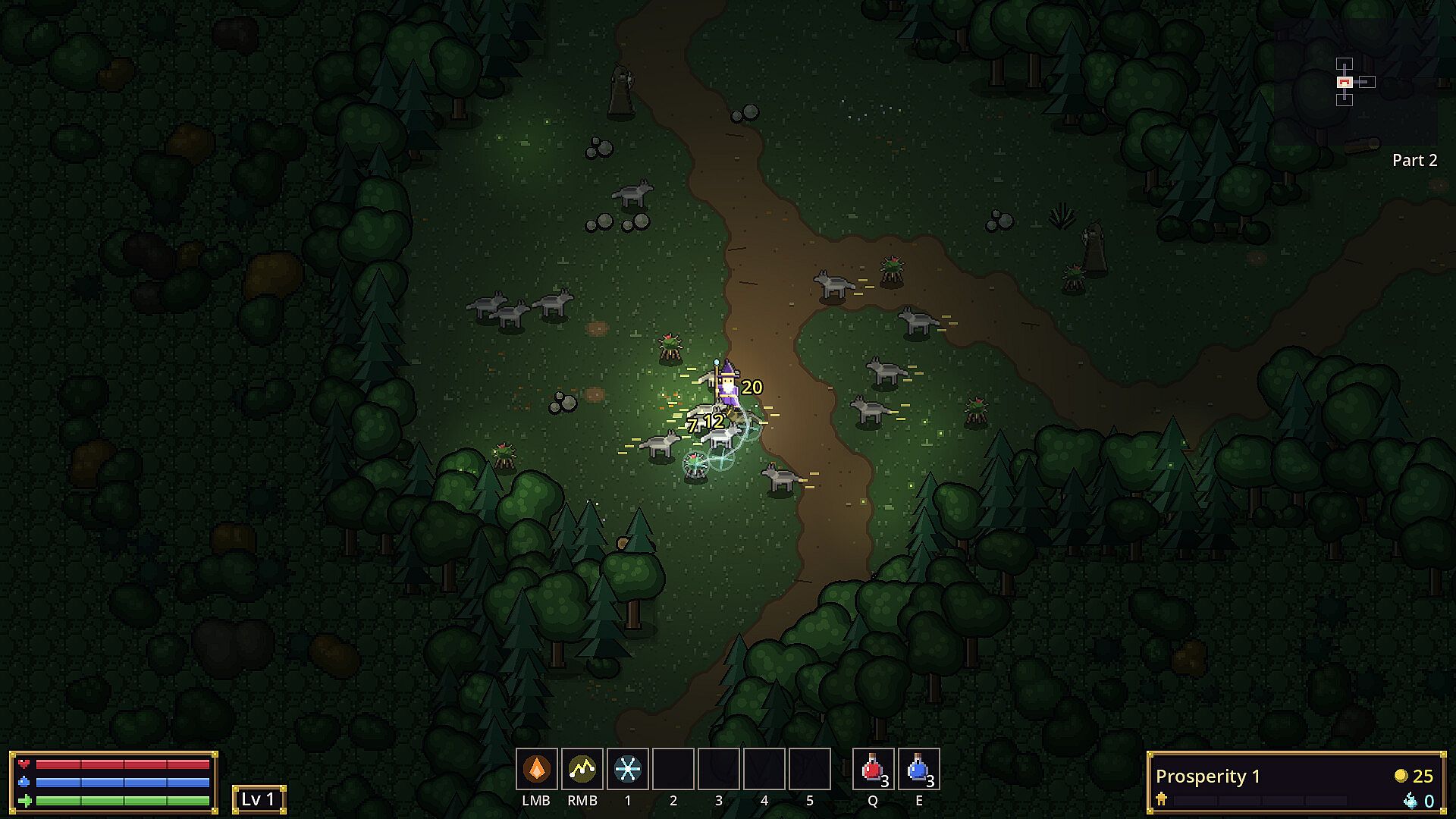
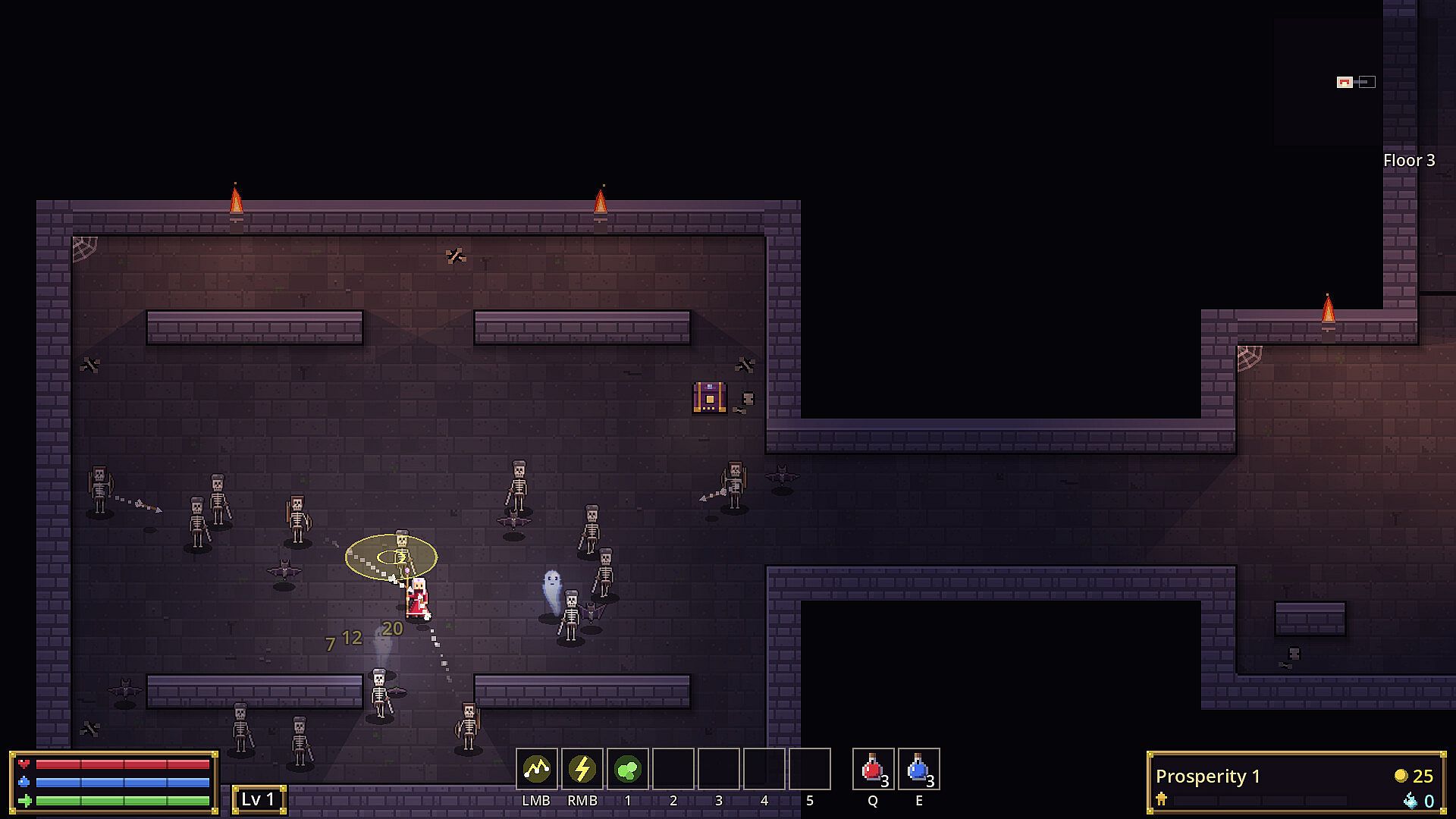
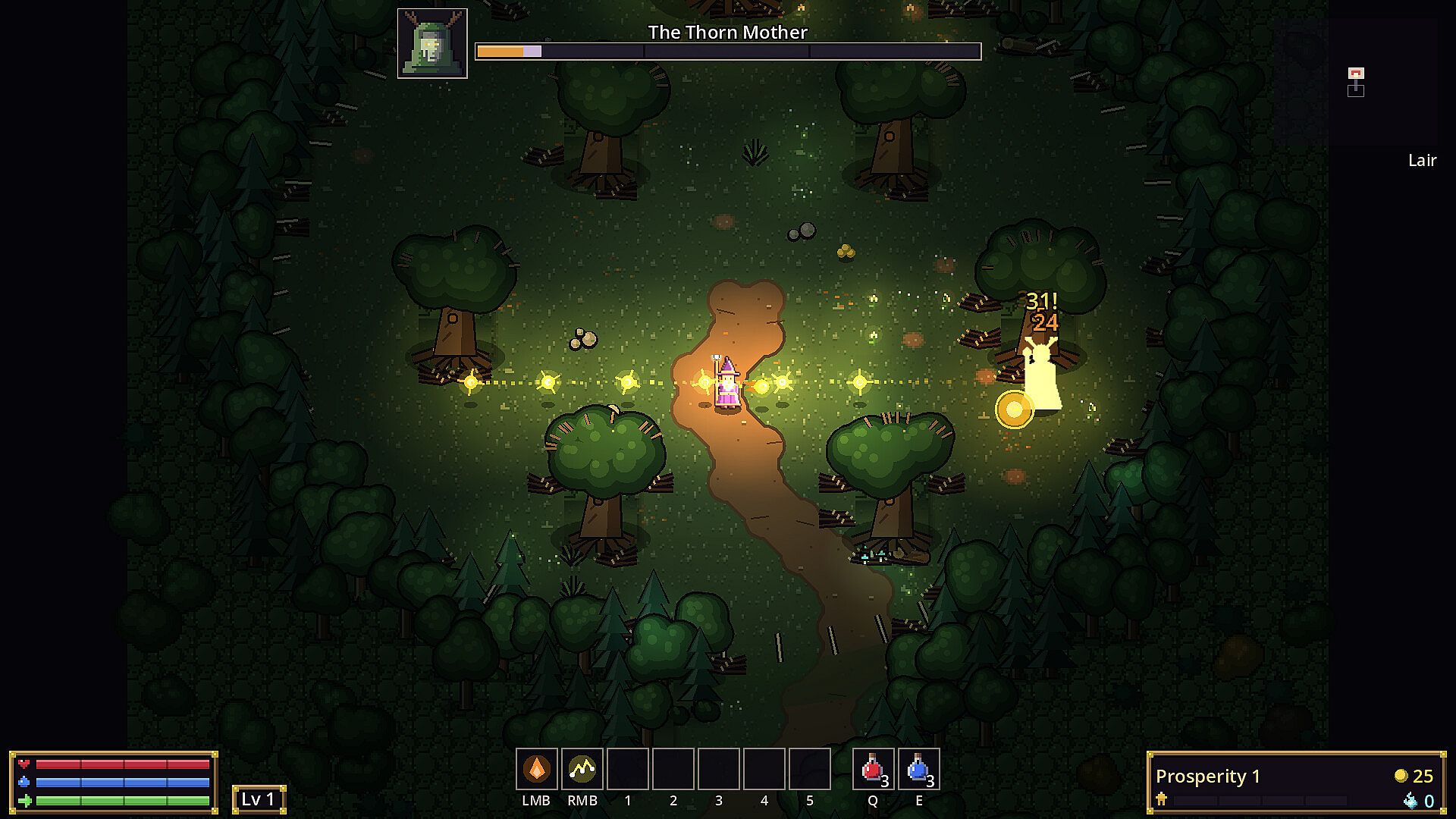
The world consists of layered locations that grow more challenging. The Forgotten Crypt introduces early threats including the witch Morvane. Thornwood features open glades, wolf packs, poachers, and the Thorn Mother. The Mountain includes harpy attacks, multi-level mines that reward careful navigation or clever spell use like Blink, and the Iron Thane as a major encounter. The Crossroads connect these areas, with some paths initially blocked by environmental hazards.
Village elements such as the Arcane Smith for gear tempering and reforging, rumors for guidance, and the Wall of Memories that records fallen heroes reinforce the sense of continuity. Over 70 spells span five callings plus forbidden options, covering fireballs, chain lightning, poison clouds, frost effects, hexes, and additional varieties. Mana management remains critical, forcing reliance on the staff during depletion.
Is It Worth Playing?
Spells of Arcanetheria targets players who enjoy roguelite action RPGs with deep spell customization and meta-progression. The combination of d20 saves, attribute thresholds, feat choices, and village growth creates a loop where each run contributes to future attempts. Those drawn to single-player experiences focused on magic mastery and exploration of interconnected dangerous zones will find the described systems align with that preference. The game remains in development with a planned release in Q2 2027 and currently has no user reviews available. Its appeal rests on the verified mechanics of persistent advancement alongside high-risk individual runs rather than on established community reception.












