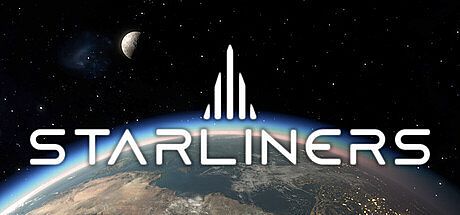


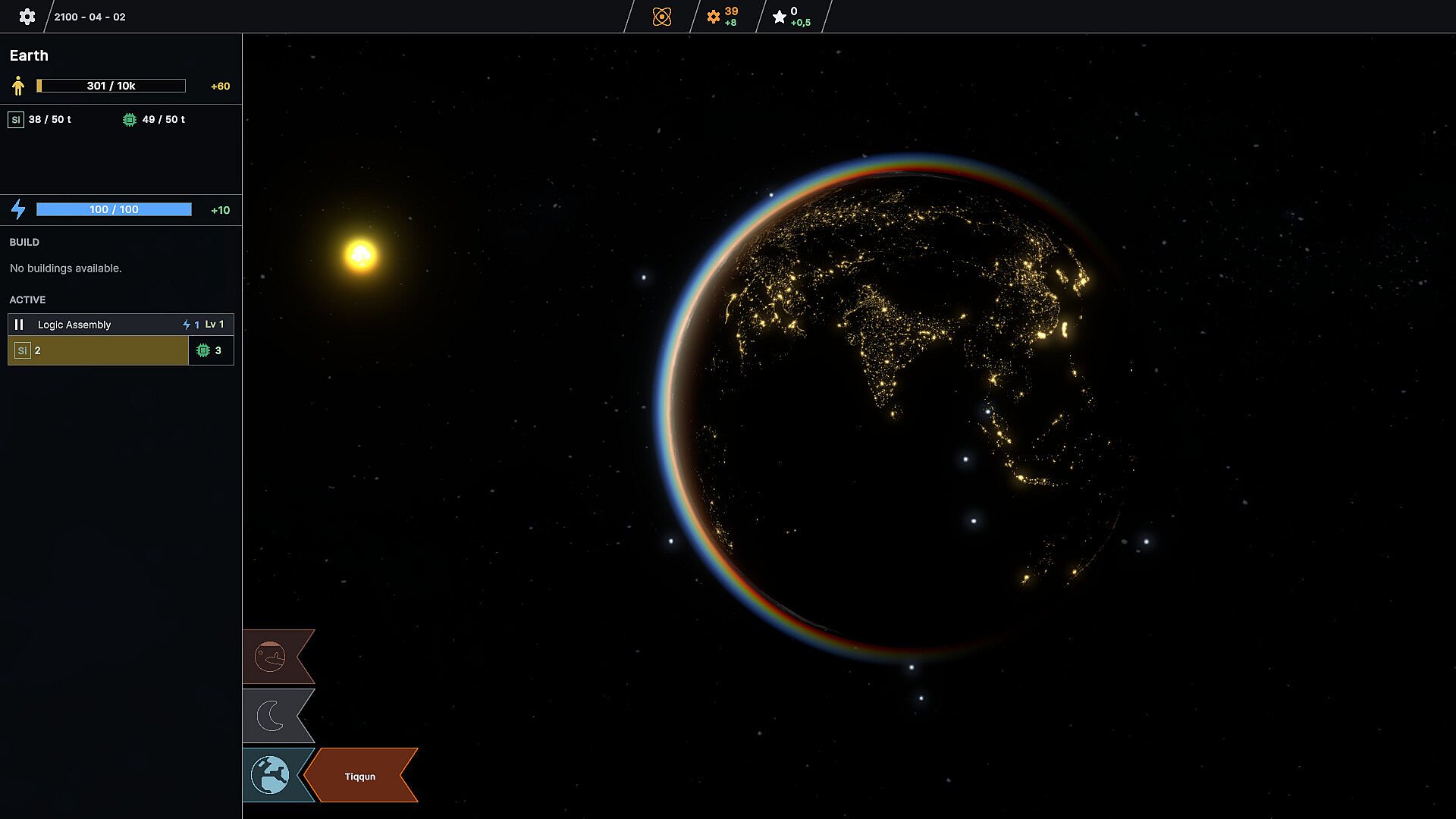
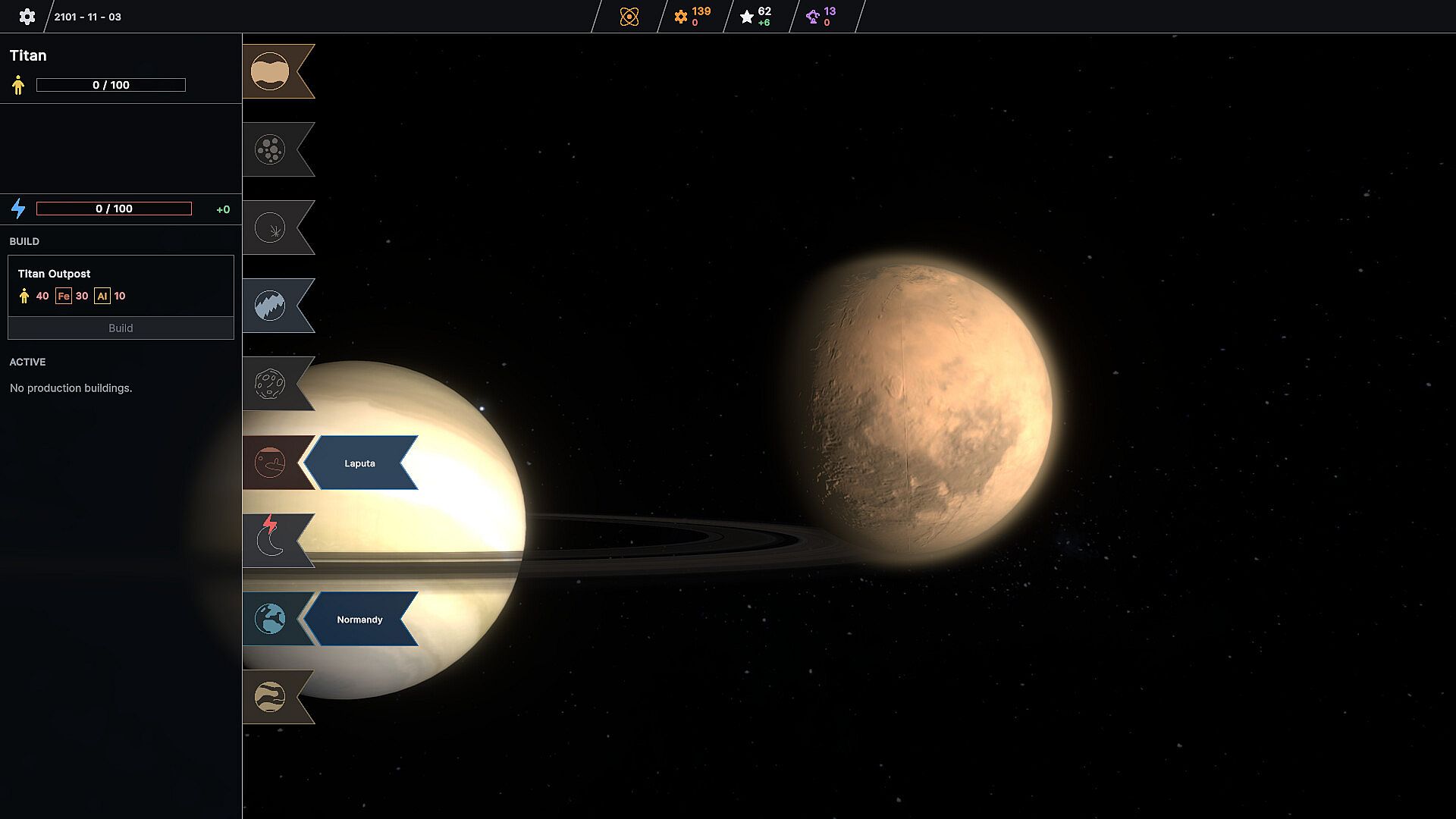


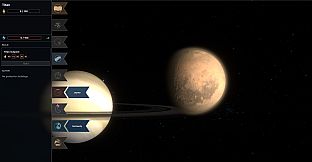
STARLINERS is a single-player strategy game set in the near future of human expansion into space. Players guide the growth of a civilization that begins on Earth and spreads across the planets and moons of the Solar System. The core focus lies in infrastructure development, resource extraction, industrial production, and the creation of an interplanetary supply network that ultimately supports the construction of a massive generation ship known as the Ark.
Gameplay
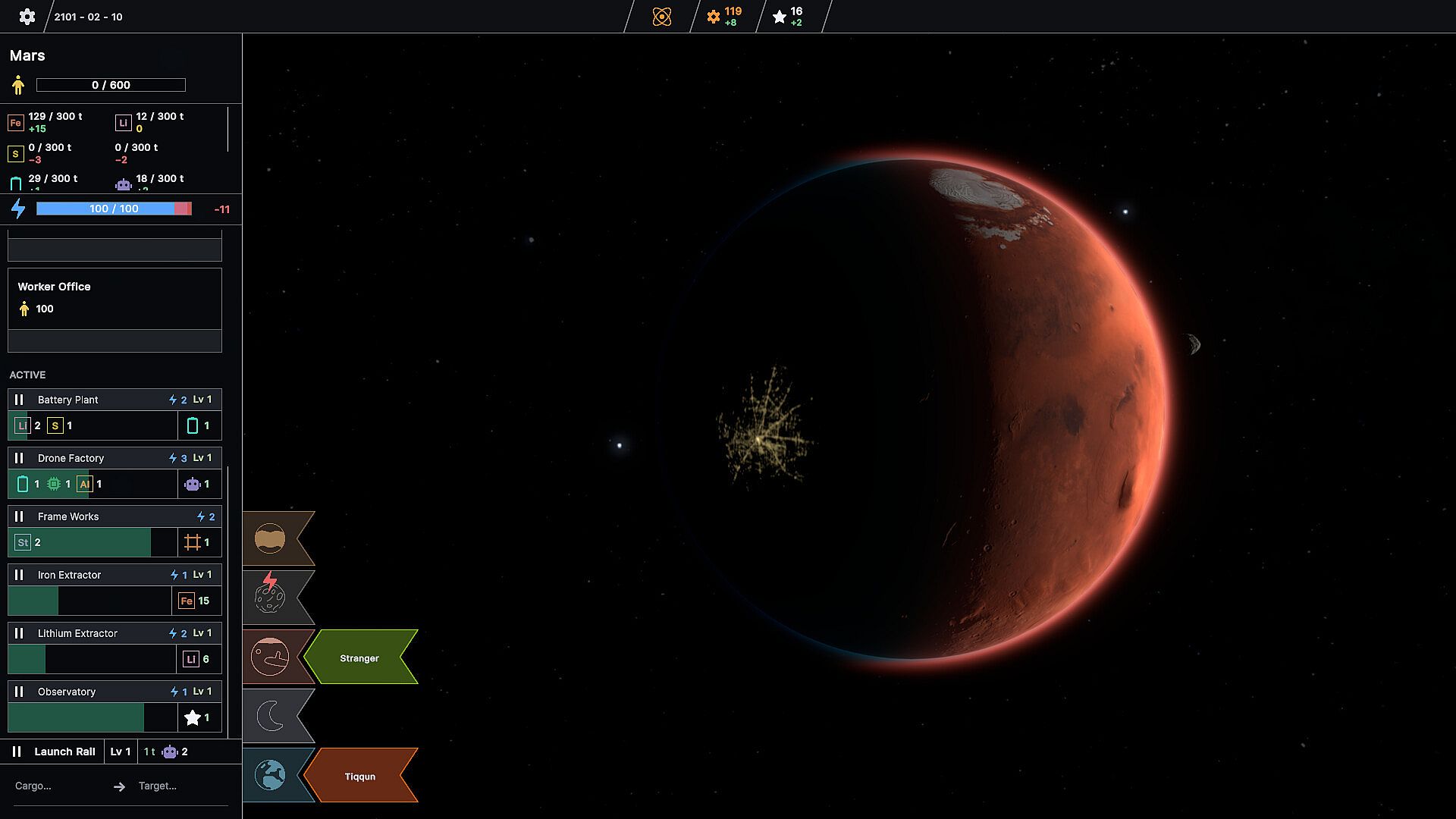
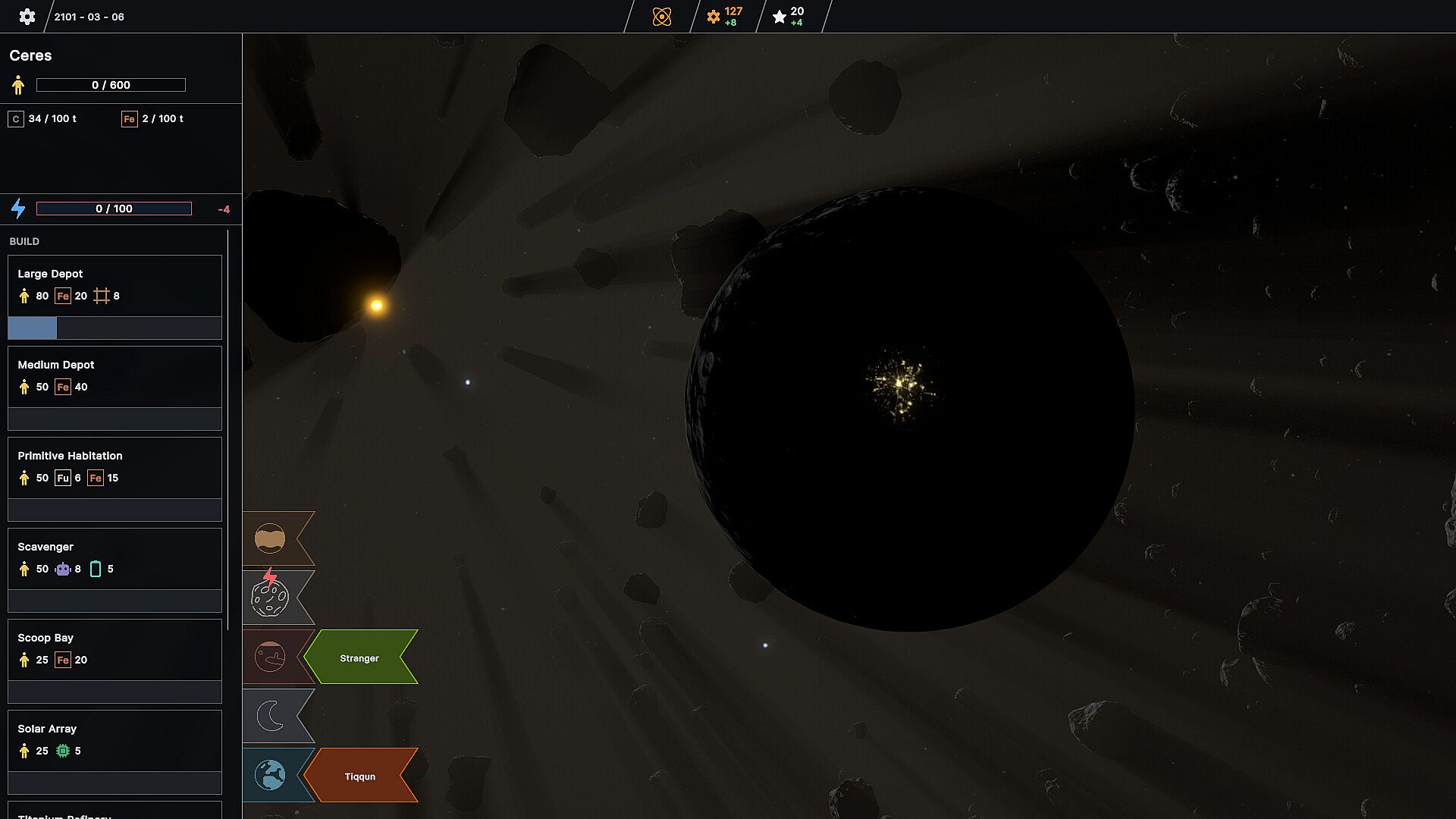
The gameplay centers on planning and executing the expansion of colonies beyond Earth. Players select sites on various celestial bodies, extract raw materials, and convert them into usable goods through layered production systems. Each new facility adds to the overall output while requiring careful attention to supply lines that stretch between distant locations.
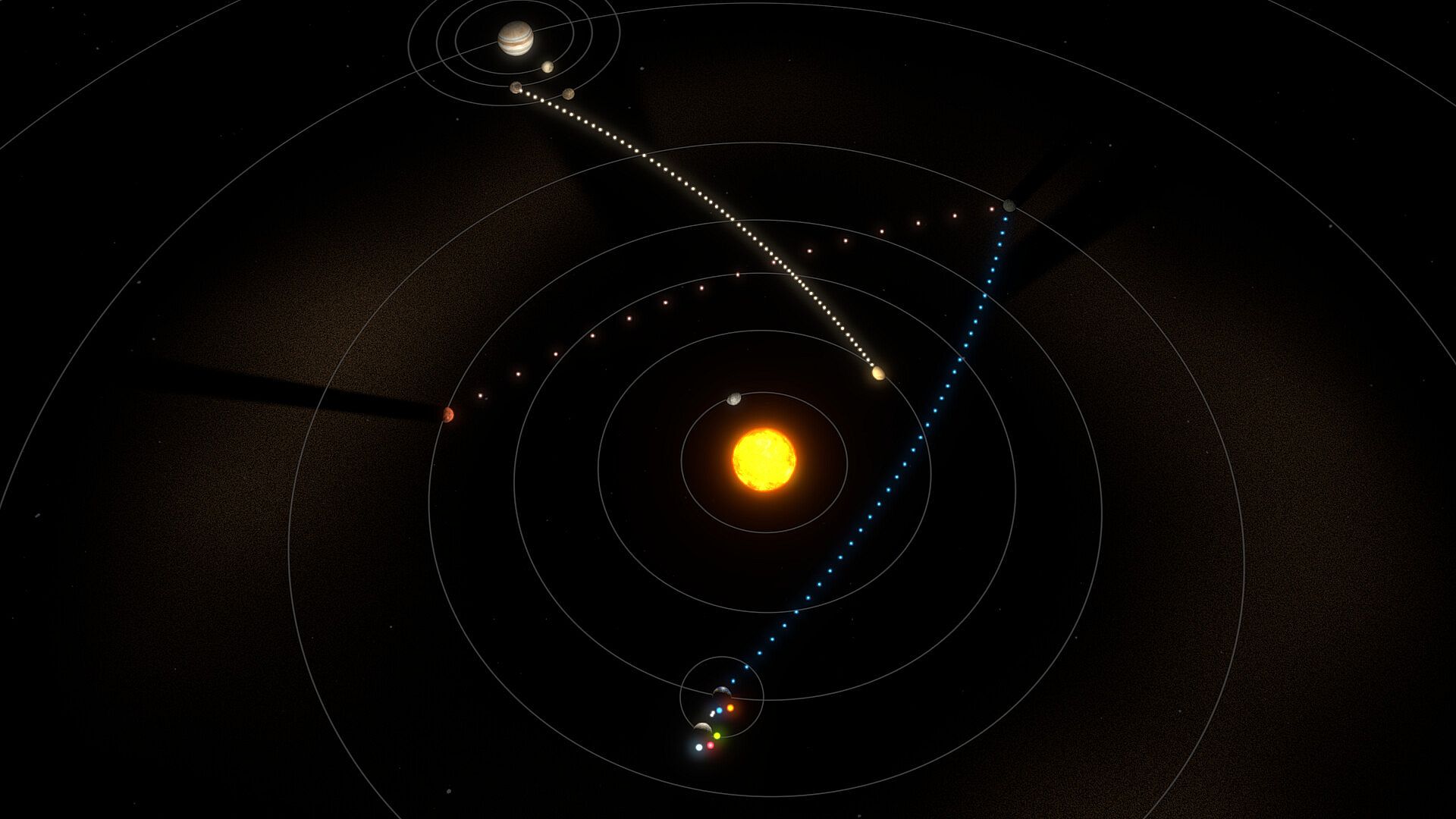
Fleet management forms a key part of daily operations. Ships carry resources from extraction sites to processing hubs and finished products to growing settlements. As the network expands, maintaining efficient routes becomes essential to prevent shortages that could stall construction or research projects. The logistics layer encourages players to balance short-term needs with long-term infrastructure investments.
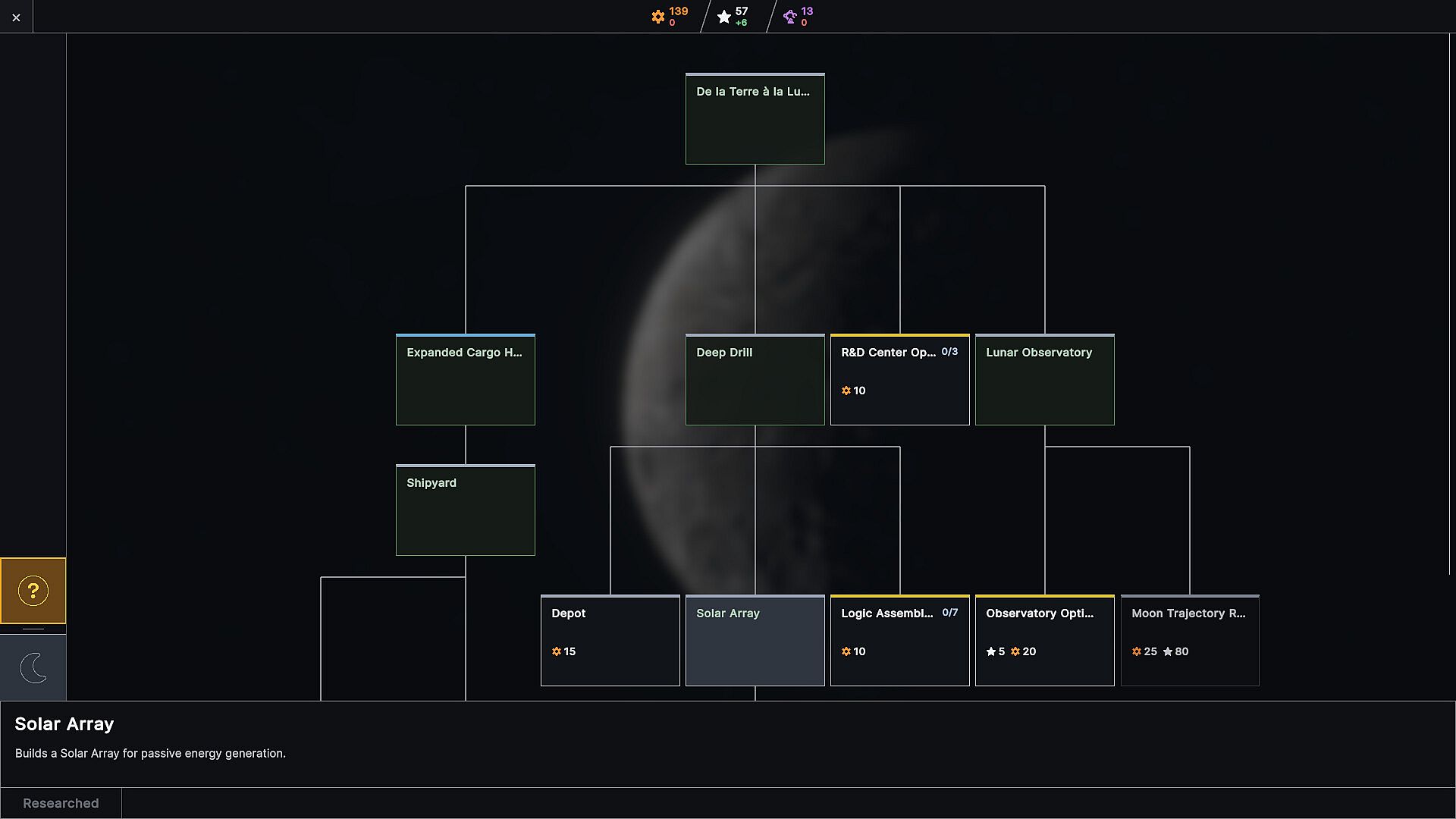
Scientific progress drives advancement. Different research paths unlock specialized buildings, refined production sequences, and quality-of-life improvements that reduce manual oversight. Over time, automation options appear, allowing established supply chains to run with less direct intervention and freeing attention for larger-scale projects.
Game Modes
STARLINERS operates as a single-player experience without separate competitive or cooperative modes. The entire campaign revolves around one continuous civilization-building session that begins with basic Earth-based operations and progresses through successive stages of Solar System colonization. Players advance at their own pace, deciding when to expand to new bodies, invest in research, or prioritize fleet upgrades.
Progression follows a linear yet flexible structure. Early efforts concentrate on establishing reliable resource flows and basic industries. Mid-game challenges involve scaling logistics across multiple colonies while integrating new technologies. The late stage shifts emphasis toward gathering the specialized materials and breakthroughs needed for the Ark project.
Core Mechanics and Progression
Resource chains form the backbone of every decision. Raw materials mined on one world must reach refineries on another, then travel onward as components or finished goods. Disruptions in this flow force players to reroute vessels, expand storage capacity, or develop faster transport options.
Technology acquisition rewards consistent investment in science fields. Each unlocked tier opens buildings that improve efficiency, new production lines that create higher-value items, and upgrades that enhance ship performance or colony output. The system rewards thoughtful sequencing rather than rushing every available option.
The ultimate objective ties all systems together. Once the civilization reaches sufficient scale, players must coordinate the final assembly of the Ark using accumulated resources and technologies. This end-game phase tests the robustness of the entire logistics and industrial network built over many hours of play.
Is It Worth Playing?
STARLINERS targets players who enjoy deliberate, long-term strategy titles centered on resource management and infrastructure growth. The single-player format suits those who prefer to develop a personal civilization without external competition or time pressure from other participants. Its focus on interplanetary logistics and gradual automation offers depth for fans of simulation-style strategy who appreciate watching systems scale over extended sessions.
Because the game remains in development with a planned 2026 release and currently lists no user reviews, prospective players should monitor official updates for any changes to scope or additional features. Those drawn to the described loop of colony expansion, fleet coordination, and technology-driven automation will find a clear match in the core systems presented. The absence of multiplayer elements keeps the experience self-contained and focused on individual planning and optimization.