

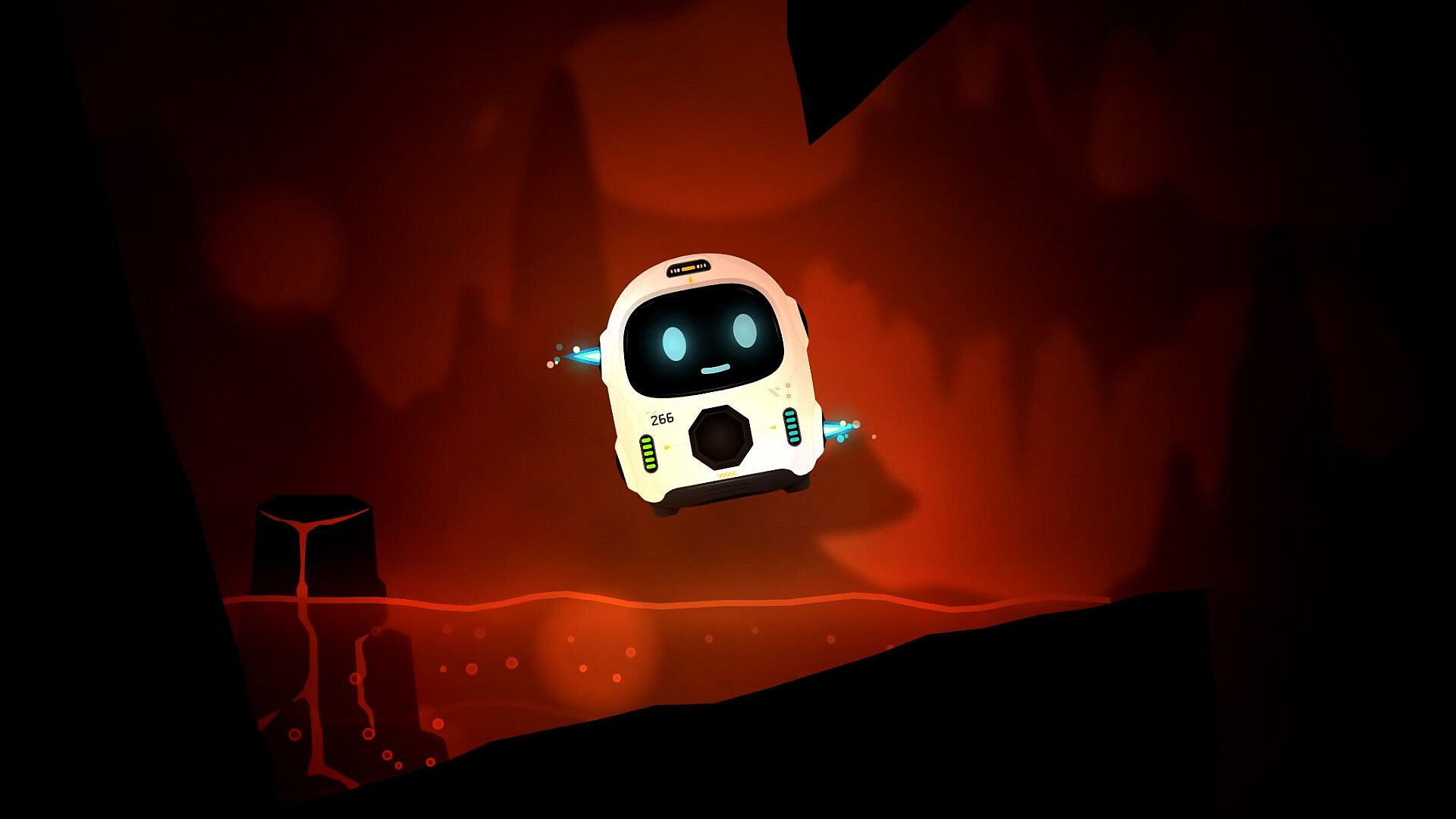
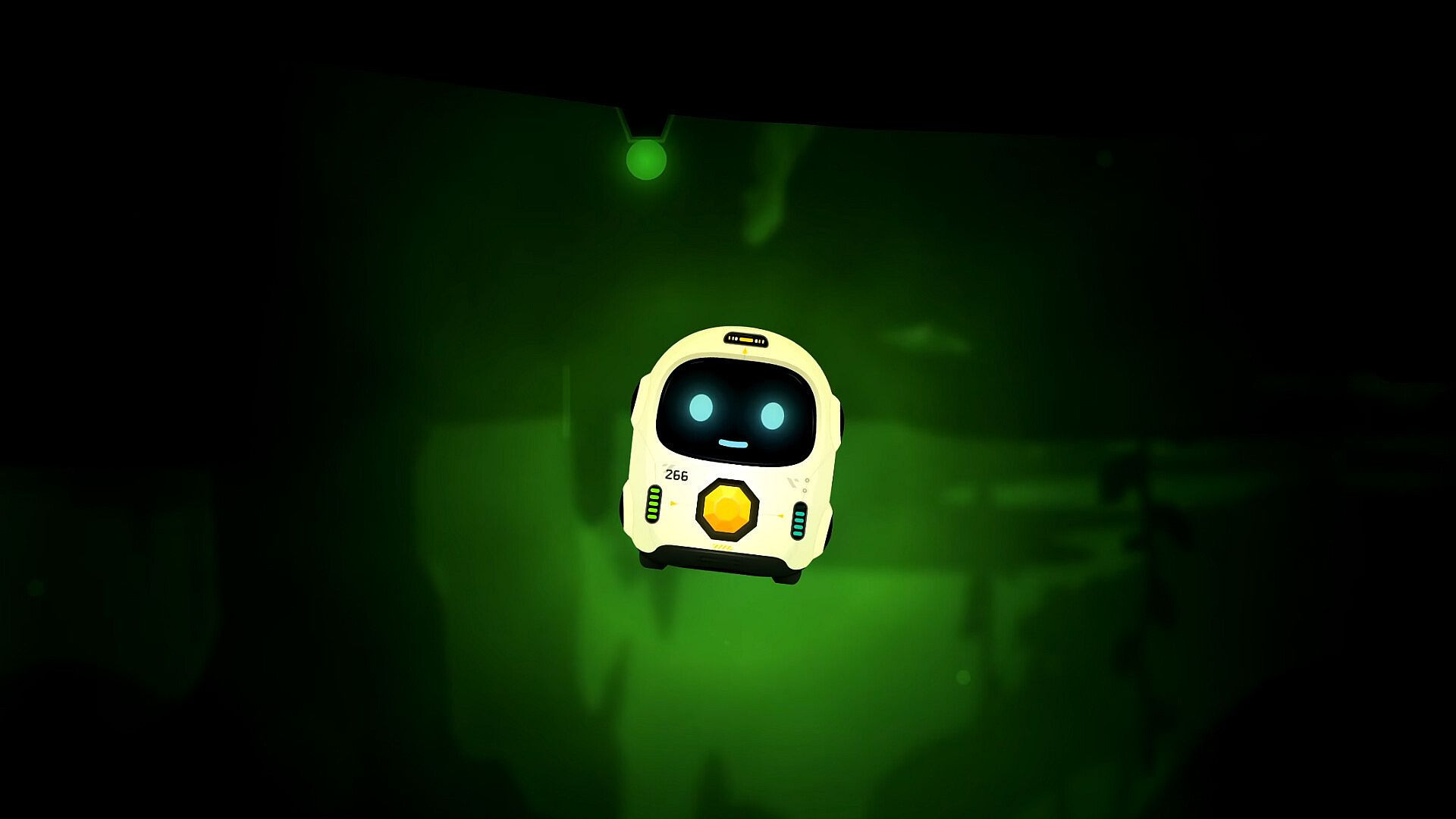
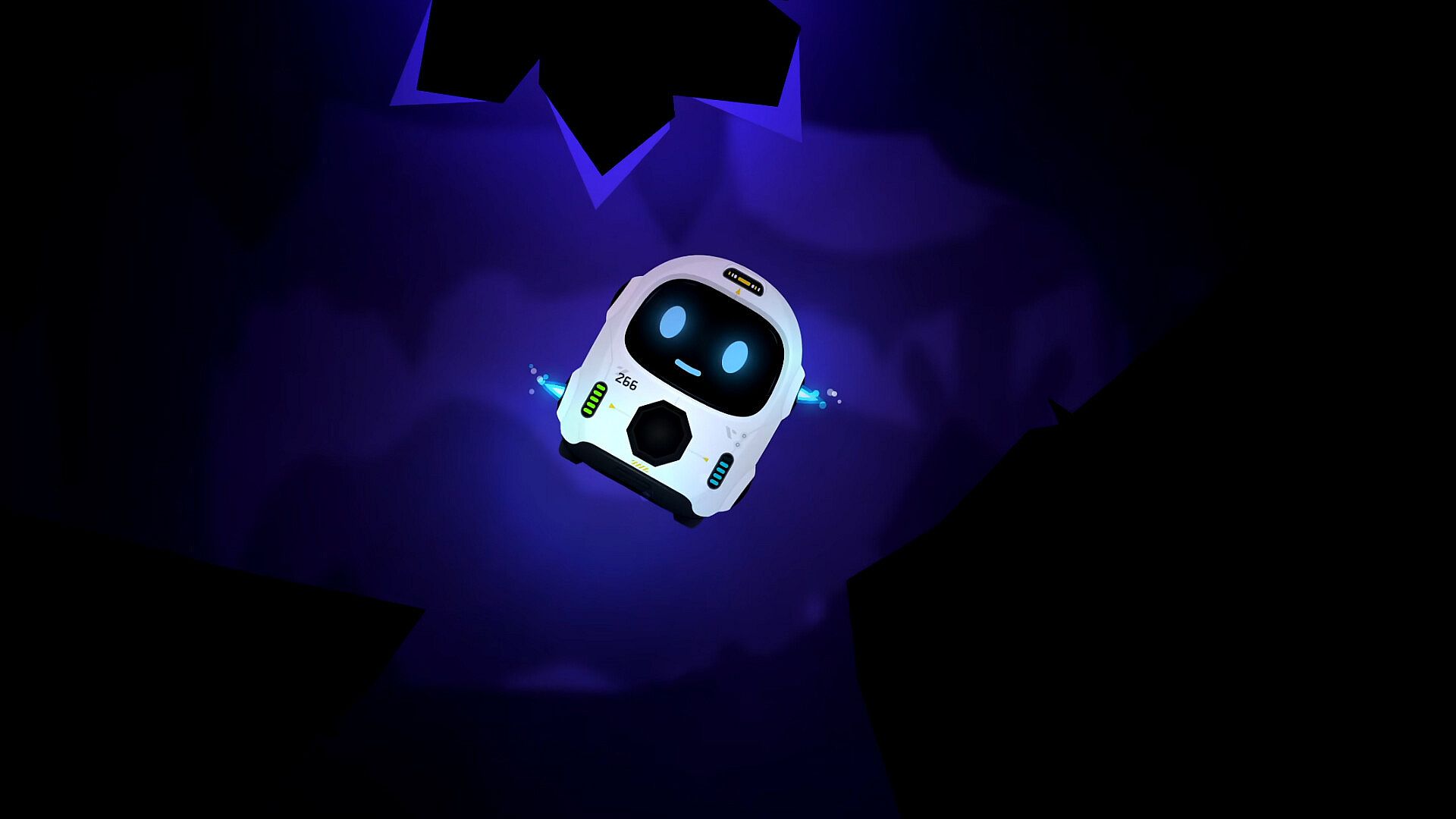
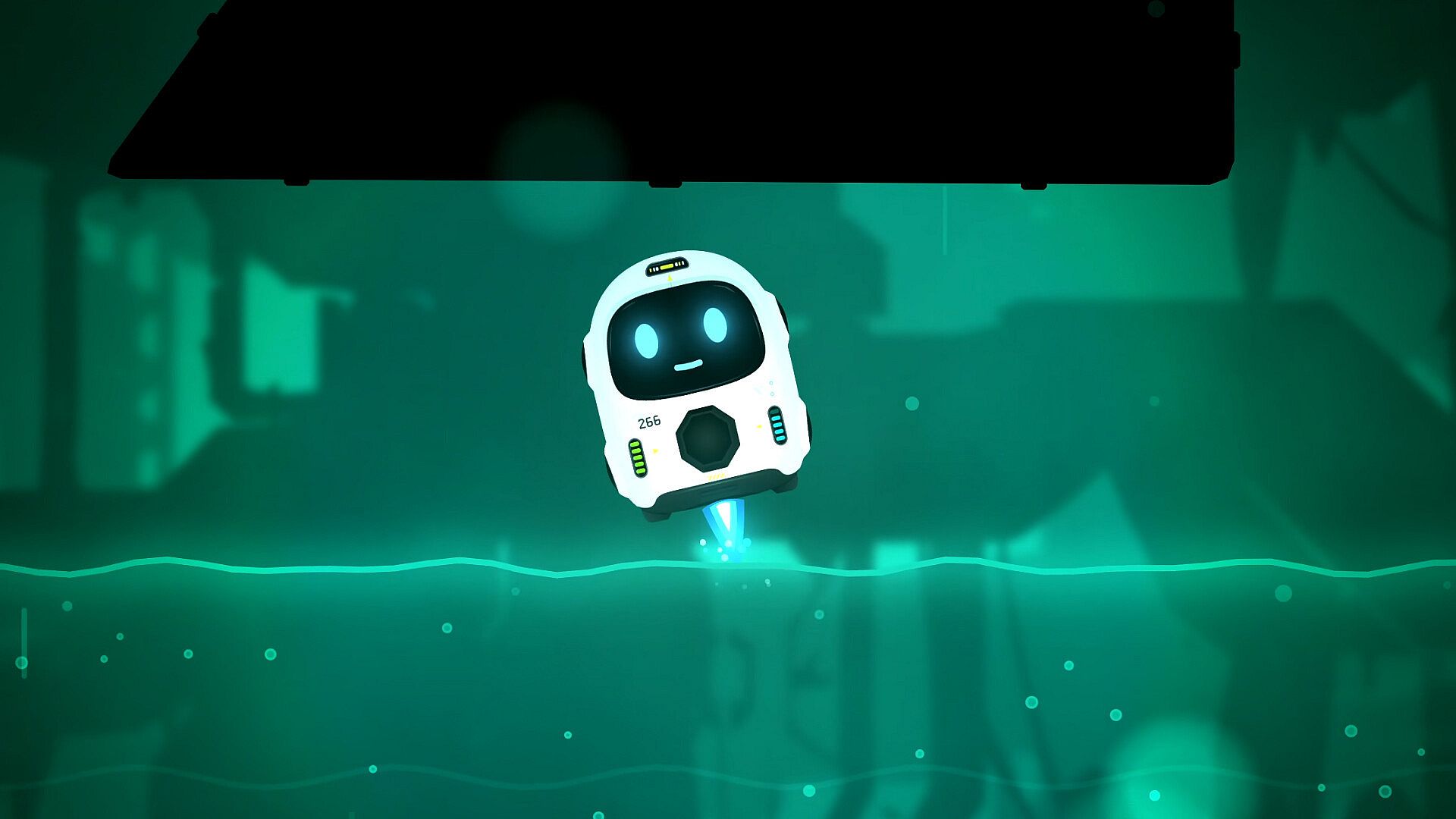
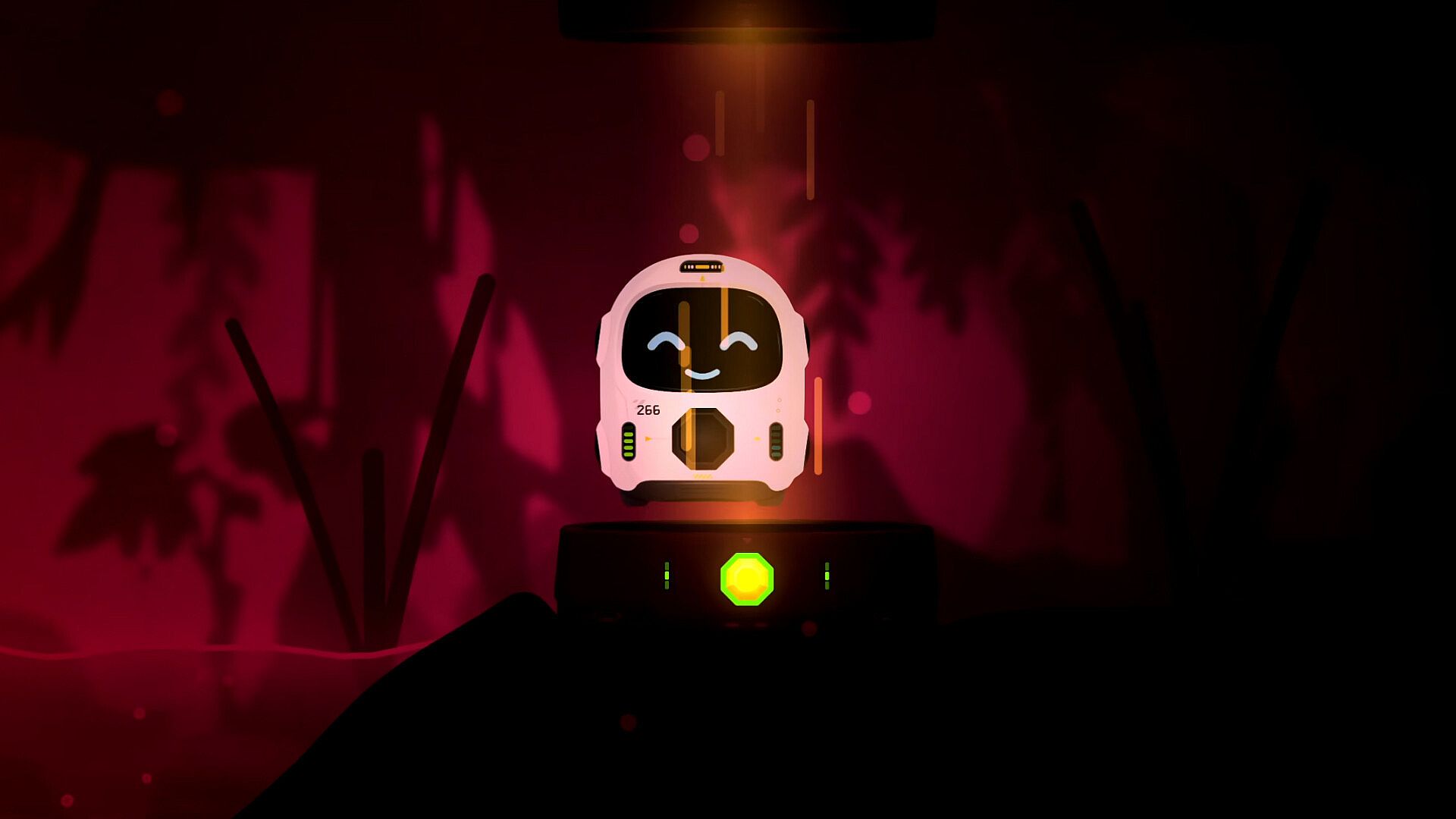



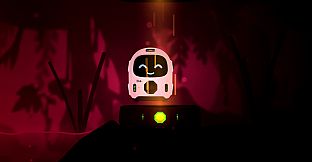
Starling Ascent is an action adventure game with indie, casual, and simulation elements developed for PC. Players control a small fail-safe robot named FS-266, also called Starling, on a mission to restore power to a civilization that has gone dark. The robot must locate scattered cores deep in underground caves and carry them back to the surface through a series of challenging ascents.
Gameplay
The core loop centers on precise flight mechanics using only rotate and thrust controls. Momentum, angles, and gravity influence every movement, creating a system that feels straightforward at first but rewards extended practice. Players navigate cave environments to locate each lost core, secure it, and transport it safely to designated docks. Limited health and fuel add tension, with extra fuel pickups available in longer stages to support extended runs. Perfecting a level without taking damage or beating the clock offers additional challenge for those seeking mastery.
Hazards appear throughout the environments and demand clean flying to avoid instant failure. Bright visual cues make threats like lava, spikes, and lasers visible in advance, shifting focus to positioning and timing rather than reaction alone. The companion AI named Volare provides guidance and commentary during the journey, offering context on the mission and the world without interrupting the flight-focused gameplay.
Game Modes
Starling Ascent presents its content as a continuous single-player campaign divided across five distinct worlds. Each world introduces new environmental themes and hazards that build on the flight skills learned previously. The structure encourages repeated attempts at individual stages to improve performance before progressing upward. A final ascent section combines all prior mechanics in one extended challenge once the cores are secured.
Progression remains linear through the layers, with each world serving as a self-contained set of levels that test cumulative abilities. No separate multiplayer or competitive options appear in the design, keeping attention on personal improvement and careful navigation.
Worlds and Hazards
The five worlds each carry unique visual styles and mechanical twists that layer new dangers onto the established controls. Early layers focus on basic momentum management, while later ones incorporate additional threats that require tighter pathing and resource awareness. The final ascent opens after core retrieval and serves as a capstone test of everything accumulated along the way.
Starling maintains limited health and fuel reserves, making efficient movement essential. Fuel can be collected in many stages to extend playtime, and the option to replay for flawless runs adds replay value within the single-player framework.
Is It Worth Playing?
Starling Ascent suits players who enjoy deliberate, skill-based flight challenges in a compact indie package. The simple controls hide depth that emerges over hours of practice, appealing to those interested in momentum-driven movement and level mastery rather than complex systems or narrative branching. The companion Volare adds light personality to the otherwise focused experience without shifting emphasis away from the core flying loop.
With its emphasis on precision and incremental world progression, the game fits casual sessions or longer attempts at perfect runs. Availability on PC makes it accessible for those seeking an adventure simulation hybrid that prioritizes clean execution over expansive features. The overall design supports repeated play through its layered worlds and final challenge, providing a clear path for players who value mechanical refinement.