


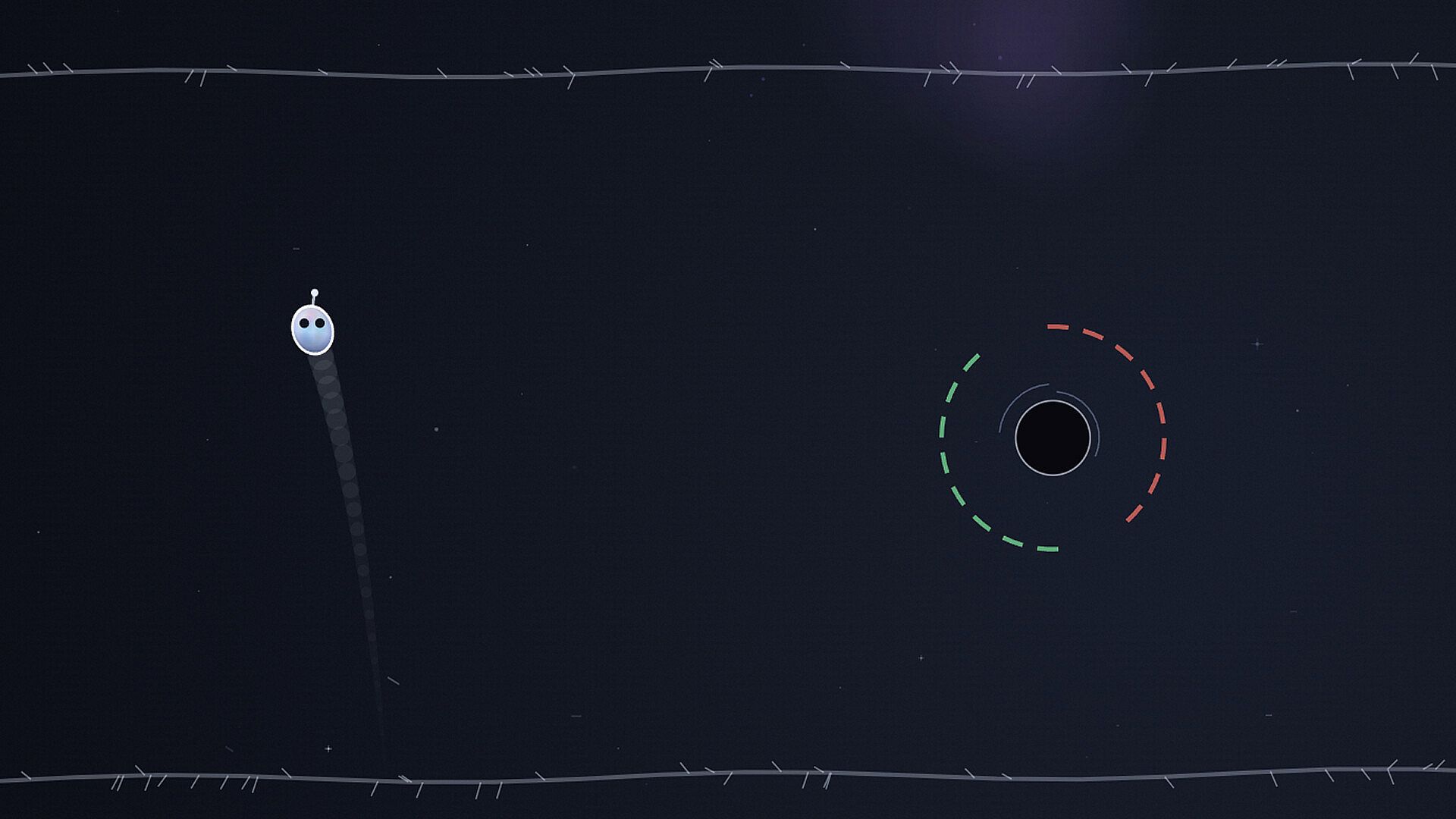


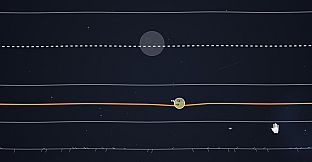
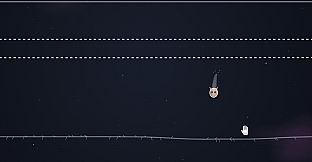
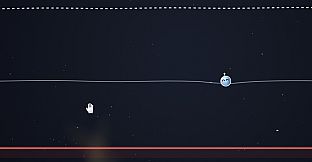

Tensio is an action indie casual game for PC in which players control a series of drifters attempting an upward climb through procedurally generated vertical spaces by interacting with strings. The core experience centers on precise timing and physics as each run builds its own musical score through string interactions. Short sessions and a simple one-button control scheme define the accessible yet demanding loop.
Gameplay
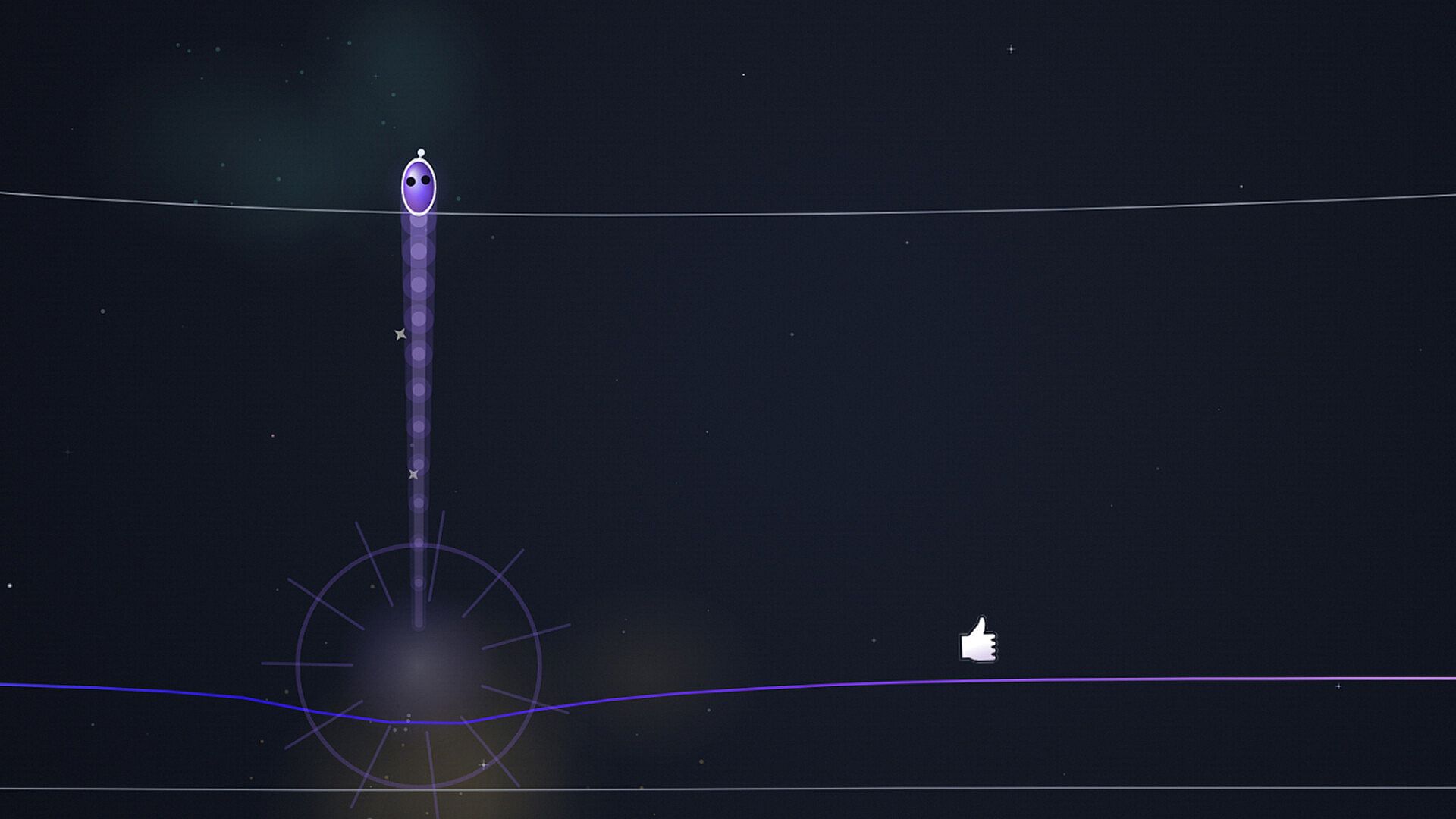
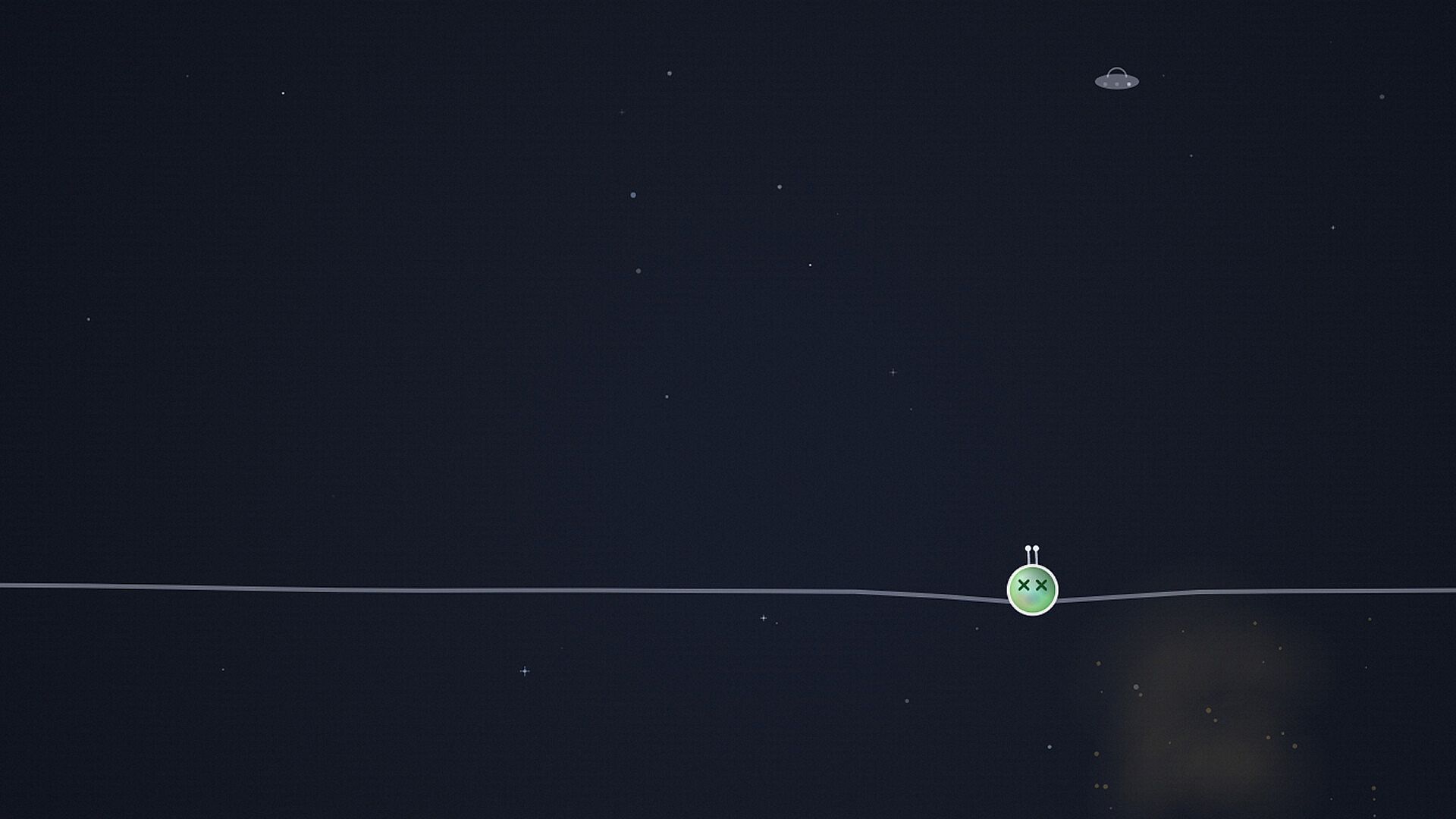
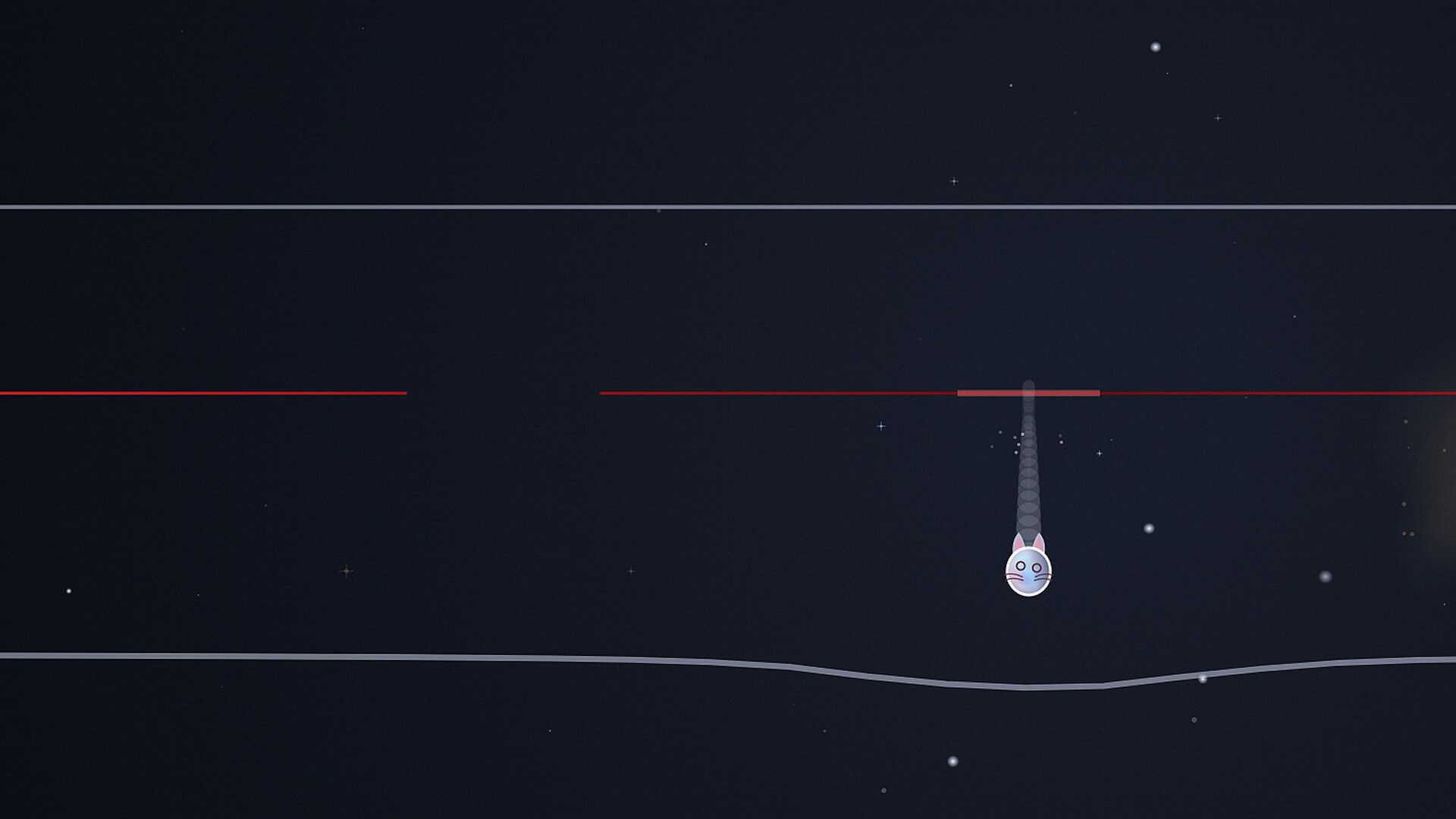
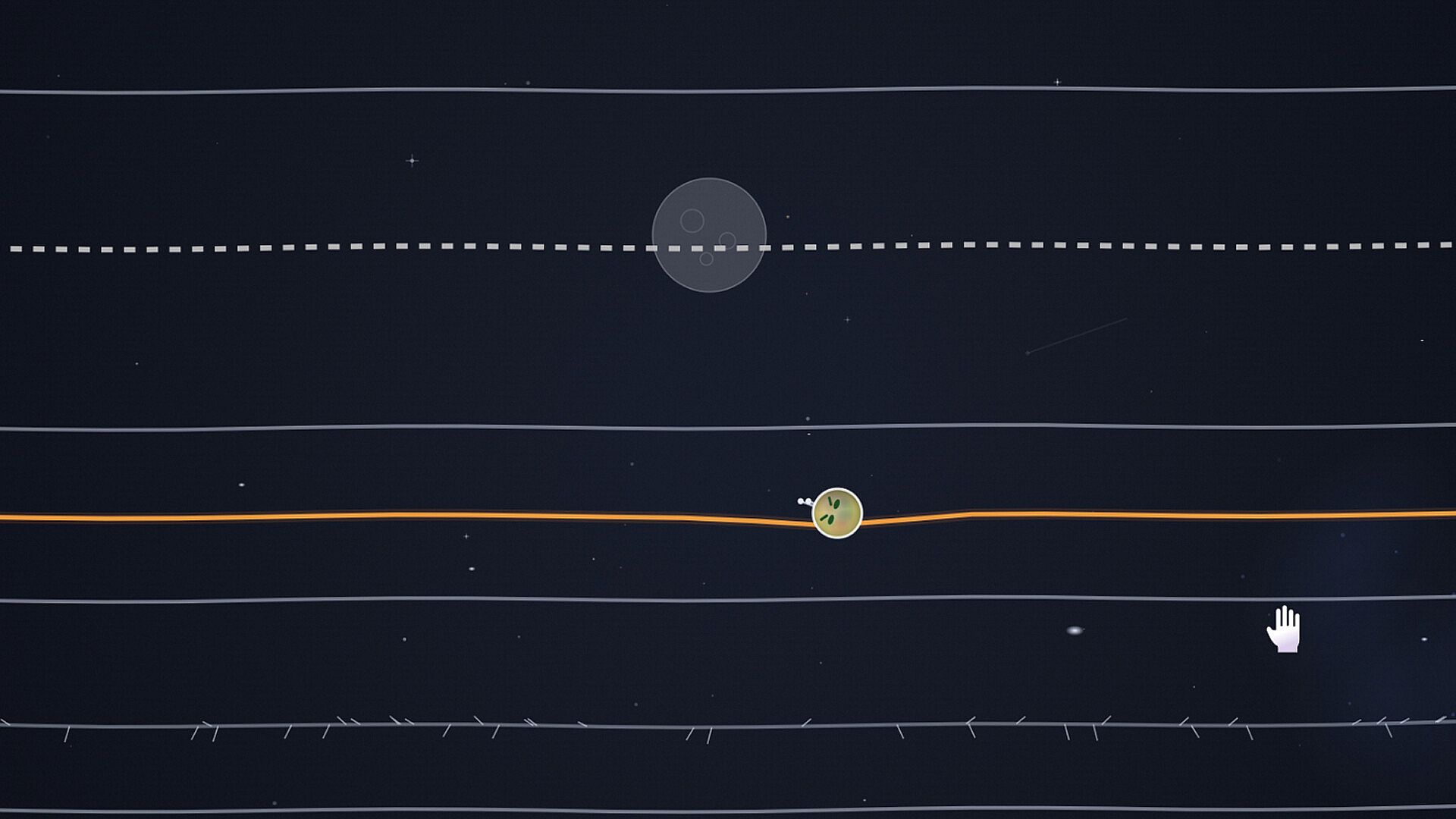
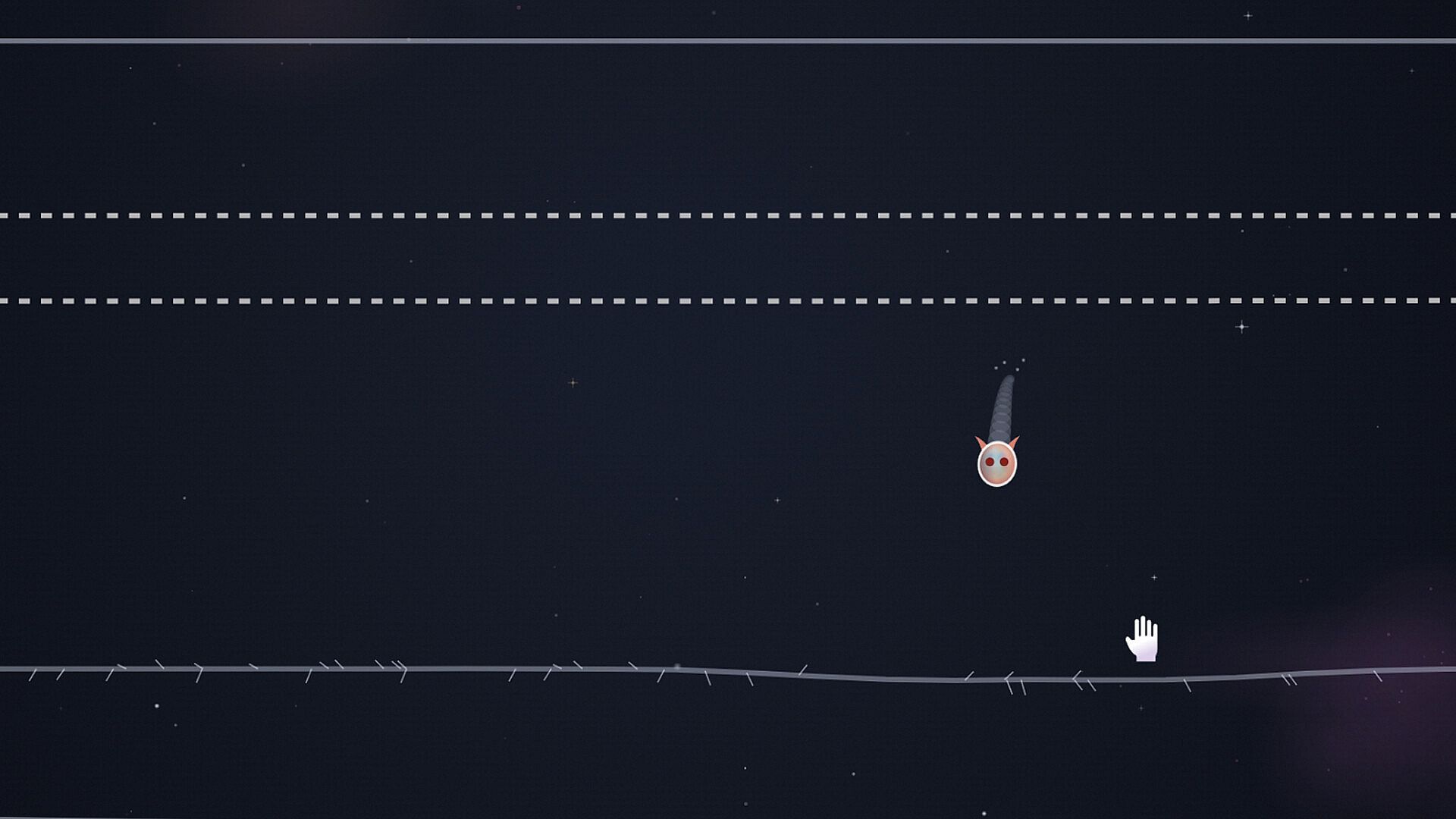
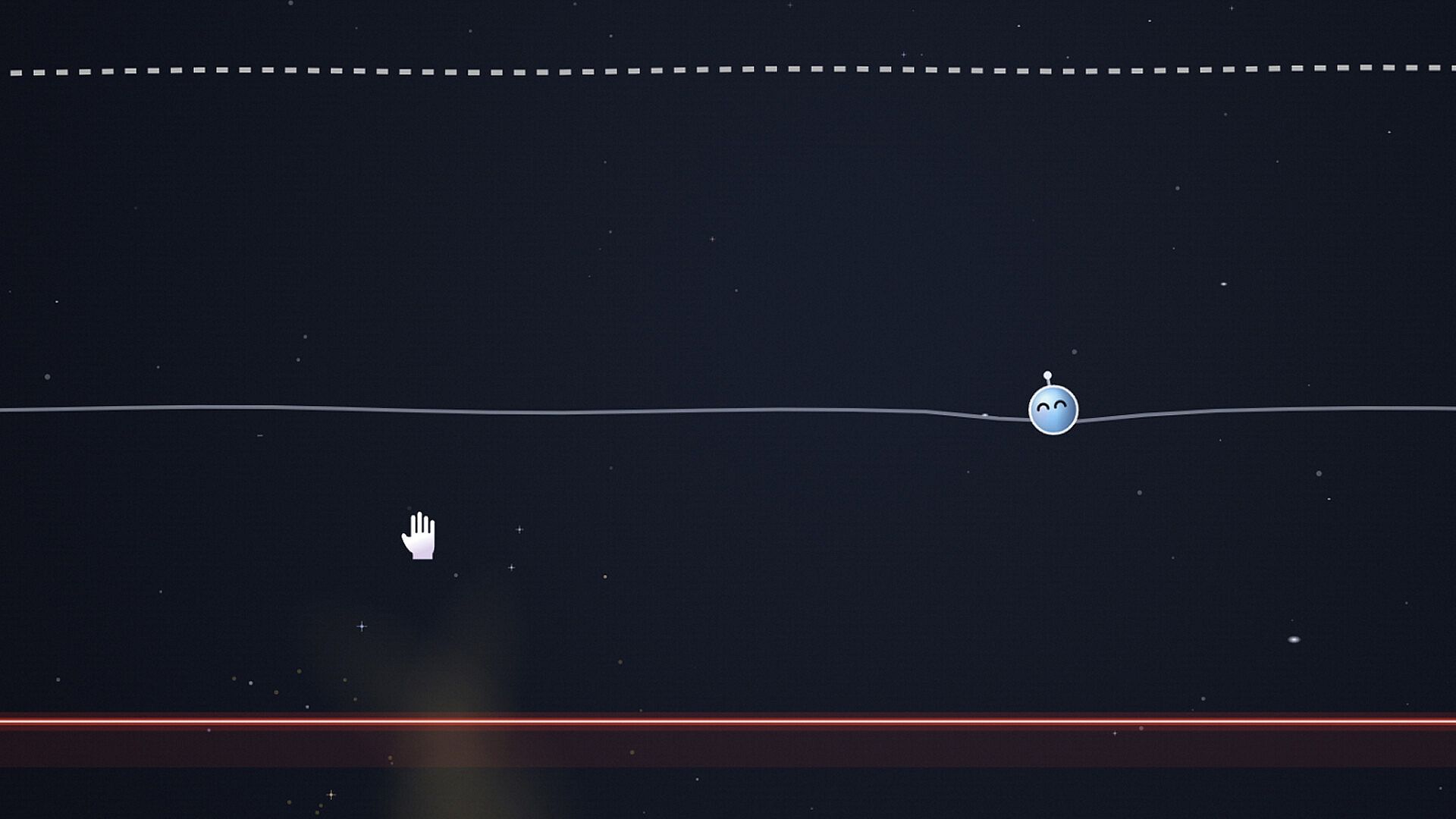
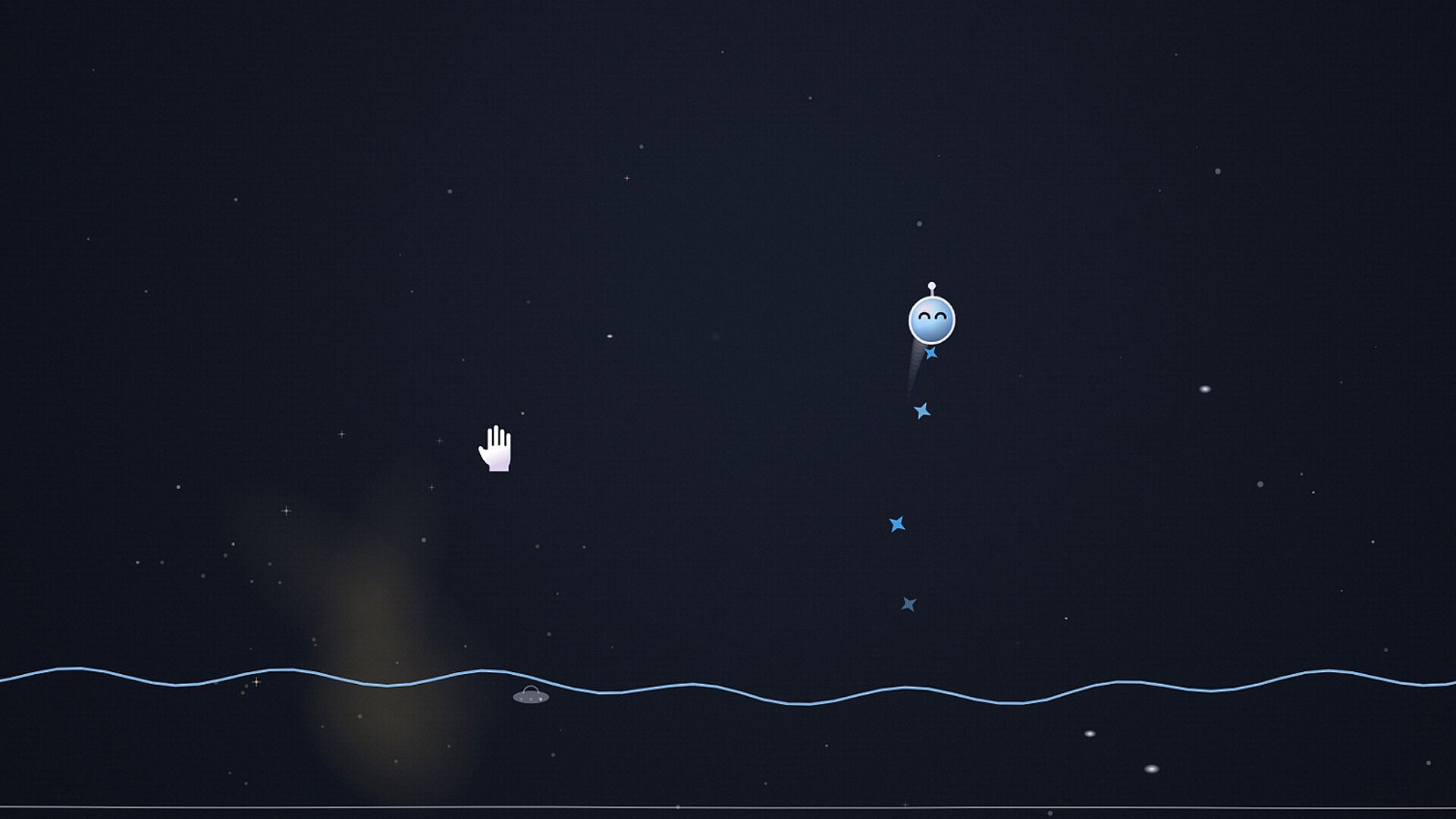
The central action involves pulling a string downward to build tension before releasing to launch upward toward the next string. Physics handles the flight path, requiring players to aim carefully and time releases to maintain momentum. Landing on a string allows another pull, creating chains of launches that propel the character higher. Overextending a pull causes the string to snap permanently, leaving a gap that affects later descents or repeated paths.
Every string touched produces a distinct musical note. Thicker strings generate lower tones while thinner ones produce higher pitches. The entire audio register shifts upward by an octave for every 1500 meters gained, so sustained climbs naturally brighten and intensify the soundtrack. Chaining launches triggers rising musical phrases that respond directly to player performance.
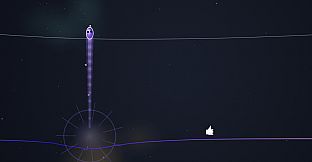
Special strings introduce variety and risk. A violet string acts as a rocket when given clean space below it. An ember string ignites the character, preventing the next string from holding weight. A balloon string slows time to a drift. A rainbow string propels the character farther than intended. Strings also degrade after use and remain broken on subsequent passes downward.
Control remains limited to a single pointer for press, drag, and release actions. Runs last only a few minutes, and failure returns the player to the start with one life per attempt. The experience stays fully offline with no accounts or external services required.
Game Modes
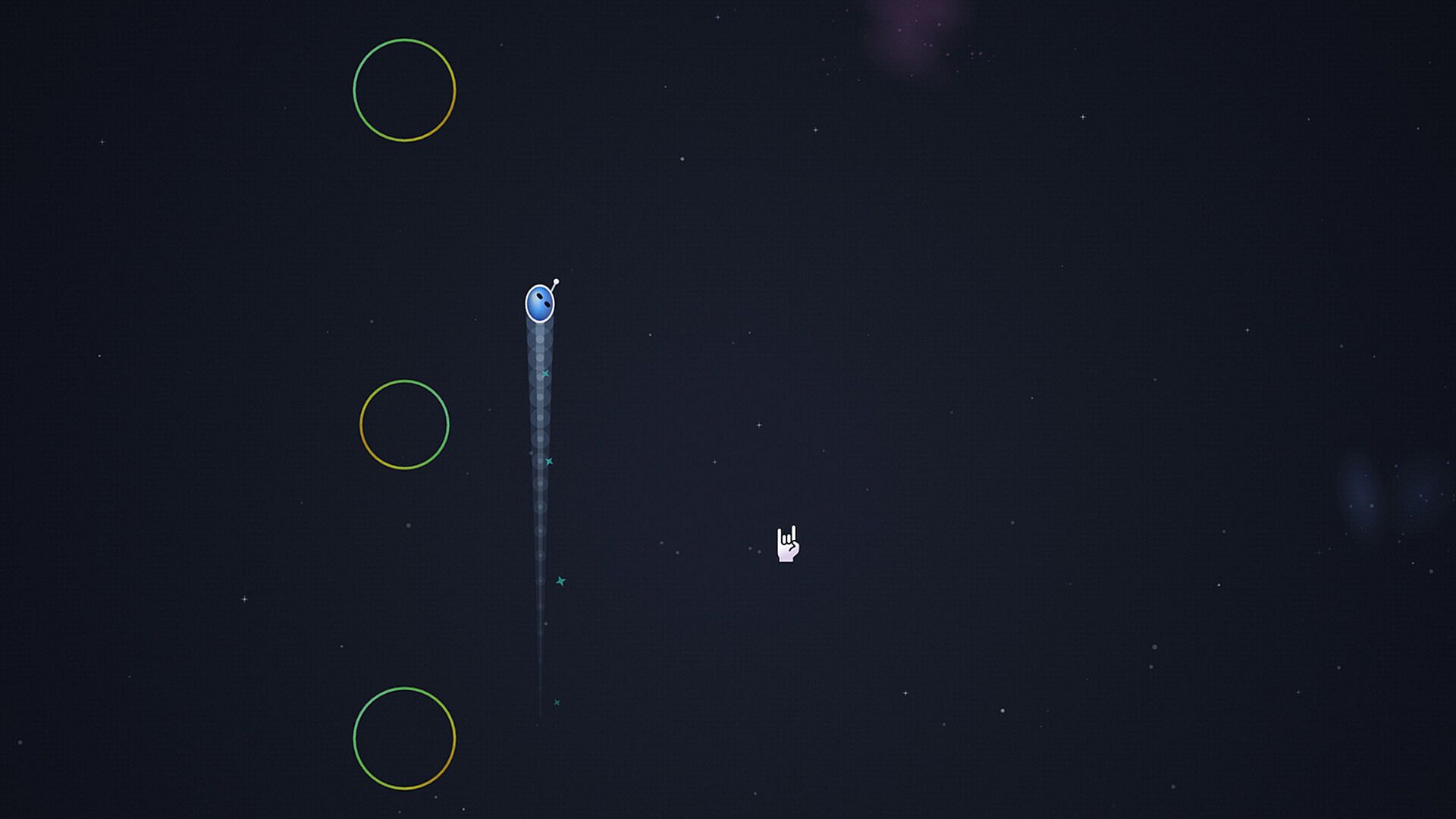
Tensio centers on repeated climbing runs through procedurally generated environments. Each attempt stands alone, with no two climbs identical due to the generation system. Players select from eight drifters, each unlocked through different conditions tied to performance or exploration.
A combo system rewards flawless links, with three perfect connections in one flight triggering an ignition effect. The procedural layout ensures fresh challenges on every restart, while the short duration of runs supports quick sessions or extended play through rapid retries. Mid-climb pauses allow players to resume from the same altitude later.
Core Mechanics and Progression
Progression revolves around unlocking the eight drifters via varied methods rather than traditional leveling. The combo ceiling and ignition mechanic add layers to chaining launches without altering the fundamental one-life structure. Sound design integrates tightly with gameplay, as note generation and register shifts provide real-time feedback on height and success.
Degradation of used strings forces adaptation on the way down or in future attempts. Special string types create branching decisions during ascent, rewarding observation of string properties before committing to a pull. The overall loop emphasizes precision over speed, with physics determining outcomes once the release occurs.
Is It Worth Playing?
Tensio suits players who enjoy short, repeatable physics challenges with integrated audio elements. Its minimal control scheme and minute-long runs make it approachable for casual sessions while the procedural generation and string variety maintain interest across multiple attempts. The offline nature and instant restarts remove common barriers to repeated play.
Those drawn to indie action titles focused on timing, momentum, and emergent soundtracks will find the core loop consistent with the described systems. Absence of multiplayer or additional named modes keeps the focus narrow on the climbing experience. Early availability on PC positions it as a lightweight option for fans of precise platforming without lengthy commitments.