





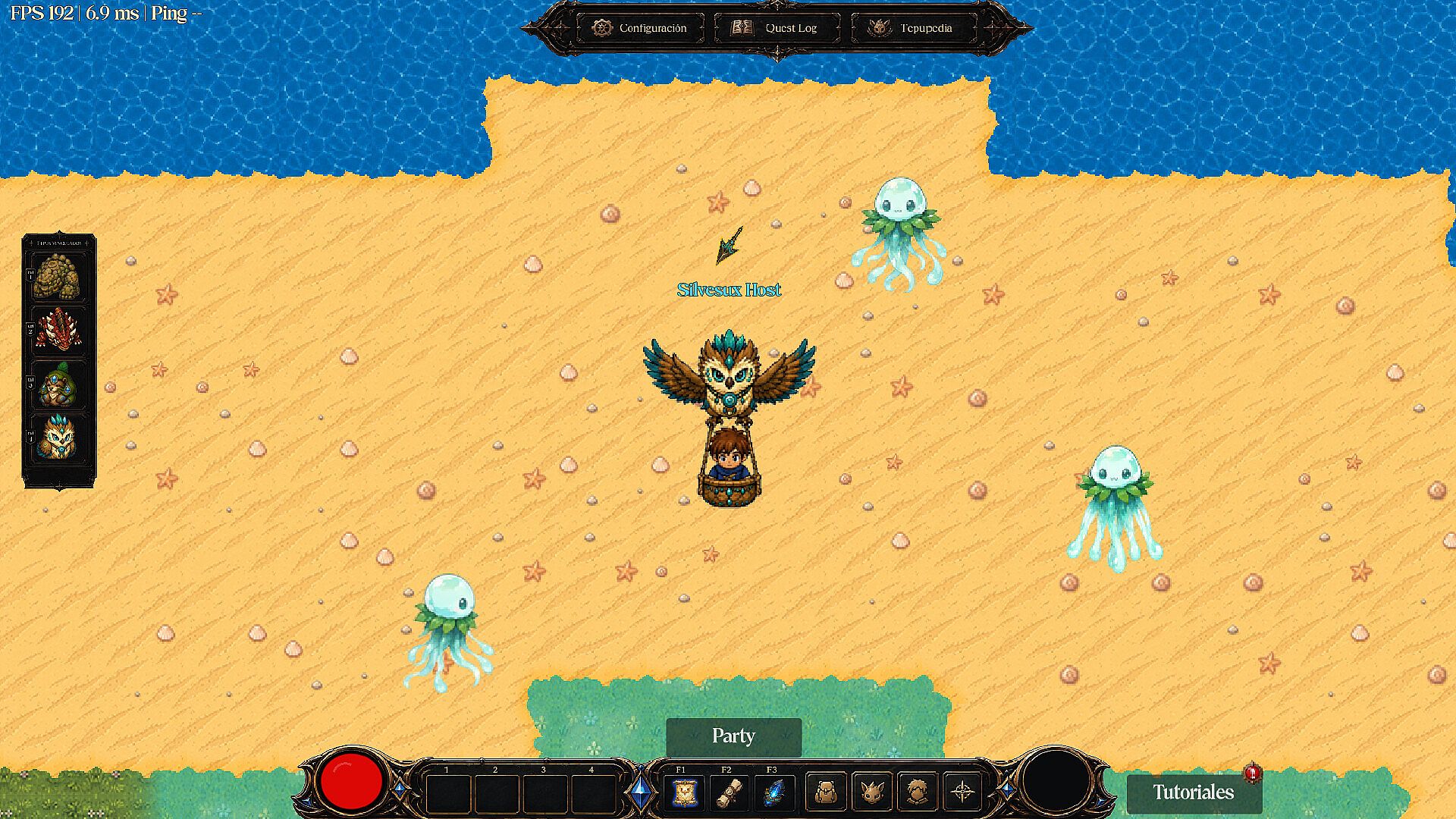
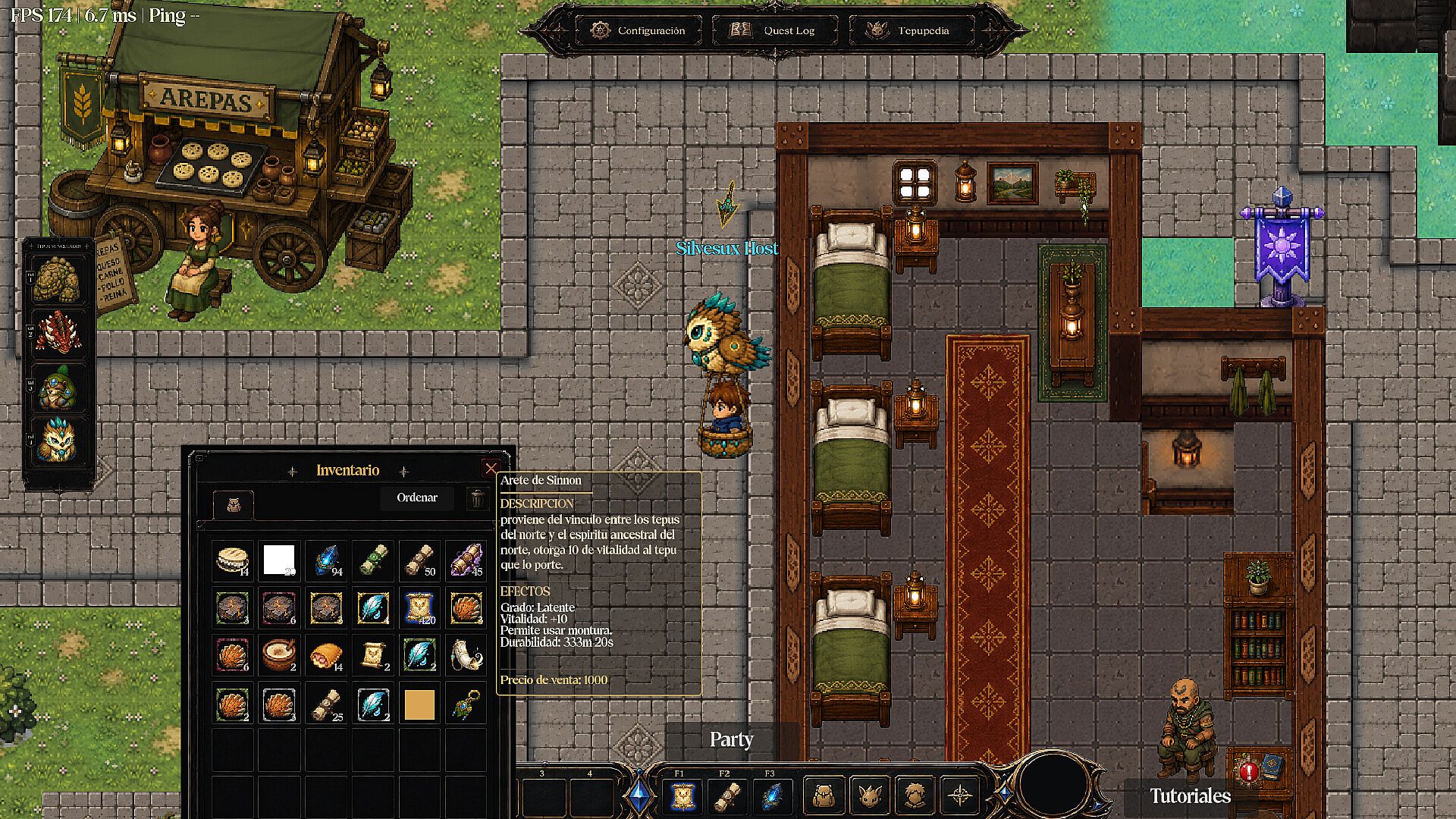
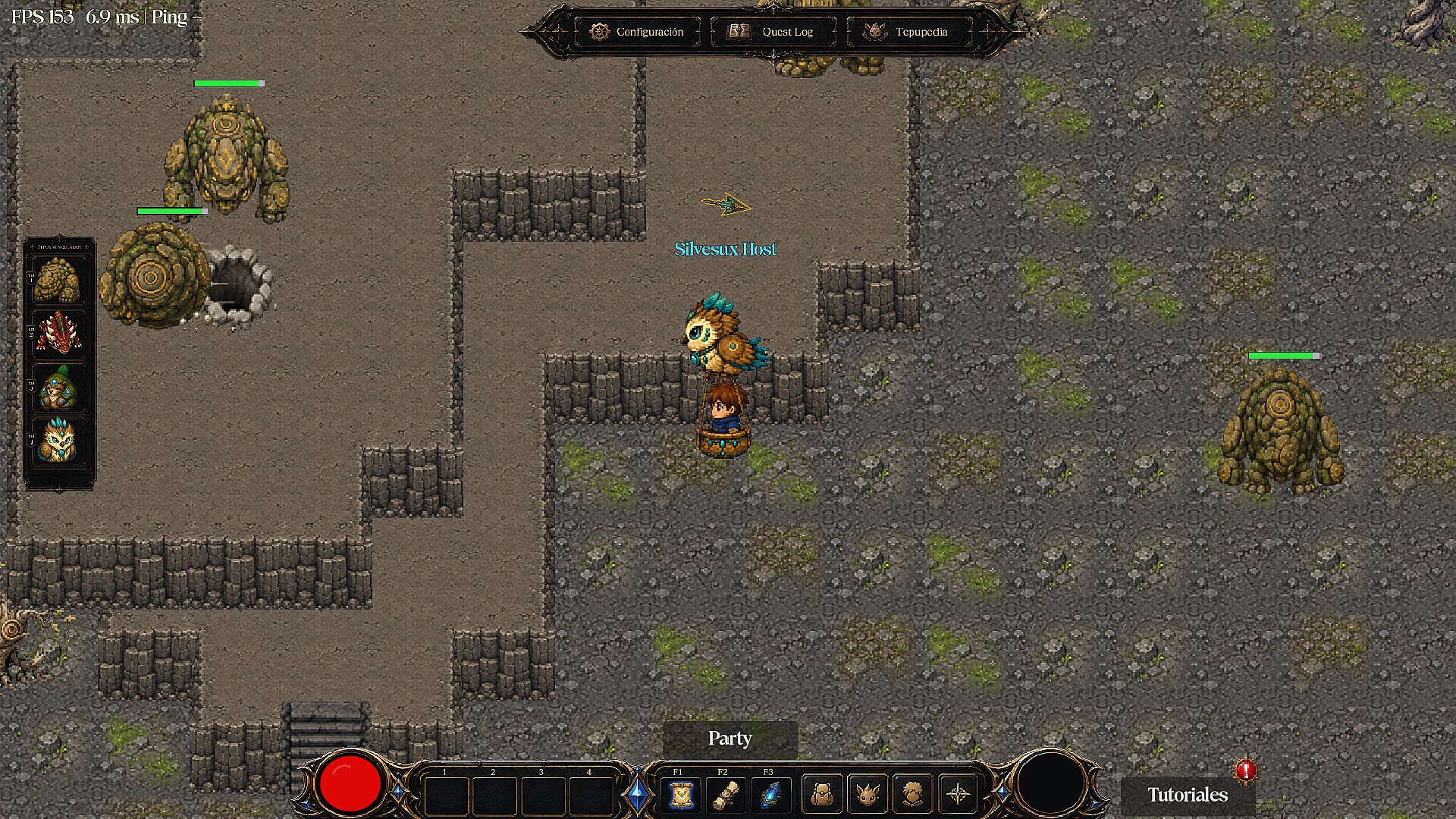
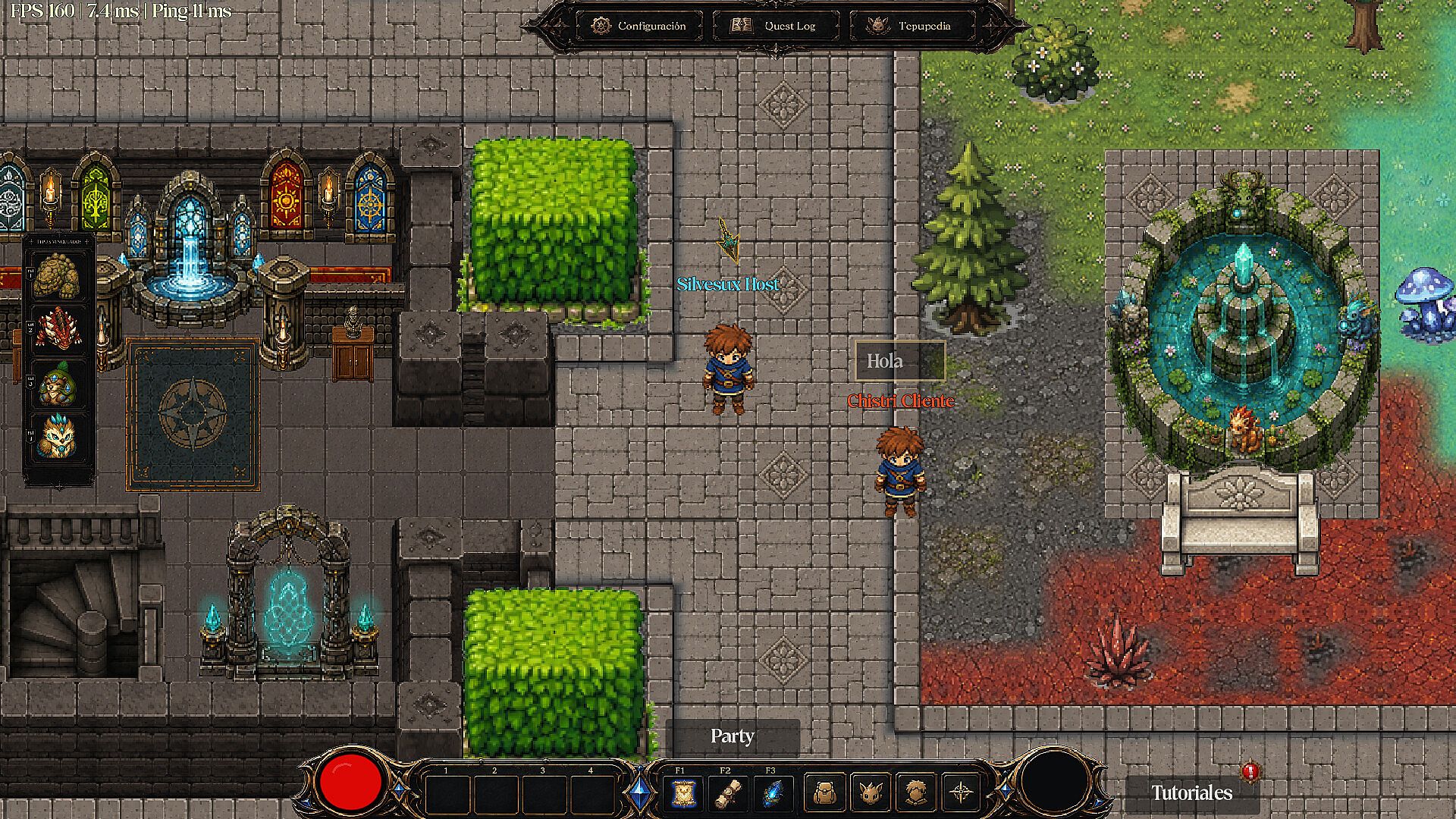
TepuLink is a 2D online creature RPG set in a persistent world where players take on the role of a Summoner. Individuals form spiritual bonds with creatures known as Tepus, turning them into active companions for exploration and battle. The game emphasizes real-time combat alongside these creatures, collection of unique individuals, and progression through a shared online environment on PC. It remains in active pre-alpha development with a playable prototype that supports core systems like creature collection and multiplayer interaction.
Gameplay
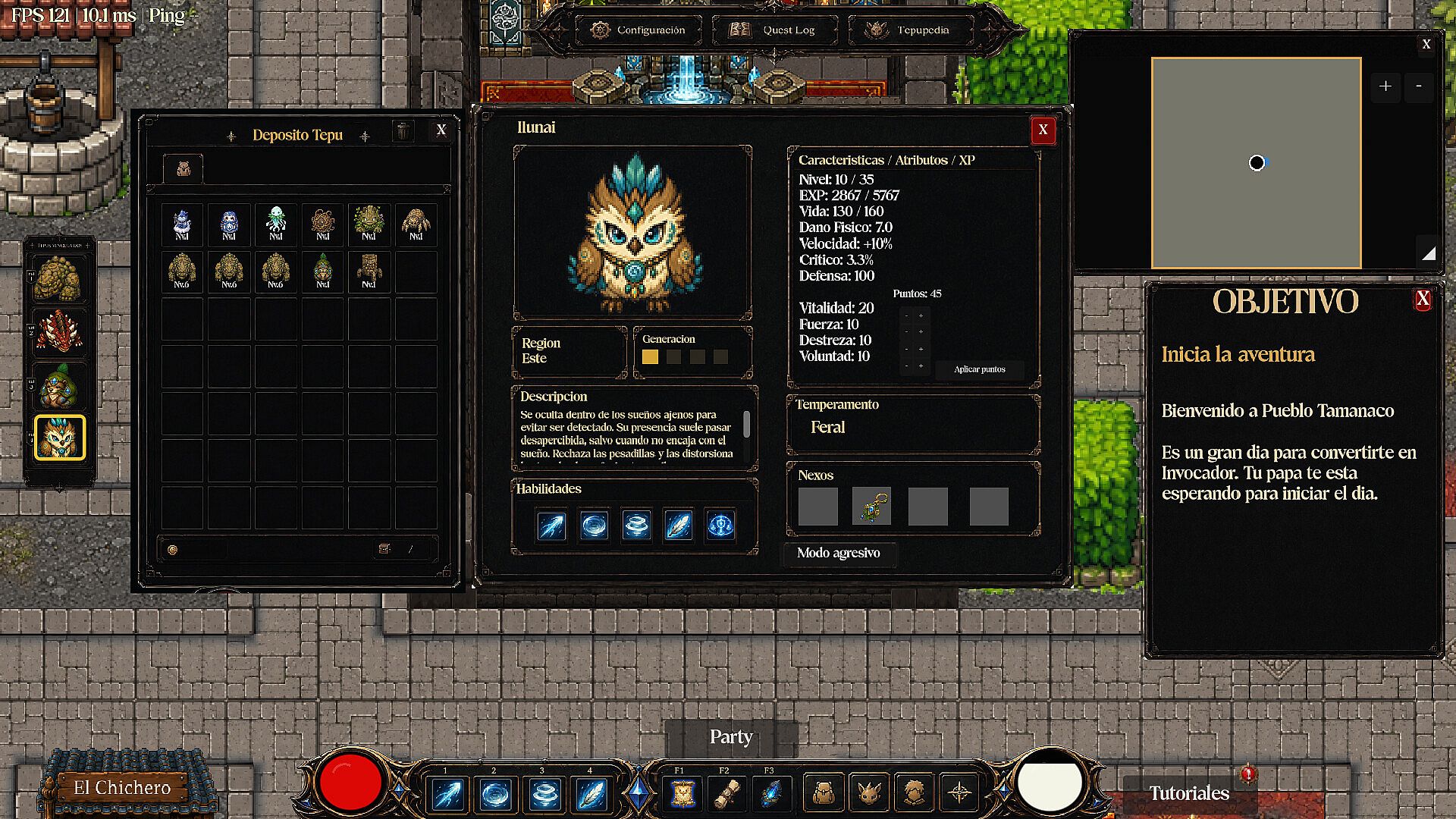
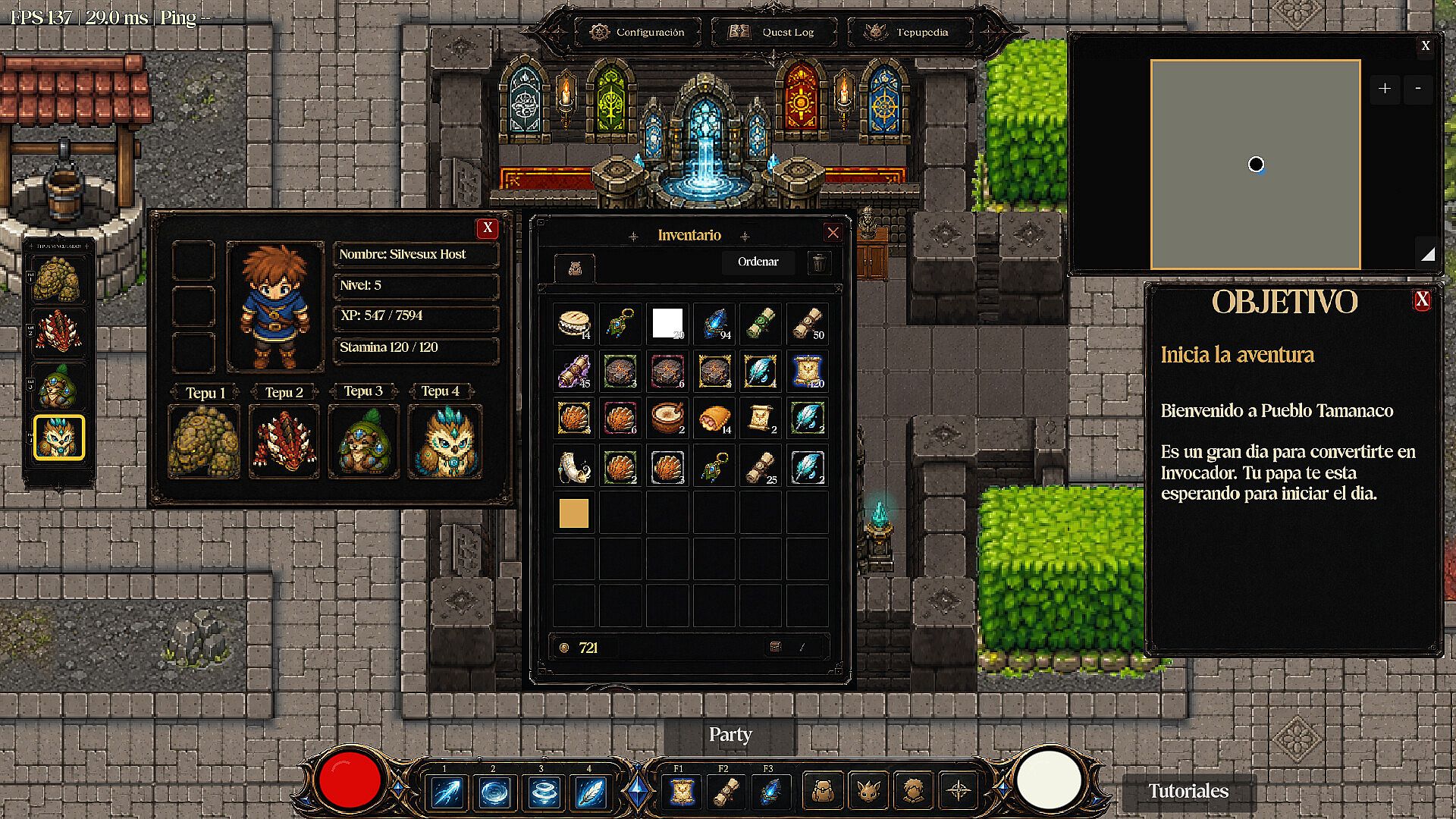
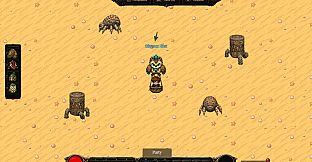
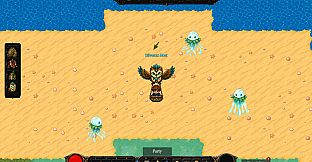
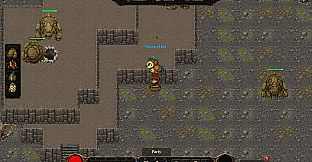
Players begin by forming bonds with Tepus encountered in the wild. Each Tepu carries distinct traits including species, level, temperament, attributes, abilities, and equipped Nexos that influence its performance. A Summoner selects one active companion at a time and issues commands during fights that unfold in real time across open areas. Combat involves positioning, ability use, and coordination between the Summoner and the Tepu to overcome enemies or other players.
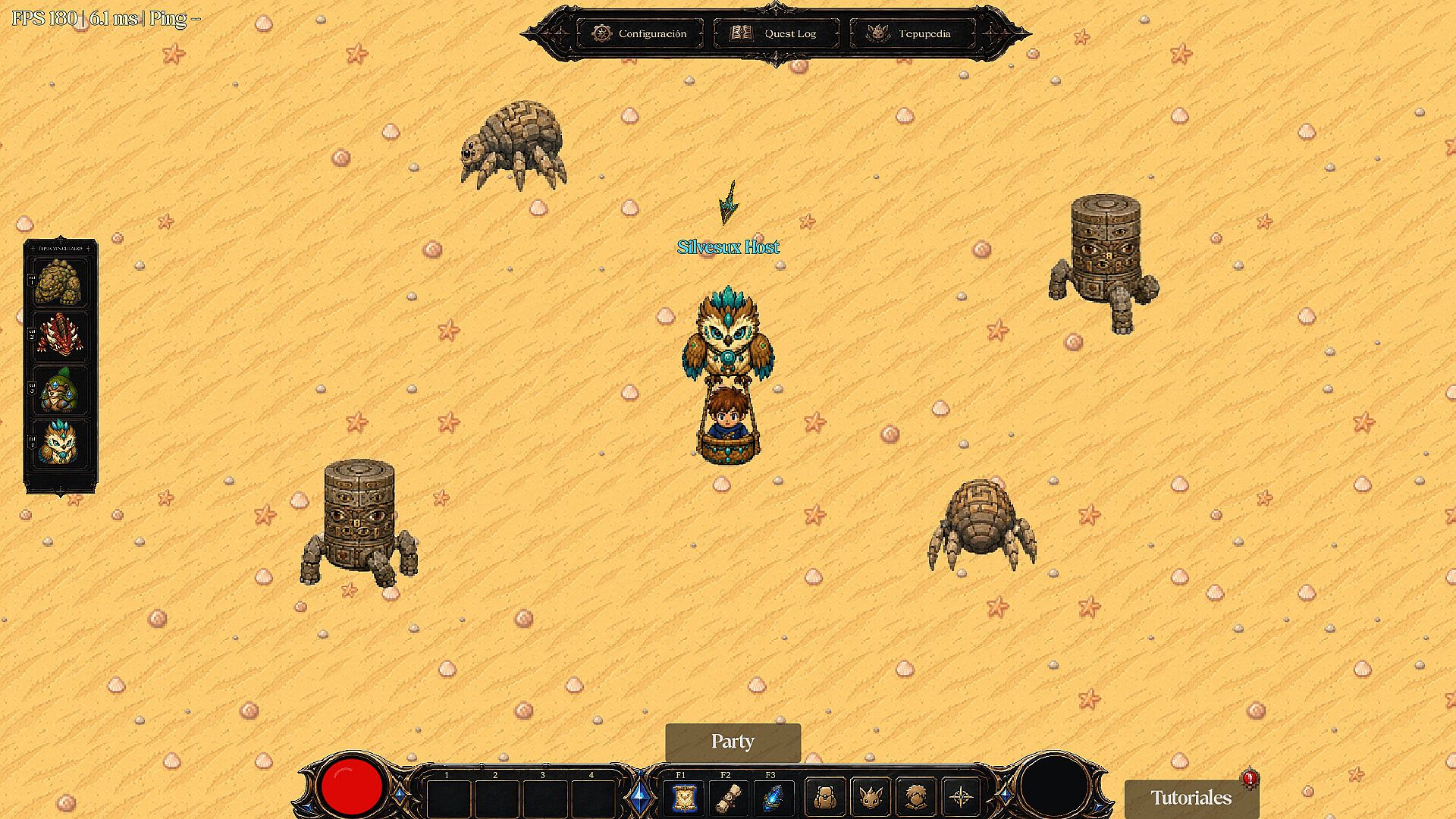
Exploration occurs in a persistent multiplayer world that supports solo or group play. Summoners can travel mounted on their Tepus for faster movement. Defeated wild Tepus become candidates for bonding, allowing players to expand their personal collection of companions. Each captured Tepu retains its individual characteristics and can be developed further through ongoing interaction and progression tied to the server.
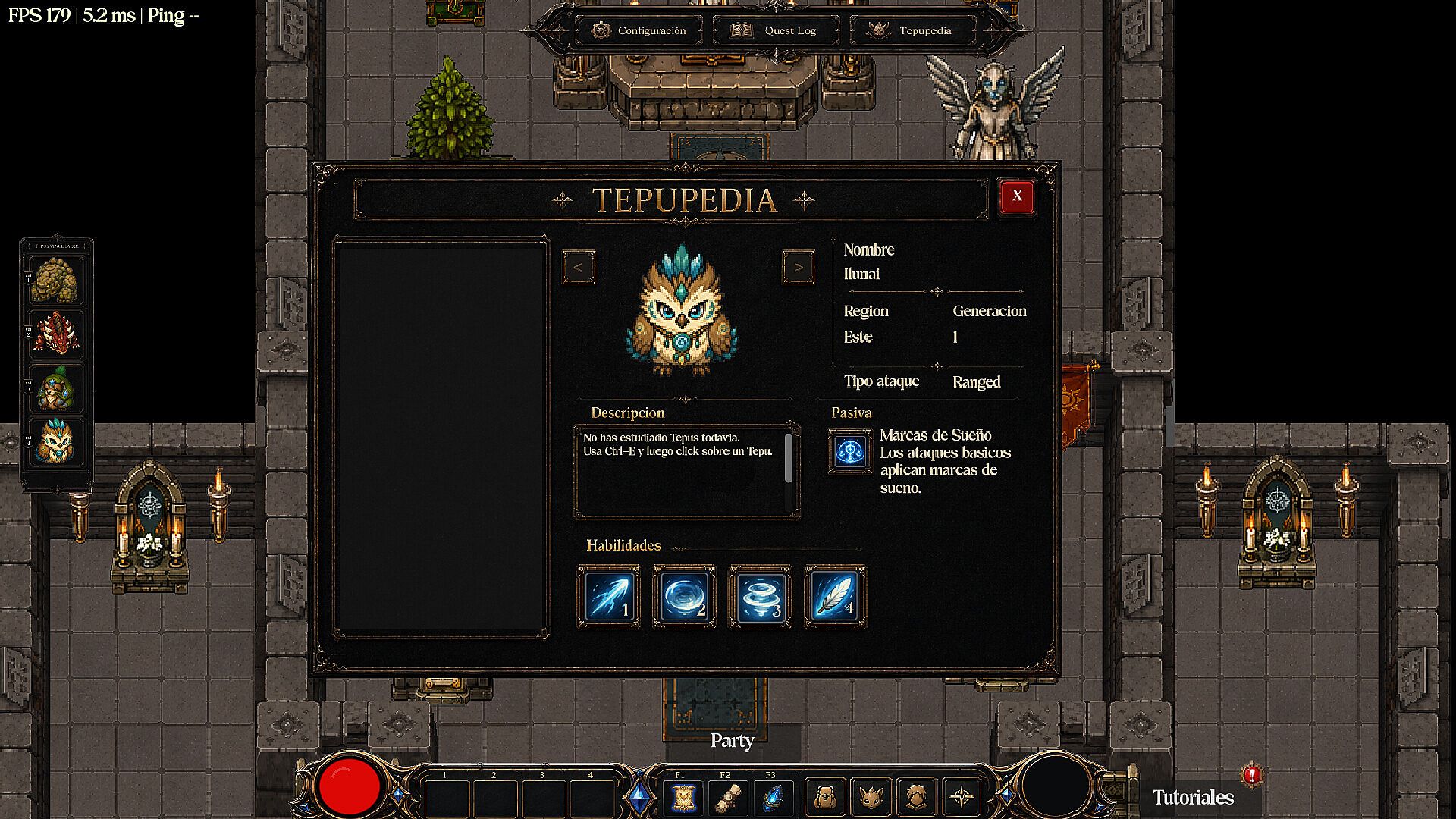
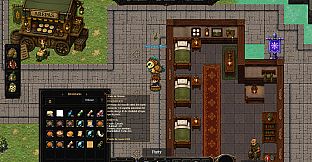
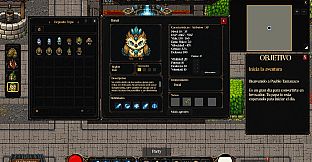
The Tepupedia serves as an in-game record of discovered species. It tracks details such as lore, regional origins, combat roles, passives, and abilities for every Tepu encountered. Inventory management, shops, and quest systems integrate into the daily loop, providing resources and objectives that support both creature development and world navigation. Character progression remains server-owned, meaning advancement carries across sessions without loss on logout.
Game Modes
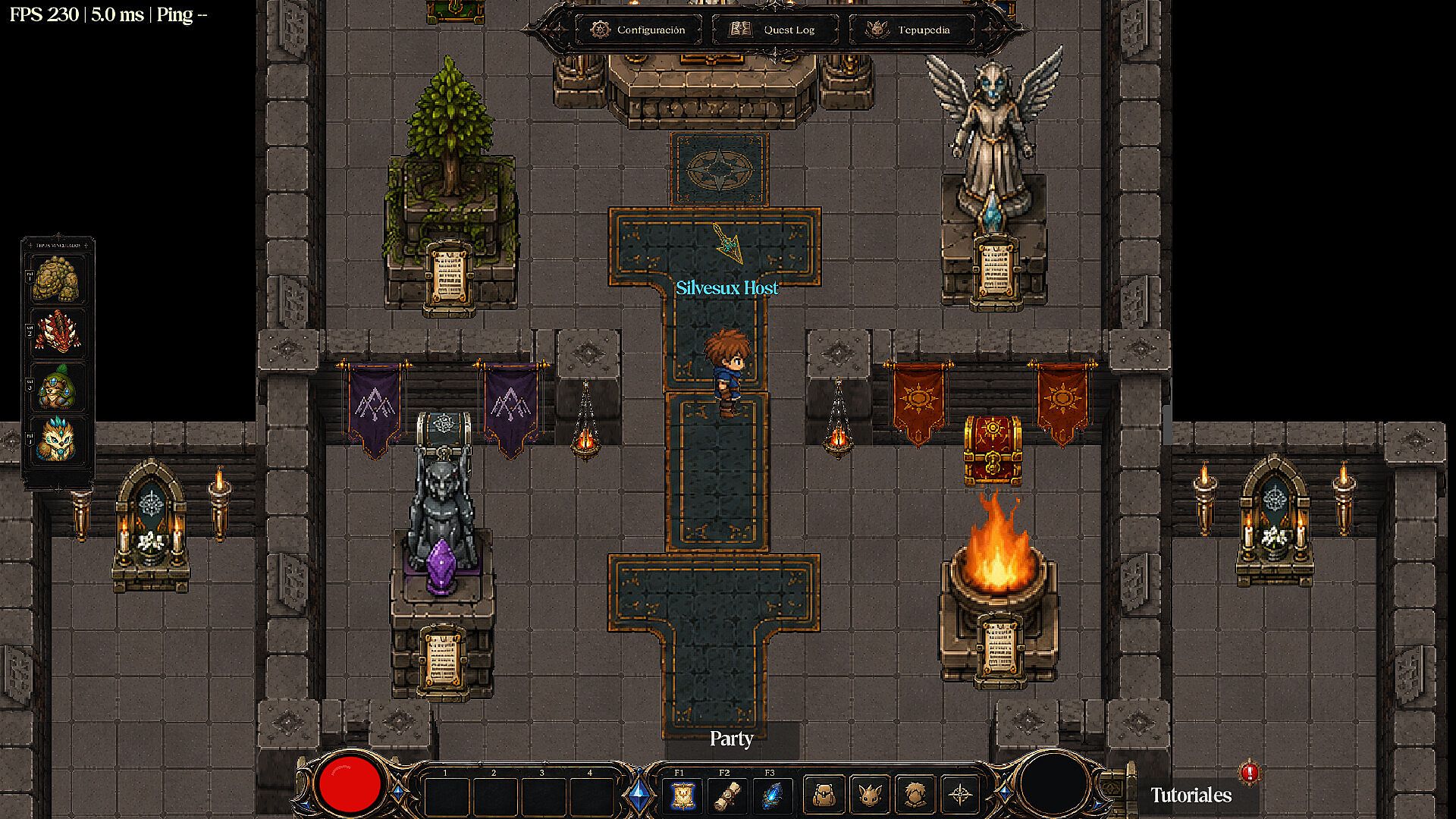
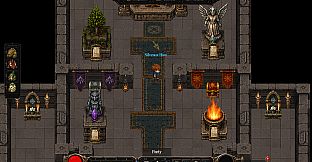
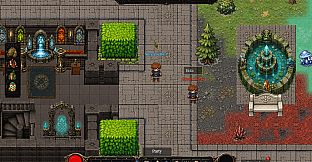
The prototype centers on multiplayer worlds where players share the same persistent environment. Parties allow groups to tackle content together while maintaining individual Tepu companions. PvP rules govern player-versus-player encounters, with defeated participants entering a temporary downed state before respawn.
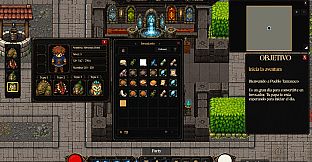
Core activities blend creature collection with real-time combat in open-world settings. Quests provide structured goals that reward progression for both the Summoner and bonded Tepus. Shops facilitate equipment and item acquisition to enhance loadouts. These elements combine into a unified experience focused on building and utilizing a roster of companions across varied encounters.
Creature Collection and Progression
Collection forms the foundation of long-term engagement. Every Tepu functions as an individual entity with its own progression path rather than generic templates. Attributes and abilities evolve through sustained bonding, and Nexos provide customization options that alter combat effectiveness. Summoners experiment with different active companions to suit specific challenges or party compositions.
Development emphasizes personal choice in loadouts and strategy. A single Tepu can shift roles depending on equipped items and the Summoner's commands, encouraging players to maintain multiple companions for flexibility. The system rewards consistent play through incremental improvements that persist on the server.
Is It Worth Playing?
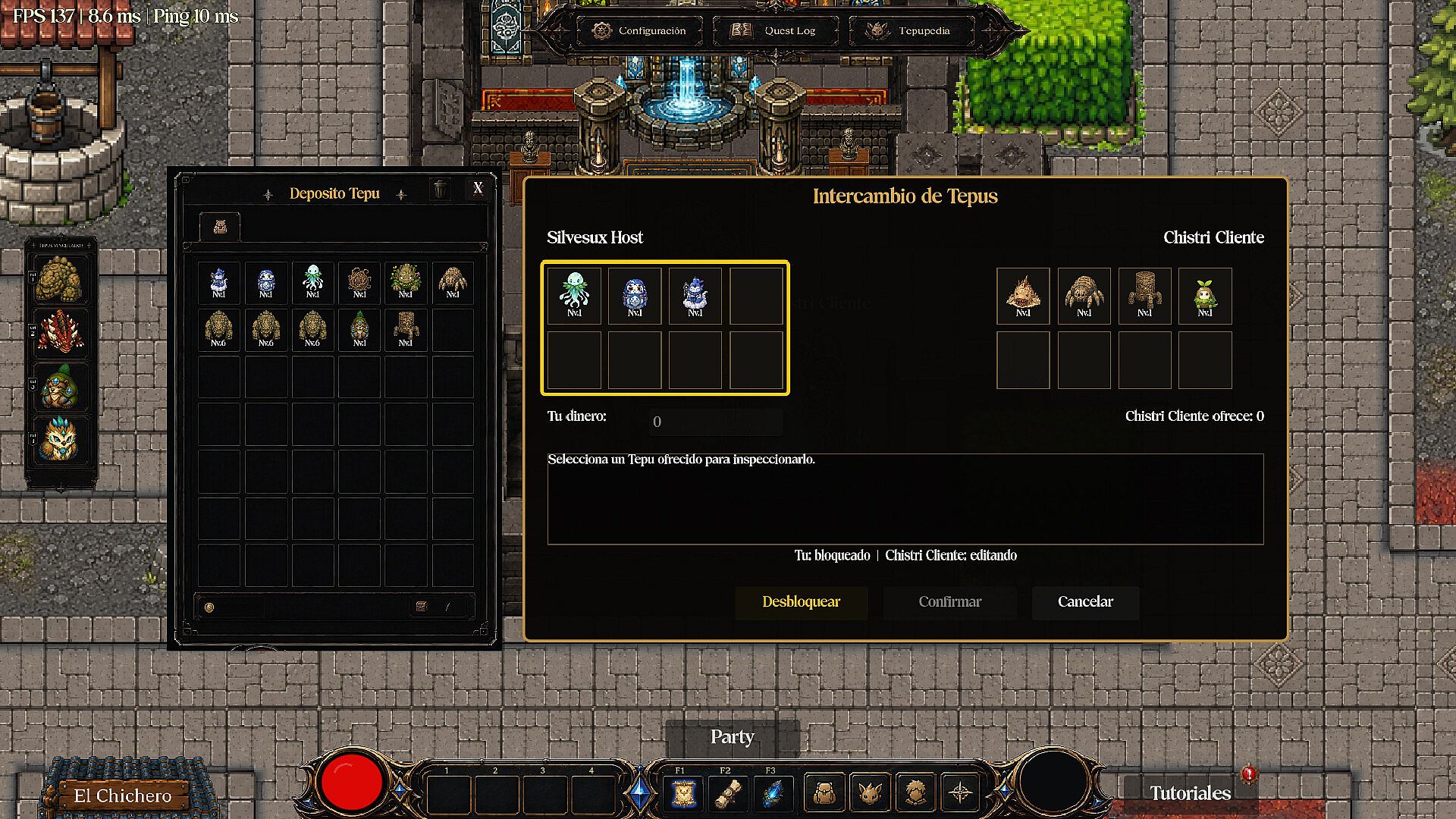
TepuLink targets players who enjoy creature collection mechanics paired with real-time combat in a shared online world. The prototype already delivers functional multiplayer, party support, PvP, quests, and inventory systems, giving an early sense of the full scope. Those drawn to building individualized companions and exploring a persistent environment alongside others will find the current build relevant.
Because the project sits in pre-alpha, expectations should center on core loops rather than polished endgame content. Regular development continues, with the listed features serving as a foundation for future expansion. Players interested in indie RPGs that blend collection, bonding, and direct combat control may find value in testing the prototype now.












