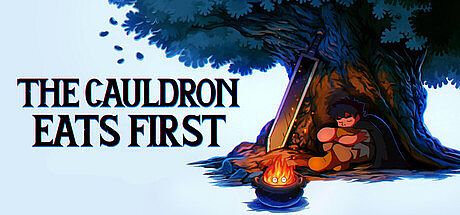


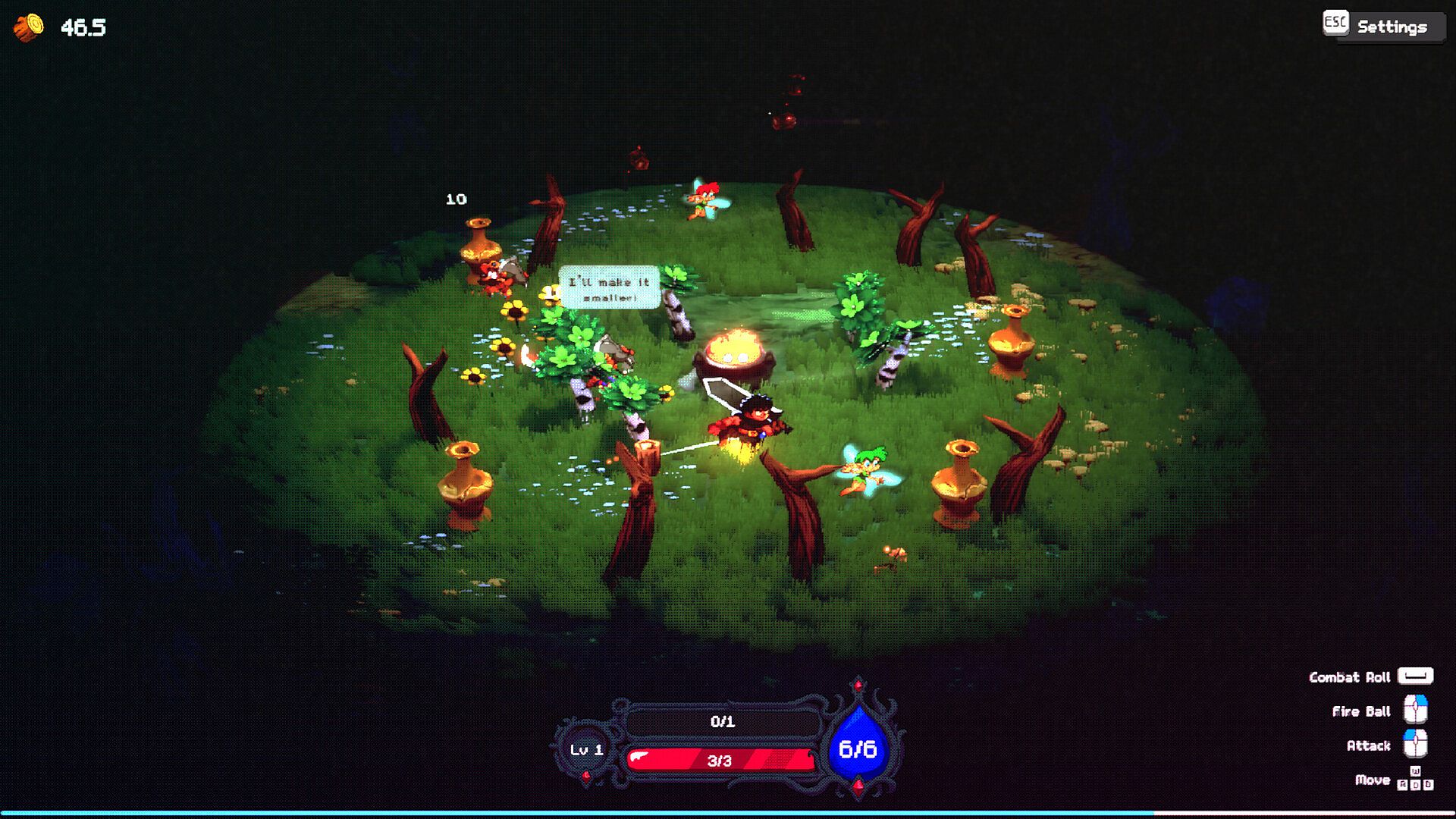
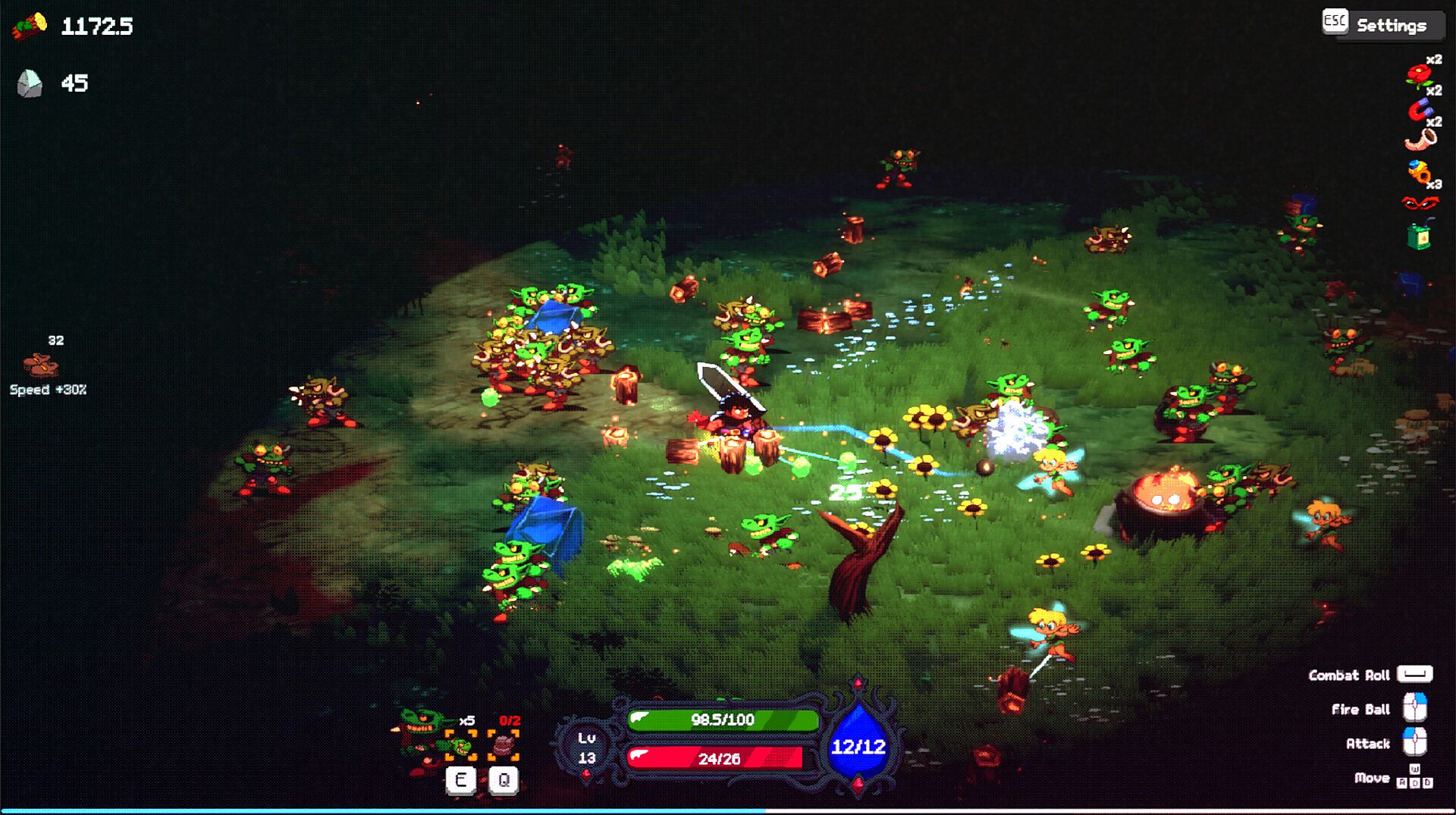
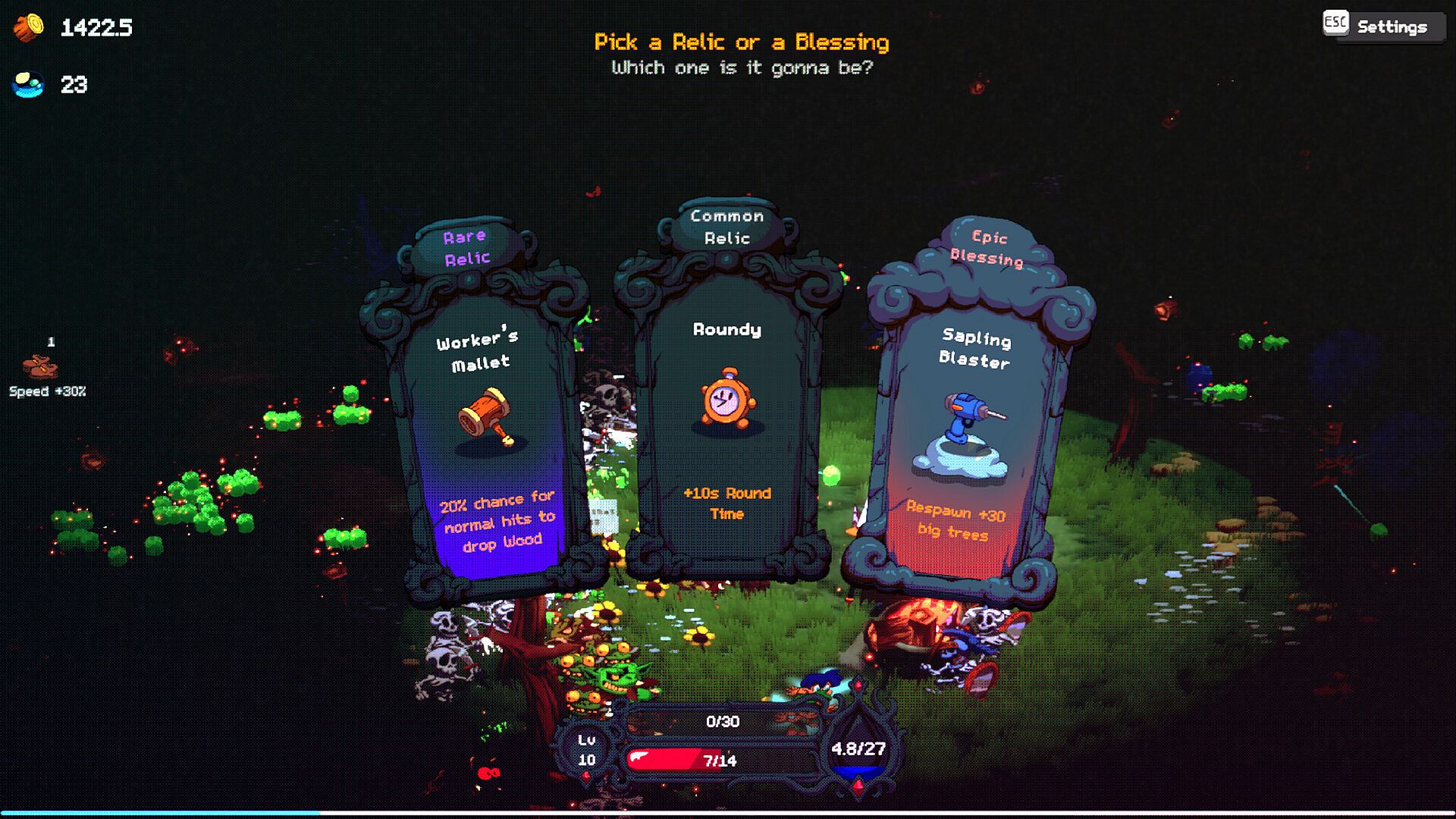
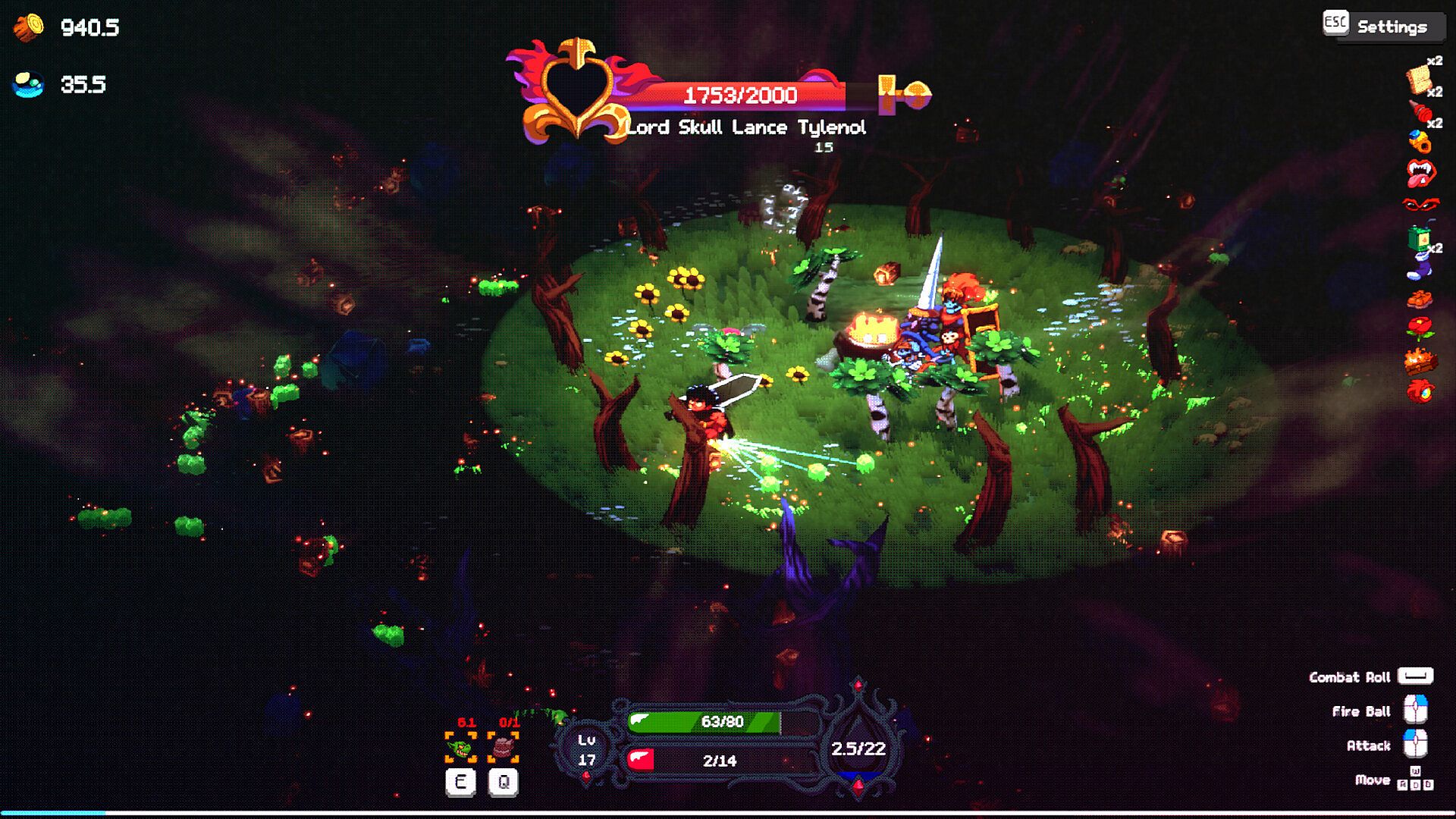
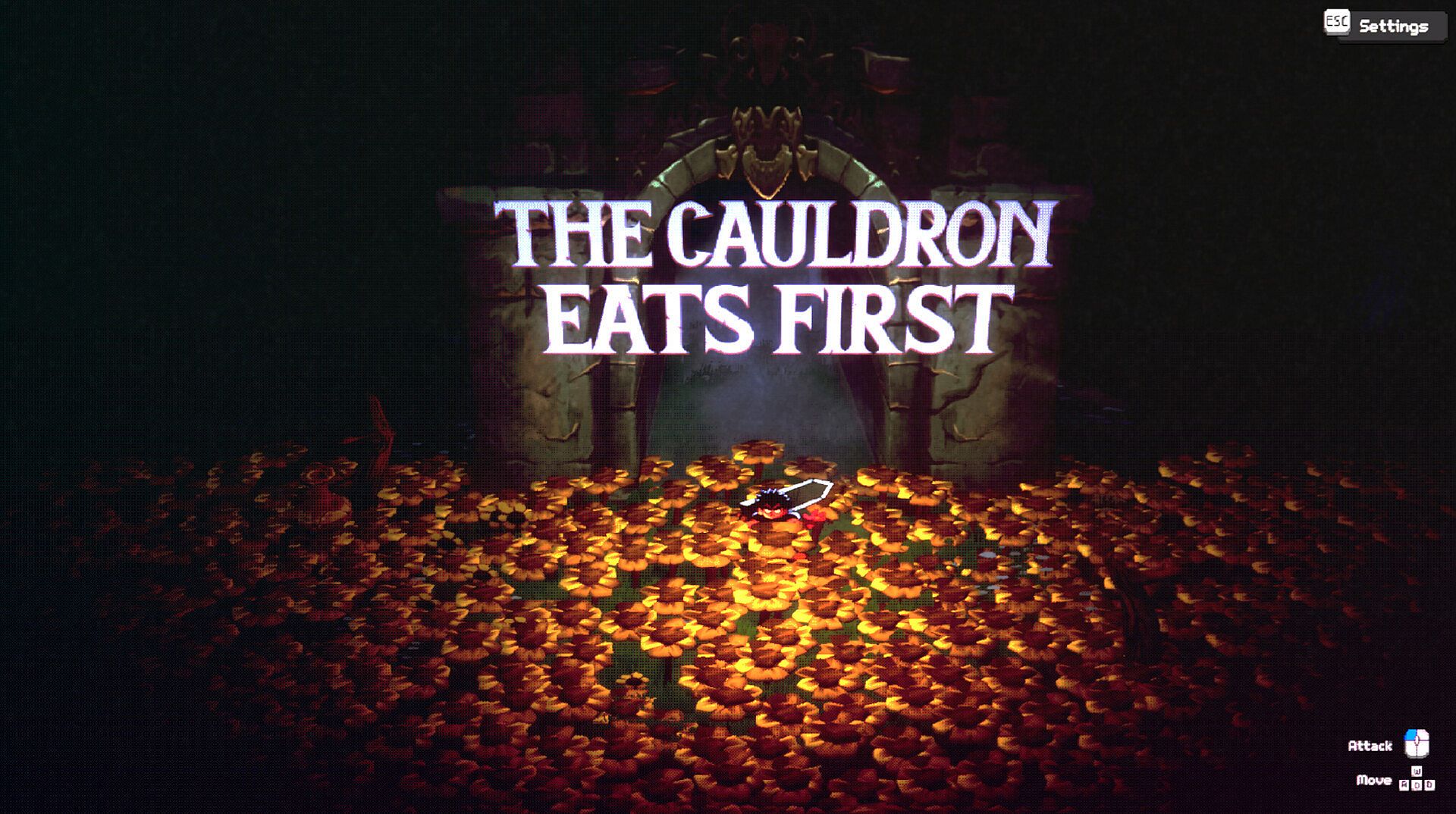
The Cauldron Eats First is a strategy indie RPG casual game on PC that blends resource gathering, team building, and turn-based combat in a world shrouded by darkness. Players start as a lone survivor and expand their party while racing to secure resources before the light fades, using minigames to fuel upgrades and battles to push back the encroaching threats.
Gameplay
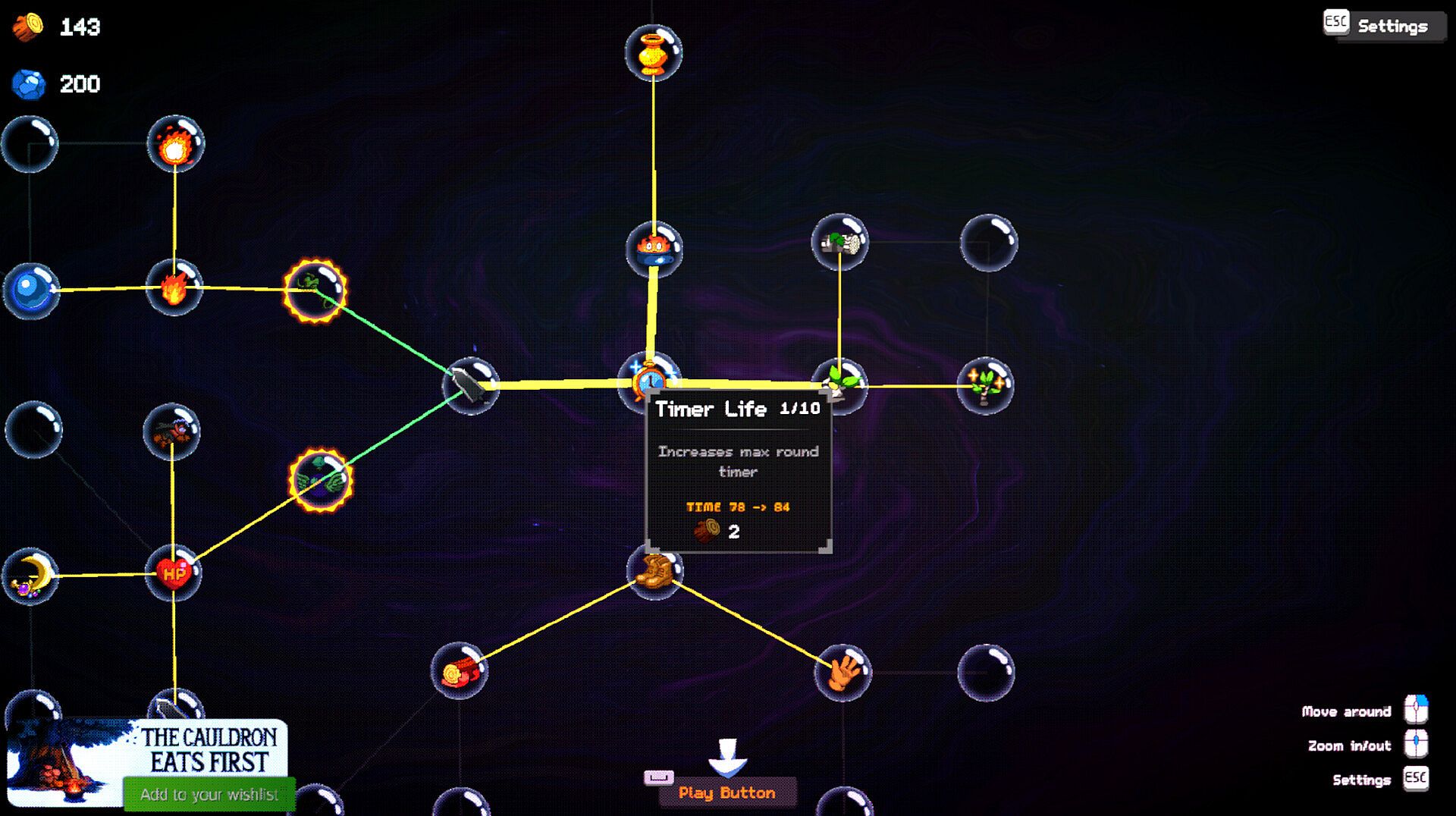
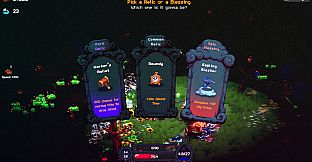
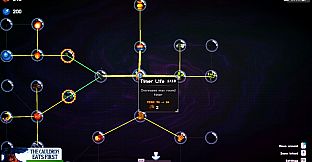
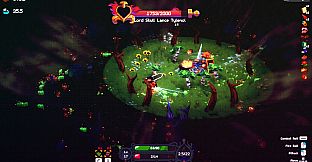
Core loops center on minigames that supply essential resources. Apple collecting, fishing, and mining form the initial set, each with manual play options alongside automated collection once unlocked. These feed into a central cauldron system for broad talent point boosts across the party, as well as individual hero upgrades and item enhancements. Exploration reveals new areas square by square, triggering turn-based encounters where party members use abilities like greatsword strikes or fireballs to defeat enemies. A deep skill tree supports investments in combat power, economic efficiency, automation, worker productivity, soldier strength, resource yields, and various buffs. Heroes gain unique skill trees, and the party grows through recruitment as more of the map opens. Progression feels interconnected, with resources directly powering stronger performance in both minigames and fights.
Game Modes
Six distinct modes alter the experience with specific rules and trade-offs. Standard serves as the entry point for learning core systems. Tougher Enemies doubles enemy health and speed while making cauldron upgrades cheaper. Pacifist removes combat options entirely, requiring bribes to advance. Idle automates battles and minigames with reduced auto-collection rates. Double Trouble increases enemy numbers and toughness but allows two items per hero. EVIL combines several challenges with further enemy strength and cheaper upgrades. Completing modes unlocks bonuses like faster auto-collection and access to an autobattler feature for hands-off combat.
Progression and Exploration
Expansion happens through darkness-clearing mechanics that reveal new heroes, minigames, and resources. An upgradable collection box supports passive gathering, while spirit power from certain challenges funds permanent party-wide improvements. The system rewards repeated play across modes, as completions grant ongoing benefits that ease later runs. Exponential scaling in minigame outputs encourages deep investment in upgrades for bigger numbers and stronger teams.
Is It Worth Playing?
Players who enjoy incremental progression combined with RPG elements and varied challenges will find strong appeal here. Multiple modes provide replayability without requiring new saves, and the interconnected systems reward experimentation with builds and strategies. Positive feedback highlights the addictive mix of minigames and combat, along with the satisfying sense of growth. The game suits short sessions or longer focused play, particularly for those drawn to casual strategy and indie RPG titles with deep upgrade paths. Availability on PC makes it accessible for fans of the genre seeking a self-contained experience with clear progression goals.