

The Relativity Tales is an indie simulation adventure game that lets players experience the core ideas of Einstein's special relativity through direct interaction rather than formulas or lectures. Set on PC, the experience blends intuitive simulations with narrative storytelling to reveal how space and time behave at high speeds, making abstract physics feel immediate and personal.
Gameplay
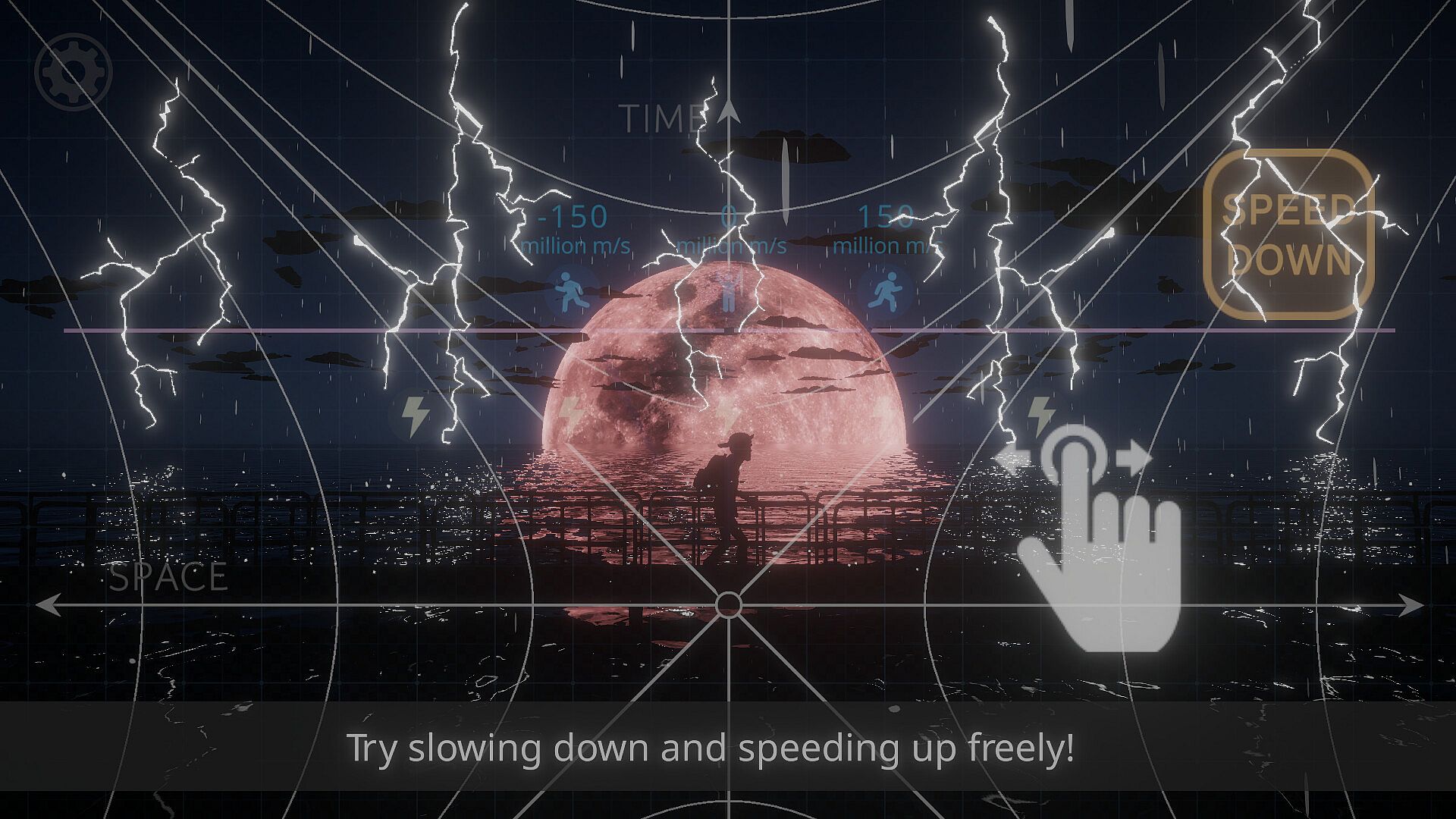
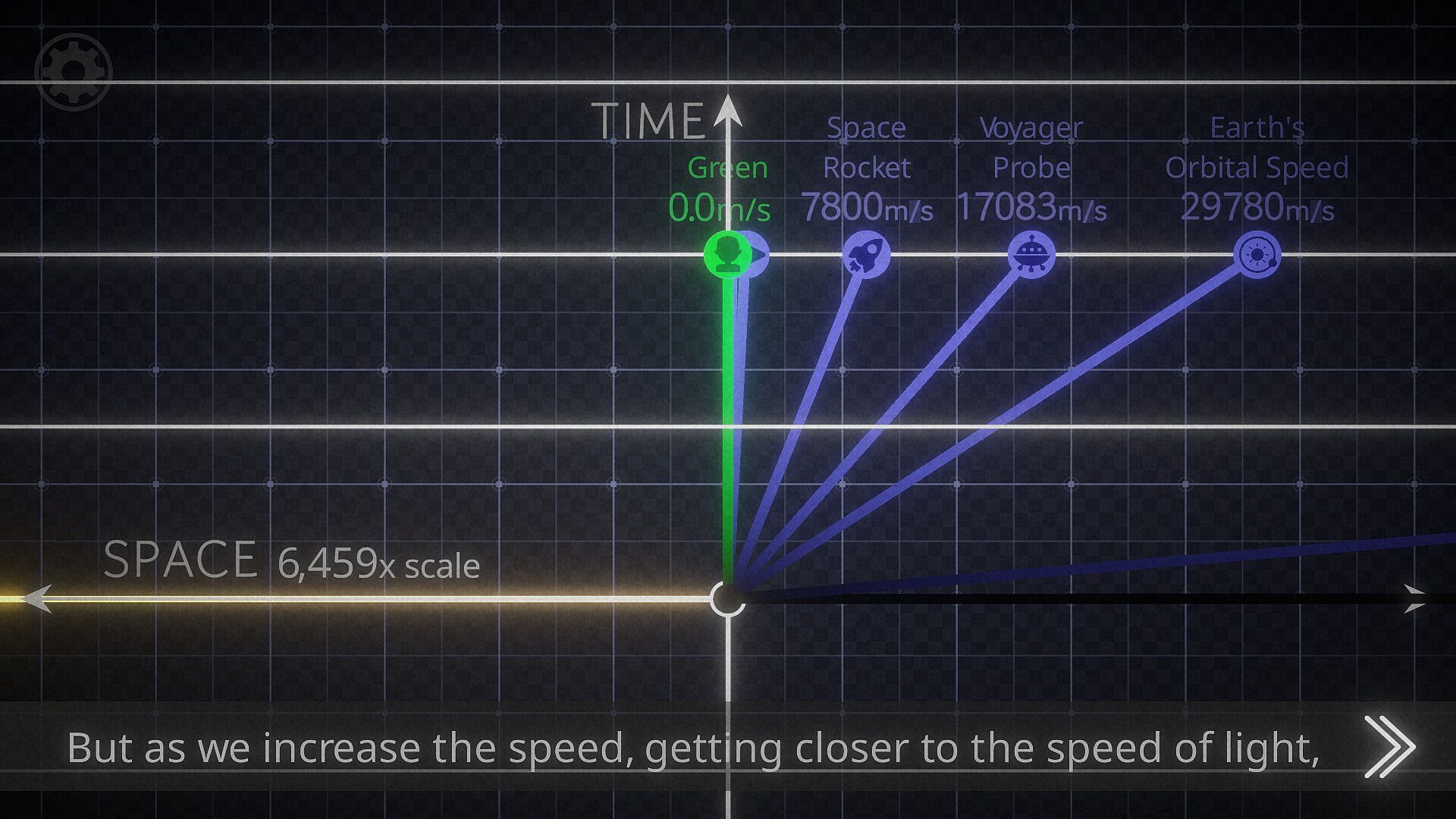
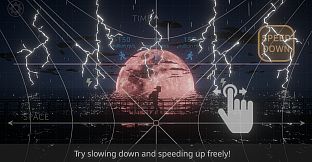
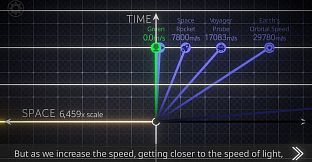
Players engage with thought experiments by manipulating variables in real time, observing how outcomes shift when speeds approach the speed of light. Interactions focus on core effects such as the Lorentz transformation, where objects and distances change based on relative motion. The system emphasizes visual feedback and simple controls that highlight simultaneity breakdowns, length changes, and time shifts without requiring any mathematical input.
Each session builds understanding through repeated trials in controlled scenarios. Players adjust parameters like velocity or observer position to see direct consequences, turning passive concepts into active exploration. The simulation layer feeds into story segments where the same principles drive plot developments, creating a loop of discovery followed by emotional payoff in narrative contexts.
Game Modes
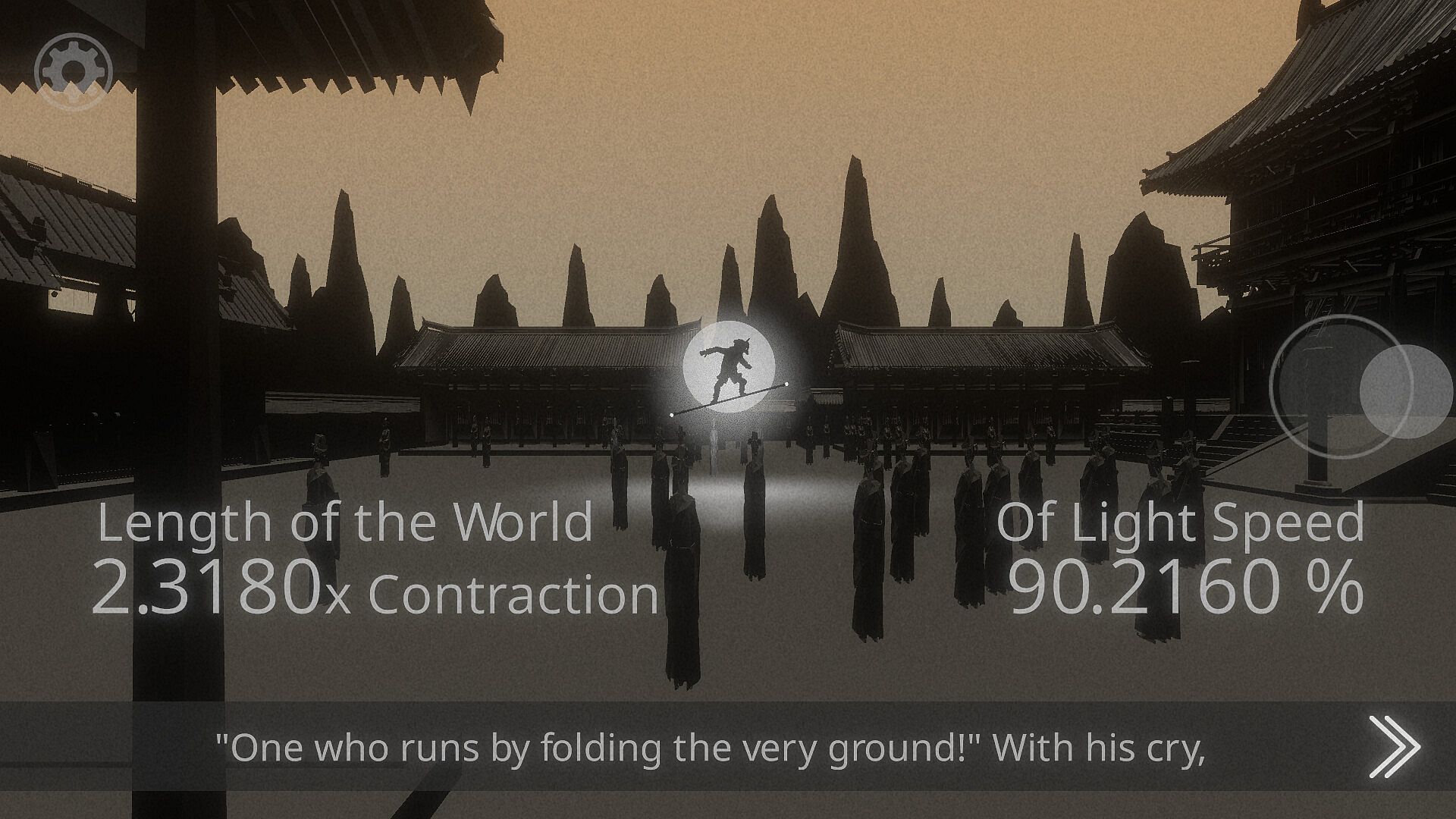
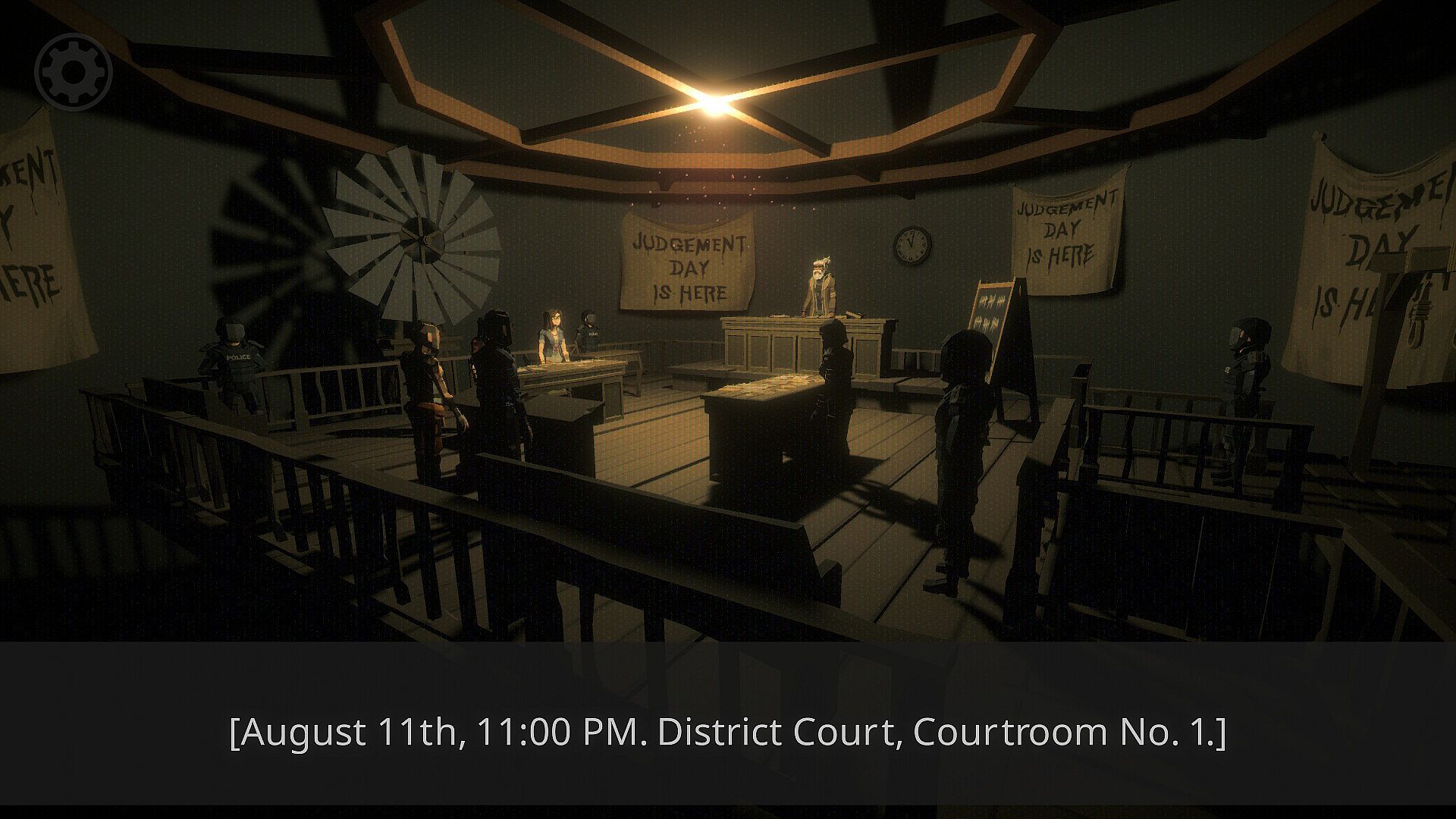
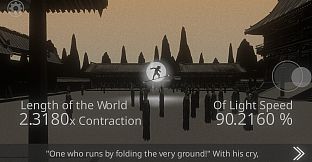
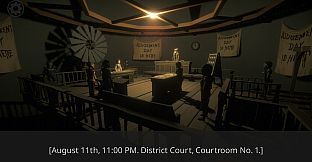
The experience unfolds across distinct chapters that alternate between focused simulations and story-driven segments. Early chapters center on foundational mechanics like the Lorentz transformation and the relativity of simultaneity, letting players test these ideas in isolation. Later sections integrate those mechanics into longer narratives, such as a courtroom scenario built around collapsed simultaneity or an explorer's journey shaped by length contraction.
Time dilation receives dedicated interactive treatment in its own chapter, followed by a story that dramatizes slowed time from multiple perspectives. The final section functions as an open playground for the Lorentz transformation, where players freely experiment with custom setups. All chapters remain single-player and self-contained, encouraging sequential play or selective revisits to reinforce specific concepts.
Narrative Integration
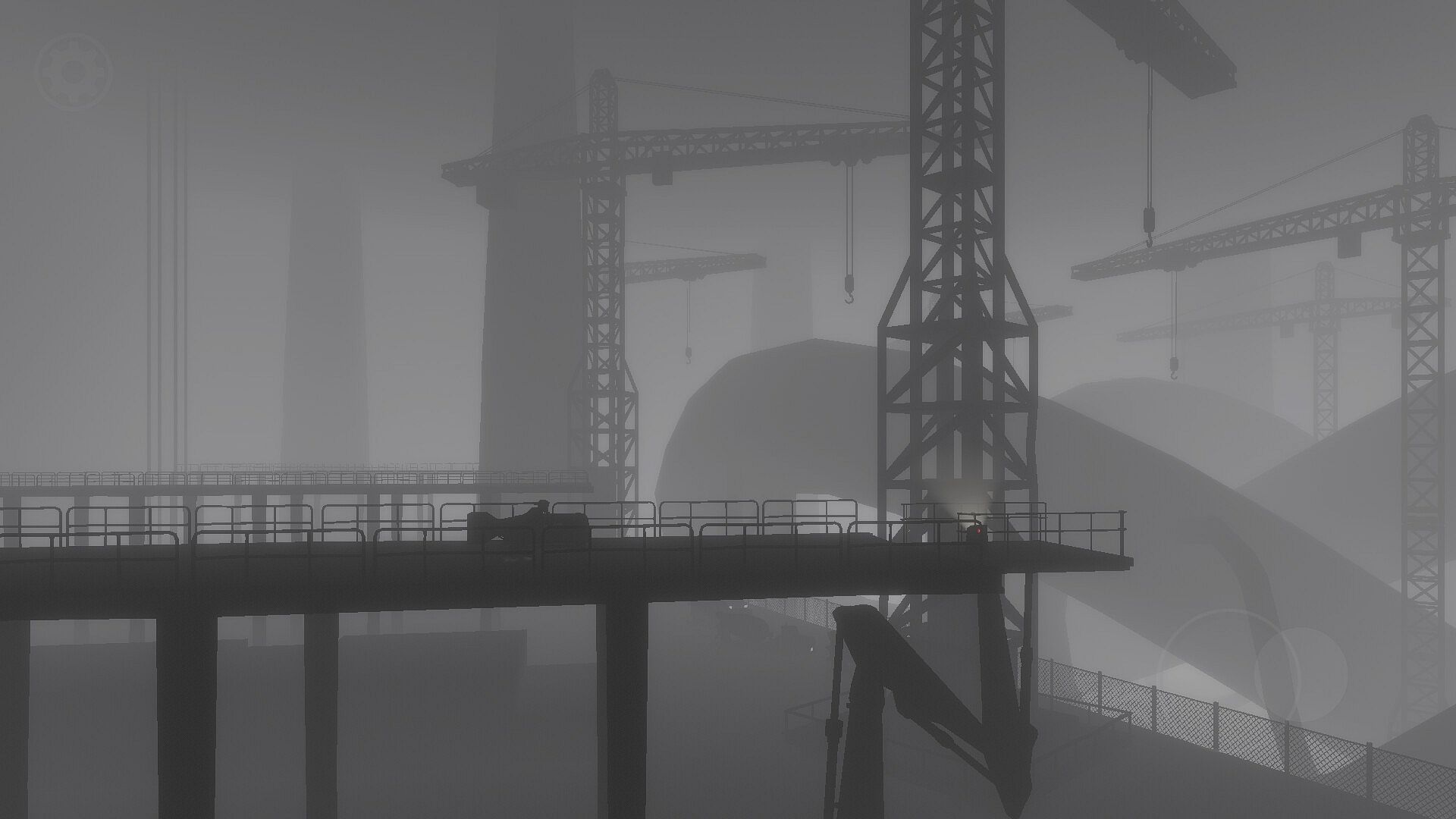
Scientific principles serve as the backbone for short, self-contained stories that place players in high-stakes situations. A courtroom thriller demonstrates how simultaneity affects alibis, while an interstellar tale shows length contraction enabling vast travel. These segments transform verified physics into emotional stakes, where the same interactions that teach mechanics also resolve plot points.
The structure avoids heavy exposition by letting the simulations carry explanatory weight. Players who grasp a concept through interaction then see it applied in a dramatic context, reinforcing retention through context rather than repetition.
Target Audience and Accessibility
The game suits anyone curious about relativity who prefers experiential learning over equations. It appeals to science enthusiasts, educators seeking visual aids, and parents introducing physics ideas to older children. No prior knowledge is needed; the interface guides users through each concept with clear visual cues and progressive complexity.
Controls remain straightforward across all chapters, focusing on observation and parameter adjustment rather than precision timing or combat. This keeps the focus on insight rather than skill barriers.
Is It Worth Playing?
Players interested in science communication through interactive means will find a focused, original approach here. The blend of simulation and narrative delivers the promised shift from memorization to lived understanding, supported by the chapter structure that systematically covers special relativity's key effects. Reception highlights its potential as an educational tool, with feedback noting the value of running thought experiments in an accessible format.
Those seeking traditional action or multiplayer elements may find the scope narrower, as the game prioritizes single-player conceptual depth. For the intended audience, the experience provides lasting insight into spacetime without requiring external study, making it a worthwhile choice for targeted exploration of relativity concepts.