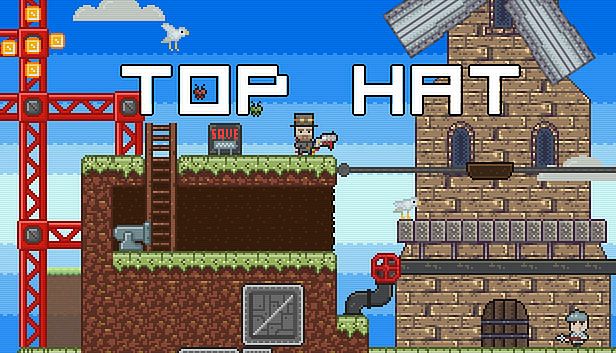












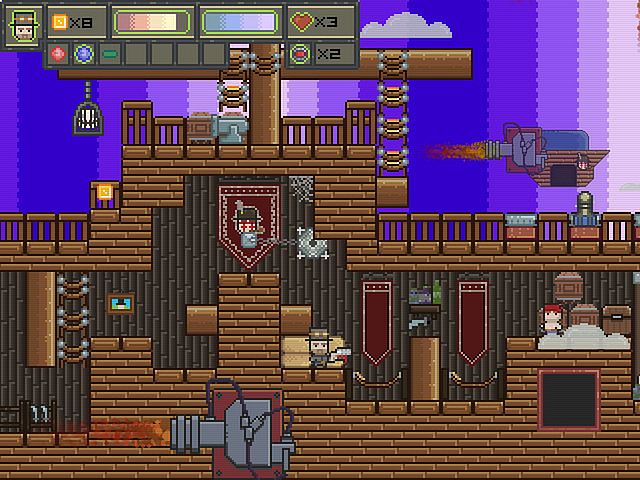
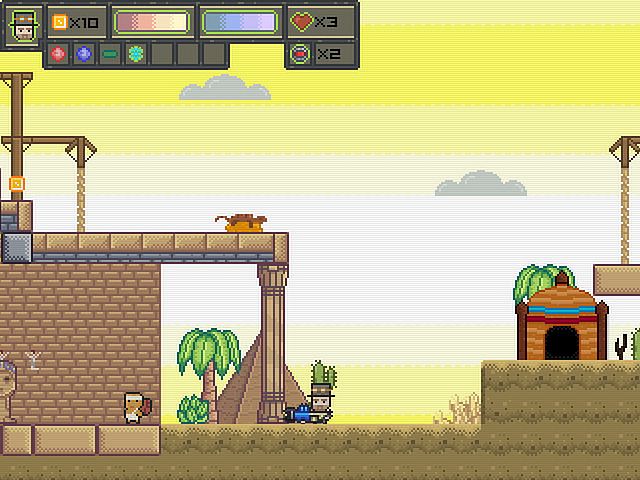
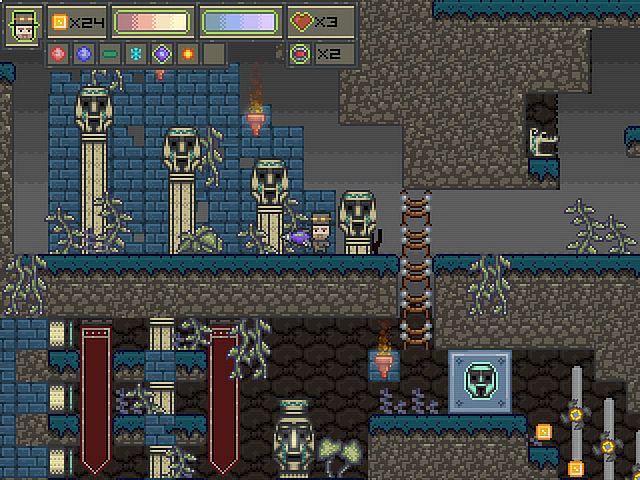
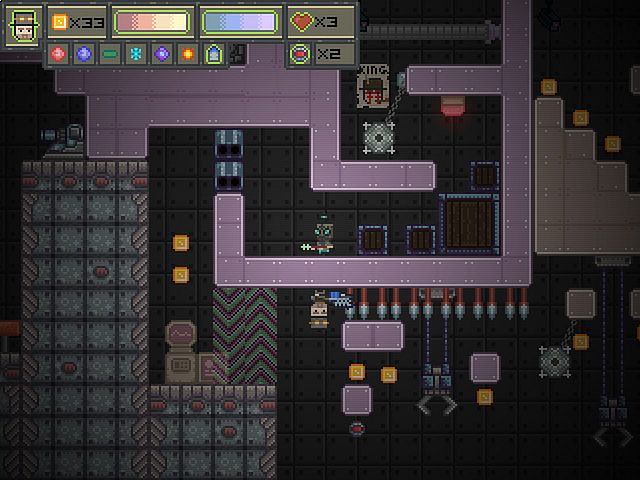
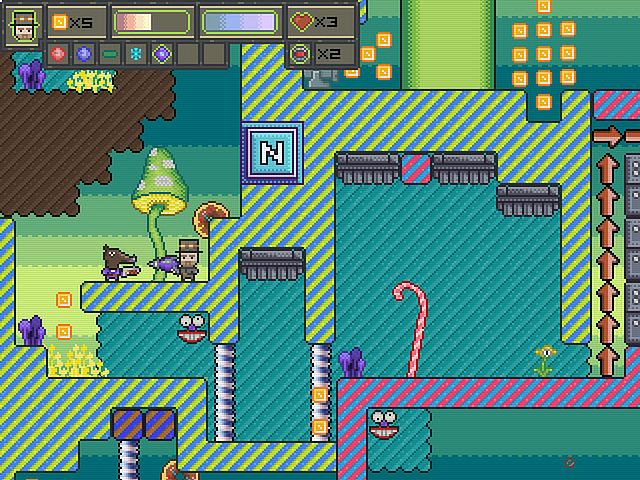
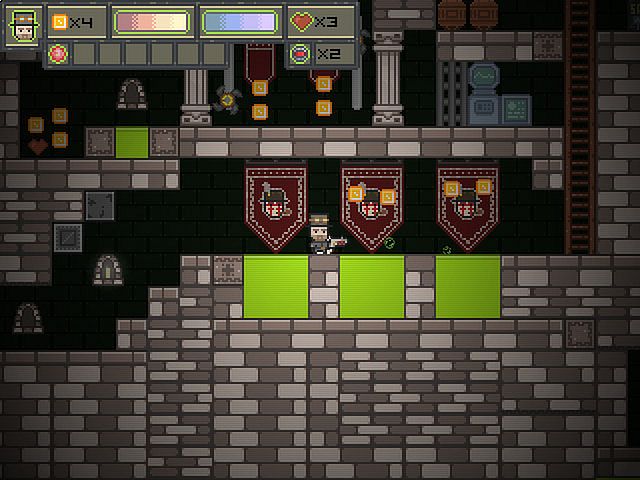
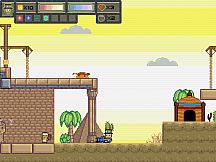
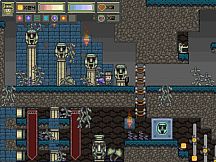
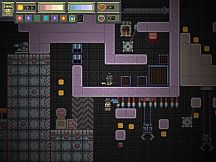
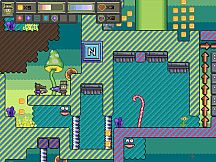
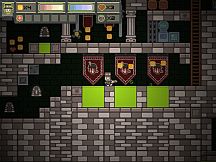
Top Hat est un jeu d'action-aventure en 2D développé sur PC et directement inspiré des classiques de la NES. Le joueur incarne un héros parti à la recherche d'un haut-de-forme doré volé, à travers une série de niveaux conçus à la main et mêlant plateforme exigeante et touches d'aventure.
Gameplay
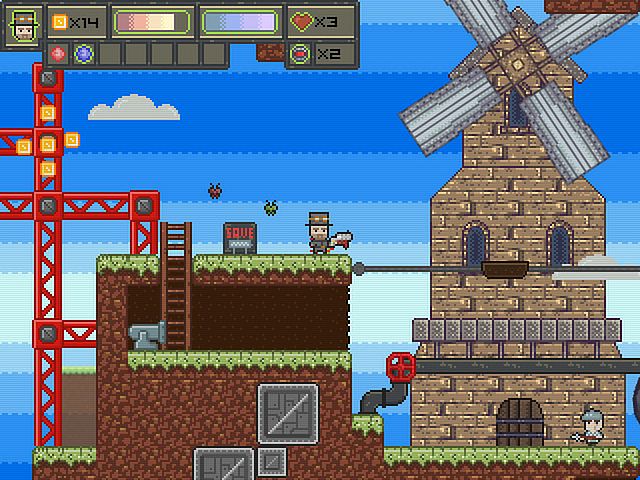
Le cœur du jeu repose sur la traversée de niveaux en vue latérale, avec des contrôles précis qui mettent l'accent sur le timing et le positionnement. Le héros court, saute et escalade dans des environnements dont le style visuel change à chaque monde. Le combat et l'exploration font appel à sept armes distinctes. Certaines servent à éliminer les ennemis, tandis que d'autres modifient la géométrie des niveaux ou le comportement des adversaires. L'une d'elles tire des plateformes temporaires permettant d'atteindre de nouvelles hauteurs, tandis qu'une autre fige les ennemis pour ouvrir un passage ou préparer une attaque. La progression alterne entre l'achèvement classique des niveaux et des mini-quêtes occasionnelles, comme aider des personnages non jouables. Ces activités vont de la simple récupération d'objets à de brèves interactions qui apportent une pause sans alourdir l'expérience.
Chacun des sept mondes se compose de trois niveaux principaux suivis d'un affrontement contre un boss. À partir du quatrième monde, les niveaux se divisent en deux sections, augmentant leur longueur et la concentration requise. La conception privilégie l'observation des patterns ennemis et des pièges plutôt que les checkpoints fréquents ou les récupérations de vie généreuses. La difficulté reste élevée tout au long du jeu, pour les joueurs qui apprécient la rigueur des anciens jeux de plateforme.
Game Modes
Top Hat est une expérience exclusivement solo, sans mode multijoueur ni variantes. Le jeu se déroule comme une campagne continue structurée autour des sept mondes, de leurs niveaux et de leurs boss. Le joueur progresse de manière séquentielle, débloquant de nouvelles armes et zones au fil de l'aventure. Les succès récompensent l'achèvement des niveaux, l'utilisation des armes et certains défis, offrant des objectifs supplémentaires pour ceux qui souhaitent rejouer après une première partie.
Worlds and Progression
La variété visuelle constitue l'un des points forts du jeu. Chaque monde adopte une direction artistique propre, allant des tropes classiques du genre à des univers plus inattendus. Le héros rencontre divers PNJ qui proposent de brefs moments narratifs ou une aide concrète. Ces rencontres incluent la récupération d'un objet perdu, un verre partagé avec un capitaine pirate ou une réunion dans le désert autour de substances inhabituelles. L'histoire reste légère et sert surtout de lien entre les séquences de plateforme.
Les armes s'obtiennent progressivement, encourageant l'expérimentation entre options offensives et utilitaires. Le pistolet à plateformes et le pistolet à gel illustrent cette double fonction qui permet de résoudre des problèmes de déplacement tout en gérant les menaces. Les combats de boss en fin de monde testent la maîtrise des outils récemment acquis et des compétences de base en mouvement.
Sound and Presentation
Une bande-son chiptune originale composée par Jakim accompagne l'action. La musique épouse l'esthétique rétro avec des mélodies dynamiques qui évoluent selon l'ambiance de chaque monde. Les cinématiques apportent des touches d'humour qui contrastent avec l'exigence du gameplay. L'ensemble reste fidèle aux racines NES tout en intégrant des fonctionnalités modernes, dont un système de succès comptant 81 déverrouillages.
Is It Worth Playing?
Top Hat s'adresse aux joueurs en quête d'un jeu de plateforme 2D exigeant, qui privilégie la précision des mouvements et l'usage créatif des armes plutôt que les facilités modernes. Le jeu propose une campagne solo complète avec des environnements variés, sept armes et des boss répartis sur sept mondes. Les avis sur sa plateforme de distribution principale sont majoritairement positifs, saluant notamment le level design, la qualité de la musique et le défi proposé. Les amateurs de classiques NES retrouveront des mécaniques familières soignées, tandis que les armes utilitaires et les mini-quêtes apportent une légère variété sans diluer le focus principal. Disponible sur PC à un prix accessible, le jeu constitue une entrée facile pour les fans du genre. Ceux qui recherchent une aventure décontractée ou narrative risquent de trouver la difficulté constante et le nombre limité de checkpoints trop sévères. Pour les joueurs attirés par un platformer dur et addictif dans une présentation nostalgique, Top Hat offre une expérience ciblée et mémorable.