




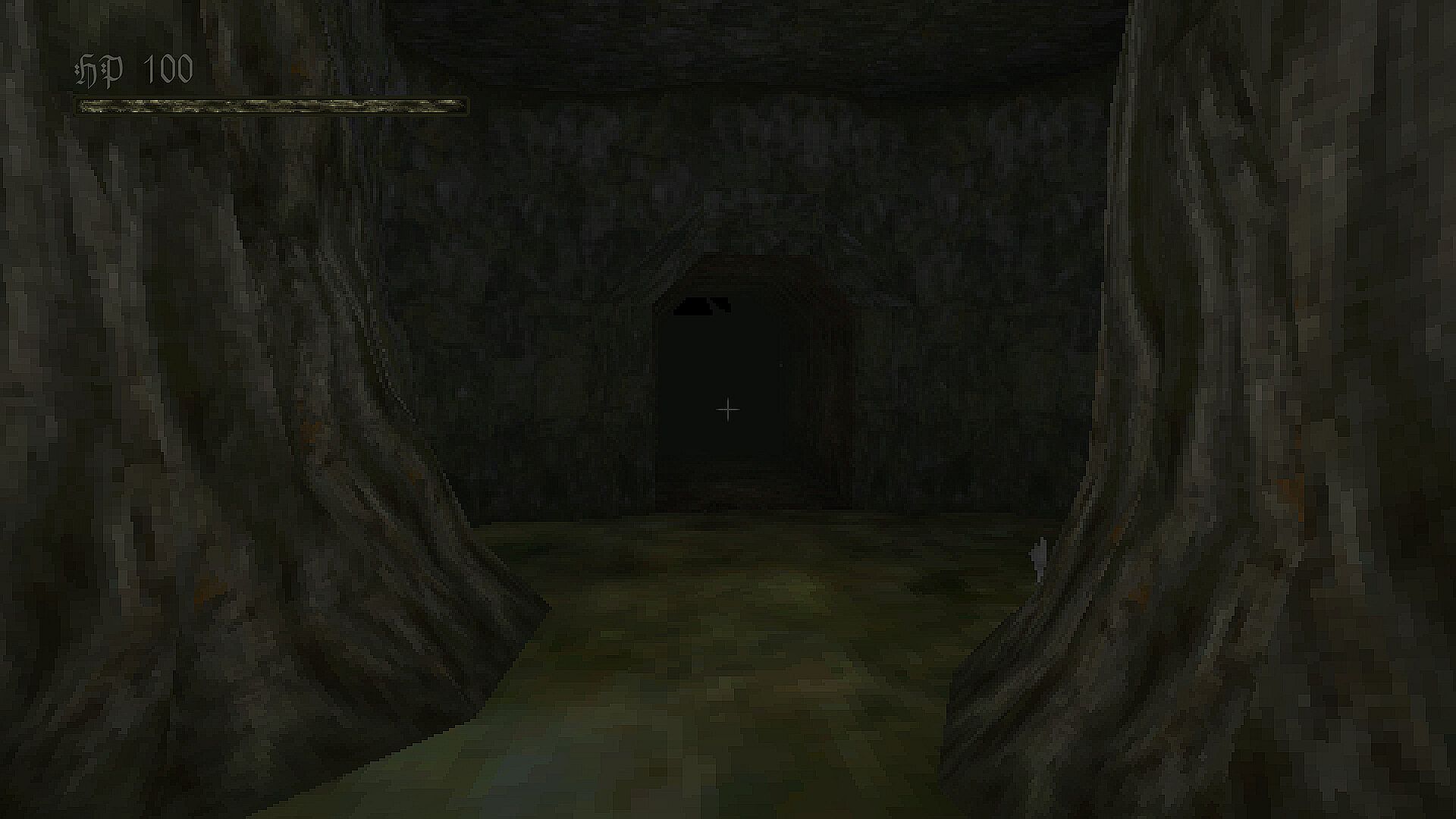
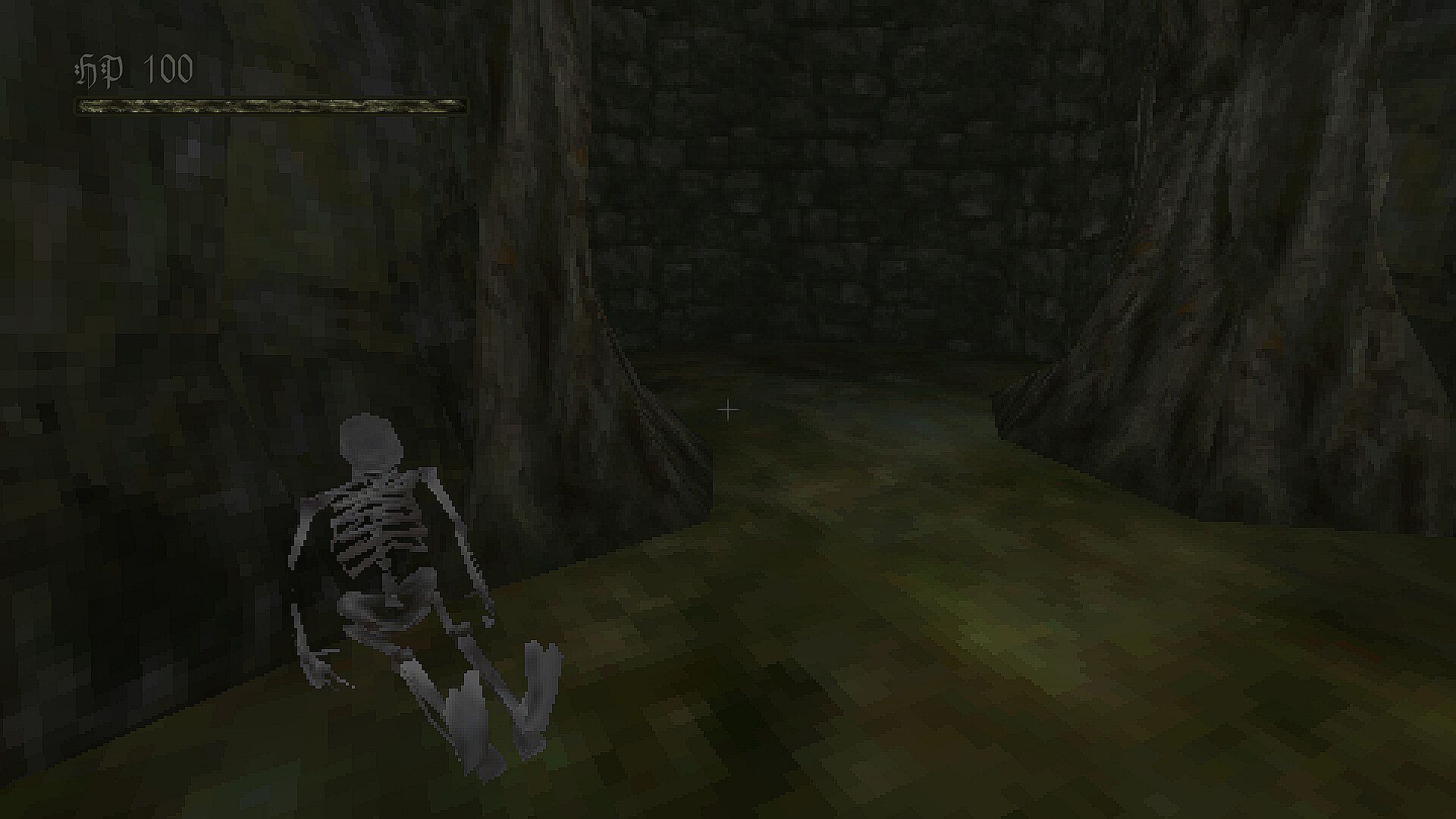
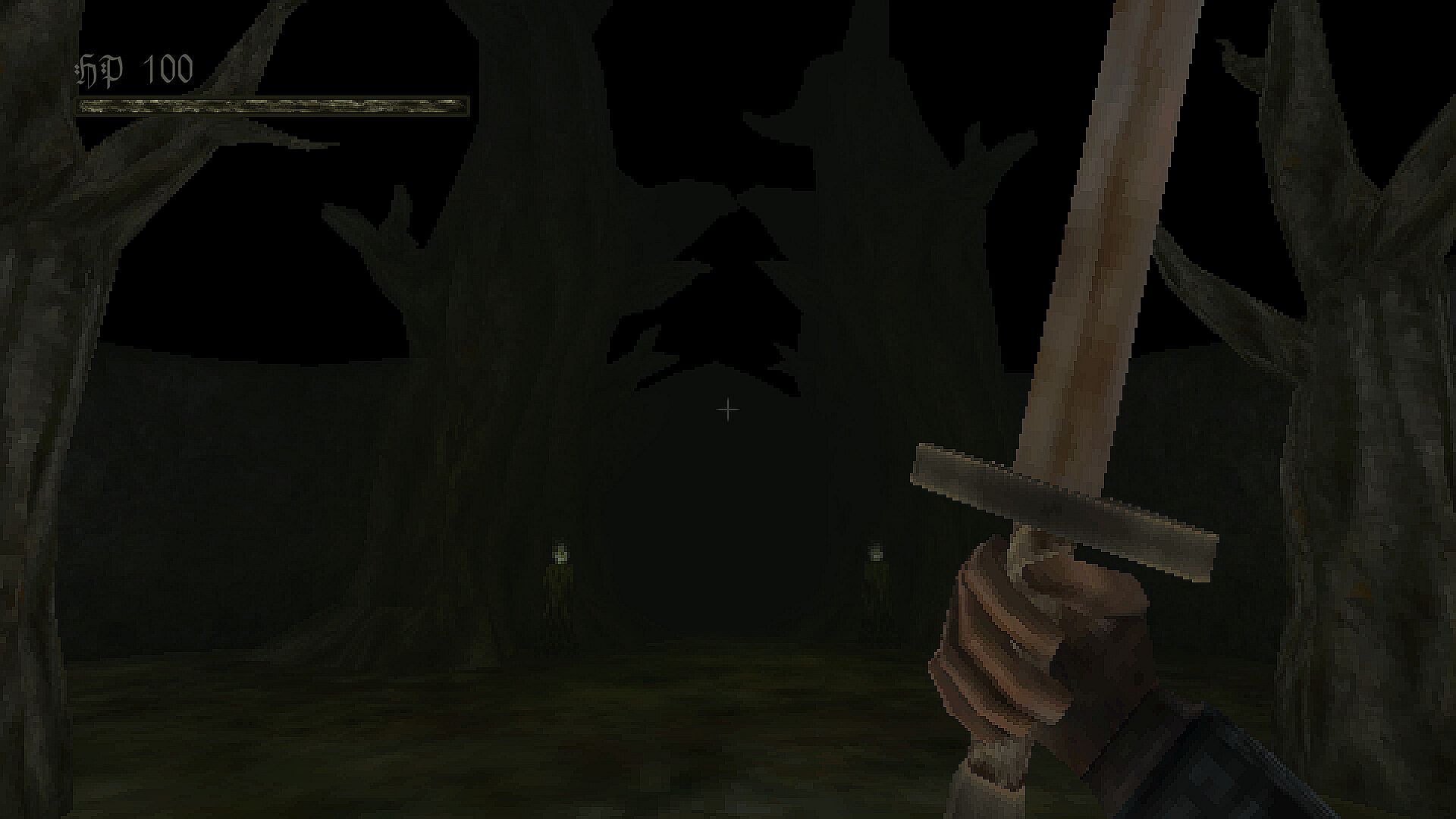
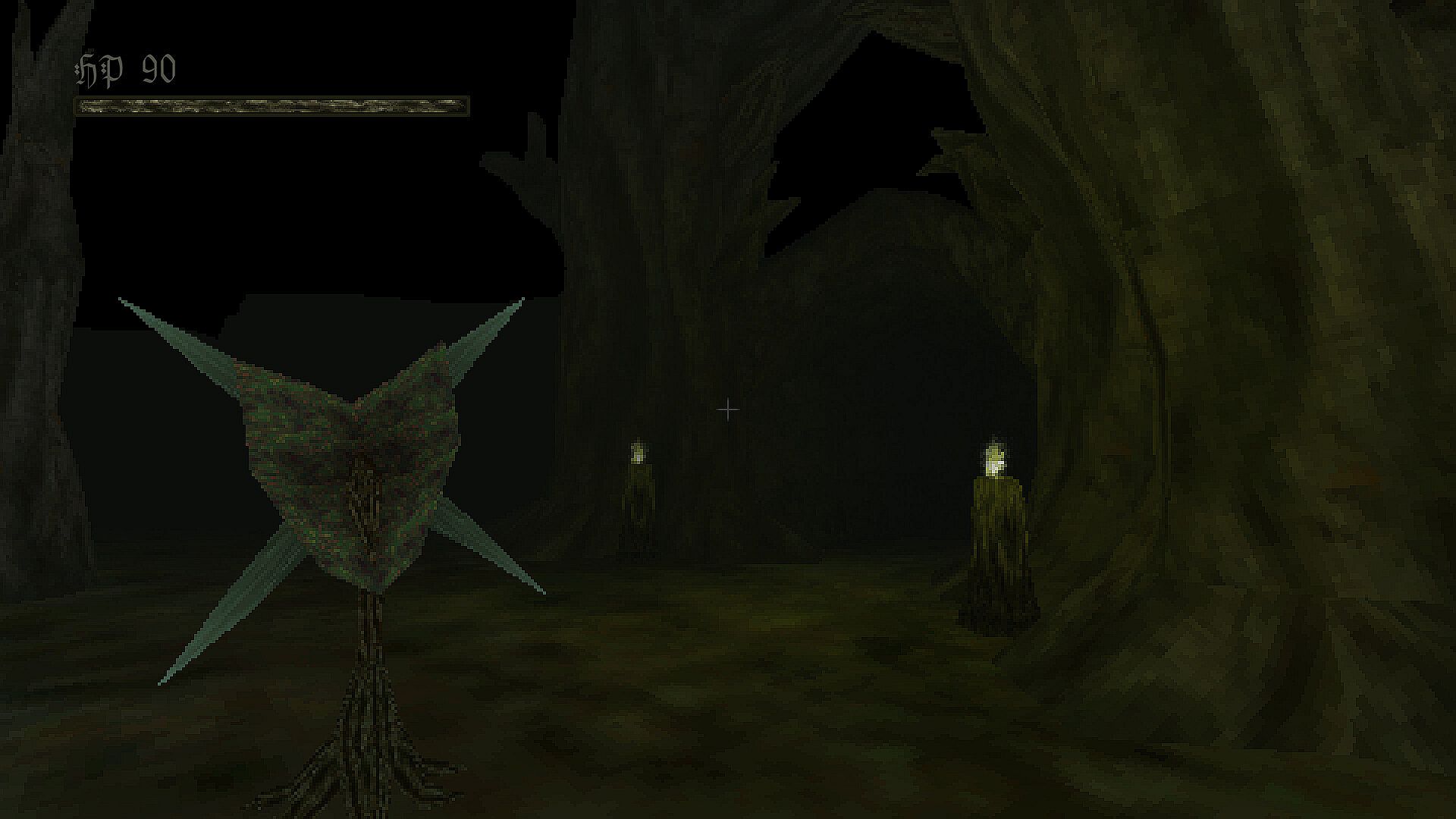
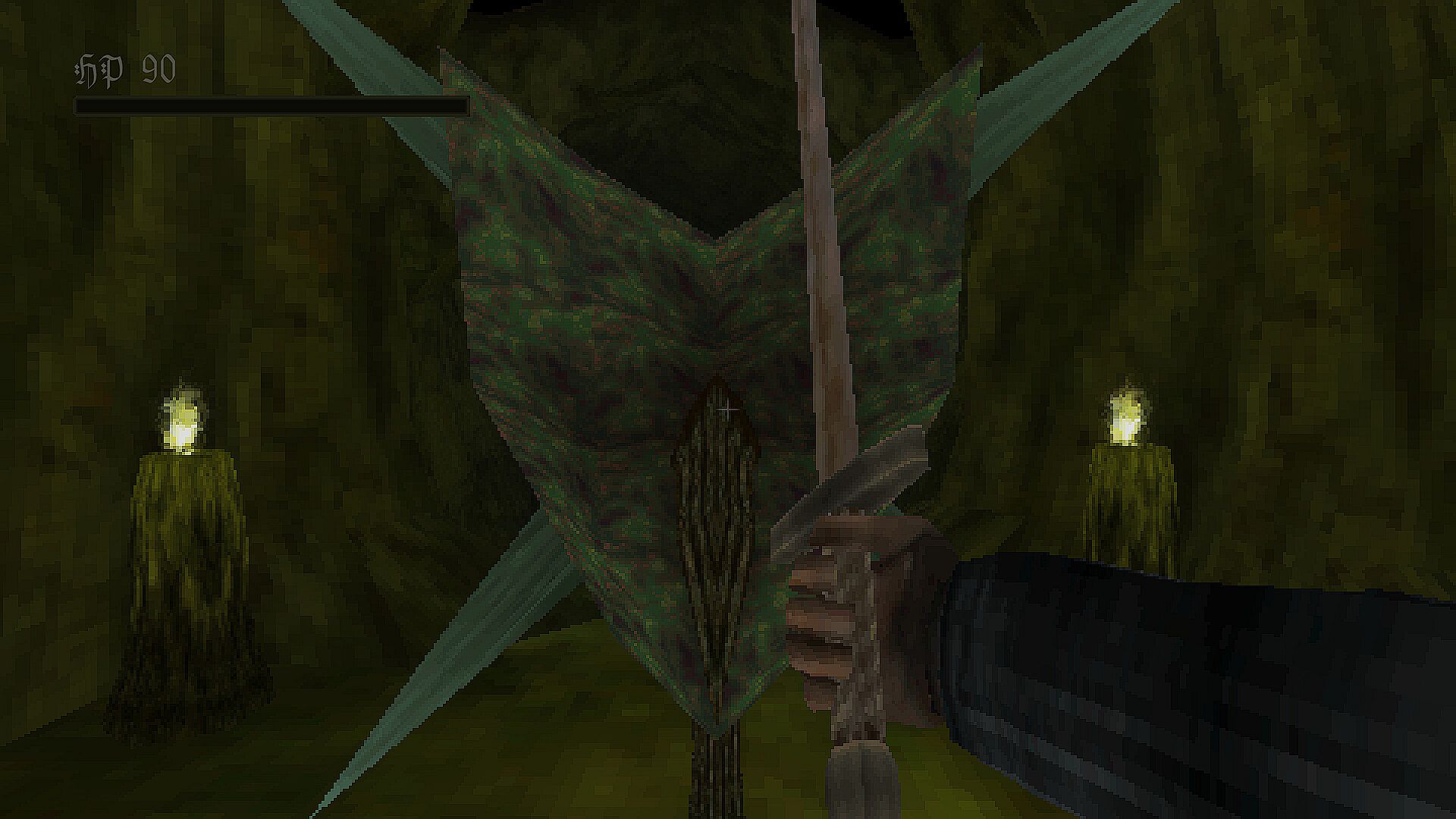
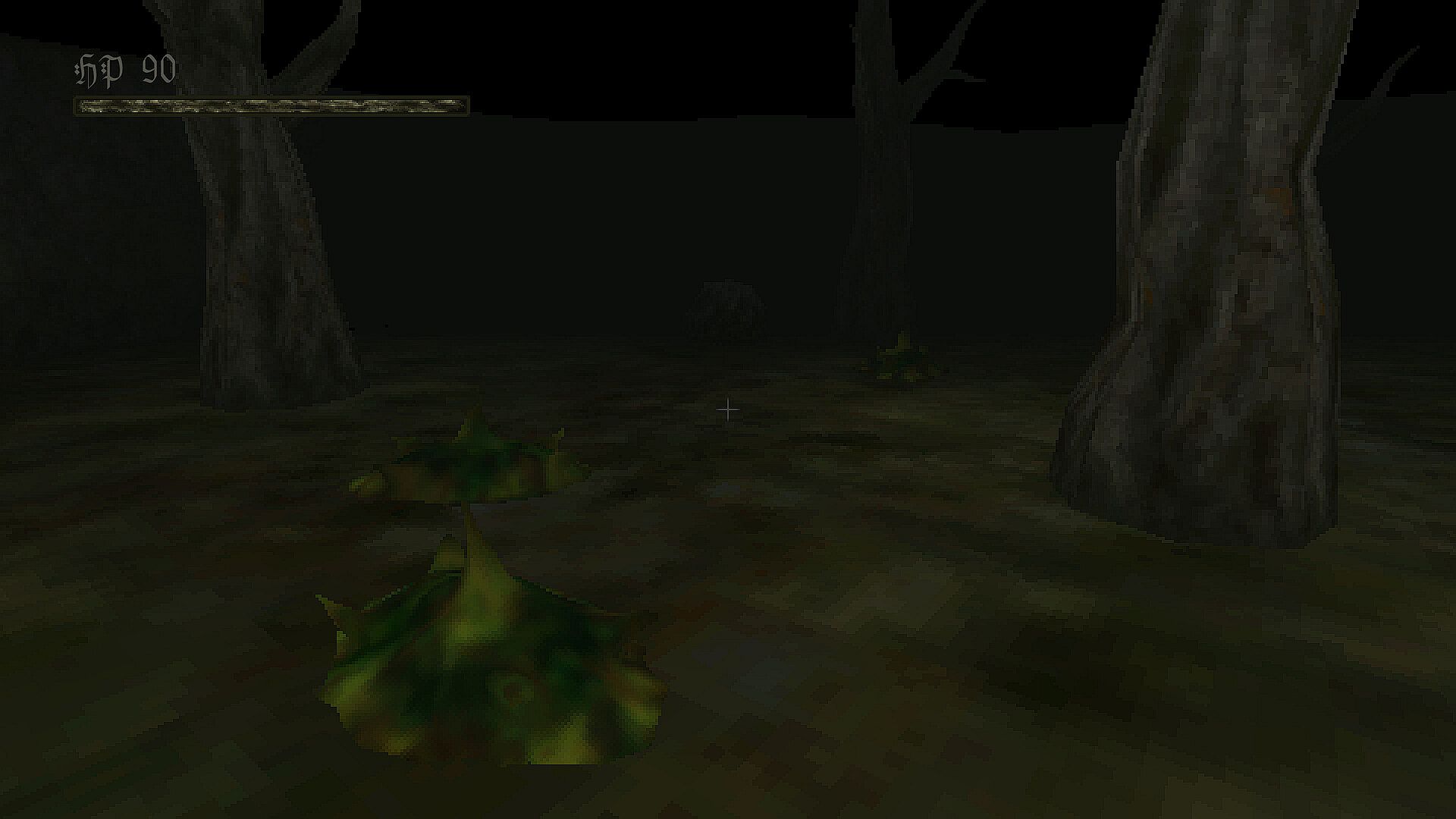
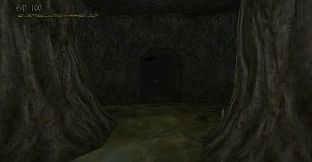
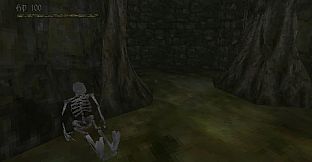
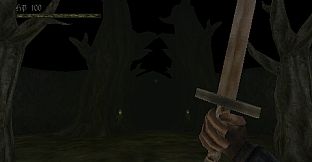
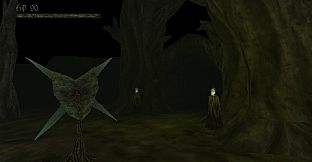
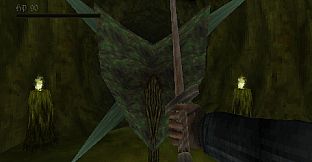
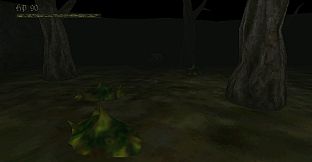
Umbra Ark is a first-person dungeon crawler that emphasizes raw atmosphere and deliberate risk over modern conveniences. Set within the Fortress of Shadows, the game places players in a subterranean world where silence and sound design carry the tension. Developed for PC, it draws directly from the constraints and mood of late-1990s console RPGs while remaining a self-contained single-player experience.
Gameplay
The core loop revolves around cautious exploration and resource management inside six interconnected biomes. Movement feels deliberate, with footsteps and distant creature sounds providing the only consistent audio cues during travel. Combat and survival hinge entirely on found equipment rather than character levels or experience points. Weapons and armor retrieved from the depths determine offensive and defensive capabilities, forcing players to weigh every discovery against immediate needs.
A distinctive barter system ties progression to personal vitality. Health and mana points serve as the only currency for trading goods or repairing gear. Each transaction or maintenance choice reduces these vital reserves, creating constant decisions about short-term safety versus long-term capability. This mechanic reinforces the austere design philosophy by making every action carry a tangible cost to the character.
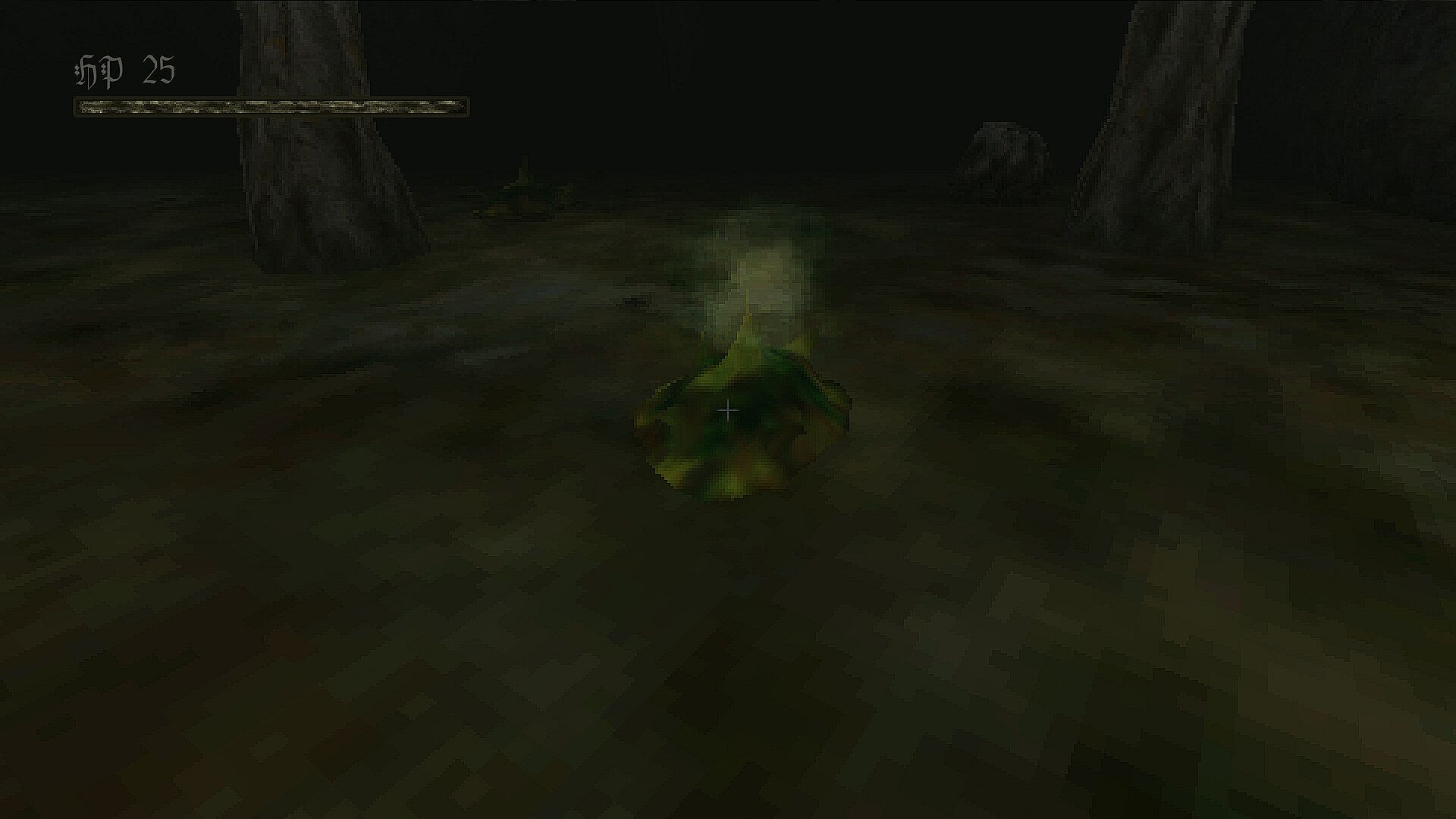
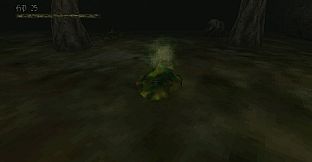
Environmental hazards and hidden threats populate the biomes. Forgotten ecosystems contain bizarre creatures, traps, and secrets that reward careful observation. The absence of background music heightens awareness of contextual audio events, turning routine movement into a source of suspense. Sessions focus on tactical positioning, inventory prioritization, and learning enemy patterns through repeated exposure rather than direct confrontation.
Game Modes
Umbra Ark operates as a single-player title with no additional modes listed. The entire experience centers on one continuous campaign through the fortress. Players progress at their own pace across the linked biomes, managing equipment and vitality without external matchmaking or cooperative elements. The structure supports repeated attempts at the same areas, as failure returns the character to earlier points with retained knowledge of layouts and threats.
Atmosphere and Design
The game strips away extraneous systems to focus on isolation and discovery. Visuals and audio evoke the technical limitations of earlier eras, resulting in stark environments where light sources and echoes define space. Creature encounters rely on audio cues and positioning rather than elaborate animations or effects. This approach keeps attention on navigation, threat assessment, and the consequences of equipment choices.
Exploration rewards persistence. Each biome introduces distinct ecosystems and hazards that interconnect, encouraging backtracking once better gear becomes available. The concentrated scope keeps the total playtime focused, directing attention toward mastery of the core systems instead of expansive side content.
Is It Worth Playing?
Umbra Ark targets players who appreciate deliberate, high-stakes dungeon crawling without modern quality-of-life features. Its equipment-driven progression and health-mana barter system create a distinct risk-reward loop that differs from typical leveling systems. The short, focused campaign suits those seeking a self-contained challenge rather than ongoing content updates.
Because the game remains unreleased with no player reviews available, suitability depends on tolerance for austere mechanics and PSX-inspired presentation. Fans of survival-oriented exploration and resource scarcity will find the described systems align closely with those preferences. Others who prefer frequent feedback, character progression, or varied audio may find the silence and equipment focus limiting. The single-player structure offers a complete, uninterrupted session once available.












