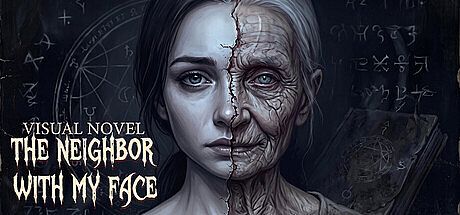


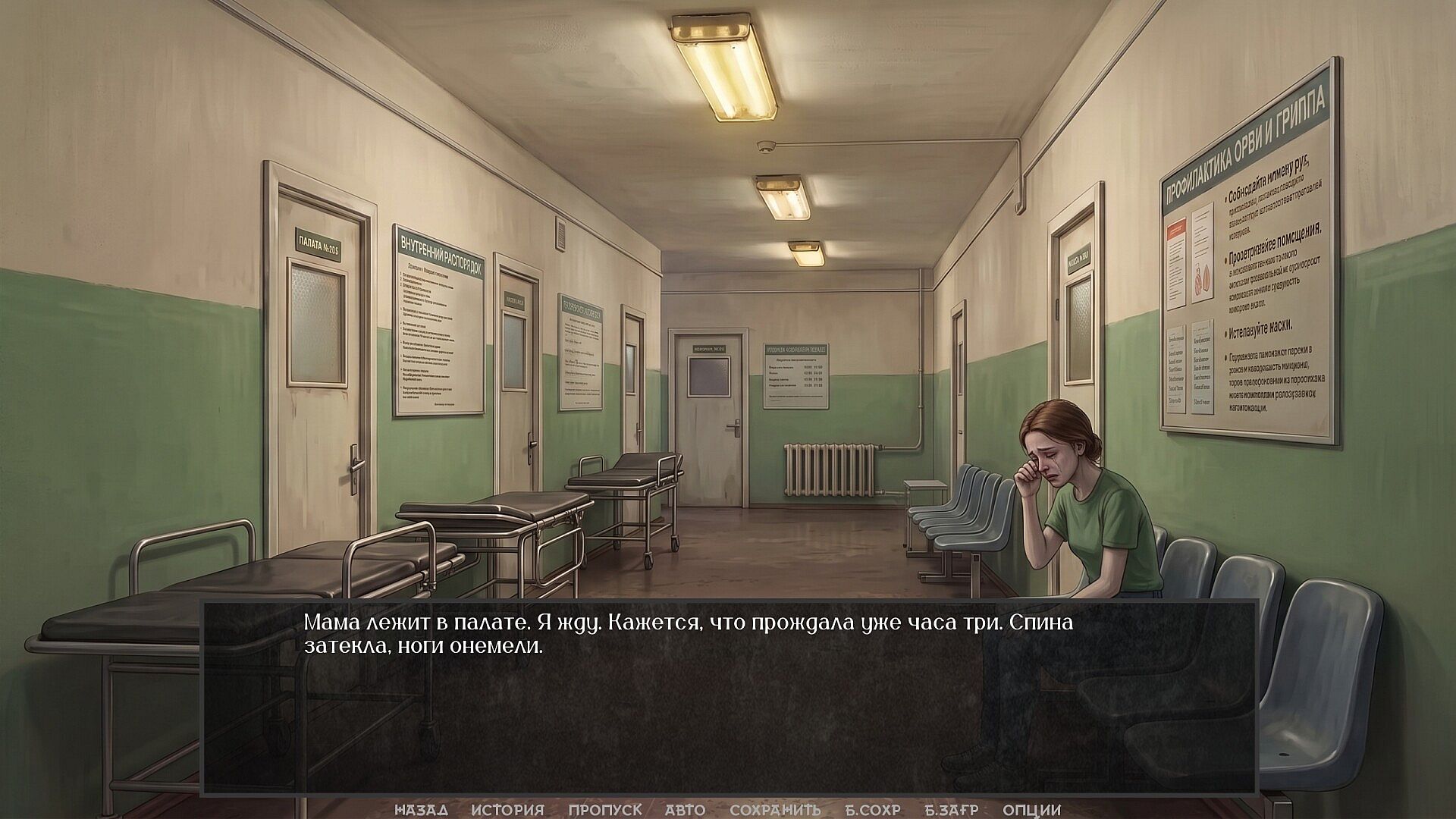
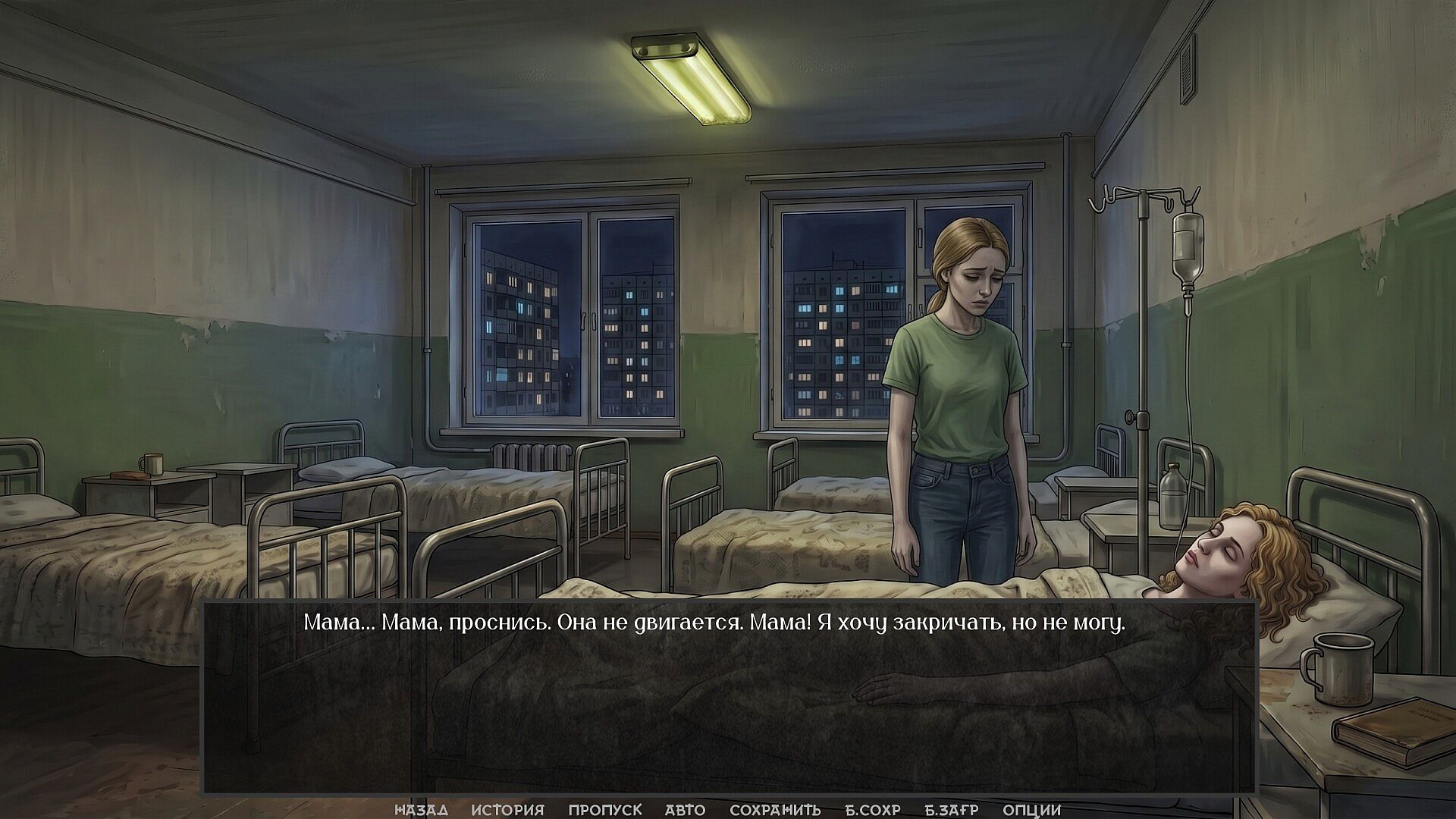
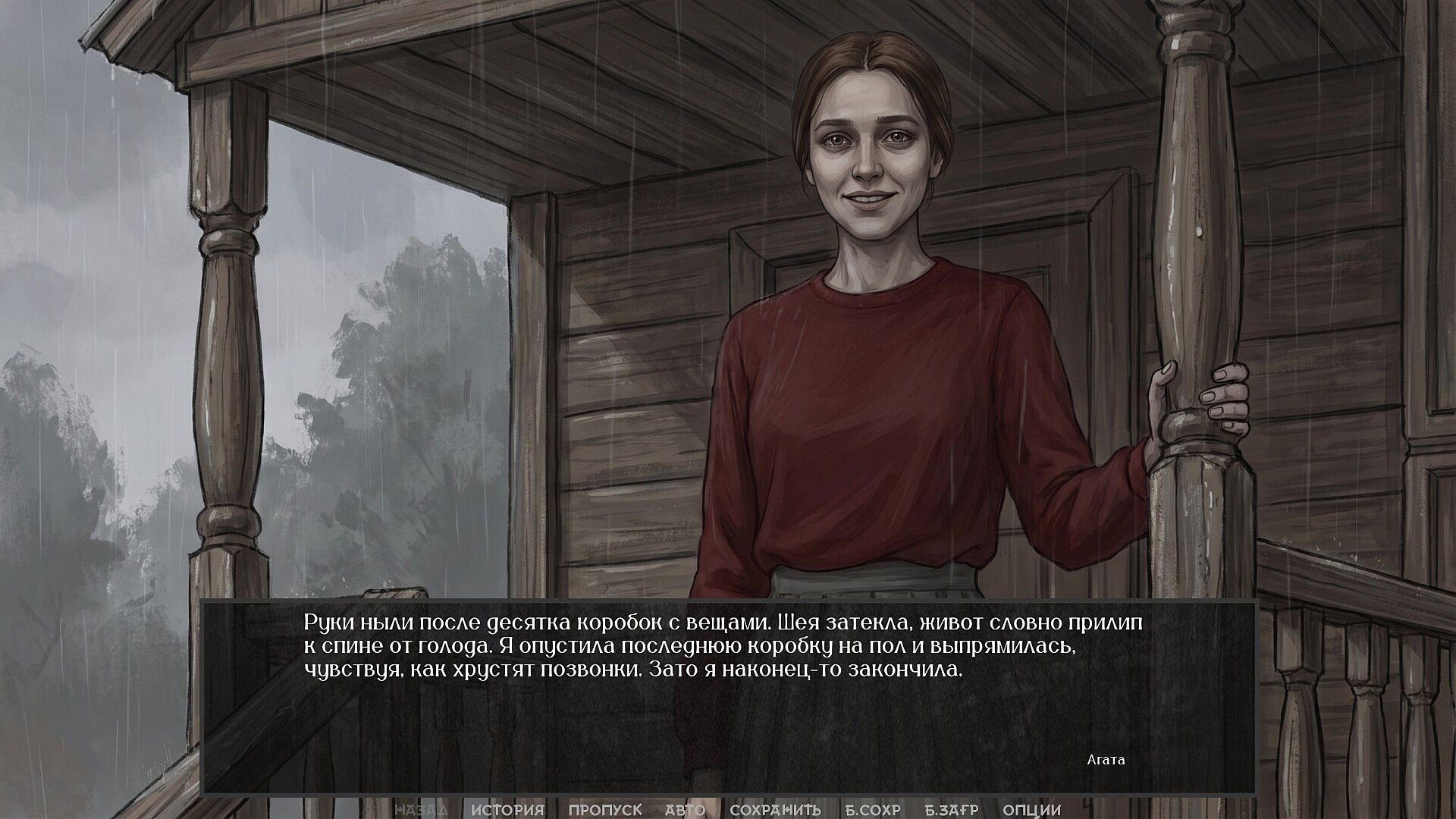
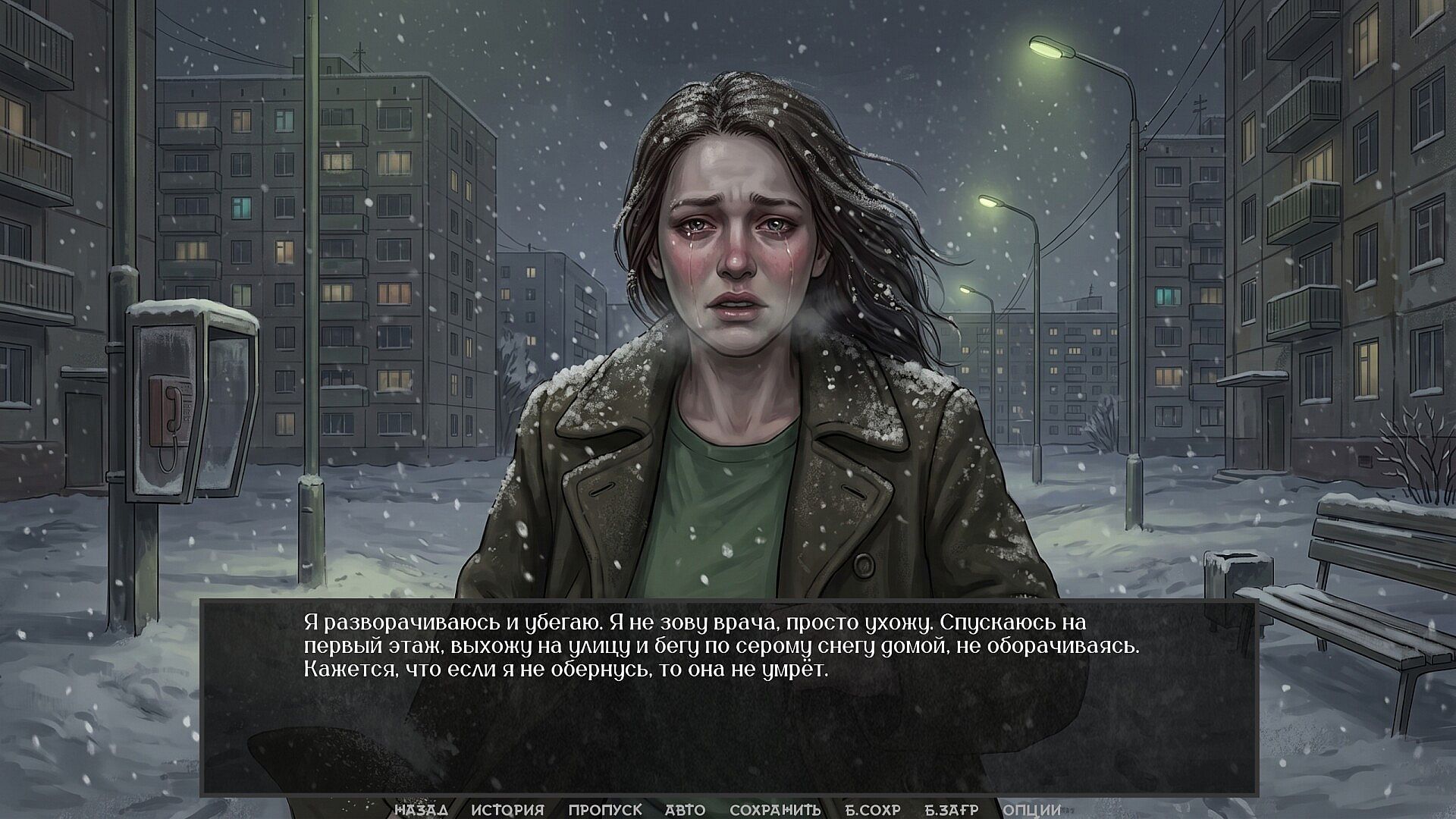
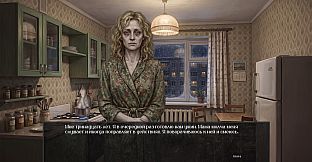
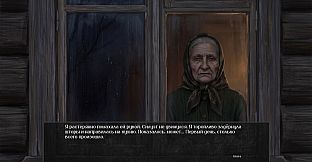
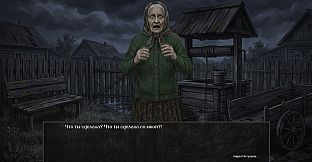
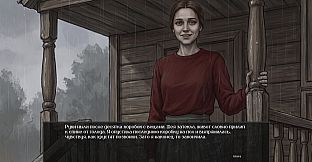
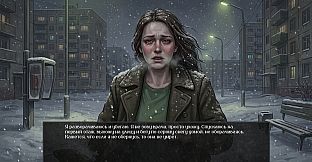
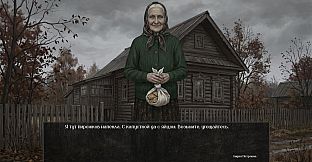
Visual Novel: The Neighbor with My Face is a singleplayer psychological horror experience on PC that combines visual novel storytelling with elements of action, indie, RPG, casual, and adventure genres. The narrative centers on Agatha, a young woman who moves into what seems like an ideal home, only for the situation to turn unsettling as strange occurrences begin to affect her physically and mentally.
Gameplay
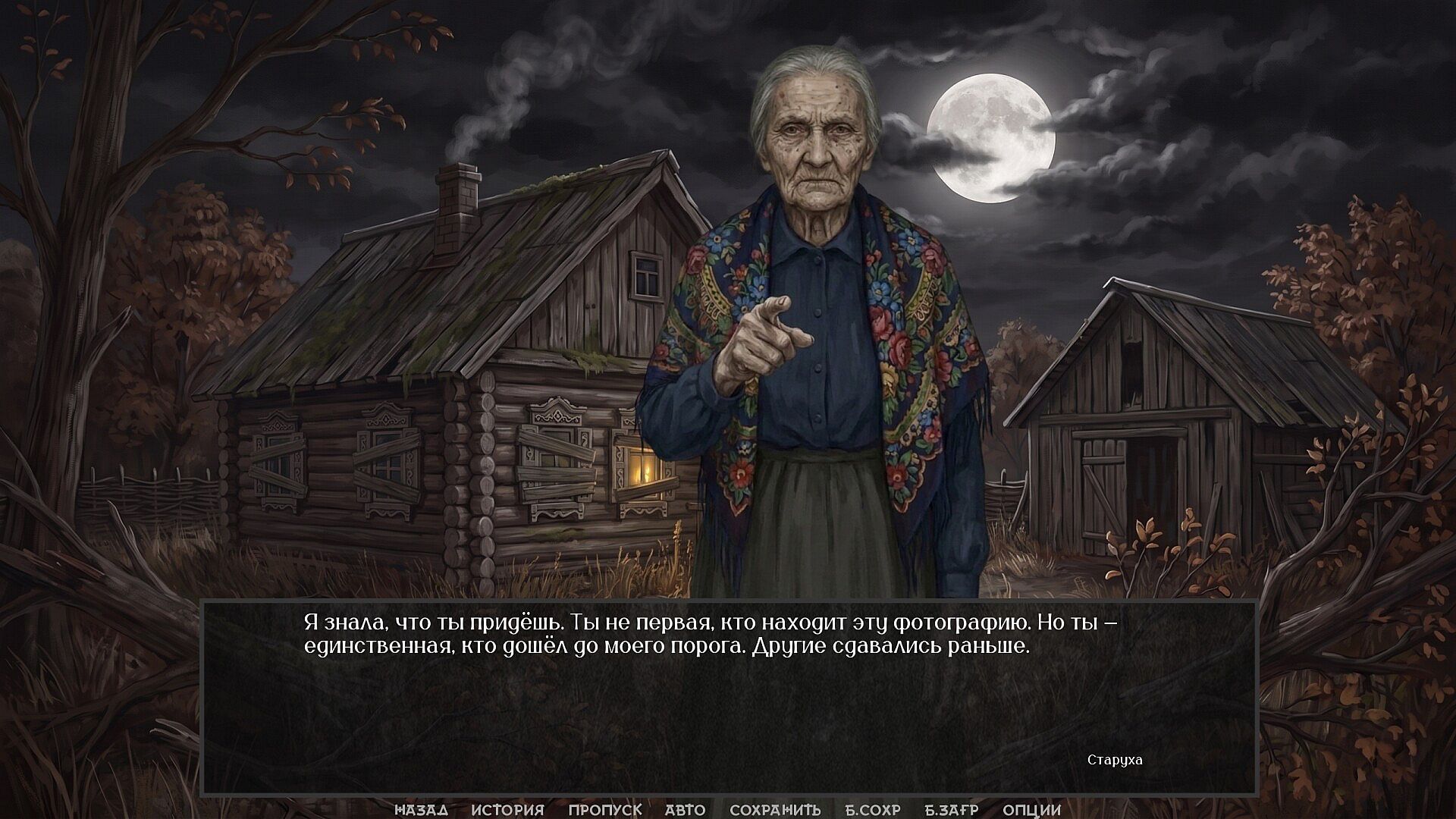
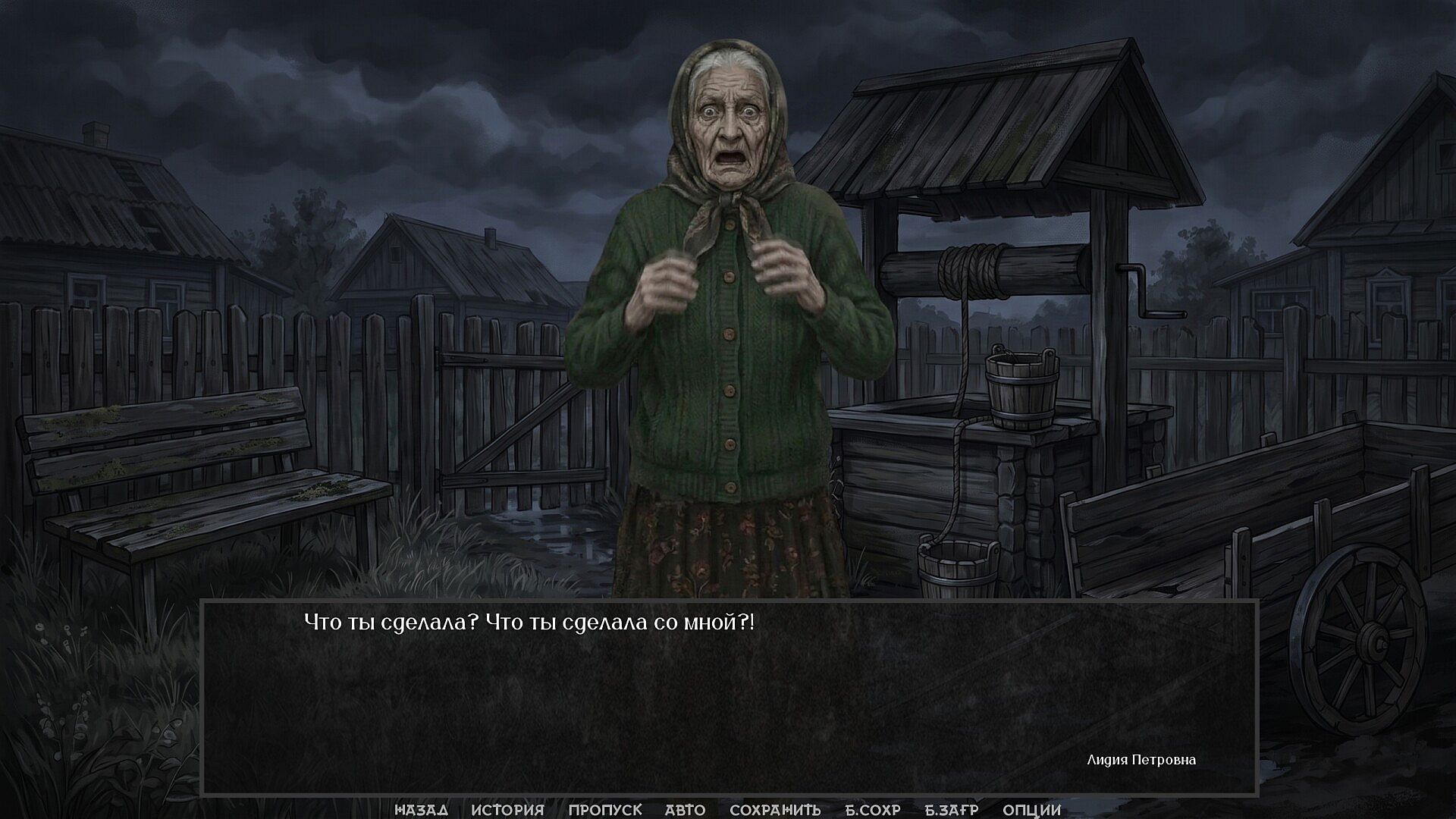
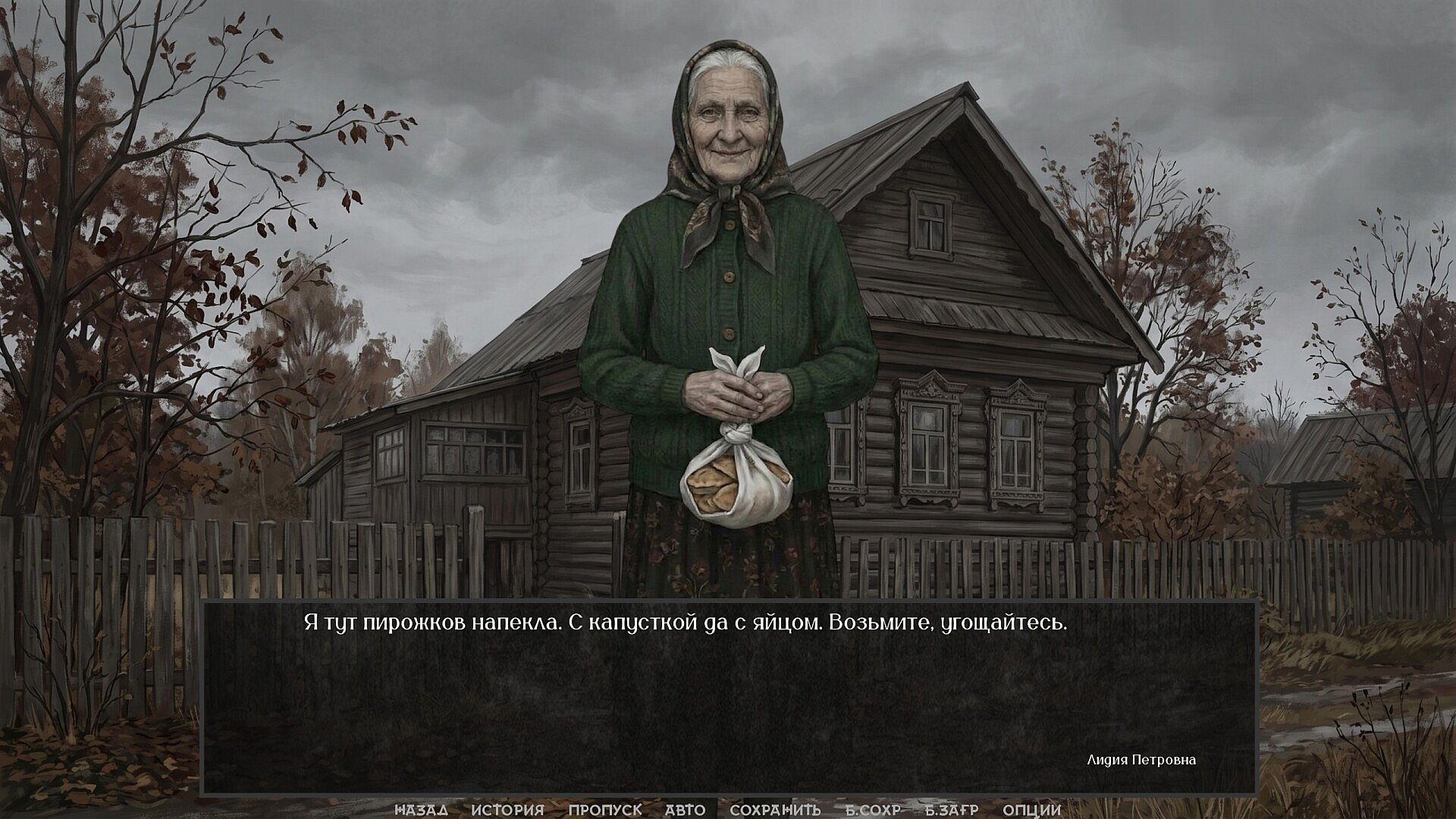
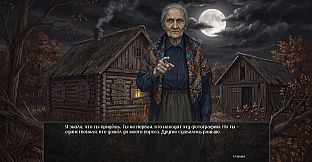
The core loop revolves around progressing through an interactive story where players make decisions in dialogue and actions that influence Agatha's path. These choices determine how events unfold, including the pace at which her body changes and how she interacts with the environment and the elderly neighbor Lidia Petrovna. Exploration of the house reveals clues such as an old diary and a photograph that uncover the property's true nature as a trap tied to youth, time, and pain.
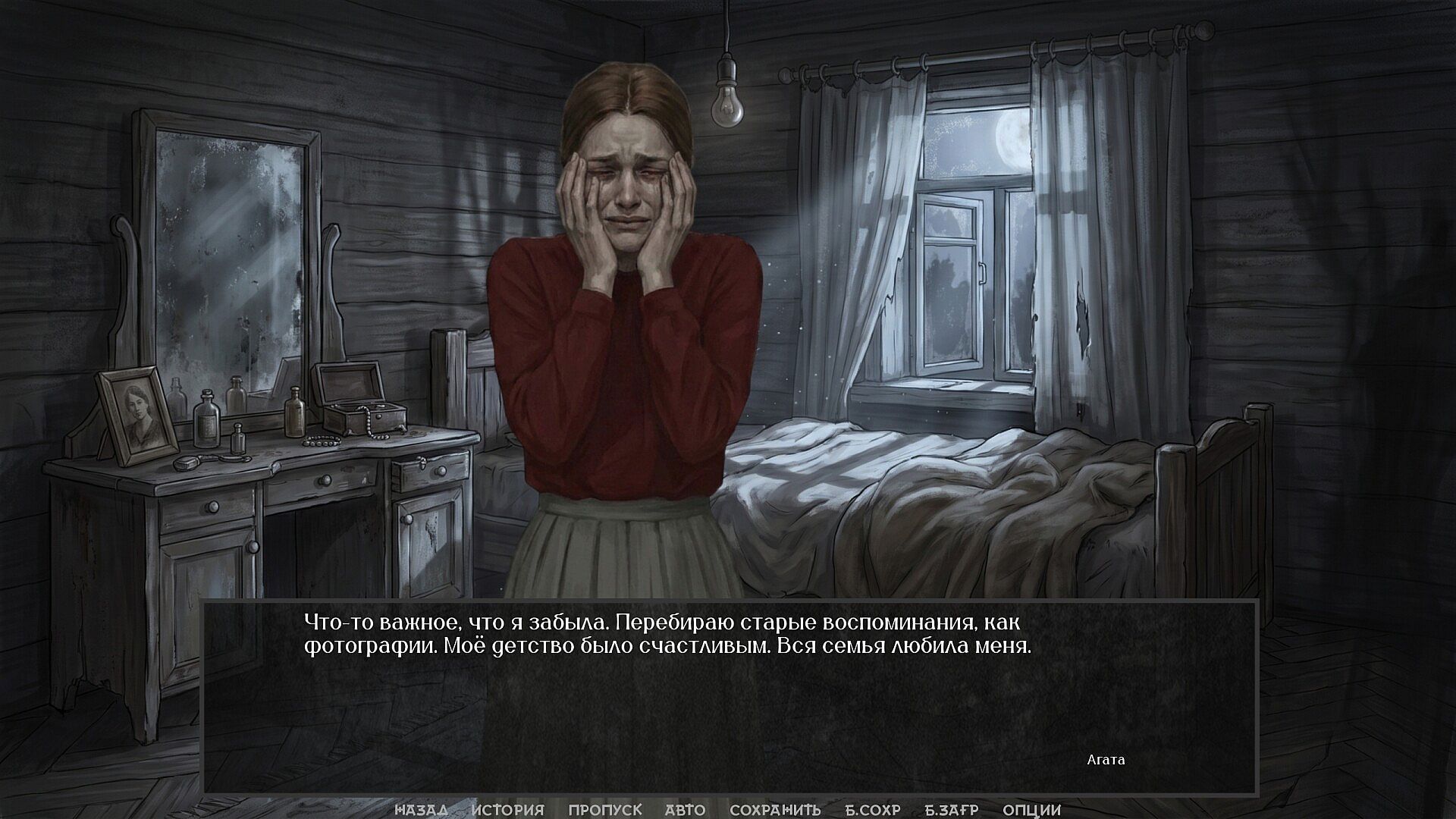
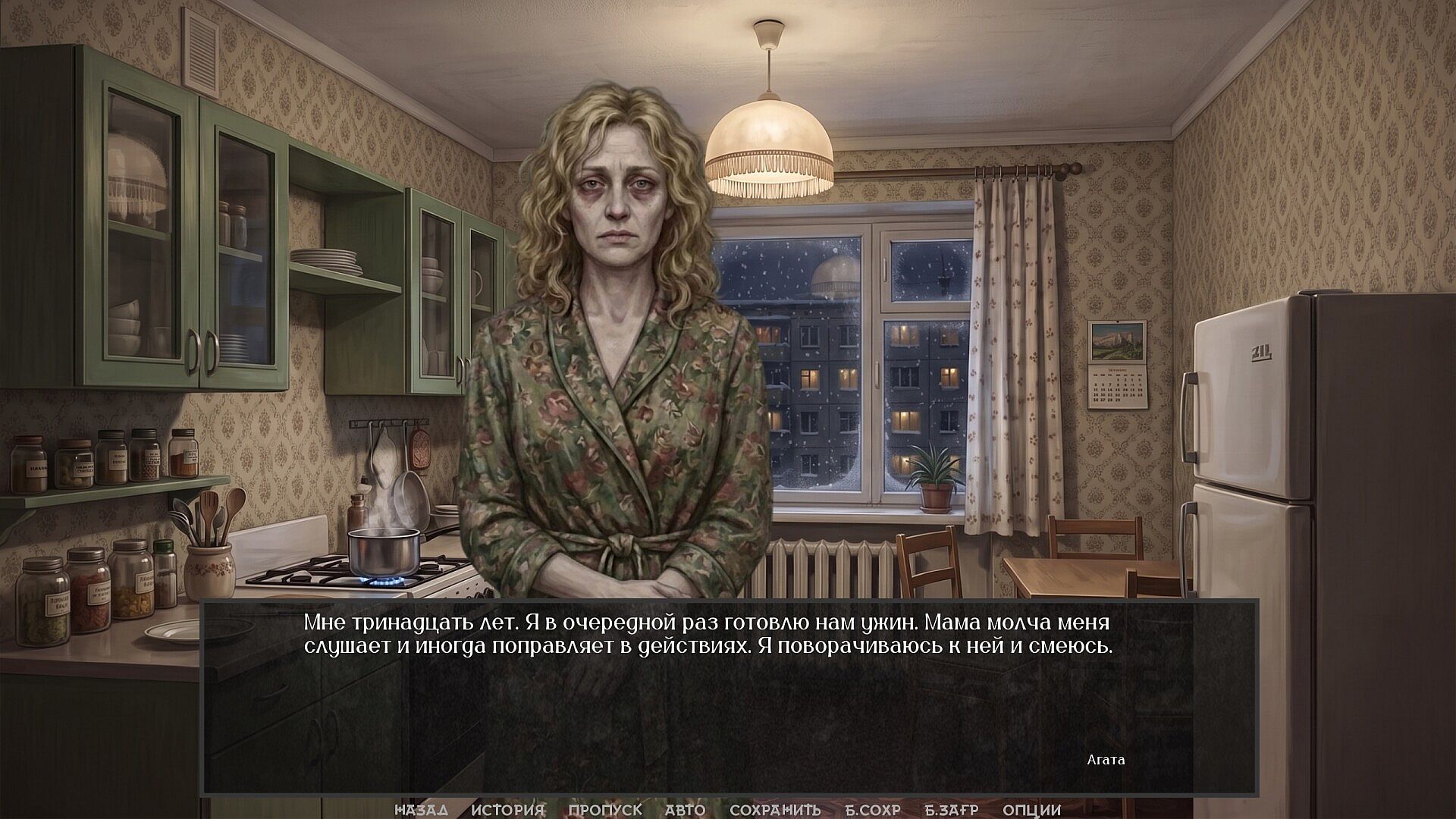
Atmosphere builds through unsettling sounds and ambient audio that underscore isolation and growing paranoia. Players witness Agatha's gradual physical decline, marked by increased weight, loss of strength, wrinkles, graying hair, and muddled memories, while the neighbor appears to rejuvenate. Body horror elements emphasize unnatural aging and physical weakness, paired with emotional layers involving repressed memories, guilt, family trauma, and the weight of the past. The experience stays focused on narrative progression rather than complex combat or resource systems, though the listed genres suggest light integration of choice consequences that feel like RPG-style branching paths and casual pacing for story consumption.
Game Modes
The game operates as a singleplayer visual novel driven by player choices in dialogue and actions. These decisions shape Agatha's fate and lead to one of multiple endings. No separate multiplayer or competitive modes exist. The structure emphasizes replayability through different decision paths that alter the story's direction and outcome, allowing players to explore variations in how the horror and personal drama resolve.
Story and Atmosphere
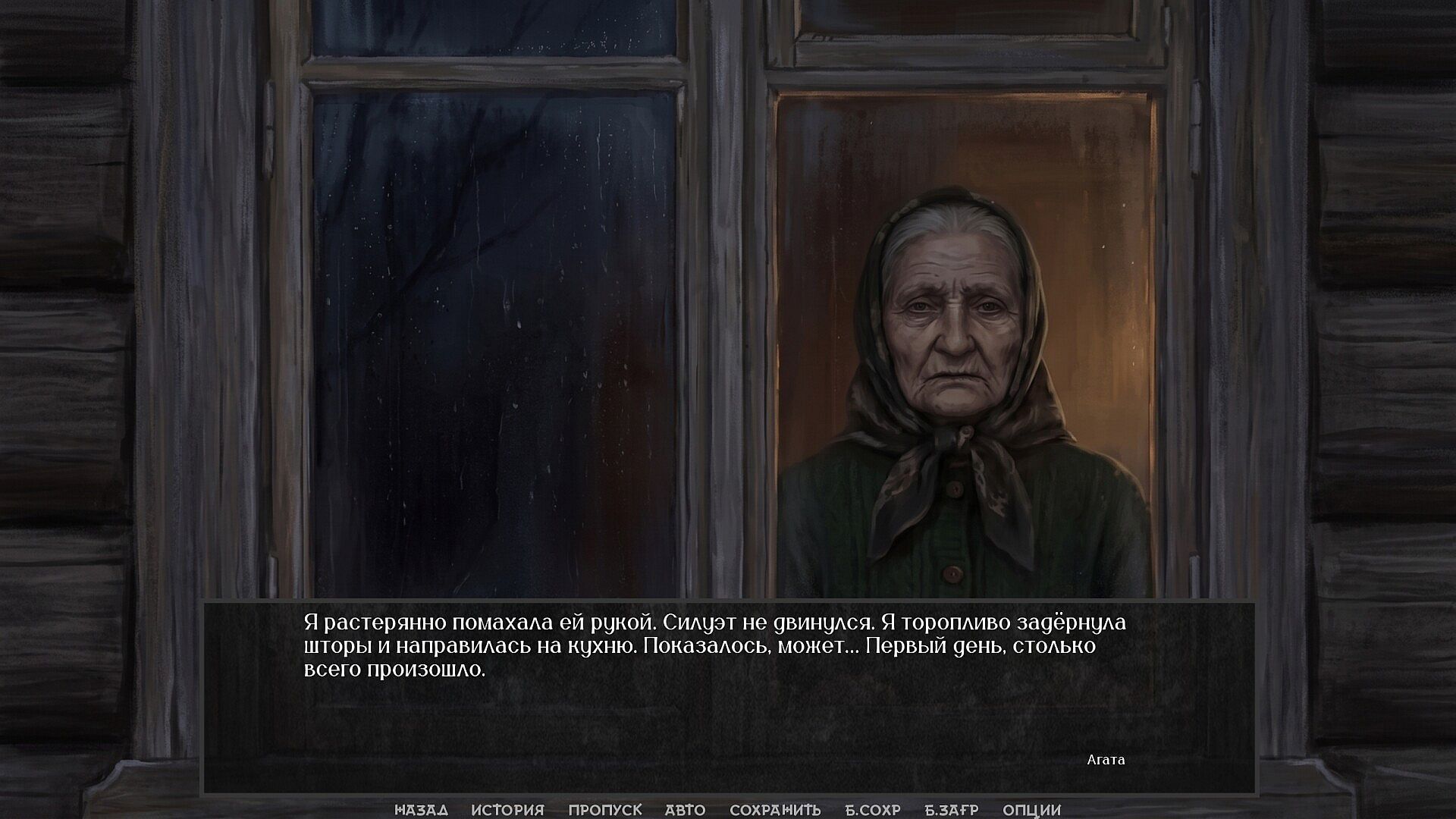
Agatha's move into her own home starts with warmth from Lidia Petrovna, who brings homemade pastries. This quickly shifts as nighttime rustling, footsteps, children's footprints on walls, and a persistent light in the opposite window signal trouble. The house itself becomes a central antagonist, feeding on its occupants in a grim cycle. The narrative explores themes of isolation, loss of bodily control, and confrontation with an inescapable past through a mix of psychological tension and personal reflection. An atmospheric soundtrack of unsettling melodies and ambient effects supports the dread without overpowering the text-based delivery.
Content Warnings and Themes
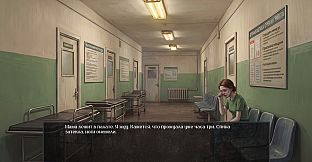
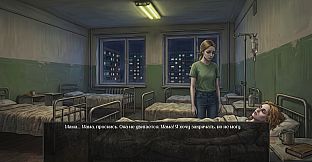
The game includes material that may cause intense psychological distress. Key elements feature an oppressive sense of isolation, escalating paranoia, and fear of the unknown. Body horror appears through accelerated aging processes and physical symptoms like nausea and vomiting. Emotional content addresses coping with the death of a loved one, guilt, repressed traumatic memories, and psychological pressure. Confinement in an enclosed space heightens feelings of helplessness against a supernatural threat.
Is It Worth Playing?
This title suits players who enjoy choice-driven visual novels centered on psychological horror and personal drama. The multiple endings tied to decisions provide replay value for those interested in exploring different outcomes of Agatha's story. Its focus on atmospheric tension, body horror, and emotional depth delivers a contained experience that rewards careful attention to narrative branches. Availability on PC makes it accessible for fans of indie horror stories that blend casual pacing with deeper thematic exploration. Those seeking fast-paced action or multiplayer elements may find the deliberate, text-heavy approach less engaging, while enthusiasts of slow-burn paranoia and branching narratives will appreciate the structure.