

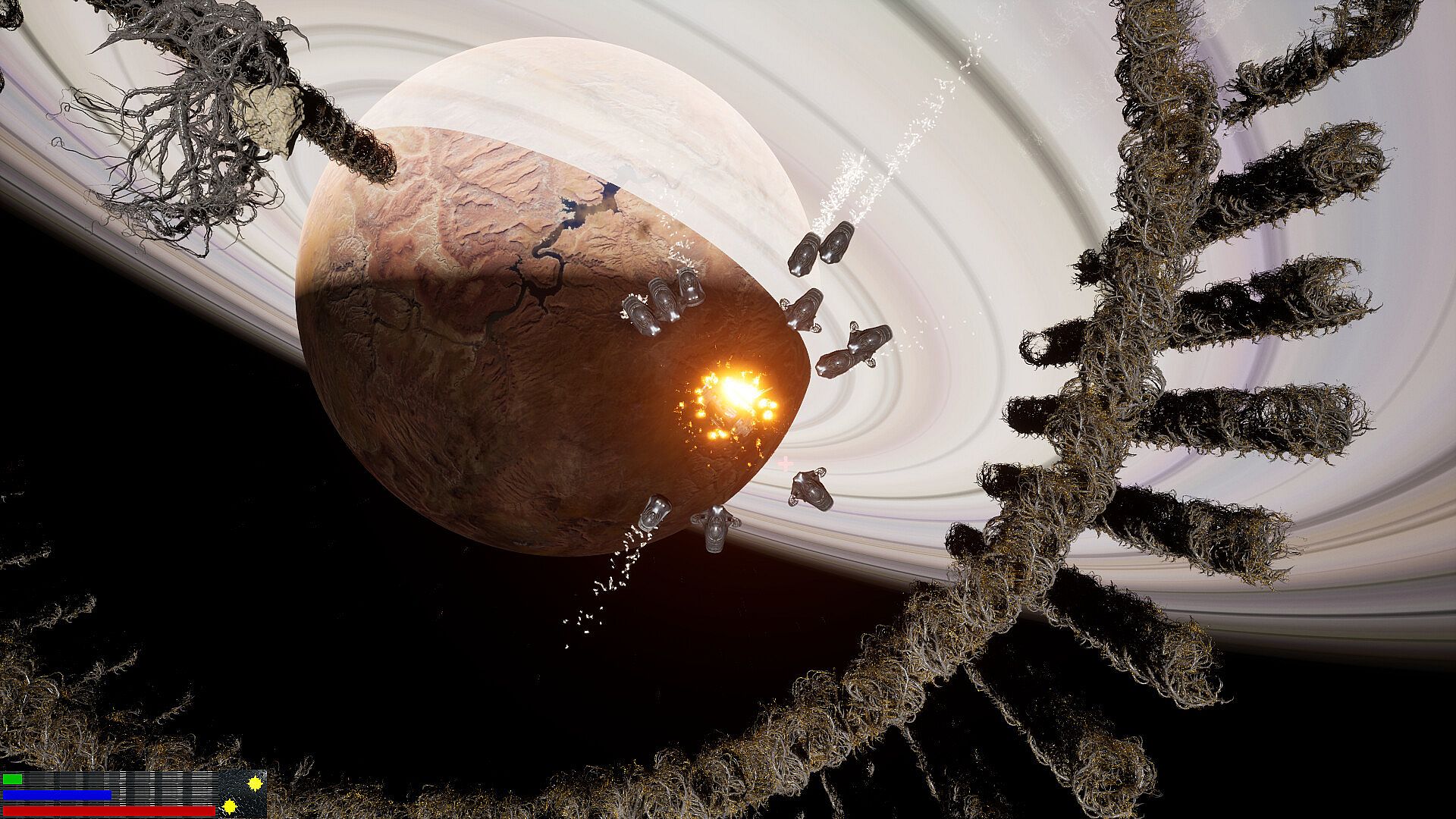
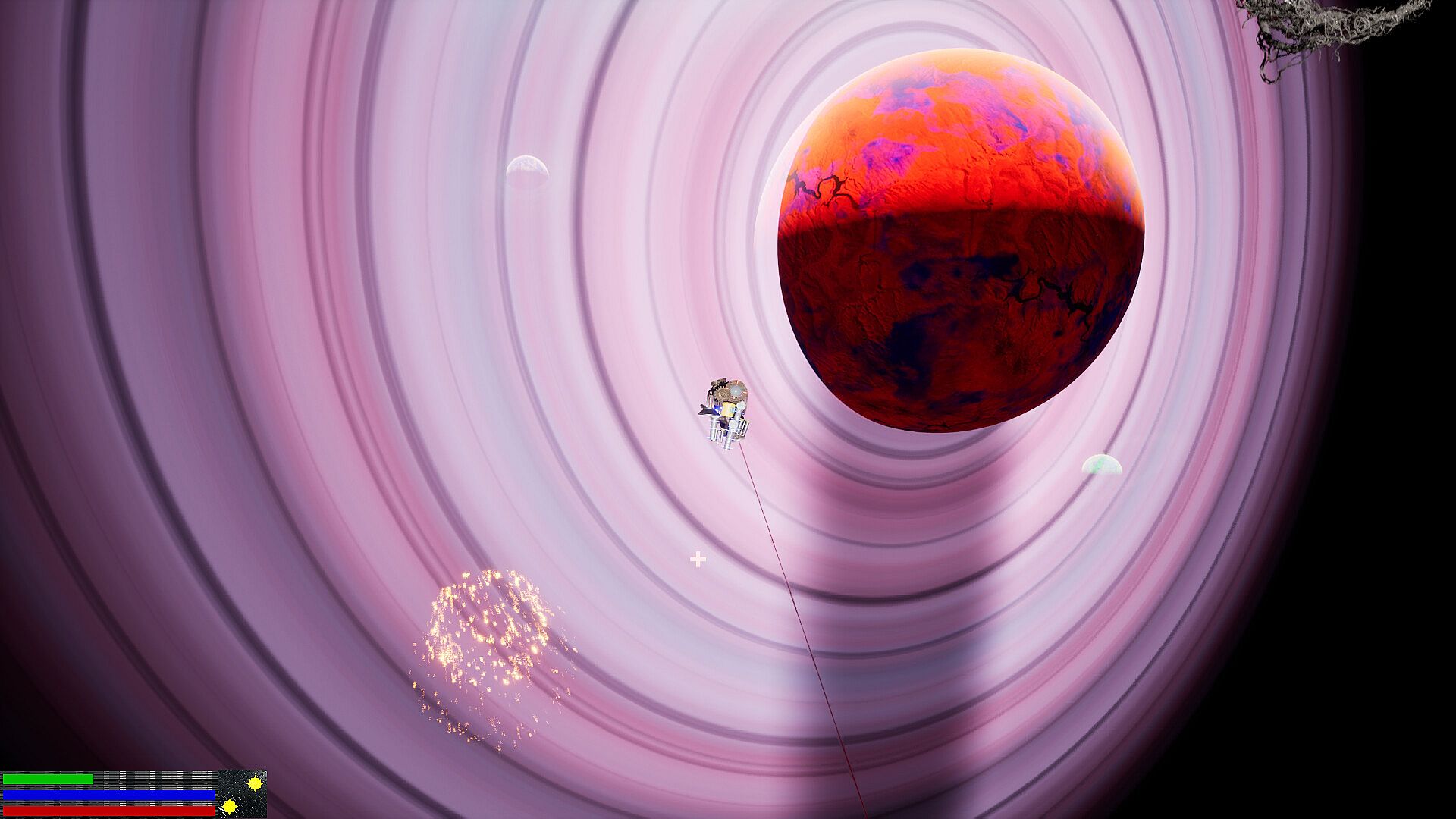
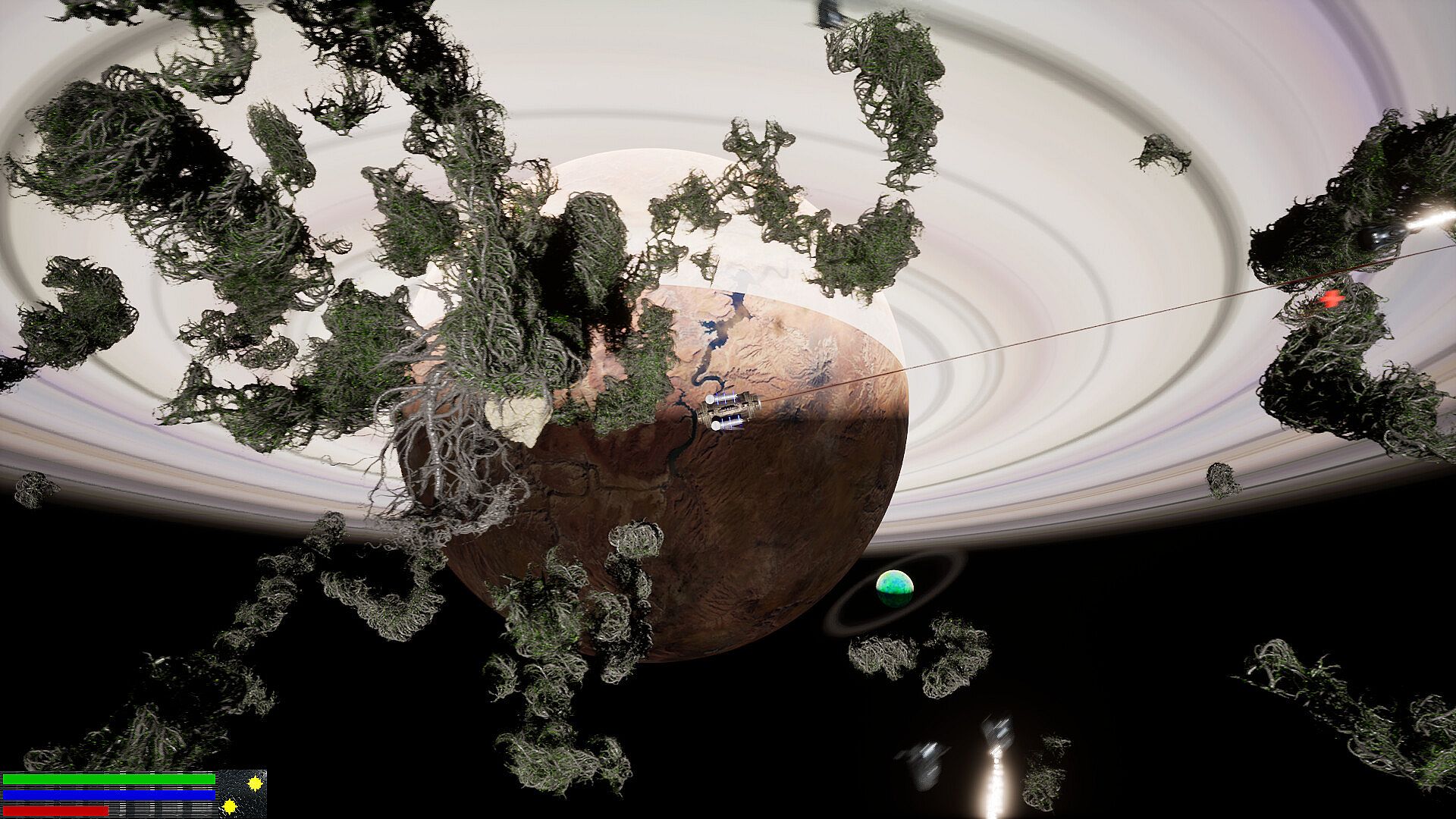
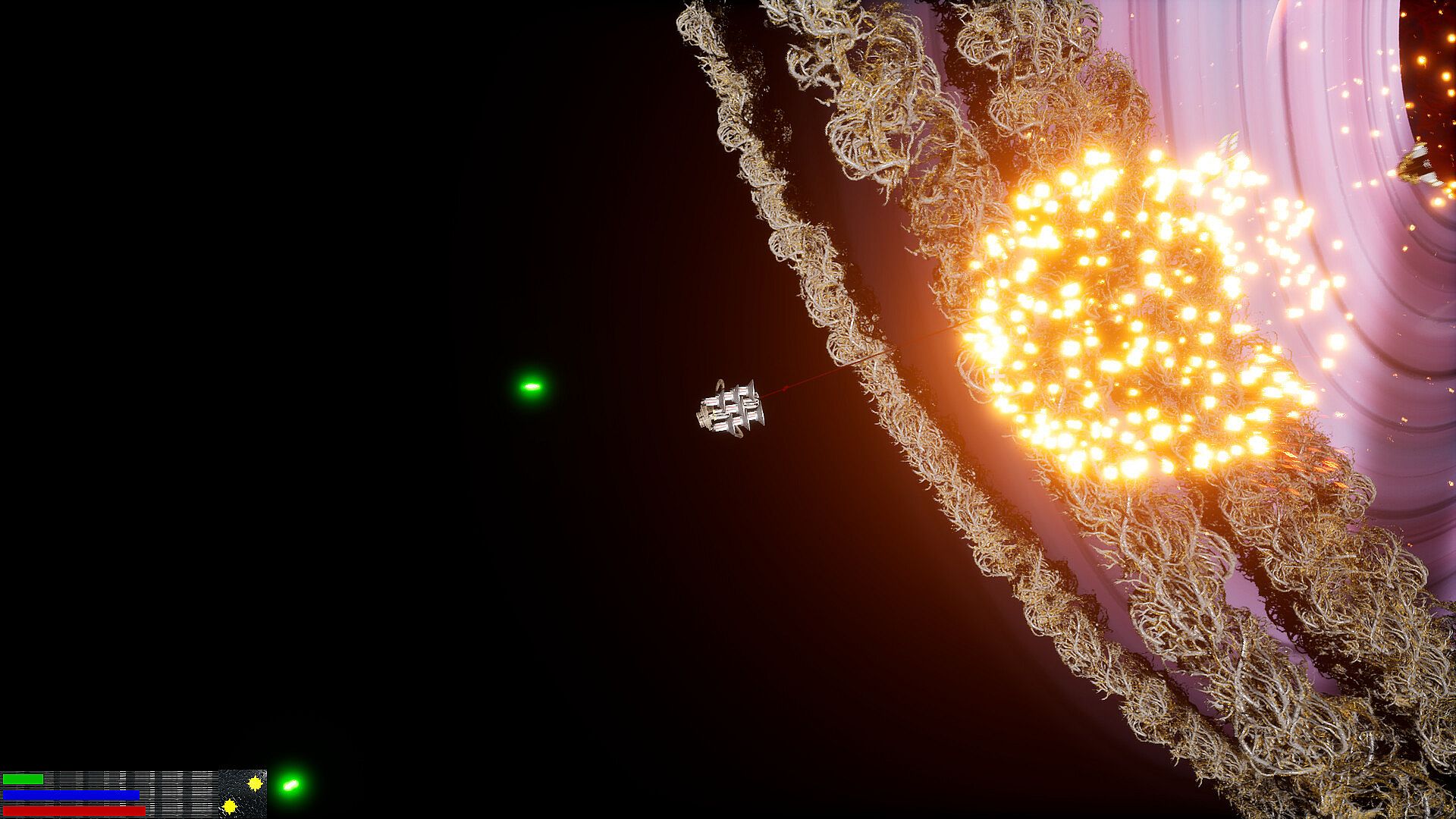
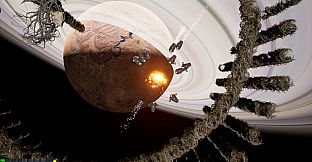
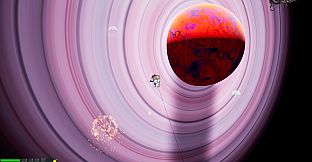
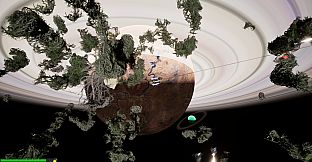
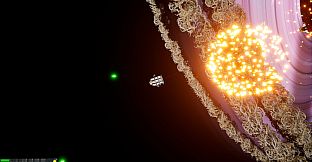
Void God is an action game for PC in which players take control of a Void Ship to assault the Void itself. The core objective centers on destroying waves of guardians, gathering resources from those encounters, and ultimately confronting the Void God. Progression relies on repeated attempts, as each defeat provides materials for permanent upgrades to weapons, abilities, and the ship itself.
Gameplay
The gameplay loop revolves around surviving successive waves of hostile guardians that actively seek to eliminate the player. Encounters emphasize positioning the Void Ship, managing weapon fire, and activating abilities while avoiding incoming threats. Death resets the current run but converts collected resources into upgrades that carry forward, allowing incremental growth in power and options across multiple attempts.
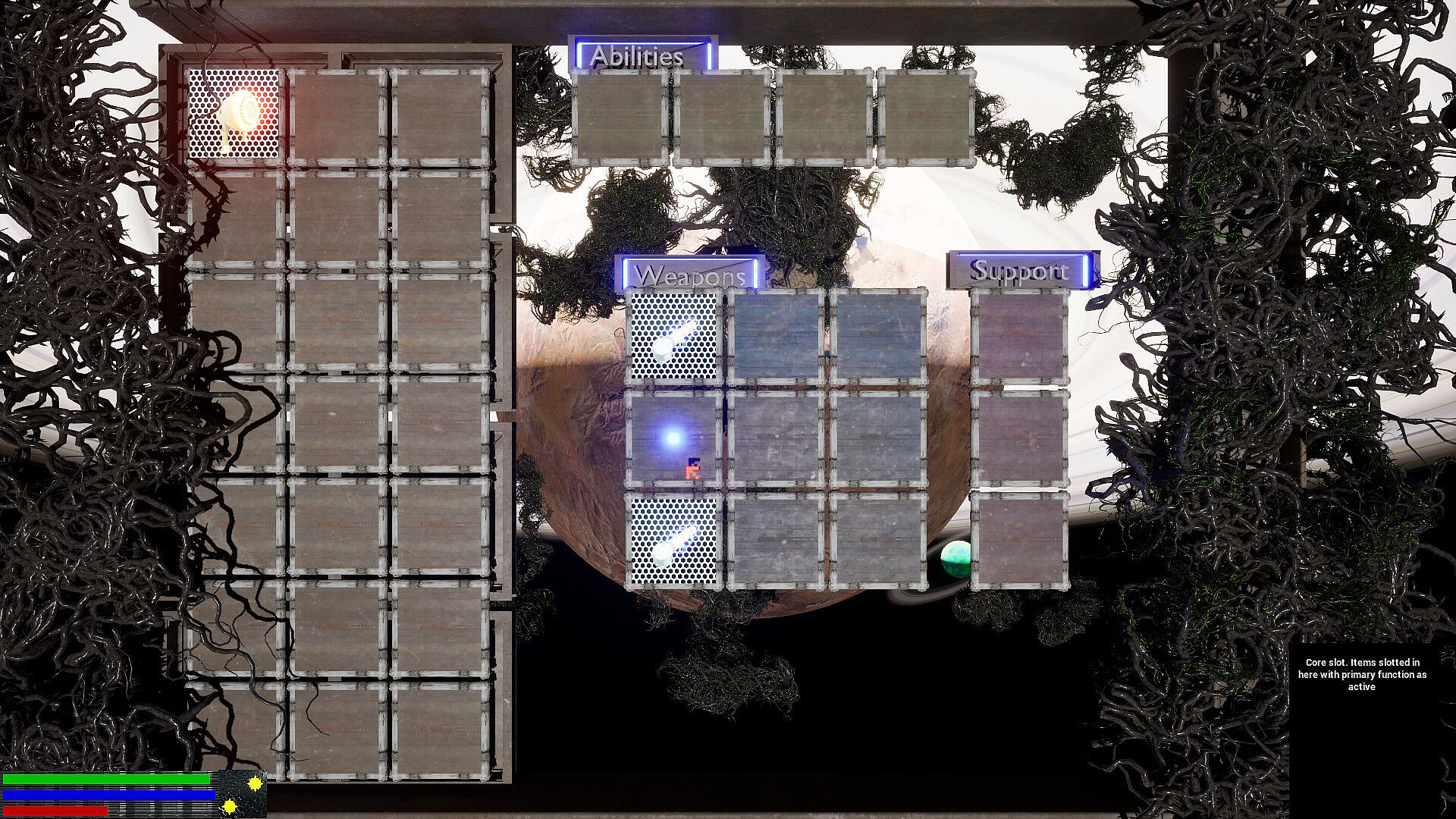
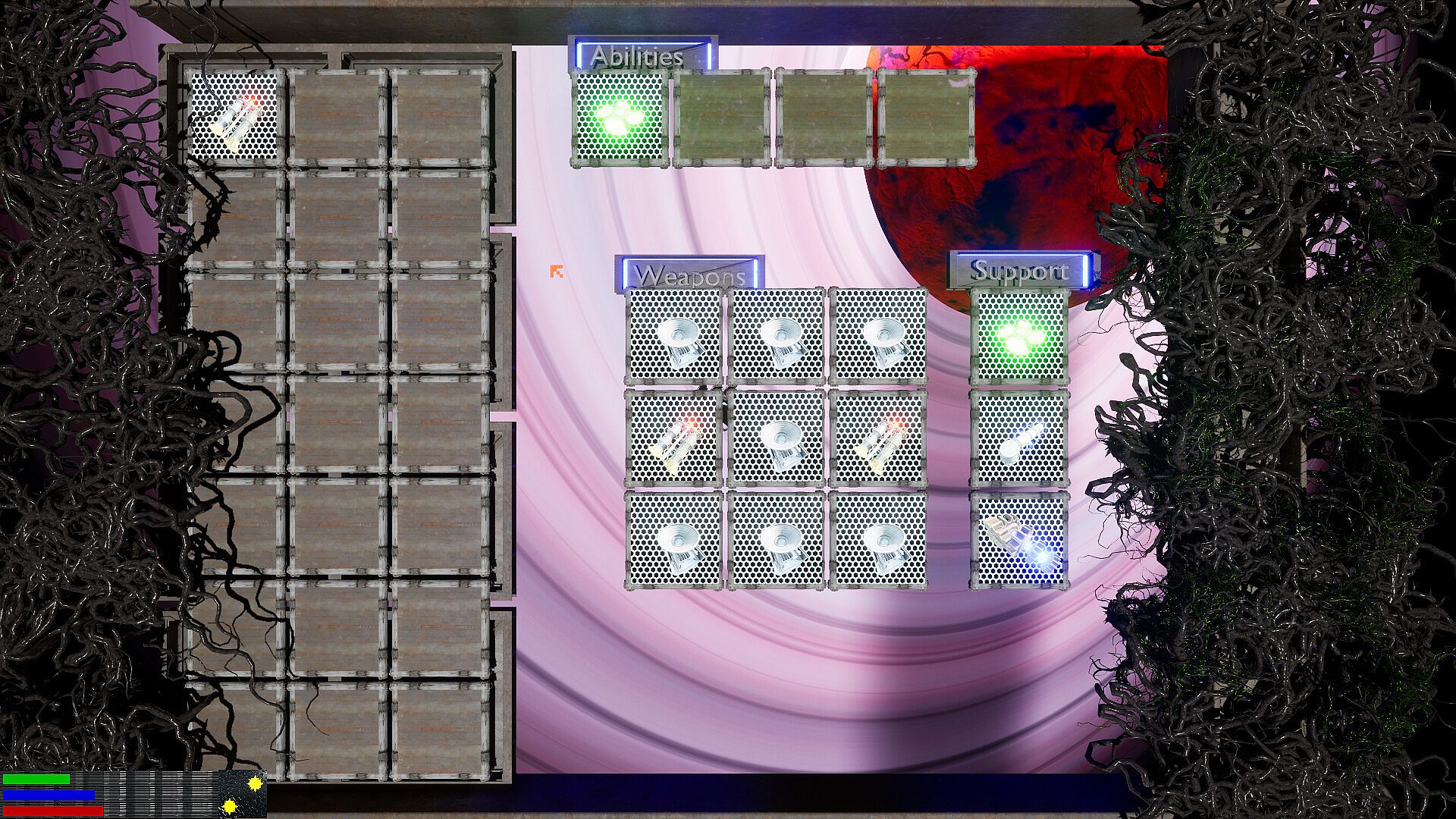
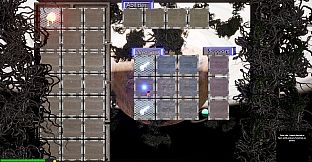
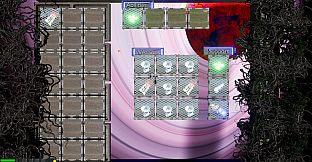
Weapons form the foundation of customization. Each one can be slotted into a weapons hardpoint for direct combat use, reassigned to an ability slot for triggered effects, or placed in one of the limited support slots for passive or auxiliary functions. This flexible equipping system encourages experimentation with loadouts to handle different guardian behaviors and wave compositions. Resource management after each run determines which upgrades receive priority, shaping long-term strategy around ship capabilities and combat effectiveness.
Game Modes
Void God structures its experience around repeated wave-based assaults within the Void. Players progress through escalating guardian encounters, using each cycle to refine their approach and expand their arsenal. The format emphasizes survival and adaptation rather than linear storytelling, with the ultimate goal of reaching and defeating the Void God after sufficient upgrades.
Mechanics focus on resource extraction from destroyed guardians to fuel upgrades. No separate named modes appear in the available details, so the primary play revolves around this core loop of assault, defeat, upgrade, and retry. The system supports varied playstyles through weapon role flexibility, letting players emphasize offense, utility, or support depending on equipped configurations.
Progression and Upgrades
Upgrades target three main areas: weapons for increased damage or new effects, abilities for enhanced tactical options, and the Void Ship for improved durability or mobility. Resources gathered during successful segments of a run directly translate into these improvements, creating a clear feedback loop between performance and future potential. The rarity of support slots adds strategic weight to decisions about which items receive those positions.
Guardians appear in angry waves that grow in intensity, testing the limits of current upgrades. Success depends on learning patterns, optimizing loadouts, and persisting through failures to accumulate the power needed for deeper progression toward the Void God encounter.
Is It Worth Playing?
Void God suits players who enjoy action games built around roguelike progression and iterative improvement. The wave survival format combined with flexible weapon equipping provides consistent reasons to attempt new runs, as each upgrade meaningfully alters combat dynamics. Those drawn to ship-based combat and resource-driven growth will find the described systems rewarding through repeated play.
The game remains available on PC with its core mechanics intact as outlined in the source description. Without additional confirmed updates or community metrics, the decision hinges on preference for this style of persistent upgrade loops in an action context. Players comfortable with learning from failures and experimenting with equipment roles stand to gain the most from the experience.