


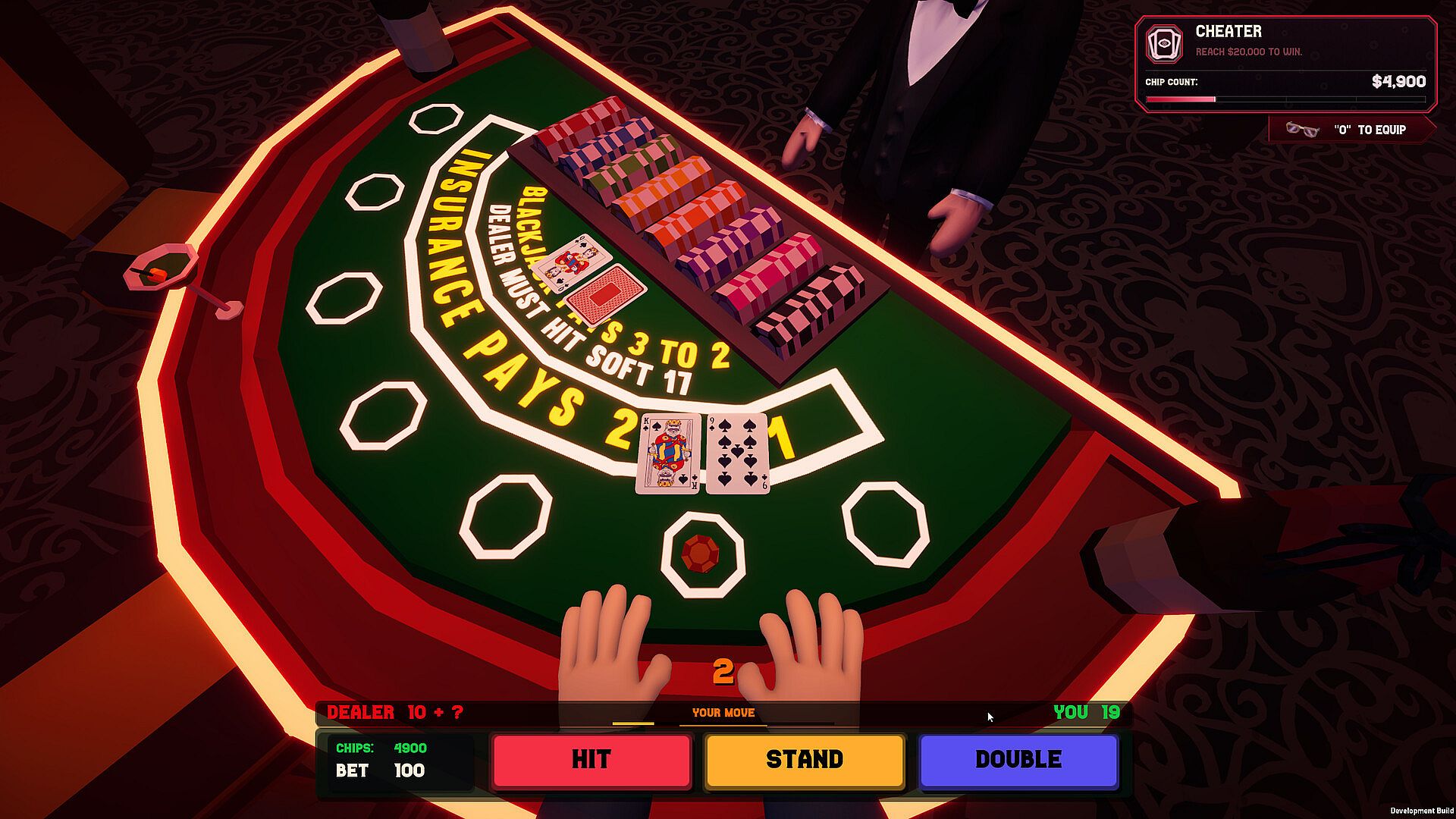
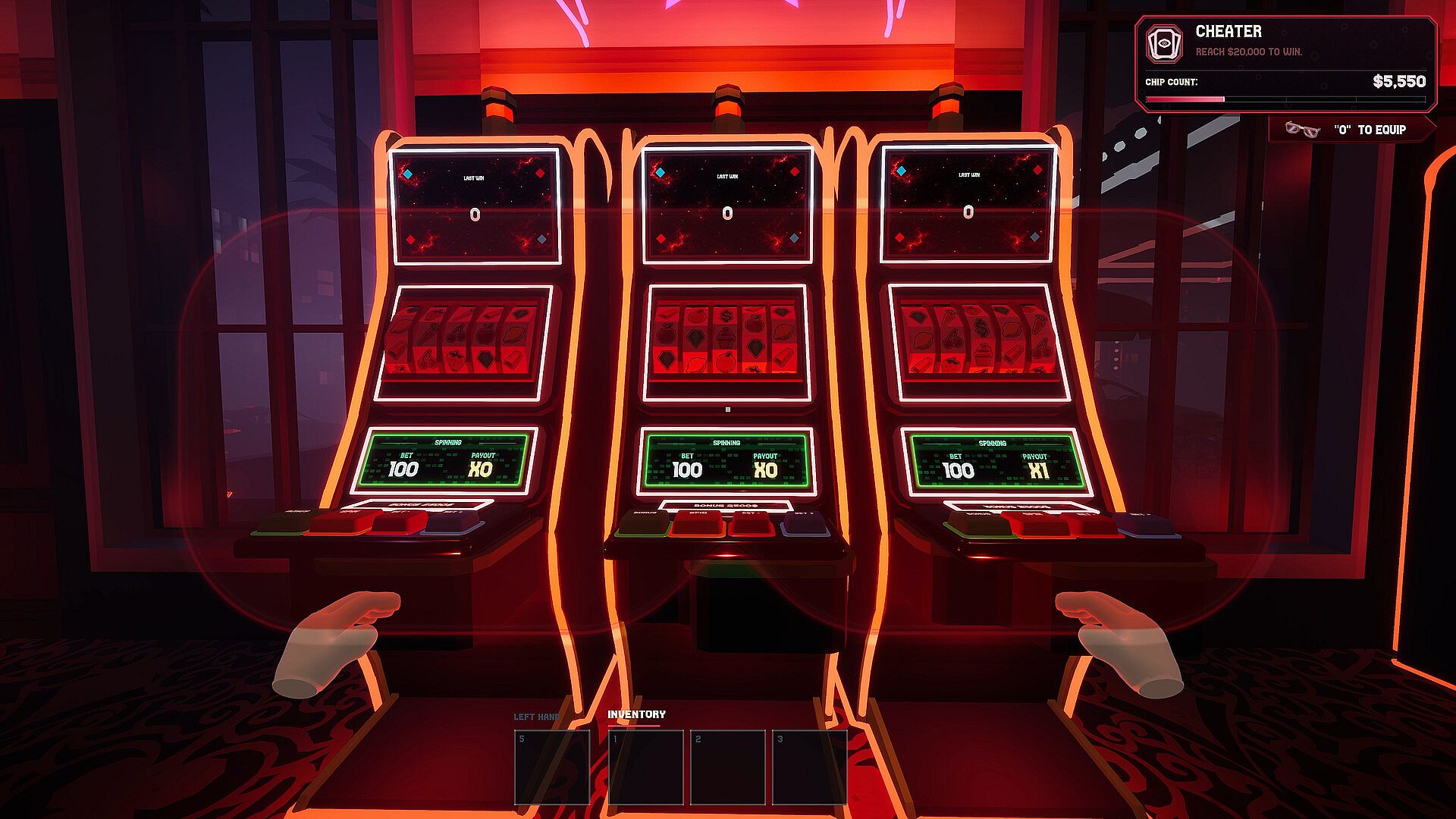
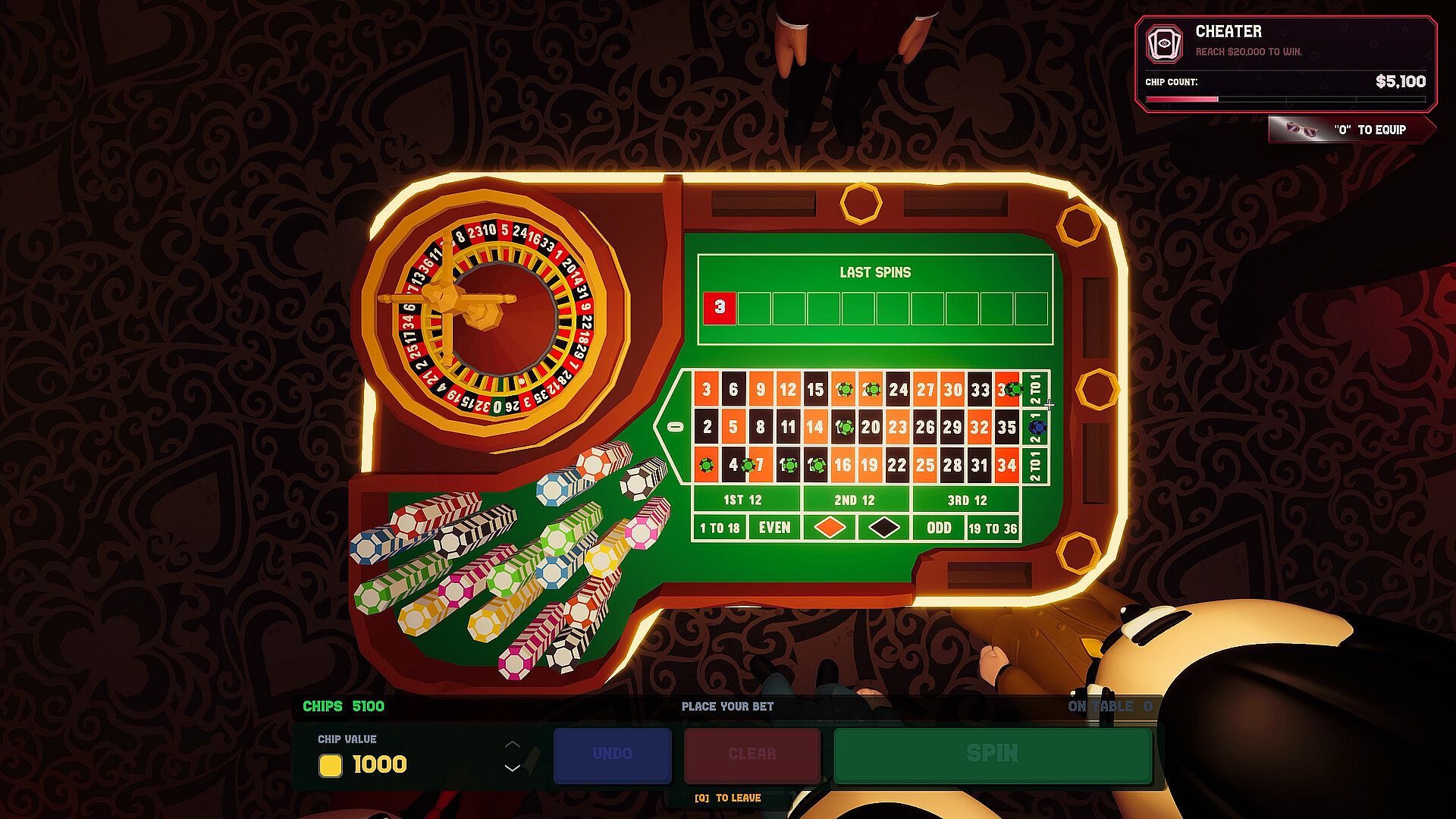
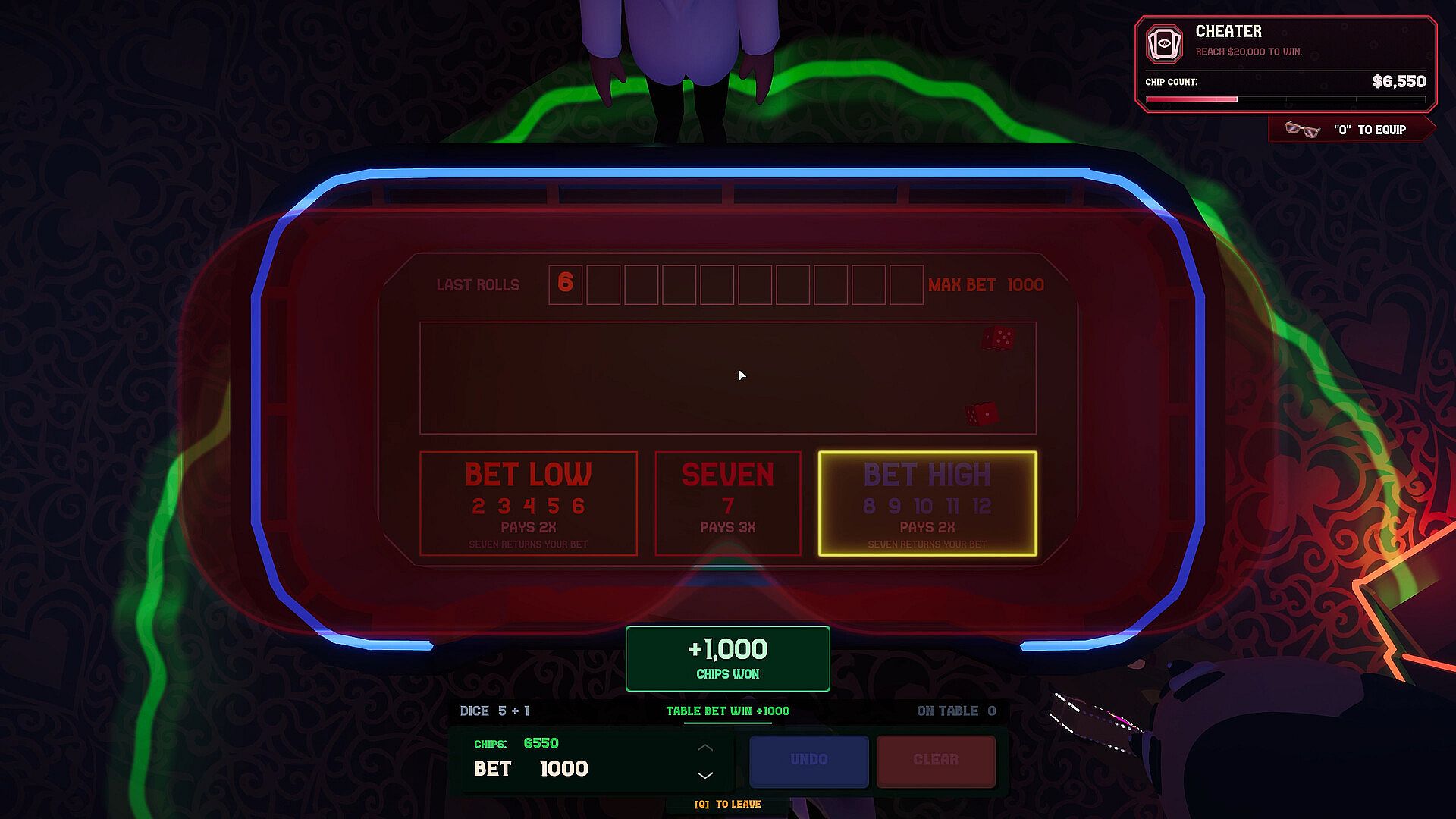
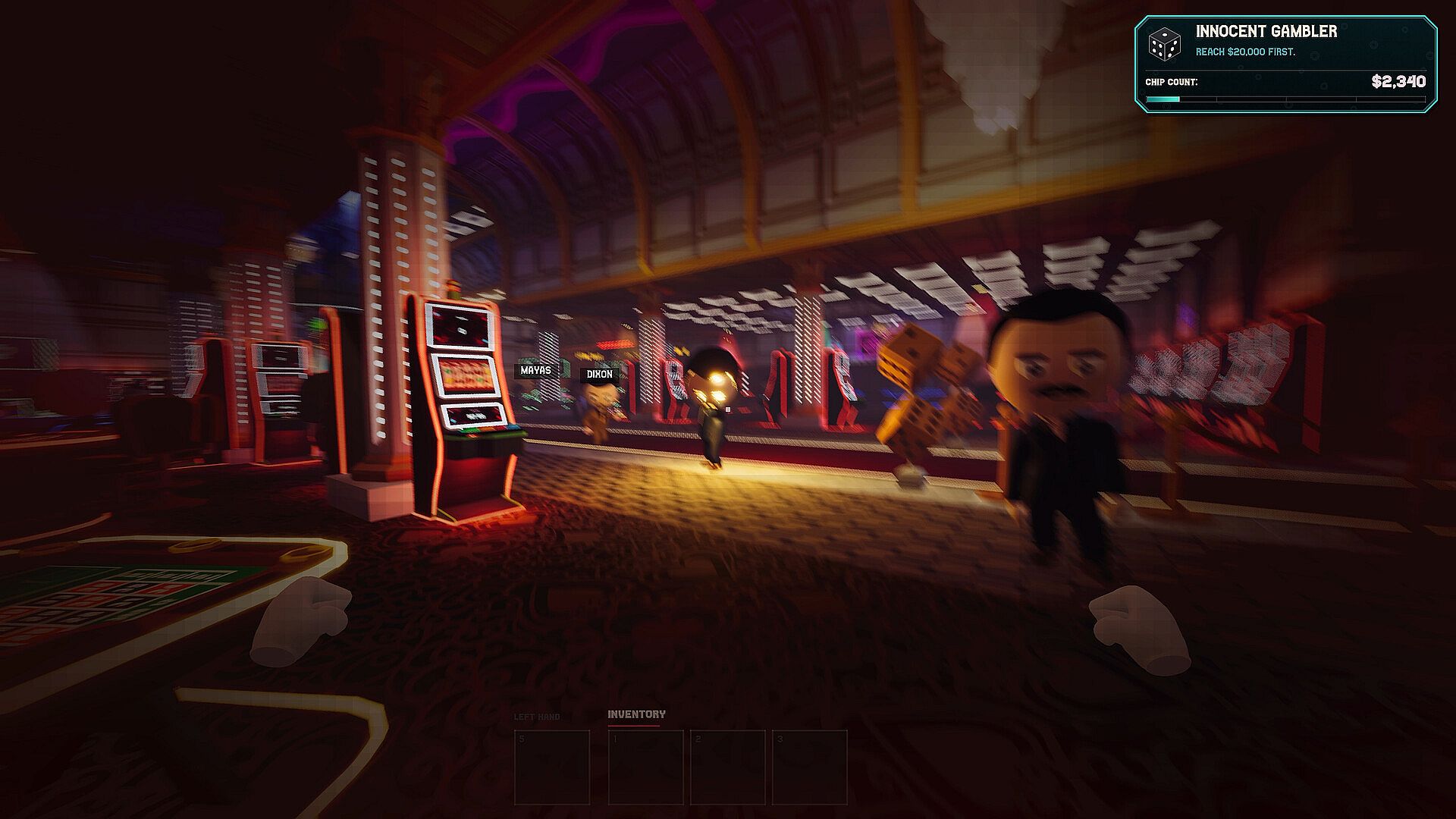
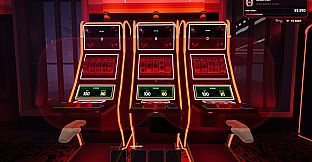
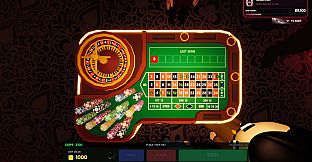
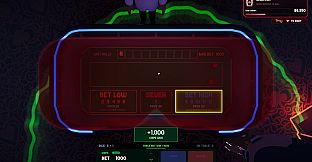

Who's Cheating? is a multiplayer action indie casual game for PC that puts players in a casino environment filled with betting games and hidden agendas. Up to eight participants join online sessions where deception drives the experience, supported by proximity voice chat that lets everyone lie directly to one another. The core loop revolves around casino activities such as blackjack, horse racing, dice, roulette, and slots, with one player secretly holding an advantage while others try to identify the source of suspicious wins.
Gameplay
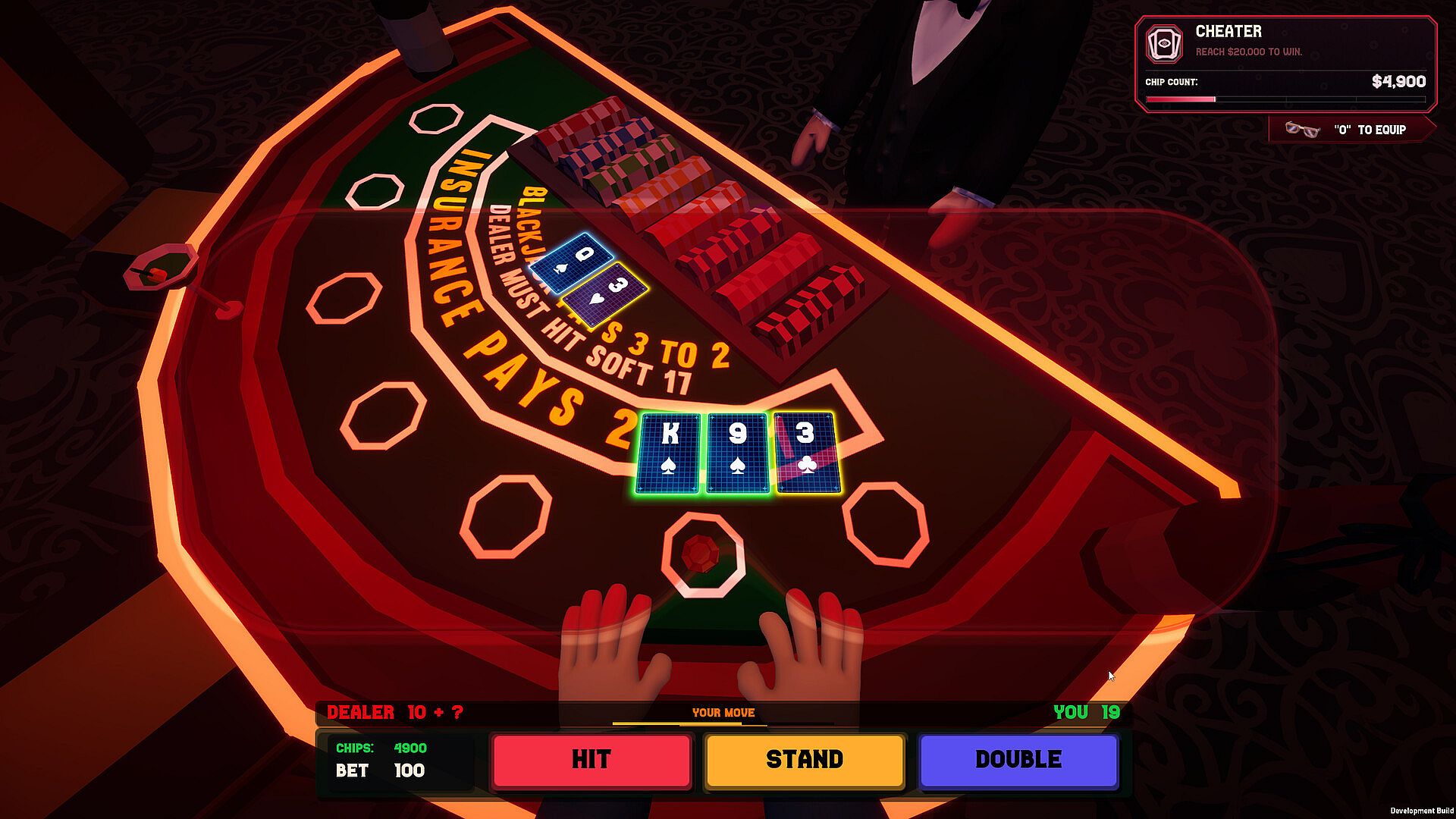
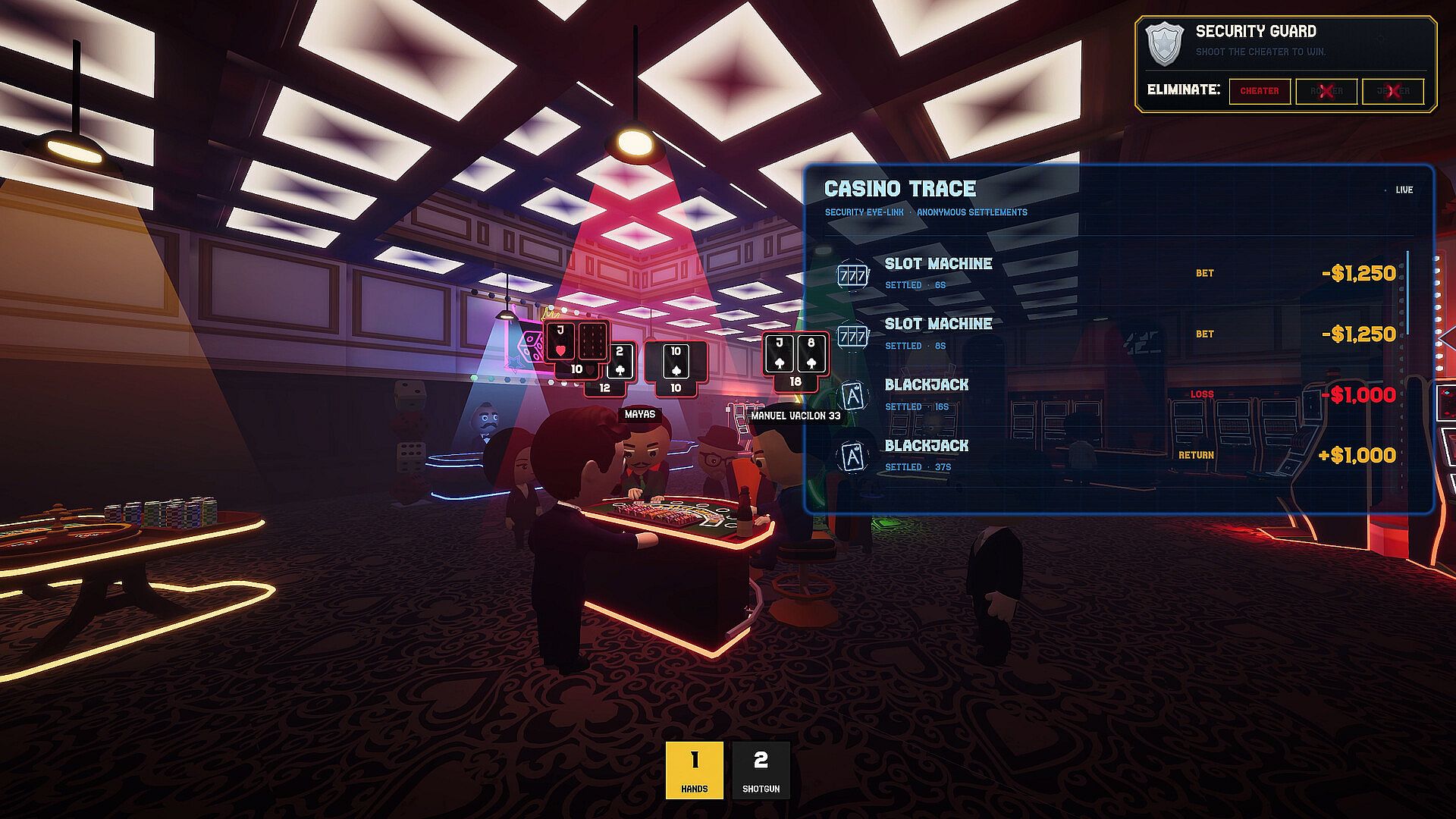
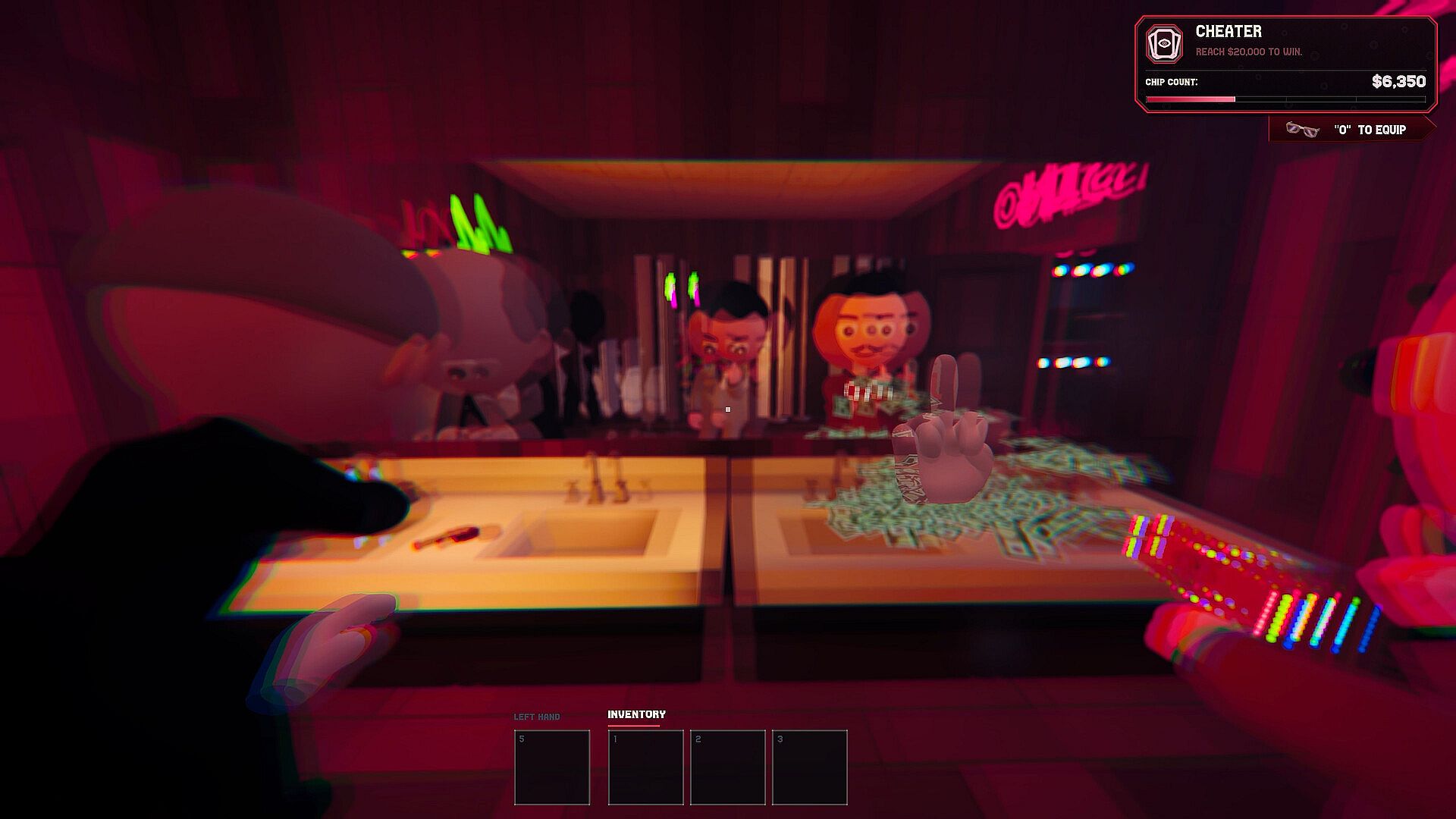
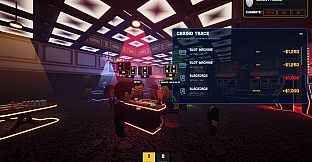
The Cheater uses special glasses to see the next winning outcome in advance and must act naturally when collecting payouts. Everyone else participates as innocent gamblers placing bets and watching for patterns. Wins appear instantly on the Security Guard's Casino Trace scanner, which highlights locations but leaves the task of linking those results to specific players. The Guard studies behavior and timing to decide when to confront and eliminate the Cheater, often after gathering enough evidence through observation rather than immediate action.
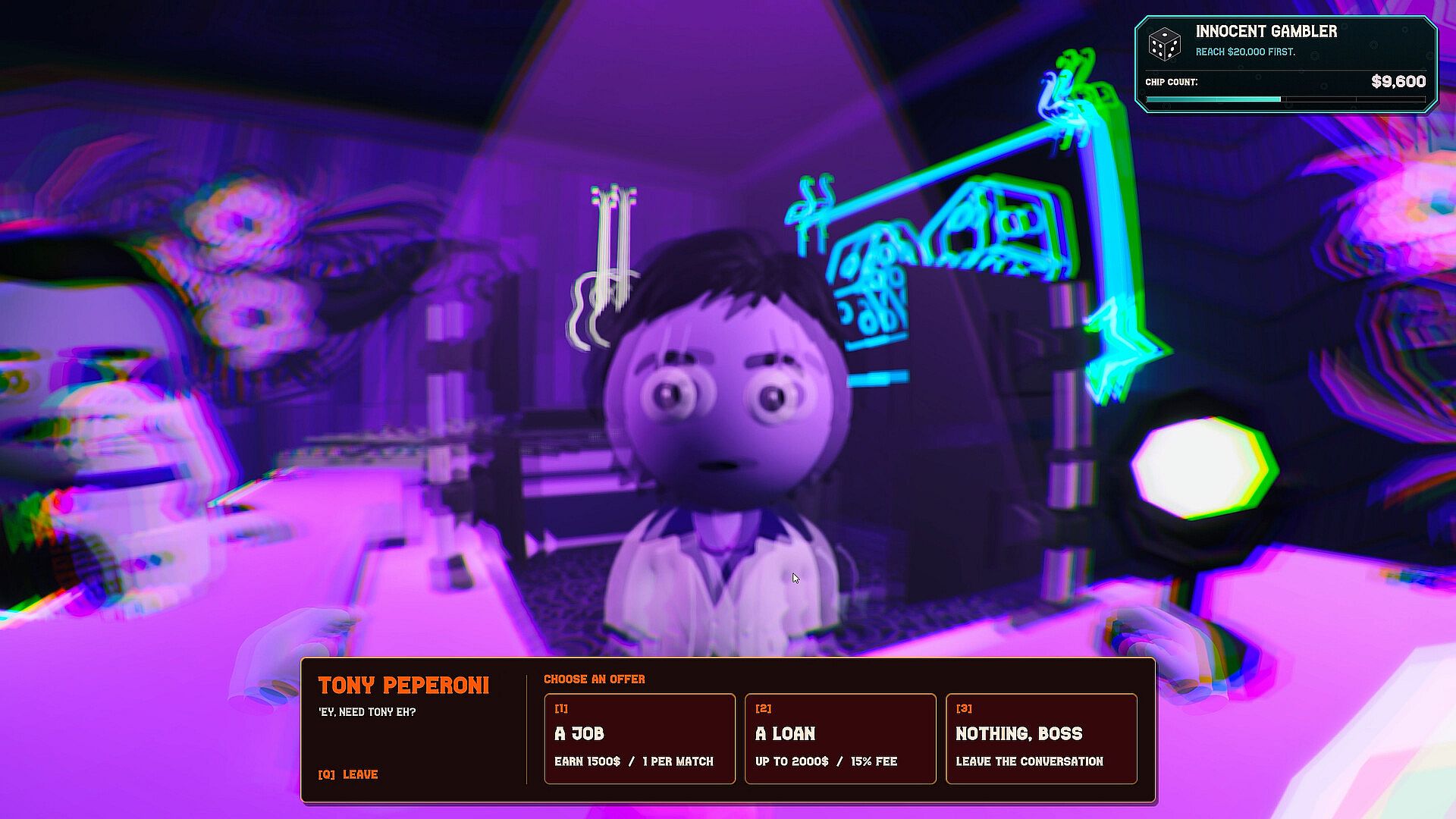
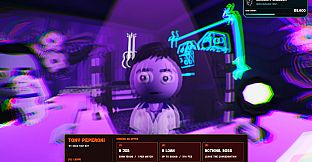
Optional roles expand the possibilities for misdirection. The Robber can take forty percent of another player's money, creating sudden shifts in wealth that draw attention. The Jester aims to lose every chip on purpose, forcing others to question whether poor performance stems from bad luck or deliberate strategy. Neither role benefits from early identification by the Guard. When funds run low, players can accept tasks and loans from Tony, though the accumulating interest brings his guards into the mix for personal collections.
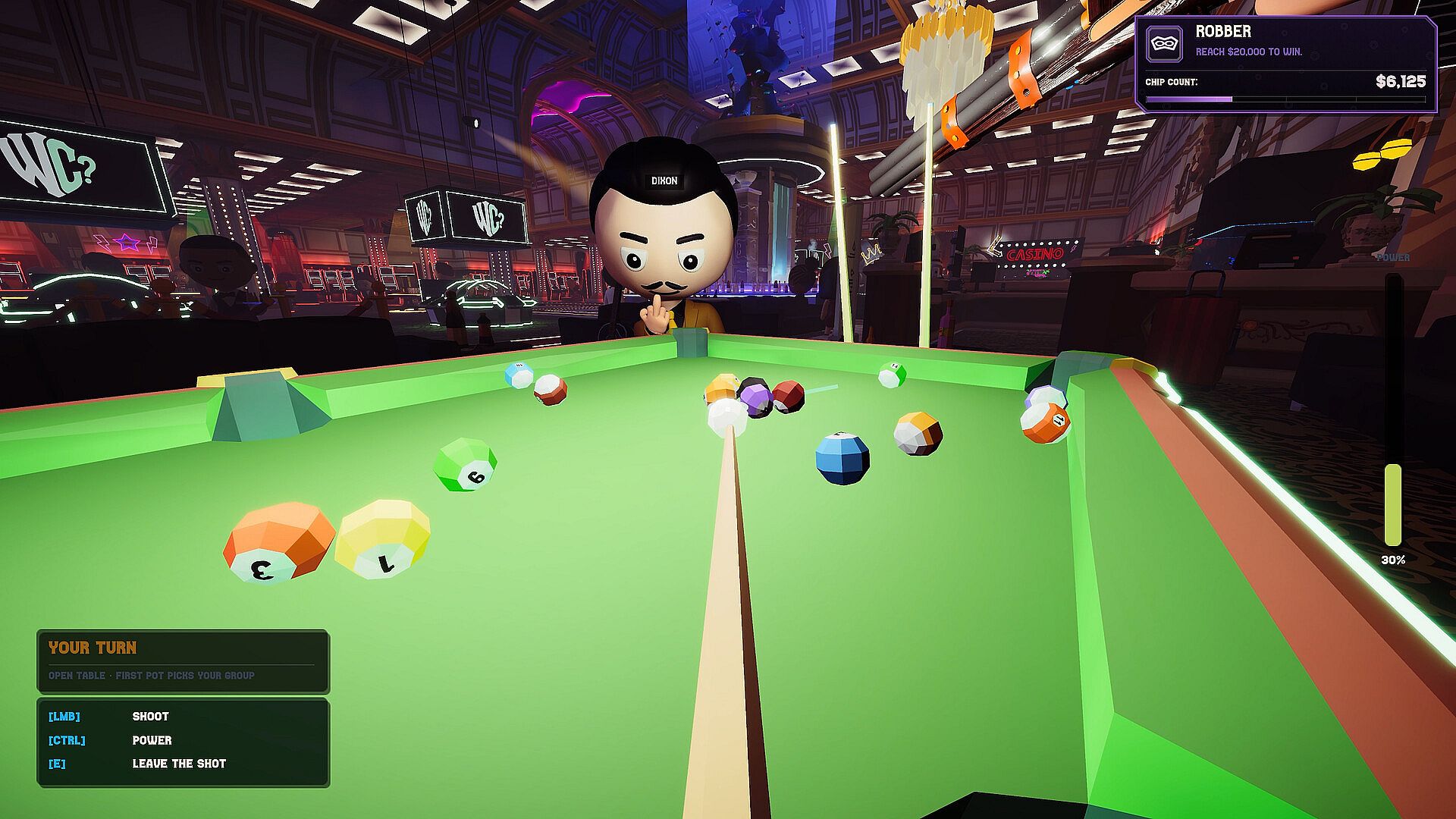
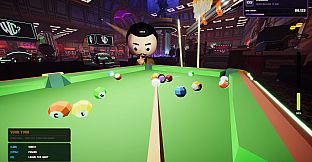
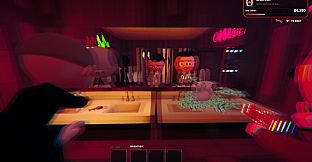
Disruptive tools add layers of chaos during rounds. Thrown bottles, flashbangs, smoke, the Money Gun, and questionable gummies allow players to obscure vision, distract others, or alter the flow of bets. These items encourage creative interference without breaking the underlying betting systems. A separate lounge area offers a break through 8-ball pool matches that use realistic physics, playable in one-versus-one or two-versus-two formats with friends.
Game Modes
The primary experience centers on role assignment among innocent gamblers, the Cheater, and the Security Guard, with the option to include the Robber and Jester for added complexity. Sessions emphasize live deduction as the Guard monitors scanner data while the Cheater attempts to blend in during repeated betting rounds. Proximity voice chat supports direct confrontation and fabricated excuses, turning every conversation into potential evidence or misdirection.
Pool matches in the lounge function as a distinct activity that removes the cheating element entirely. Players can switch to these straightforward games for variety, focusing instead on shot accuracy and positioning in small-team formats. The combination keeps the overall structure flexible, letting groups alternate between high-stakes deception and relaxed competition within the same environment.
Key Mechanics and Roles
Every payout leaves a visible trace on the scanner, narrowing the Guard's search to specific tables or areas while the identity of the responsible player remains hidden until behavior reveals it. The Cheater must balance repeated use of the glasses against the risk of drawing notice through consistent success. Optional roles introduce conflicting goals that complicate the Guard's job, as both the Robber and Jester generate unusual money movements or losses that mimic or mask the Cheater's activity.
Environmental interactions through throwable items and consumables create opportunities for temporary cover or confusion during critical moments. These tools integrate directly into the betting flow, allowing players to disrupt sightlines or create diversions without requiring separate phases. The loan system from Tony adds external pressure, as unpaid debts summon aggressive collectors who can interrupt ongoing rounds.
Is It Worth Playing?
Players who enjoy social deduction combined with light action and casual betting mechanics will find the role-based structure engaging. The emphasis on observation, voice chat deception, and optional disruptive tools suits groups that like testing each other's ability to read behavior under pressure. The pool lounge provides a reliable contrast for sessions that need a break from tension. Availability on PC supports easy online matchmaking for up to eight participants, making it accessible for regular play with friends or strangers. The design rewards careful attention to patterns and excuses rather than pure reflexes, creating repeatable sessions centered on shifting suspicions and last-minute reveals.