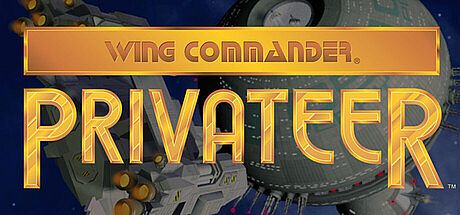




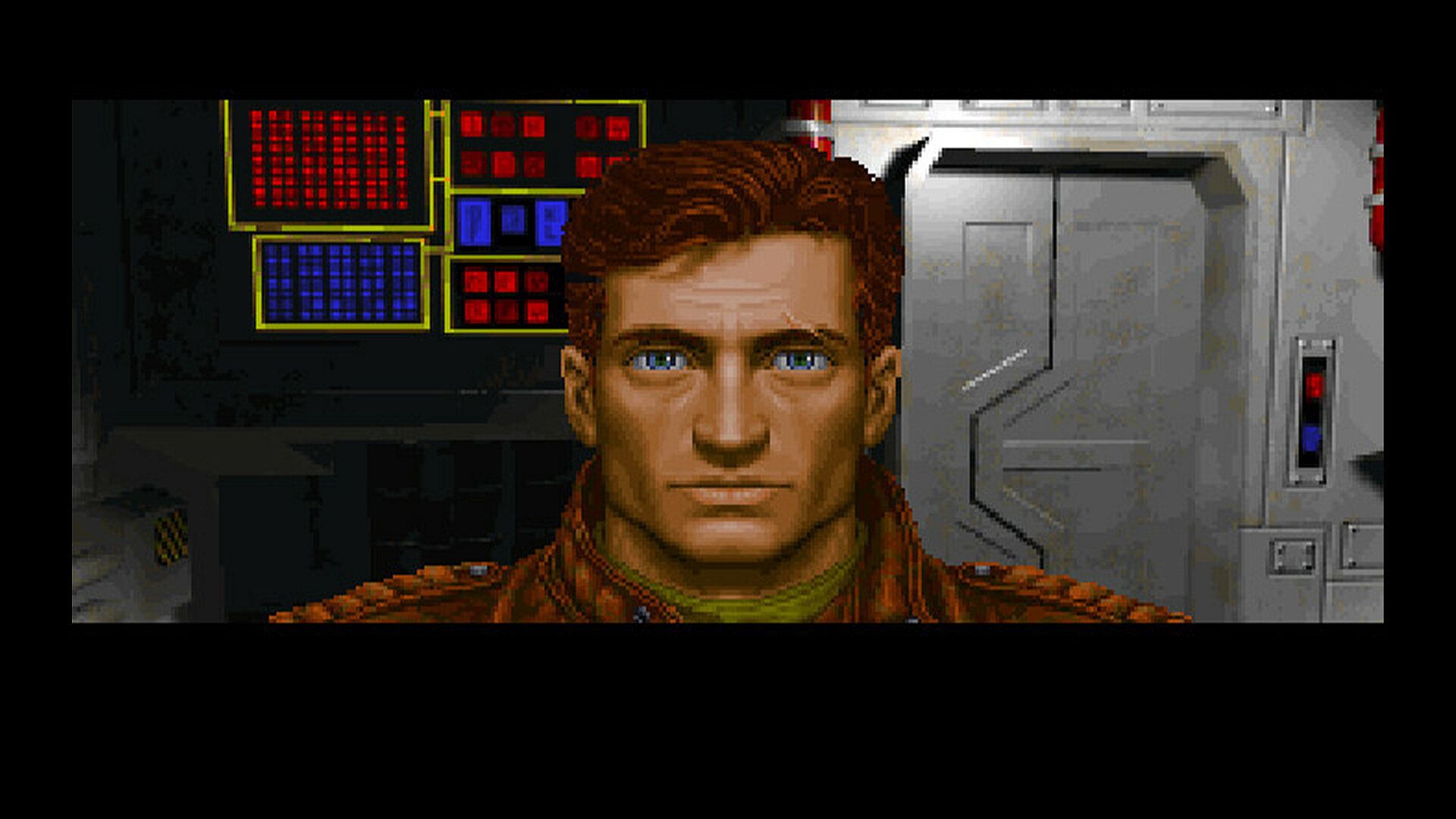
Wing Commander: Privateer is a singleplayer space trading and combat simulation that combines RPG elements with detailed ship management on PC. Players take on the role of a freelancer in the Gemini sector, starting with limited resources and building toward greater freedom through trade, combat, and exploration. The core loop revolves around managing a ship, completing tasks for income, and deciding how to interact with the surrounding factions in a living frontier economy.
Gameplay
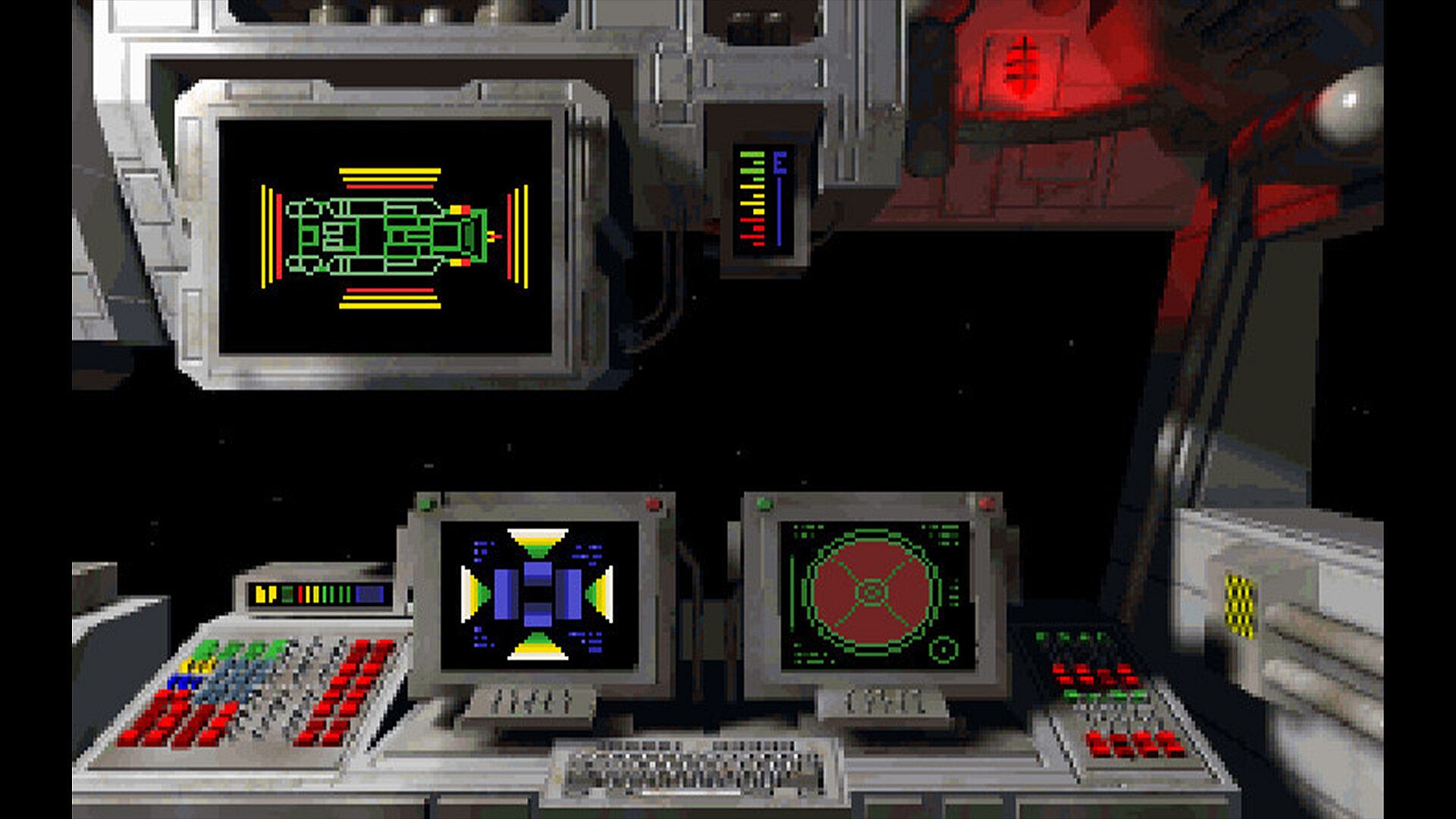
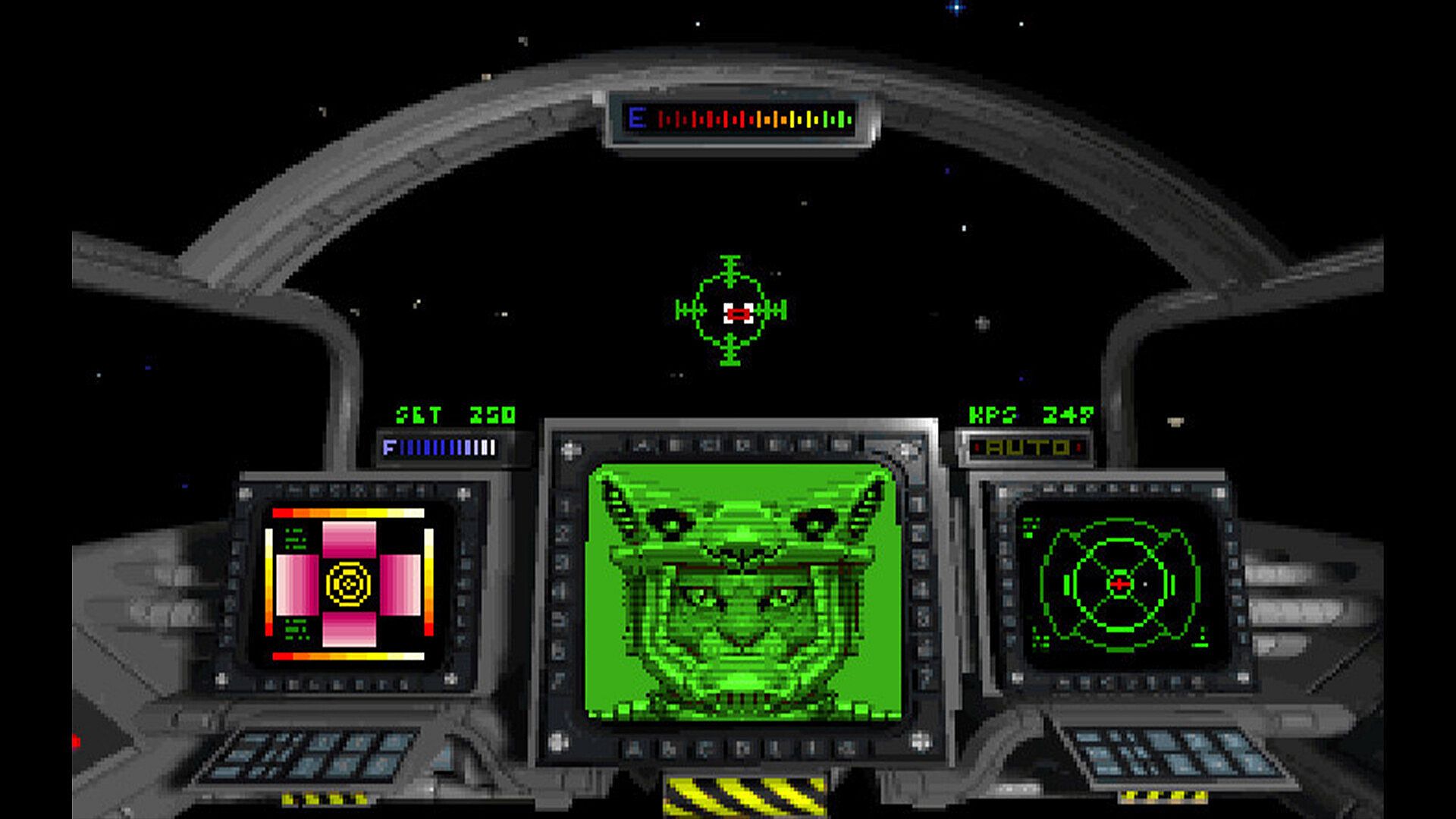
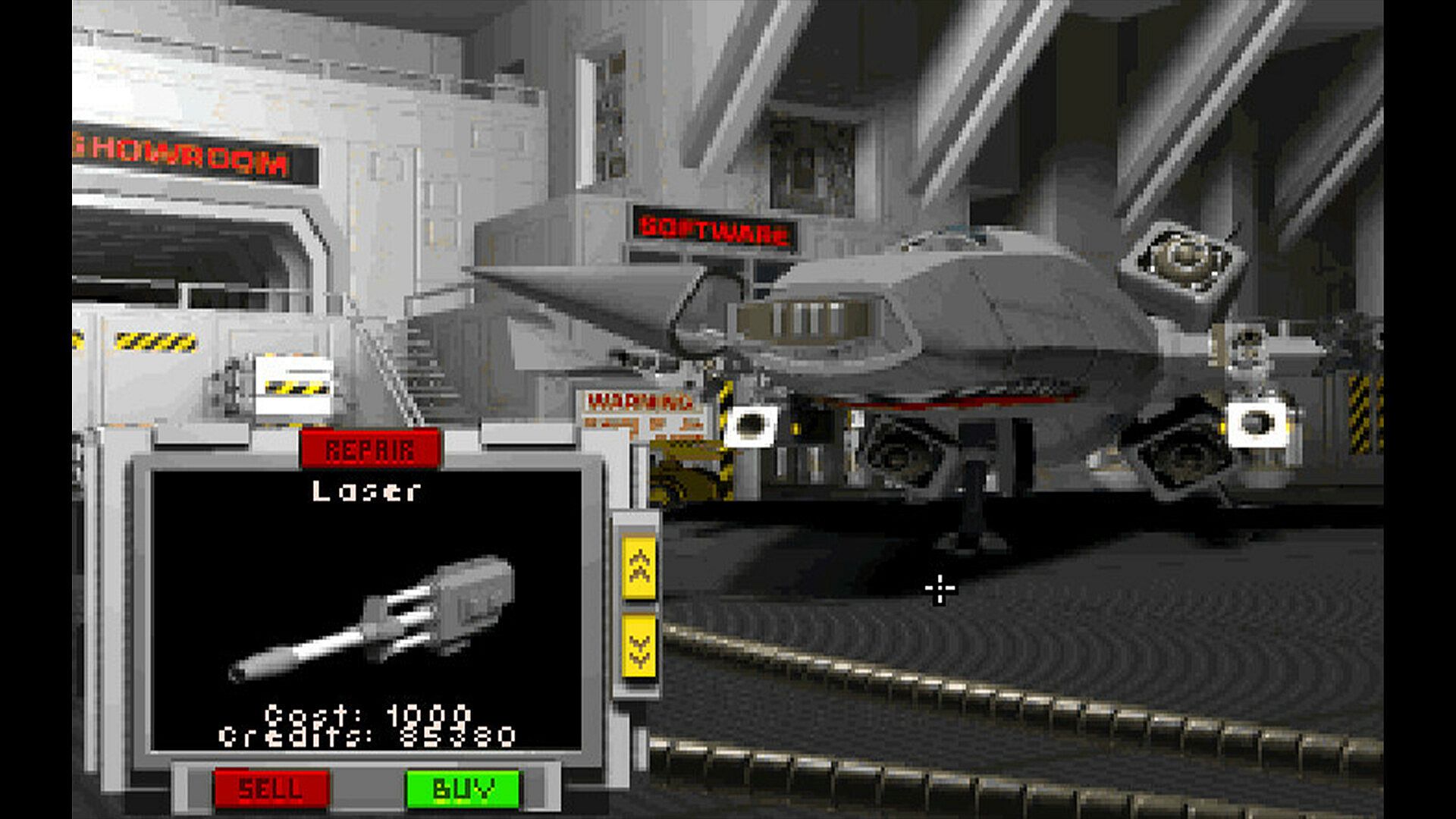
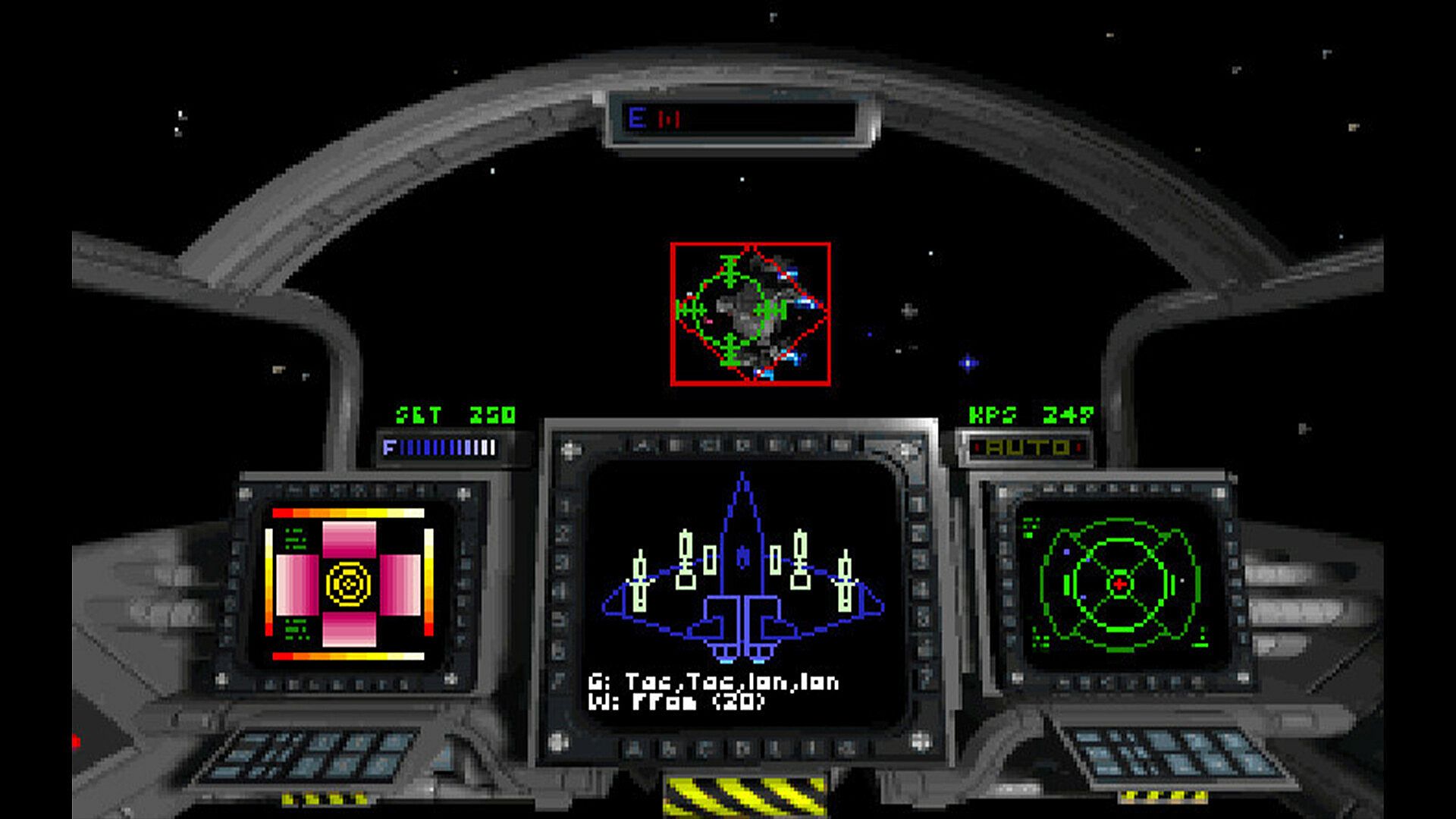
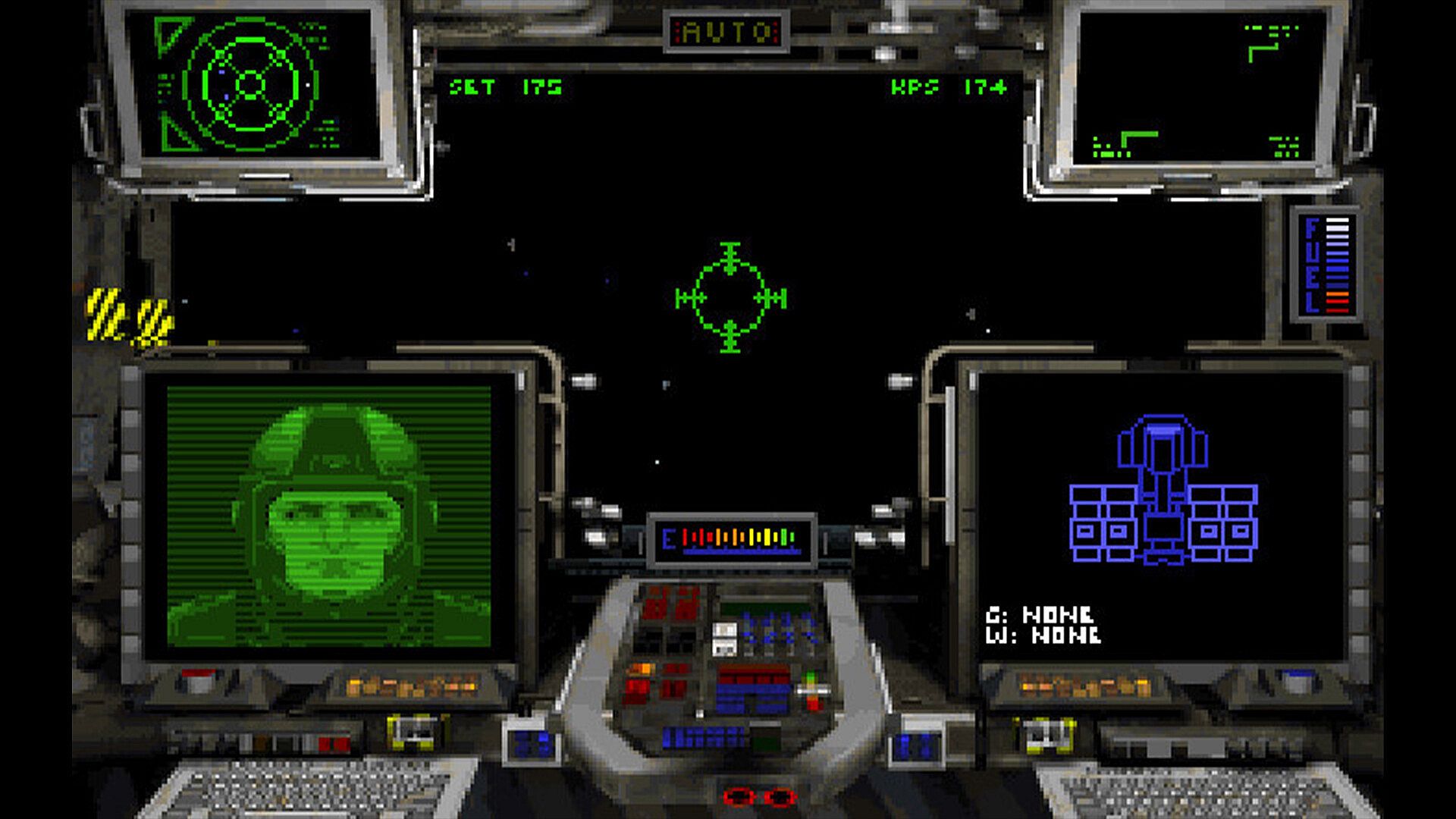
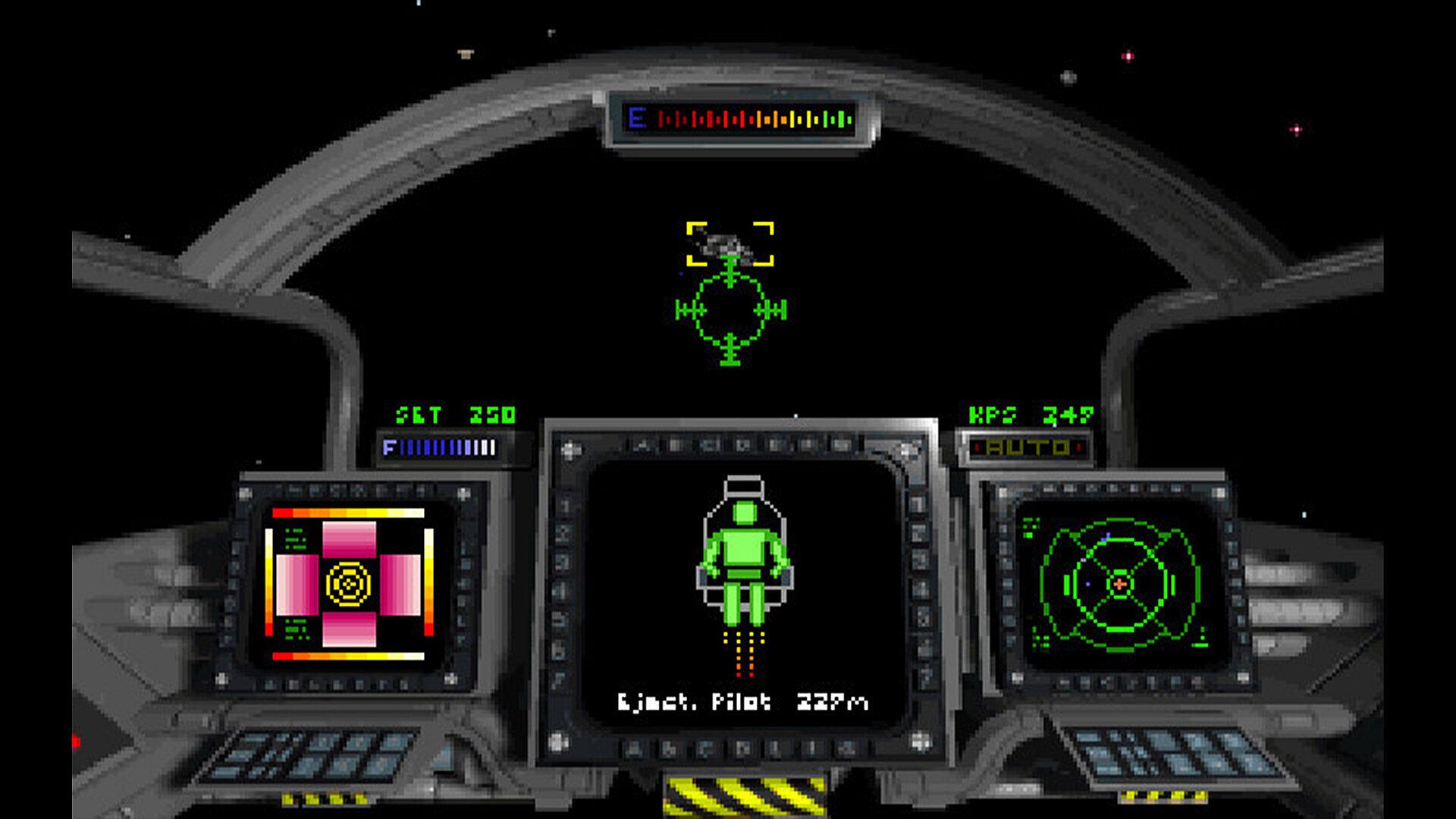
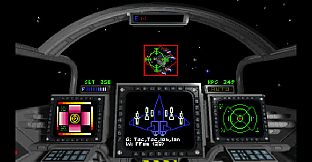
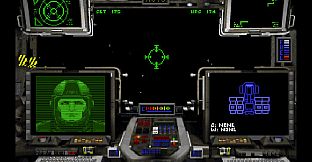
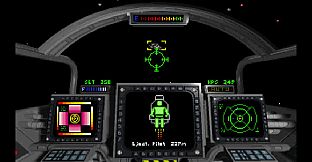
The experience centers on piloting a spacecraft through star systems, engaging in dogfights, and handling cargo runs between locations. Combat follows a first-person cockpit perspective with realistic handling and weapon systems that reward careful positioning and target prioritization. Trading involves buying low on one world and selling high on another, with prices influenced by supply, demand, and local conditions. Ship upgrades form a key progression path, allowing players to allocate earnings toward better engines, shields, armor, and armaments to handle tougher encounters or larger hauls.
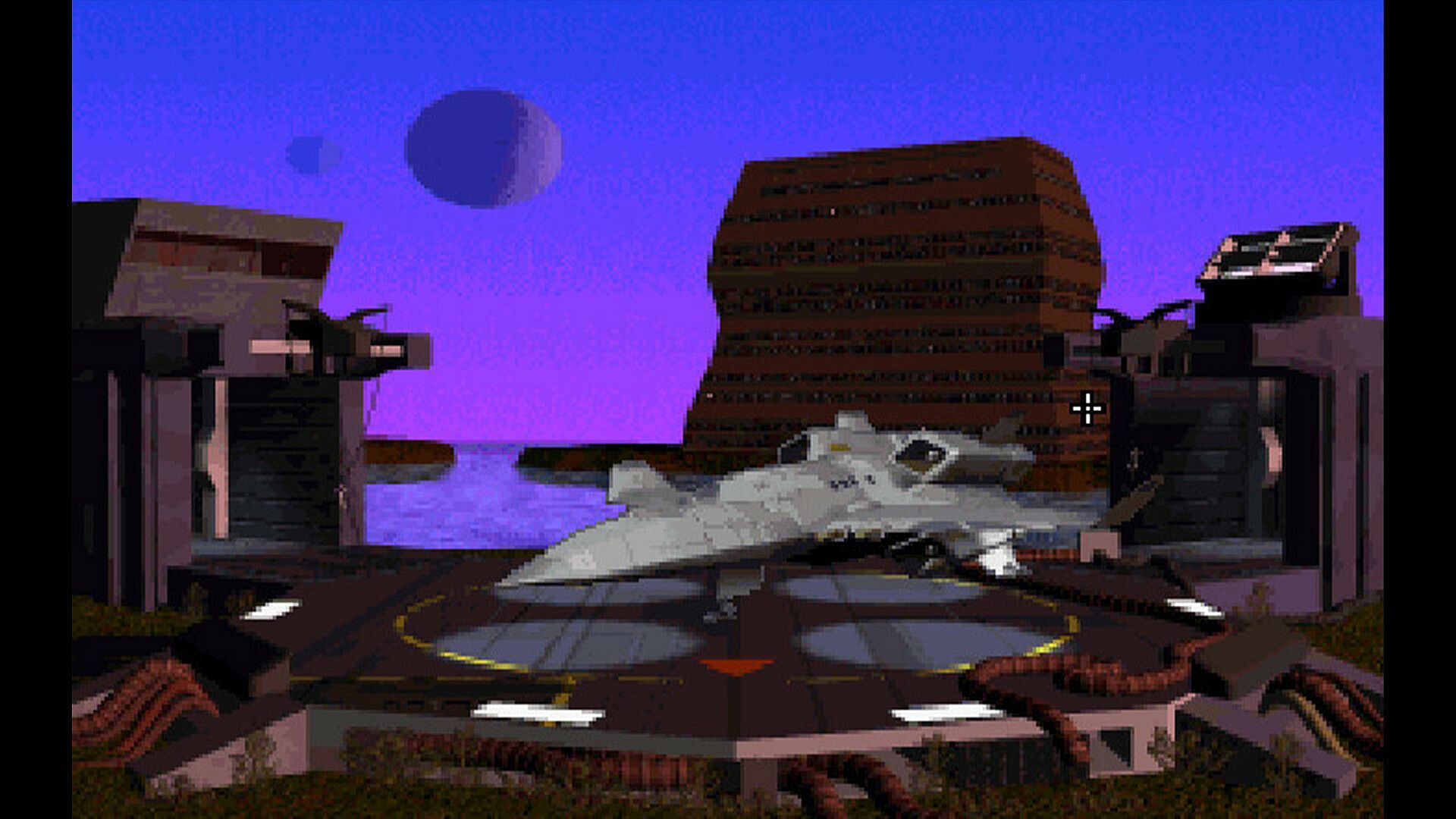
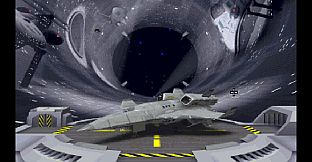
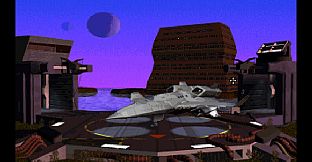
Available vessels include the starting Tarsus scout ship, the agile Centurion fighter, the heavily armed Orion gunship, and the spacious Galaxy merchant vessel. Each offers distinct strengths that suit different approaches to earning credits. Missions come from a central computer or local contacts, ranging from straightforward deliveries and patrols to more demanding bounty hunts or escort duties. Factions such as merchants, bounty hunters, retros, pirates, militia, the Terran Confederation, and the Kilrathi shape encounters, with reputation and behavior affecting whether ships remain neutral or turn hostile.
Game Modes
Privateer emphasizes open-ended playstyles rather than rigid structures. Players can focus on merchant activities by shuttling goods across systems while avoiding unnecessary fights. A mercenary path involves accepting combat contracts and building a reputation through reliable performance. Pirate gameplay centers on intercepting vulnerable traders and managing the risks that come with drawing attention from authorities or rival groups. These choices remain flexible, letting individuals mix elements or shift focus as their ship and finances improve.
The main storyline provides optional narrative missions that advance a central conflict, yet the game supports continued play afterward without forcing progression along that path. This structure rewards experimentation, as the same universe supports repeated runs with different priorities and ship configurations.
Exploration and Universe
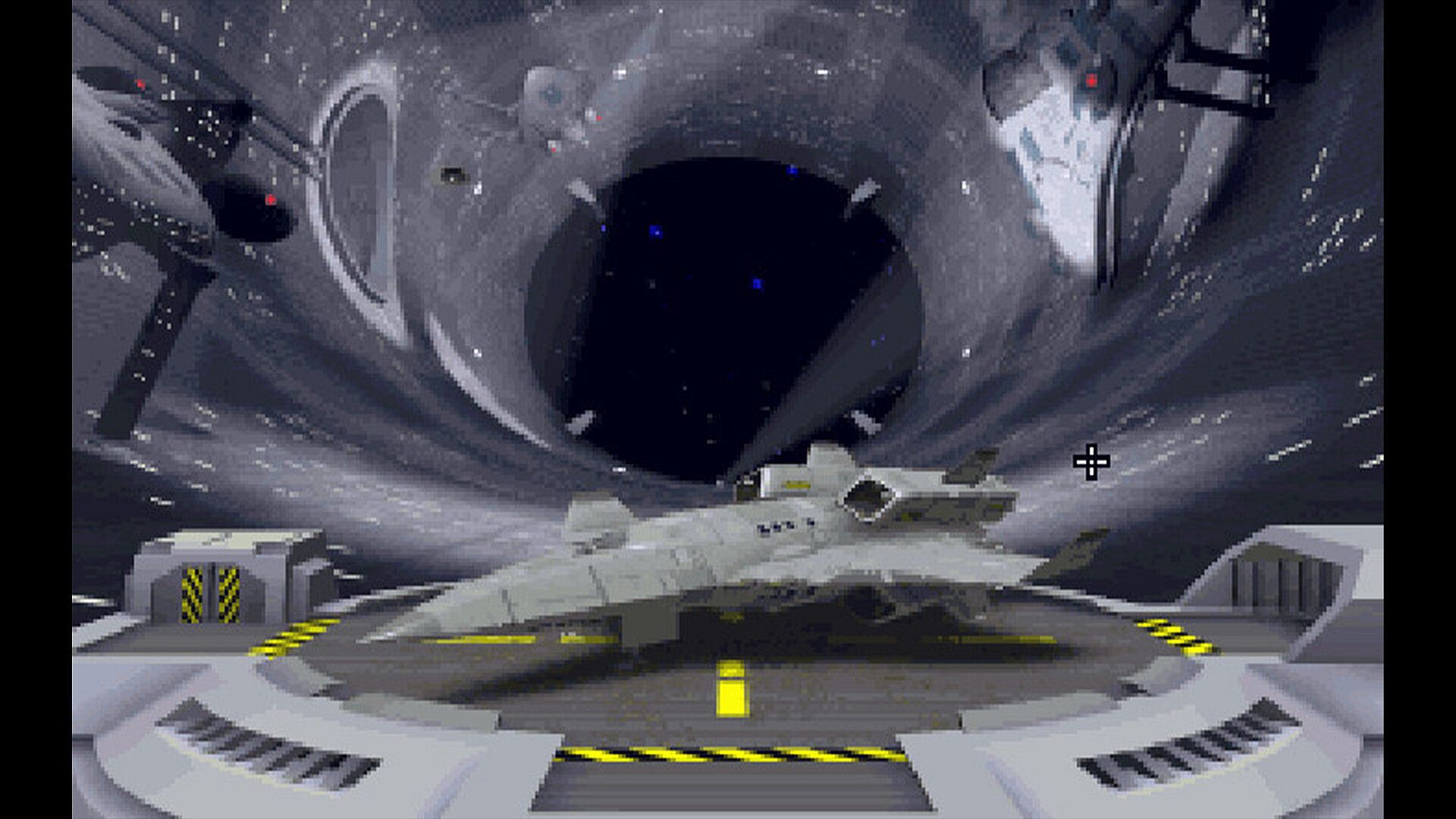
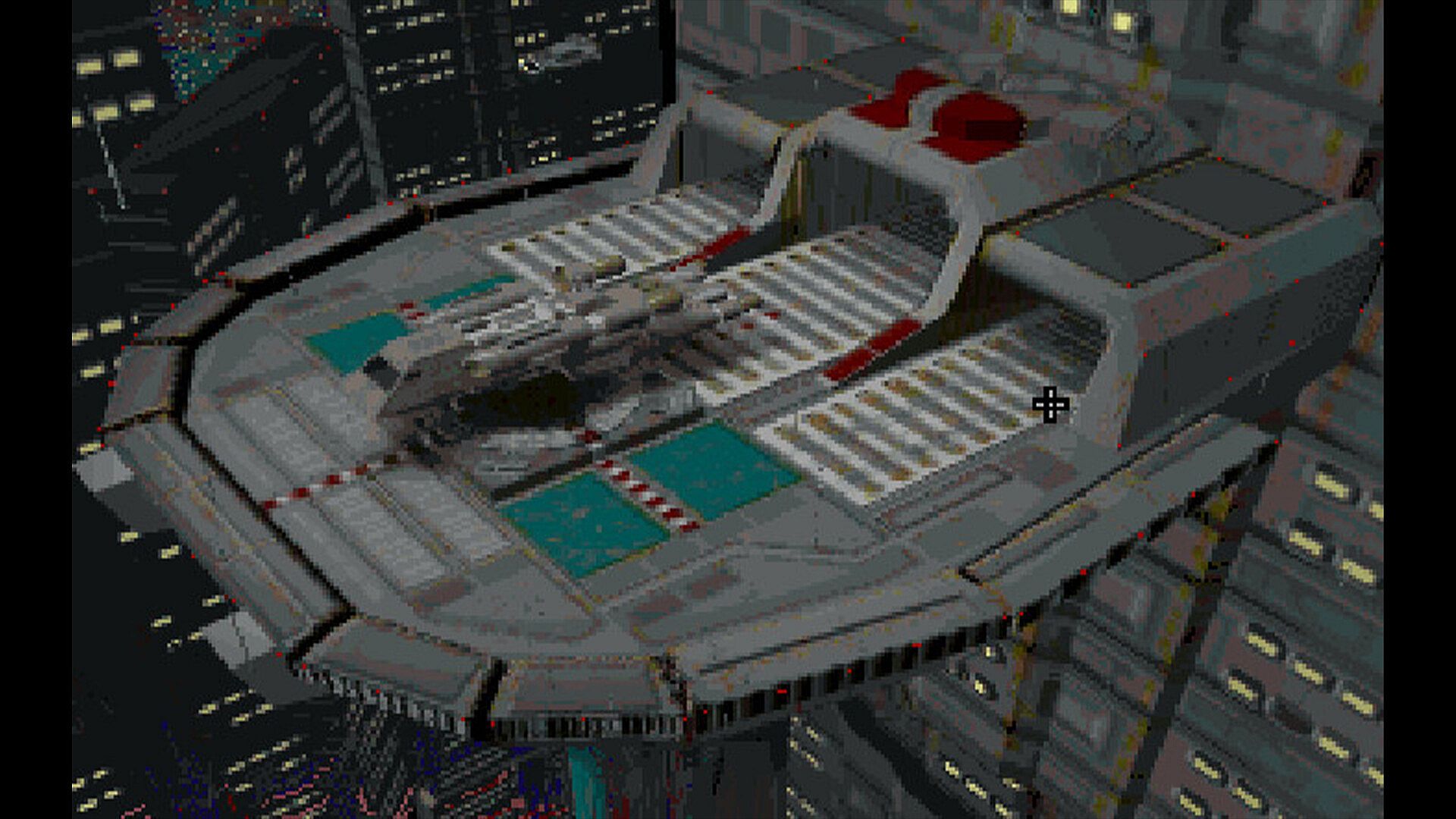
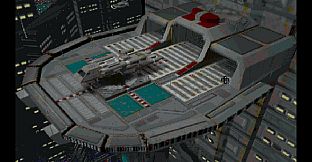
The Gemini sector contains dozens of systems connected by jump points, each hosting bases and planets that serve as hubs for trade, repairs, and new contracts. Over 50 such locations spread across nearly 70 systems create a sense of scale, with varied environments ranging from agricultural outposts to mining stations and larger commercial centers. Navigation requires attention to jump routes and local threats, while landing on worlds opens opportunities to interact with inhabitants and access specialized services.
Freedom extends beyond the initial campaign, as players can continue trading, hunting, or simply charting new areas long after completing story objectives. Commodity markets and mission availability shift based on player actions and faction dynamics, encouraging repeated visits to different quadrants.
Sound and Presentation
A dynamic soundtrack underscores flight and combat sequences, adapting in intensity to match the situation. Sound effects deliver clear feedback on engine performance, weapon fire, and environmental hazards, enhancing the sense of being inside the cockpit. Visuals reflect the era's capabilities while focusing on functional cockpit displays and ship models that convey the differences between available vessels.
Is It Worth Playing?
Privateer appeals to those who enjoy space simulation games with strong trading and customization layers alongside combat. Its singleplayer focus and emphasis on player-driven decisions make it suitable for individuals seeking an unscripted experience in a populated sector. Recent re-releases have improved compatibility for modern systems while preserving the original design. Historical player feedback highlights the satisfaction of gradual ship progression and the variety of viable paths through the same systems. Those drawn to sandbox-style gameplay in a sci-fi setting with clear economic and combat systems will find substantial depth here, particularly if they appreciate titles that reward careful resource management over linear storytelling.