






Witch of Oz is a single-player strategy indie adventure game set in a pixel-art reimagining of Oz. Players guide Dorothy through a looping journey that blends card-based puzzle solving with exploration and narrative choices. The core experience centers on completing magic circles on a 3x3 grid while uncovering hidden patterns across repeated playthroughs.
Gameplay
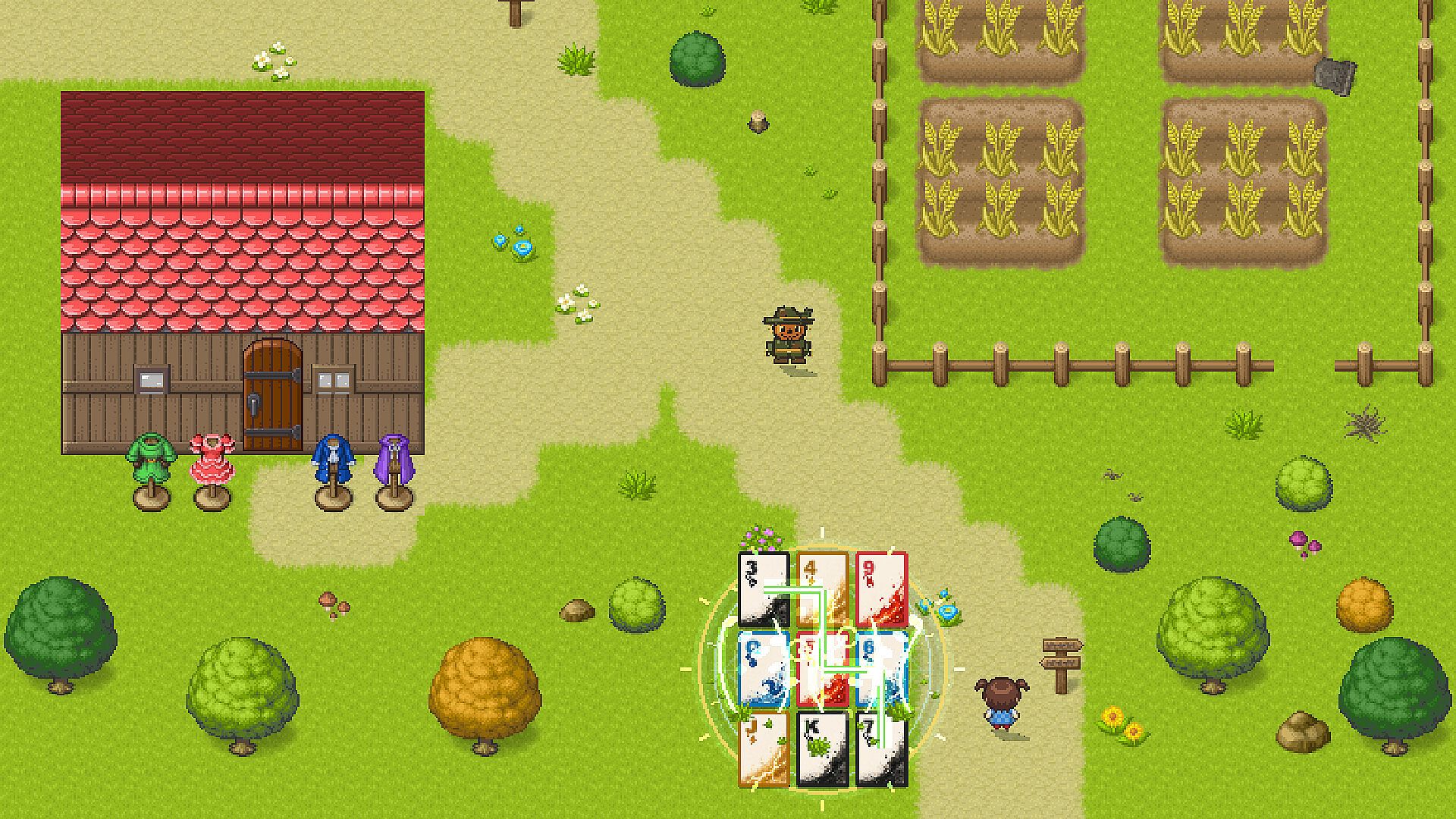
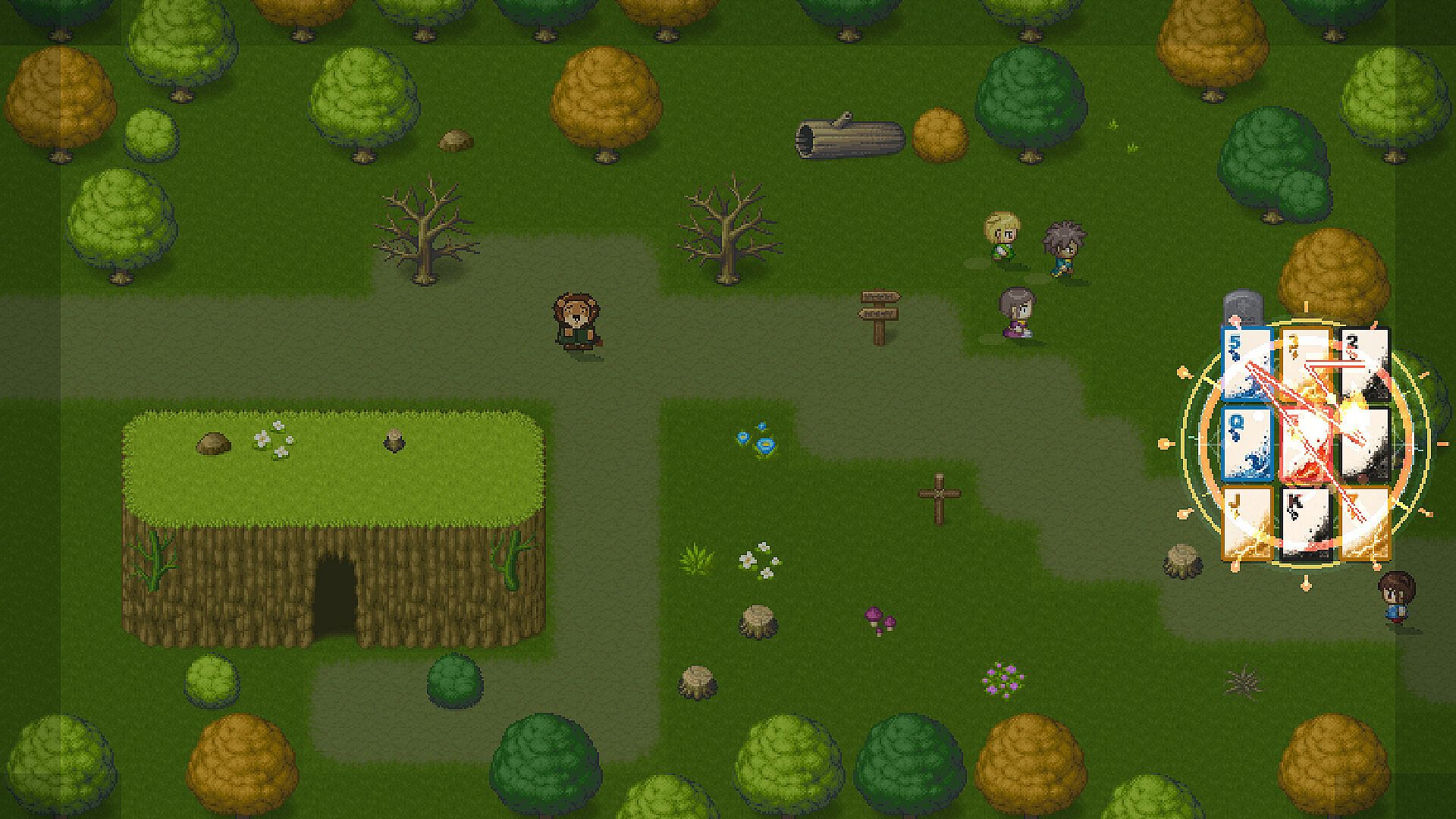
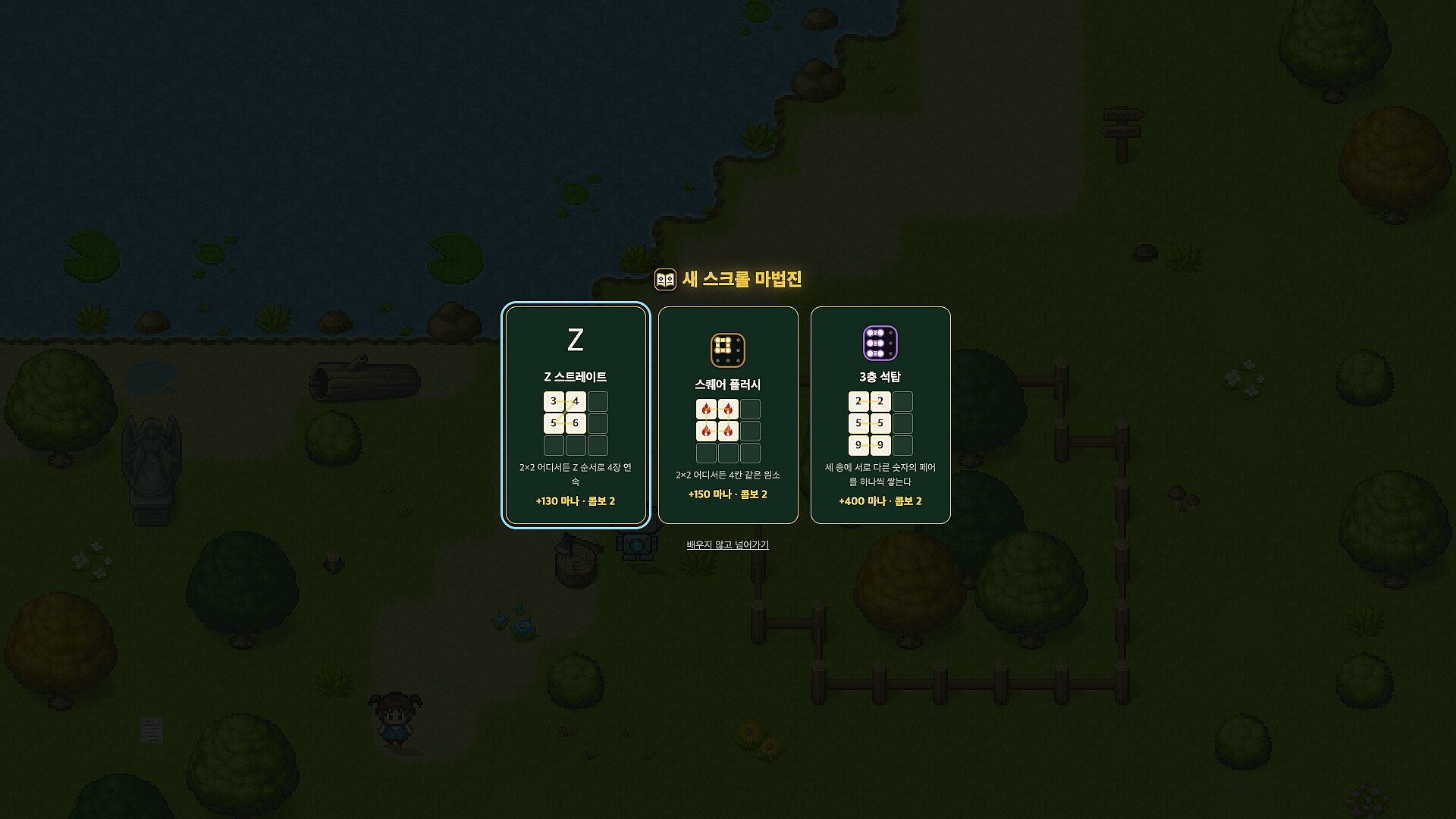
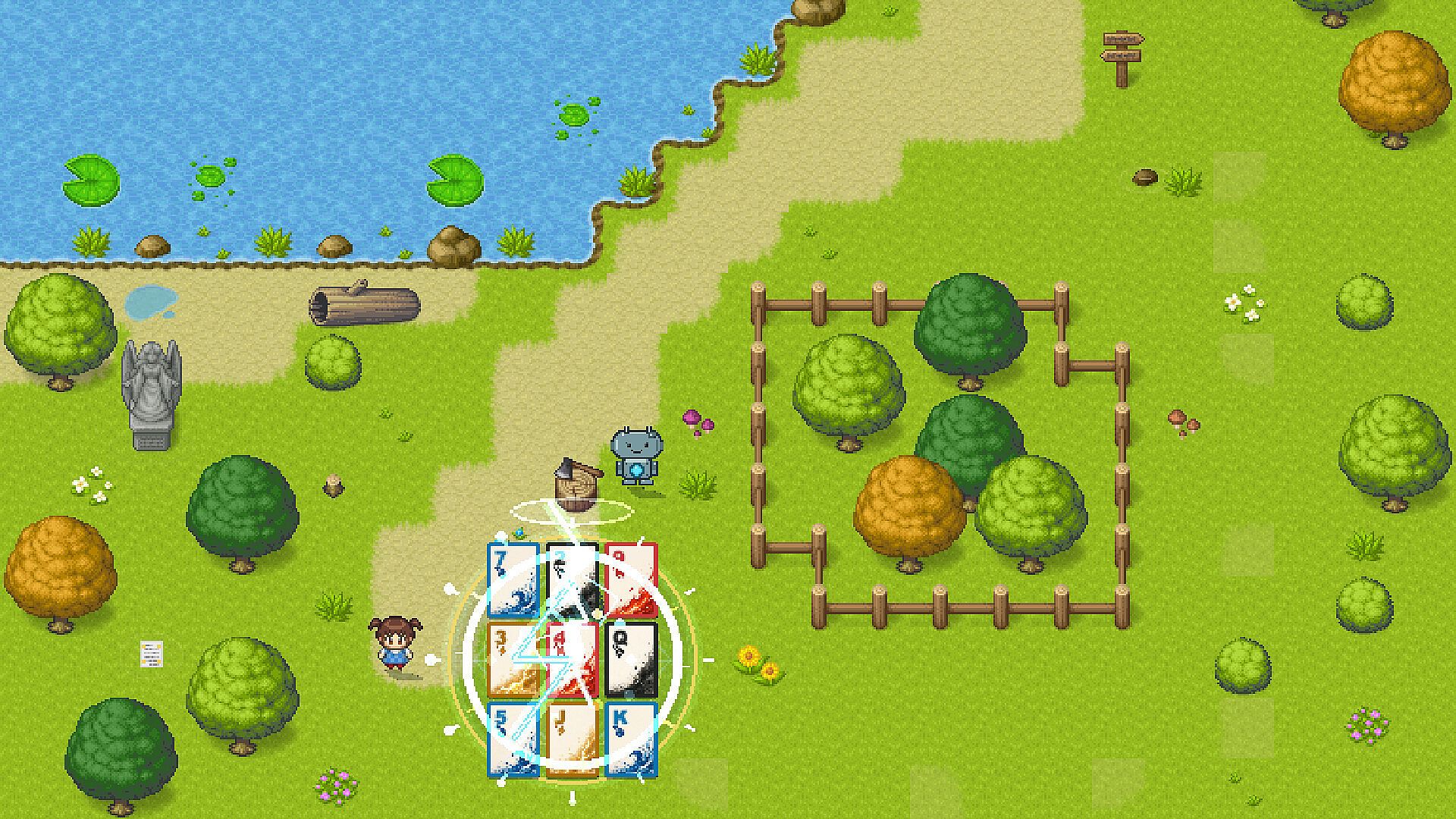
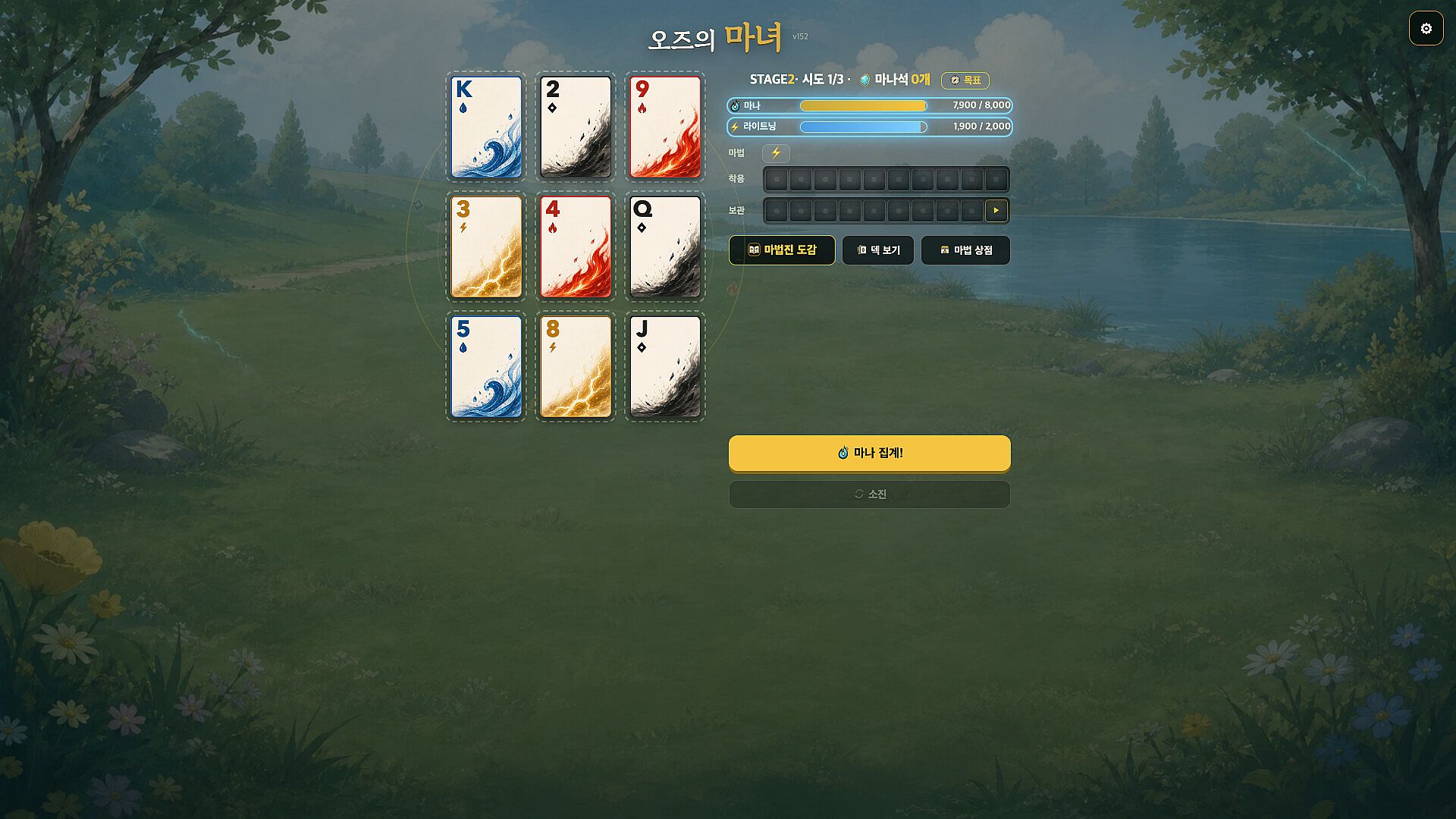
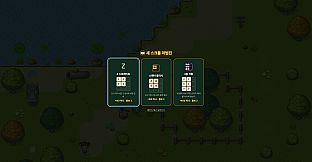
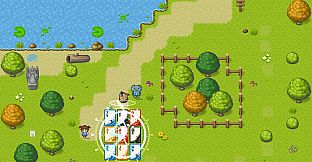
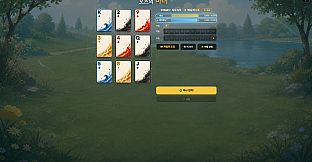
The central mechanic involves drawing cards from a standard 52-card deck and positioning them on a 3x3 grid. Success comes from overlapping multiple patterns at once, such as poker hands like straights, flushes, and three of a kind, alongside bingo-style lines and specific spatial shapes including lightning bolts, flowers, and butterflies. Positioning matters because one card can contribute to several overlapping recipes simultaneously, creating longer chains and stronger effects.
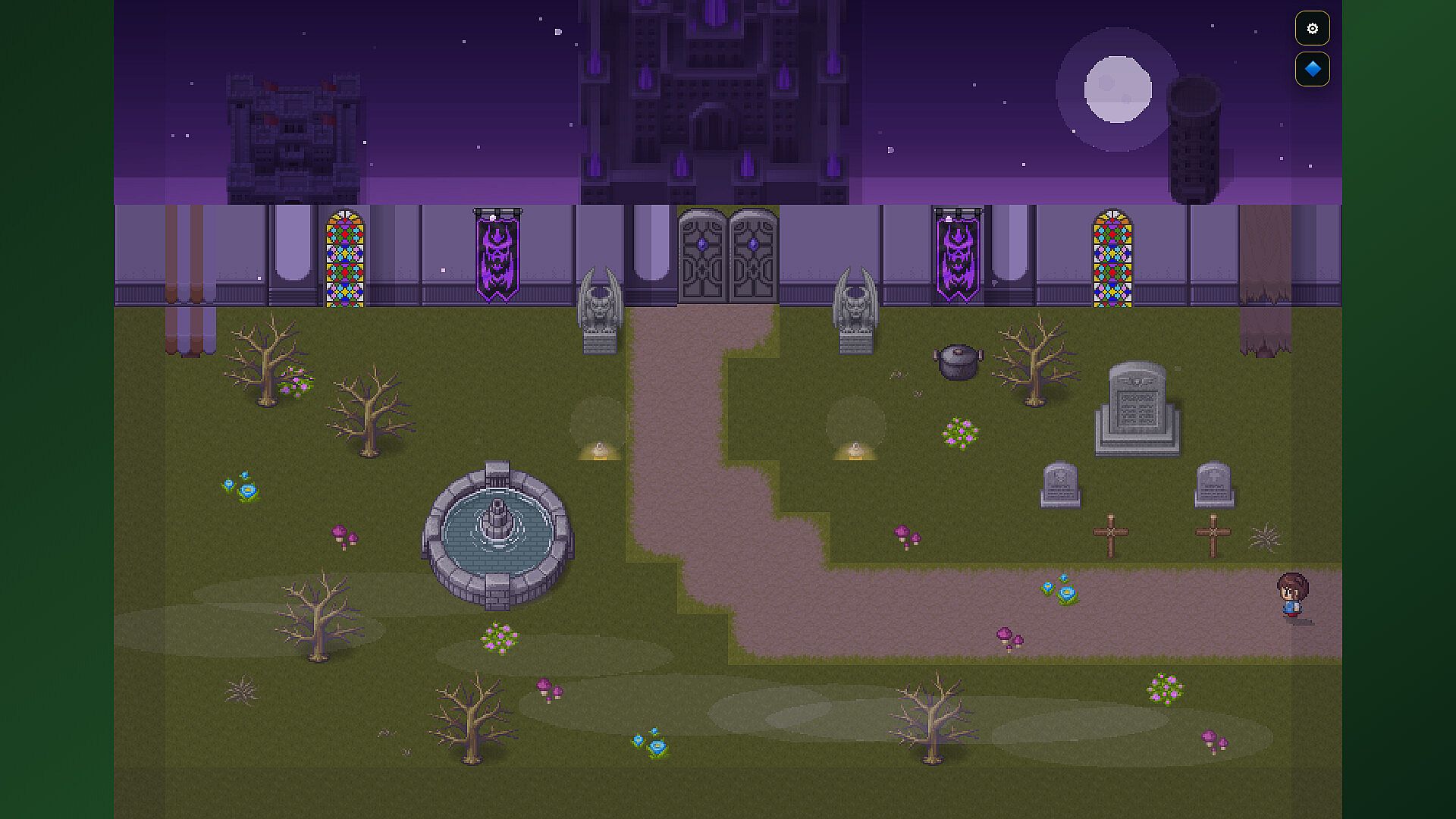
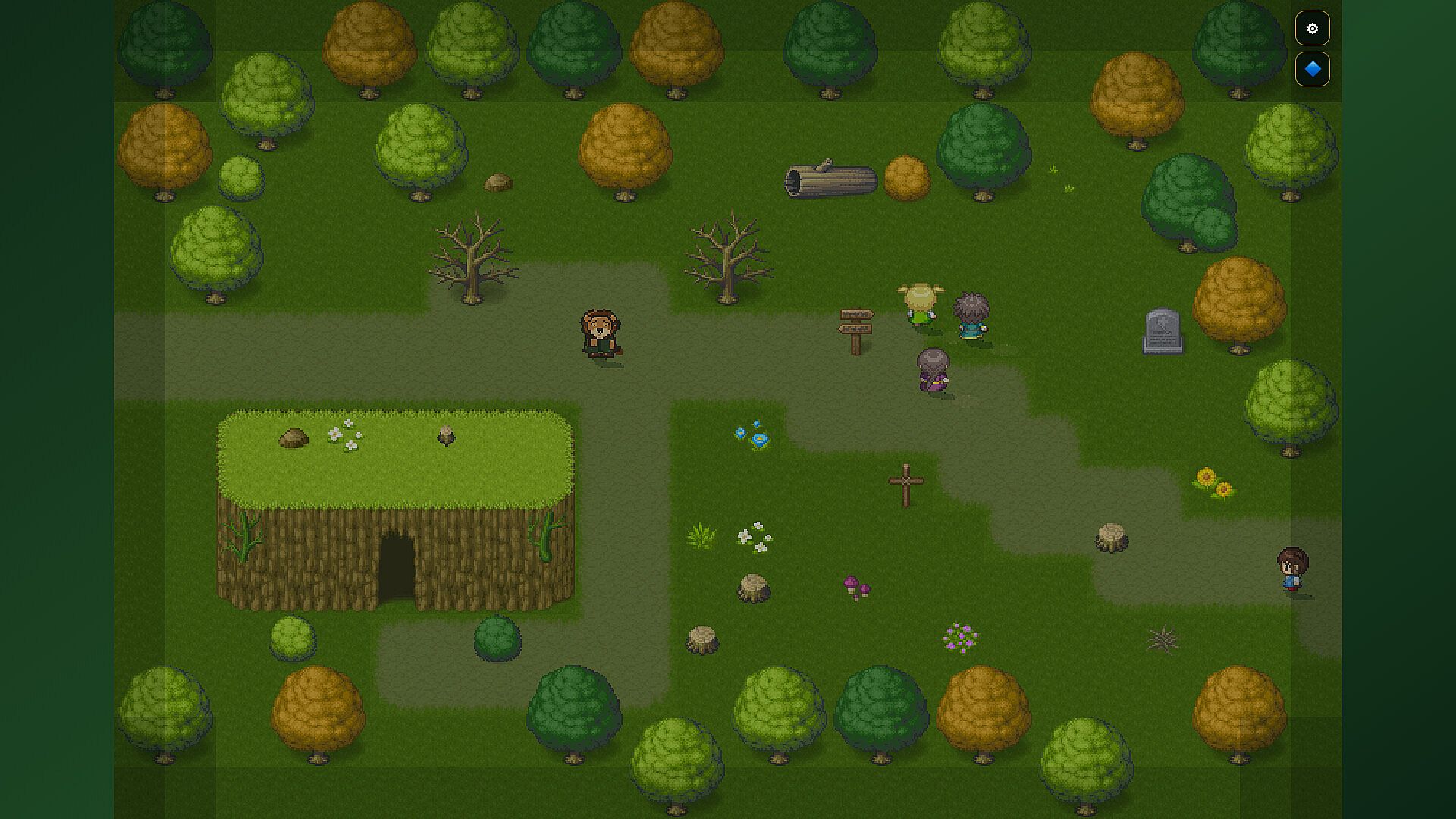
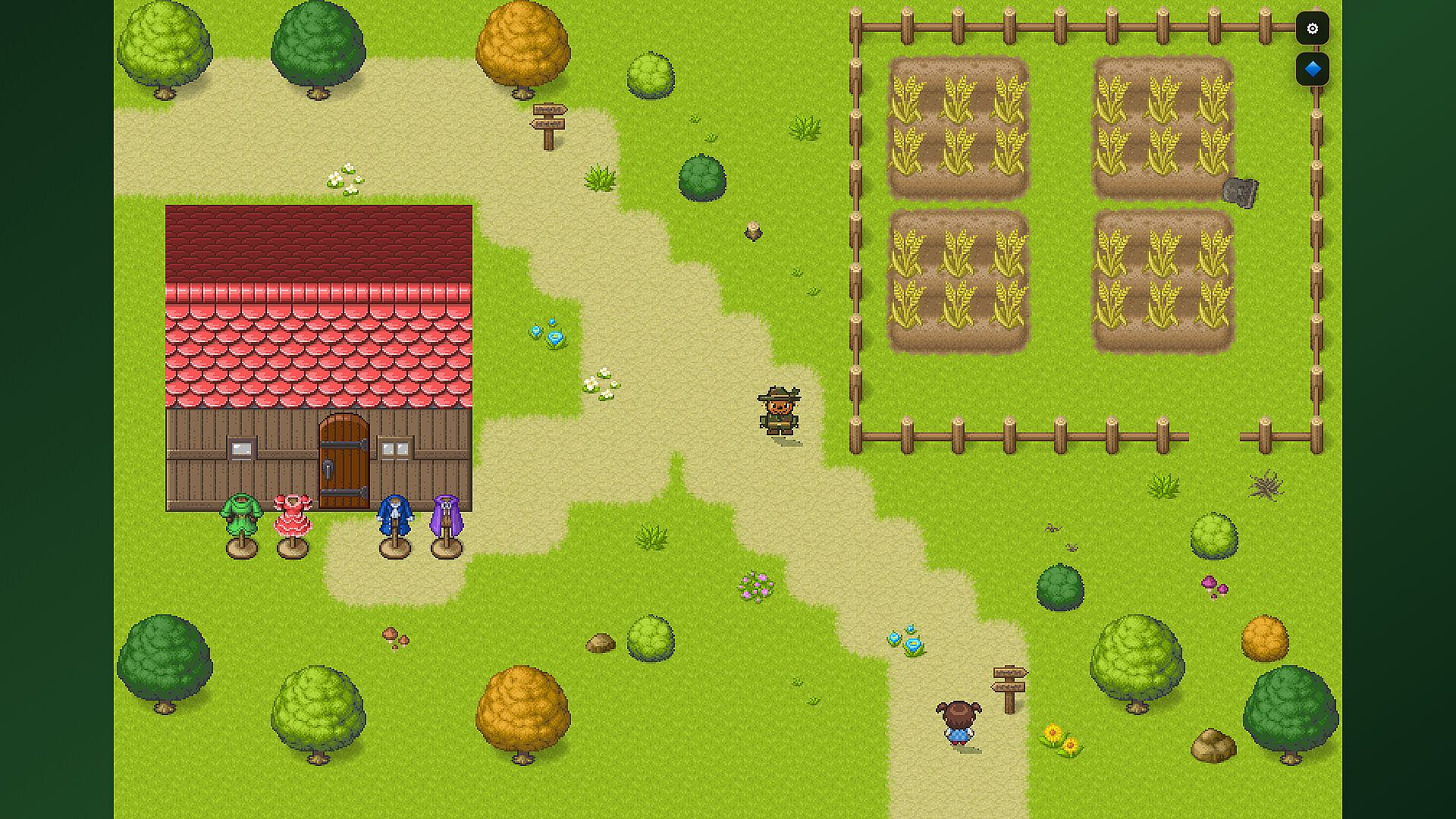
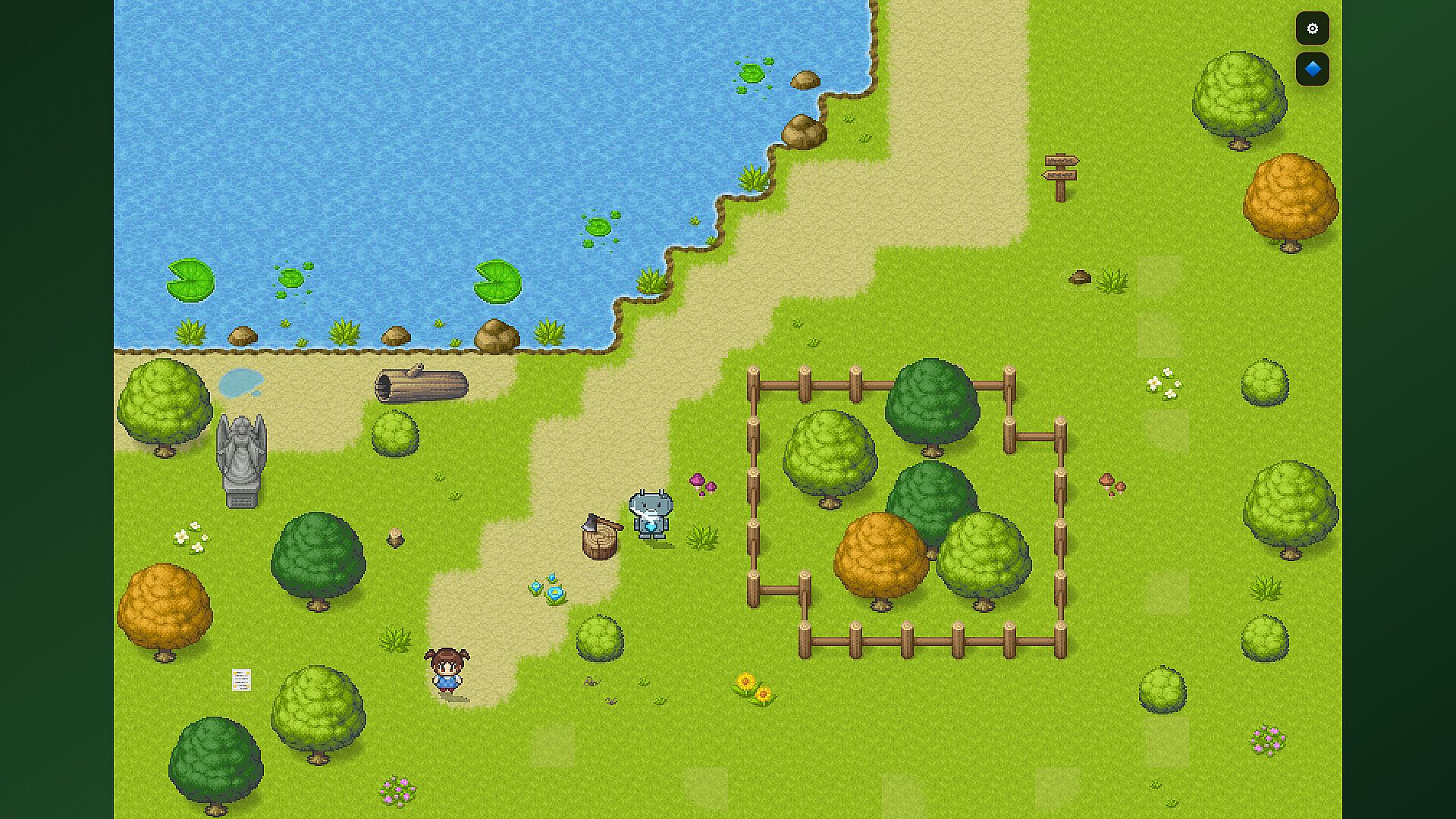
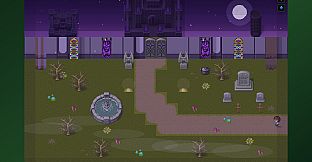
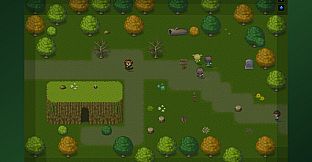
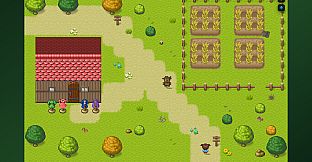
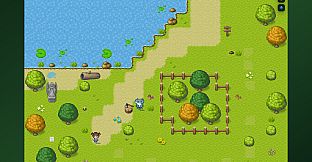
Exploration takes place across ten pixel-art areas that include a lakeside, rye fields, a dark forest, and the Witch's castle. Dorothy assists her companions by completing magic circles and casting the resulting spells as field effects like lightning, grass, or fire. These abilities help resolve requests from the Tin Man, Scarecrow, and Lion. Hidden clues appear in worn patterns on stones, walls, and keepsakes; solving these reveals additional ancient magic circles that expand the available options.
Progression includes learning new recipes for the spellbook, earning mana stones from completed puzzles, purchasing items from a shop, and applying enchantments to individual cards. These systems allow players to reshape future grids and adapt to changing puzzle demands.
Game Modes
Two difficulty settings shape the experience. Easy mode reduces pressure on pattern recognition and includes a toggleable guide that highlights valid magic circles. Normal mode removes the guide and requires full attention to overlapping patterns without assistance. Both modes support the same core loop of grid placement and exploration, letting players choose their preferred challenge level.
The game remains single-player throughout, with all progression tied to individual runs rather than external systems or multiplayer elements.
Story and Structure
Dorothy awakens in an unfamiliar version of Oz and sets out to reach the Witch's castle while aiding her three companions. Each journey ends by returning to the start, yet repeated attempts introduce new requests, altered dialogue, and different rules. Choices about whom to trust influence available routes and produce multiple endings. Some outcomes carry over between loops, creating a structure built around memory, repetition, and deception in a dark fairy tale setting.
The narrative unfolds through exploration and puzzle results rather than linear cutscenes, encouraging players to experiment with different paths across several playthroughs.
Is It Worth Playing?
Witch of Oz suits players who enjoy deliberate puzzle design combined with light narrative branching. The 3x3 grid system rewards careful positioning and pattern recognition, while the looping structure adds replay value through changing companion requests and hidden clues. Those interested in indie strategy titles that mix card placement with exploration and multiple endings will find a focused experience here.
The game is not yet released and currently has no user reviews available. It supports only Korean for interface and subtitles. Potential buyers should consider their comfort with language barriers and interest in the described card-overlap mechanics before purchasing once it becomes available.











