




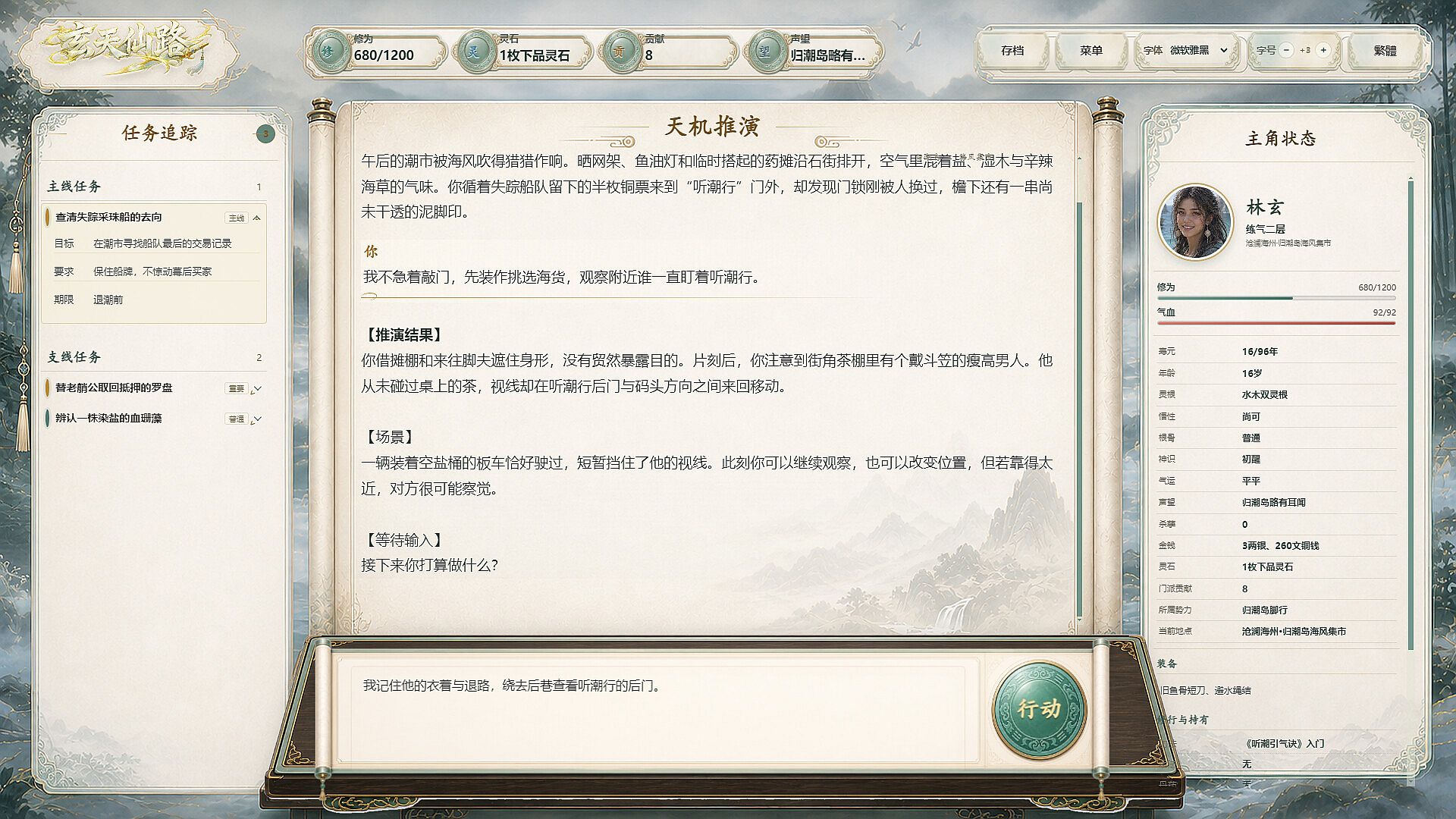


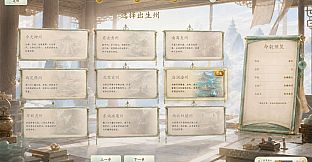



玄天仙路:修仙模拟器 is a text-based cultivation simulator that blends strategy, indie, RPG, casual, and simulation elements on PC. Players enter the Xuantian Realm as an ordinary cultivator with no special protections or guaranteed successes. The experience centers on declaring intentions through free-form text input, after which an AI system evaluates outcomes based on the character's realm, resources, relationships, injuries, and the world's independent rules.
Gameplay
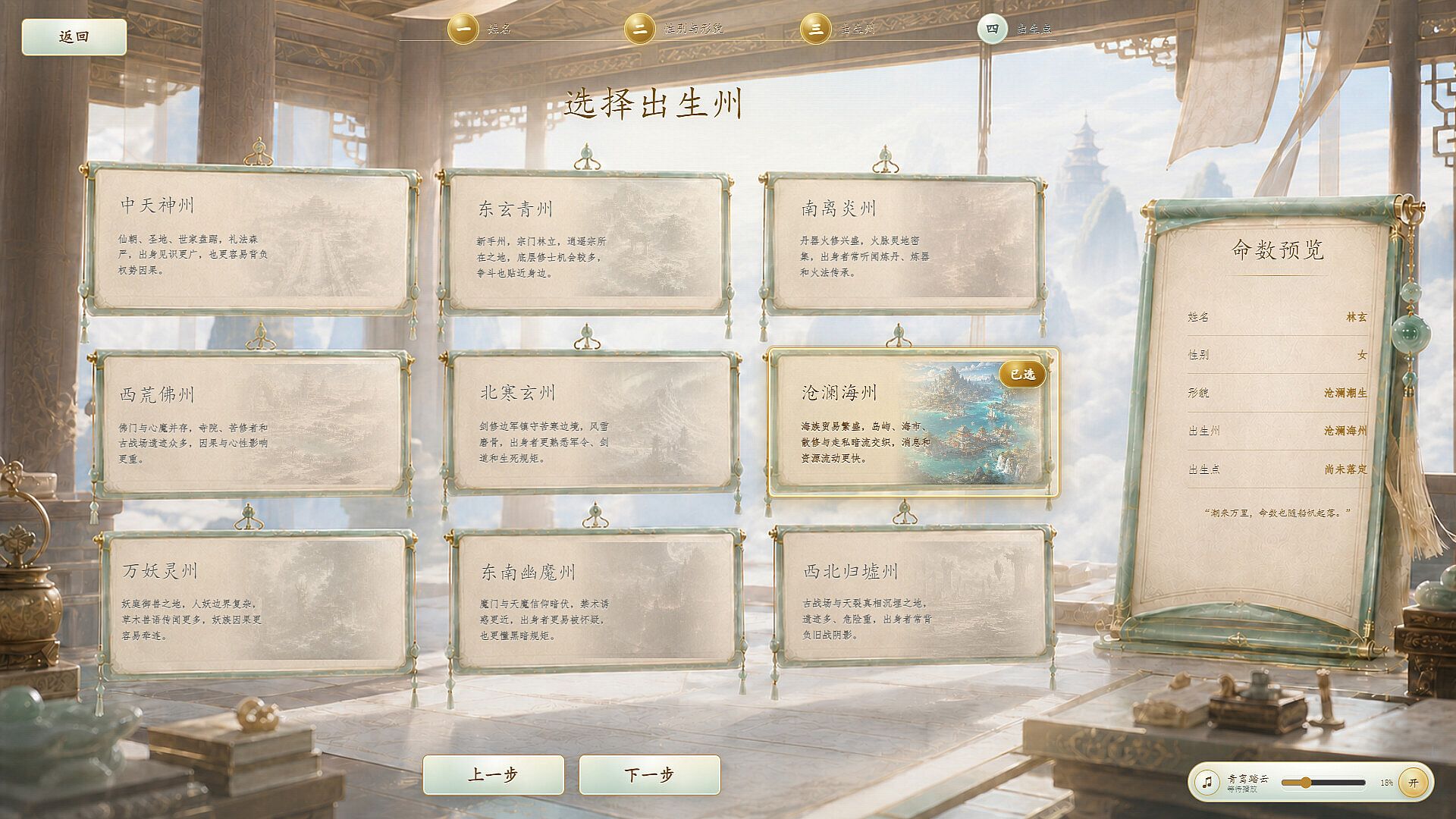
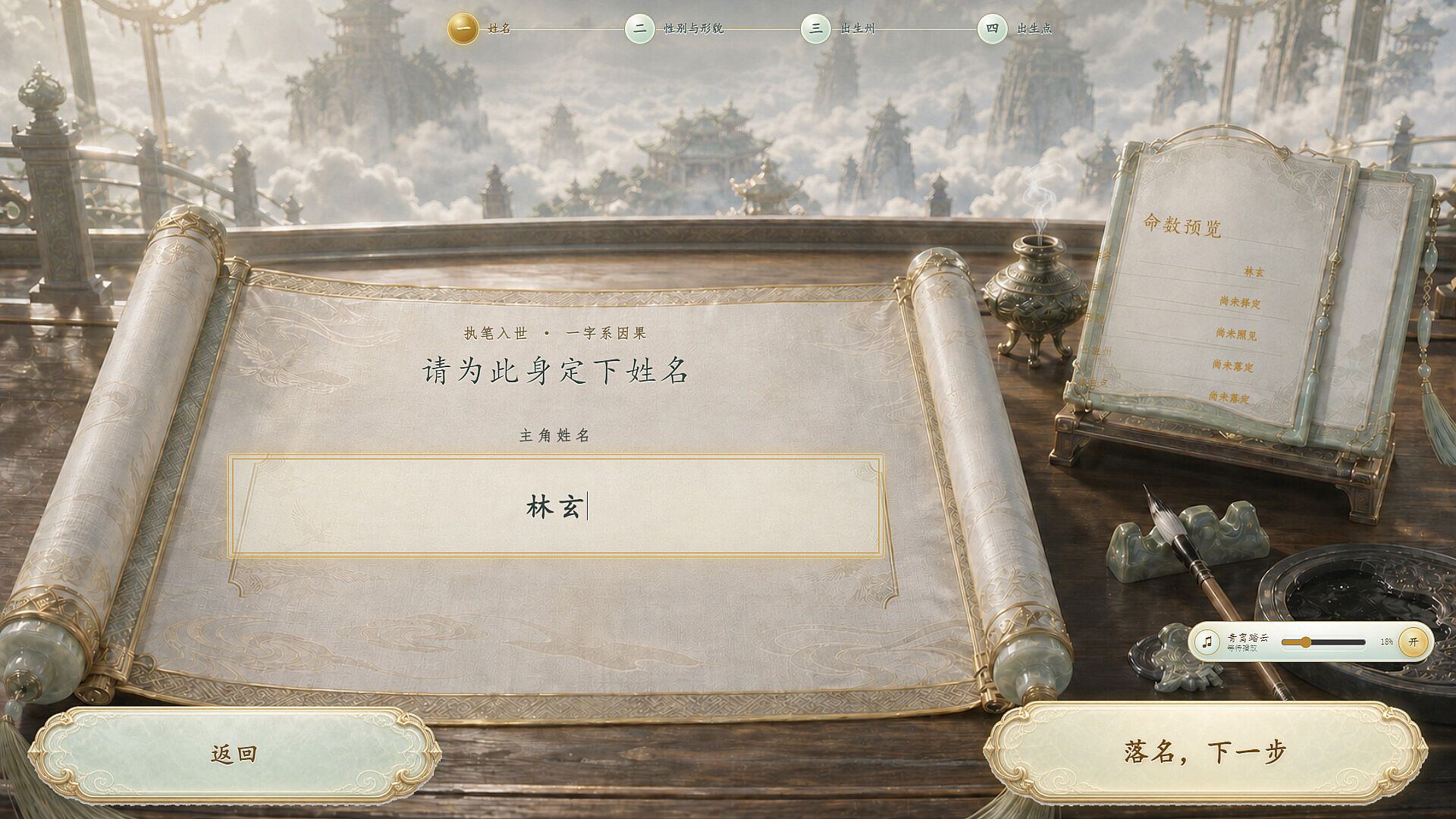
The core loop revolves around choosing actions in a living world that operates without centering on the player. Starting options include 81 different entry points across the Nine Provinces. From there, decisions range from mundane tasks like spending years chopping wood to ambitious moves such as entering a sect and confronting powerful figures. Every choice carries logical repercussions simulated by the AI, which accounts for NPC identities, techniques, equipment, memories, loyalties, and temperaments.
Actions unfold realistically rather than through scripted events. A simple errand can escalate due to side decisions, while attempts at deception succeed or fail depending on the target's experience. The simulation tracks cultivation progress, social ties, and environmental factors, allowing outcomes like founding a sect, practicing forbidden arts, or settling into ordinary mortal life as a blacksmith. Time passes for the world regardless of player activity, with sects clashing, dynasties shifting, and individuals aging or advancing on their own.
Freedom extends to personal paths such as seeking mentorship, forming alliances or rivalries, marrying, trading at auctions, or becoming a feared force. No protagonist advantages exist, so survival and growth depend entirely on consistent, context-aware choices within the established rules of the realm.
Game Modes
The game supports open-ended play without preset paths or branching menus. Players type any intended action and receive AI-processed results that reflect the current state of the character and the broader world. This structure accommodates everything from slow, methodical progression through honest labor to sudden confrontations or long-term schemes like building influence or exploring demonic paths.
Multiple playstyles emerge naturally from the same system. One session might focus on integration into existing sects and careful relationship management, while another emphasizes independence through resource gathering or conflict. The absence of fixed objectives means sessions can shift between exploration, combat challenges, economic activities, or quiet seclusion, all driven by the same underlying simulation rules.
World and Systems
The Nine Provinces form a persistent setting where events continue independently. NPCs maintain their own agendas, leading to organic developments such as power struggles or alliances that the player may join, oppose, or ignore. Resources, injuries, and loyalties influence every interaction, creating consequences that feel earned rather than arbitrary.
Progression occurs through cultivation realms that affect what actions are feasible and how the AI interprets them. Identity and relationships further shape possibilities, allowing for varied trajectories like ascending alone, saving the realm, or pursuing a grounded existence away from immortal conflicts. The simulation avoids plot armor, so even well-planned moves can unravel due to external factors or miscalculations against experienced opponents.
Is It Worth Playing?
This title suits players who prefer text-driven simulations with high agency and realistic cause-and-effect over guided narratives or combat-focused loops. The emphasis on free input and AI adjudication delivers a cultivation experience where outcomes depend on thoughtful engagement with the world's rules rather than following optimal routes.
Those drawn to strategy and simulation genres will find value in managing limited resources and navigating social dynamics without safety nets. The single-player format on PC supports repeated sessions with different starting points and approaches, rewarding experimentation within consistent mechanics. Reception remains limited due to the game's focused scope, yet the core design aligns directly with the described freedom and consequence systems for fans of unscripted progression.