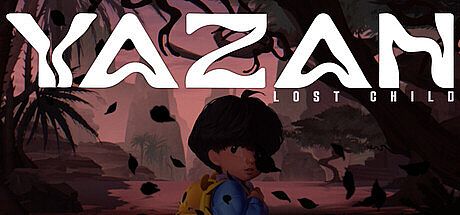


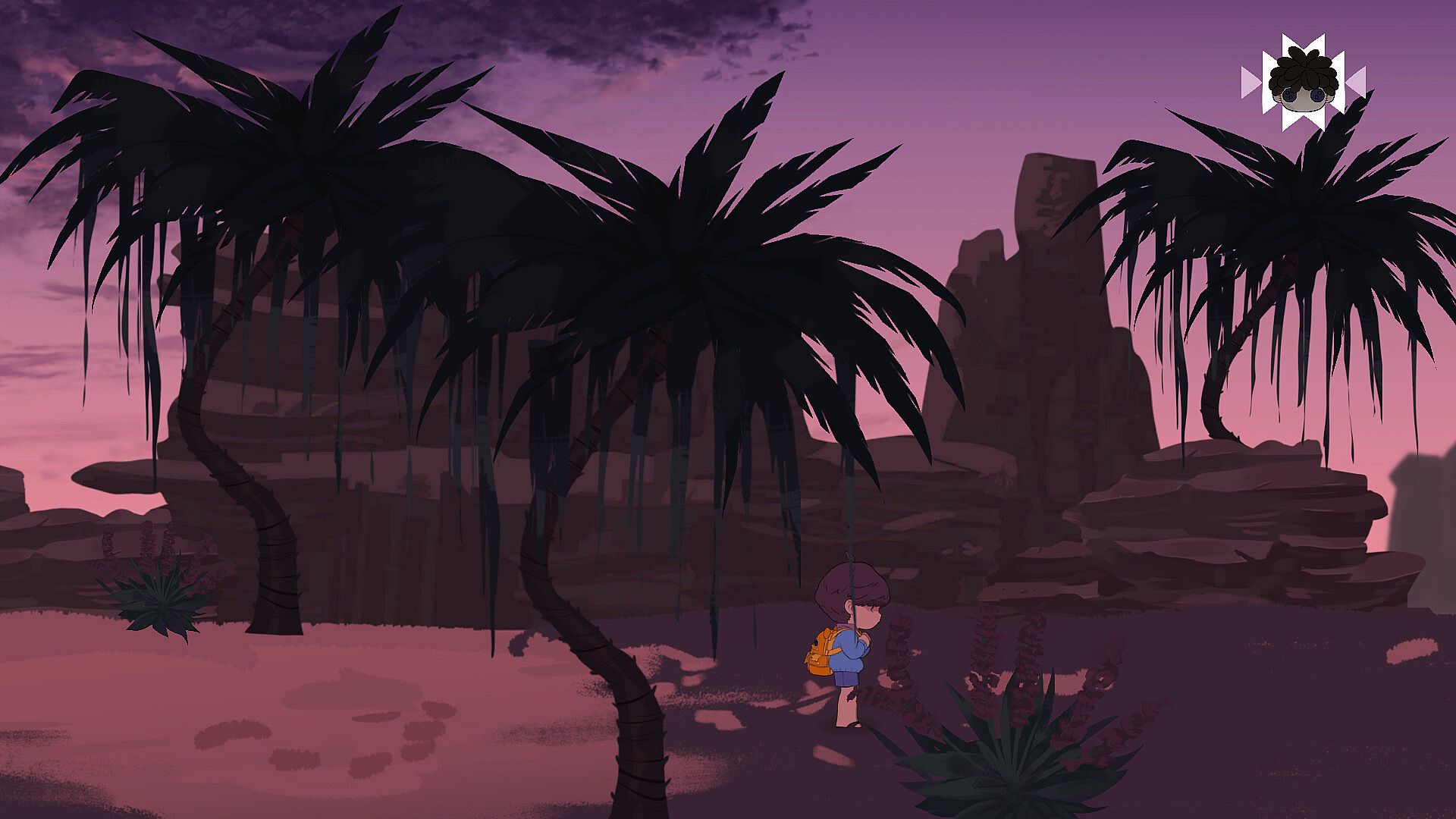
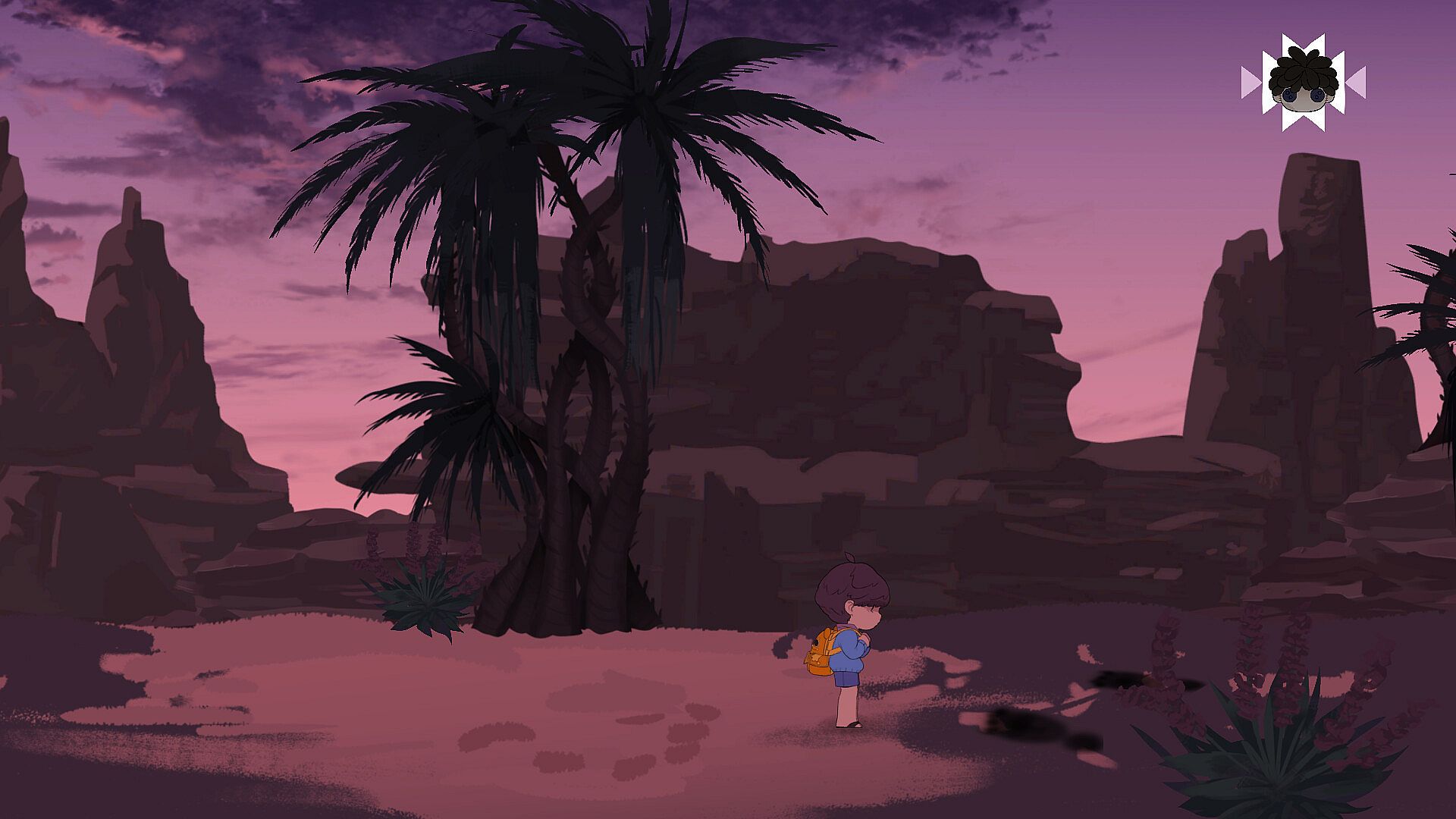
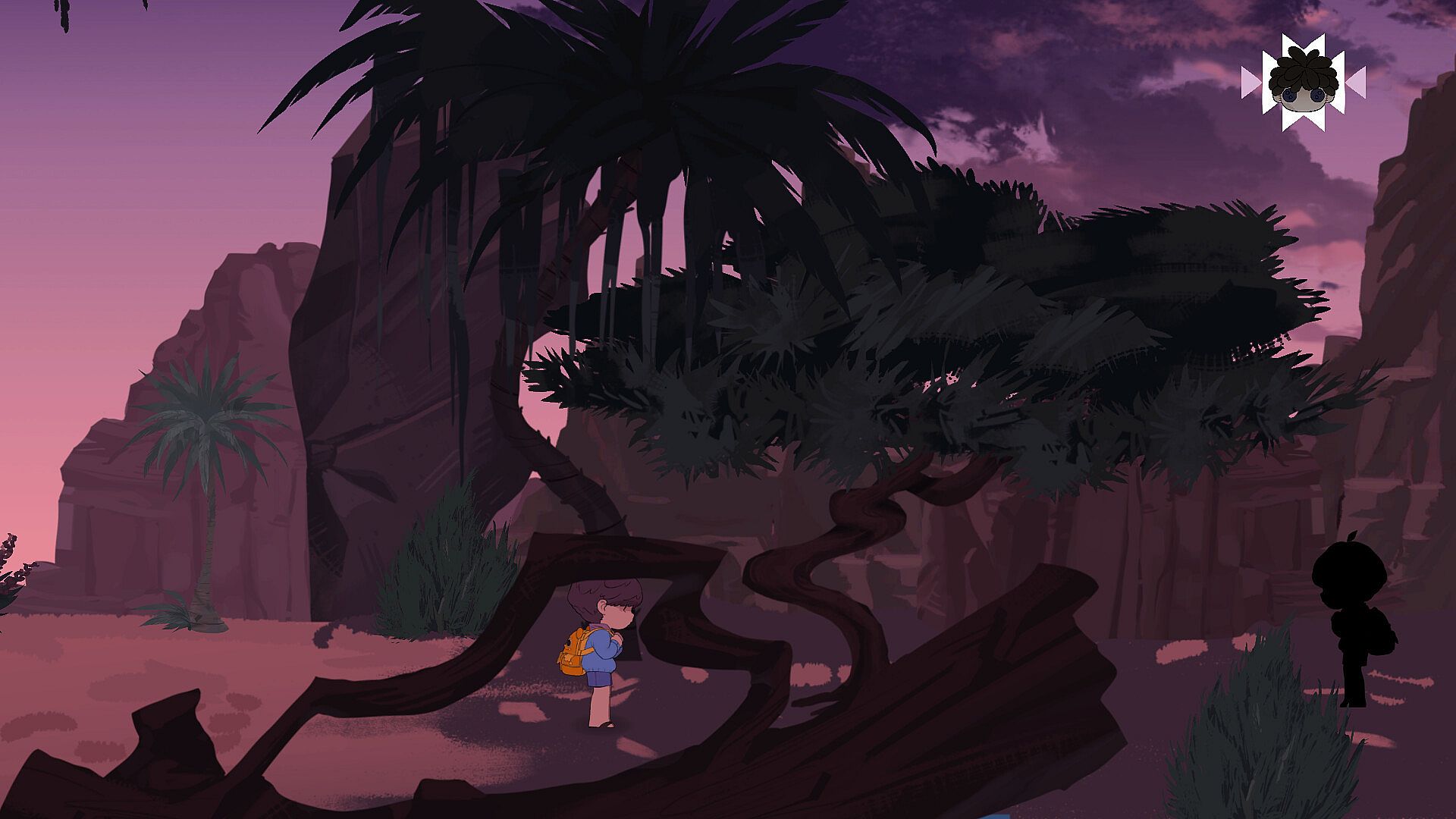
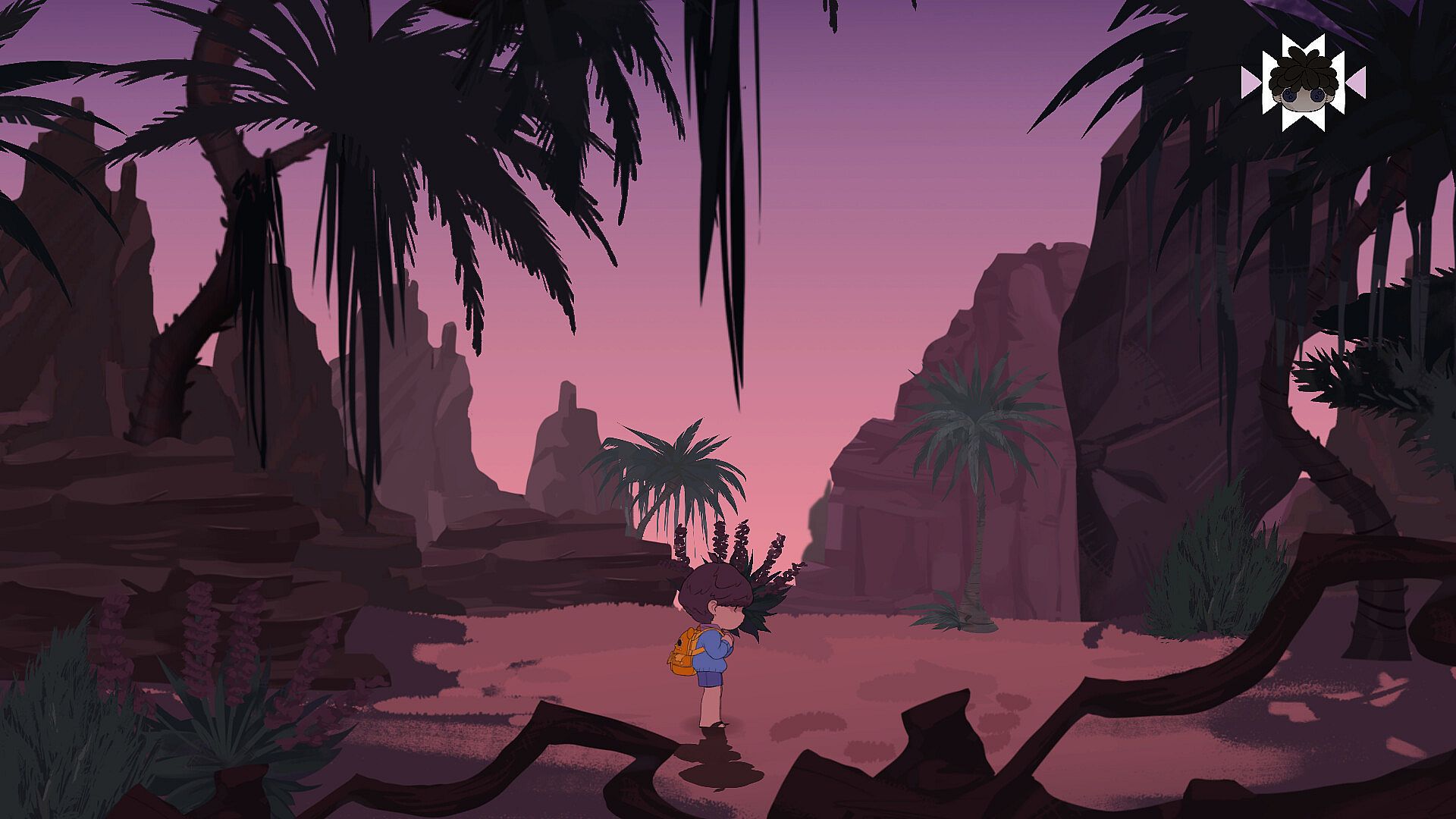
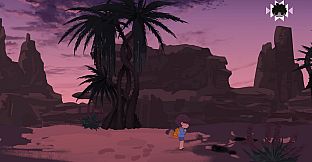
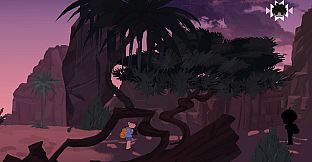
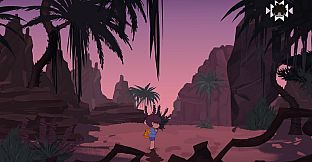
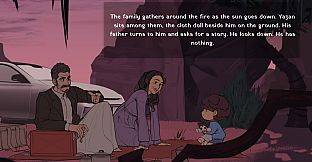
YAZAN: Lost Child is a 2D indie adventure game centered on psychological anomaly detection and observation. Players navigate a repeating valley environment where the goal is to identify inconsistencies in the surroundings and make precise decisions to break free from the cycle. The experience emphasizes careful attention to detail over action or combat, creating a focused narrative journey built around ten correct choices that lead to escape.
Gameplay
The core loop involves traveling through a looping valley that reuses familiar locations. Movement forward or backward depends entirely on spotting anomalies that disrupt the expected patterns. When an anomaly appears, the correct response is to turn back and reassess the path. Normal surroundings signal that it is safe to proceed. This system rewards repeated observation and memory of prior loops, as subtle changes accumulate across multiple traversals.
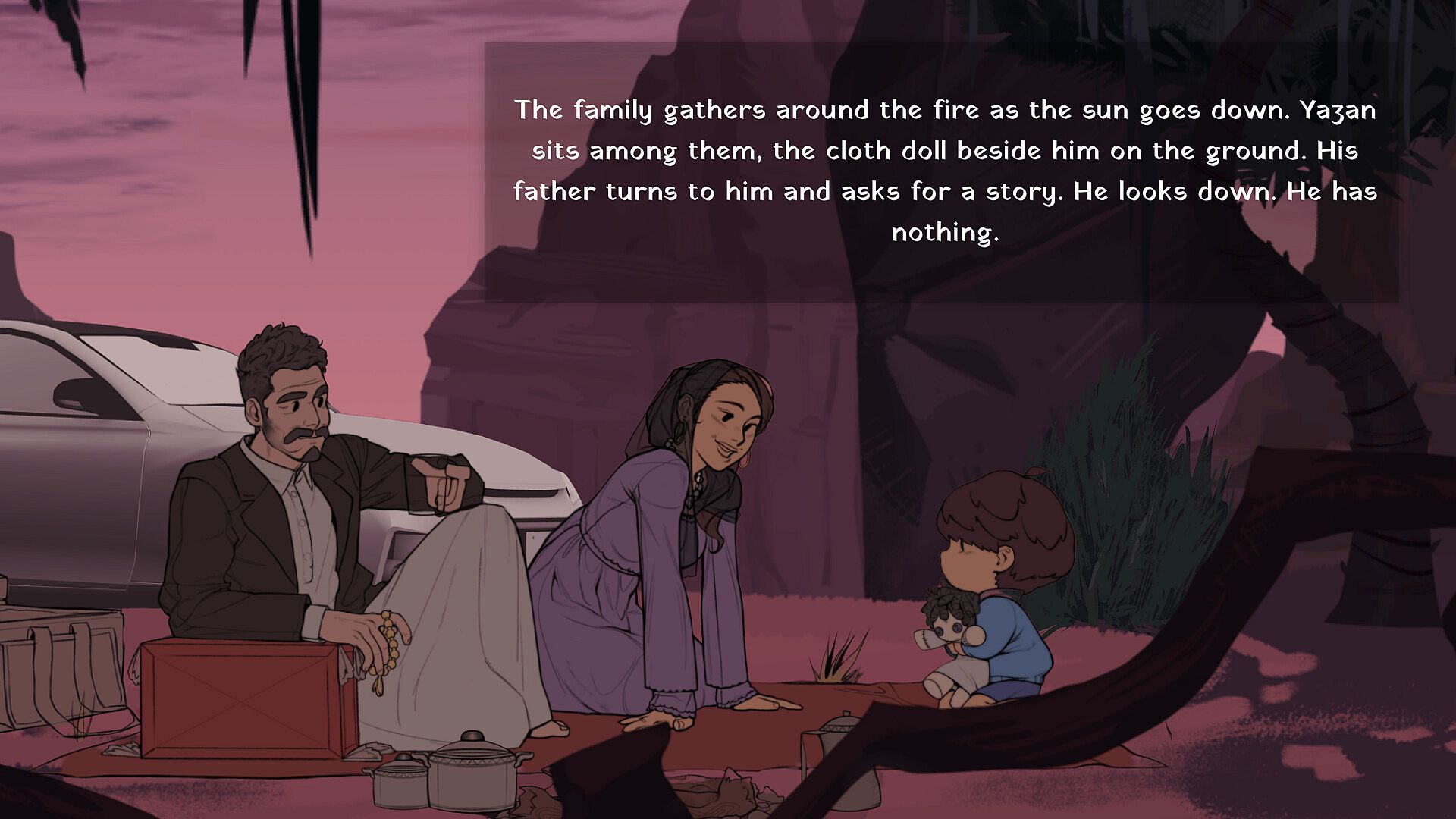
Art direction draws from Arabic traditions and environments, resulting in stylized 2D visuals that support the atmospheric mystery. More than thirty anomalies are placed throughout the valley for discovery, each requiring identification through visual inspection rather than interaction or combat. The short length keeps the focus tight, with the entire adventure designed for completion in one sitting without extended grinding or side activities.
Game Modes
The game operates as a single continuous experience without separate modes or difficulty settings. Progression relies on the anomaly-spotting mechanic across the looping valley, where each decision builds toward the ten correct choices needed to exit. Story elements unfold through environmental details and the accumulating mysteries encountered during repeated passes through the same areas.
No multiplayer, competitive, or alternative play styles exist. The structure remains consistent from start to finish, prioritizing observation and decision-making in the psychological anomaly framework.
Story and Atmosphere
A story-rich layer runs beneath the mechanical loop, with hidden mysteries revealed through careful exploration of the valley. The repeating environment itself becomes part of the narrative, as familiar places shift in small but meaningful ways that tie into the overall mystery. Players piece together the situation by noting what does not belong, which gradually clarifies the trapped state and the path out.
Atmosphere stems from the psychological tension of uncertainty and the need to trust instincts when surroundings appear deceptively normal. The 2D stylized presentation reinforces this by presenting environments that feel both recognizable and subtly off, encouraging closer inspection without relying on jump scares or external threats.
Is It Worth Playing?
YAZAN: Lost Child suits players who enjoy short, focused adventures built around observation and attention to detail. Its single-sitting design and emphasis on the anomaly mechanic deliver a self-contained experience without filler. Those seeking longer campaigns, combat systems, or multiple endings may find the scope limited, while fans of psychological indie titles that reward memory and pattern recognition will appreciate the precise decision-making required to escape the loop.
The game remains in its initial state with no confirmed post-launch updates or additional content. Availability is limited to PC, and the core appeal rests on the verified anomaly identification loop described in the design. For the right audience, the tight structure and cultural art influences provide a distinctive, low-time-commitment option in the adventure genre.