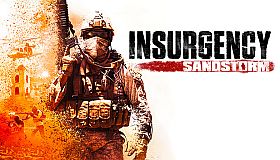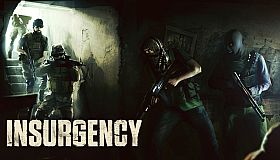








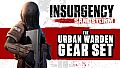
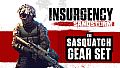
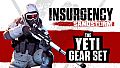
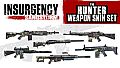

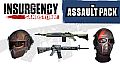
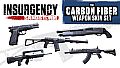
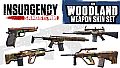
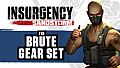
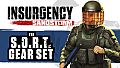
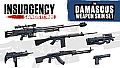
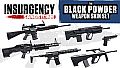

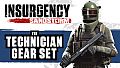

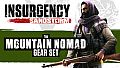
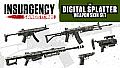
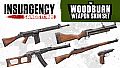
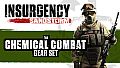

Insurgency: Sandstorm is a tactical first-person shooter focused on objective-based multiplayer combat. Players join one of two factions, Security or Insurgents, and engage in team-oriented matches that emphasize realistic weapon handling, positioning, and coordination over run-and-gun action.
Gameplay
The core loop revolves around selecting a class and equipping a loadout using supply points before each round. Different classes provide access to specific weapons, roles such as rifleman, marksman, or commander, and support options. Security forces draw from modern Western equipment while Insurgents use a mix of varied firearms and unconventional tools. A weight system influences movement speed and stamina, encouraging players to balance firepower with mobility. Fire support calls require an observer to communicate with a commander, adding a layer of squad dependency. Matches take place on maps that support both daylight and nighttime variants, with sound design highlighting distinct weapon reports and environmental cues to aid situational awareness.
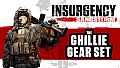
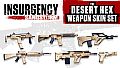
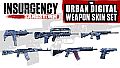
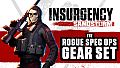
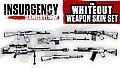
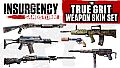
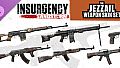
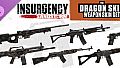
Customization extends to attachments and limited cosmetics earned through play. The emphasis stays on tactical decision-making, such as managing limited ammunition and using cover effectively during advances or defenses.
Game Modes
Versus modes pit players against each other in team-based objective play. Push requires one team to capture objectives in sequence before destroying a final cache, with defenders receiving reinforcements and time extensions upon holding ground. Firefight has both sides contesting three objectives sequentially, with respawns tied to objective captures. Frontline functions as a linear tug-of-war where teams push or hold a chain of points one at a time. Additional versus options include Domination, Ambush, Defusal, and Free For All.
Cooperative modes set players against AI opponents. Checkpoint tasks a team with advancing through objectives while repelling counterattacks after securing points. Hardcore Checkpoint increases difficulty with restricted movement, tougher enemies, and limited resupply options after death. Outpost and Survival provide further cooperative experiences focused on defense and wave-based encounters.
Factions and Mechanics
Security and Insurgents each bring distinct arsenals and fire support capabilities. Security leans on precision airstrikes and reliable transport options, while Insurgents favor area-denial tools and psychological effects. Commander and observer roles enable coordinated strikes that can shift momentum in a match. Supply points reset per round, forcing fresh loadout choices that adapt to map and mode demands. The game supports up to fourteen players per side in versus matches, with bots available in some configurations for practice or filling lobbies.
Updates and Current State
The game has received multiple seasonal content drops labeled as operations, introducing new maps, weapons, and balance adjustments through 2026. Recent additions include the Hold map and new sidearms in Operation Breachpoint. Support continues with patches addressing performance and gameplay tweaks, maintaining an active if smaller community.
Is It Worth Playing?
Player feedback rates the title Very Positive overall, with praise centered on its gunplay, atmosphere, and emphasis on teamwork in both versus and cooperative settings. Those who enjoy deliberate, communication-heavy tactical shooters find consistent value in the objective focus and faction differences. The bundle includes content from the first four years of updates, providing access to the full range of maps and modes developed during that period. It suits players seeking an alternative to faster-paced shooters, particularly those comfortable with smaller-scale matches that reward coordination over individual skill alone. Ongoing patches indicate sustained development interest, though population levels vary by region and time of day.