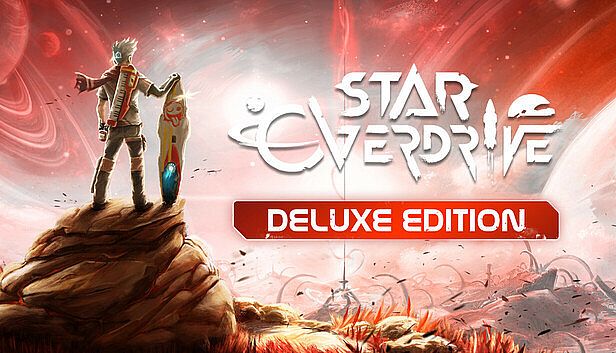


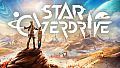
Star Overdrive is a third-person action-adventure game set on an alien planet where exploration and traversal take center stage. Players control Bios, who arrives on Cebete after following a distress signal and begins searching for his missing partner Nous. The experience centers on high-speed movement across open landscapes using a hoverboard, combined with puzzle-solving and light combat powered by a Keytar instrument that channels various abilities.
Gameplay
The core loop revolves around traversing a large open world divided into three distinct biomes filled with sand dunes, ancient ruins, and remnants of past civilizations. The hoverboard serves as the primary tool for movement, allowing players to build momentum on slopes, perform tricks for boosts, and reach distant areas through careful navigation of the terrain. Upgrades to the board come from gathered resources and crafting, which improve speed, handling, and durability over time.
Abilities tied to the Keytar expand gradually and include effects such as magnetic push and pull on objects, time-freezing mechanics, and other physics-based tools. These powers integrate directly into both puzzle resolution and encounters with enemies scattered throughout the world. Underground sections function similarly to compact challenge areas, where new abilities are acquired and used to overcome environmental obstacles before returning to the surface for further exploration.
Additional activities include time trials, races, and collection objectives that test boarding precision and reward further customization. Combat remains secondary and involves direct engagement with foes using Keytar strikes alongside movement to maintain positioning. The overall pace rewards experimentation with momentum and ability combinations rather than strict linearity.
Game Modes
Star Overdrive operates as a single-player open-world experience without separate multiplayer components or distinct named modes. Progression unfolds through free-form exploration of the surface biomes alongside targeted side activities that break up travel. These include structured races and timed challenges that emphasize hoverboard control, as well as puzzle-focused segments underground that introduce and refine new powers.
Collectible hunts and resource gathering support board upgrades and ability growth, creating natural loops between main objectives and optional tasks. The structure encourages repeated visits to different regions as abilities expand, allowing previously inaccessible paths to open up without requiring a separate campaign or versus format.
Story and World
The narrative follows Bios as he investigates the disappearance of Nous on the mostly deserted planet Cebete. Environmental storytelling through discovered audio logs and visual details reveals fragments of the world's history and the pair's relationship. The setting draws from retro-futuristic aesthetics with synth-inspired elements that complement the high-speed traversal.
Three biomes provide visual variety, each featuring unique terrain features, creatures, and hidden elements that reward thorough searching. The world design supports the hoverboard focus by incorporating natural ramps, boost areas, and verticality that make movement feel rewarding across long distances.
Is It Worth Playing?
Reception has been mixed, with critics noting strong traversal and stylistic ambition alongside issues in combat polish and occasional technical problems. The hoverboard mechanics and creative power usage stand out as consistent highlights for players who enjoy momentum-based exploration in the style of open-world adventures. Those seeking tight combat loops or highly varied mission structures may find the experience less engaging.
The game launched on multiple platforms including PC and remains available as a complete single-player title with no ongoing seasonal content reported. It suits fans of indie action-adventures that prioritize stylish movement and puzzle integration over large-scale multiplayer or frequent updates. Players drawn to the combination of board-based travel and ability-driven problem solving will likely find the most satisfaction here.