


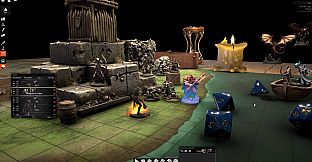
Adunata is an indie RPG simulation that functions as a virtual tabletop for running tabletop role-playing campaigns. The core experience centers on hosting sessions where one player owns the full version and manages the shared space, while others join through a free guest edition. This setup emphasizes accessibility for groups that want to play together without requiring every participant to purchase software.
Gameplay
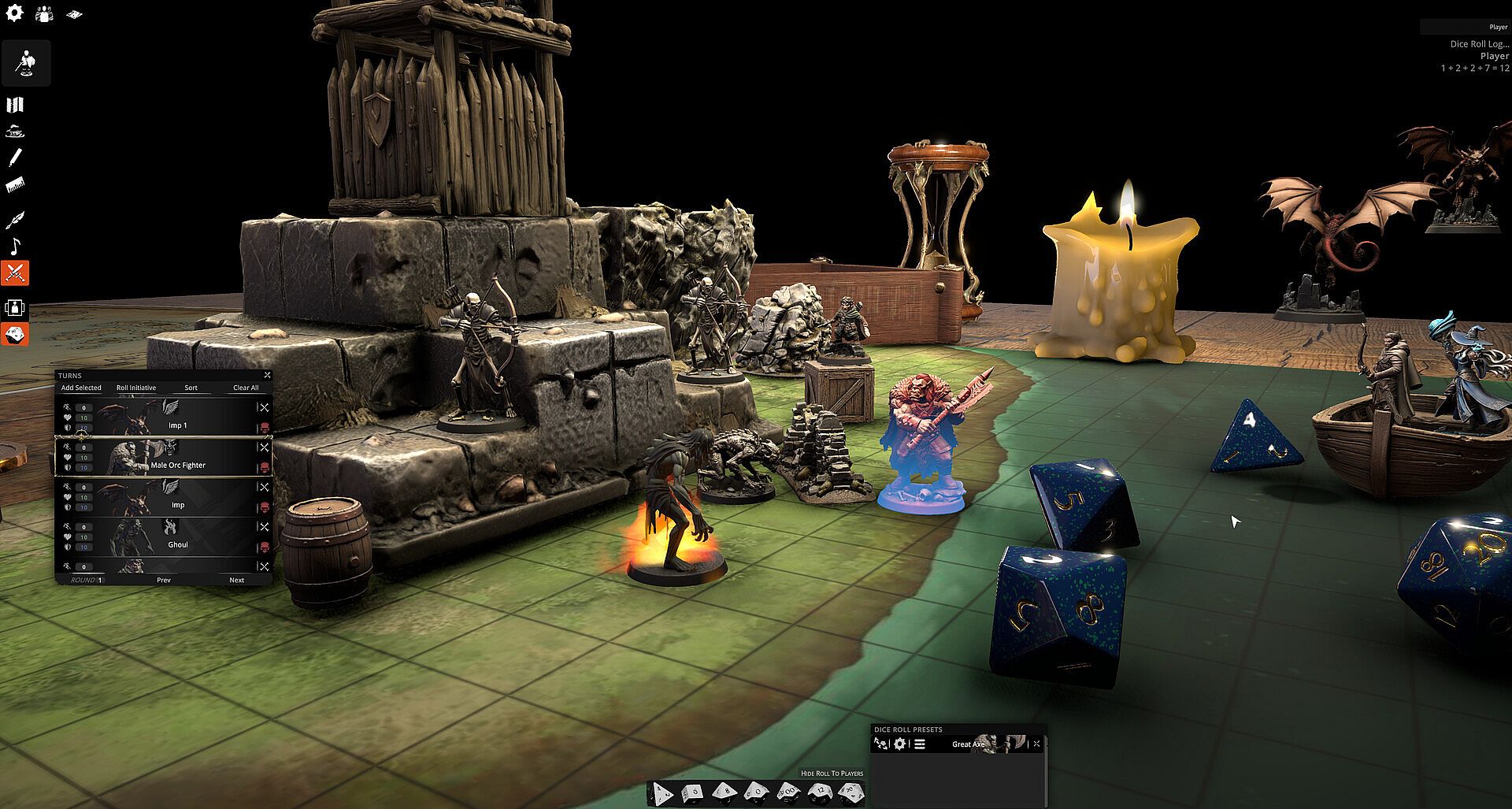
The gameplay revolves around building and running immersive sessions on a hybrid 2.5D interface. Hosts use tools such as a paintable fog of war system that reveals 3D elements on 2D maps, a flexible dice roll editor for creating custom presets, and dynamic conditions to track status effects. These features support precise tactical movement, interactive objects, and visual effects that mimic physical table play while streamlining workflow. Sessions run in real time or turn-based formats depending on the group preference, with support for single-player preparation alongside multiplayer co-op. Seats purchased through packs like Adunata Seats x2 remain tied to the host account and activate only when a guest connects, freeing up automatically afterward. Multiple packs combine to increase capacity, and owners of the full game bypass seat requirements entirely when joining others.
Preparation involves setting up maps, assigning minis, and configuring dice rules tailored to various systems. During play, the host controls visibility and rolls while players interact with the shared environment. Cross-platform elements extend to iOS with plans for additional mobile support, allowing consistent experiences across devices. The design prioritizes staying out of the way so groups can focus on narrative and combat rather than technical hurdles.
Game Modes
Adunata supports multiplayer co-op sessions built around traditional tabletop RPG campaigns. These modes allow a host to run adventures for friends using the guest edition, with no predefined scenarios or limited game modes listed beyond flexible campaign hosting. Local multiplayer and online co-op options exist alongside LAN support for in-person groups. Single-player tools help with map editing and testing before inviting others. The emphasis remains on open-ended play where participants adapt rulesets from fantasy, medieval, or other genres through custom assets and conditions.
Cross-platform multiplayer ensures guests on different devices can join the same table seamlessly. Adjustable difficulty and pacing controls let groups tailor sessions to their style without rigid structures. No seasonal events or specific named modes appear in current details, keeping the focus on core hosting mechanics that scale with the number of available seats.
Multiplayer and Accessibility
The seat system makes Adunata particularly suited for groups where not everyone wants to invest upfront. Hosts buy packs once, and seats belong permanently to their account for use across all tables they run. Guests install the free edition from the platform and connect without additional cost. This model supports both small parties and larger ones as seat counts add up from available packs. Family sharing and adjustable controls further broaden access for varied player needs.
Early access status means ongoing refinements to tools like the dice editor and fog of war based on community input. The game runs on PC and macOS with English language support, and categories include options for custom volume, text size, and save-anytime functionality to accommodate different play styles.
Is It Worth Playing?
Adunata suits players seeking a lightweight virtual tabletop alternative that balances 3D visuals with fast 2D controls. The free guest edition lowers barriers for friends, making it practical for regular campaigns without forcing purchases on the entire group. Current player activity remains low following its October 2026 early access launch, with limited reviews available so far. Those who value customizable dice presets, paint-based fog of war, and persistent seat ownership will find the mechanics align well with standard TTRPG hosting needs. Groups already comfortable with similar tools may appreciate the hybrid approach, while newcomers benefit from the straightforward setup. Continued development in early access will determine long-term depth, but the core seat and hosting features deliver immediate value for collaborative play.