


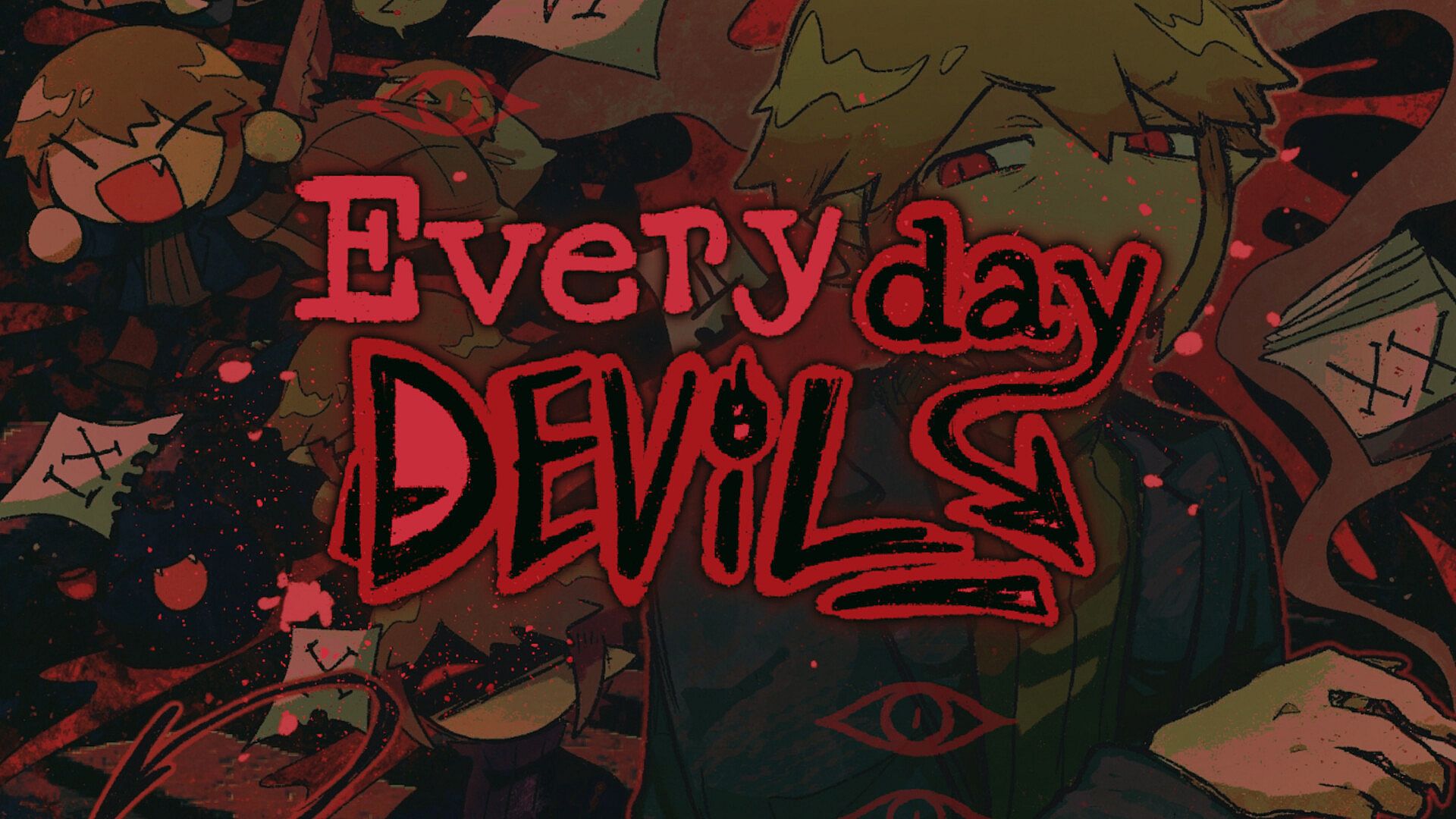

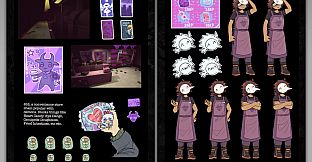
Everyday Devil est un visual novel indie gratuit qui propose une courte narration linéaire construite autour de fragments épars du quotidien d'un démon. Le joueur accompagne Cecil à travers des instants brefs et décousus où routines ordinaires et tensions plus sombres se mêlent, dans un mélange d'exploration à la première personne et de séquences de dialogue. L'expérience mise sur l'atmosphère et le ton émotionnel plutôt que sur des systèmes de progression classiques, offrant un récit solo concentré disponible sur PC.
Gameplay
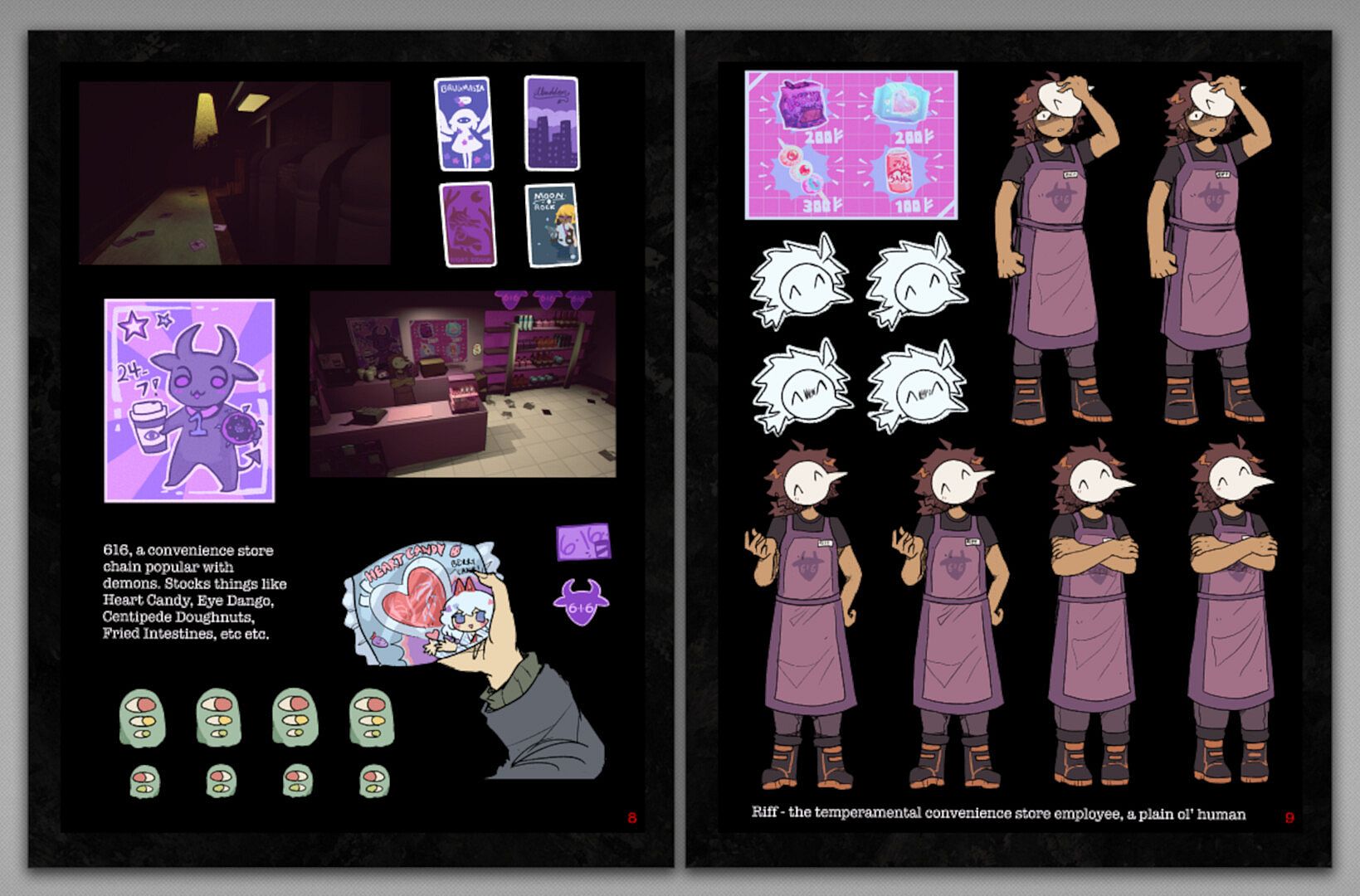
Le cœur du jeu repose sur la traversée de petites vignettes autonomes qui incarnent des bribes de souvenirs de Cecil. Chaque segment change de style visuel et interactif pour refléter l'état d'esprit du personnage. Le joueur déambule dans des lieux comme des appartements ou des commerces tout en participant à des conversations qui dévoilent des détails personnels et des conflits intérieurs. Le rythme reste posé, centré sur l'observation et des interactions simples plutôt que sur des mécaniques complexes.
Les mécaniques sont volontairement réduites pour laisser toute la place au récit. L'exploration se fait en vue subjective dans plusieurs sections, permettant au joueur d'examiner les détails à son rythme. Les dialogues portent l'intensité émotionnelle et abordent des thèmes comme l'isolement et la routine, sans énigmes ni gestion de ressources. La durée courte du titre permet de le terminer en moins d'une heure, ce qui convient aux joueurs en quête d'expériences concises et dépourvues de répétition.
Modes de jeu
Everyday Devil se présente comme une histoire linéaire unique, sans modes distincts ni embranchements. Le jeu se déroule comme une suite continue de vignettes, chacune pouvant se suffire à elle-même tout en participant à l'ensemble du portrait du protagoniste. Aucune option multijoueur, aucun élément compétitif ni scénario alternatif ne vient distraire de ce voyage narratif vu par les yeux de Cecil.
Cette structure correspond à l'approche expérimentale du titre : chaque fragment de mémoire adopte son propre ton stylistique. La progression reste séquentielle et sans choix influençant l'issue, garantissant une expérience identique pour tous. L'absence de modes supplémentaires renforce l'identité du jeu comme une œuvre atmosphérique et compacte, pensée pour une séance unique plutôt que pour des rejouées ou des styles de jeu variés.
Story and Presentation
Le récit suit la vie quotidienne fragmentée d'un démon évoluant dans un monde ordinaire, entre tâches banales et tensions psychologiques discrètes. Les vignettes dépeignent des moments du quotidien, à la maison ou en déplacement, à travers du texte, des visuels et des détails d'environnement qui transmettent une sensation de mélancolie et d'introspection. Le style visuel change d'une section à l'autre pour accompagner les variations émotionnelles, formant un portrait discontinu mais cohérent d'une existence routinière sous tension.
Les graphismes, réalisés avec Unreal Engine, créent des scènes atmosphériques allant d'intérieurs chaleureux à des espaces plus troublants. La bande-son soutient cette ambiance tout au long des déplacements et des dialogues, renforçant le caractère intime de chaque souvenir. L'ensemble reste sobre, privilégiant la résonance émotionnelle plutôt que le spectacle ou l'ampleur du monde.
Vaut-il le coup ?
Everyday Devil constitue une option gratuite pour les joueurs en quête d'une brève expérience narrative introspective. Sa structure linéaire et son attention portée aux thèmes personnels le rendent particulièrement adapté à ceux qui apprécient les visual novels courts ou les jeux narratifs expérimentaux explorant des états émotionnels par des mécaniques simples. Le titre est sorti début 2026 et continue de susciter l'intérêt grâce à son approche singulière du personnage et de l'atmosphère.
Les retours soulignent la pertinence de son concept, notamment la variété des styles de vignettes et leur capacité à exprimer des sentiments complexes à travers des situations quotidiennes. Ne nécessitant aucun investissement autre que du temps et fonctionnant comme un titre autonome complet, il représente un point d'entrée accessible pour les amateurs de jeux indie psychologiques ou atmosphériques. Ceux qui recherchent des campagnes plus longues ou une profondeur mécanique risquent de le trouver trop minimaliste, tandis que les joueurs ouverts à une histoire concentrée sur une seule séance apprécieront son intensité discrète et sa sincérité thématique.