

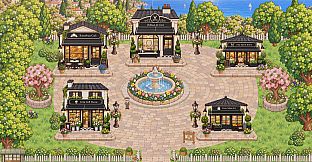
Lilloville is an indie casual simulation game centered on running a collection of small shops along a seaside shopping street. Players handle daily operations across five distinct stores while shaping the look of the street through various exterior options.
Gameplay
The core loop revolves around hands-on shop management in a relaxed setting. At the florist, the focus falls on arranging bouquets with attention to color and style. The cafe involves baking bread and creating latte art for customers. The salon centers on styling hair to suit individual preferences. The bistro requires preparing meals, and the convenience store handles stocking and serving everyday needs. These tasks unfold without timers or pressure, allowing players to work at their own speed.
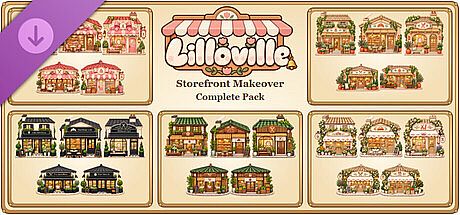
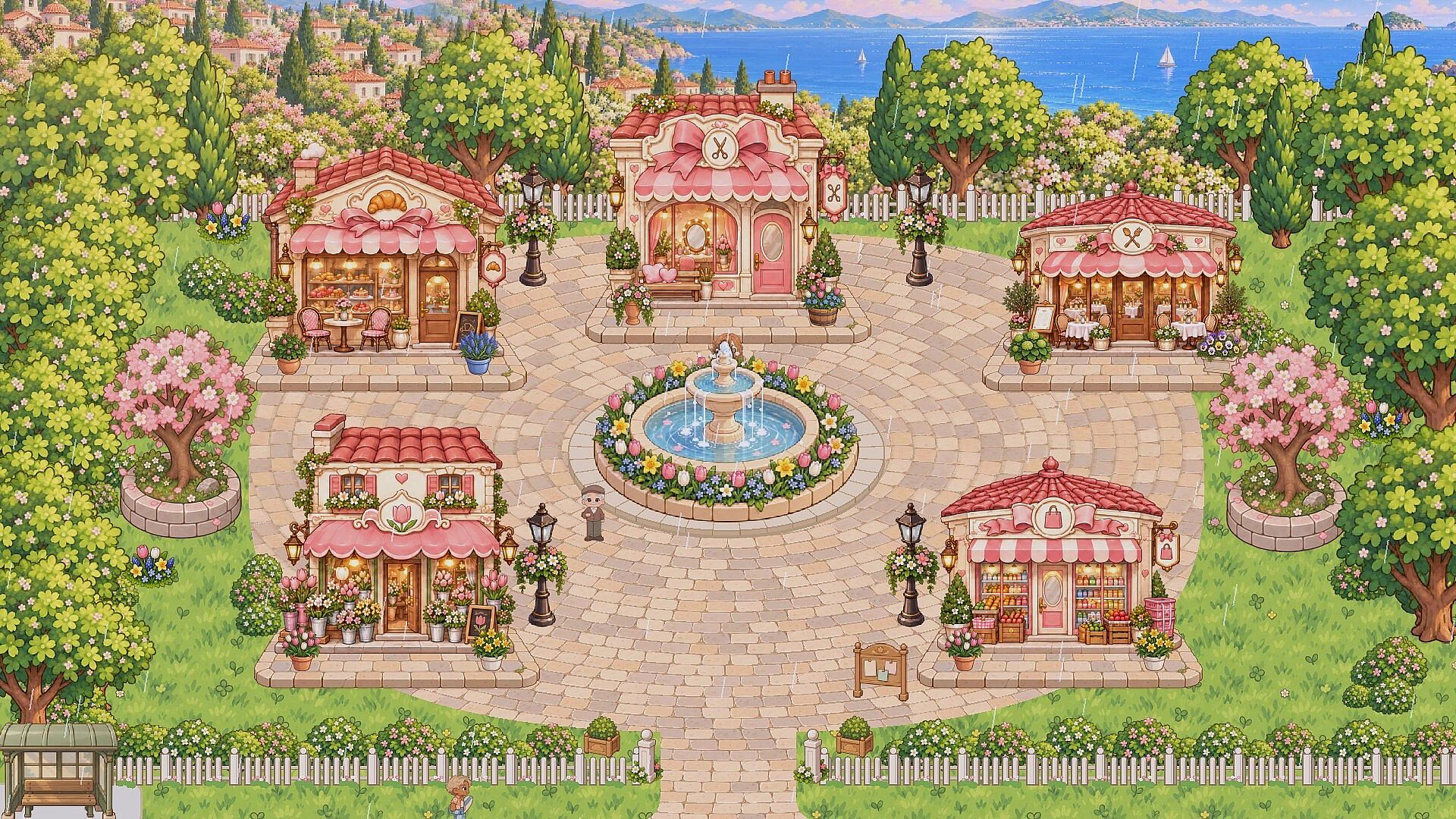
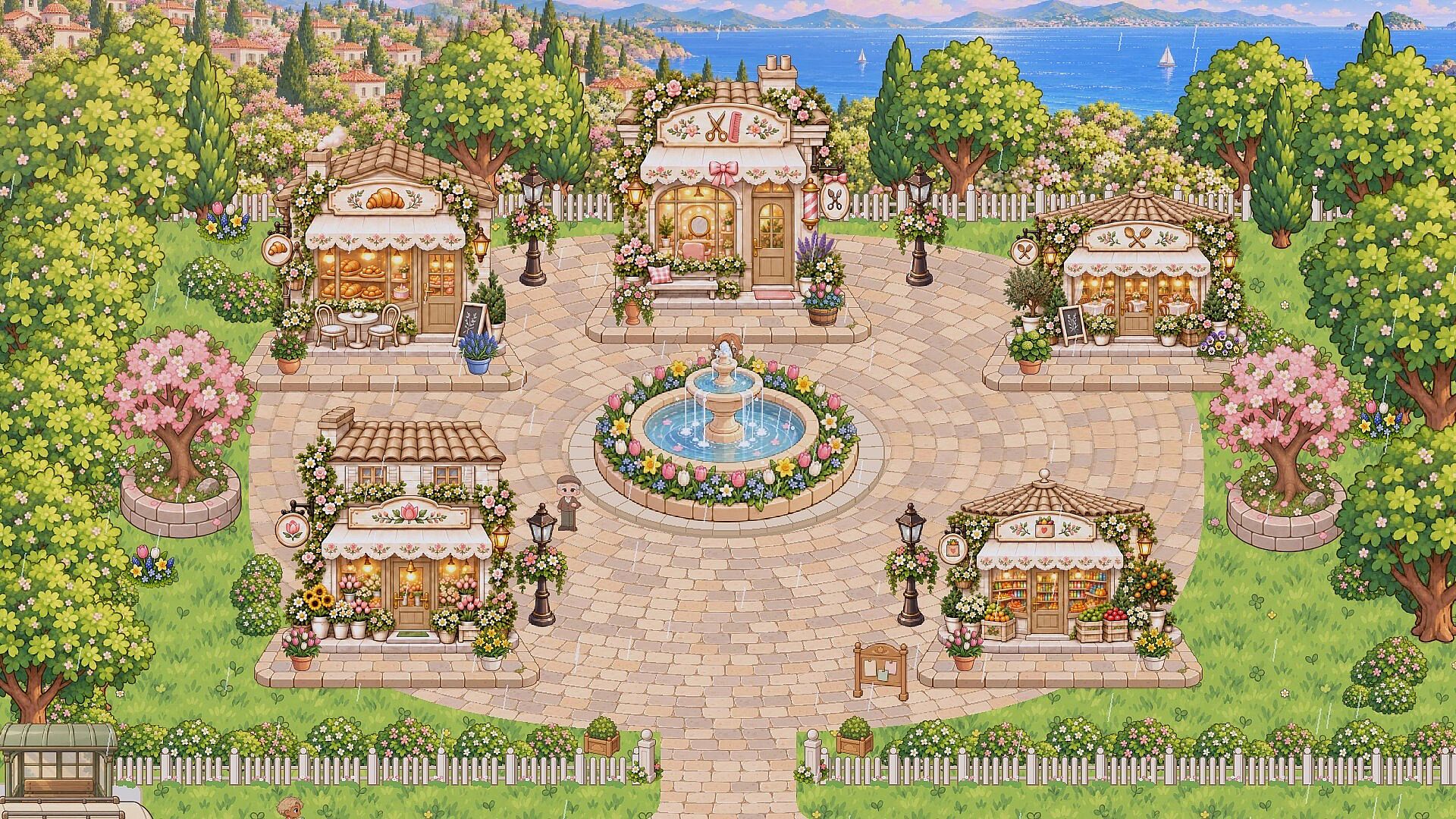
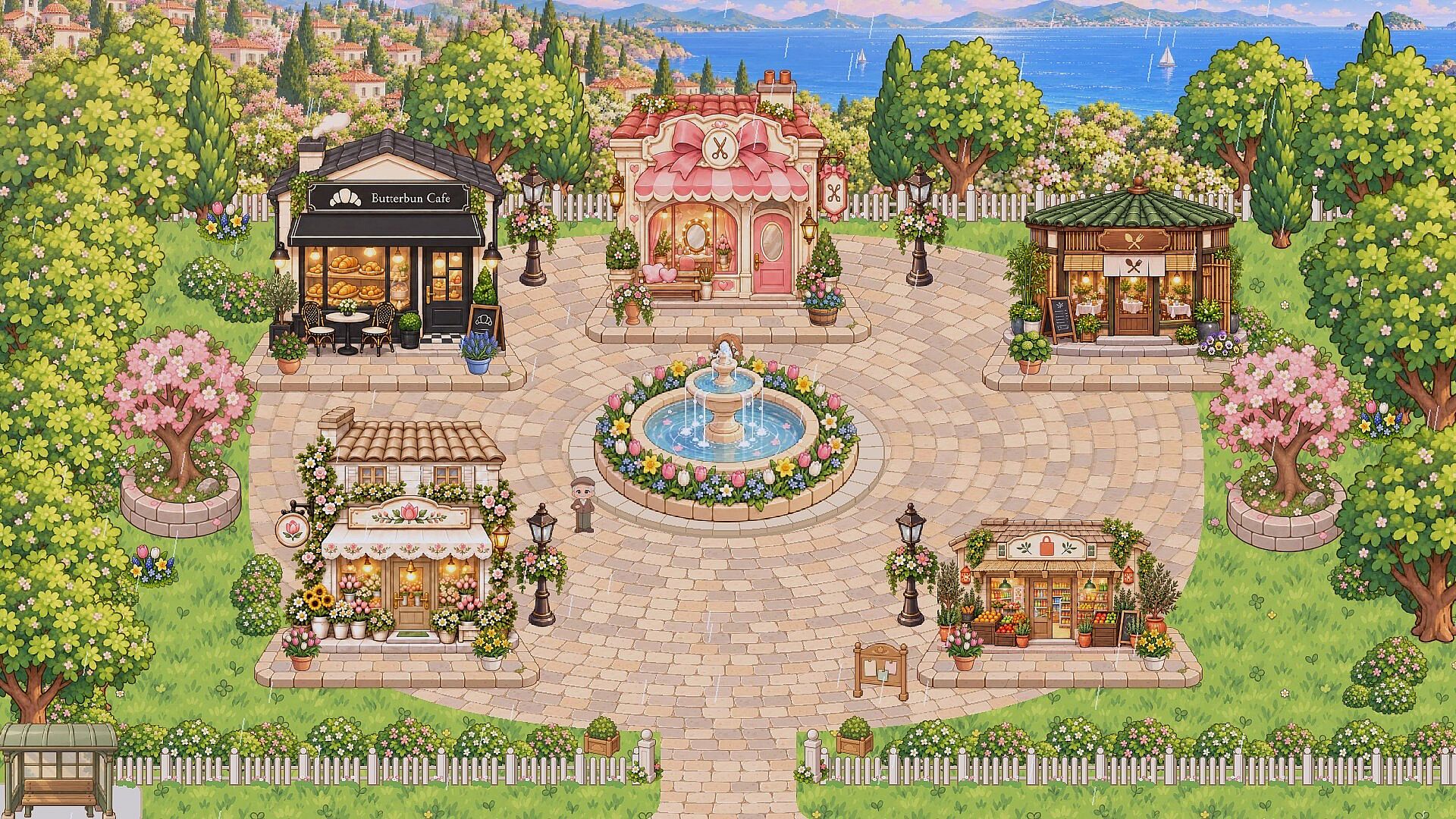
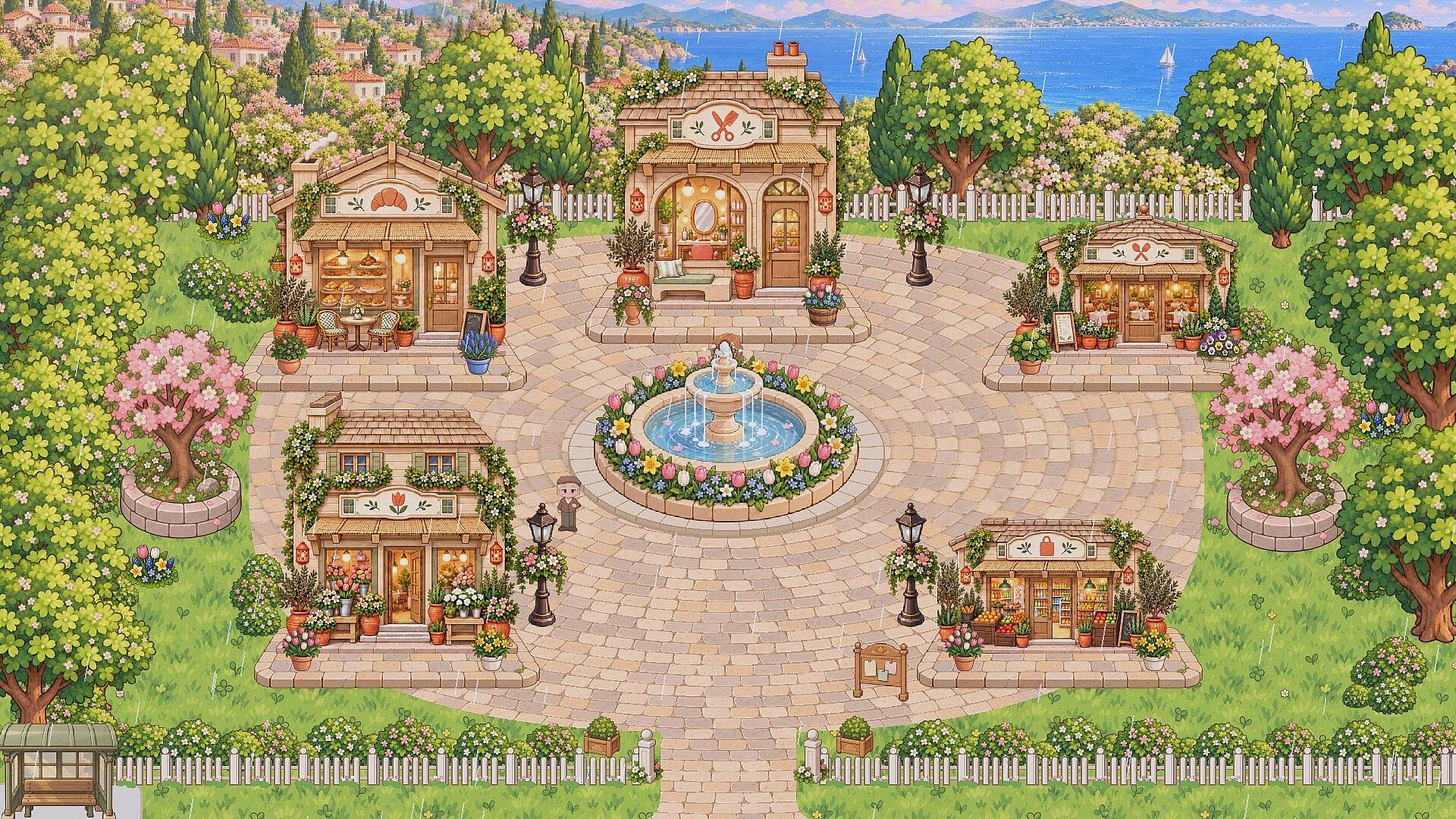
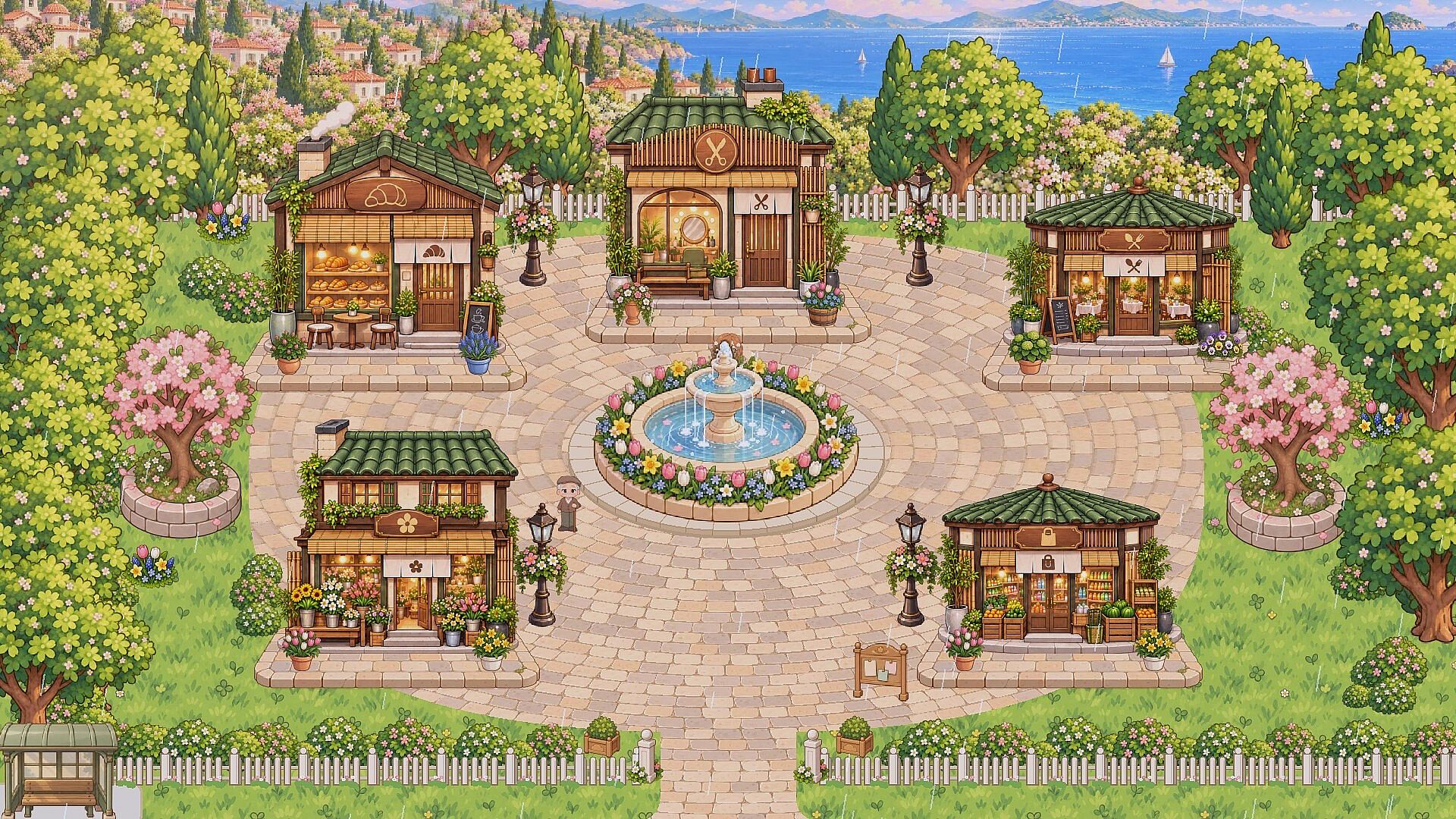
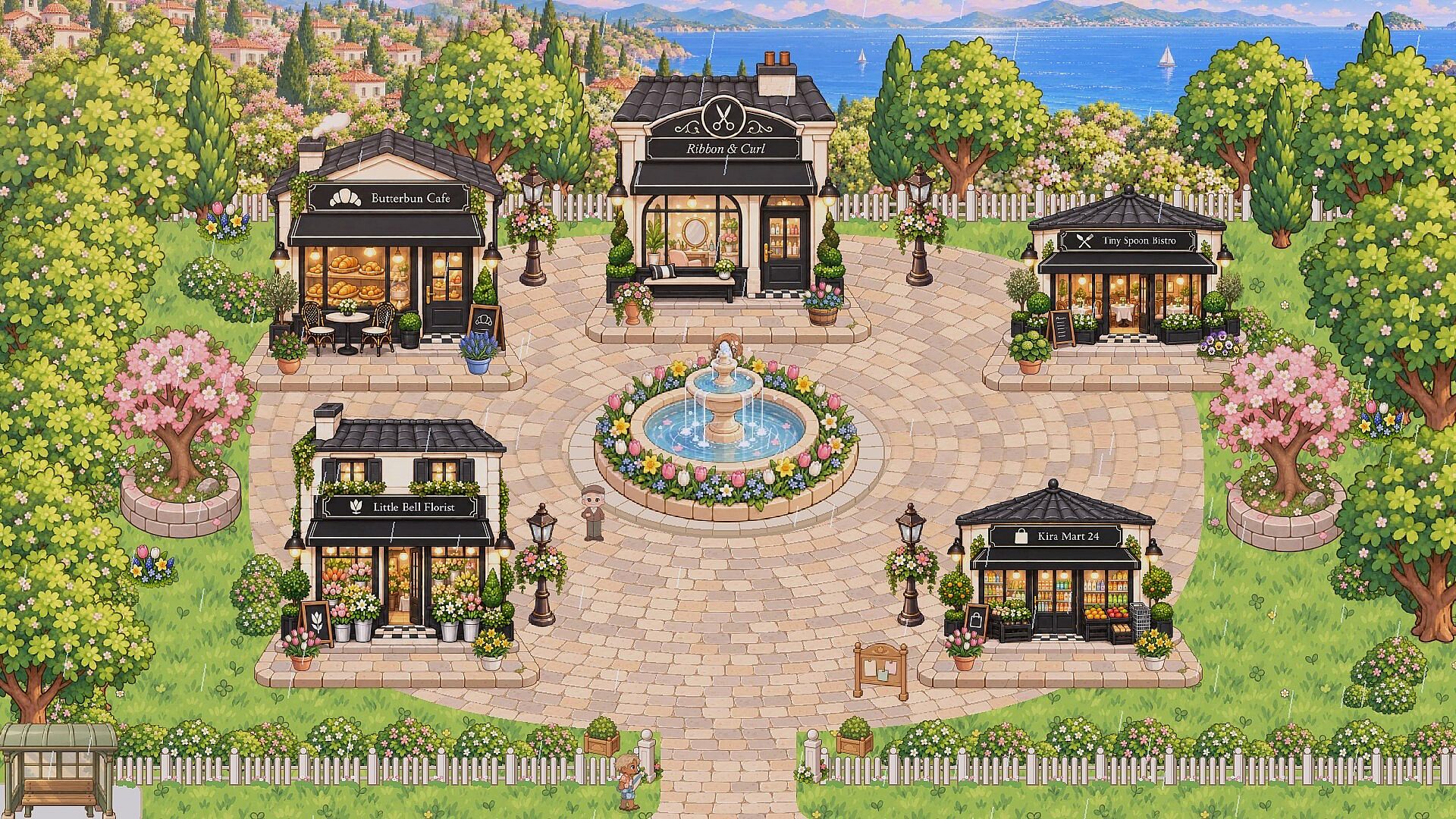
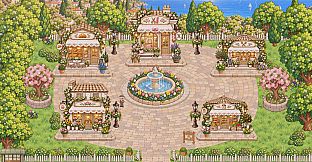
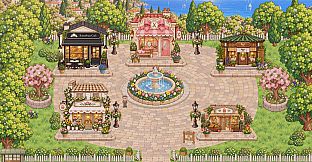
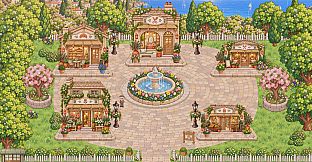
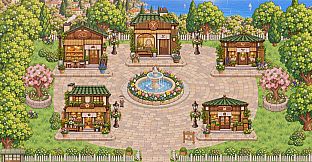
Shop decoration forms another key part of the experience. Players can adjust interiors and exteriors to create a cohesive street appearance. Five themed options stand out for storefronts: Cottage Bloom brings a floral, homey touch; Storybook Patisserie evokes whimsical bakery charm; Monochrome Atelier offers a sleek artistic look; Matcha and Bamboo introduces natural, serene elements; and Terracotta Courtyard adds warm, earthy tones. Each theme supplies matching exteriors for the florist, cafe, salon, bistro, and convenience store, resulting in 25 distinct storefront variations in total. Themes can be previewed in the inventory menu and applied to individual shops or the entire street. Players may mix themes freely or revert to the original appearance at any time, with choices saved automatically.
Beyond the shops themselves, the game encourages interaction with neighbors and exploration of the small joys found in daily life along the street. All changes to storefronts remain permanent cosmetic unlocks that leave interior furniture, shop progress, and rewards untouched.
Game Modes
Lilloville operates as a singleplayer experience with no separate competitive or multiplayer modes. The entire game centers on personal progression through shop operations and customization in one continuous seaside setting. Players advance by managing their stores, refining appearances, and building connections with the local community at their own pace.
This structure keeps the focus on steady, low-pressure activities rather than structured challenges or seasonal events. The absence of timers or external pressures means the gameplay remains consistent whether a session lasts minutes or hours.
Shop Customization and Street Life
Exterior themes provide extensive options for personalizing the shopping street. Applying Cottage Bloom, Storybook Patisserie, Monochrome Atelier, Matcha and Bamboo, or Terracotta Courtyard lets players create varied atmospheres across the five shops. These choices support mixing and matching, so one shop might feature a cottage style while another adopts a patisserie look.
Daily life on the street extends beyond transactions. Players meet neighbors, observe the rhythm of the seaside location, and enjoy the cumulative effect of their shop improvements. The permanent nature of the exterior unlocks encourages experimentation without risk to ongoing progress.
Is It Worth Playing?
Lilloville suits players who enjoy relaxed shopkeeping simulations and creative customization in a casual indie format. The singleplayer focus on managing multiple stores through specific tasks like bouquet arrangement, baking, and meal preparation delivers a steady, approachable loop. Those drawn to life sim elements will find value in the freedom to decorate and refine the street appearance using the available themes.
The game emphasizes personal pacing and small-scale satisfaction over complex systems or high-stakes elements. With its emphasis on cozy seaside shop life and flexible storefront options, it appeals directly to fans of simulation titles that prioritize decoration and routine management. The complete set of themes expands customization depth, making repeated visits to the street feel fresh through visual variety alone.