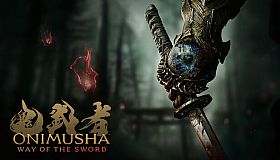




Onimusha: Way of the Sword is a single-player action RPG adventure set in a dark fantasy version of Edo-period Kyoto. Players take control of legendary swordsman Miyamoto Musashi as he wields an Oni Gauntlet to battle supernatural Genma threats and navigate a world twisted by malice. The experience centers on precise sword combat and exploration across linear stages with occasional side content, all built around deliberate timing and resource management rather than open-ended freedom.
Gameplay
Combat forms the core loop, emphasizing weighty sword strikes delivered through one-handed light attacks and two-handed heavy attacks. Musashi can block from any direction while holding guard, though sustained blocks drain stamina. A well-timed parry redirects enemy blows and repositions foes, while a deflect variant drains enemy stamina more aggressively and can return projectiles. Perfectly timed dodges trigger a Reflex Dodge that builds a gauge for powerful follow-up combos once filled.
Defeated enemies release colored souls that the Oni Gauntlet absorbs. Yellow souls restore health, blue souls charge the Oni Power gauge for special armaments, and red souls fund upgrades to equipment and abilities. The signature Issen mechanic rewards striking an enemy at the exact moment before their attack lands, often leading to instant kills on weaker foes or posture breaks on bosses that open further opportunities. Environmental interactions, such as using objects as shields or improvised weapons, add tactical options during encounters.
Progression involves upgrading the sword for damage, clothing for health and stamina, and the gauntlet for faster soul absorption through materials collected at Spirit Mirrors. The game maintains a focus on single katana use throughout, with layered defensive tools and counter systems that reward patience and precise inputs over rapid button presses.
Game Modes
The primary experience unfolds through the main story campaign, a largely linear journey punctuated by open areas and optional side quests. Players advance through stages filled with Genma encounters, rival swordsmen, and boss fights that test mastery of the combat systems.
Two difficulty settings shape the campaign. Story mode reduces enemy damage output, widens parry windows, and includes on-screen action prompts that display the required button and timing for defensive maneuvers. Action mode removes these assists and maintains standard challenge levels for players seeking unassisted combat depth. No separate multiplayer or competitive modes exist; the entire package remains a focused single-player adventure.
Characters and Appearance Options
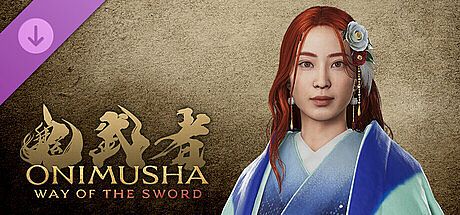
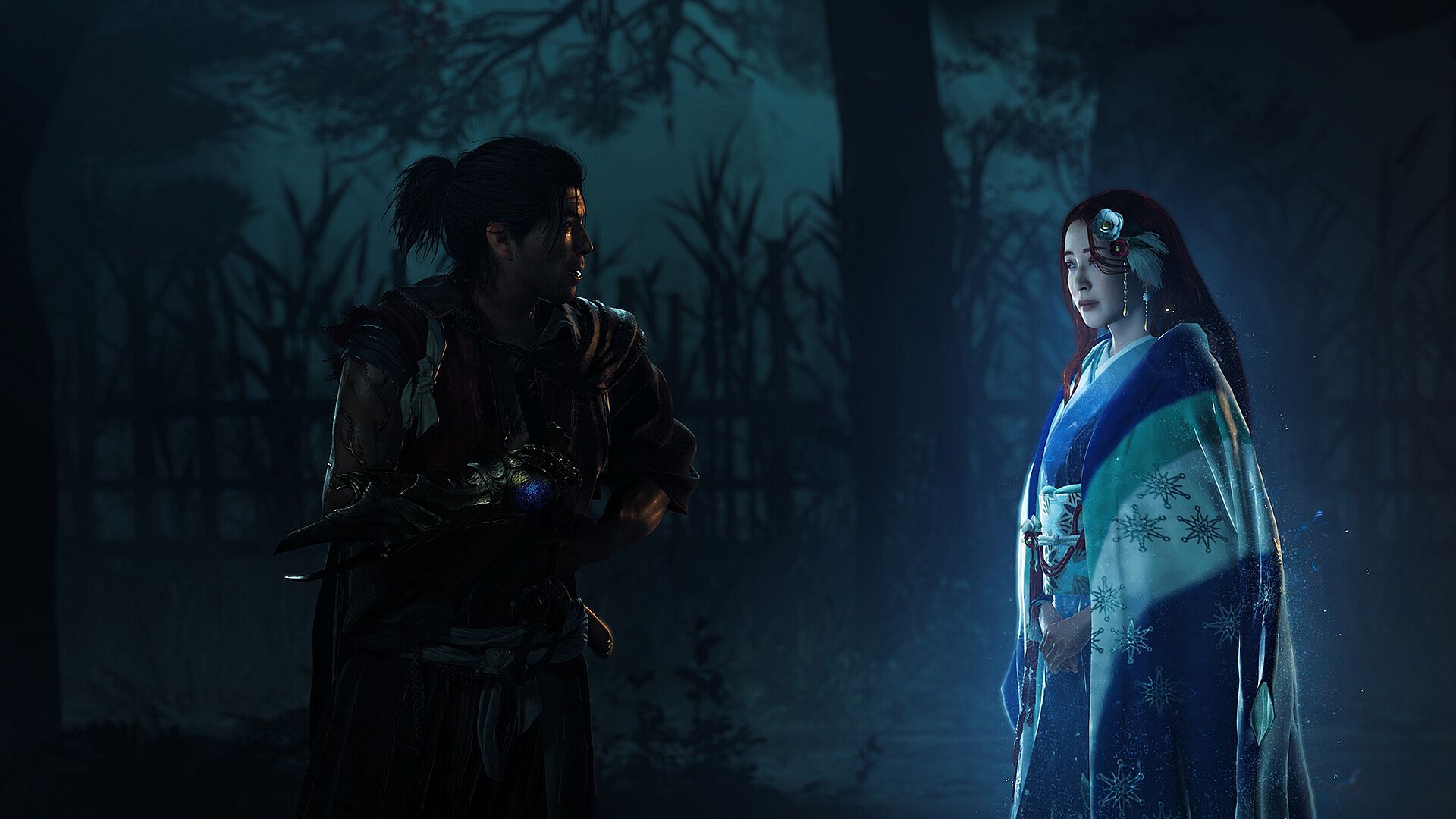
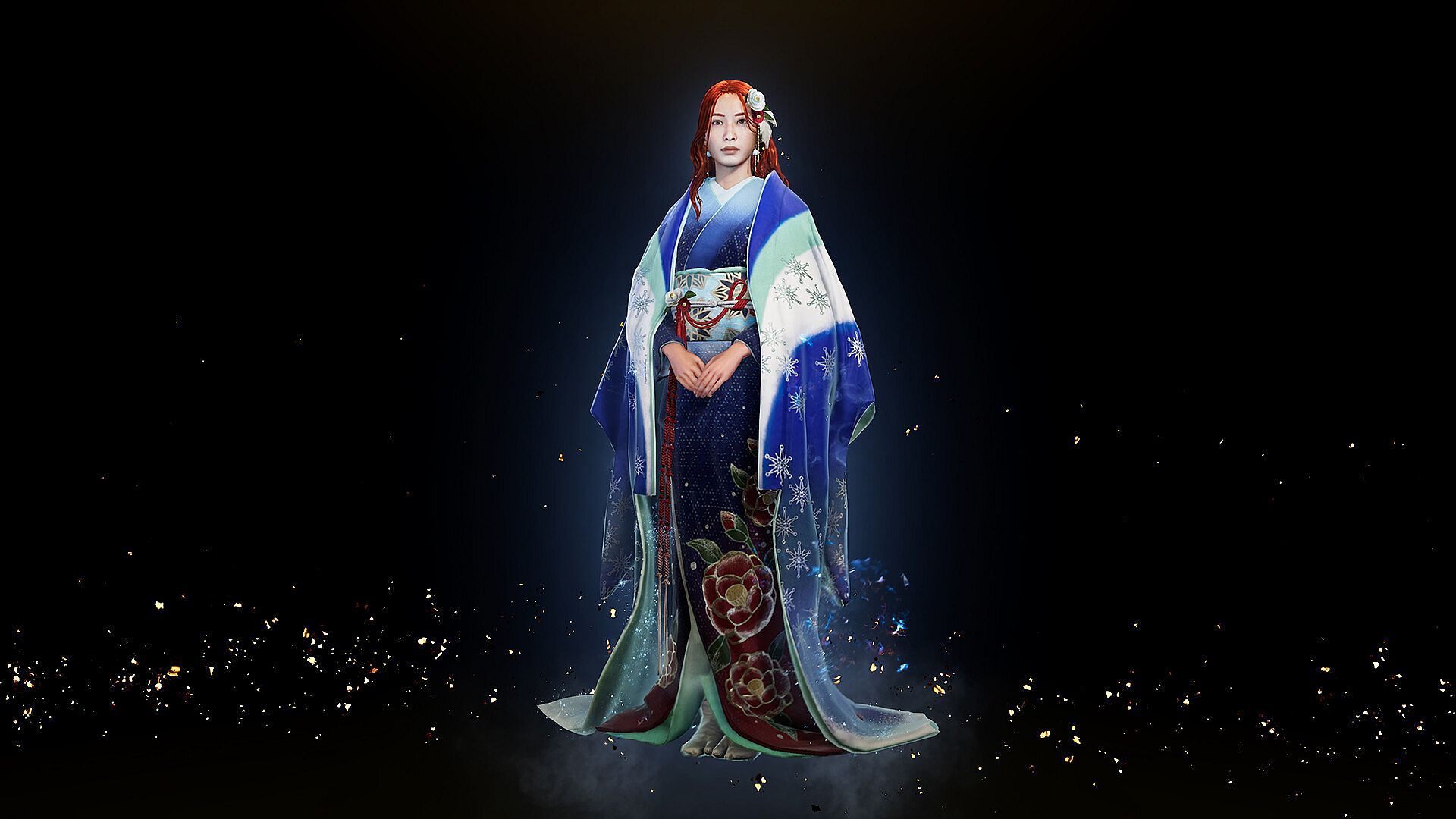
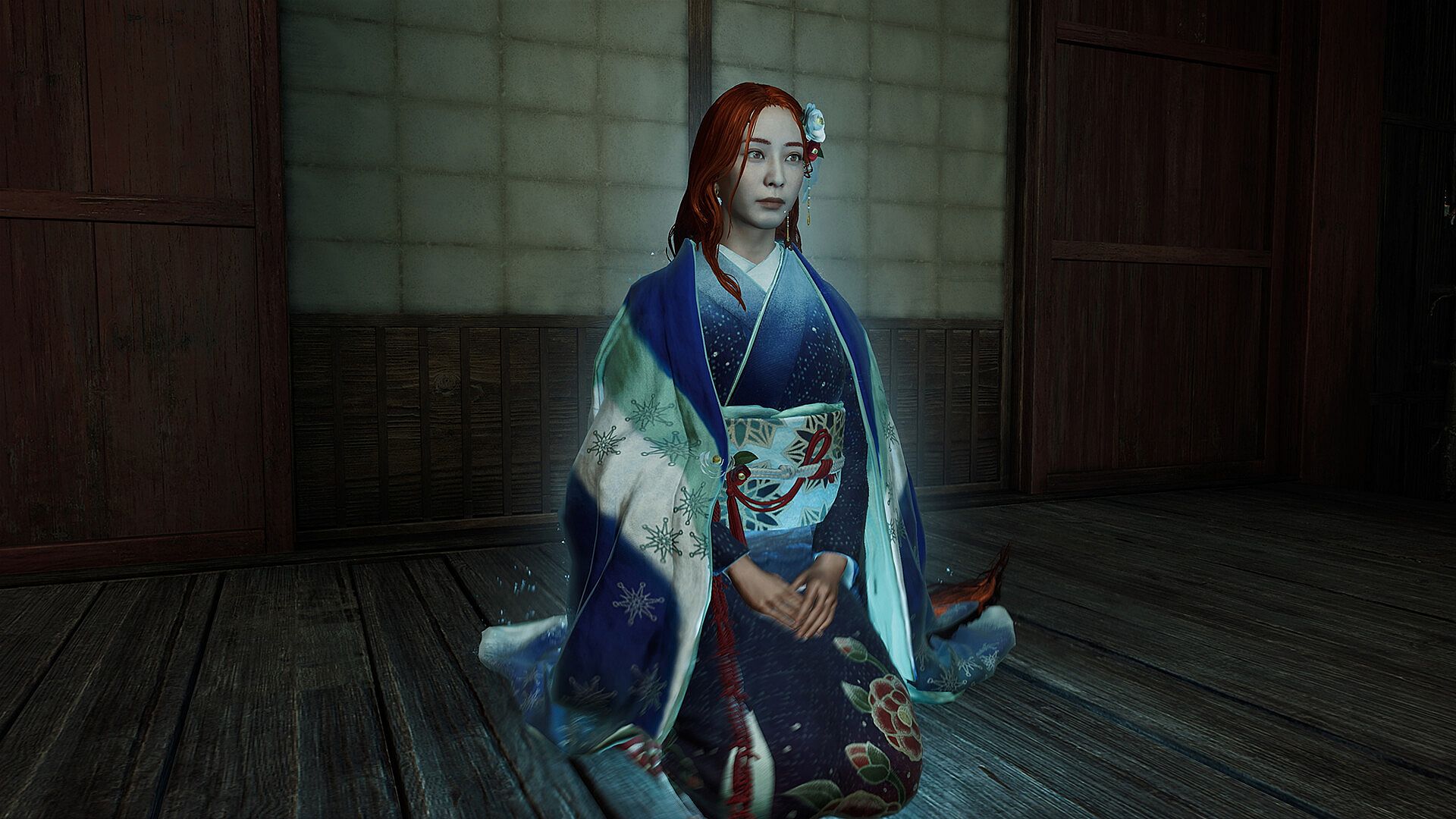
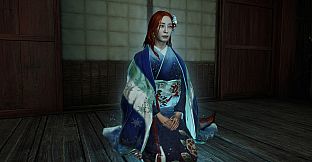
Miyamoto Musashi serves as the central protagonist, supported by figures such as the Oni Lady. Cosmetic outfits allow visual customization for these characters, including the Snow Camellia ensemble for the Oni Lady. This refined attire evokes the resilience of a snow camellia blooming in harsh winter conditions and can be equipped through the Spirit Mirror menu once unlocked during progression. Outfit changes occur via the Change Appearance option in the same menu, providing a way to alter appearances without affecting core gameplay mechanics.
Is It Worth Playing?
Reviews highlight the combat as exceptionally satisfying, with layered swordplay, strong animations, and memorable boss encounters standing out as strengths. The game delivers a roughly 20-hour campaign that rewards players who invest in learning its timing-based systems. Side content receives mixed feedback for feeling formulaic, and some pacing issues appear early in the story, yet the overall reception remains positive for those drawn to deliberate action-adventure experiences.
This title suits players who enjoy precise parry and counter mechanics in a historical fantasy setting with supernatural elements. It offers no free modes or trials beyond standard purchase, and continued support focuses on the base campaign rather than seasonal updates. Those seeking weighty, skill-focused sword combat will find the systems rewarding, while players preferring faster-paced or multiplayer-focused games may find the deliberate pace less appealing.