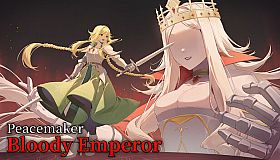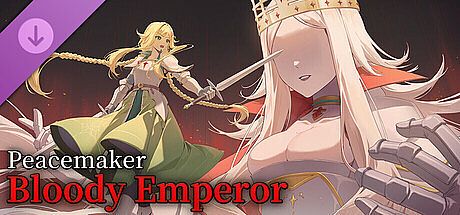



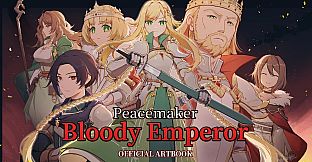
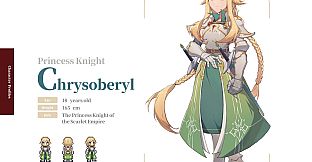
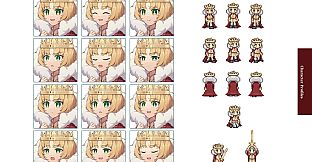
Peacemaker: Bloody Emperor is an indie JRPG that blends adventure elements with a focused narrative about moral compromise and personal decline. Players follow a princess knight as she confronts a usurper known as the Bloody Emperor while navigating political pressures and shifting alliances that test her original ideals.
Gameplay
The core loop centers on exploration and story progression supported by turn-based combat encounters. Battles emphasize strategy over repetition, requiring players to leverage ally strengths and target enemy weaknesses without any need for leveling or resource farming. A 2.5D camera system adds depth to scenes during key moments, enhancing the sense of place in the dark fantasy setting.
Character development unfolds through dialogue and events that reflect the protagonist's gradual change. Decisions and circumstances push her toward pragmatic or questionable actions, creating a sense of internal conflict that ties directly into the overall progression. The game supports single-player sessions that can be adjusted in length and intensity depending on preferred focus.
Game Modes
Difficulty options allow customization of the experience. Combat-free mode removes battles entirely, converting the title into a linear visual novel that can be completed in roughly three hours. Standard play includes full turn-based fights with strategic layers, while higher settings introduce greater challenges for those seeking tougher encounters.
Demo versions provide early chapters that introduce both narrative threads and combat systems. These segments demonstrate how story choices influence available actions and how party members interact during fights, giving a clear preview of the balance between dialogue and tactical elements.
Narrative and Themes
The story follows the princess knight's efforts to reclaim her position after a coup and a political marriage. External threats, including the rise of a female dark lord, compound the pressures and force reevaluation of long-held principles. Themes of disillusionment and compromise emerge naturally through events rather than exposition alone.
Connections to prior entries in the series exist but remain optional. Each installment functions independently, so new players can engage with this title without prior knowledge while series followers may notice overlapping world elements and character references.
Is It Worth Playing?
The full release arrives on September 14, 2026, after a period of demo feedback and refinement. The available demo has received consistently positive responses for its story delivery and combat approach. Those drawn to short, narrative-driven JRPGs with morally complex characters will find the structure appealing, especially if they value strategic battles that avoid repetitive preparation.
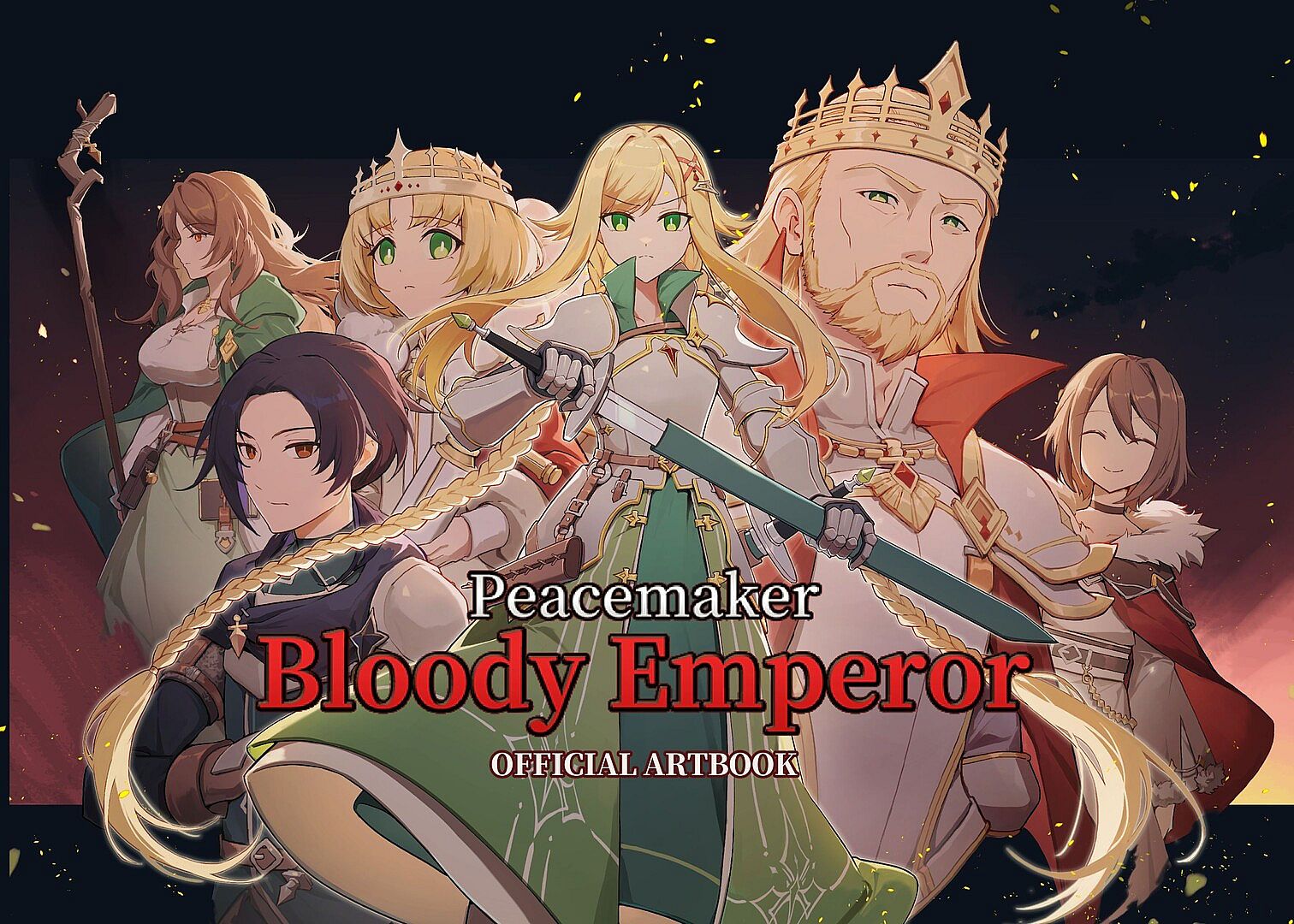
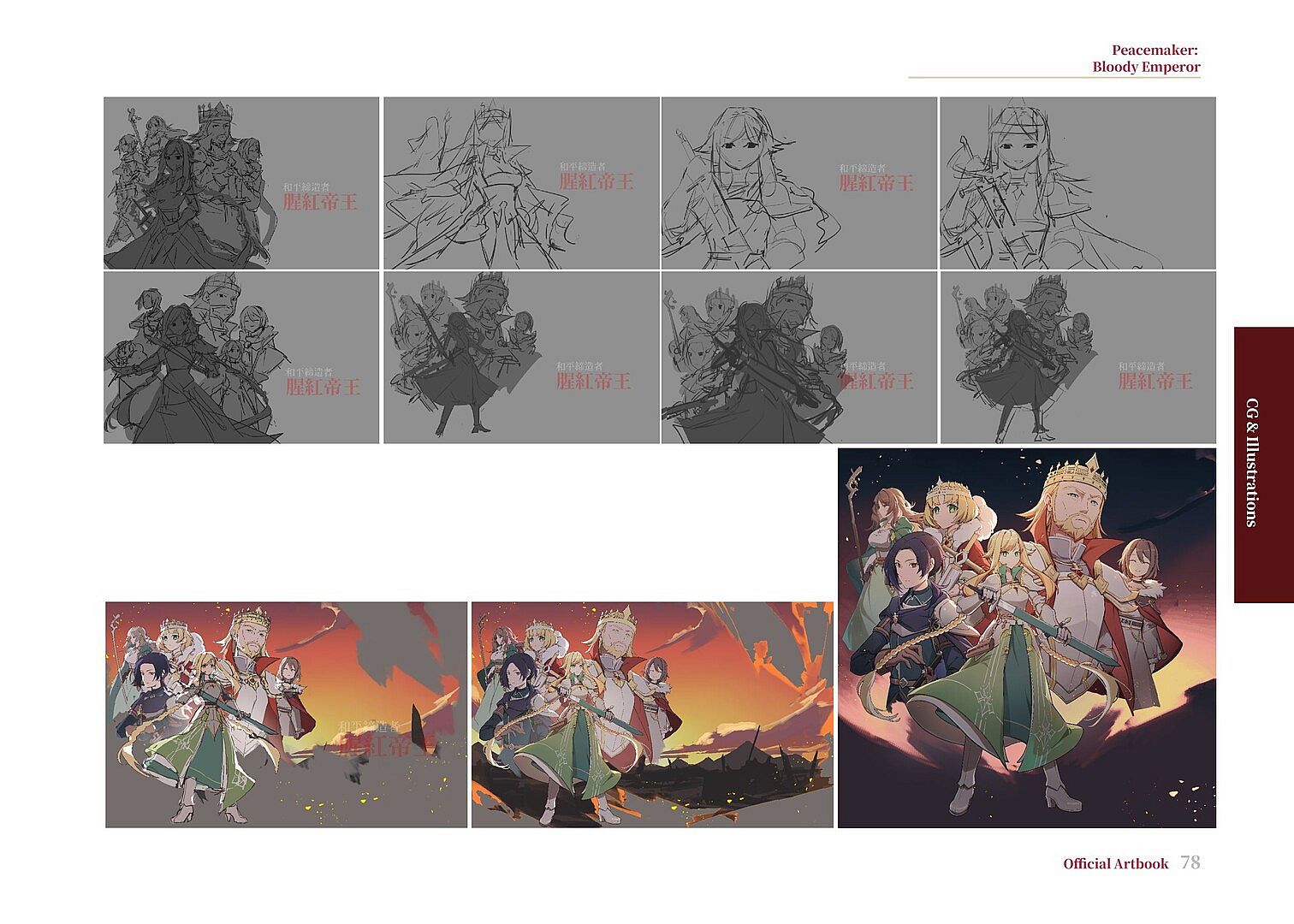
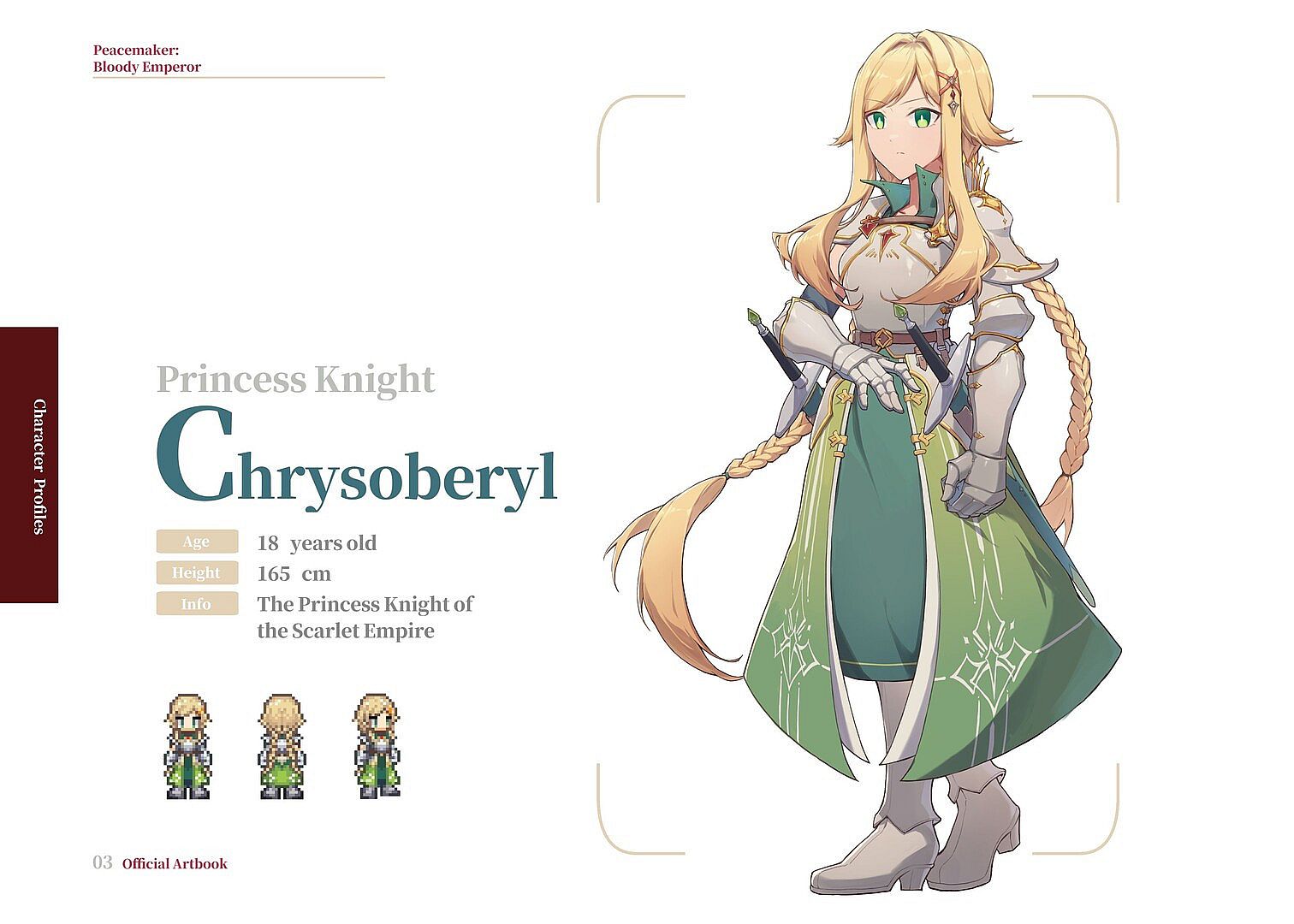
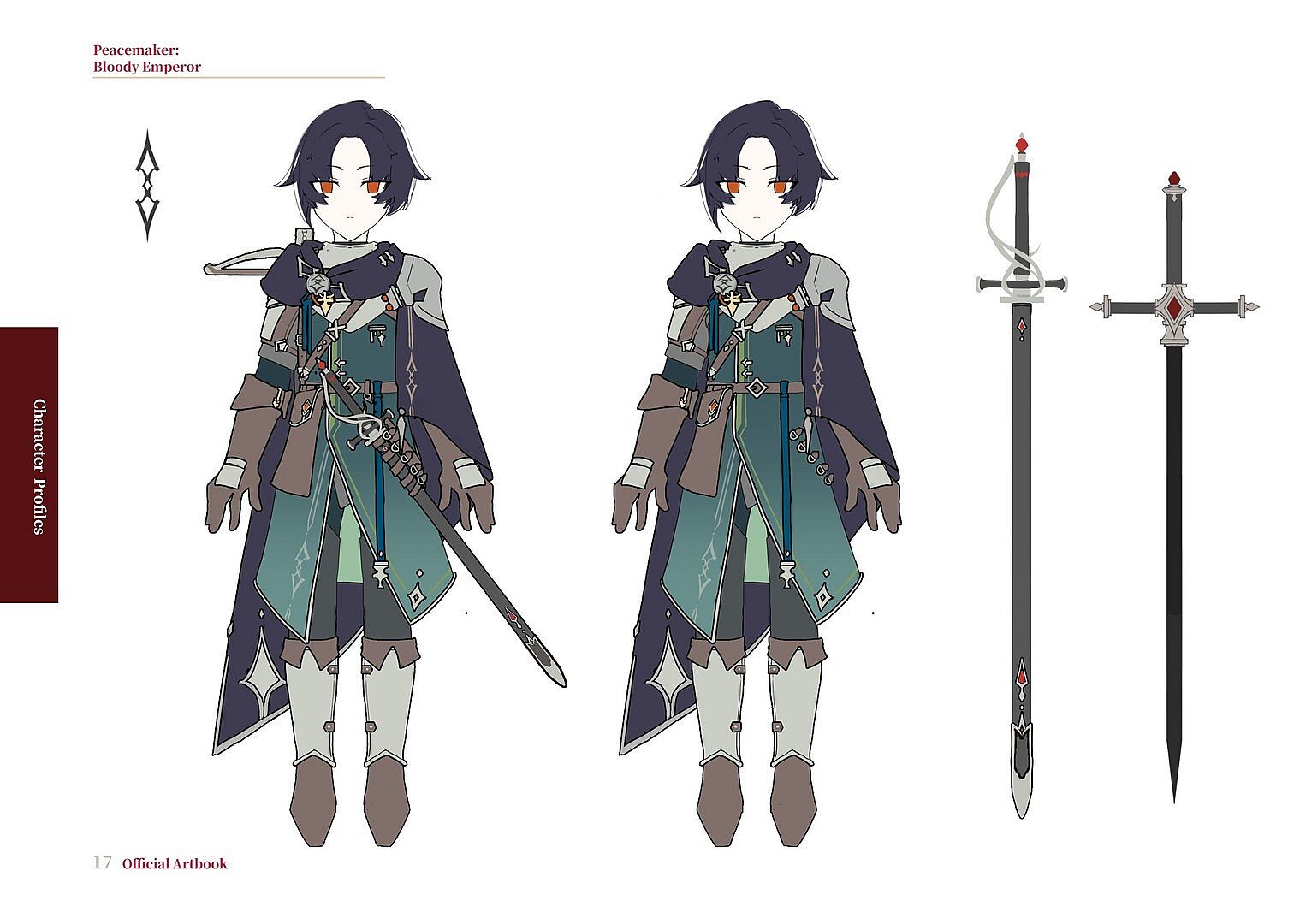
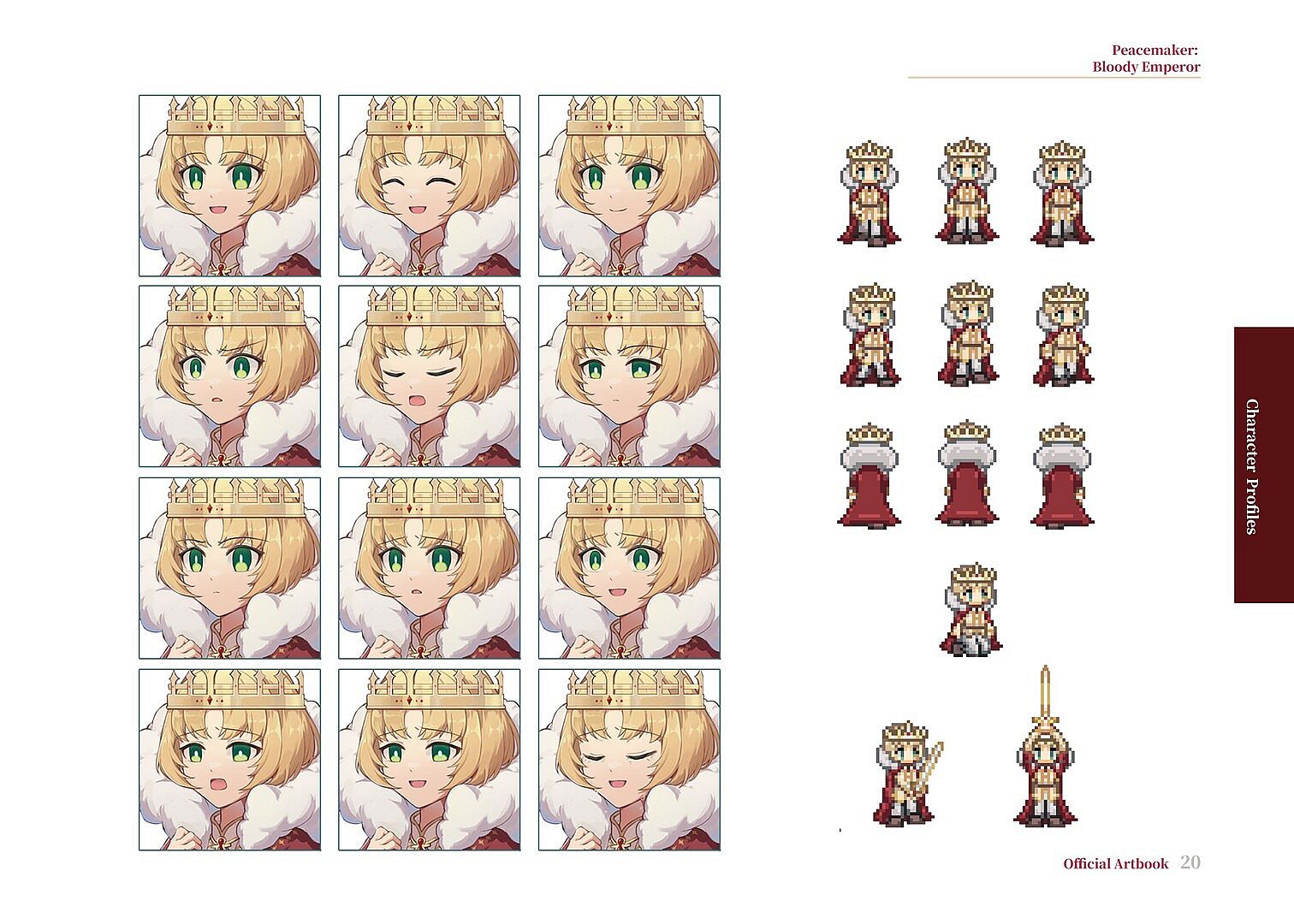
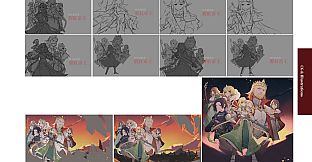
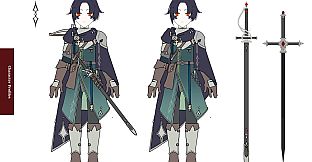
Players interested in the artbook receive it automatically upon purchase. The roughly 100-page collection includes concept art tracing character designs and developer notes on the project's direction, accessible directly from the installed game files through the platform's properties menu. This addition suits fans who appreciate behind-the-scenes material alongside the main experience.
Overall suitability depends on preference for focused single-player stories over expansive systems. The emphasis on psychological progression and adjustable difficulty makes it accessible for story-focused players while still offering depth for those who engage with the combat layer.