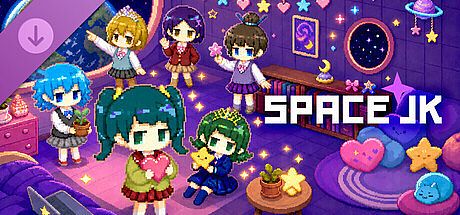




SPACE JK is a free-to-play casual simulation game on PC that centers on hatching unique dot-art residents called JKs and building a relaxing space life around them. Players collect over 150 distinct pixel stickers drawn daily by these characters while customizing rooms across six distinct themes. The experience blends idle progression with light social features, all without requiring purchases to enjoy the core loop.
Gameplay
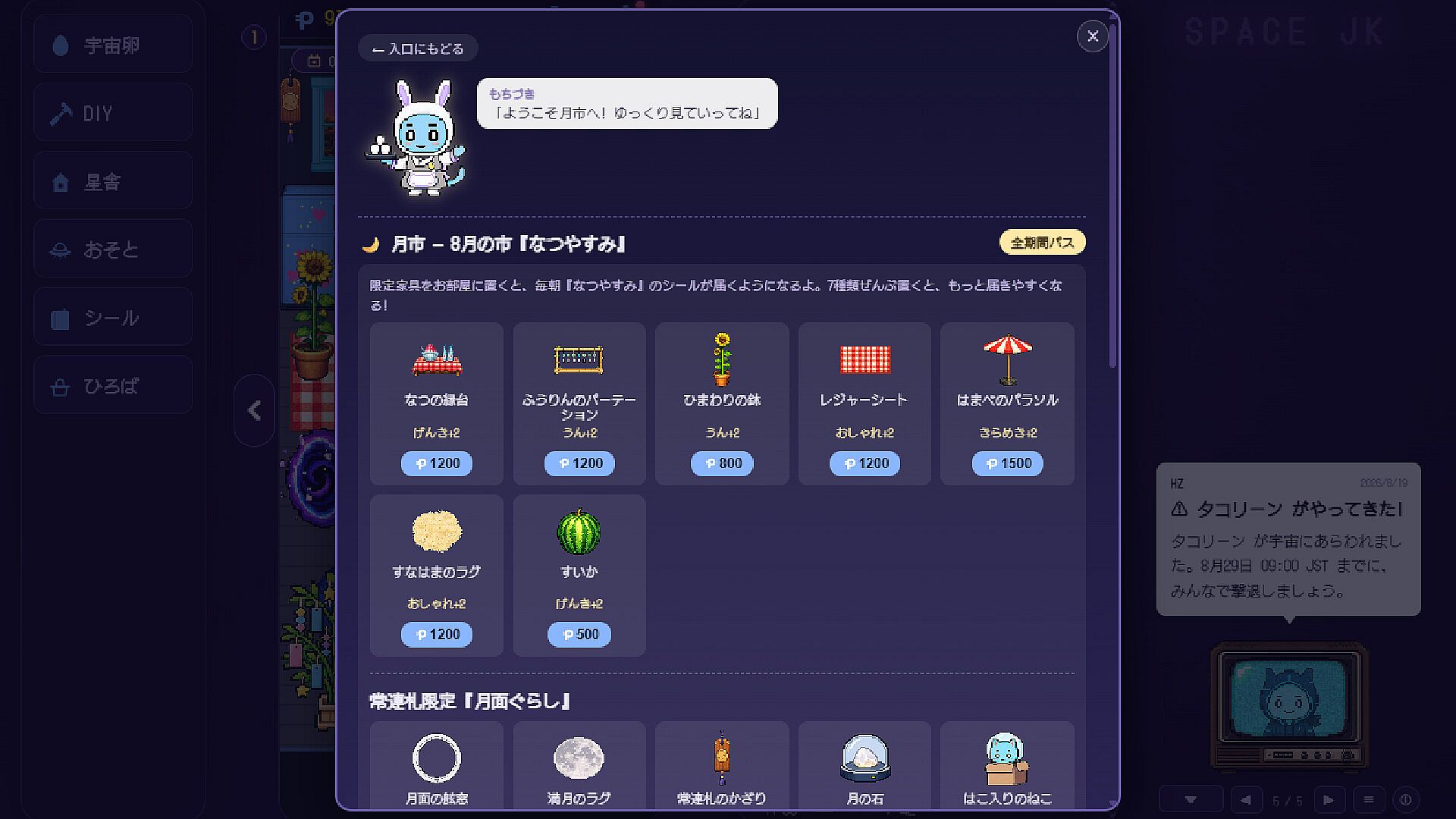
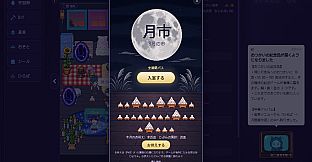
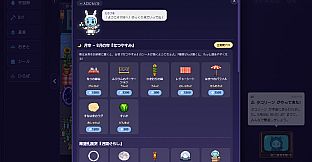
The central loop begins with cracking cosmic eggs to welcome JKs into your room. Each JK has one of ten personalities that influence their behavior and dialogue, from affectionate types that request hugs to more independent ones that follow strict schedules. Players furnish rooms using items from the monthly Moon Market, selecting from themes such as Japanese style, dreamy cute, cyber, Heisei gal, natural, or mass-produced landmine. Wall and floor options adjust automatically, and the view outside the window shifts to match the chosen atmosphere.
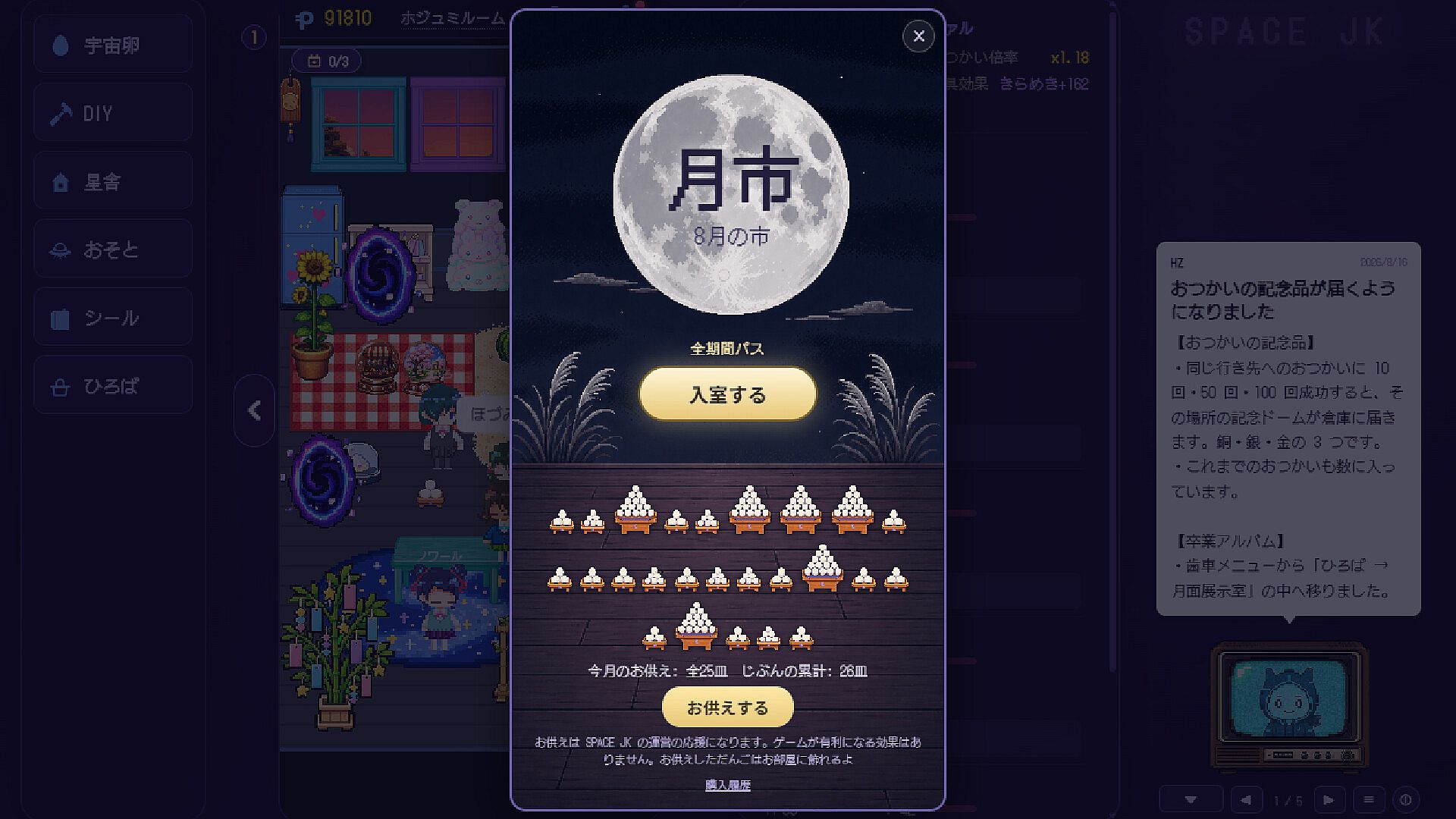
Once furniture like tables is placed, resident JKs produce one new dot-art sticker each day. These stickers form the main collection goal, with players organizing them into personal albums. Interaction comes through simple actions such as offering snacks or petting heads to raise closeness, which in turn supports steady sticker output. The Moon Market refreshes its lineup every month, and the Regular's Tag provides permanent access to purchases without repeated entry tickets, though the base game remains fully playable without it.
Progress feels steady for short daily sessions. Logging in reveals new stickers, allows room adjustments, and sends JKs on errands that can yield additional rewards. The system supports multiple rooms for those who expand their space, enabling parallel management of different JK groups.
Game Modes
SPACE JK operates primarily through its single-player room management and collection system, with optional social layers that connect players without forcing competition. The daily routine forms the core experience, where checking sticker production, rearranging furniture, and reviewing albums occupy most playtime.
Social elements include contributing to a shared public sticker album that the community builds together, exchanging stickers or JK recommendations with others, and participating in cooperative raids against alien visitors. A scouting system lets players invite recommended JKs from the community into their own rooms. These features remain accessible at any pace and do not gate the main collection or decoration activities.
No separate competitive or story-driven modes exist beyond the ongoing collection and room-building loop. The design emphasizes relaxed observation and gradual accumulation rather than timed challenges or ranked play.
Room Themes and JK Personalities
Six room themes give visual variety and subtly influence sticker aesthetics. Japanese style favors traditional motifs, while cyber leans into neon and tech patterns. Heisei gal captures retro 90s vibes, and the mass-produced landmine theme adds quirky, high-volume details. Players mix and match furniture within these frameworks to create personalized spaces.
The ten personalities add flavor through distinct lines and habits. Some JKs chat with walls or misplace shoes, while others maintain perfect routines or seek constant attention. These traits appear in idle animations and short conversations, making each resident feel individual without complex mechanics.
Is It Worth Playing?
SPACE JK suits players who enjoy idle collection games and low-pressure room customization. The free entry point allows full access to hatching JKs, daily sticker gathering, and basic decoration, with the Regular's Tag serving only as a convenience for frequent Moon Market buyers. Browser play supports quick sessions on PC or mobile, and save data carries over to the upcoming Steam version.
Community features add optional depth for those who like sharing albums or joining light cooperative events. The game remains in active open beta with regular updates, including new furniture options and errand systems. Its focus on gentle daily progress and visual charm makes it a fit for collectors who prefer relaxed pacing over intense gameplay.