







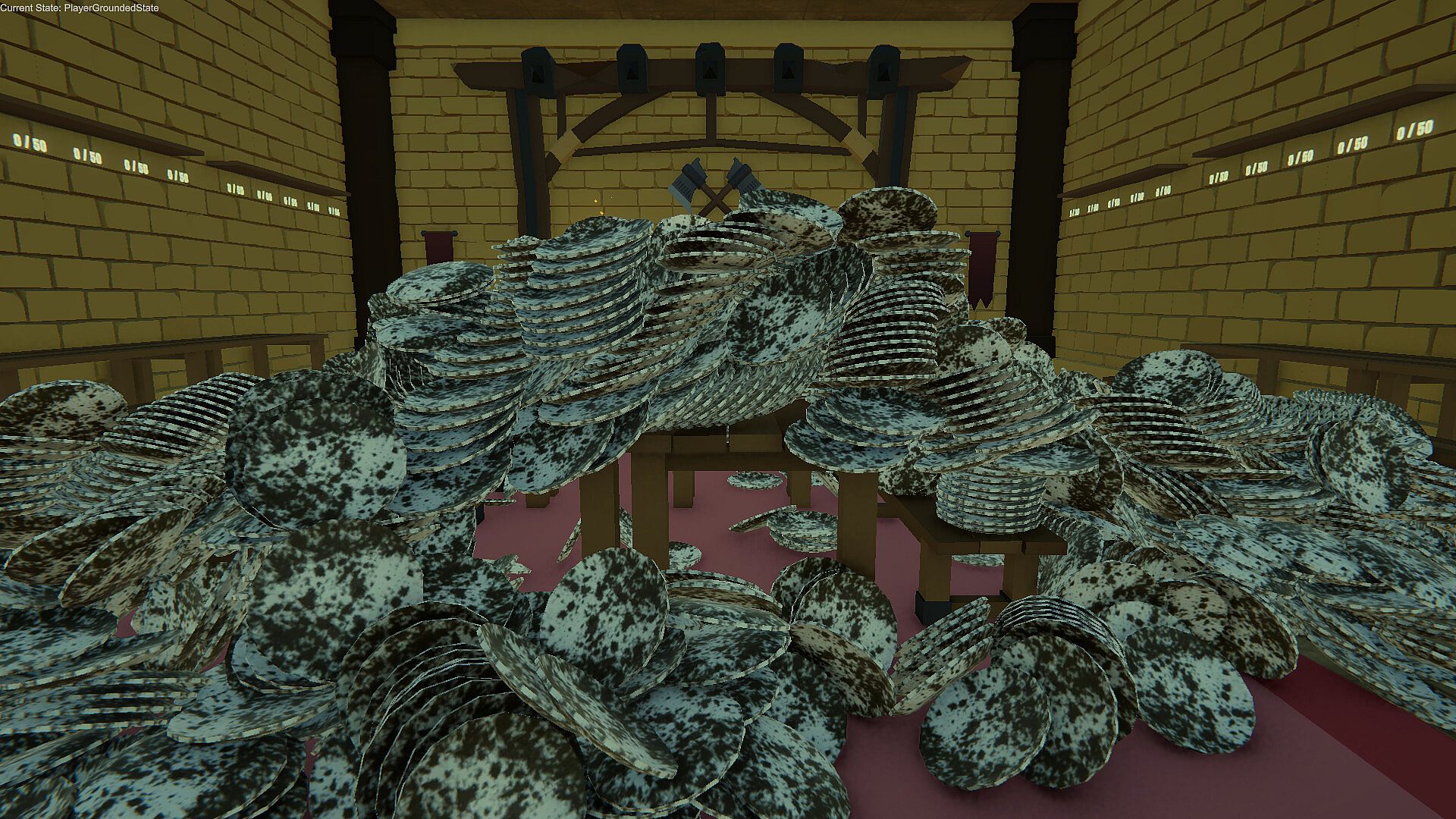
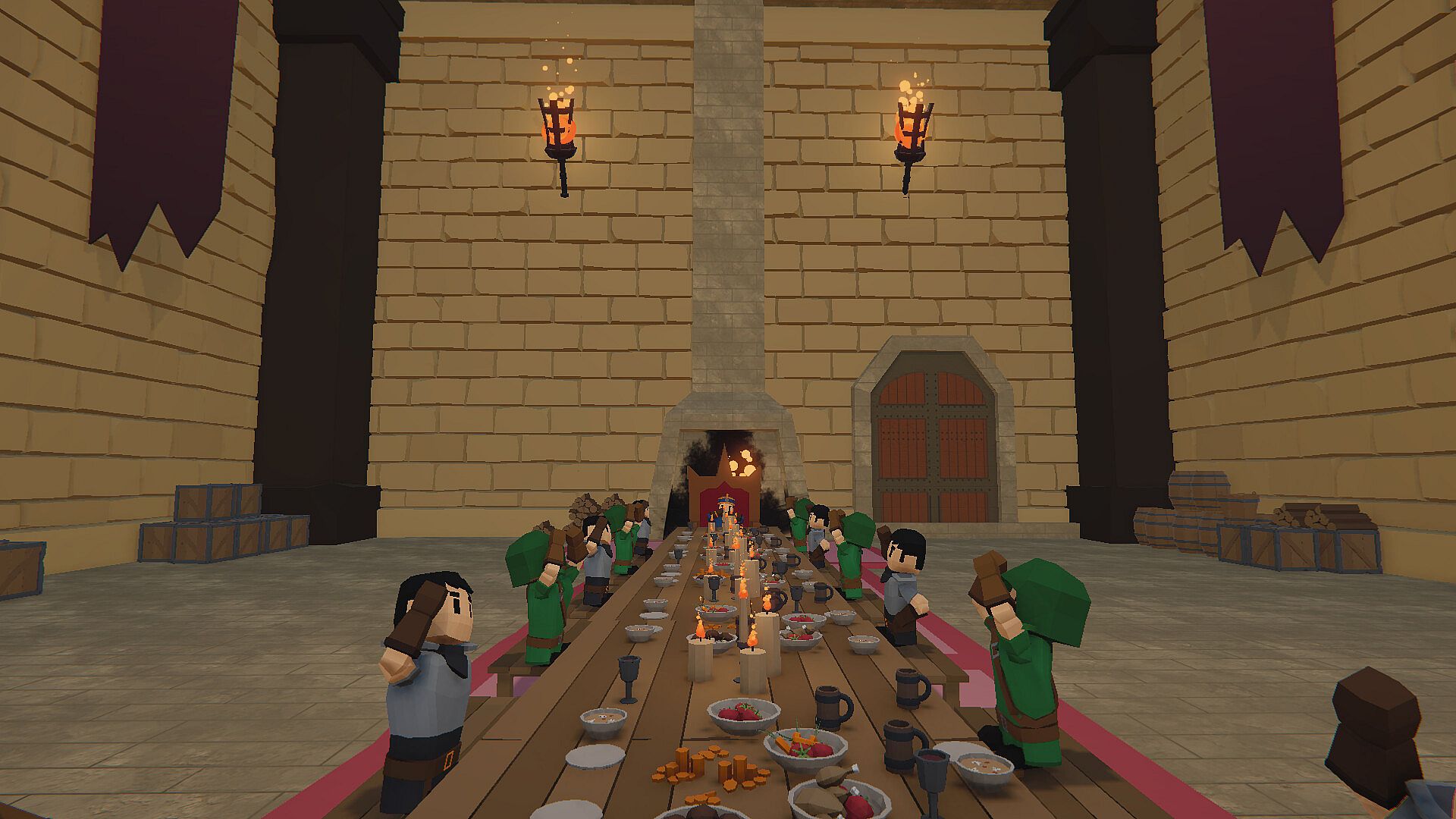

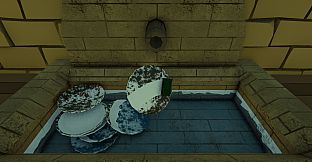
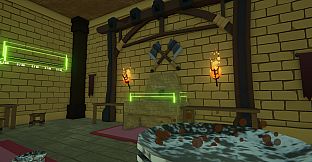

3000 Dishes is an indie simulation game set in a medieval kingdom where players take on the role of the sole dishwasher tasked with cleaning an enormous pile of dishes after a grand feast. The experience focuses on a straightforward yet oddly compelling chore that unfolds at a deliberate pace, turning a mundane job into a meditative activity filled with small moments of satisfaction.
Gameplay
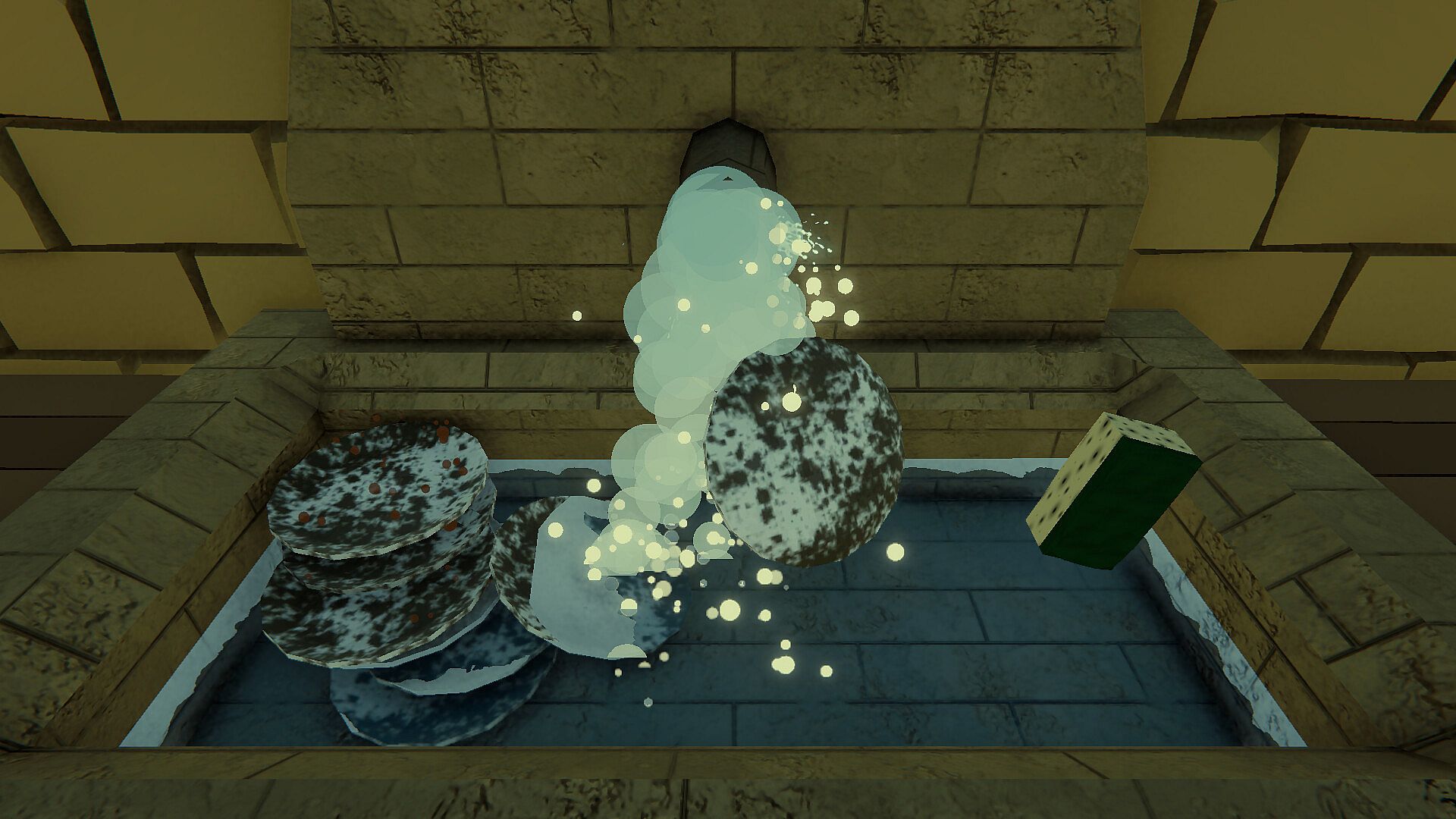
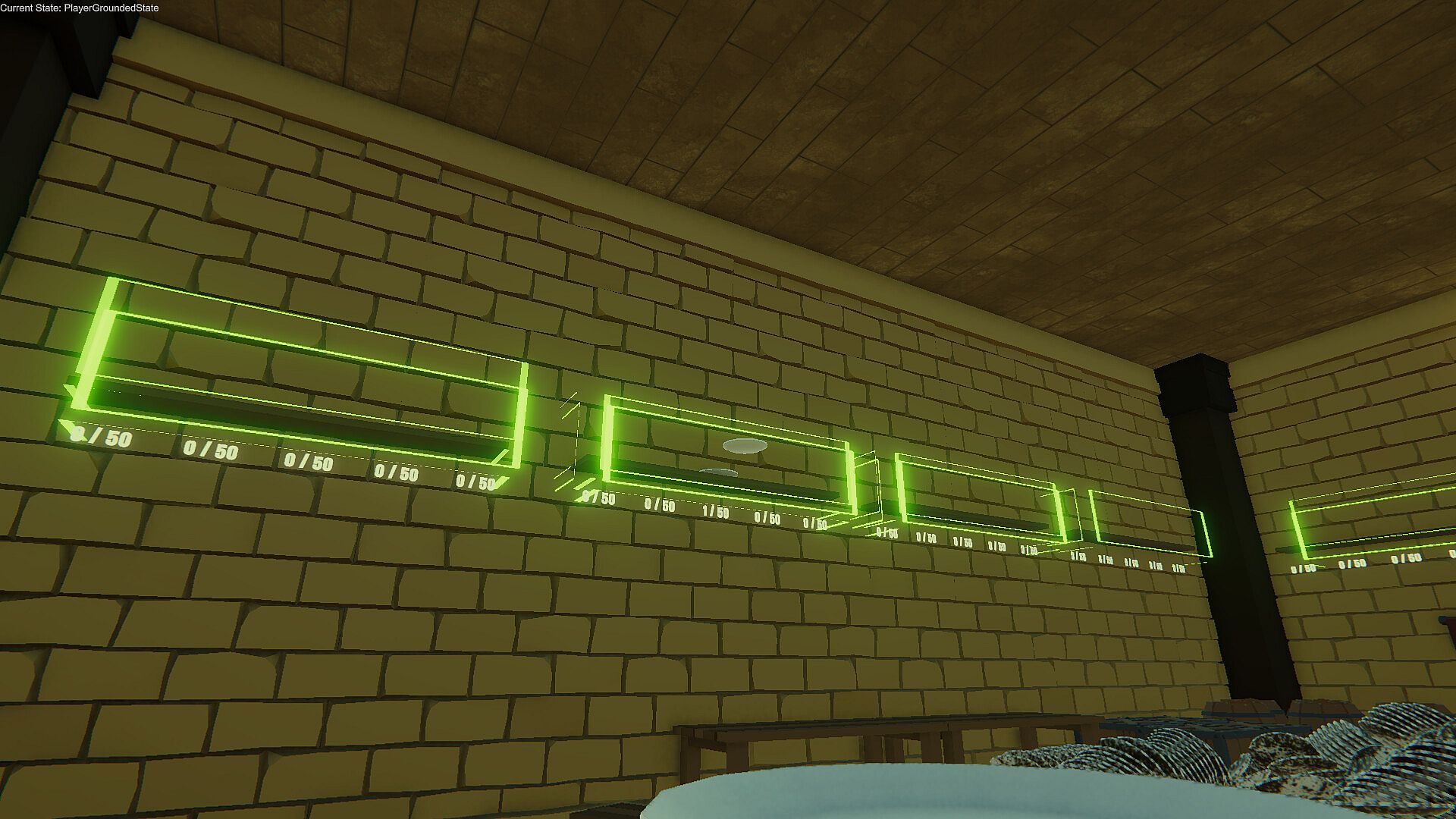
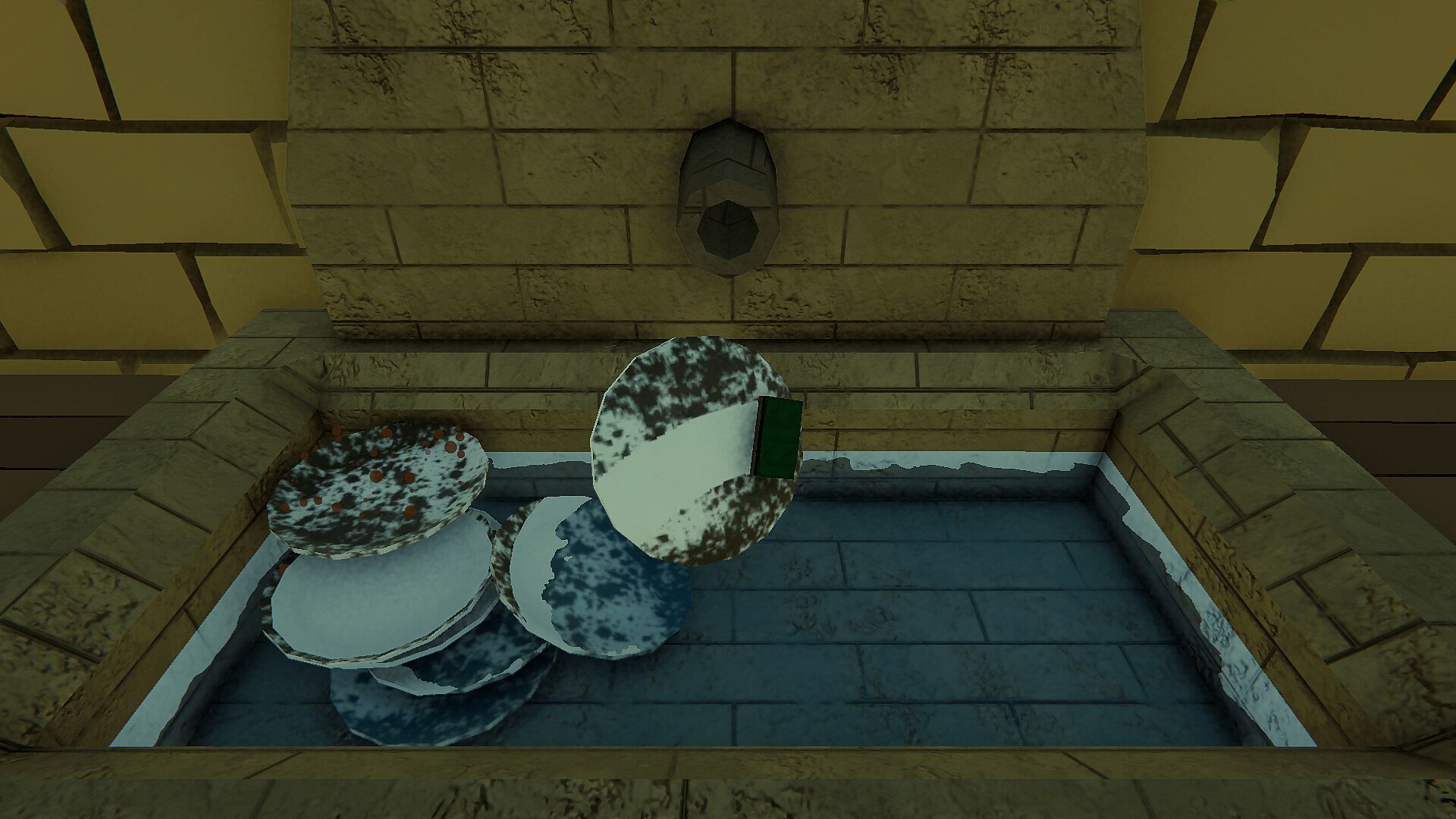
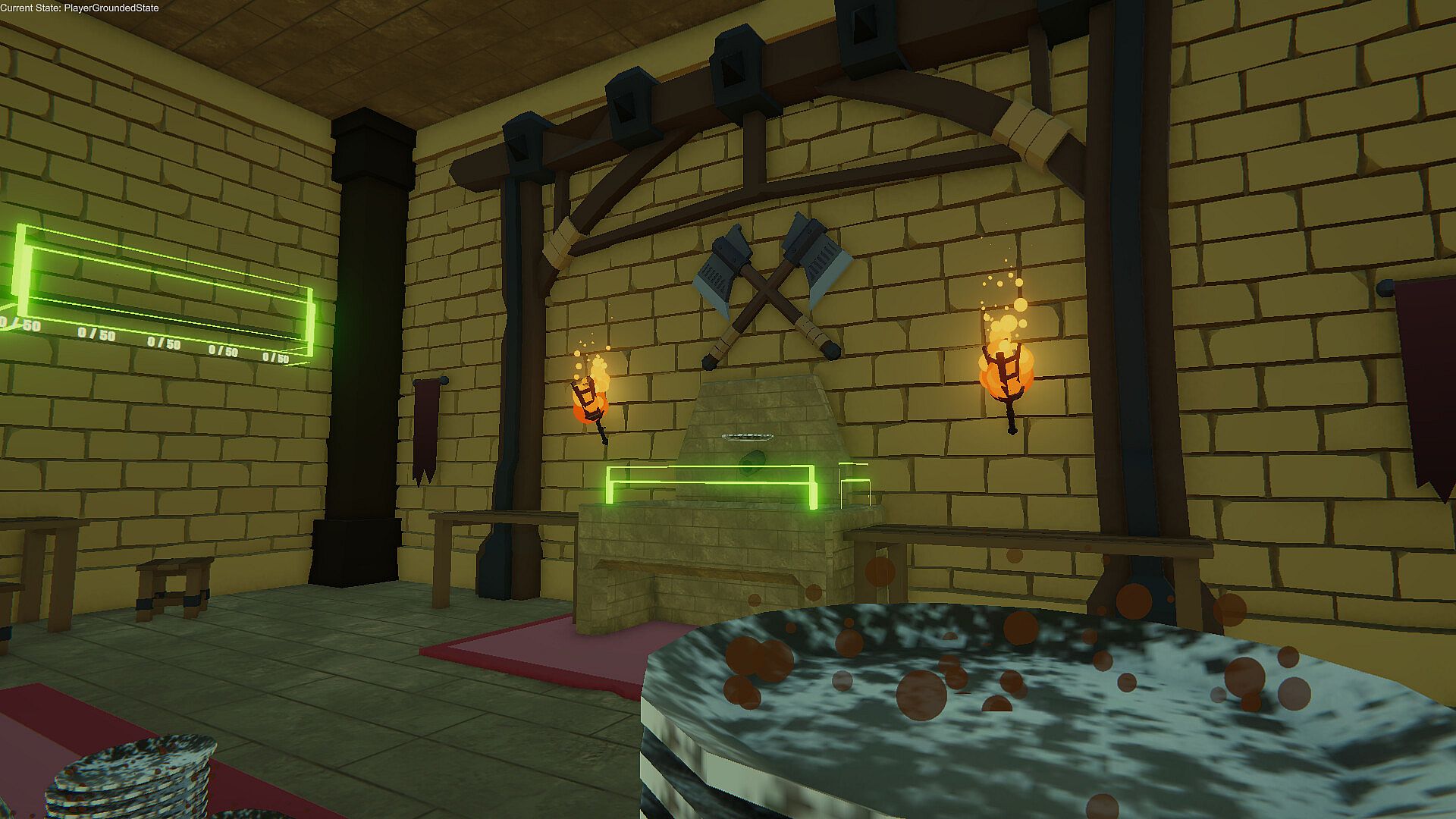
The core loop centers on handling dirty dishes one by one or in small groups. Players pick up items from the growing mountain, carry them to the sink, and use a sponge to scrub away grime in a hands-on process. Dirtier plates require more attention, while those that begin to smell benefit from a quick rinse before scrubbing resumes. Once clean, each dish moves to the drying and stacking area, building neat piles that gradually reduce the overall mess. The medieval kitchen setting adds a light layer of atmosphere without complicating the task, keeping the focus on the repetitive yet tactile actions of washing, rinsing, and organizing. There is no timer or pressure to rush, allowing players to settle into the rhythm and appreciate the gradual transformation of chaos into order.
Game Modes
The game offers a single continuous experience built around the central goal of cleaning all 3,000 dishes. Progress happens through steady repetition rather than distinct modes or branches, with the entire session revolving around the same satisfying sequence of pickup, wash, rinse, stack, and repeat. This unified structure emphasizes relaxation and personal pacing over variety or competition, making every session feel like a direct continuation of the same absorbing task.
Atmosphere and Presentation
Visuals and sound design support the chill tone by highlighting the simple pleasures of the job. The kitchen environment stays consistent and understated, letting the physical interactions with plates, sponges, and water take center stage. Audio cues for scrubbing, rinsing, and stacking provide gentle feedback that reinforces the sense of accomplishment as stacks grow taller and the pile of dirty dishes shrinks. The absurd premise of one person facing thousands of dishes after a royal feast adds a touch of humor that fits the low-stakes simulation style without demanding complex systems or story elements.
Who It Appeals To
Players who enjoy slow-paced indie simulation titles centered on repetitive, hands-on tasks will find the most appeal here. The game suits those seeking a break from high-intensity experiences, offering instead a space to unwind through methodical cleaning and organization. Its focus on a single, clearly defined objective makes it accessible for short or extended sessions alike, with no need to manage resources, unlock upgrades, or navigate branching narratives.
Is It Worth Playing?
3000 Dishes delivers exactly what its premise promises: a relaxing simulation built around the satisfying process of washing and stacking dishes in a medieval setting. Those drawn to chill indie experiences that reward patience and attention to small details will likely appreciate the consistent loop and lack of external pressures. The game remains a straightforward, self-contained activity that can serve as a low-commitment way to pass time while still providing a sense of tangible progress through the growing stacks of clean dishes. For anyone interested in simulation games that prioritize atmosphere and repetition over complexity, it represents a solid match for that specific preference.











