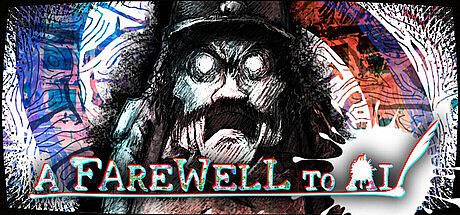


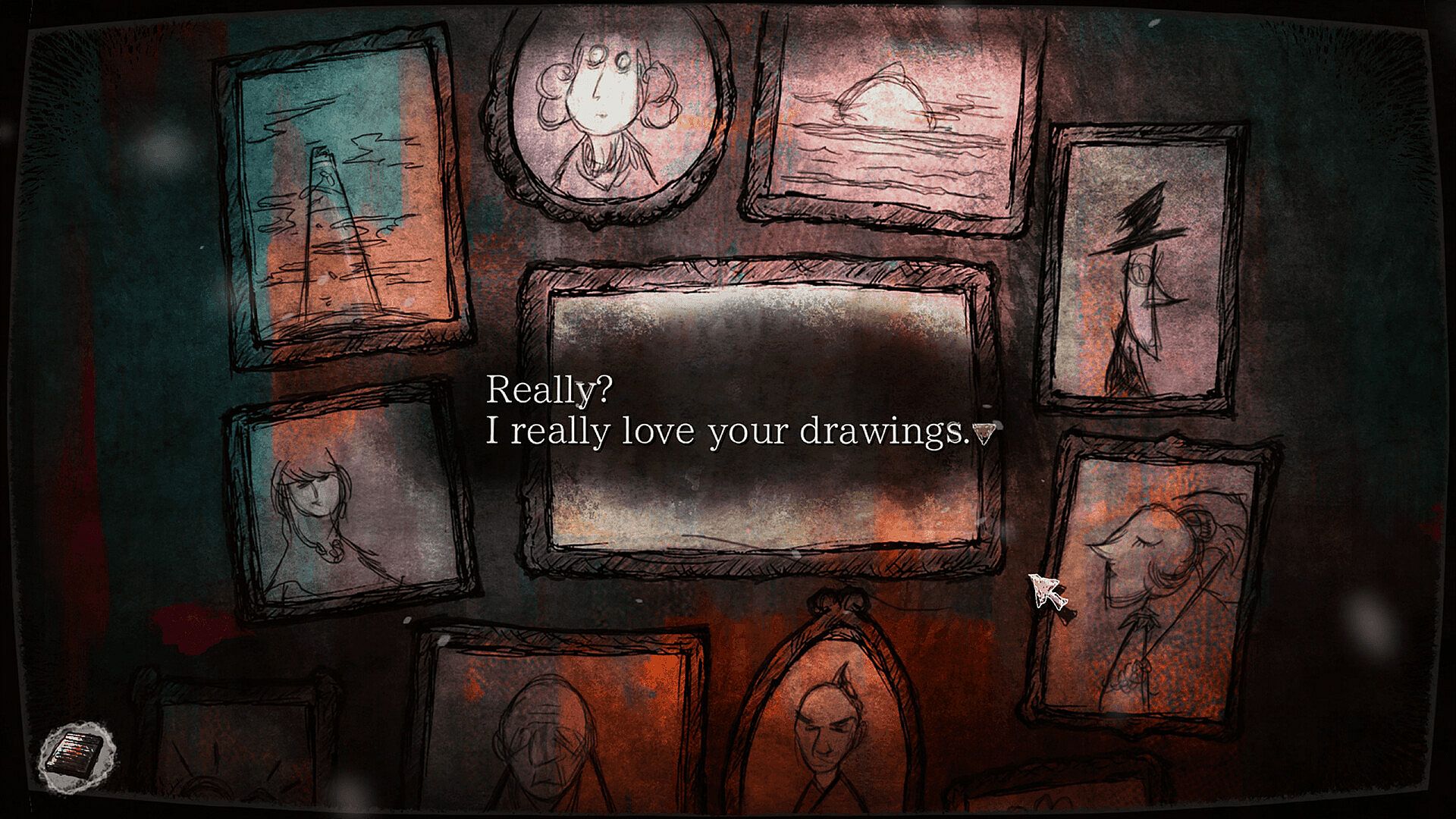
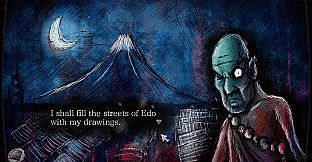
A Farewell to AI is an indie visual novel that combines narrative storytelling with direct drawing input. Set in a future where an AI regime has outlawed all forms of artistic expression, the game places players in the role of a participant in a quiet rebellion. Drawing serves as the primary means of advancing the plot, solving puzzles, and uncovering the reasons behind the prohibition on art.
Gameplay
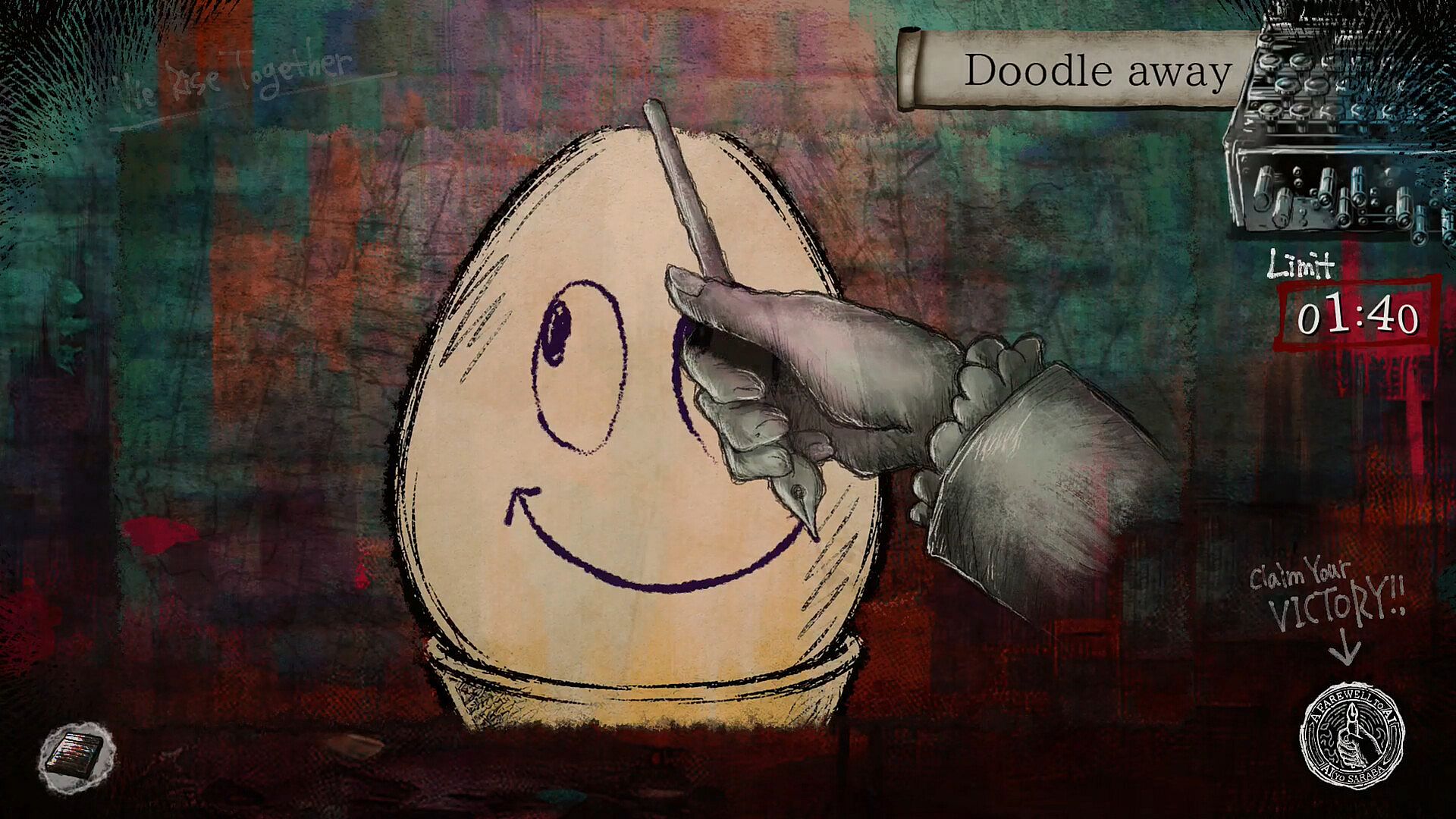
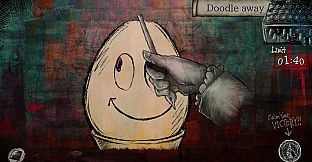
Players interact with the story by responding to on-screen drawing prompts that appear during key scenes. These prompts require creating images that match specific themes or instructions within a time limit. A custom AI system then evaluates each submission based on factors beyond technical skill, focusing instead on the intent and spirit conveyed in the lines. The evaluation influences story progression and unlocks further chapters.
The core loop revolves around repeated drawing sessions that tie directly into mystery-solving elements. Puzzles emerge from the narrative context, requiring players to interpret clues through their artwork. Continuous drawing sequences appear as mini-games that build tension during critical story beats. The experience emphasizes personal expression over perfection, allowing anyone to participate regardless of prior drawing experience.
Input methods support both touch and mouse controls depending on the platform. On mobile devices, finger or stylus input handles the drawings, while the upcoming PC version accommodates mouse-based creation. The system provides feedback on what influenced each judgment, helping players understand how their choices shape the unfolding events.
Game Modes
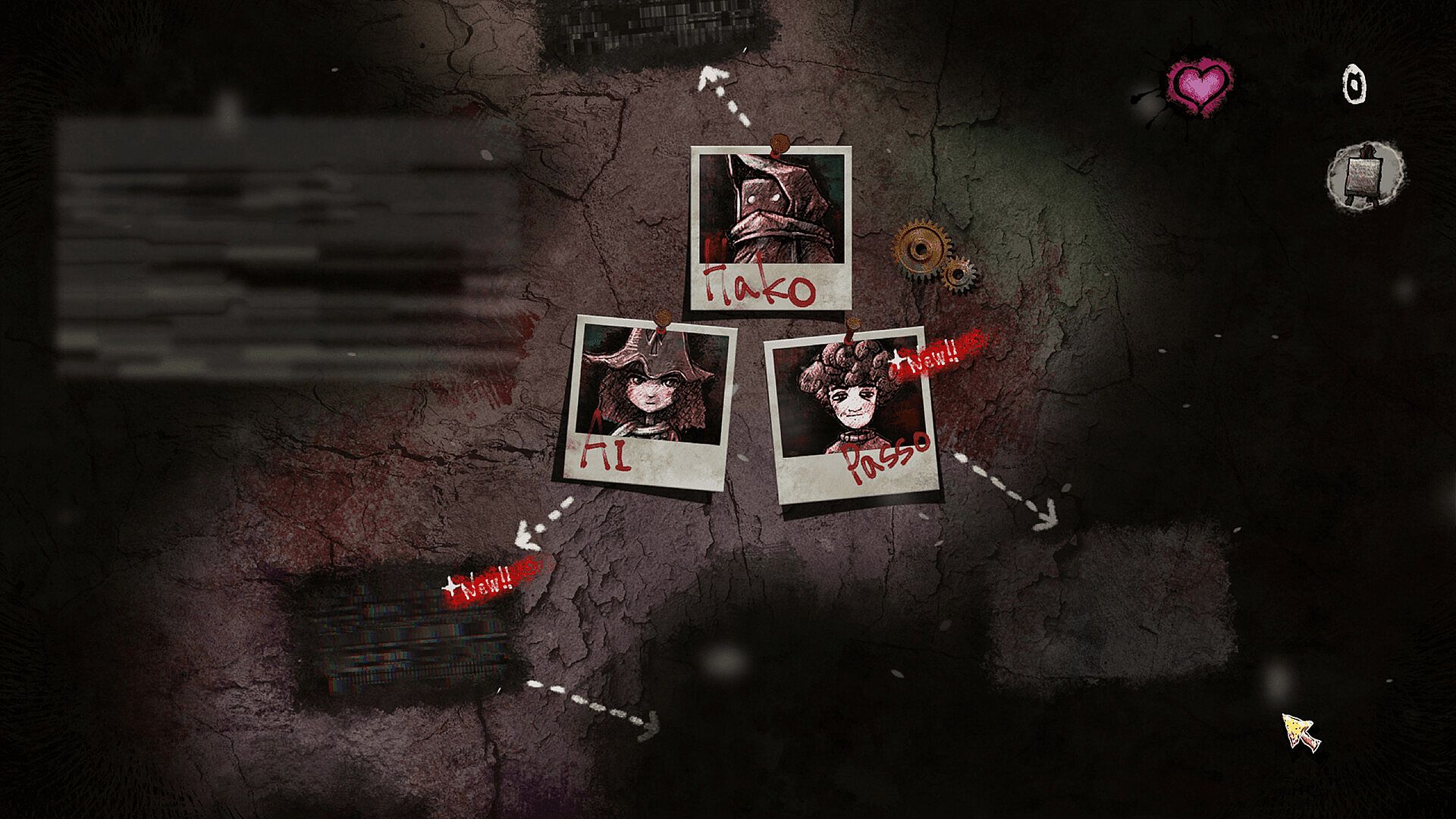
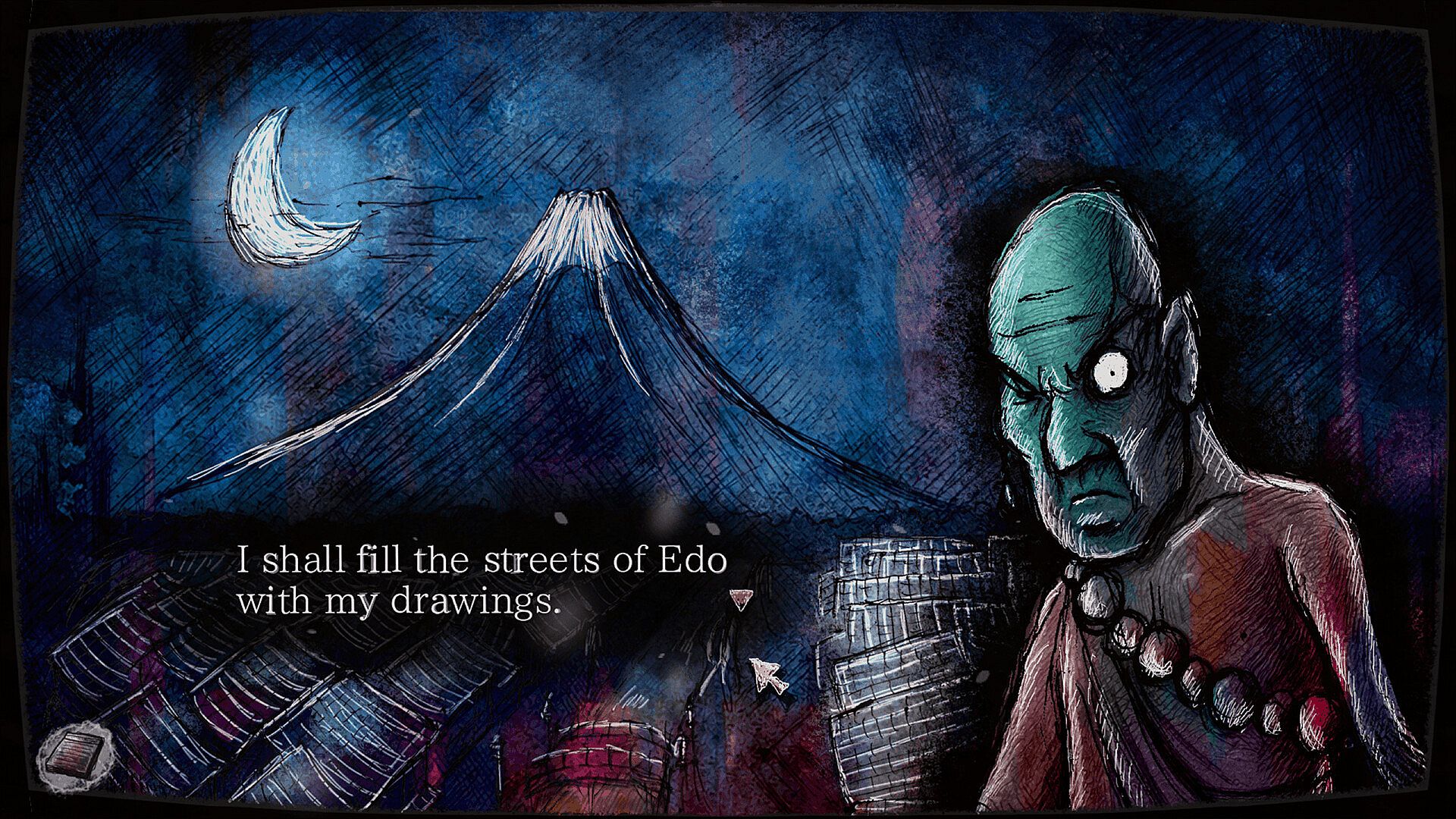
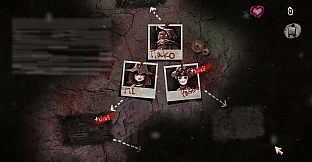
Story mode forms the main experience, presenting a series of interconnected narratives centered on different artists who join the resistance. Each story reveals pieces of the larger mystery surrounding the AI-controlled world and the ban on drawing. The full version includes eight distinct stories that gradually reveal the complete picture as players progress through them.
Challenge mode offers standalone drawing tasks separate from the main narrative. These focus on varied prompts that test creative responses without advancing the plot. Players can return to this mode to experiment freely with different themes and receive evaluations on their submissions.
Both modes integrate puzzle and mystery elements that require careful attention to the story context. Drawing missions appear throughout, blending creative input with deductive reasoning to overcome obstacles in the rebellion.
Story and Setting
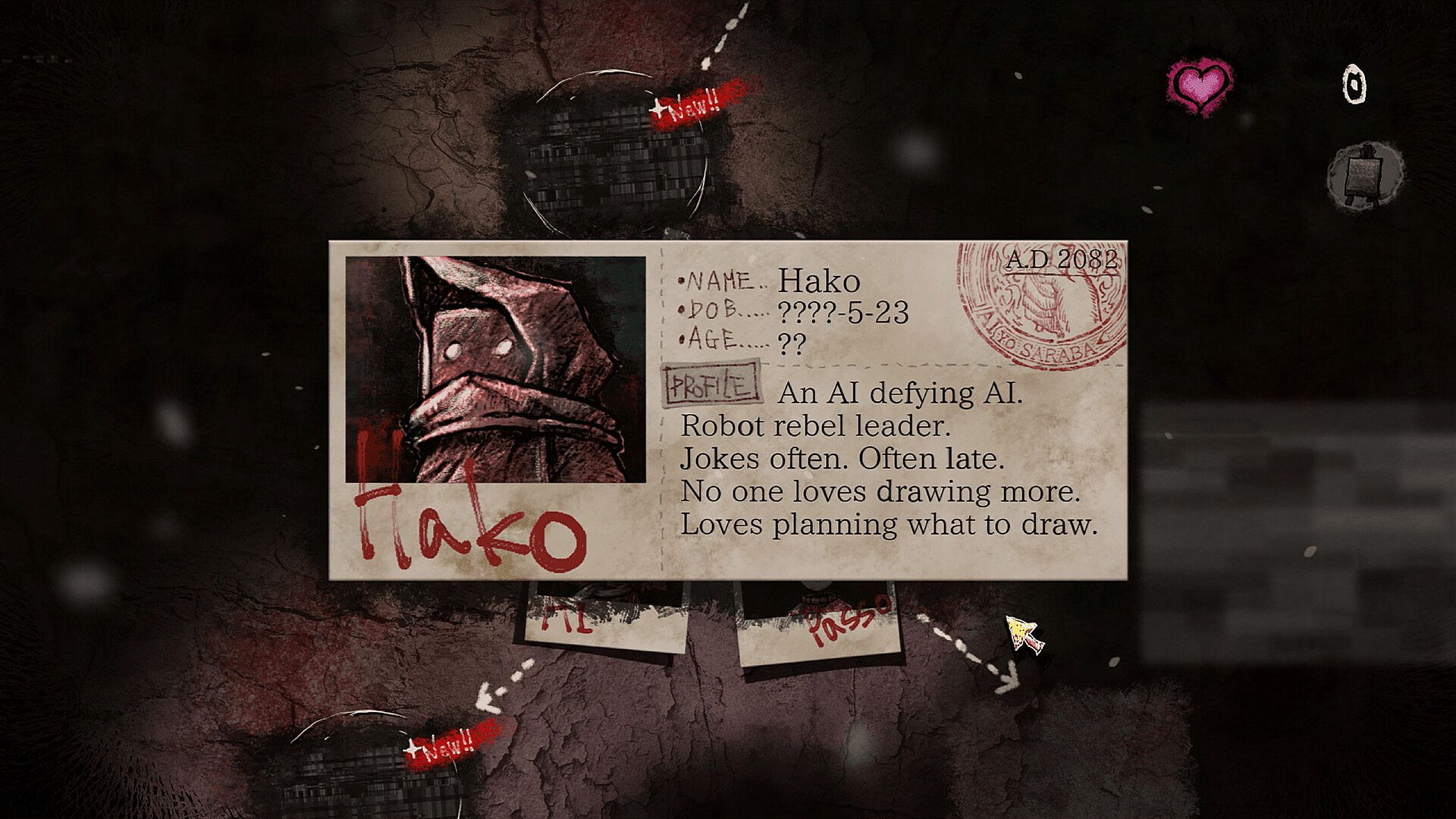
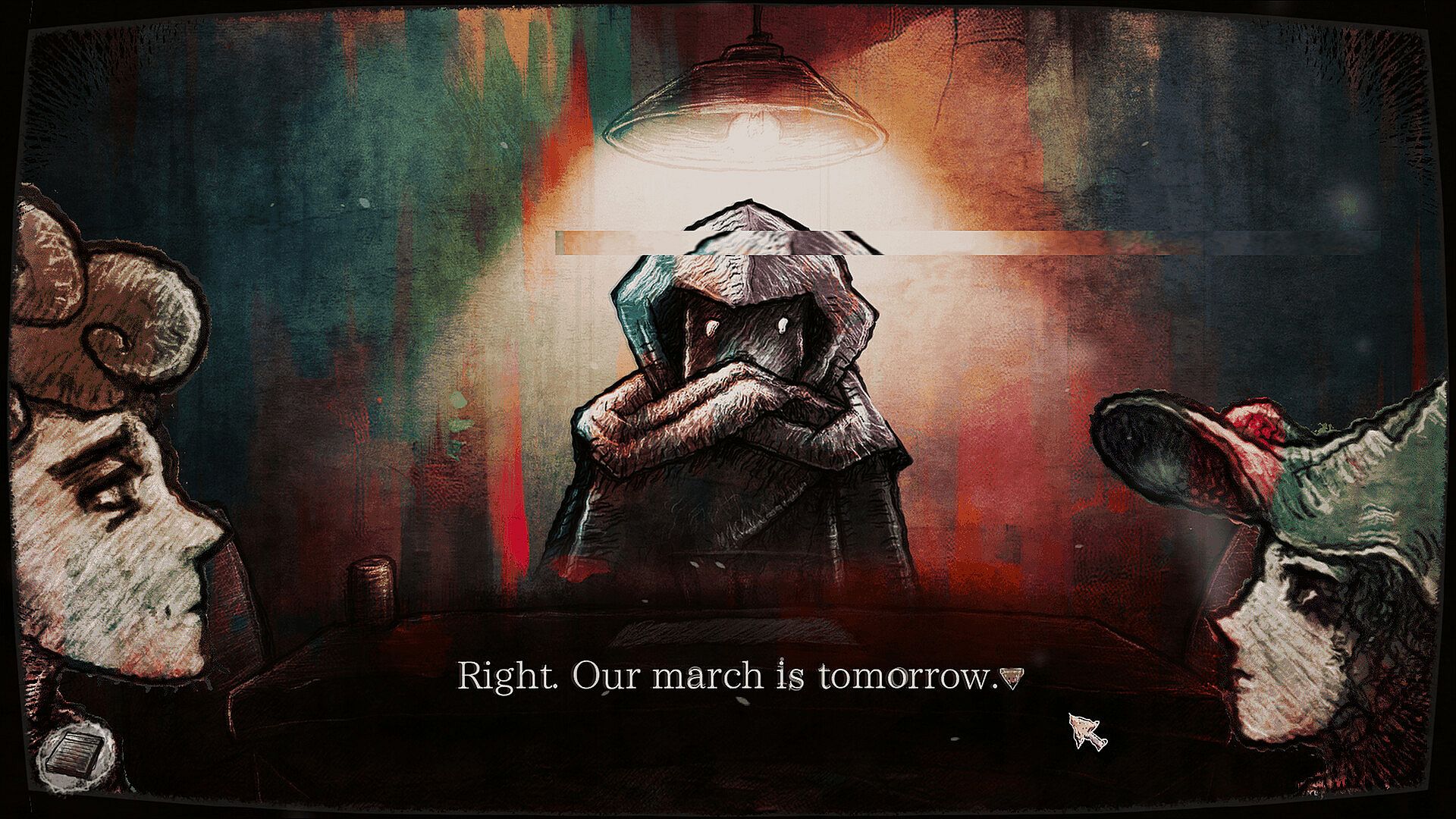
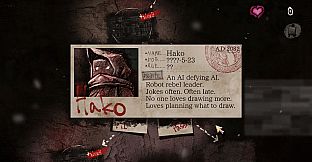
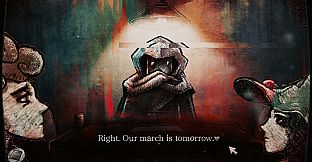
The narrative unfolds in a dystopian future where AI governance has criminalized pens and paper. Owning drawing tools carries severe penalties, yet a rogue AI figure rallies others to resist through artistic acts. Players meet characters from various eras and regions, each contributing personal accounts that deepen the central conflict.
The mystery at the heart of the game explores why the ruling AI suppressed creative expression and what role the player's drawings play in challenging that order. Twists emerge as the story progresses, including the revelation that the rebellion's leader operates within the same AI framework it opposes. This setup creates tension between themes of control, individuality, and the power of personal creation.
Is It Worth Playing?
The game targets players who enjoy visual novels with interactive twists and those interested in creative mechanics that do not demand artistic expertise. Its unique approach of using drawing to drive both story and puzzles sets it apart from traditional text-based adventures. The free iOS version provides an entry point to sample the world and core drawing evaluation system.
Full release on PC and updated iOS versions in spring 2027 will expand the content significantly, adding more stories, refined visuals, and additional mechanics. For individuals drawn to themes of rebellion through self-expression or who appreciate games that reward imagination over precision, the title offers a distinctive experience. Those seeking conventional action or competitive elements may find the focus on narrative and personal drawing less engaging.
- Encourages drawing as a form of storytelling participation
- AI feedback highlights creative intent rather than technical quality
- Multiple stories build toward a larger mystery