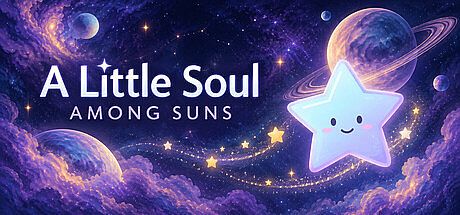


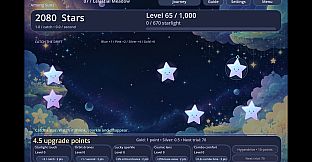
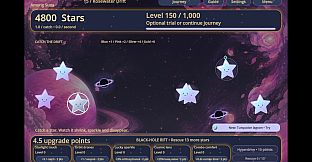
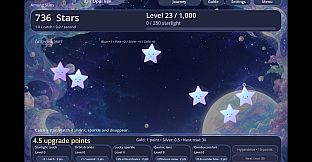
A Little Soul Among Suns is an indie casual game built around relaxed star-catching mechanics in a gentle cosmic setting. Players guide a small star soul through a pastel universe, collecting drifting stars to build light and progress toward a sense of home. The experience emphasizes steady collection, light customization, and optional puzzle challenges rather than high-pressure action or competition.
Gameplay
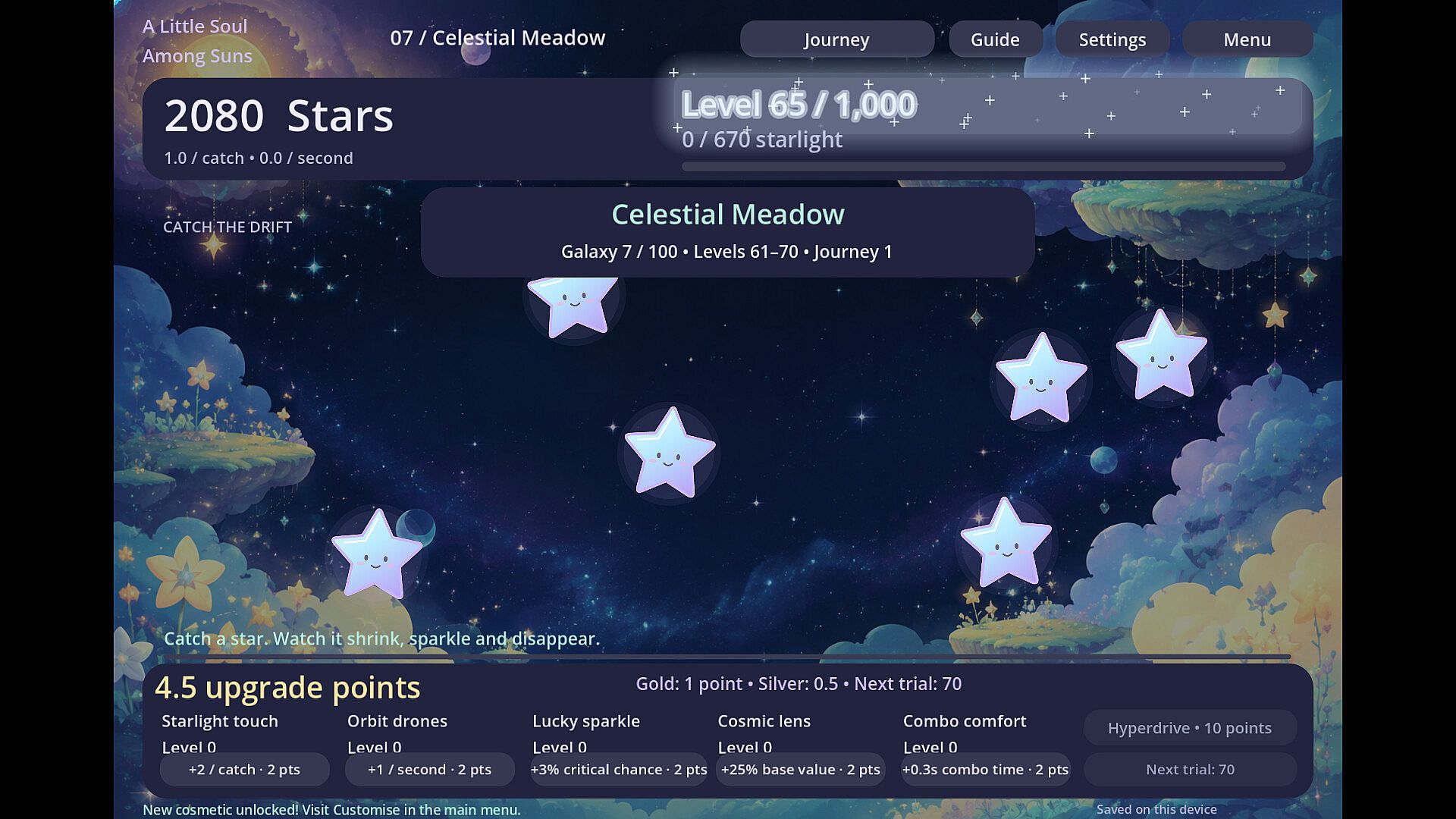
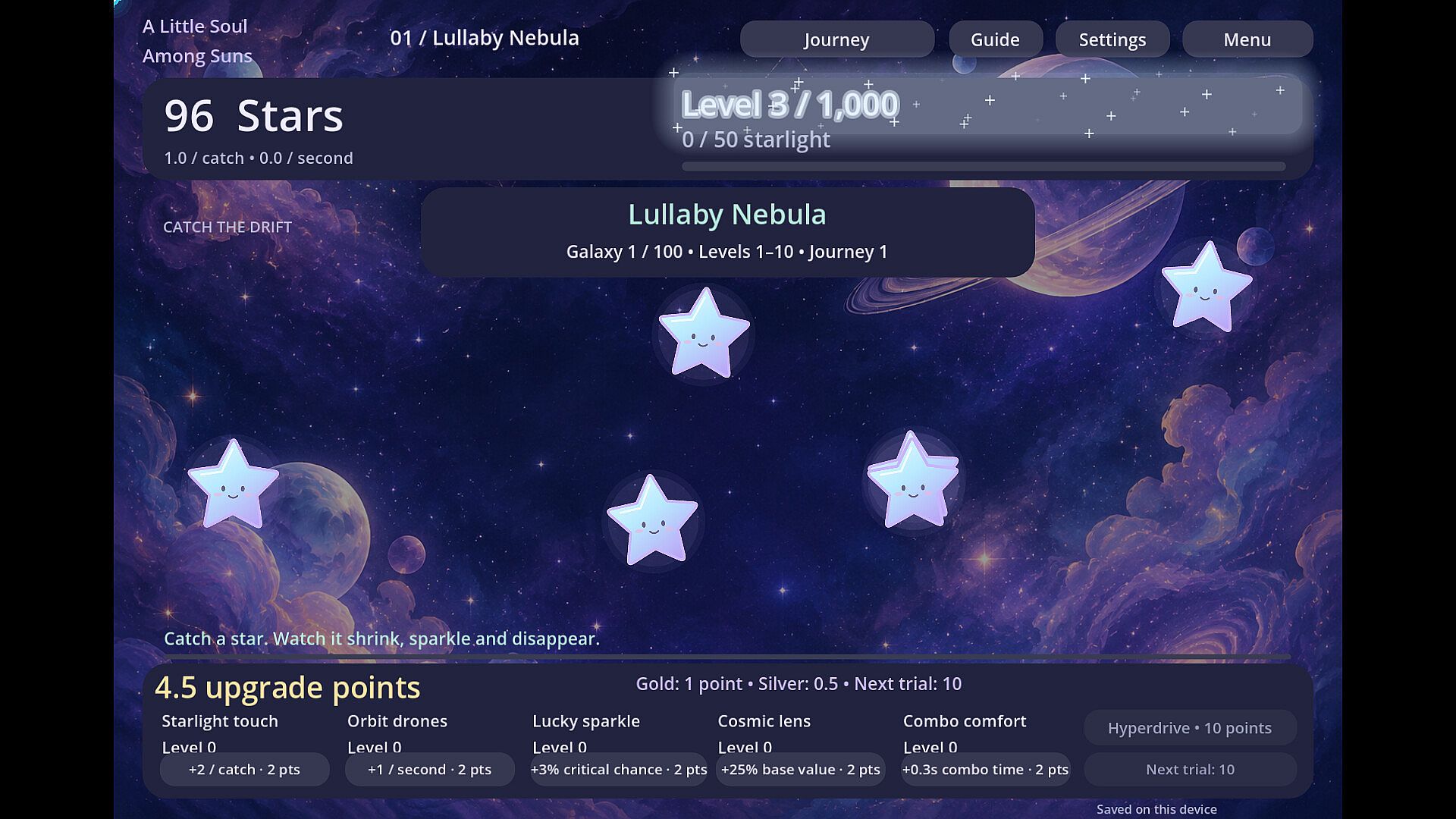
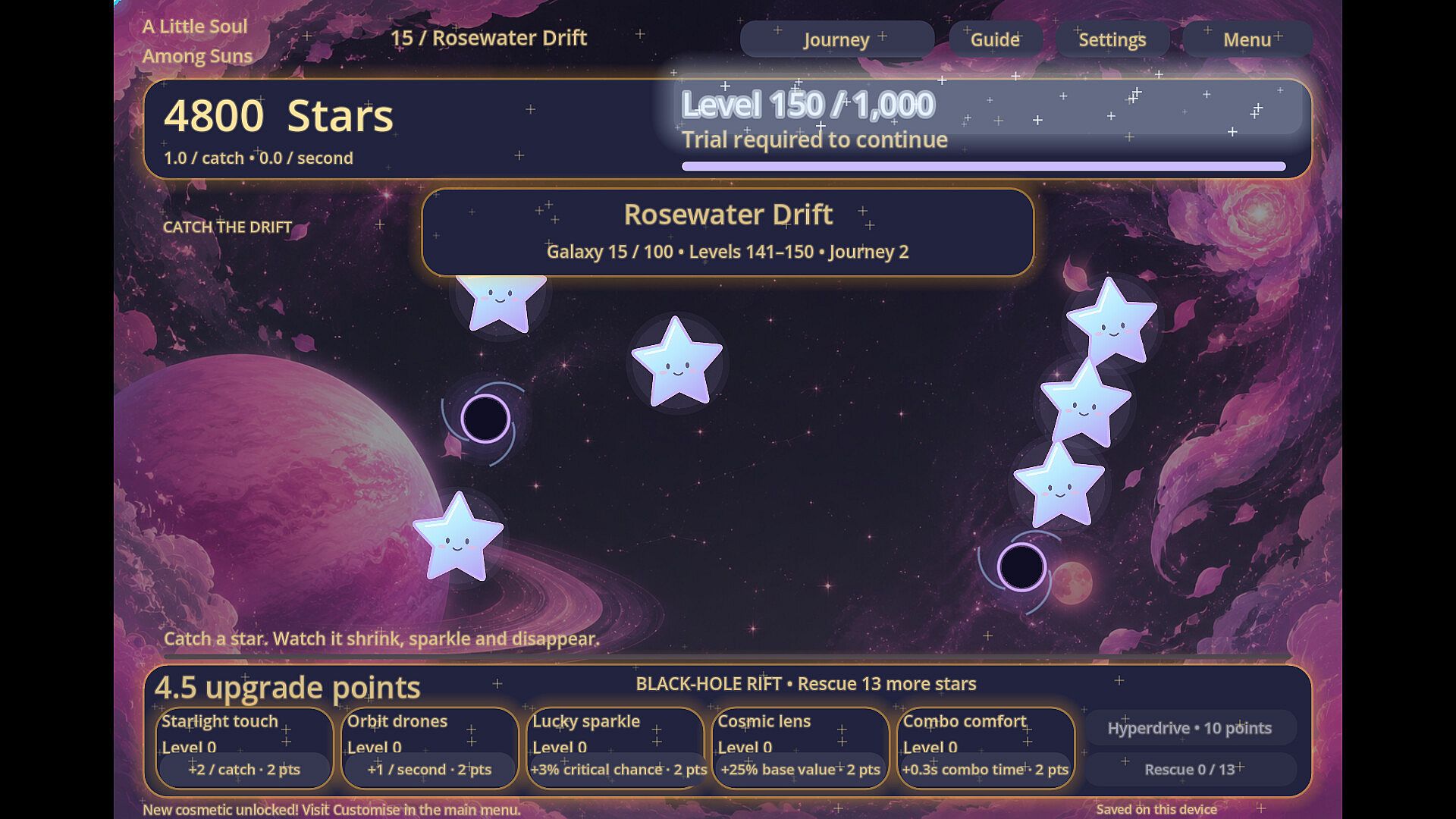
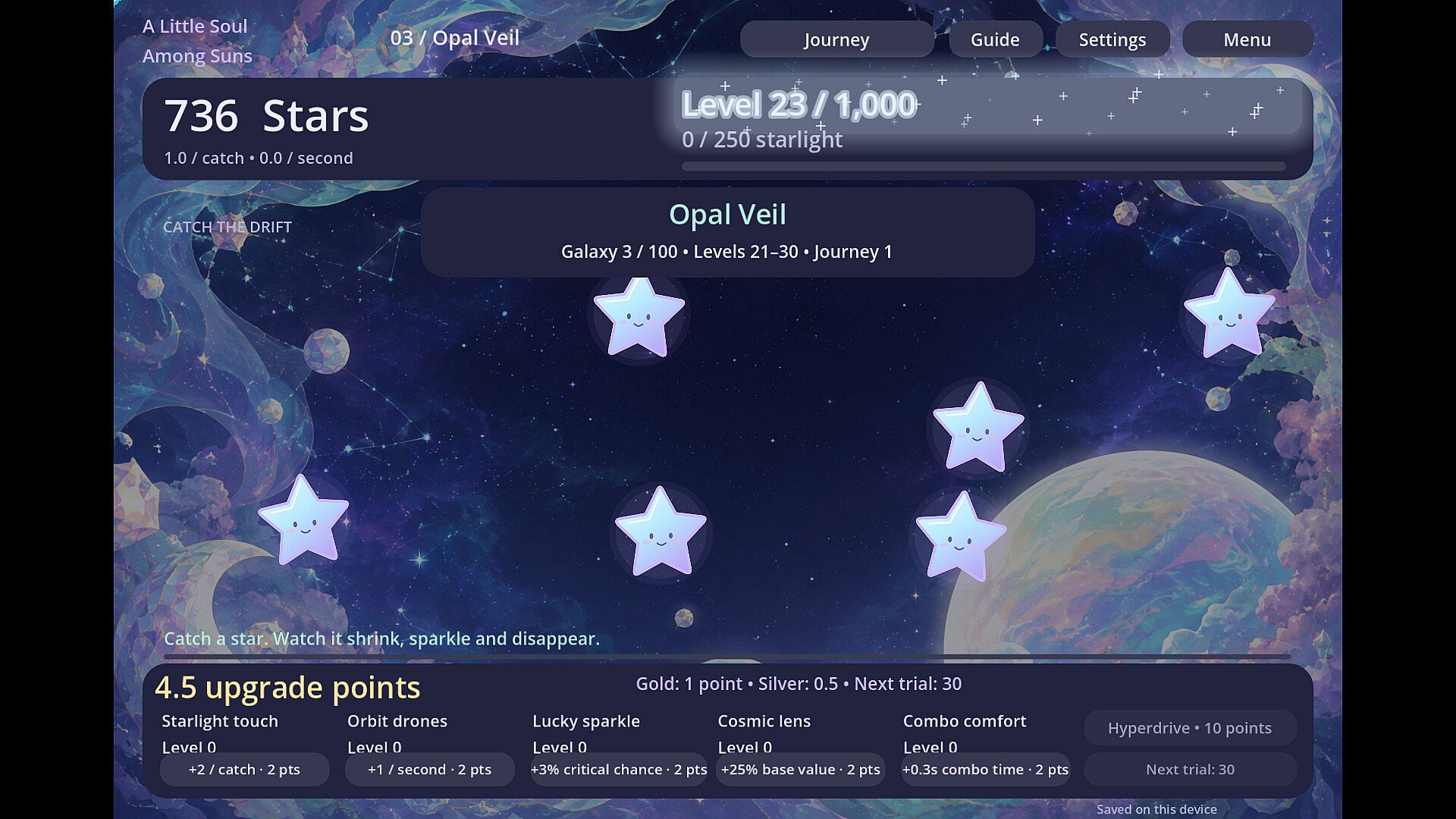
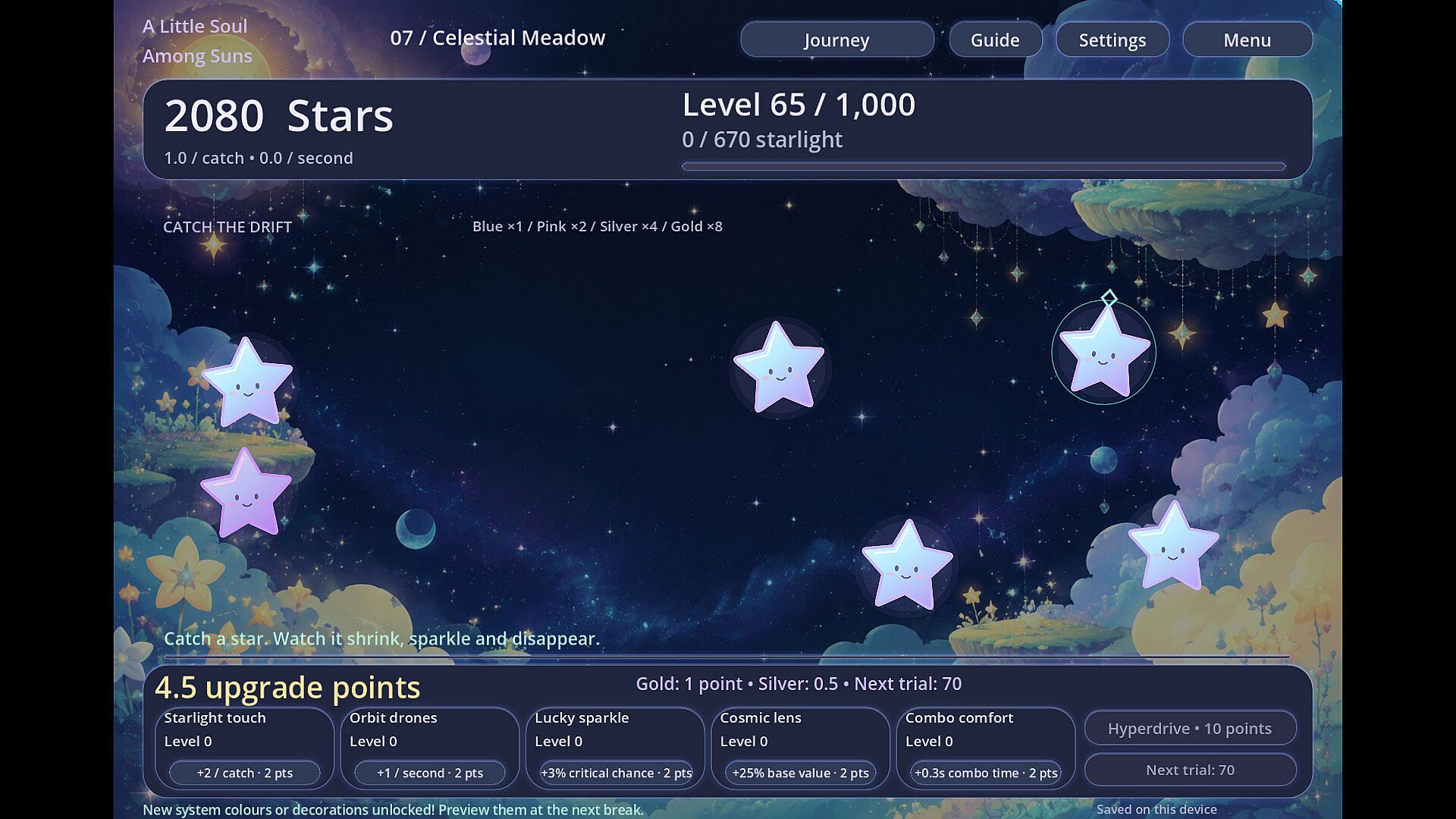
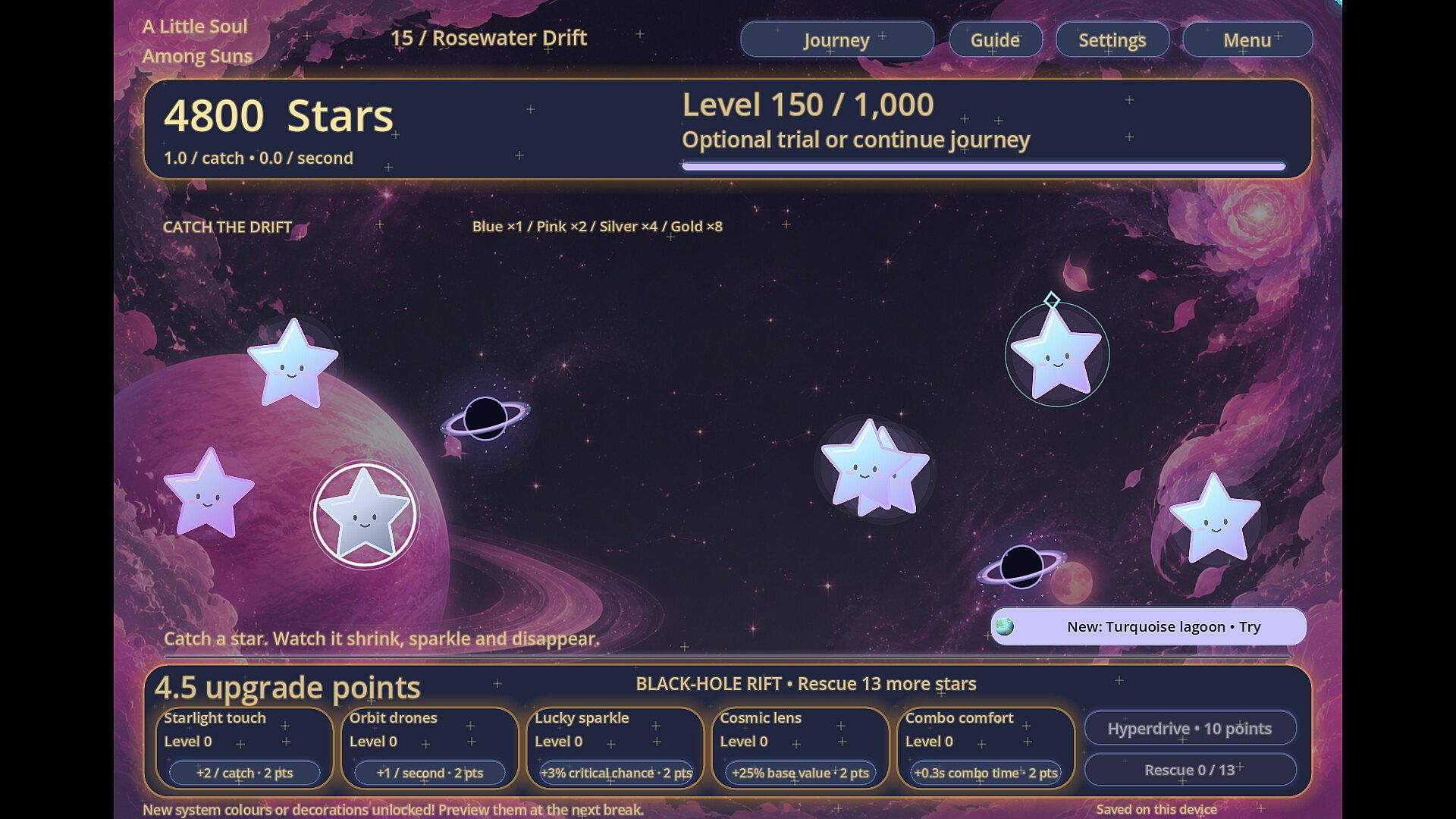
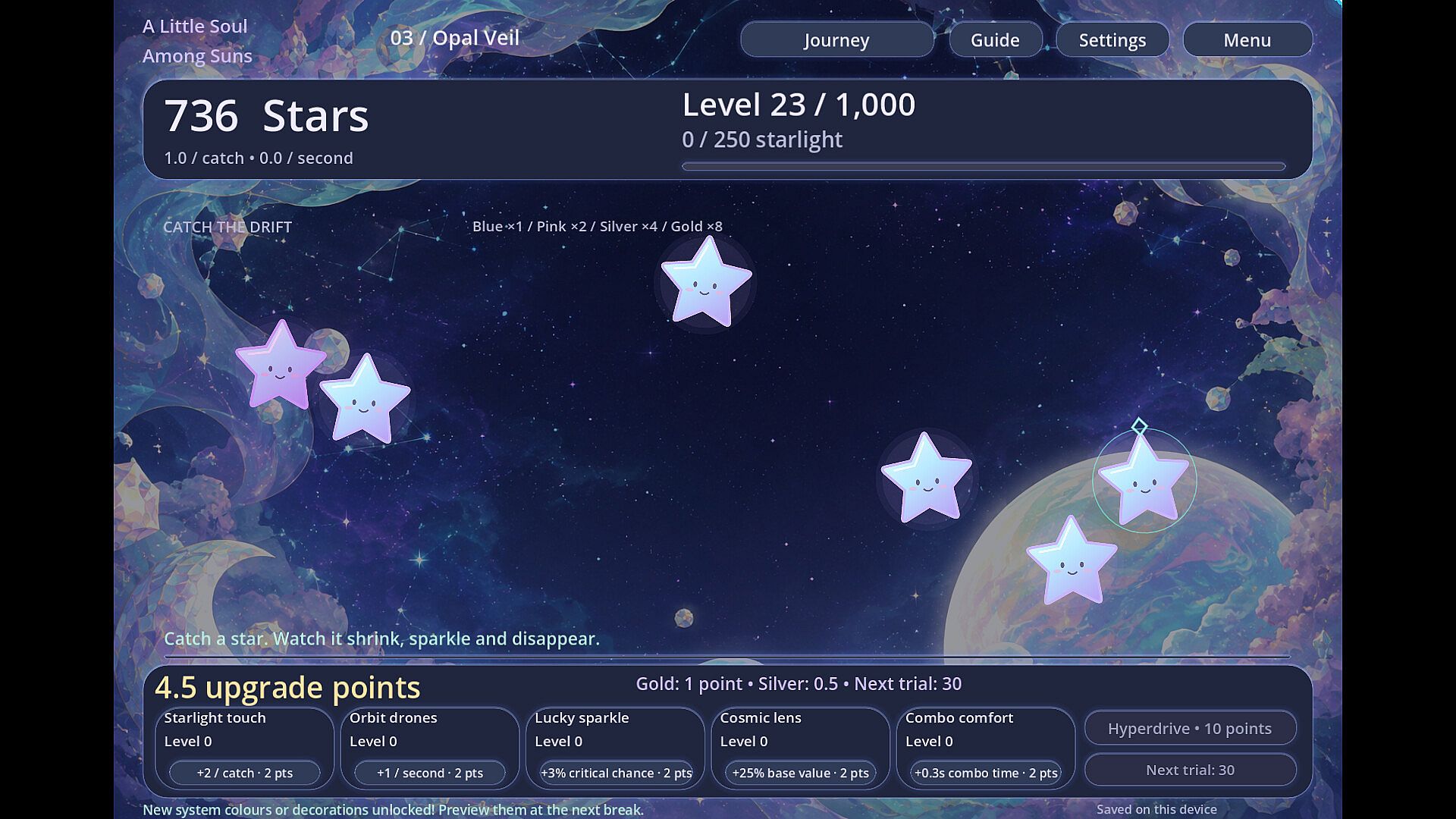
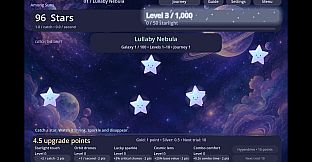
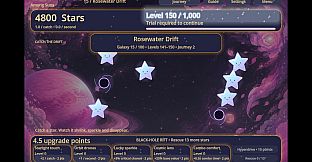
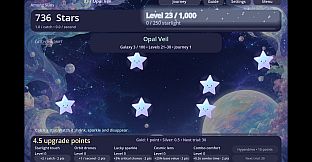
The core loop centers on moving a cursor to catch stars that drift across illustrated galaxy backgrounds. Gold and silver stars add to a collection that funds five upgrades, while perfect catches yield extra rewards. A five-second Hyperdrive mode accelerates star movement and increases the rate of valuable catches for short bursts. Hazards appear in the form of comets and asteroids that deduct collected stars if touched, and occasional black-hole encounters add brief tension to the otherwise steady pace.
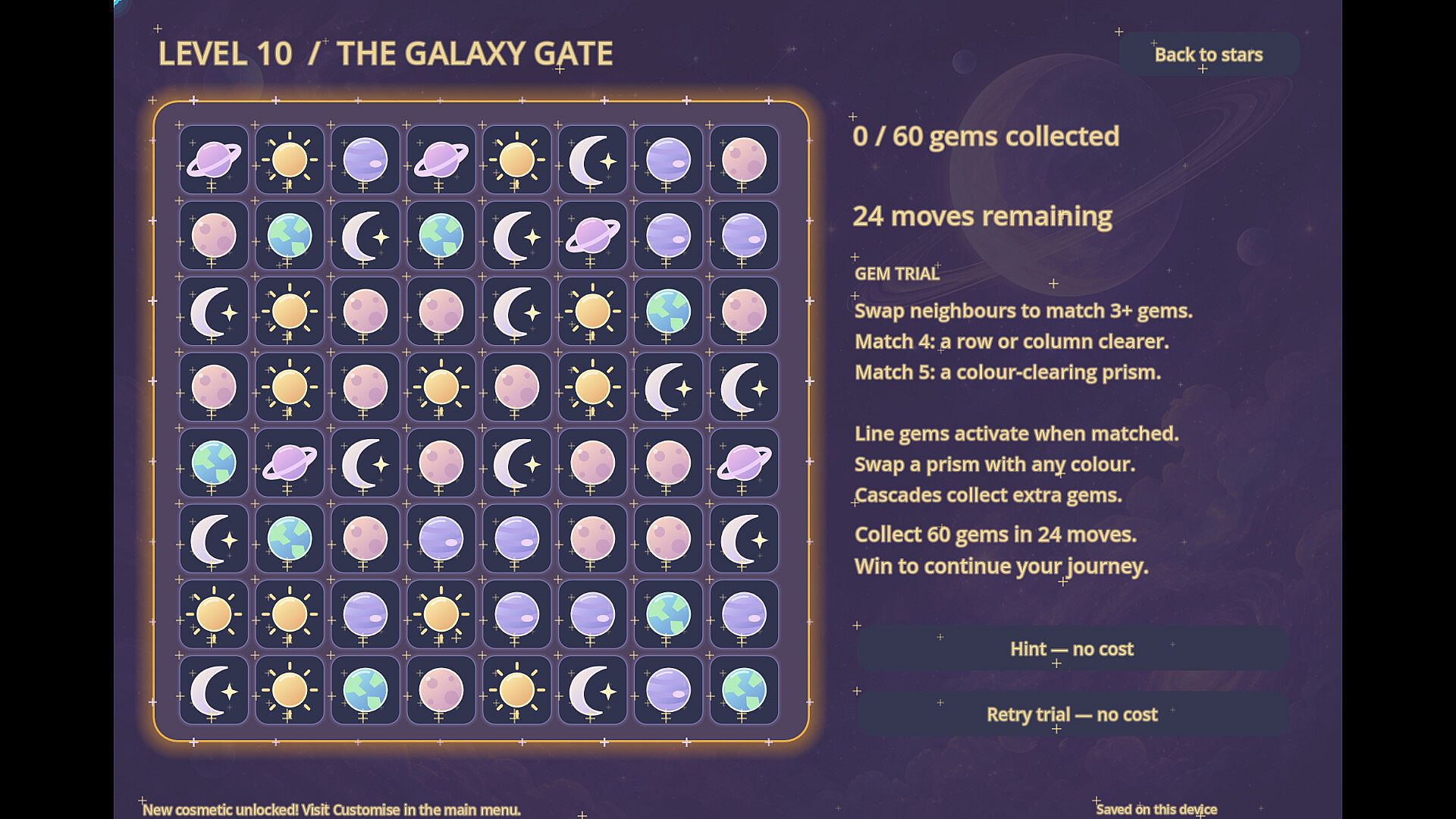
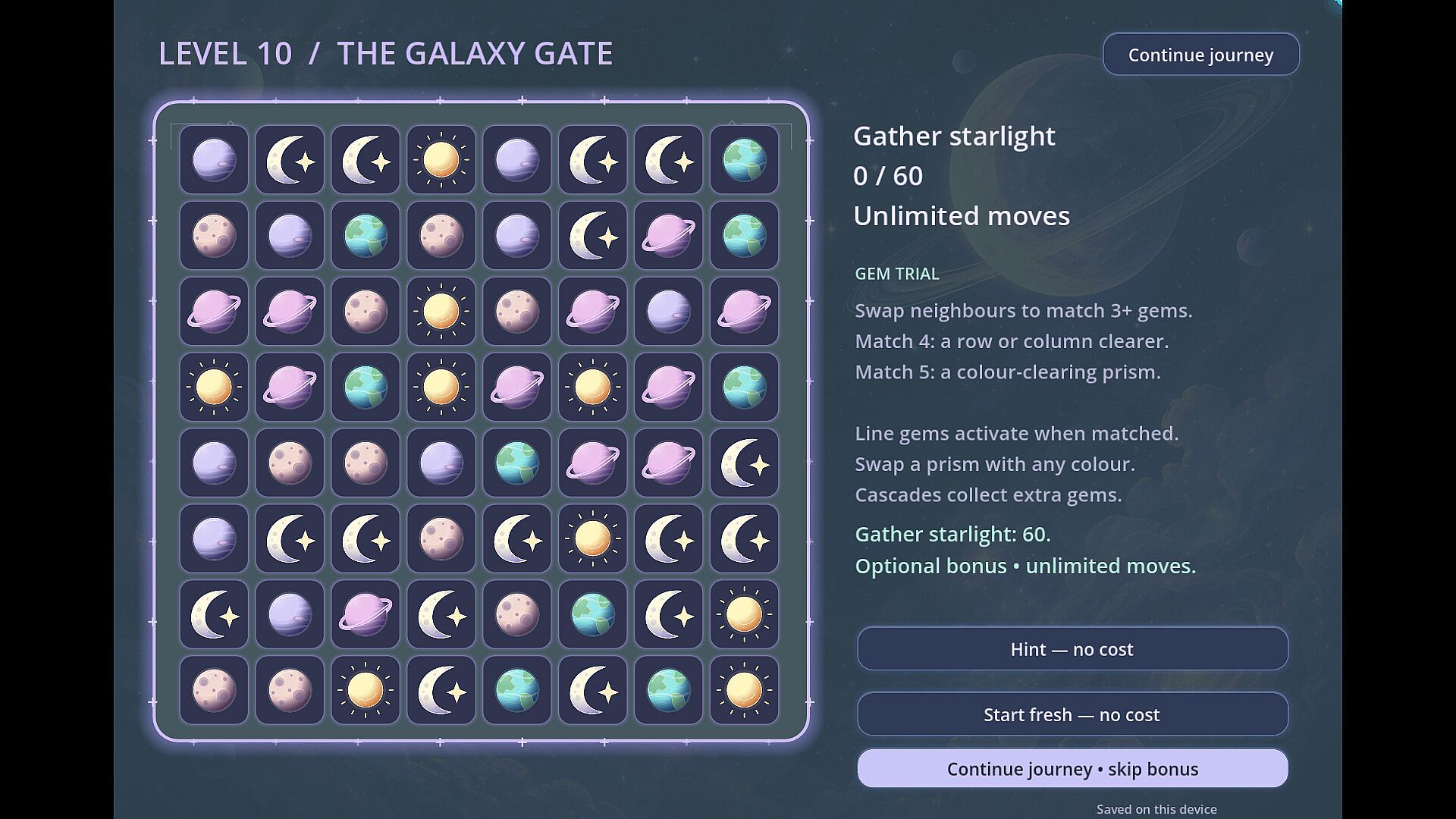
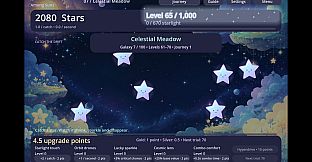
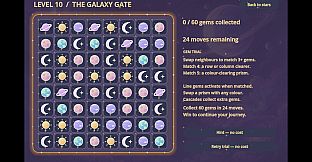
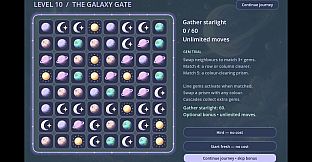
Progression spans 1,000 levels. Every ten levels an optional celestial match-three trial appears, offering unlimited moves and free hints. Players may complete the trial or skip it to continue the main journey without interruption. Ten distinct galaxy backgrounds return in new color variations once the player moves past level 100, providing visual variety across the long campaign.
Constellation fragments collected along the way reveal short stories tied to the star soul's journey. These discoveries integrate directly into the single-player experience without requiring external resources or repeated playthroughs.
Game Modes
The primary mode consists of sequential level progression through the 1,000-level campaign. Each level focuses on star collection with the option to activate Hyperdrive for faster results. The optional celestial match-three trials serve as side challenges that appear at regular intervals but do not block forward movement if skipped.
No separate competitive or multiplayer modes exist. All activity remains single-player and local, with support for mouse and keyboard or Xbox-compatible controllers. Players adjust the pace through a Calm journey setting that slows stars and reduces hazards, or they can enable still stars for a more static experience.
Progression and Customization
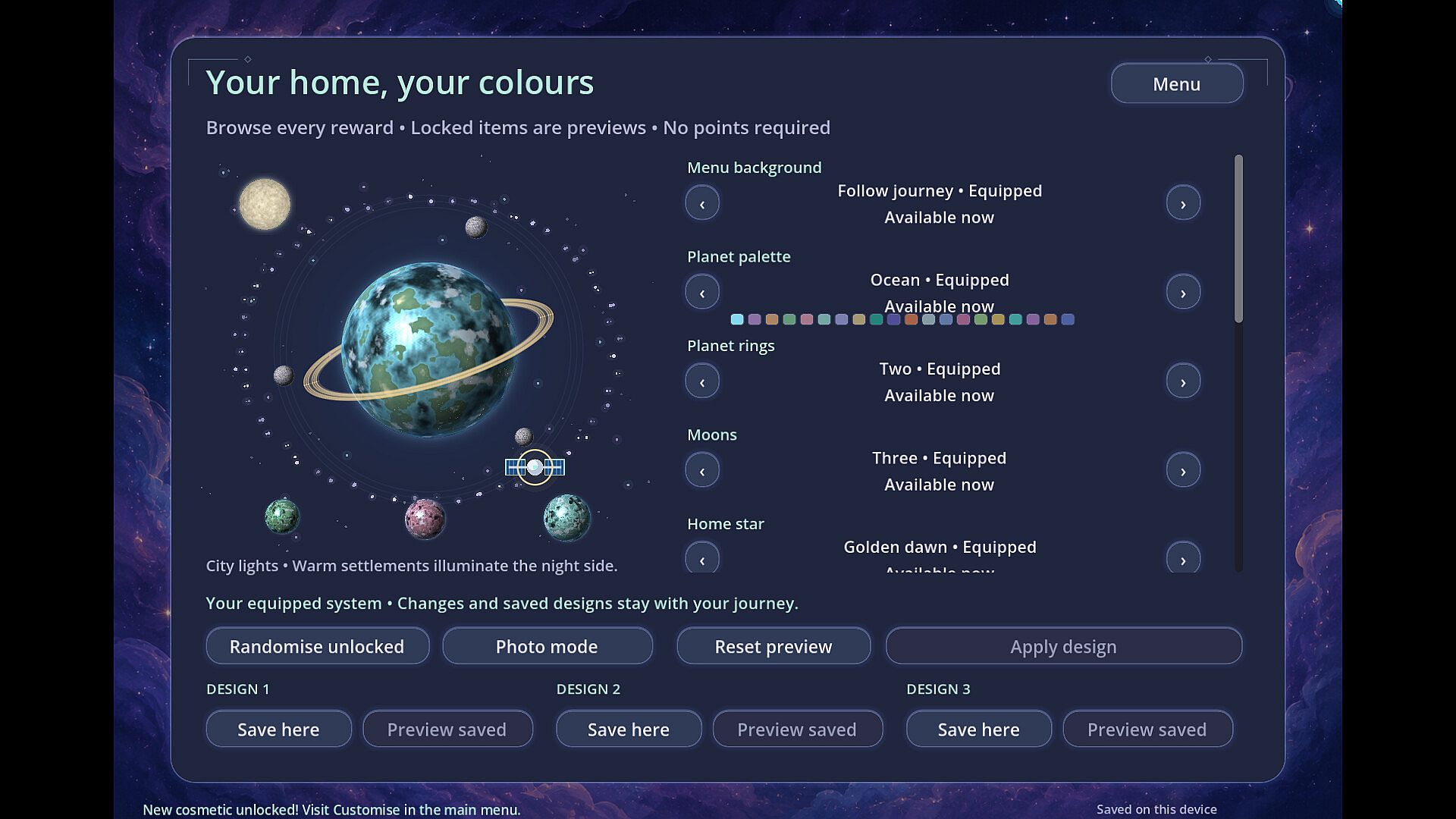
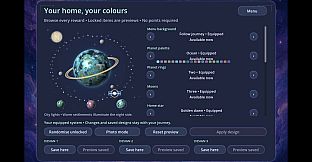
Upgrades purchased with collected stars improve catching efficiency and reward rates. Constellation stories provide narrative context while players build a personal star system using animated ocean planets, moons, rings, and orbital decorations. Cosmetic unlocks include cursor colors, cursor shapes, and interface styles that appear naturally through continued play.
Three system designs can be saved at once. A photo mode allows clean captures of the created star system, and the menu background can be changed to one of the unlocked options. These elements expand gradually without interrupting the main collection loop.
Audio and Accessibility
Each successful catch triggers a soft piano note that contributes to an evolving soundtrack. Early levels feature ambient music that transitions to faster electronic tracks later in the journey. Separate volume sliders, a reduced-effects option, and the Calm journey toggle let players tailor the sensory experience.
Controls are rebindable, and all saves occur locally. These options support extended play sessions focused on rhythm and collection rather than precise timing or high difficulty.
Is It Worth Playing?
A Little Soul Among Suns suits players seeking a calm, single-player collection experience with light puzzle elements and gradual customization. The 1,000-level structure and optional match-three trials provide substantial content for those who enjoy steady, low-pressure gameplay. Features such as Hyperdrive bursts, hazard avoidance, and constellation stories add variety without complicating the core loop.
Because the game remains in a pre-release state with no public player reviews or completed campaigns available, its long-term appeal rests on the described mechanics and accessibility options. Those who prefer relaxing star-catching combined with optional match-three challenges and simple system-building will find the most direct match to the game's design. Players looking for competitive modes, frequent updates, or complex narratives may prefer other titles in the casual or indie space.